
REVIEW · NEW ORLEANS
French Quarter walking Food Tour Famous Flavors of New Orleans
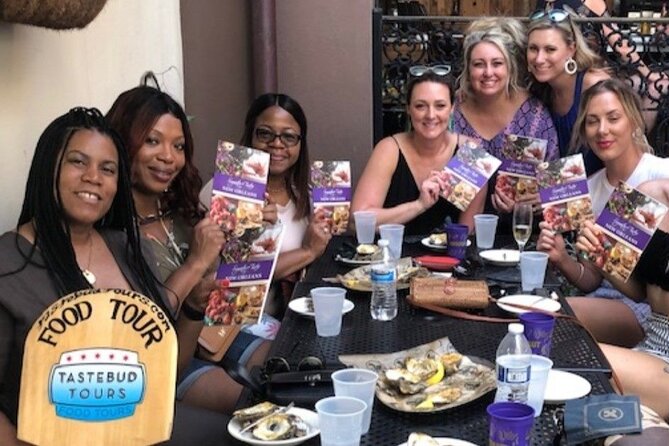
New Orleans puts its food on the same stage as its music and architecture. This three-hour walk starts at the French Market and threads through the French Quarter, pairing classic dishes with stories about Creole cooking, Mardi Gras traditions, old buildings, and local legends. You will eat at several stops, not just hear a guide point out restaurants from the sidewalk.
I like the meal-sized spread, which lets you sample gumbo, red beans and rice, jambalaya, pralines, po-boys, and muffuletta without ordering full portions at every stop. I also like the local guides, including Charles, Kim, Linda, Roger, Lyndel, and Tish, who bring personal knowledge of New Orleans food and culture to the walk. The main catch is that the menu leans heavily toward meat, seafood, bread, and rice, so this is a poor match for vegetarians, people avoiding gluten, or anyone hoping for a broad seafood tasting.
Key points at a glance
- Six possible food stops are named: Tujague’s, Laura’s Pralines, Little Vic’s Rosticerria, Croissant D’Or, Nola Po-Boy, and Cafe Fleur De Lis.
- The portions are designed to replace lunch: Most people should arrive hungry, though one account found the tastings too small for a full meal.
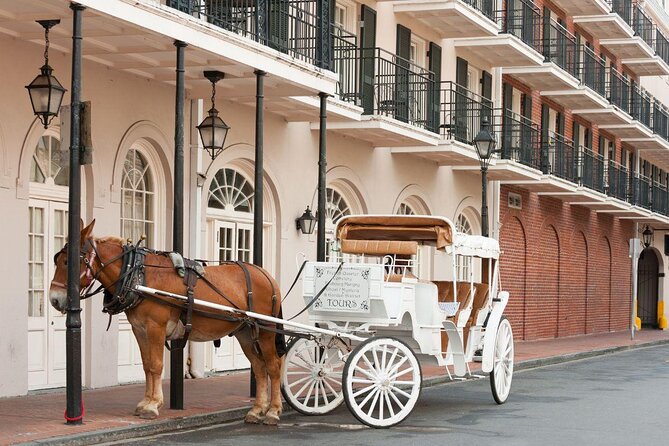
- The French Quarter supplies the setting: Expect Jackson Square, the French Market, historic buildings, hotel exteriors, courtyards, and colorful local stories.
- The guides are a major part of the experience: Charles, Kim, Linda, Roger, Lyndel, and Tish are specifically praised for humor, local knowledge, and clear food explanations.
- The menu changes: The sample menu includes gumbo, jambalaya, red beans and rice, po-boys, muffuletta, Creole and Cajun dishes, and pralines.
- Plan for walking and weather: Wear comfortable shoes, dress for the forecast, and remember that alcoholic drinks and gratuities cost extra.
Starting at the French Market on Decatur Street
You meet at 816 Decatur Street, inside the French Market area. This puts you in the middle of the French Quarter from the first minute, with Jackson Square and the riverfront area close by.
The opening walk is not simply a march to the first plate. Your guide introduces the food traditions of New Orleans while pointing out architecture and familiar French Quarter sights. That context matters here. Gumbo, jambalaya, po-boys, and pralines are easier to appreciate when you understand the city’s mix of French, Spanish, African, Caribbean, Creole, and Cajun influences.
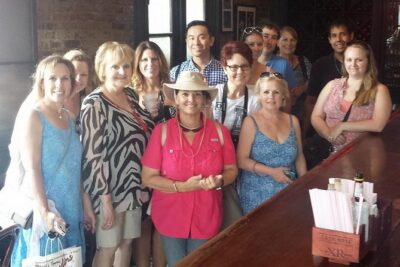
The group can include up to 16 people. That is large enough to have lively conversation, but still manageable on narrow sidewalks and inside small dining rooms. A smaller group is possible, but you should not book this expecting a private walk.
The route lasts about three hours. Some accounts describe a relaxed pace with plenty of time sitting and eating. Others found a lot of zigzagging and repeated passages through nearby parts of the Quarter. Your guide may stop to explain a building, a tradition, or a local story, so this is a food and history walk rather than a nonstop restaurant crawl.
More Food Tours in New Orleans
- New Orleans Food Walking Tour of the French Quarter with Small-Group Option
★ 5.0 · 6,118 reviews - New Orleans Food and History Walking Tour
★ 5.0 · 1,544 reviews - New Orleans French Quarter Food Tour: Cajun, Creole and Culture
★ 5.0 · 1,246 reviews
Gumbo, red beans, and the first taste of New Orleans
The menu may begin with familiar Louisiana staples such as gumbo, red beans and rice, or jambalaya. These dishes are filling, heavily seasoned, and built around the practical cooking traditions of the region.
Gumbo can introduce you to the layered flavors of Louisiana cooking. Jambalaya and red beans with rice show how rice became a central part of everyday meals. The portions are tasting size, but several samples together are intended to make a proper lunch.
This is also where the tour can feel repetitive if you want a wide range of ingredients. One person found that too many dishes centered on rice, beans, and similar components. That criticism is fair. The tour gives you a solid introduction to classic comfort food, but it does not promise a full survey of modern New Orleans dining.
Your guide may explain the difference between Creole and Cajun cooking. That distinction is useful because the terms are often treated as interchangeable, even though they refer to different food traditions and regional identities. Guides who grew up in or near New Orleans, such as Tish and the guide described as being from just north of the city, can add a personal angle to that discussion.
Tujague’s and the old French Quarter dining room
Tujague’s is presented as one of the historic food stops. The building once served as a Spanish armory before becoming a restaurant, and the setting carries the formal feel of an old New Orleans dining institution.
The listed tasting here is red beans and rice. It is a modest dish in appearance, but it tells you plenty about local cooking: inexpensive ingredients, slow preparation, strong seasoning, and a close connection to weekly family meals.
The restaurant setting also gives you a chance to sit down. That matters in the French Quarter, where the pavement, heat, humidity, and crowds can wear you out faster than the mileage suggests. Not every part of the tour is spent walking. Several stops provide a short break with food.
Laura’s Pralines and the sweet side of Creole cooking
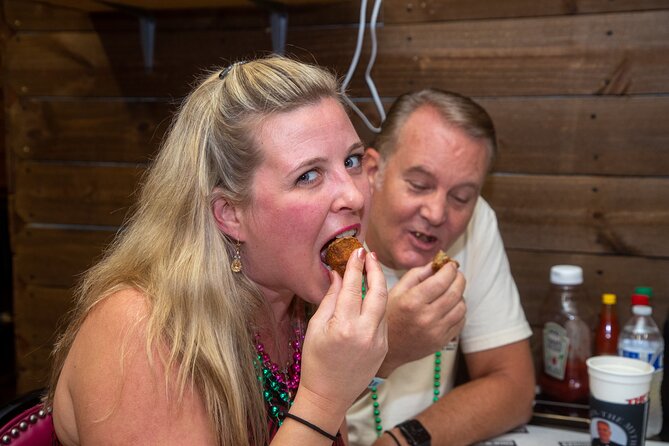
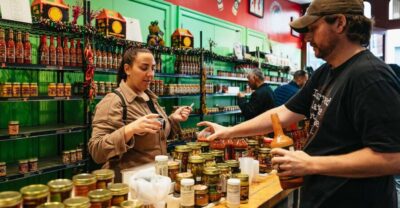
Laura’s Pralines and Candies supplies the dessert stop. It is described as New Orleans’ oldest candy store, with pralines and handmade chocolates prepared in the French Quarter kitchen.
Pralines are a key New Orleans sweet, made with sugar and nuts and known for their soft, crumbly texture. The recipes are said to reach back to the 18th century, giving your guide an easy way to explain how European sweets changed in Louisiana.
This stop helps break up the savory food. After gumbo, rice dishes, and sandwiches, a praline gives the tour a different texture and flavor. Laura’s also sells Creole and Cajun specialty goods, so you may find something useful for a food souvenir.
The tour includes food tastings, but purchases beyond the included samples are your responsibility. If you have room in your luggage, this is one of the more practical places to shop for a small edible reminder of New Orleans.
More food walks around the USA:
- Savannah First Squares Culinary & Cultural Walking Food Tour
★ 5.0 · 3,229 reviews - Historic Ybor City Food Walking Tour
★ 5.0 · 2,210 reviews - Southern & Secret Walking Food Tour
★ 4.5 · 1,413 reviews - Miami: Little Havana Food Walking Tour with Tastings
★ 4.9 · 1,181 reviews
Little Vic’s Rosticerria and the muffuletta
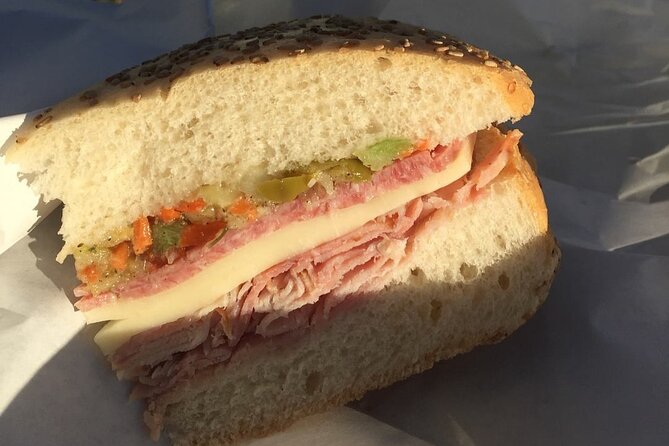
At Little Vic’s Rosticerria, the featured item is a muffuletta served on homemade bread. The stop is at 719 Toulouse Street, away from some of the loudest parts of Bourbon Street, with a Creole courtyard setting.
The muffuletta is one of New Orleans’ signature sandwiches. Its identity comes from the round bread and the olive salad, which gives the sandwich a salty, sharp flavor. Here, you get a taste rather than a full sandwich, which is helpful because you still have several stops ahead.
The courtyard setting is part of the appeal. Food tours can become a series of counters and takeaway windows, but a quiet courtyard gives you time to sit, eat, and listen. It also offers a welcome change from the busiest streets.
Still, the atmosphere may vary. One account described being seated in a closed-off area at a restaurant and feeling more like a tasting had been arranged than a full dining experience. If ambiance matters as much to you as the food, keep that possibility in mind.
Croissant D’Or and the French pastry tradition
Croissant D’Or Patisserie represents the French side of New Orleans’ culinary identity. The bakery has served French pastries in the Quarter for nearly three decades.
A pastry stop gives the meal some balance. You move from savory Louisiana dishes to the lighter, buttery style associated with French baking. The sample menu simply lists a dessert or pastry item, so the exact offering can change.
This is a good example of why the tour works best as an introduction rather than a set restaurant reservation. You are sampling several traditions in a short time: Creole cooking, Cajun flavors, French baking, old-fashioned candy, and the city’s famous sandwiches.
Nola Po-Boy and the dressed roast beef sandwich
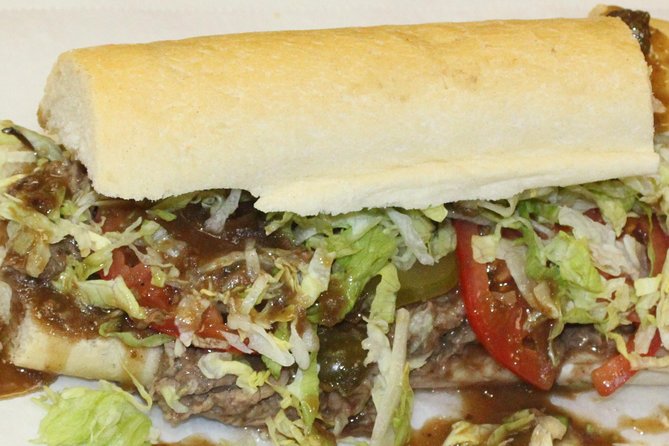
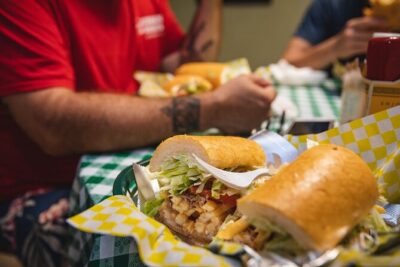
Nola Po-Boy serves a hot roast beef po-boy, fully dressed. In New Orleans, fully dressed normally means the sandwich includes the standard toppings, such as lettuce, tomato, pickles, and mayonnaise, though the exact preparation can vary.
The roast beef version is an important inclusion because many visitors associate po-boys only with fried seafood. This sandwich gives you the chance to try a meat-based classic with gravy or roast beef flavor, soft bread, and crisp toppings.
This is also one of the places where expectations matter. One person found the po-boy soggy on the bottom, which can happen when bread meets hot filling and dressing before serving. Most of the other food can still be enjoyable, but the quality of a sandwich depends heavily on timing.
If you are booking mainly for seafood, this may disappoint you. The listed food focuses on roast beef and other classic dishes, and the tour does not promise a seafood-centered menu. Tastebud Tours offers a separate seafood-focused experience, but that is not this tour.
Cafe Fleur De Lis and shrimp with cheese grits
Cafe Fleur De Lis is located in the historic French Market and provides a Southern cooking sample. The listed dish is shrimp and cheese grits.
This stop adds a creamy, savory dish to a menu that can otherwise lean toward rice, bread, and beans. It also gives you a taste of the broader South, not just the French Quarter’s sandwich and candy traditions.
The itinerary information names both five tasting locations and six possible venues. The menu and restaurant lineup can change, so you should treat the named dishes as examples rather than a guaranteed sequence. Ask about the current stops if one particular dish is the main reason you are booking.
How much food do you really get?
The tour is advertised as providing enough food for a hearty lunch. Many people should find that accurate, especially if you arrive without breakfast or keep your morning meal light.
You will not receive six full restaurant portions. The point is to sample several foods, and the portions are generally designed so you can finish the route without being overwhelmed. One person found the amount ideal for trying many dishes without facing a full plate at every stop.
Another person needed lunch after the tour. That difference is worth taking seriously. Appetite varies, and the amount served may also depend on the day’s lineup. If you have a large appetite, think of the tour as a substantial tasting session rather than a guaranteed full meal.
The food also contains a lot of starch. Gumbo with rice, red beans and rice, jambalaya, muffuletta bread, po-boy bread, pastry, and pralines can add up. The menu is filling, but it may not provide the variety of vegetables, fresh seafood, or lighter dishes you expect from a modern food tour.
The guides make the walking worthwhile
The strongest part of this experience is often the guide. Charles is praised for his enthusiasm, humor, and ability to connect food with city history. Kim is described as friendly and well-informed about New Orleans. Linda receives praise for useful local recommendations, while Roger is noted for being pleasant and clear about history and culture.
Lyndel is also singled out for making the tour fun and informative. Tish, a New Orleans native, is valued for her understanding of the city and its food traditions. The guide you receive will depend on the date and staffing, but the experience clearly depends on who leads it.
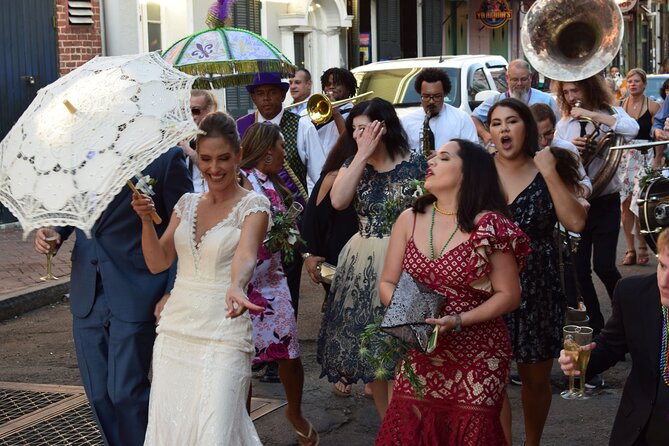
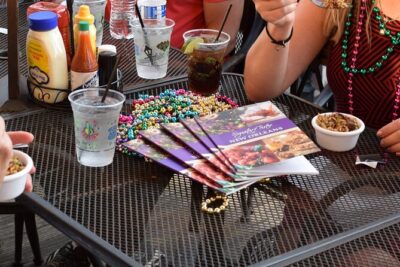
Expect more than a list of ingredients. The stories can include local legends, Mardi Gras krewes, the meaning of items thrown from parade floats, and the background of the neighborhoods you cross. This gives the walk a sense of place that a restaurant meal alone cannot provide.
There is a tradeoff. One person felt the guide talked too much about topics that were not essential to the food. If you want a tightly timed restaurant crawl, the storytelling may feel like a delay. If you enjoy learning how food fits into city life, it is part of the value.
Price, timing, and practical planning
At $75 per person, the tour is not a bargain if you judge it only by the cost of the food. You are paying for several tastings, guide service, restaurant coordination, and three hours of local orientation in the French Quarter.
I think the price makes the most sense on your first visit to New Orleans, especially if you want help choosing what to eat later. A good guide can save you from ordering unfamiliar dishes at random and can point you toward places worth returning to. The value drops if you already know the French Quarter well or mainly want large portions.
The tour is offered in English and uses a mobile ticket. It starts at 816 Decatur Street and ends in the French Quarter, so you remain in the central historic area rather than needing a separate ride between stops.
Wear shoes you can walk in for three hours. The route may feel longer in hot, humid, cold, or wet weather, and the tour operates in changing conditions. Poor weather can lead to a different date or a full refund, but you should still dress for the forecast.
Alcohol is not included. You can buy drinks at stops, and the tour explains the city’s famous to-go cup rules. Tips are not included either, and gratuities are appreciated.
Free cancellation is available up to 24 hours before the start time. Changes made inside that window are not accepted, so do not book this casually if your schedule is likely to shift.
Who should book this food walk?
I would choose this tour if you are visiting New Orleans for the first time, enjoy classic regional food, and want a guide to connect the dishes with local culture. It is also a good fit for couples, families, solo visitors, and small groups who want a shared activity that mixes sitting, eating, and walking.
Solo visitors should feel comfortable joining. The group format provides an easy way to spend an afternoon or morning without arranging a private guide.
I would skip it if you are vegetarian, need gluten-free food, or want a seafood-only route. The tour specifically states that it cannot provide vegetarian or gluten-free options, and the menu contains many meat-based dishes. I would also look elsewhere if you dislike historical commentary or expect to leave stuffed after six full plates.
Should you book the Famous Flavors of New Orleans tour?
Book it for the combination of classic food and French Quarter storytelling, not simply for the largest meal at the lowest price. The best version of this experience gives you a useful first taste of gumbo, red beans and rice, jambalaya, pralines, muffuletta, po-boys, pastries, and grits while a local guide explains how they fit into New Orleans life.
The main risks are menu repetition, variable portions, occasional uneven food quality, and a route that may zigzag. If those limits sound manageable, $75 is a fair price for three hours of guided orientation and tastings. Arrive hungry, wear good shoes, keep your schedule flexible, and treat the food lineup as changeable.
FAQ
Where does the tour begin?
The tour begins at 816 Decatur Street in the French Market area of New Orleans.
Where does the tour end?
It ends in the French Quarter.
How long does the food tour last?
The walking tour lasts approximately three hours.
What food is included?
The sample menu includes gumbo, red beans and rice, jambalaya, Creole and Cajun dishes, po-boy and muffuletta sandwiches, other rice-based dishes, and pralines. The exact menu can change.
Are vegetarian or gluten-free options available?
No. The tour states that vegetarian and gluten-free options are not available. You should notify the operator about food allergies before the tour.
Are drinks and tips included?
Food tastings are included, but alcoholic drinks are extra. Gratuities are also not included and are appreciated.
More Walking Tours in the USA
- Little Havana Food and Walking Tour in Miami
★ 5.0 · 8,882 reviews - Chicago Favorites Ultimate Food and Walking Tour
★ 5.0 · 1,962 reviews - Southernmost Food & Cultural Walking Tour by Key West Food Tours
★ 5.0 · 1,730 reviews - Southern Flavors Food, Pub Crawl, and History Walking Tour
★ 4.5 · 1,623 reviews
Just added around the USA
- Los Angeles: Downtown Food Tour★ 4.6 · 43 reviews
- Las Vegas: Foodie Walking Tour on The Strip with Tastings★ 5.0 · 24 reviews
- Key West: Schooner Sunset Sail with Food & Drinks★ 4.9 · 318 reviews
- Key West: Cuban and Caribbean Food and Cultural Walking Tour★ 4.9 · 128 reviews
- Key West Signature Sunset Cruise with Open Bar, Food & Music★ 4.5 · 418 reviews
- Kauai: Local Tastes Small Group Food Tour★ 4.4 · 125 reviews
- Kennebunkport, Maine: Lunchtime Culinary Walking Tour★ 4.6 · 27 reviews
- Atlanta: Historic Market Food Tour and Biscuit Cooking Class★ 4.9 · 25 reviews
Food Tours in New Orleans, compared.
New Orleans Food Walking Tour of the French Quarter with Small-Group Option
Read our review →
New Orleans French Quarter Food Tour: Cajun, Creole and Culture
Read our review →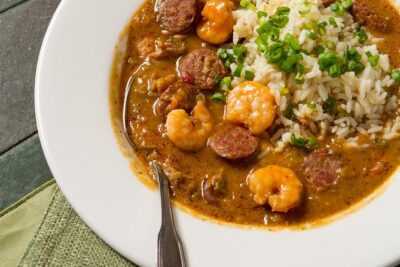
French Quarter walking Food Tour: Signature Tastes of New Orleans
Read our review →
French Quarter Small-Group Cocktail and Foodie Crawl
Read our review →Browse the lists this tour appears in