
REVIEW · NEW ORLEANS
New Orleans: French Quarter Food History Walking Tour
New Orleans food tells a story, and this three-hour French Quarter walk lets you taste that story one stop at a time. You move from Cajun gumbo and boudin to pralines, a catfish po-boy, muffuletta, red beans and rice, and bananas Foster bread pudding. The food comes in manageable portions, but there is enough of it to replace lunch for many people.
I like two things especially: the tour connects each dish to the people and traditions behind it, and it samples both of New Orleans’ signature sandwiches. Guides such as Beth, Gary, John, Meg, and Kat have earned repeated praise for clear storytelling and an easy sense of humor. The main drawback is the fixed menu. If you avoid seafood, alligator, gluten, dairy, or meat, several tastings may not work for you.
Key points to know before booking
- Gum-bo, sandwiches, sweets, and more: Try a broad lineup of Louisiana staples rather than eating one large meal at one restaurant.
- History with every plate: Guides connect food to New Orleans culture, immigration, regional customs, and the French Quarter.
- Both famous sandwiches: The menu includes a catfish po-boy and a meaty muffuletta, two very different New Orleans classics.
- Vegetarian menu available: Request black-eyed pea soup, veggie jambalaya, portobello po-boy, and other meat-free dishes when booking.
- Come hungry: The tastings add up, with several people finding the portions large enough to leave them full.
- A rain-or-shine walk: You will spend about three hours moving between stops, with walking breaks of roughly five to ten minutes.
Why this French Quarter food walk works so well
I like food tours that use dishes as doorways into a city, rather than treating lunch as a simple checklist. This one does that well. Gumbo is not just a bowl of soup, and red beans and rice are not simply a side dish. The guide explains how local cooking grew from the meeting of different cultures and how familiar dishes became part of everyday New Orleans life.
The experience also gives you a useful first look at the French Quarter. You begin at 316 Chartres Street, then cross the Old Square on foot, stopping at restaurants, a hot sauce shop, a candy store, and smaller food spots. You get a meal, a neighborhood walk, and a basic food orientation in one booking.
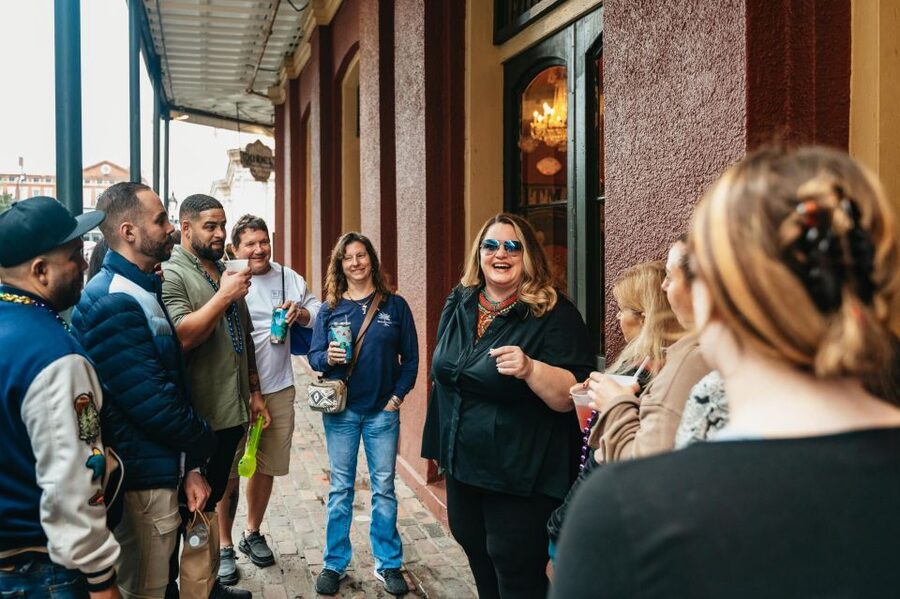
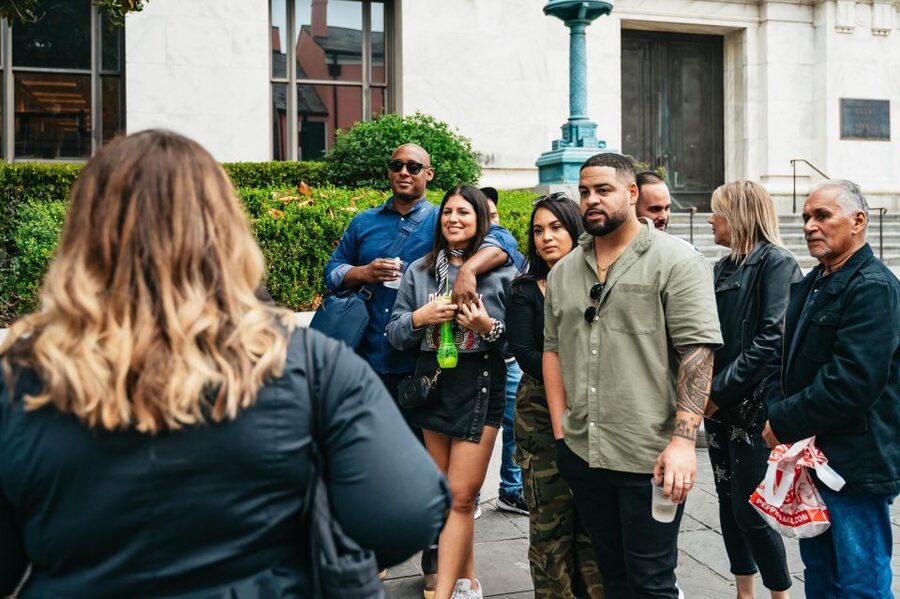
The strongest part is the guide. Beth is praised for storytelling and timing. Gary is known for tying local history to the dishes in front of you. John, sometimes called the professor, is described as patient, funny, and full of information. Meg, Kat, Cat, and other guides have also been singled out for keeping the pace friendly and making room for questions.
That guide-led format matters. New Orleans menus can be full of unfamiliar words, and a good explanation helps you understand what you are tasting. You are not just told to eat boudin or gumbo. You learn why these dishes belong here.
More Food Tours in New Orleans
- New Orleans Food Walking Tour of the French Quarter with Small-Group Option
★ 5.0 · 6,118 reviews - New Orleans Food and History Walking Tour
★ 5.0 · 1,544 reviews - New Orleans French Quarter Food Tour: Cajun, Creole and Culture
★ 5.0 · 1,246 reviews
Starting at 3rd Block Depot with Cajun gumbo
Meet your guide inside 3rd Block Depot, where the first tasting is a rustic Cajun-style gumbo served with warm potato salad. It is a sensible opening dish: filling, strongly associated with Louisiana, and substantial enough to set the tone for the rest of the morning or afternoon.
Your guide uses this first stop to frame the food traditions of the region. Expect an introduction to the role of Cajun cooking and an explanation of how local dishes developed through shared techniques and ingredients.
This stop is also practical. The tour begins indoors, but staff noise can occasionally compete with the guide, so stand or sit where you can hear clearly. One person specifically found the restaurant staff too loud during the introduction. That is a small issue, but it is worth knowing if clear narration matters to you.
Hot sauce, pralines, and the fun of small stops
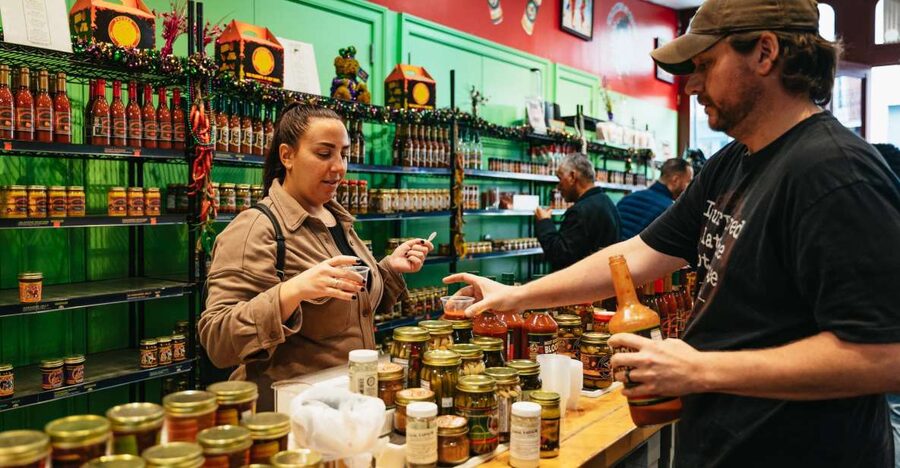
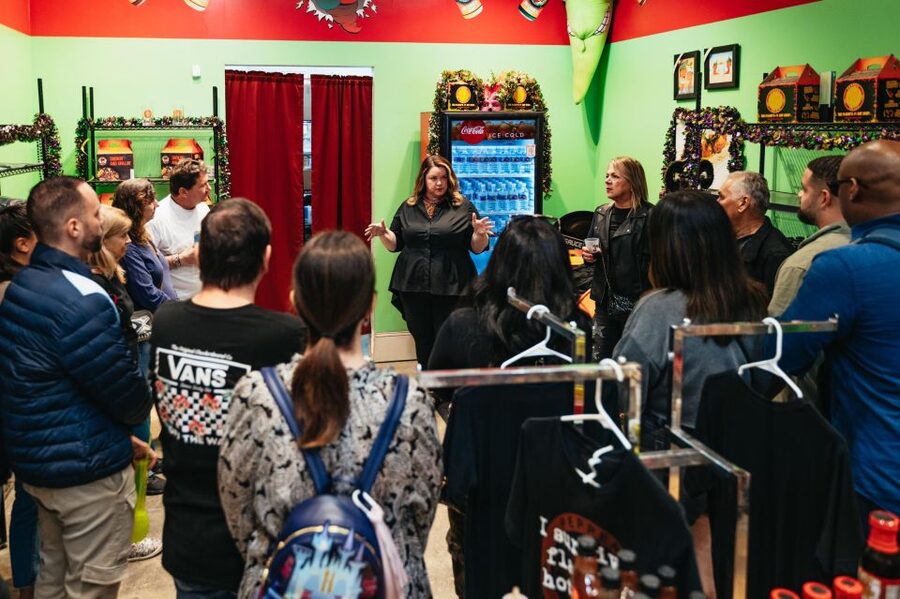
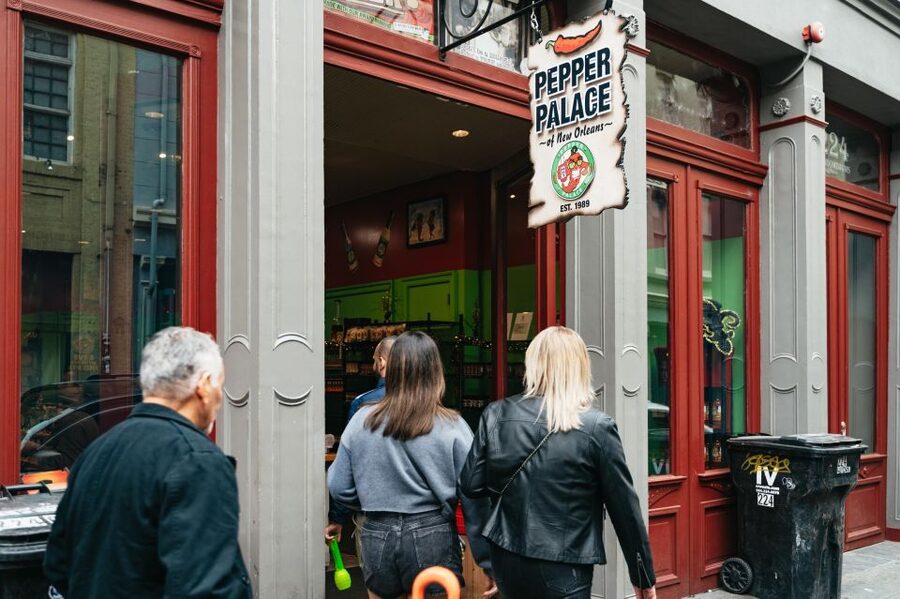
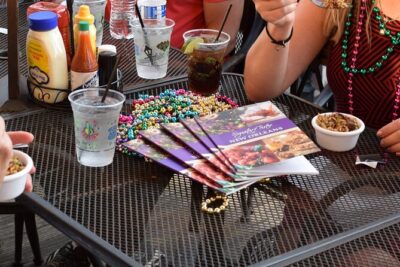
After the opening food, you walk about five minutes to a hot sauce bar. This is less about one formal dish and more about sampling a wide range of fiery sauces. You can compare different heat levels and flavors, but do not treat every bottle as a dare. One participant learned that lesson the hard way and needed milk after trying a particularly spicy sauce.
The hot sauce stop adds variety to the tour. You are no longer sitting at a table with a plated dish. Instead, you are tasting a product that appears on many Southern tables and learning how sauces shape the way people eat.
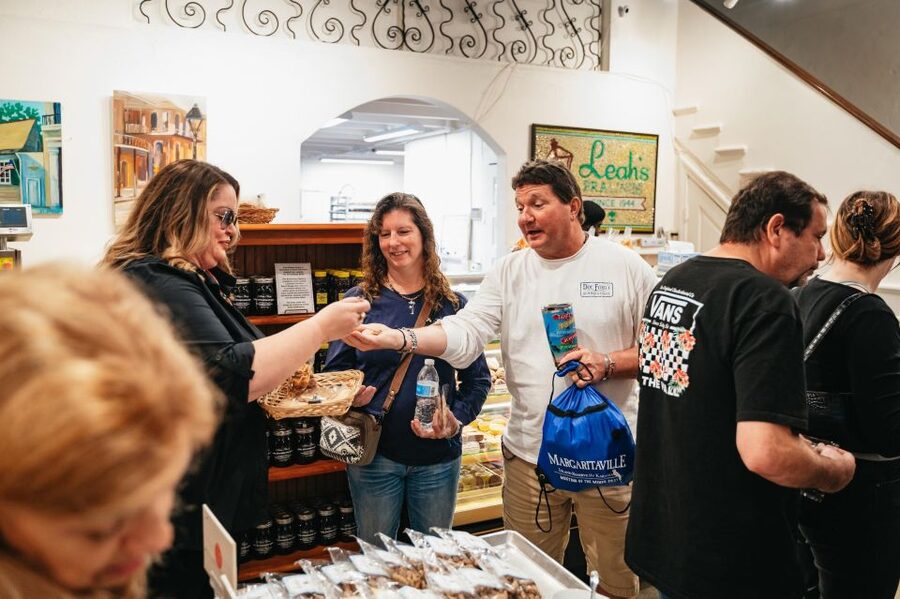
The next stop is Leah’s Pralines, where you try a classic Creole praline or the newer bacon pecan brittle. This is a good reminder that New Orleans food is not all roux, seafood, and spice. Sugar, pecans, and candy-making are part of the city’s food identity too.
The praline is also a useful pause between heavier savory tastings. You can reset your palate before returning to sandwiches and rice dishes.
Catfish po-boy at NOLA Poboys
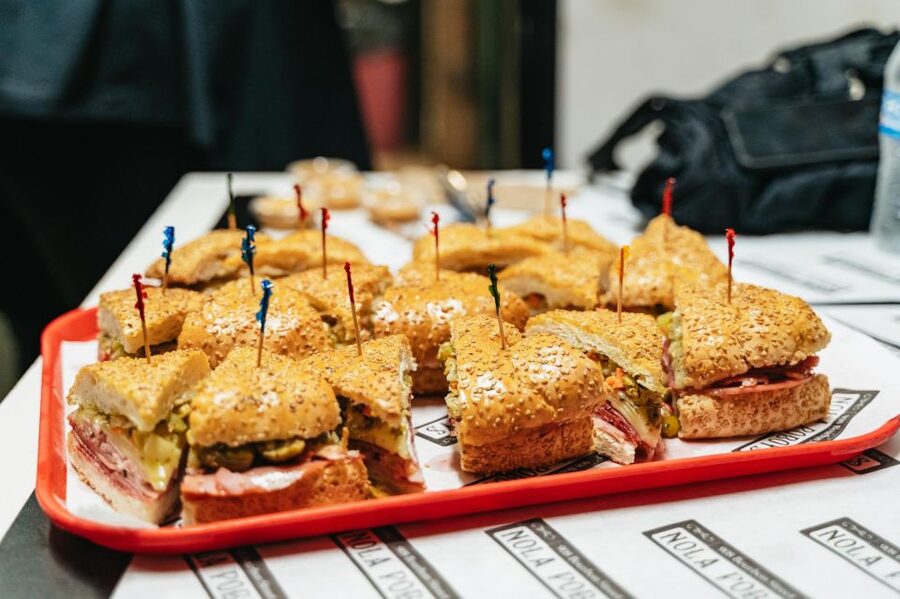
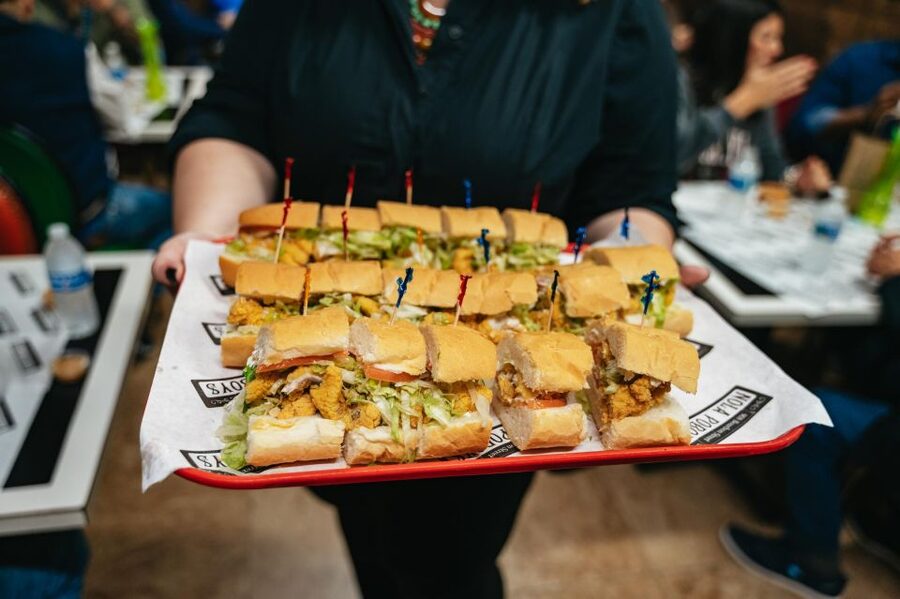
The tour then heads to NOLA Poboys, where you learn about Louisiana’s seafood tradition before trying a freshly fried catfish po-boy. This is one of the more substantial stops, and it shows why a po-boy is more than a generic sandwich.
The fried catfish gives you a taste of the state’s connection to waterways and seafood. The bread and fillings make it practical food, built for a filling meal rather than a dainty sample.
This is one place where the fixed menu may limit you. Seafood is part of the regular tasting, and the tour does not offer a gluten-free, dairy-free, or vegan format. If you do not eat seafood, or if you have a serious allergy, contact the provider before booking and explain the issue clearly.
The vegetarian option replaces this with a portobello po-boy, along with other meat-free versions of Southern dishes. That can work well for vegetarians, but it is not the same as a vegan menu.
More food and history walks in the USA:
- Historic Ybor City Food Walking Tour
★ 5.0 · 2,210 reviews - Boston Food & History: Pizza, North End & Freedom Trail
★ 5.0 · 1,772 reviews - Southern Flavors Food, Pub Crawl, and History Walking Tour
★ 4.5 · 1,623 reviews - Boston’s North End Food Tour: Italian Flavors & Heritage Walk
★ 5.0 · 1,322 reviews
Muffuletta and boudin in the French Quarter
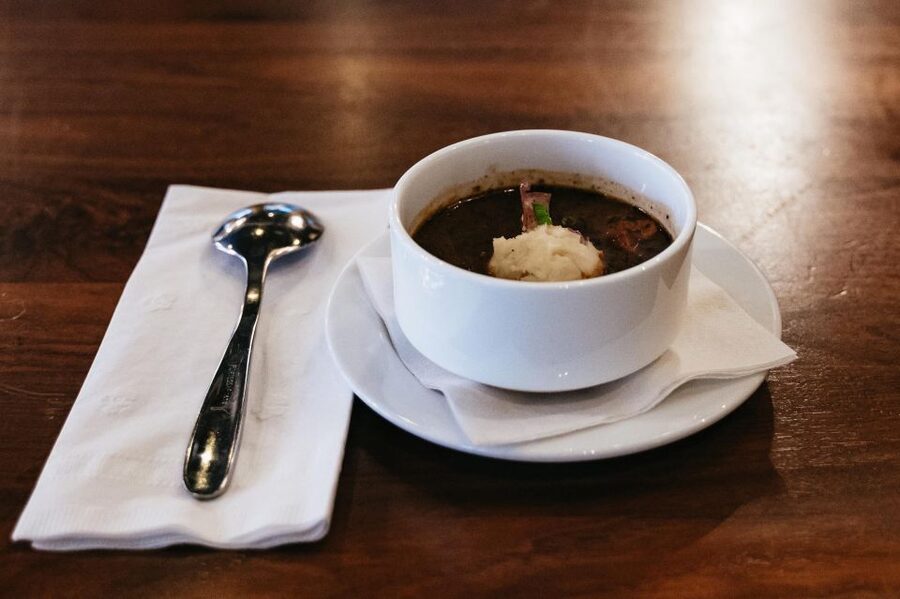
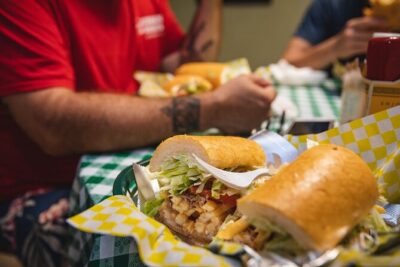
Another stop brings two more recognizable New Orleans foods: muffuletta and boudin balls. The muffuletta is a hearty, layered sandwich with a strong local identity. It contrasts nicely with the po-boy. The po-boy is built around fried catfish here, while the muffuletta offers a denser, meatier bite.
You also taste boudin balls, a Southern Louisiana specialty that many first-time visitors may not know how to place. The tour gives you a chance to try the dish in a small portion and hear how it fits into local food culture.
This section is where the value of a guided tasting becomes clear. Ordering all these dishes separately would leave you with several large meals, not a balanced sample. The tour lets you taste the classics without committing to a full plate of each one.
The walking between stops helps, though this is still a food-heavy experience. Leave room in your stomach. Several people found the portions generous enough to feel full by the end, and the dessert arrives after multiple savory courses.
Creole Cookery and red beans and rice
At Creole Cookery, the focus shifts to red beans and rice. This dish may look simple, but it is one of the most familiar comfort foods associated with New Orleans. It gives the tour a home-style note after the fried seafood and sandwiches.
The guide continues the pattern of connecting food to local customs and daily life. Several people have singled out red beans and rice as a favorite tasting, which makes sense if you prefer warm, savory food over seafood or sweets.
The stop is also a reminder that New Orleans cooking is not only about restaurant showpieces. Some of the city’s best-known dishes are built around inexpensive ingredients, slow cooking, and habits repeated over generations.
Bananas Foster bread pudding to finish
The final tasting is bananas Foster bread pudding, a sweet finish after the heavier dishes. It combines the comfort of bread pudding with the familiar New Orleans dessert flavor of bananas Foster.
Ending with dessert keeps the pace pleasant. You finish on a softer note instead of walking away with only spice, fried food, and meat. The dessert has been a favorite for several people, along with the gumbo.
The final stop is on or near Toulouse Street, so the tour ends in a useful part of the French Quarter rather than returning to the starting point. You can continue exploring from there, though hotel pickup is not provided.
What the vegetarian menu changes
Vegetarians can request a separate menu at checkout. It includes black-eyed pea soup, veggie jambalaya, portobello po-boys, and other versions of Southern classics.
That is a real advantage for a mixed group. One person can choose the vegetarian menu while others eat the regular dishes, and a pescatarian family reported that everyone in the group found enough to enjoy.
Still, read the limits carefully. There is no vegan menu, and the tour does not offer gluten-free or dairy-free substitutions. The fixed food schedule also means you do not simply choose any dish from the restaurant menu. If you have a medical allergy, tell the provider when booking. Do not rely on being able to negotiate a replacement at the table.
Walking pace, group size, and weather
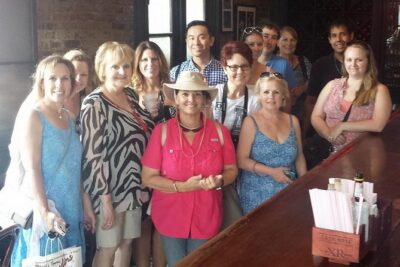
The tour lasts three hours and uses short walks between tasting stops. The listed route includes walks of about five minutes, another of ten minutes, and several guided food stops lasting from 20 to 45 minutes.
The pace appears designed for conversation, not speed. Guides have been praised for walking at a comfortable rate and answering questions. You should still wear practical shoes and prepare for heat or rain. The tour runs rain or shine, and New Orleans weather can make three hours outdoors feel longer than it sounds.
The group can include up to nine people, which keeps the experience more personal than a large coach outing. The included food allowance is described in two ways, with up to eight food samples in the inclusions and up to nine tastings in the tour description. Treat it as a substantial series of tastings rather than counting on one exact number.
There is also a practical accessibility note. The activity is marked wheelchair accessible, but the same information says it is not suitable for people with mobility impairments. Because this is a walking route through restaurants and streets, confirm current access details directly before booking if you use a wheelchair or have trouble walking.
Is $85 a fair price?
At $85 per person, this is not a cheap way to grab lunch. It can be good value if you want a guided introduction to New Orleans food and would otherwise pay for several separate tastings.
The price includes the walking tour, English-speaking guide, food samples, water, and tips for servers and waitstaff. That last detail reduces the small calculations that can make a multi-stop food tour awkward.
Alcohol, soft drinks, and hotel transportation cost extra. Most stops have fully stocked bars, so you can buy a beer, cocktail, soda, or other drink along the way, but those purchases are not part of the $85.
I would compare this with the cost of ordering gumbo, po-boy, muffuletta, boudin, dessert, and candy separately. You would likely spend more on food, and you would miss the explanations tying the dishes together. If you already have restaurant reservations for all those specialties, the tour may feel less essential.
Who should book this New Orleans food tour?
I would recommend it to first-time visitors who want to get their bearings through food. Several people felt it would have been smartest to take the tour early in their stay, and I agree. Your guide can point out dishes, neighborhoods, and restaurants that help shape the rest of your visit.
It also suits curious eaters who want variety. You will try sweet and savory food, seafood and meat, restaurant dishes and street-food-style items. The guide brings the cultural background that a self-guided snack stop cannot provide.
It is a good choice for groups with different interests. One person can focus on the food while another enjoys the French Quarter walk and local stories. The vegetarian menu makes mixed-diet groups easier, but only if the vegetarian understands that vegan, gluten-free, and dairy-free needs are not covered.
I would be cautious if you dislike fixed menus, cannot eat seafood, or need strict dietary control. The tour is designed around local staples, and you do not get a full choice of what arrives at each stop.
Should you book it?
Book this tour if you want a filling, history-focused introduction to New Orleans cuisine and like the idea of trying many classics in one afternoon. The best reason to go is the combination of strong food variety and engaging guides, especially guides such as Beth, Gary, John, and Meg, who are repeatedly praised for clear stories and a friendly pace.
Skip it if you want a quiet restaurant meal, a vegan or gluten-free experience, or complete control over each dish. For everyone else, $85 buys more than lunch. It buys a guided route through the French Quarter’s food traditions, with enough samples to help you decide what deserves a full meal later.
FAQ
How long does the French Quarter food tour last?
The tour lasts three hours.
Where does the tour begin?
Meet your guide inside the 3rd Block Depot restaurant at 316 Chartres Street in New Orleans.
Where does the tour finish?
The tour finishes on Toulouse Street in New Orleans, Louisiana.
What food is included?
The regular tastings can include Cajun-style gumbo with warm potato salad, hot sauce, a Creole praline or bacon pecan brittle, catfish po-boy, muffuletta, boudin balls, red beans and rice, and bananas Foster bread pudding.
Is a vegetarian menu available?
Yes. Request the vegetarian option at checkout. It includes black-eyed pea soup, veggie jambalaya, portobello po-boys, and other meat-free versions of Southern dishes.
Is there a vegan option?
No. The tour does not offer a vegan menu.
Can people with gluten or dairy restrictions join?
The tour does not offer gluten-free or dairy-free options. Contact the activity provider about food allergies when booking.
Are drinks included?
Water is included. Alcoholic drinks, soft drinks, and other purchased beverages are not included.
Does the tour run in bad weather?
Yes. The tour runs rain or shine.
Is the tour wheelchair accessible?
The activity information marks it as wheelchair accessible, but also says it is not suitable for people with mobility impairments. Confirm the route and current access arrangements directly before booking if this affects you.
More Walking Tours in the USA
- Little Havana Food and Walking Tour in Miami
★ 5.0 · 8,882 reviews - Savannah First Squares Culinary & Cultural Walking Food Tour
★ 5.0 · 3,229 reviews - Chicago Favorites Ultimate Food and Walking Tour
★ 5.0 · 1,962 reviews - Southernmost Food & Cultural Walking Tour by Key West Food Tours
★ 5.0 · 1,730 reviews
Just added around the USA
- Miami: Intimate Sailing in Biscayne Bay w/ Food and Drinks★ 4.7 · 34 reviews
- Miami: Little Havana Cuban Food and Culture Walking Tour★ 4.8 · 223 reviews
- Los Angeles: Downtown Food Tour★ 4.6 · 43 reviews
- Las Vegas: Foodie Walking Tour on The Strip with Tastings★ 5.0 · 24 reviews
- Key West: Schooner Sunset Sail with Food & Drinks★ 4.9 · 318 reviews
- Key West: Cuban and Caribbean Food and Cultural Walking Tour★ 4.9 · 128 reviews
- Key West Signature Sunset Cruise with Open Bar, Food & Music★ 4.5 · 418 reviews
- Kauai: Local Tastes Small Group Food Tour★ 4.4 · 125 reviews
Food Tours in New Orleans, compared.
New Orleans Food Walking Tour of the French Quarter with Small-Group Option
Read our review →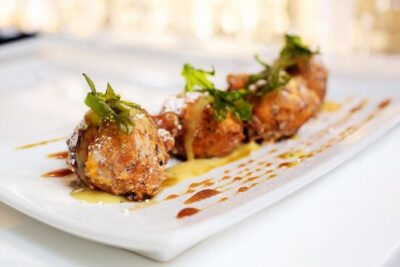
New Orleans French Quarter Food Tour: Cajun, Creole and Culture
Read our review →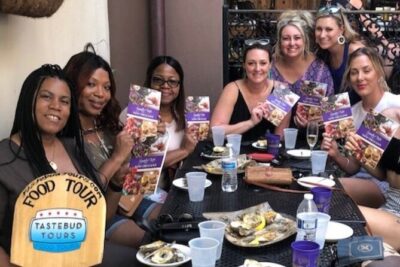
French Quarter walking Food Tour Famous Flavors of New Orleans
Read our review →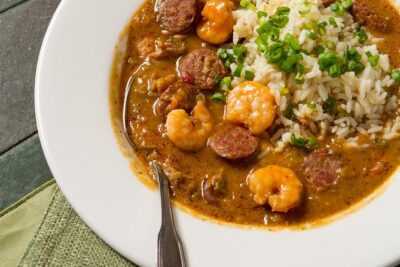
French Quarter walking Food Tour: Signature Tastes of New Orleans
Read our review →
French Quarter Small-Group Cocktail and Foodie Crawl
Read our review →Browse the lists this tour appears in