
REVIEW · LISBON
Lisbon: Portuguese street food cooking class with Drinks
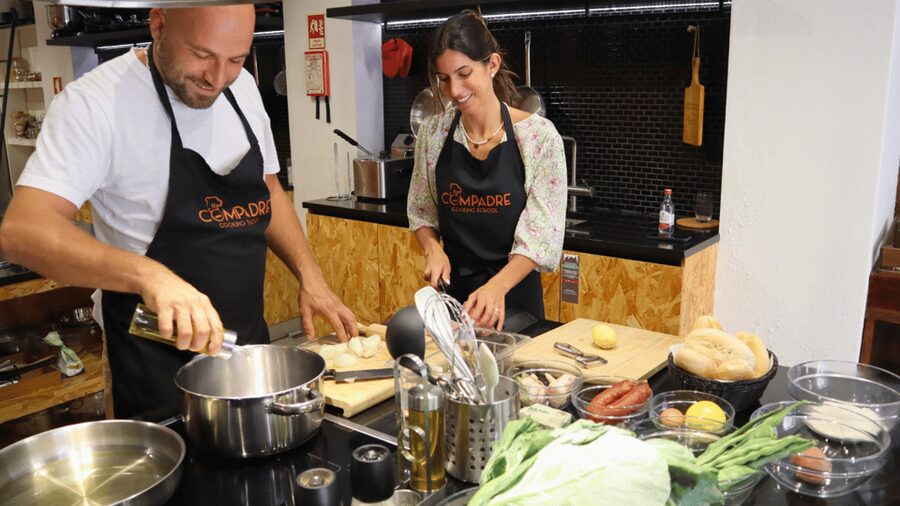
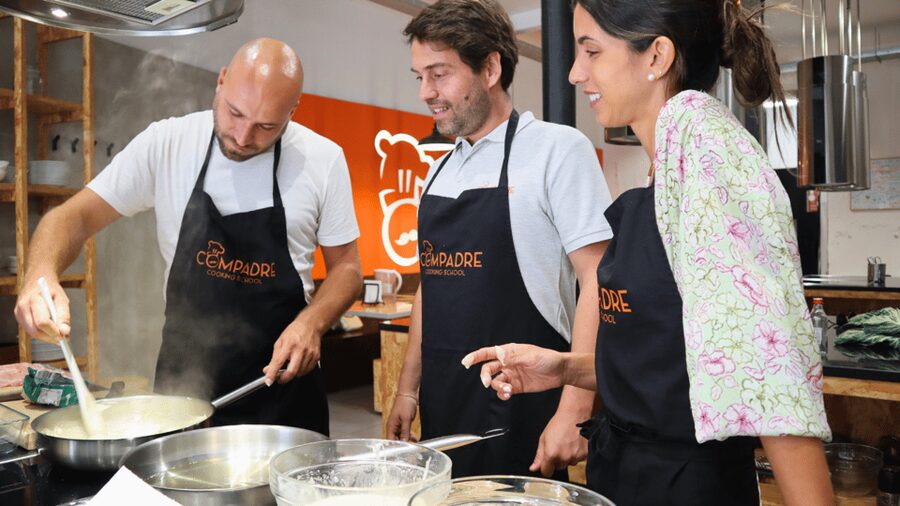
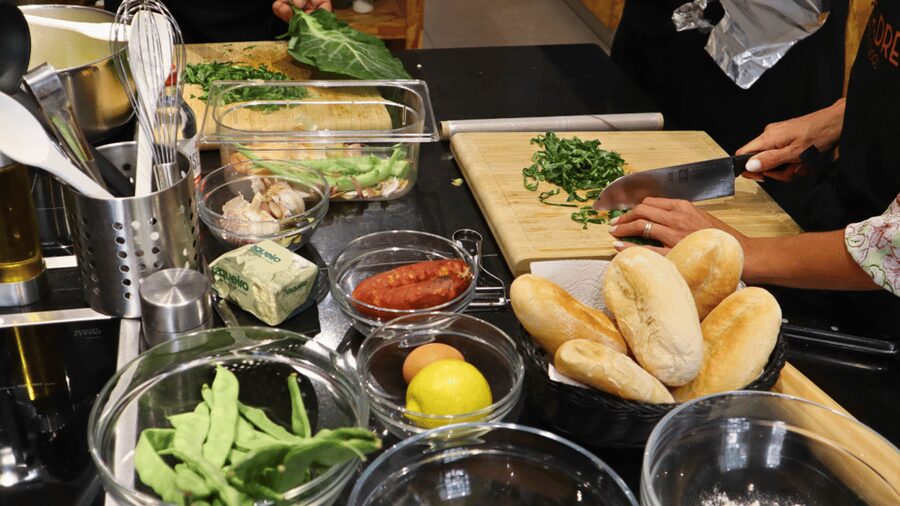
Lisbon’s street food is simple, filling, and full of stories. In this two-hour class at Compadre Cooking School, you make three Portuguese favorites: the pork sandwich called bifana, caldo verde soup, and peixinhos da horta, green beans in a light batter that inspired tempura. Then you sit down and eat what you made.
I like the hands-on format, since you are given real tasks instead of watching a chef do all the work. I also like the mix of food and drink: a glass of wine with the meal and a small taste of Ginja, Portugal’s sweet cherry liqueur.
The main consideration is access. The kitchen is not suitable for wheelchair users, and the class is conducted in English. You should also wear comfortable shoes and arrive five minutes early.
Key points to know before booking
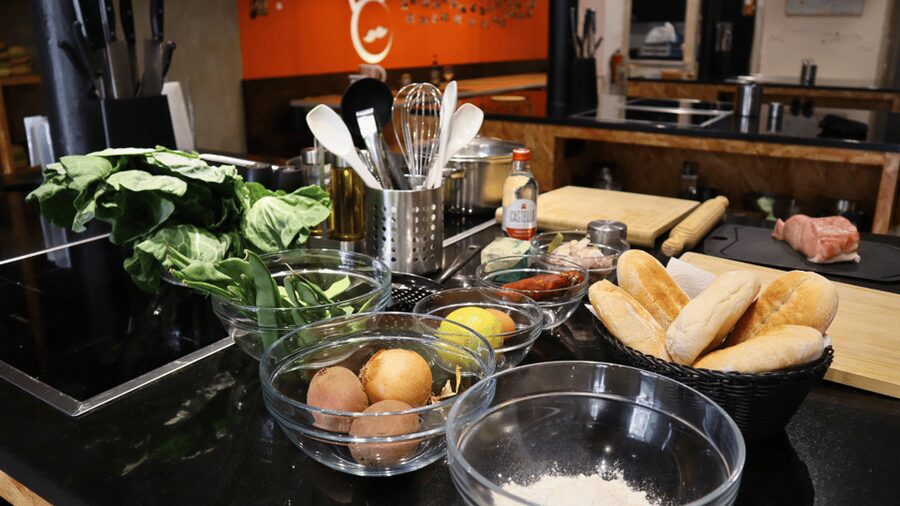
- Three classic dishes: Make bifana, caldo verde, and peixinhos da horta, then eat them as a shared meal.
- Local food stories: Learn how these dishes fit into Portuguese daily life, snack bars, festivals, and home cooking.
- Active cooking: You work alongside the other participants with guidance from the chef, rather than simply watching a demonstration.
- Wine and Ginja included: The price covers one glass of red or white wine and a tasting of cherry liqueur.
- Easy for beginners: No previous cooking skills are needed, and the recipes are simple enough to make again at home.
- Good value at $55: For two hours of instruction, ingredients, a full meal, and drinks, the price is reasonable for Lisbon.
Why Portuguese street food makes a good cooking lesson
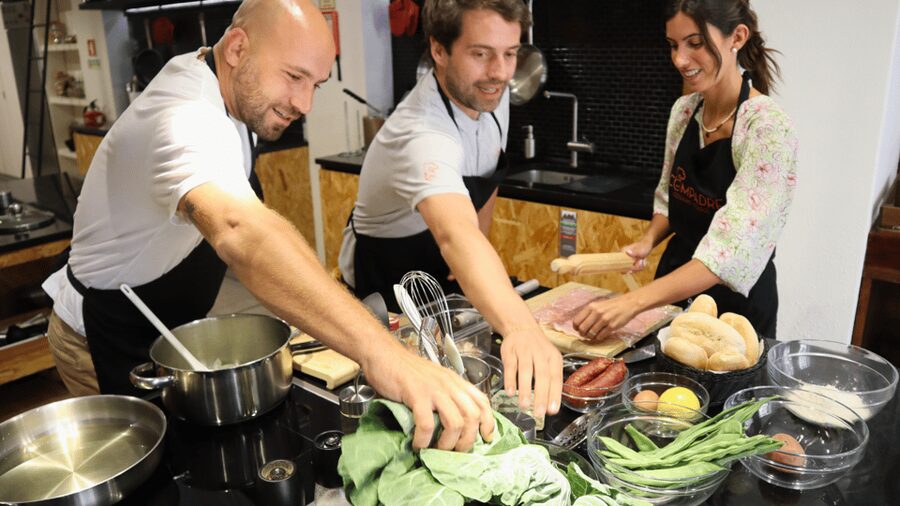
Portuguese food can look modest on the plate, but that is part of its charm. A bifana is not a grand restaurant dish. It is a seasoned pork sandwich made for a quick meal, often associated with snack bars and everyday eating. Caldo verde is a comforting soup built around potatoes and leafy greens. Peixinhos da horta turns green beans into crisp, battered snacks.
These are useful dishes to learn because they do not depend on rare ingredients or fussy equipment. You get a taste of Portugal without being asked to reproduce a complicated pastry or a long seafood stew. The recipes are straightforward enough to try in your own kitchen after you return home.
I also like the way the class connects food to place. You hear how each dish developed and why it matters in Portuguese daily life. That context gives the cooking more meaning. You are not just chopping vegetables or seasoning pork. You are learning the food people eat at casual counters, local celebrations, and family tables.
More Food Tours in Lisbon
- Winner 2025 Undiscovered Lisbon Food & Wine Tour by Eating Europe
★ 5.0 · 6,390 reviews - Lisbon: Food and Wine Small Group Walking Tour
★ 4.9 · 4,082 reviews - Lisbon Small-Group Portuguese Food and Wine Tour
★ 5.0 · 3,972 reviews
Starting at Compadre Cooking School
The class takes place at the Compadre Cooking School kitchen in Lisbon District. You should arrive about five minutes early, which gives you time to settle in, put on suitable shoes, and meet the chef and the other cooks.
The setting is described as modern, clean, and spacious. That matters in a short class. A cramped kitchen can make group cooking awkward, while clear work areas let everyone take part. You should wear clothes that are comfortable for cooking and shoes that will keep you steady while standing and moving around the kitchen.
The instructors speak English. Previous sessions have included guides named Marta or Martha and Anna, with participants also praising Roy in connection with the drinks portion. The exact instructor may vary, but the format is built around a local chef who explains the food, organizes the work, and helps you through each step.
This is a social class, not a private lesson. You work alongside other participants and later share the meal at one table. That setup suits solo visitors and couples who want an easy way to meet people, though anyone seeking a quiet, highly personalized lesson may prefer a private cooking session.
Bifana: Lisbon’s humble pork sandwich
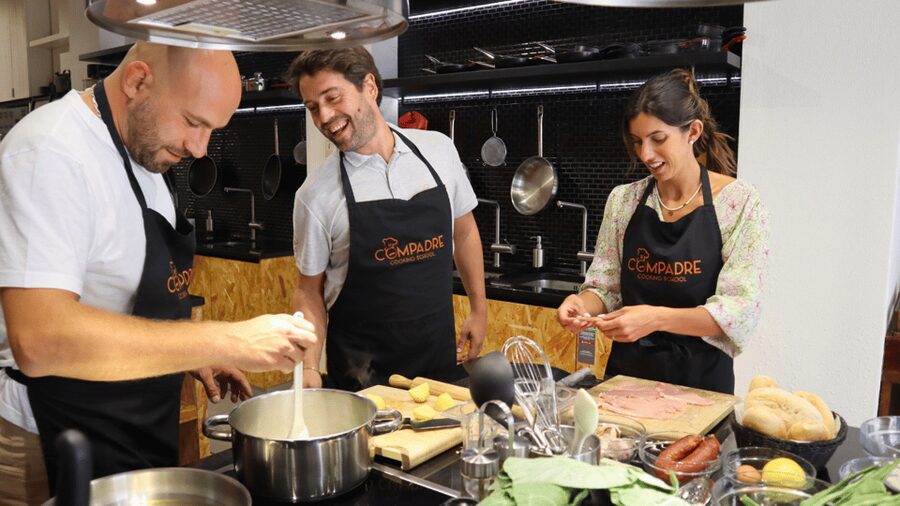
The bifana is likely to be the most recognizable main dish of the class. It is a pork sandwich, but the pleasure comes from the seasoning and the contrast between tender meat and bread. In Portugal, you are more likely to find this sort of food in a casual snack bar than on a formal tasting menu.
The chef introduces the dish before you begin, explaining its place in Portuguese food culture. You then help prepare it under instruction. The work is accessible for beginners, but it still gives you useful cooking practice: handling the pork, building flavor, and assembling a sandwich that depends on balance rather than decoration.
I like this choice because it shows you an everyday side of Portugal. A pastel de nata or a plate of cod may be more famous abroad, but the bifana tells you more about the quick, practical food people eat between errands, work, and evening plans.
Do not expect a large restaurant-style serving of each dish. The point is to prepare a selection of snacks and soup as a group. By the end, the combined meal gives you a broad sample of Portuguese comfort food.
Caldo verde, the class favorite for many cooks
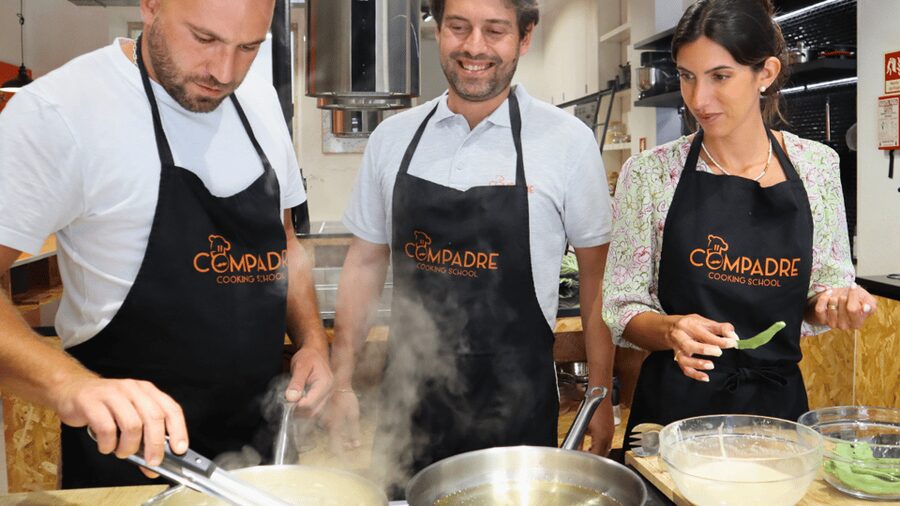
Caldo verde is a traditional soup made with potatoes and collard greens. It is popular, filling, and easy to understand once you taste it. The ingredients are familiar, but the finished bowl has the warm, home-style character that makes simple food memorable.
The soup also gives the group a useful shared task. Chopping, preparing the greens, and following the cooking process can involve several people at once. The class is designed so that participants have enough to do throughout the preparation, rather than standing around while one person handles the important steps.
For me, this is one of the strongest reasons to choose the class. You learn a recipe that is practical, inexpensive, and adaptable. It is the sort of dish you can make on a cold evening at home without needing a specialist market.
The soup has also earned especially strong praise in the feedback available for the class. That matches its role in Portuguese cooking: it is not showy, but it delivers comfort and flavor. If you enjoy learning dishes with a real place in daily life, caldo verde may be the highlight.
More street food nights in Lisbon:
- Dubai: Old Town, Creek, Museums, Souks, & Street Food Tour
★ 4.8 · 10,816 reviews - Ho Chi Minh City Street Food Tour & Sightseeing By Motorbike
★ 5.0 · 9,413 reviews - Medellin: Comuna 13 Graffiti Tour, Cable Car & Street Food
★ 4.8 · 9,046 reviews - Dubai: Old Town, Souks, Street Food, Guided Tour & Abra Ride
★ 4.9 · 7,170 reviews
Peixinhos da horta and the story behind tempura
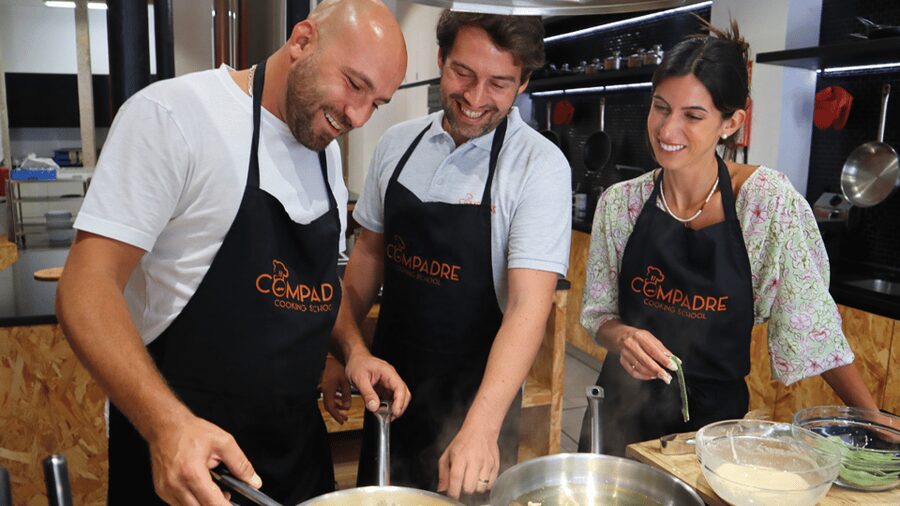
Peixinhos da horta means little fish from the garden, a playful name for battered green beans. The vegetables are coated and cooked until crisp, making a snack that is both simple and surprisingly satisfying.
The dish gives the class a good cultural talking point. It is widely associated with the idea that Portuguese cooking helped inspire Japanese tempura. You do not need to treat that connection as the whole point of the dish. The value is in seeing how one local preparation can help explain a larger exchange of ingredients, methods, and food traditions.
This is also a good recipe for beginners. The process is clear, and you can see the result quickly. It offers a different texture from the soup and sandwich, so the final meal feels varied despite using ordinary ingredients.
The recipe is especially useful if you want a vegetarian snack to repeat at home. The class information says dietary needs can be accommodated if you contact the school. Still, you should discuss your needs in advance rather than assume every adaptation can be made on the spot.
Cooking as a group, not watching from the sidelines
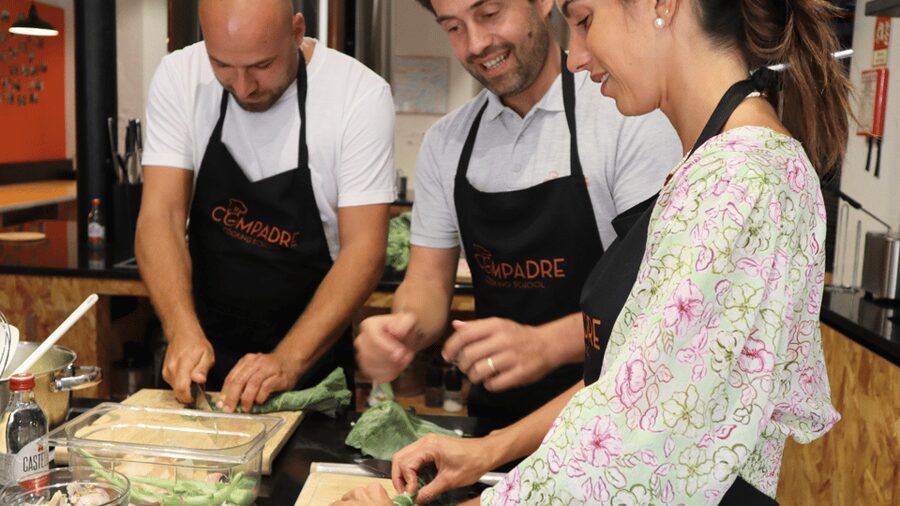
The class works best when you want to participate. You stand alongside the other cooks, follow the chef’s instructions, and help prepare the recipes. No prior experience is required, so you do not need to know knife skills, Portuguese ingredients, or professional kitchen habits before arriving.
Past class sessions have been praised for giving everyone enough steps to take part through most of the process. That is important. Some cooking classes quietly turn into demonstrations, with one person doing the work while everyone else watches. Here, the stated format aims to keep the group involved.
The tradeoff is that a shared kitchen cannot give every person the same amount of individual attention at every moment. One piece of feedback found the class enjoyable but felt that one instructor sometimes took over instead of teaching. I would keep that in mind if you want detailed technical coaching on every movement.
For most people, the group format will be part of the fun. You can compare how different people approach the same recipe, share kitchen jobs, and learn from the chef’s explanations. It is a relaxed social activity for a first or second day in Lisbon, especially if you want more than a standard restaurant meal.
The shared meal, wine, and Ginja
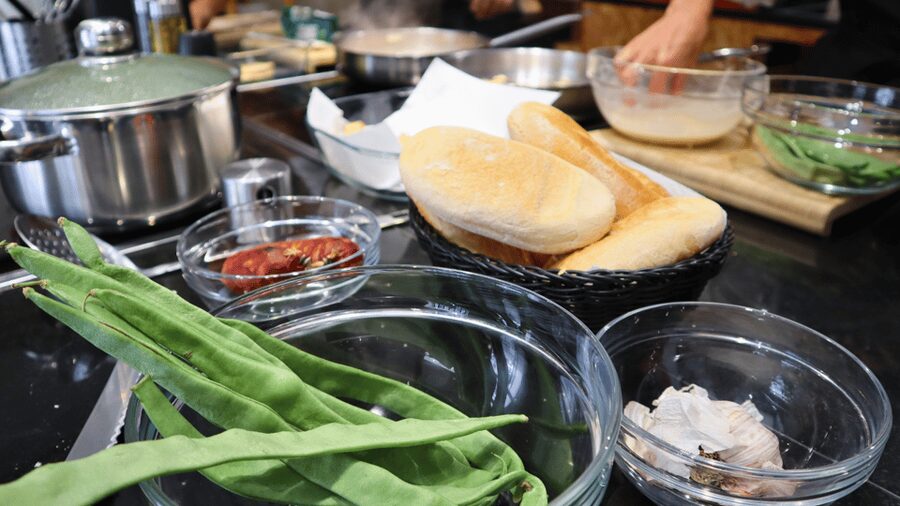
Once the cooking is finished, the group sits down to eat the dishes together. This is not only a final reward. It lets you taste the recipes as a complete meal and talk with the people who cooked beside you.
The class includes one glass of wine, red or white, with the food. At the end, you taste Ginja, a traditional Portuguese cherry liqueur. Ginja is sweet and fruit-forward, and a small serving is a fitting close to a lesson centered on local food customs.
Additional drinks are not included, so budget for them if you want more than the provided wine and Ginja. Alcohol and drugs are not allowed during the activity apart from the included tasting and drink service. Smoking is also not permitted.
I like that the meal is shared rather than packed away as separate portions. It gives the class a clear finish and turns a cooking lesson into a complete evening or afternoon plan. You leave having eaten, not simply carrying a recipe sheet.
Is $55 a fair price in Lisbon?
At $55 per person, this class offers solid value if you plan to eat the prepared dishes. The fee covers the chef’s guidance, all ingredients, the cooking session, a shared meal, a glass of wine, and Ginja. You are paying for food, instruction, and a social activity in one package.
Two hours is long enough to cook three different items without taking up half a day. It also fits neatly into a Lisbon itinerary. You can schedule it between sightseeing plans without giving away an entire afternoon, though you should still allow time to reach the kitchen because transportation is not included.
The value is strongest for people who want to repeat what they learn. A restaurant meal may give you a more polished plate, but it will not show you how to make bifana or caldo verde at home. If you are mainly interested in eating and have no interest in cooking, a food tour or casual meal may suit you better.
The free cancellation policy allows cancellation up to 24 hours in advance for a full refund, and you can reserve now and pay later. Those terms help if your Lisbon schedule is still changing, but you should still confirm the available starting time before you book.
Who should book this Lisbon cooking class?
I would recommend it to first-time visitors who want a friendly introduction to Portuguese food beyond the usual cod and custard tart. It is also a good match for solo visitors, couples, families with older children who can take part in kitchen work, and anyone who likes leaving a destination with recipes rather than only photographs.
The class is particularly useful for food lovers who prefer local, everyday dishes. Bifana, caldo verde, and peixinhos da horta offer a more down-to-earth view of Portugal than a formal tasting menu. You get food connected to snack bars, festivals, and ordinary home cooking.
You should think twice if you need wheelchair access, dislike standing in a group kitchen, or want a private lesson with constant one-to-one instruction. You should also contact the school before booking if you have dietary restrictions. The recipes can be adapted, but the school asks you to get in touch about specific needs.
FAQ
How long does the Portuguese street food cooking class last?
The class lasts two hours, including the introduction, cooking, and shared meal.
Where does the class take place?
It takes place at the Compadre Cooking School kitchen in Lisbon District, Portugal.
What dishes will I prepare?
You will learn to prepare bifana, a Portuguese pork sandwich, caldo verde soup, and peixinhos da horta, battered green beans.
Do I need cooking experience?
No. The class is designed for beginners, and the chef guides you through the recipes.
What drinks are included?
The price includes one glass of red or white wine and a tasting of Ginja, a traditional Portuguese cherry liqueur.
Is the class taught in English?
Yes. The instructors speak English.
Is the class suitable for wheelchair users?
No. The activity is not suitable for wheelchair users.
Should you book it?
Book this class if you want a practical, social introduction to Portuguese food and like the idea of eating what you prepare. The combination of three everyday dishes, local food stories, wine, and Ginja gives you more than a standard demonstration for $55.
I would skip it only if you want a private, highly technical lesson or need wheelchair access. For most food-minded visitors, this is a smart way to spend two hours in Lisbon: you cook simple recipes, meet people at the table, and take home a better sense of what Portuguese comfort food is really about.
More Workshops in Lisbon
- Hanoi: Handcrafted Wood Carving Workshop with Local Artisan
★ 5.0 · 733 reviews - Brussels: Waffle Making Workshop – All You Can Eat
★ 4.6 · 615 reviews - Paris: French Macaron Culinary Class with a Chef
★ 4.9 · 591 reviews - Milan: Italian Cooking Class with Food and Wine
★ 4.7 · 509 reviews
More Cooking Classes in Lisbon
- Small Group Cooking Class & Market Food Tour in Florence
★ 5.0 · 1,574 reviews - Athens: Food Market Visit and Cooking Class with Wine
★ 4.9 · 1,087 reviews - Undiscovered Charleston: Half Day Food, Wine & History Tour with Cooking Class
★ 5.0 · 948 reviews - Vietnamese Food Cooking Class in Hanoi with Market Experience
★ 5.0 · 778 reviews
Just added around Lisbon
- Lisbon Small-Group Food & Wine Tour Eat & Drink like a Local★ 4.9 · 77 reviews
- Lisbon Traditional Portuguese Food and Sightseeing Tour★ 4.4 · 25 reviews
- Lisbon: Private Food Tour – 10 Tastings with Locals★ 4.8 · 73 reviews
- Food Tour: Portuguese wine & Tapas with Ginjinha Tasting★ 3.8 · 67 reviews
- Lisbon Through the Eyes of a Local – Food and Walking Tour★ 4.9 · 141 reviews
- Lisbon: Evening Local Food Crawl with Drink Pairings★ 4.6 · 80 reviews
- Lisbon: Original Morning Food Tour★ 4.6 · 26 reviews
- Lisbon: Local Market, Food, and Culture Walking Tour★ 4.7 · 40 reviews
Food Tours in Lisbon, compared.
Undiscovered Lisbon Food & Wine Tour by Eating Europe
Read our review →
Lisbon Small-Group Portuguese Food and Wine Tour
Read our review →
Baixa District Food Tour with Dinner and Drinks
Read our review →
Lisbon Small-Group Food Tour with 18 Tastings in Alfama District
Read our review →
Devour Lisbon: The Ultimate Portuguese Food Tour
Read our review →
Lisbon Food Tour with 10+ Tastings of Local Delicacies & Wines
Read our review →
Award-Winning Original Lisbon Food Wine Tour: 19 Curated Tastings
Read our review →Browse the lists this tour appears in