
REVIEW · SRI LANKA
The 10 Tastings of Colombo With Locals: Private Street Food Tour
Colombo’s best introduction may be found at a market stall, not behind a museum door. This private walk takes you from Fort into Pettah, sampling king coconut, milk tea, samosas, kottu, lamprais, and local sweets while your host handles the ordering and explains what you are eating.
I like the private format because you can slow down in the heat, skip a dish, or ask for vegetarian alternatives. I also like the range: the food moves from pickled fruit and cassava chips to three banana varieties and a full savory dish. The main caution is reliability. Most experiences appear to go well, but a few bookings have involved a no-show or poor communication, so confirm the meeting details before setting out.
Key details that shape the experience
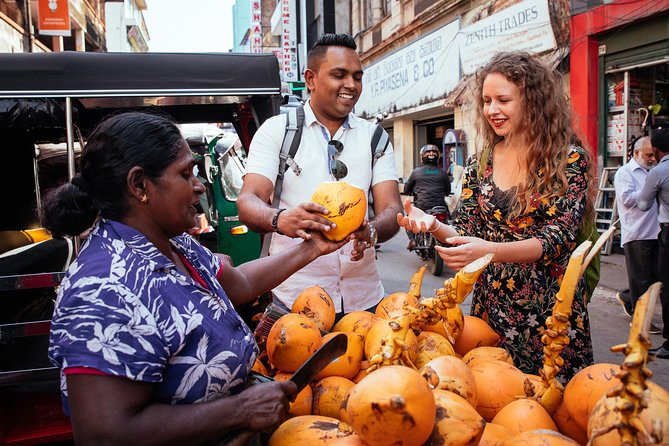
- Eight foods and two drinks: Tastings include king coconut, milk tea, pickled fruit, cassava chips, samosas, fruit, lamprais or kottu, bananas, and winter melon candy.
- Private from start to finish: Only your group and a local host take part, allowing changes for taste, pace, and dietary needs.
- Pettah is the setting: You eat around Colombo Fort, Pettah, mosques, churches, temples, markets, and old civic buildings.
- Guides can make the difference: Priyantha, Muditha, and Deegoda are among the named hosts praised for food advice, patience, and practical help.
- Plan for a three-hour walk: The route includes frequent stops, street markets, and city sights, with no hotel pickup or drop-off.
- Confirm the starting point: The meeting information refers to Fort Railway Station and a map code, and one booking had trouble finding the correct YMA location.
Why this Colombo food walk works
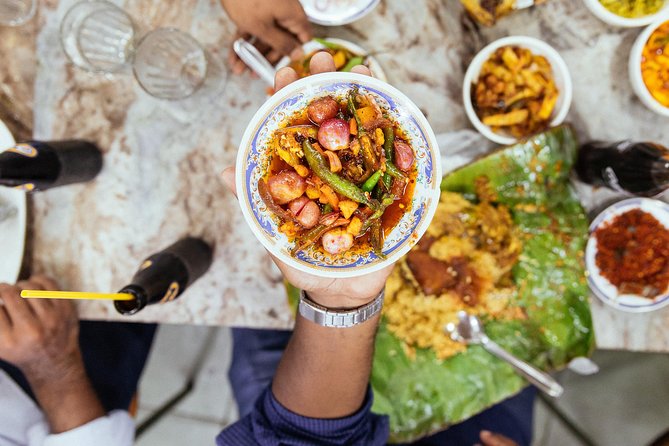
I see this as a food orientation rather than a formal cooking lesson. You are not simply handed ten samples in one restaurant. You move through Colombo’s older commercial districts, stopping where locals buy drinks, snacks, fruit, and prepared food.
That makes the tour useful at the start of a Sri Lankan trip. After three hours, you should have a better idea of what to order elsewhere and what certain ingredients look like before they reach your plate. You also get a host who can answer the small questions that menus often leave out.
The experience costs $97.85 per person. That is a serious price for street food, especially if you are comparing it with buying snacks on your own. The value comes from the private guide, the number of tastings, the market walk, and the chance to adjust the route for your group. For two people, the cost is harder to justify than for a larger party using a group discount.
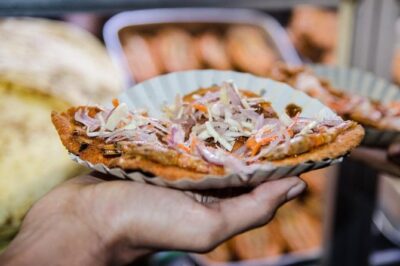
The food portions are best understood as samples, but the variety adds up. One tasting may be a drink or a few pieces of fruit, while lamprais or kottu gives you something more filling. Bring an appetite, but do not expect a single large restaurant meal.
More tours led by locals in the world:
- Naples: Street Food Walking Tour with Local Guide
★ 4.9 · 4,976 reviews - Rome: Street Food Tour with Local Guide
★ 4.8 · 4,077 reviews - Eat Like a Local: Venice 3-Hour Small-Group Food Tasting Tour
★ 5.0 · 3,137 reviews
Meeting at Fort Railway Station
The stated meeting point is near the inquiries desk at Colombo Fort Railway Station. The booking information also gives the map code WRPW+PP3, Colombo, so I would check the exact pin and message your host before leaving your hotel.
This matters because one group spent more than half an hour locating the right meeting place after finding two YMA locations in Colombo. The useful lesson is simple: stay close to Fort, confirm the station meeting point, and do not rely on a vague landmark alone.
Fort Railway Station is a practical start. It puts you near the old commercial heart of Colombo and gives the guide a clear place to meet you. The activity ends back at the meeting point, and hotel transport is not included.
If you arrive by cruise ship or from another part of the city, allow extra time for transport. One host helped a group arrange tuk tuks and return safely, but that kind of assistance should be treated as a helpful guide service, not included transfer.
King coconut beside the Dutch Museum
The first tasting is king coconut near the Dutch Museum. This bright orange-gold drink is a gentle opening to the walk, especially in Colombo’s heat.
It is also a good example of how the tour combines food with place. You are not being rushed straight from one snack to the next. The early route introduces you to an old part of town, then uses a familiar local drink to get you ready for the market.
King coconut is light, refreshing, and generally less challenging than some of the later flavors. If you are new to Sri Lankan food, this gives you an easy first step before the stronger pickles and savory snacks.
The Dutch Museum stop is listed as a nearby city highlight, not as a museum visit with an included admission. Treat it as a quick landmark stop rather than a guided museum tour.
Milk tea and market life in Pettah
Next comes fresh milk tea on the street in Pettah. Tea is part of daily life across Sri Lanka, and this stop lets you try it in the setting where people actually buy it.
Pettah is useful for understanding Colombo’s energy. Shops, stalls, produce sellers, religious buildings, and transport routes all press close together. Your host can help you read the scene and point out food you might otherwise pass without recognizing.
The milk tea is a small serving, but it gives the tour a pause between stops. If you prefer less sugar or have dietary restrictions, tell the guide early. The tour offers alternatives, but it is always easier to adjust a tasting before it is served.
The market setting can be hot, noisy, and crowded. That is part of the appeal, but it also means this is not a quiet, polished food tour. Wear light clothes, use comfortable shoes, and keep your belongings secure.
More street food nights in the world:
- Dubai: Old Town, Creek, Museums, Souks, & Street Food Tour
★ 4.8 · 10,816 reviews - Ho Chi Minh City Street Food Tour & Sightseeing By Motorbike
★ 5.0 · 9,413 reviews - Medellin: Comuna 13 Graffiti Tour, Cable Car & Street Food
★ 4.8 · 9,046 reviews - Dubai: Old Town, Souks, Street Food, Guided Tour & Abra Ride
★ 4.9 · 7,170 reviews
Pickled fruit and cassava chips near Red Mosque
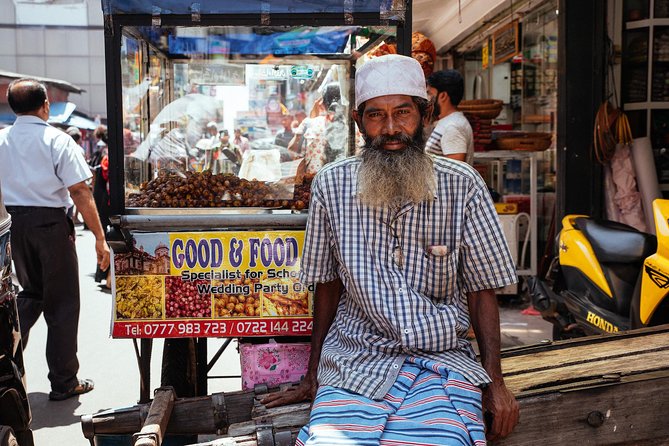
Near Jami Ul-Alfar Mosque, also called the Red Mosque, the tasting turns sharper. You try several kinds of pickled fruit, then cassava chips made fresh nearby.
The pickled fruit is the sort of food many visitors would hesitate to order alone. It can be sour, salty, spicy, or sweet depending on the preparation. Because your host chooses the stall and explains the choices, you get a safer way to test flavors that may be unfamiliar.
Cassava chips offer a simpler pleasure. Watching them being made fresh adds something to the stop, and the crisp texture gives you a break from the wet, sour pickles.
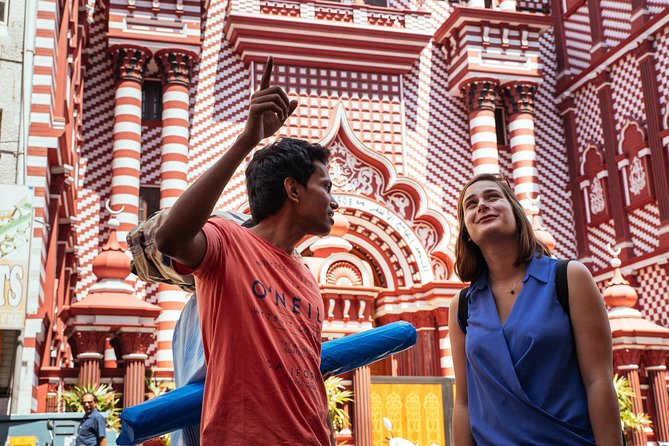
The Red Mosque is one of the route’s most memorable visual landmarks, but the food stop is the main purpose here. Dress respectfully around religious sites and follow your guide’s instructions about where to stand and when photographs are suitable.
Samosas around Kayman’s Gate
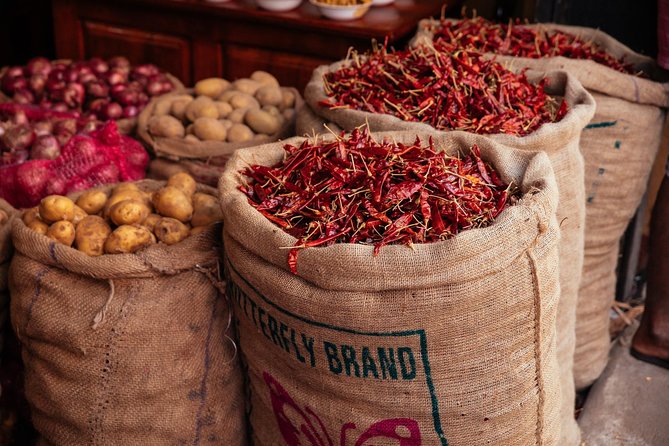
At Kayman’s Gate Bell Tower, you stop for samosas. These are familiar enough for most people to enjoy, but Sri Lankan versions can bring different fillings and spice levels than the ones you may know at home.
This is one of the more substantial snack stops. If you are planning to eat a large lunch afterward, pace yourself. The tour includes several more tastings, and the samples accumulate quickly.
The bell tower also breaks up the food with another piece of Colombo’s built environment. You are moving through the old city rather than sitting in one venue, so each short stop adds context to the next.
Fresh fruit near the Old Town Hall
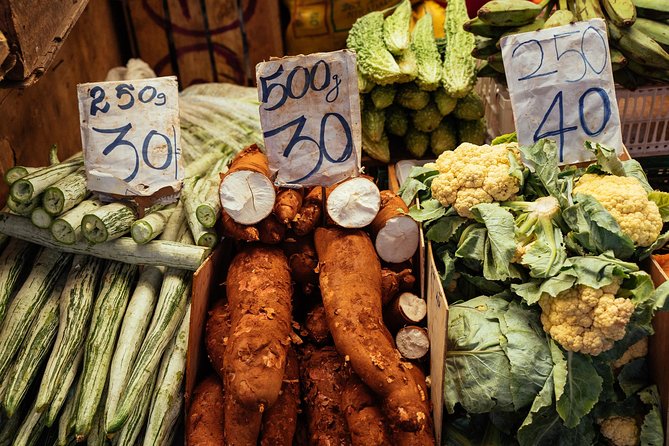
Near the Old Town Hall, the tour shifts to exotic fruit at a local market. This is a useful stop for anyone who wants to understand Sri Lankan produce beyond bananas and coconuts.
Fruit is an easy category to customize. Your guide can help you choose based on what looks good, how adventurous you feel, and any restrictions you have. You may find textures and flavors that are very different from supermarket fruit at home.
This stop also gives you a chance to slow down. Three hours can pass quickly when every few minutes brings another taste, so a simple fruit tasting helps reset your palate before the main dish.
Lamprais or kottu near All Saints Church
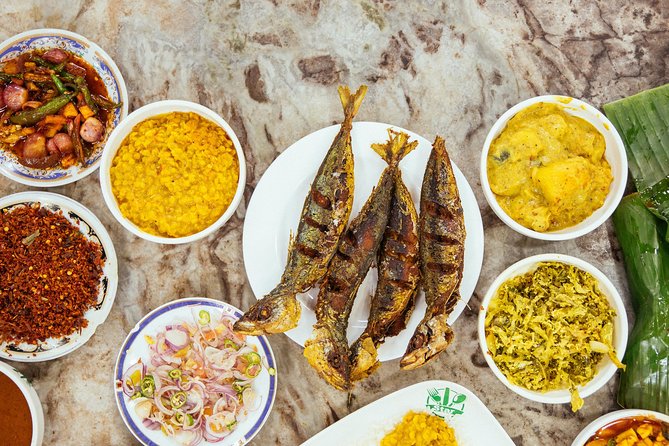
Near All Saints Church, you stop at a local restaurant for either lamprais or kottu. This is the meal-like portion of the route.
Lamprais is a rice-based dish traditionally served with several accompaniments, while kottu is chopped roti cooked with other ingredients on a hot surface. The two dishes offer very different textures and eating styles. Your host can help match the choice to your preferences.
This is where the private setup earns its keep. One food may appeal more to your group than the other, and the guide can explain the options rather than leaving you to guess from a menu.
The stop is described as a secret restaurant, but you should not expect a formal dining room experience. The point is a local place chosen for the food, not polished service or a long sit-down meal.
Bananas near New Kathiresan Kovil
The banana tasting near New Kathiresan Kovil is a small idea with real value. You try three different banana varieties, which makes clear how much range can exist inside a fruit you may think you already know.
For food-focused visitors, this is the kind of detail that makes a market walk worthwhile. You learn through comparison rather than through a long explanation. Taste, size, sweetness, and texture become easier to notice when the varieties are placed side by side.
The kovil adds a religious landmark to the route. As with the mosque and churches, the tour passes through a city where different faiths share the same compact urban area.
Winter melon candy near Wolvendaal Church
The final sweet tasting is winter melon candy near Wolvendaal Church. It gives the walk a sugary finish after the savory samosas, pickles, chips, and main dish.
Winter melon candy may be unfamiliar to many visitors, so this is another moment when the guide’s explanation matters. If you do not have much of a sweet tooth, the portion should still be manageable, but tell your host if you prefer to stop earlier.
Wolvendaal Church is another city highlight along the route. You are not booking a church tour, yet the building helps show how much history and religious variety sit within Colombo’s older districts.
Manning Market and the Bo Tree
The itinerary also includes Manning Market and the Bo Tree. Manning Market is an open market in the Pettah area, and the Bo Tree is a Buddhist temple.
These stops help widen the experience beyond food. You see where ingredients move through the city, then finish with a religious site that reflects Sri Lanka’s Buddhist culture. The exact order and amount of time at each place may vary because this is a private walk with food stops in between.
The listed schedule assigns about 15 minutes to Manning Market and 15 minutes to the Bo Tree. Other stops range from 20 to 30 minutes, but the full activity is advertised at roughly three hours, so treat those times as estimates rather than a strict timetable.
Private guiding and the best hosts
The host is the most important variable here. Priyantha has been praised for food advice, looking after a group in an area where visitors can be approached by scammers, and helping people get back safely. Muditha has been singled out for choosing foods according to personal tastes and answering questions clearly.
Deegoda has shown particular patience with groups needing a slower pace. One party with three mobility-challenged parents received help with delays, tuk tuk arrangements, and changing plans. Another group was able to take more breaks during hot weather and skip sights without trouble.
Those examples show what private touring can offer: a human being who reacts to your needs instead of following a fixed group schedule. They do not guarantee that you will receive one particular host, so you can request a named guide if the booking system allows it.
There is also a practical warning. A small number of bookings had serious communication problems, including a host who did not answer calls and a reported no-show. That is not a reason to dismiss the tour, but it is a reason to save the provider’s contact details, confirm the meeting point, and avoid scheduling an important flight or transfer immediately afterward.
Dietary needs, walking pace, and comfort
Vegetarian alternatives are available, and the private format makes food adjustments easier. State your restrictions at booking and repeat them to the guide at the start. The supplied details do not promise options for every allergy, so ask specific questions if cross-contact matters to you.
Most people can take part, but this is a walking route through markets and older streets. Heat, uneven surfaces, crowds, and frequent stops may affect your pace. The experience is not described as fully wheelchair accessible, although a guide has accommodated people with mobility challenges and arranged tuk tuks when needed.
You can ask to rest, skip a sight, or slow down. That flexibility is one of the strongest reasons to choose a private tour over a fixed group outing.
Is $97.85 a fair price?
At $97.85 per person, the tour is not the cheapest way to eat in Colombo. If your only goal is to buy snacks, you can spend far less by ordering independently.
The price makes more sense if you value guidance. You receive a private local host, ten food and drink tastings, market stops, help with ordering, and a route through several important parts of the city. You also avoid wasting time choosing the wrong stall or misunderstanding unfamiliar food.
It is a better value for a family or small group that can use the available discount than for a solo visitor comparing the cost with a self-guided snack crawl. It also works well as an early-trip orientation, because the food tips can shape where you eat for the rest of your stay.
Who should book this Colombo food tour?
I would choose this experience if you want to try local food but feel unsure about ordering from street stalls alone. It suits first-time visitors, curious eaters, couples, families, and groups that want a flexible schedule.
It is less suitable if you want a relaxed restaurant meal, a cooking class, hotel pickup, or a strict sightseeing tour with long explanations at every landmark. It is also a poor fit for anyone who dislikes heat, market crowds, or eating several small portions in quick succession.
Book it early if your dates are fixed. The experience is often reserved well in advance, with an average booking lead time of 94 days. After booking, confirm the Fort Railway Station meeting details and your dietary needs.
FAQ
How long does the Colombo street food tour last?
The activity lasts approximately three hours.
How many food and drink tastings are included?
The tour includes ten tastings in total, made up of eight foods and two non-alcoholic drinks.
What foods and drinks might I try?
The route includes king coconut, milk tea, pickled fruit, cassava chips, samosas, exotic fruit, lamprais or kottu, three banana varieties, and winter melon candy.
Is this a private tour?
Yes. Only your group and the local guide take part.
Are vegetarian alternatives available?
Yes. Vegetarian alternatives are offered for dietary restrictions.
Where does the tour start?
You meet near the inquiries desk at Colombo Fort Railway Station. The booking information also provides the map code WRPW+PP3 in Colombo, so confirm the exact meeting location before arrival.
Is hotel pickup included?
No. Hotel pickup and drop-off are not included, and the activity ends back at the meeting point.
Can I cancel for a full refund?
Yes, if you cancel at least 24 hours before the experience start time. Cancellations or changes made within 24 hours are not refunded or accepted.
Should you book it?
I would book this tour for the food, the private pacing, and the chance to enter Colombo’s market districts with a local guide. The strongest part is the range of tastes, from king coconut and tea to pickles, cassava, samosas, a proper lamprais or kottu stop, and several kinds of fruit.
I would not book it blindly. Confirm the meeting point, make your dietary needs clear, and allow time for possible delays. If you want a practical first taste of Colombo and can accept the price of a private experience, this is a useful and flavorful introduction to the city.
Just added around the world
- Eat Like a Local Food Tour in Hua Hin★ 5.0 · 74 reviews
- Houston Downtown Food Tour with 6 Tastings of Tradition & Fusion★ 4.5 · 88 reviews
- Thai Street Food & Morning Market Walking Tour in Hua Hin★ 5.0 · 46 reviews
- Oahu Island Sightseeing and Food Combo Tour★ 4.5 · 50 reviews
- Astroville Private Food Tour of Downtown Houston★ 5.0 · 151 reviews
- Houston Heights eBike VIP Private Foodie Tour★ 5.0 · 25 reviews
- Beaches, Food & Aloha: Private Oahu Tour★ 5.0 · 103 reviews
- Howdy H-Town EADO Food Tour★ 5.0 · 96 reviews
Food Tours in Sri Lanka, compared.
Colombo Tuk Tuk City Tour -Sightseeing Entry Fees & Food Included
Read our review →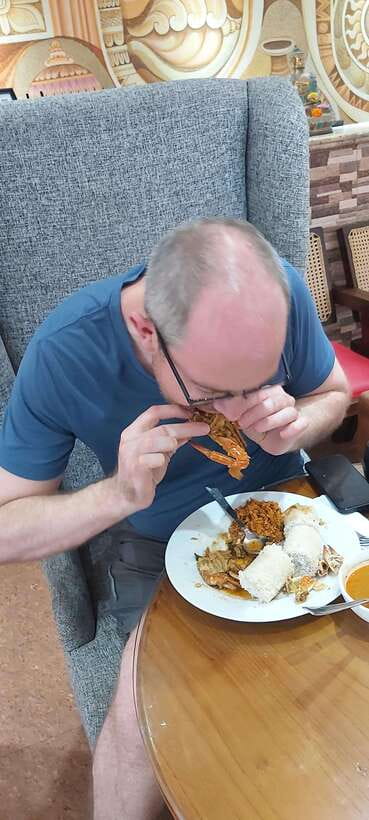
Colombo Local Food Tour by Tuk Tuk – All Inclusive
Read our review →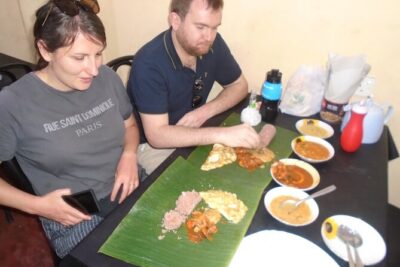
Private Cooking Class – Personalized menu with glutenfree & vegan
Read our review →
Colombo: Tastiest Local Food Tour by Tuk-Tuk Meals Included
Read our review →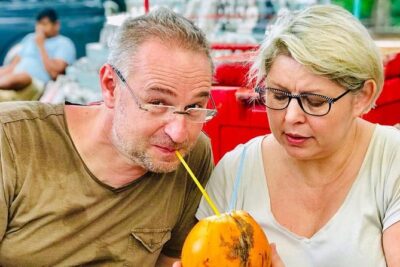
COLOMBO PRIVATE CITY TOUR WITH street food( All inclusive )
Read our review →
Colombo Tuk Tuk Tour with Entry Fees & Food Included
Read our review →Browse the lists this tour appears in