
REVIEW · SPLIT
Split: Food Tasting Walking Tour
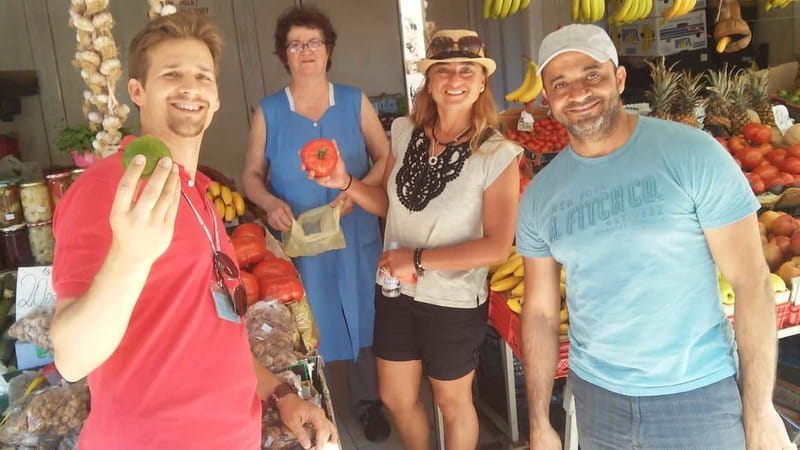
The best part of this Split food tour is the way it turns ordinary city stops into a meal with a story. You move from the Green Market to the old fish market, bakeries, cafés, and small food shops while learning how Dalmatian people eat, shop, and use local ingredients.
I like the mix of market visits and seated tastings, and I like that the tour includes Split’s Roman and medieval streets rather than treating food as a separate activity. The main thing to check is the wine. The description mentions a glass of local wine, but the current inclusions list food tastings only, and recent guests said wine was no longer included.
- Arancini and candied citrus: Start with sweet local bites at Split’s Pazar, a simple introduction to Dalmatian flavors.
- Soparnik with local context: Taste a traditional savory pie recognized by UNESCO as part of Croatia’s heritage.
- Diocletian’s Palace on foot: Food stops are tied to Roman and medieval streets, so you see the old center as you eat.
- Peškarija fish market: Learn how salted anchovies fit into a traditional Dalmatian marenda, or brunch.
- Small-group guiding: Guides including Marta, Antonia, Jakov, Slavko, and Ina are praised for personal service and local food knowledge.
- A useful first-day tour: The recommendations for shops and restaurants can help shape the rest of your stay.
A Food Tour Inside Diocletian’s Palace
This is not a restaurant crawl with a long list of dishes and little sense of place. It is a short walking tour through the center of Split, where the food gives you a reason to pause and look around.
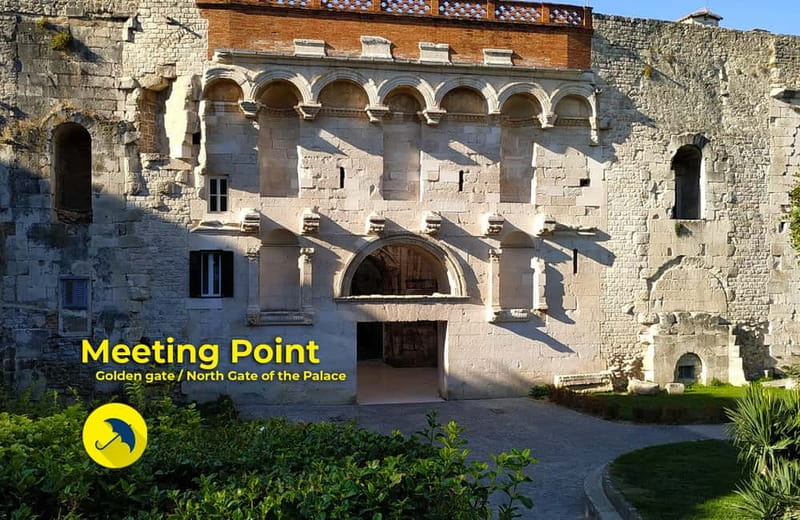
You meet at the Golden, or North, Gate near the statue of Gregory of Nin. Look for the blue umbrella. From there, the route stays in and around Diocletian’s Palace and the old center, returning to the same gate after about two hours.
That compact format matters. Split’s historic core is easy to walk, but its narrow streets can feel confusing at first. A guide helps you connect the palace, markets, shops, and food traditions before you set off on your own.
The tour is offered privately or in small groups. That is useful if you want to ask questions, need the pace adjusted, or prefer a quieter experience. The guides have included Marta, Antonia, Jakov, Slavko, and Ina. The strongest pattern in the feedback is not just that they explain the food, but that they connect it to Split and Dalmatia.
Pazar: Sweet Almonds at the Green Market
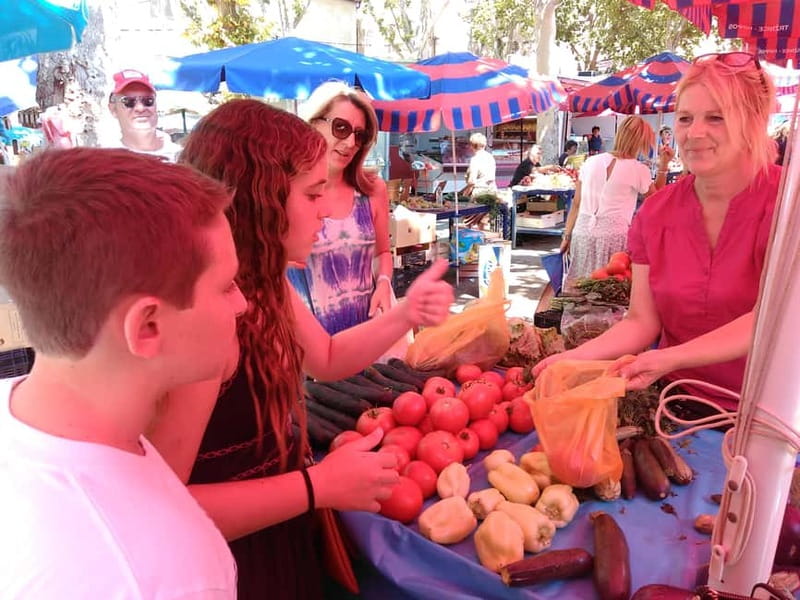
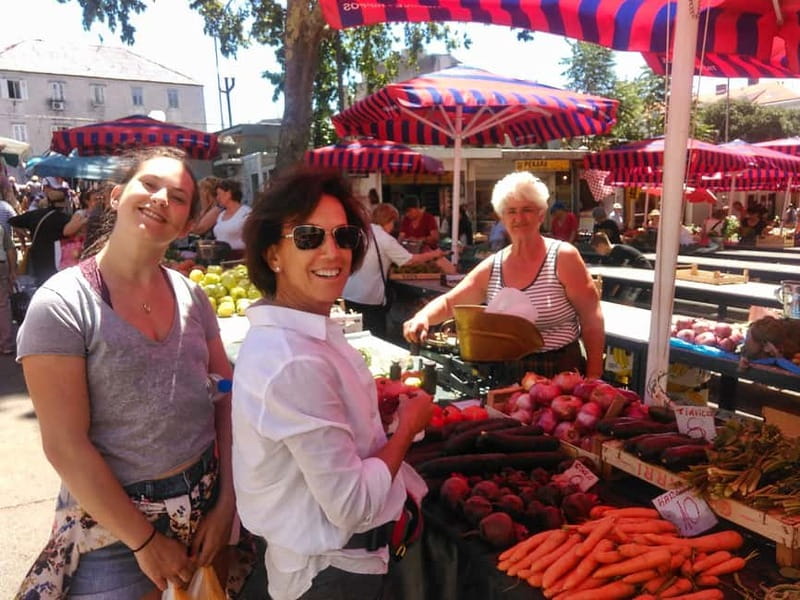
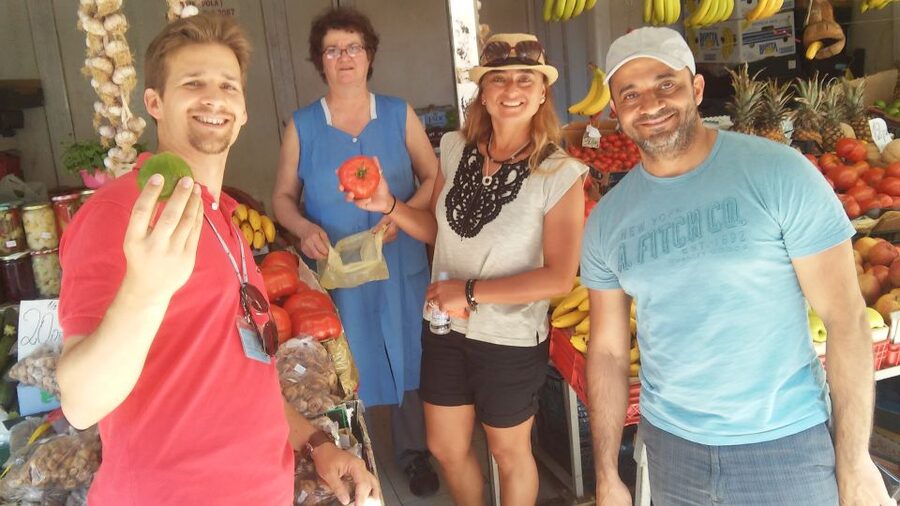
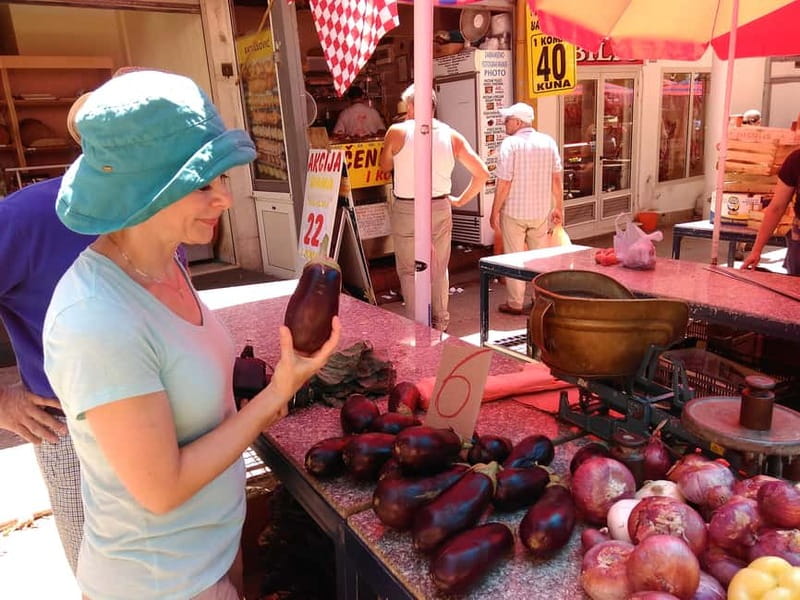
The first substantial stop is Split’s Old Market, usually called Pazar or the Green Market. This is where you get a look at the everyday food culture of the city rather than only its polished visitor center.
The opening tasting includes arancini, almonds covered in sugar. You may also encounter candied orange or lemon peel during the food stops. These are small portions, but they set up an important idea: Dalmatian food is not only grilled fish and olive oil. It also includes preserved fruit, nuts, pastries, cured meat, and simple sweets.
The market visit is scheduled for about 30 minutes. That gives your guide time to explain ingredients and local habits without turning the stop into a rushed pass through vegetable stalls. Some participants have bought food afterward, using the tour as a practical introduction to what they are seeing.
I would pay close attention here if you are staying in Split for several days. A market visit early in your trip can make later shopping easier, especially if you want to recognize local produce or bring home something edible. Extra purchases are not included, so carry a little spending money if you see something you want.
More Food Tours in Split
- From Split: Krka Waterfalls, Food & Wine Tasting Tour
★ 5.0 · 9,326 reviews - From Split: Krka Waterfalls, Food & Wine Tasting Tour
★ 4.9 · 6,598 reviews - Split: Blue Lagoon and 3 Island Cruise with Food and Drinks
★ 4.8 · 1,969 reviews
Soparnik and the Meaning of a Traditional Recipe
The tour’s description includes soparnik, a traditional Dalmatian flatbread or savory pie, served with a glass of local wine. Soparnik is associated with the Poljica area near Split and is protected as part of Croatia’s traditional food heritage.
The useful thing about tasting it with a guide is that you get more than a sample. You learn how a modest dish made from simple ingredients can become a marker of regional identity. The tour also includes traditional recipes, so the food is presented as part of home cooking rather than as an exotic novelty.
Recent feedback indicates that the wine may no longer be included. Treat the food as guaranteed and consider the wine an item to confirm before booking. This is a small detail, but it matters if you are comparing the tour with other food walks or expecting a drink with each course.
Medieval Lanes and Dalmatian Prosciutto
Between food stops, you walk through the old streets of Split. The route passes through the nearly 1,700-year-old Diocletian’s Palace and the medieval parts of the city. This gives the tour a useful second layer: you are not simply stopping at shops, you are seeing how the old center still functions as a lived-in place.
A tasting of traditionally made prosciutto comes next. Cured meat is an important part of the region’s food culture, and it provides a savory contrast to the sugared almonds and candied citrus.
The guide may also point out architectural details, city stories, and places to return to later. This is where the individual guide makes a difference. Marta is praised for explaining cooking methods and local traditions. Antonia is described as friendly and flexible with the group. Jakov is noted for linking food with the life of people on the Dalmatian coast. Slavko has been appreciated for humor and an easy manner.
You should not expect a full historical tour of Split. Two hours is enough for a useful introduction, not a detailed study of the palace. Still, the food gives the history a practical shape, which can be more memorable than a string of dates.
A Chocolate Stop With a Guinness Record
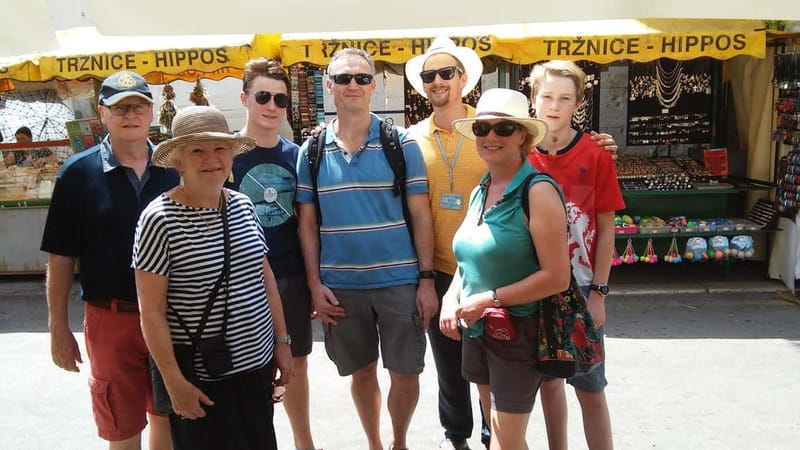
The itinerary includes a visit to a chocolate shop with a Guinness record for the world’s largest chocolate bar. This is the most playful stop on the route, and it keeps the tour from becoming too focused on savory foods and market ingredients.
You get a chocolate tasting, although the exact selection can vary. The shop visit is paired with a stop at one of Split’s oldest bakeries, where you taste rafiol, a traditional cake or pastry.
Rafiol gives you another look at Dalmatian sweets. Unlike the market’s sugared almonds, it feels more like a bakery specialty, connected to family recipes and local celebrations. A food guide can explain those connections while you taste, which is more helpful than simply being told the name of a pastry.
If you do not have much of a sweet tooth, this section may feel heavier than the market stops. For most people, though, the change of pace works well. You get salty foods, preserved foods, pastries, and chocolate in a short route.
A few more food tours around Croatia worth comparing
- Dubrovnik Food and Drink Walking Tour with a Local Guide
★ 5.0 · 654 reviews - Zadar: Food Tasting & Old Town Walking Tour
★ 5.0 · 94 reviews - Reykjavik Food Walk – Local Foodie Adventure in Iceland
★ 5.0 · 18,952 reviews - Little Havana Food and Walking Tour in Miami
★ 5.0 · 8,882 reviews
Peškarija, Split’s Historic Fish Market
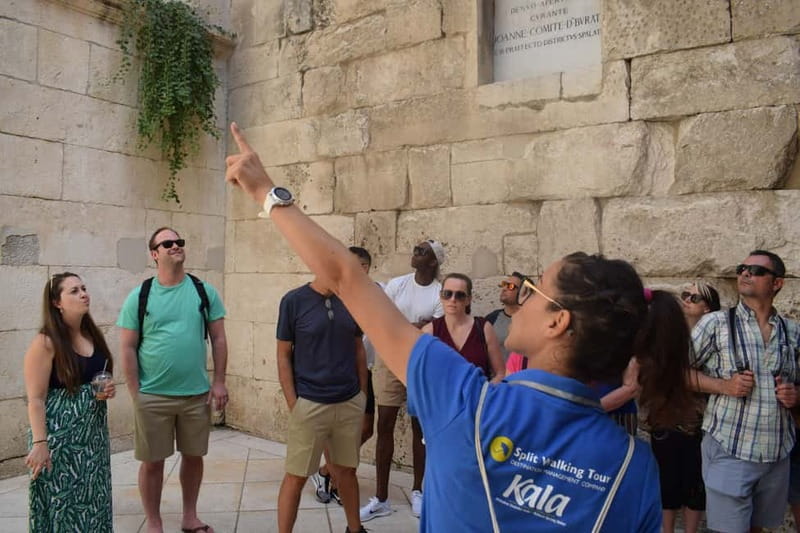
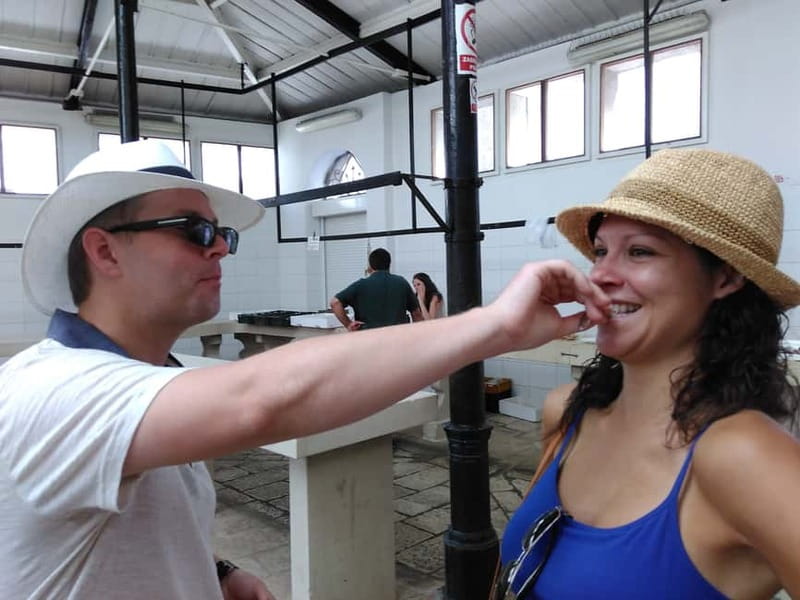
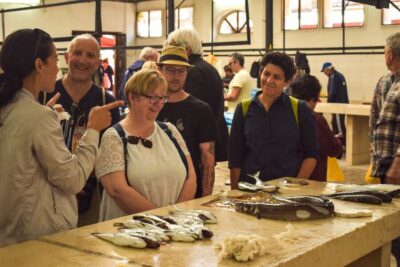
The fish market, called Peškarija, is one of the most distinctive stops. It is described as the second-oldest fish market in Europe, with original benches more than 120 years old.
The market visit lasts about 30 minutes. Your guide explains how to eat salted anchovies, a traditional part of marenda, the Dalmatian mid-morning meal or brunch. This is a valuable detail because anchovies can be intimidating if you have never eaten them in this style. The point is not simply to sample fish. It is to understand how a small, salty ingredient fits into local eating habits.
The fish market is also a good place to see the difference between food culture and restaurant culture. A menu may present Dalmatian seafood as a refined dish, but the market shows the everyday source and the working side of that food tradition.
Expect the market to be practical rather than staged. There are benches, displays, and local vendors. The tour makes the setting easier to understand, but you should still be ready for a real market atmosphere and a walking surface that is not ideal for everyone.
Four Short Tasting Stops, Not One Big Meal
The schedule breaks the food into several short stops:
- A local café for about 15 minutes
- The Green Market for about 30 minutes
- A local bakery for about 15 minutes
- The fish market for about 30 minutes
- A local bar for about 15 minutes
- A local restaurant for about 15 minutes
This is enough food to make the tour filling, especially when the samples add up. One participant reported trying more than 10 foods, including nuts, candied citrus, prosciutto, and two kinds of traditional flatbread.
You should think of this as a grazing tour, not a sit-down lunch. Portions are designed to let you keep walking and compare flavors. The final restaurant stop gives the route a more settled ending, but it is still part of a tasting experience rather than a full restaurant meal.
The advantage is variety. You can try foods you might not order on your own, then decide what deserves a second visit. The drawback is that the exact balance of tastings may change with availability at markets and shops. Food tours in working markets cannot always promise an identical plate every day.
What the Price Includes at $64
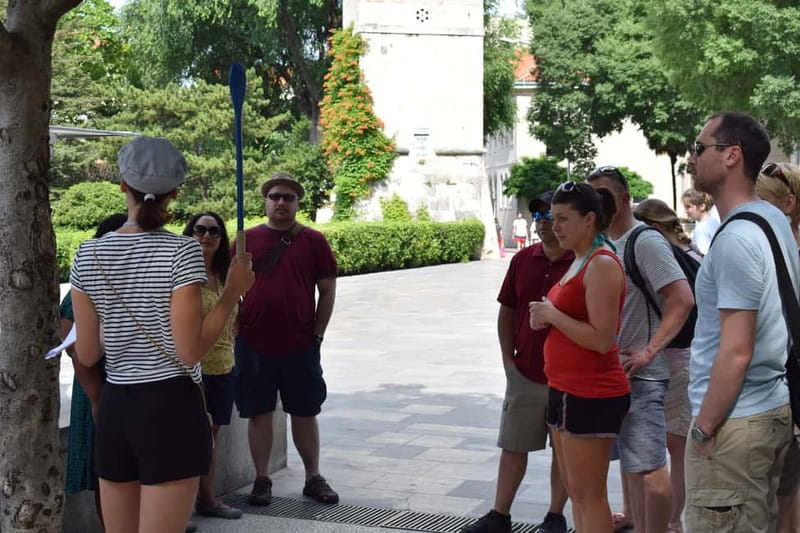
At $64 per person, this tour costs more than simply buying snacks at the market. The value comes from the combination of food, guiding, access to small local stops, and orientation to Split’s center.
Food tastings and traditional recipes are included, as is the English-speaking guide. Optional market purchases cost extra. The advertised wine should be confirmed, since recent information suggests it may no longer be part of the standard package.
I think the price makes sense if you want three things at once: a light meal, a walking introduction to Split, and help choosing foods you might otherwise overlook. It is less compelling if your main goal is a large lunch or a long guided history tour.
The small-group option adds value for people who like to ask questions. The guides are often praised for adapting to the group rather than rushing through a fixed script. One guide reportedly spent longer than the scheduled time, while another made room for many questions. That kind of flexibility is useful, but it may depend on the group and guide on your date.
Who Will Enjoy This Tour Most
I would choose this experience for first-time visitors who want to understand Split quickly. It works especially well at the beginning of a stay, since the guides provide ideas for restaurants, markets, and food shops to revisit.
It also suits people who prefer small bites to one formal meal. You get sweet and savory foods, cured meat, baked goods, chocolate, and fish. The route offers enough range to help you decide what kind of Dalmatian food you like.
Families should note that children must be accompanied by an adult, and unaccompanied minors are not allowed. The tour is not suitable for wheelchair users, so anyone with limited mobility should consider the old streets, market areas, and walking format carefully.
Bring comfortable shoes, sunglasses, and a sun hat. The route is outdoors for much of its two hours, and Split can be bright and hot. Since the activity moves between several stops, comfortable footwear is more important than dressing up.
Book Early in Your Split Stay
I would book this tour near the start of your time in Split, not on your final morning. The food lessons are useful, but the restaurant and shopping suggestions are even more valuable when you still have days left to use them.
The experience has earned a 4.9 rating from 102 reviews, with especially strong praise for the guides’ warmth, local food knowledge, city stories, and willingness to adapt. The praise is remarkably consistent across guides, including Marta, Antonia, Jakov, Slavko, and Ina.
There are two things to keep in mind. First, do not book it expecting a full meal or an extensive palace lecture. Second, confirm whether a glass of wine is included, because the current package details and recent comments do not fully match the older description.
Should You Book the Split Food Tasting Walking Tour?
Book it if you want a friendly introduction to Dalmatian food and Split’s old center in one compact outing. The strongest reasons are the market access, the range of traditional samples, and the way the guides connect food with local life.
Skip it if you need step-free access, want a large sit-down meal, or prefer a long, formal history tour. For most food-curious visitors, especially those new to Split, $64 is a fair price for a two-hour orientation with enough tasting to replace a light lunch.
FAQ
Where does the Split food tour start?
The meeting point is the Golden or North Gate, near the statue of Gregory of Nin. Look for the blue umbrella.
How long does the tour last?
The tour lasts two hours. Starting times vary, so check availability when booking.
What foods are included?
The tastings can include arancini, sugared almonds, candied orange or lemon peel, soparnik, prosciutto, chocolate, rafiol, salted anchovies, and other traditional Dalmatian foods.
Is wine included?
The tour description mentions a glass of local wine with soparnik, but the current inclusions list food tastings only. Recent information also indicates that wine may no longer be included, so confirm before booking.
Is the tour conducted in English?
Yes. The live tour guide language is English.
Is this a private tour?
Private and small-group options are available.
Are market purchases included?
No. Optional purchases at the markets are extra.
Is the tour suitable for wheelchair users?
No. The activity is not accessible for wheelchair users.
Can children join the tour?
Children can join when accompanied by an adult. Unaccompanied minors are not allowed.
Just added around Croatia
- Half-Day Wine and Food Tasting from Dubrovnik★ 4.5 · 106 reviews
- Island Hopping & City Walls Cruise with Food and Open Bar★ 5.0 · 102 reviews
- Peljesac&Ston Small-Group Food & Wine Experience from Dubrovnik★ 5.0 · 45 reviews
- Flavours of Konavle: Wine, Food & Village Life Experience★ 5.0 · 31 reviews
- Elaphite Islands Cruise with Local Gastronomy at Captain’s House★ 4.5 · 50 reviews
- Old Town Dubrovnik Food Tour of 10+ Authentic Croatian Tastings★ 5.0 · 50 reviews
- Wine, food and olive oil by PhD student★ 5.0 · 111 reviews
- Dubrovnik Old Town Food Tour: Small-Group Experience★ 5.0 · 419 reviews
Food Tours in Split, compared.

Blue Lagoon and 3 Island Cruise with Food and Drinks
Read our review →
Blue Lagoon, Borkko Beach & Šolta with Food & Drinks
Read our review →
Full-Day Catamaran Cruise to Hvar & Pakleni Islands with Food and free Drinks
Read our review →
Blue Lagoon&Šolta boat tour with Food&Drinks (2026)
Read our review →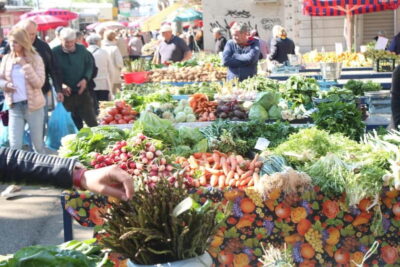
Browse the lists this tour appears in