
REVIEW · SPLIT
Split: Small Group Food Tour with Private Option
Split’s best introduction may be found at a market counter, not behind a museum rope. This 90-minute food walk links Diocletian’s Palace with the Green Market, the Fish Market, a chocolate shop, and an old bakery, giving you small tastes of Dalmatia while you walk through 1,700 years of Split.
I like the mix of market life and local specialties, especially soparnik with wine, salted anchovies, and rafiol cake. I also like the local perspective. Guides such as Antonia, Marta, Jakov, Tanja, and Darko have helped visitors connect food with family habits, childhood memories, and daily life in Split.
The main consideration is pace and value. At $58 per person, this is not a cheap snack crawl, and 90 minutes leaves little room to linger. One past format also included a sit-down meal, but the current outline focuses on tastings and market visits, so check the exact version offered when you book.
Key points at a glance
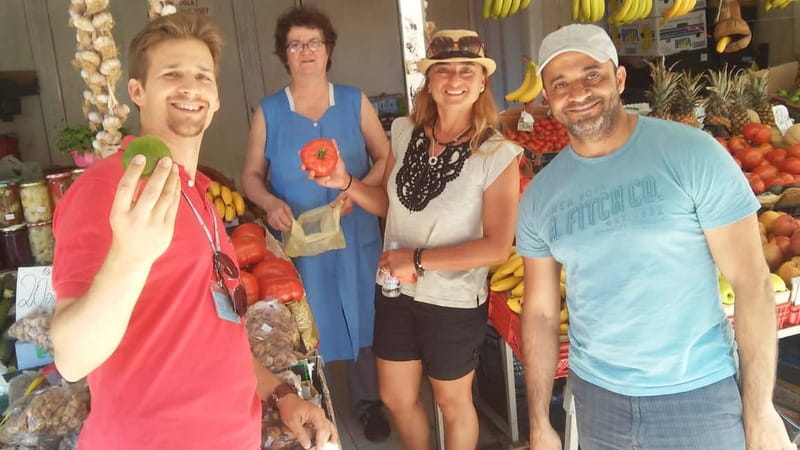
- Taste distinctive Dalmatian foods: Try arancini, soparnik, prosciutto, chocolate, rafiol cake, and salted anchovies.
- Walk through Diocletian’s Palace: Food stops come with stories about Split’s Roman and medieval center.
- See two working markets: The Green Market shows produce and local buying habits, while Peškarija offers a look at Split’s long fish-trading tradition.
- Expect a friendly English-speaking guide: Past guides including Marta, Antonia, Jakov, Tanja, and Darko received especially warm praise for their local stories and easy manner.
- Plan for a full tasting session: Several visitors found they needed no lunch afterward, so arrive hungry.
- Choose private or small group: The private option suits families and friends who want more control over questions and pace.
A Food Tour Inside a Roman Palace
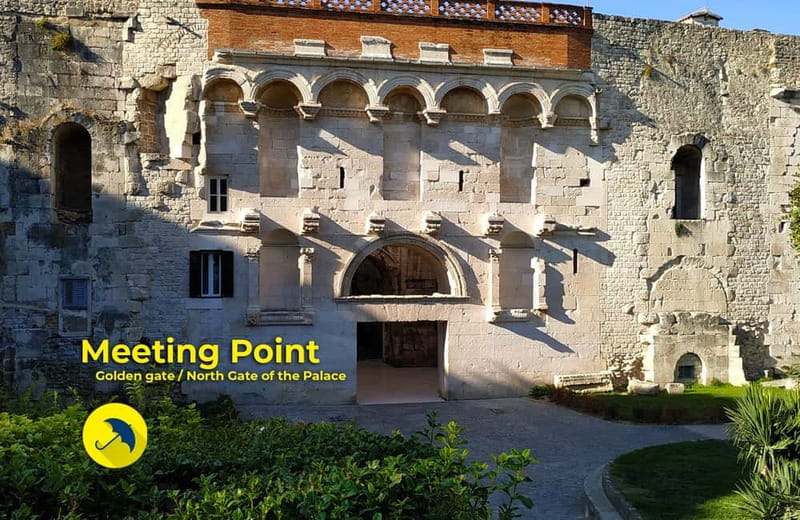
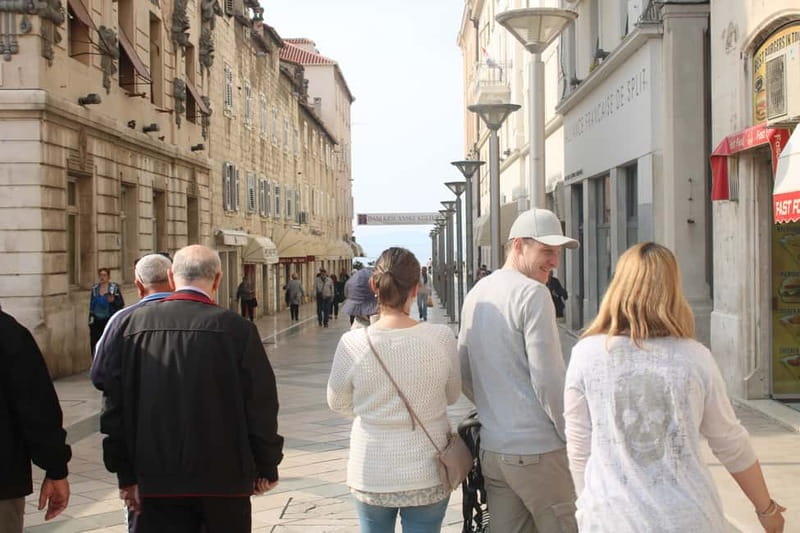
The tour begins beneath Split’s Golden Gate, the northern entrance to Diocletian’s Palace. Look for the blue umbrella. This is a useful meeting place because the palace is a maze of narrow lanes, stone courtyards, and surviving Roman structures.
The setting gives the walk its strongest feature. You are not simply moving between restaurants. You are tasting food in the same old center where Split’s daily life has continued through Roman, medieval, and modern periods.
Your guide combines sightseeing with food rather than presenting two separate tours. As you move through the palace streets, you learn why certain foods matter in Dalmatia and how local people eat them. That context makes a small piece of cake or cured meat feel less random.
The group format should also help keep the walk personal. Small groups are available, and you can select a private version if your party wants more direct attention. This is useful if you have children, specific food questions, or only a short window in Split.
More Food Tours in Split
- From Split: Krka Waterfalls, Food & Wine Tasting Tour
★ 5.0 · 9,326 reviews - From Split: Krka Waterfalls, Food & Wine Tasting Tour
★ 4.9 · 6,598 reviews - Split: Blue Lagoon and 3 Island Cruise with Food and Drinks
★ 4.8 · 1,969 reviews
Green Market: Arancini, Produce, and Local Buying Habits
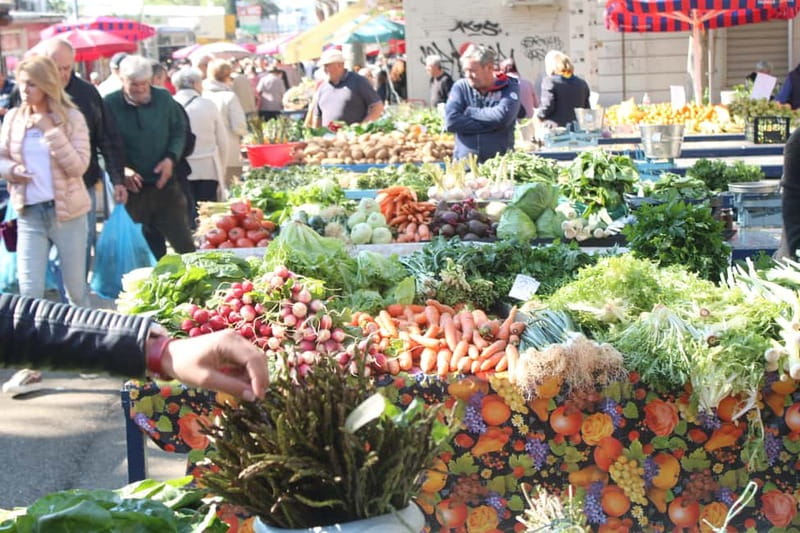
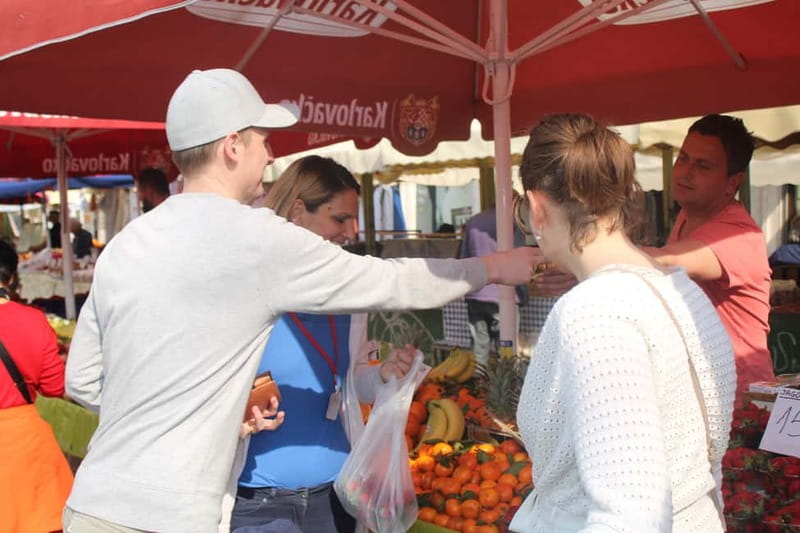
The first major food setting is Pazar, Split’s Green Market. This is where the tour starts showing you the practical side of Dalmatian food. The market is not only a backdrop for photographs. It is a place where local produce and everyday ingredients are bought and discussed.
You begin with arancini, almonds covered in sugar. It is a simple sweet, but a good opening taste because it introduces the habit of taking familiar local ingredients and turning them into something suited to coffee, conversation, or a morning stroll.
The market visit is scheduled for about 30 minutes. That is enough time for your guide to point out ingredients, explain local uses, and introduce you to some sellers. One especially useful part of the experience is the chance to hear how certain foods are prepared from people who work with them.
You may also taste soparnik with a glass of local wine. Soparnik is a savory dish associated with the Dalmatian region and protected as part of Croatia’s cultural heritage. It is made with greens between thin layers of dough, though the precise preparation and presentation can vary.
I like this stop because it gives you something more substantial than a token bite. Soparnik shows how traditional food can be plain, practical, and tied to local customs rather than designed only for restaurant menus.
The market is also one of the places where the tour feels most useful for the rest of your stay. If you plan to buy figs, almonds, olive oil, vegetables, or other local products, a guide can help you understand what you are seeing. Extra market purchases are not included, so bring cash if you want to shop beyond the scheduled tastings.
Prosciutto in the Palace Streets
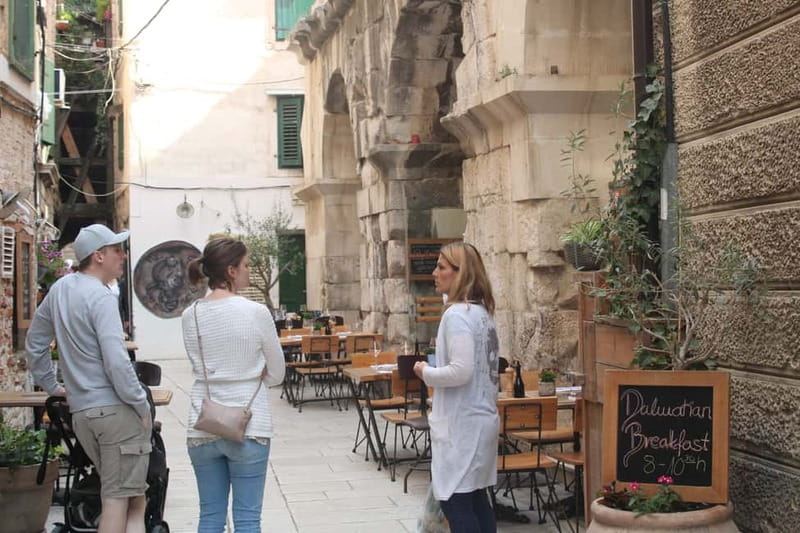
After the Green Market, the walk returns to the lanes of the old center. Along the way, you taste traditionally made prosciutto. The food itself is familiar to many people, but the point is to place it within Dalmatian eating habits.
This part also gives the guide room to connect ingredients with Split’s wider culture. The strongest guides on this tour have been praised for making food explanations personal and lively. Marta, for example, was noted for tying local customs to her childhood, while Jakov and Darko were praised for mixing food knowledge with stories about Split.
You should expect some walking on uneven stone streets. The route is not suitable for wheelchair users, and the old palace lanes can be cramped. Comfortable shoes are sensible, even though the tour is short.
Because the walk combines several tastings with sightseeing, you will not spend long at each food stop. That is helpful if you want an overview, but less ideal if you prefer a slow meal or detailed cooking demonstration.
Chocolate With a Guinness Record Connection
The chocolate shop is one of the more unusual stops. It is associated with a Guinness record for the largest chocolate bar in the world, adding a playful modern detail to a tour otherwise rooted in old markets and traditional dishes.
You receive a tasting and learn about the shop as part of the route. This stop gives the tour some variety. After salty prosciutto and savory soparnik, chocolate changes the rhythm and keeps the experience from feeling like a procession of similar cured foods.
Families may particularly appreciate this section, although the activity is aimed at anyone interested in Dalmatian food culture. The chocolate visit is also a sensible counterpoint to the markets. It shows that Split’s food identity is not limited to recipes handed down through village kitchens.
Do not expect a long chocolate workshop. The supplied details describe a shop visit and tasting, not a lesson in confectionery or a chance to make your own bar.
More private food tours in Croatia:
- Split: Private Food Tasting Tour
★ 4.9 · 36 reviews - Private Street Food Tour by Motorbike/Car with Local Students
★ 5.0 · 3,950 reviews - Private Street Food Evening Walking Tour in Ho Chi Minh City
★ 5.0 · 3,175 reviews - Private Street Food Motorbike Tour in Ho Chi Minh City
★ 5.0 · 2,180 reviews
The Old Bakery and Rafiol Cake
The sweet portion continues at what is described as Split’s oldest bakery. Here you try rafiol cake, a traditional pastry associated with the region. The bakery stop is scheduled for about 15 minutes, so this is a quick taste rather than a leisurely pastry break.
Rafiol gives you another useful glimpse of local home-style baking. Like the arancini, it is the kind of item you might otherwise overlook while choosing from a display case. Having a guide explain its place in Dalmatian food culture helps you decide if it is worth seeking out again.
Several people who took this tour found the food quantity surprisingly generous for a short walk. One direct piece of advice follows: eat lightly beforehand. The tour is not a replacement for a full restaurant meal in the formal sense, but the combined samples can add up quickly.
If you have dietary restrictions, ask about them before booking. The available information lists the food but does not promise substitutions or a special menu.
Peškarija, Split’s Historic Fish Market
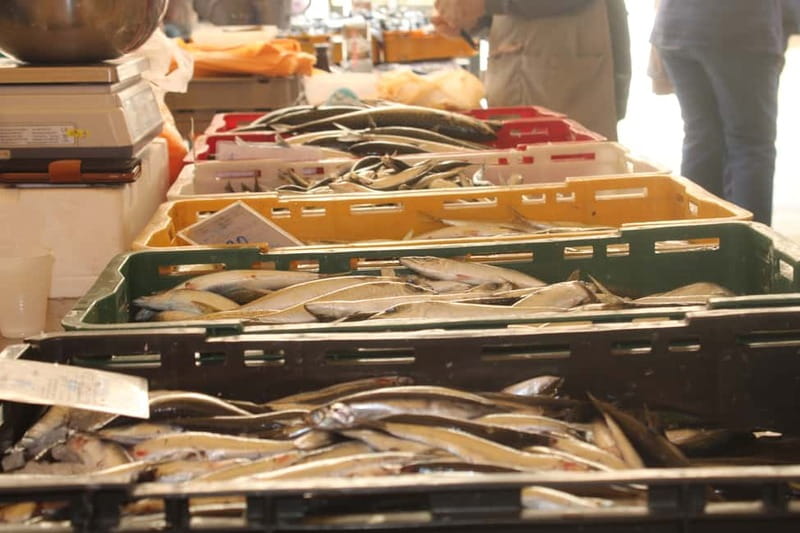
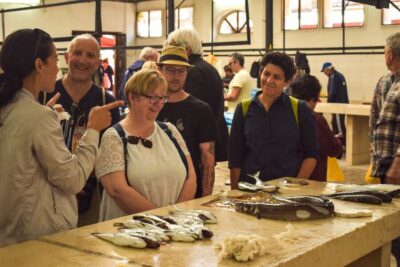
The Fish Market, known locally as Peškarija, is another major stop. It is described as the second-oldest fish market in Europe, with original benches more than 120 years old. That detail gives the market a sense of continuity, but the real value is seeing a working part of Split rather than only its monuments.
Your guide explains how to read the market and introduces salted anchovies, a traditional choice for marenda, the Dalmatian mid-morning meal or brunch. You learn how to eat them and why they fit local habits.
Salted anchovies can be a strong flavor, so this is not the safest stop for someone who dislikes fish. For anyone curious about Mediterranean food, though, it is one of the most telling tastes on the route. It reflects preservation, fishing, and the practical need to make good use of what the sea provides.
The fish market visit lasts about 30 minutes in the planned route. That makes it one of the longer stops, and rightly so. A quick sample would miss the point. The guide’s explanation helps you understand fish as part of daily life, not just as a dish ordered at a waterfront restaurant.
Older accounts of the experience included selecting market ingredients and having a restaurant prepare them as a meal. The current description instead lists fish market tasting and a local restaurant tasting, without promising that you choose fish for a later lunch. If that market-to-table format matters to you, confirm it before paying.
Local Bars, Restaurants, and the Difference Between Tasting and Lunch
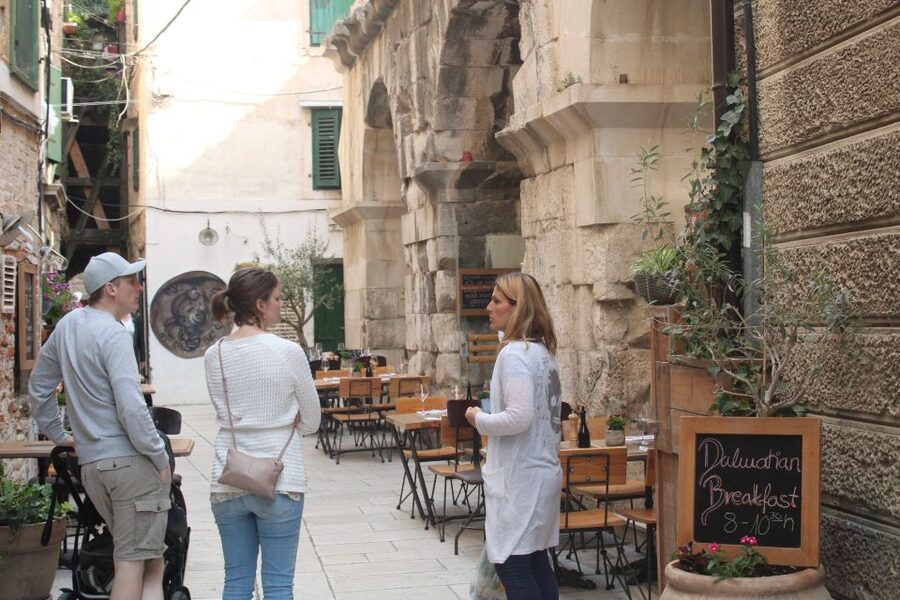
The itinerary includes a local bar and a local restaurant, each listed as a 15-minute tasting stop. These locations round out the route and give you a chance to sample food and drink away from the market stalls.
The bar stop may include local wine, which pairs naturally with soparnik and other savory foods. The restaurant stop provides another setting for traditional Dalmatian flavors, but you should think of it as part of a tasting route rather than a guaranteed full meal.
This distinction matters because the tour has changed over time. Earlier versions described a longer meal prepared from ingredients selected at the markets. That format earned praise for its freshness and social feel, but it also produced complaints about slow service, mixed orders, and long waits for food and wine.
The current 90-minute structure appears better suited to visitors who want an efficient introduction. You get more stops and less sitting. If you want a relaxed lunch with several courses, book a restaurant separately afterward.
What Makes the Guides Important
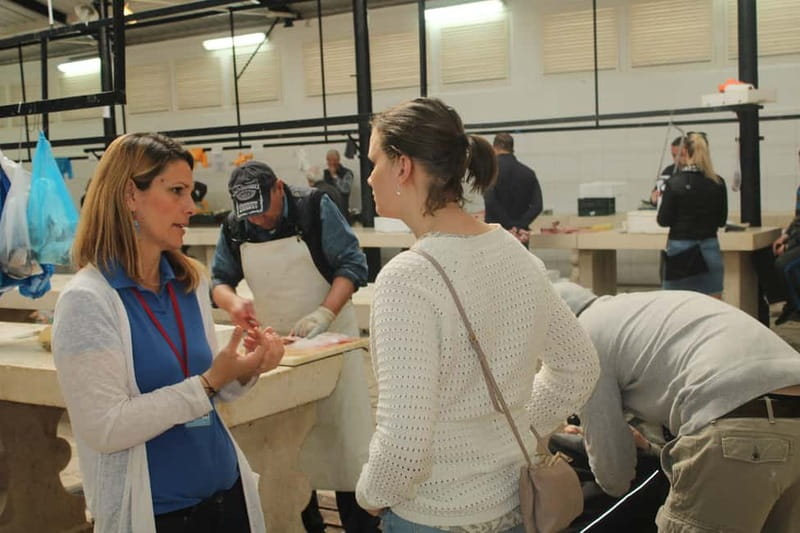
The guide can make or break a short food tour. With only 90 minutes, you need someone who can keep the group moving while still explaining why each taste matters.
Past guides have included Antonia, Marta, Jakov, Tanja, Darko, Tonka, and Jelena. The most praised qualities were warmth, enthusiasm, clear explanations, and strong knowledge of Split’s food and culture. Marta was repeatedly singled out for answering questions and connecting dishes with her own life. Jakov was praised for explaining both food and Croatian culture, while Tanja was valued for making the fish market less confusing.
A local guide is especially useful at the markets. You can look at a row of fish or unfamiliar produce on your own, but you may not know what is common, seasonal, preserved, or suited to a particular dish. The guide gives you a way into that local knowledge without requiring you to negotiate every purchase yourself.
The private option is worth considering for a couple or family that wants more conversation. A small group may offer better value if you enjoy meeting other people and do not need the route adjusted.
Is $58 a Fair Price?
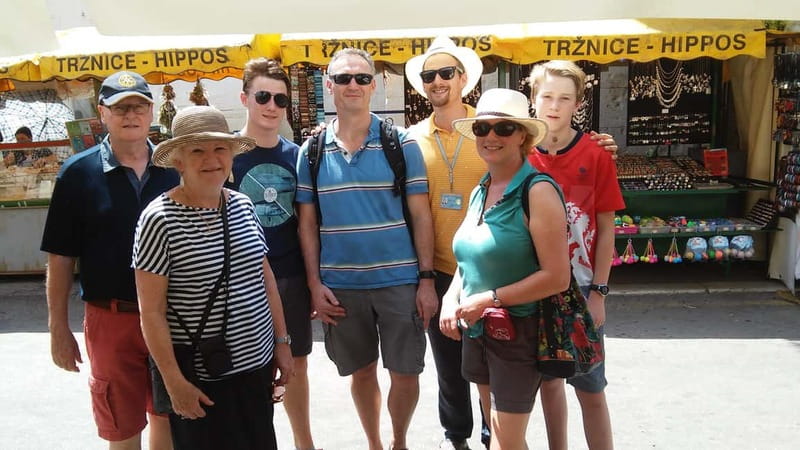
At $58 per person, this tour costs more than buying a pastry, a market snack, and a drink independently. You are paying for the guide, the planning, the tastings, and the cultural explanation.
The value is strongest if you are new to Split and want a quick orientation. In one short route, you see the palace, Green Market, Fish Market, bakery, chocolate shop, bar, and restaurant. You also receive a list of foods to look for during the rest of your trip.
The value is weaker if your main goal is a large meal. One person felt the price was high compared with similar food tours elsewhere and expected more food. That is a fair concern, especially since optional market purchases cost extra.
I would compare this with the price of a guided walking tour plus a separate meal. If you want history, food, and local market access in one booking, $58 can be reasonable. If you already know Split and mainly want lunch, spend the money at a restaurant and shop the markets yourself.
Timing, Comfort, and Practical Advice
The advertised duration is 90 minutes, with starting times based on availability. The published stop schedule includes several 15-minute tastings and longer market visits, so the experience is designed to move at a steady pace.
Bring cash. It is useful for optional purchases at the markets, and the activity specifically advises it. The meeting point is the Golden Gate, with a blue umbrella to identify the group.
Wear shoes suited to old stone streets. The activity is not suitable for wheelchair users, and there is no indication of vehicle transport. You remain in Split’s central area and walk between the stops.
Free cancellation is available up to 24 hours before the tour for a full refund, and you can reserve now and pay later. These terms are useful if your Croatia plans are still shifting, especially during a port-heavy itinerary.
Who Should Book This Split Food Tour?
I would choose this tour for a first morning in Split, when you want a sense of place before deciding where to eat later. It is also a good fit for food-curious visitors who want familiar items such as prosciutto alongside less obvious tastes such as soparnik and salted anchovies.
The tour suits couples, families, and small groups who value conversation with a local guide. The private version makes sense if you want to ask many questions or keep the pace within your own party.
I would be more cautious if you need a fully accessible route, want a long sit-down meal, or dislike fish and cured foods. I would also ask for current tasting details if you are booking because of the older market-shopping and cooked-lunch format.
For most visitors, the best reason to book is not simply the amount of food. It is the way the tour links ordinary tastes with Split’s markets, old streets, and local customs. Arrive hungry, carry cash, and treat it as a guided introduction rather than a complete culinary day.
FAQ
Where does the Split food tour begin?
It begins at the Golden Gate, the northern entrance to Diocletian’s Palace. Look for a blue umbrella.
How long does the tour last?
The advertised duration is 90 minutes.
What language is the tour conducted in?
The live tour guide speaks English.
Is this a private tour?
You can choose between a private tour and a small-group option.
What foods are included?
The tour description includes arancini, soparnik, local wine, prosciutto, chocolate, rafiol cake, and salted anchovies. Tastings may also take place at a local bar and restaurant.
Does the tour visit Split’s markets?
Yes. It visits the Green Market, also called Pazar, and Split’s Fish Market, known as Peškarija.
Are market purchases included?
No. Extra purchases at the markets are optional and not included.
Should I bring cash?
Yes. Cash is listed as something to bring, particularly for optional market purchases.
Is the tour suitable for wheelchair users?
No. The activity is listed as unsuitable for wheelchair users.
Can I cancel for a refund?
You can cancel up to 24 hours in advance for a full refund. The reserve-now, pay-later option also lets you hold a place without paying immediately.
Just added around Croatia
- Half-Day Wine and Food Tasting from Dubrovnik★ 4.5 · 106 reviews
- Island Hopping & City Walls Cruise with Food and Open Bar★ 5.0 · 102 reviews
- Peljesac&Ston Small-Group Food & Wine Experience from Dubrovnik★ 5.0 · 45 reviews
- Flavours of Konavle: Wine, Food & Village Life Experience★ 5.0 · 31 reviews
- Old Town Dubrovnik Food Tour of 10+ Authentic Croatian Tastings★ 5.0 · 50 reviews
- Elaphite Islands Cruise with Local Gastronomy at Captain’s House★ 4.5 · 50 reviews
- Wine, food and olive oil by PhD student★ 5.0 · 111 reviews
- Dubrovnik Old Town Food Tour: Small-Group Experience★ 5.0 · 419 reviews
Food Tours in Split, compared.
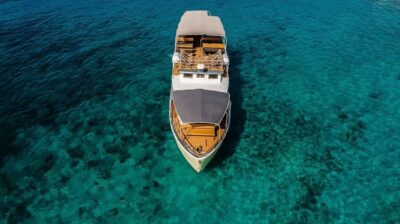
Blue Lagoon and 3 Island Cruise with Food and Drinks
Read our review →
Blue Lagoon, Borkko Beach & Šolta with Food & Drinks
Read our review →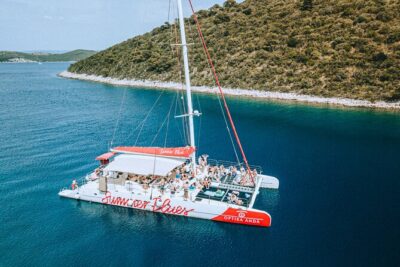
Full-Day Catamaran Cruise to Hvar & Pakleni Islands with Food and free Drinks
Read our review →
Blue Lagoon&Šolta boat tour with Food&Drinks (2026)
Read our review →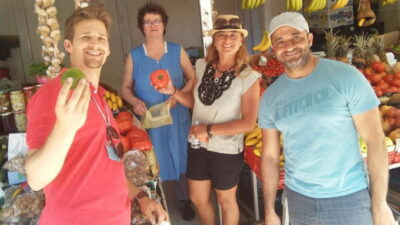
Browse the lists this tour appears in