
REVIEW · CROATIA
Zadar: Food Tasting & Old Town Walking Tour
Zadar’s best food lesson may be its contrasts: Dalmatian fish with crisp white wine, followed by ćevapi and craft beer shaped by Balkan and Turkish influences. This two-hour walk ties those flavors to the streets, market, Roman Forum, and churches of the old town.
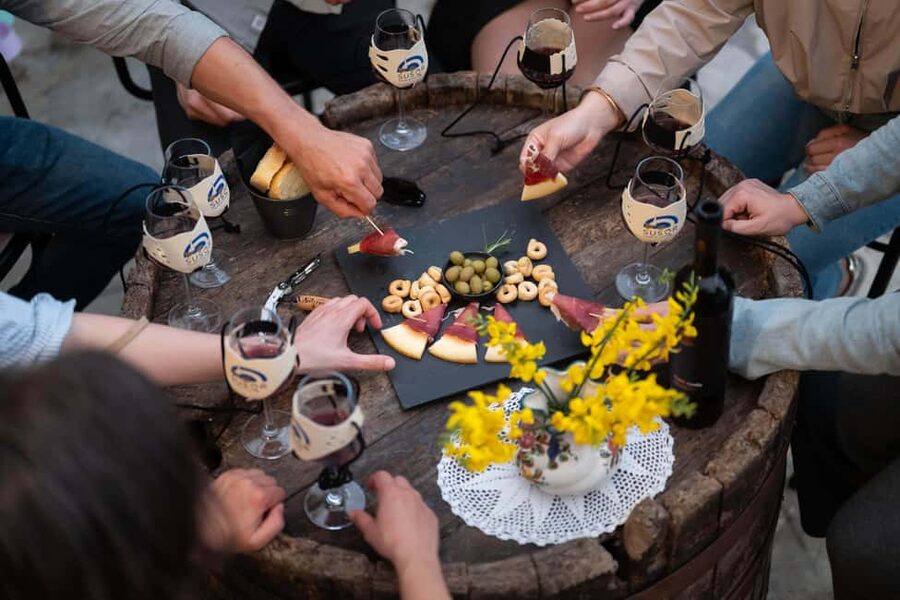
I like the four-stop format, which keeps you moving instead of parking you at one restaurant. I also like the human touch: fish prepared by an award-winning local MasterChef, family-made prosciutto and cheese, and a small wine-glass holder given to each participant.
The main consideration is that this is a tasting tour, not a full dinner. Alcohol appears at several stops, and the menu includes fish, meat, gluten, and dairy, so it is not suitable for vegans, vegetarians, pregnant women, or people with the listed allergies and intolerances.
Key points to know before you book
- Four food and drink stops: Expect a spread across local restaurants, bars, and cafés rather than one long meal.
- Fish prepared by a local MasterChef: The seafood stop gives you a direct taste of Dalmatian cooking.
- Prosciutto and cheese in a historic setting: One tasting takes place in a once-abandoned church, adding atmosphere to the snack.
- Ćevapi with women-brewed craft beer: This stop shows the inland and Balkan side of Zadar’s food culture.
- Guides make the difference: Dina, Ante, Ivana, Tamara, and others have been praised for warm storytelling and local insight.
- Plan for a social evening: The food is paired with wine, beer, and digestivo, and the group may continue chatting after the scheduled two hours.
Why this Zadar food walk works
This is not simply a list of Croatian dishes. It is a short lesson in how Zadar eats. The coast provides fish, olive oil, wine, and seafood traditions. The hinterland brings stronger meat dishes. Centuries of contact with the wider Balkans and the Ottoman world help explain why ćevapi can sit comfortably beside grilled fish and local wine.
I like that the guide explains these links while you are walking between stops. Food can otherwise feel disconnected from place. Here, the Roman Forum, Church of St. Donatus, People’s Square, market, and Church of St. Simon give the tasting some context.
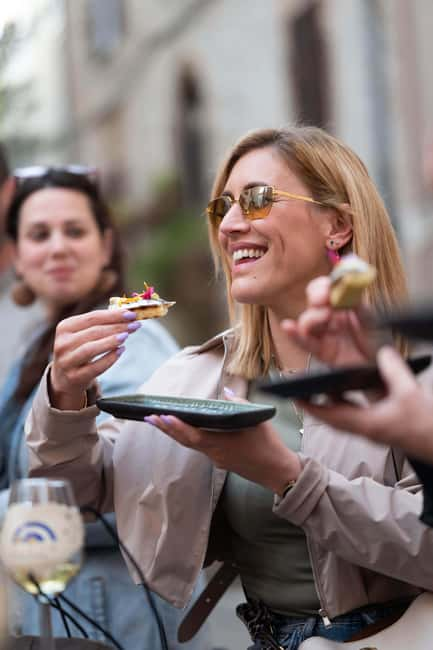
The guides are certified sommeliers or food enthusiasts, and the strongest feedback centers on their storytelling. Dina is often singled out for making the evening relaxed and personal. Ante has been praised for connecting Zadar’s past with its food. Ivana, Tamara, and other guides have also been described as friendly, funny, and easy to listen to.
That matters. A food tour depends less on the number of bites than on how clearly someone explains them. You want to know why a wine suits a dish, where a food fits into local life, and how Zadar’s past shaped what appears on the plate. This tour aims to do all three.
A few more food tours around Croatia worth comparing
- Dubrovnik Food and Drink Walking Tour with a Local Guide
★ 5.0 · 654 reviews - Split: Food Tasting Walking Tour
★ 4.9 · 102 reviews - Reykjavik Food Walk – Local Foodie Adventure in Iceland
★ 5.0 · 18,952 reviews
Starting near the Roman column
The meeting information gives Novi caffe as the starting location and also refers to a meeting point near the Roman column. Since those details do not match perfectly, check the final meeting instructions carefully before setting out.
From there, the walk moves through Zadar’s old town. The route is short enough to manage in normal walking clothes, and it includes several five-minute sightseeing stops between the longer tastings. You are not signing up for a long historical lecture. The format is quick context, then food and conversation.
The tour is listed as wheelchair accessible. Still, an old-town route can involve busy pedestrian areas and historic paving, so it is sensible to confirm the exact route and meeting point if you have specific mobility needs.
Church of St. Simon and the first taste of Zadar
The Church of St. Simon is the first sightseeing stop, with about five minutes set aside for it. That short pause gives the guide a chance to place you in the old city before the first restaurant visit.
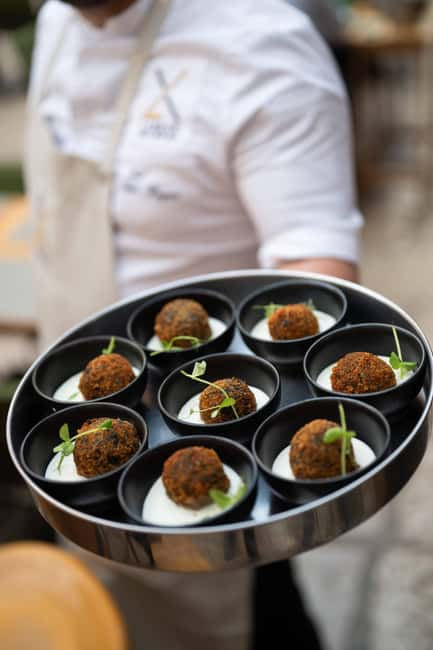
The schedule then allows about 20 minutes for the first food tasting. The exact order of dishes can vary, but the advertised food includes local fish prepared by an awarded MasterChef. This is one of the strongest parts of the experience because it shows you how to eat fish in the Dalmatian style, rather than treating seafood as a generic tourist dish.
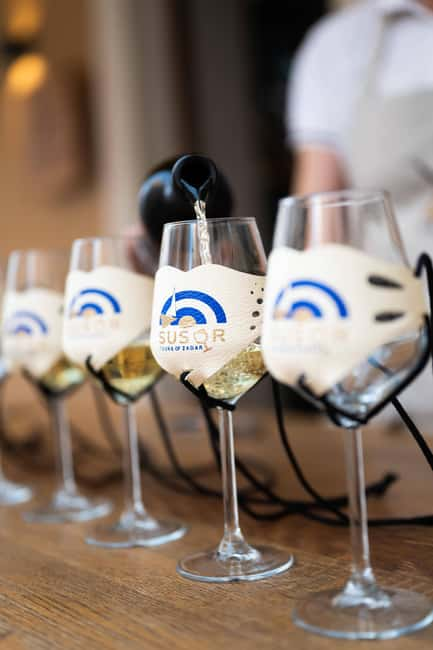
The fish is paired with crisp white wine. That pairing also gives the sommelier a useful opening: you can learn how the wine works with the food instead of drinking it separately. If you enjoy seafood, this is likely to be the most memorable tasting.
The drawback is timing. Twenty minutes is enough for a focused sample and explanation, but not for a drawn-out restaurant meal. Think of the dish as a carefully chosen introduction, not a full seafood course.
People’s Square and Zadar Market
After the first tasting, the route pauses at People’s Square for about five minutes. The square is a useful stop because it helps you see how daily public life fits into the old town’s older stone setting.
The next sightseeing point is Zadar Market. The stop is also brief, but it adds an important food connection. Markets show the relationship between local cooking and the products available around the city. You will not be spending a long time shopping here, yet the market helps the guide talk about ingredients and everyday eating.
I appreciate this rhythm. A meal with no walking can feel heavy, while a history tour with no food can feel dry. Here, the short walks give your palate and your attention a reset.
Same city, a completely different plate:
- From Split: Krka Waterfalls, Food & Wine Tasting Tour
★ 5.0 · 9,326 reviews - From Split: Krka Waterfalls, Food & Wine Tasting Tour
★ 4.9 · 6,598 reviews - Split: Blue Lagoon and 3 Island Cruise with Food and Drinks
★ 4.8 · 1,969 reviews - Split: Blue Lagoon, Borkko Beach & Šolta with Food & Drinks
★ 4.5 · 759 reviews
Prosciutto, cheese, and a once-abandoned church
The second restaurant stop lasts around 20 minutes and focuses on local prosciutto and cheese produced by local families. These are simple foods, but they are good teaching tools. They let you taste the salt, texture, and richness of the region without a complicated recipe getting in the way.
The setting makes this stop more unusual. You may sit in one of the city’s historic spaces, described as a once-abandoned church. That combination of old stone, family-made food, and local wine gives the tasting a stronger sense of place than a standard bar snack.
The pairing here includes red wine. This is a useful contrast with the white wine served alongside fish. You get to compare not just two wines, but two styles of eating: seafood and coastal freshness on one side, cured meat and cheese on the other.
Portions have been described as generous and tasty, but you should still pace yourself. There are two more food and drink stops ahead. If you arrive expecting four full restaurant courses, you may leave disappointed. If you see the tour as a progressive tasting, the amount should feel more reasonable.
Roman Forum and Church of St. Donatus
The route then reaches the Roman Forum and Church of St. Donatus, each with about five minutes of sightseeing. These stops add the most obvious historical weight to the evening.
The Forum helps explain the age of Zadar’s urban core, while St. Donatus gives you one of the city’s most recognizable architectural sights. The guide’s role here is to keep the story connected to the food. You are not stopping for a formal museum talk. You are getting enough background to understand that the old town is not just a pretty backdrop for restaurants.
Several people have praised the guides for pointing out details they had walked past without noticing. That is a valuable part of a short tour. Zadar is compact, but its old streets can be easy to rush through. A local guide slows you down at the right moments.
Ćevapi and craft beer with a modern local twist
The third food stop brings ćevapi, small grilled meat portions common across the Balkans. This is the tour’s clearest reminder that Dalmatian food is not only seafood, olive oil, and white wine.
The ćevapi are paired with local craft beer, including beer brewed by women. That detail gives the stop a modern angle while still pointing toward the Turkish and Balkan influences that helped shape the dish. You get a more complete picture of the region by tasting both coastal and inland traditions.
One useful feature of this stop is the contrast. After fish and white wine, you move to grilled meat and beer. The change keeps the experience lively and gives the guide a natural way to explain how geography and past empires affected local kitchens.
If you do not eat meat, this is a serious limitation. The tour specifically says it is not suitable for vegetarians or vegans, and substitutions are not promised. If you simply prefer wine to beer, one visitor would have liked an extra wine instead, but the beer is part of the planned contrast.
A final café stop with maraschino and digestivo
The last tasting takes place at a local café and lasts about 20 minutes. This is where the evening shifts toward a finish, with authentic drink tastings and a digestivo made from local herbs.
Maraschino is also included in the wider tasting program. It gives you another side of Zadar’s drinking culture, distinct from the table wines and craft beer. The herbal digestivo works as a traditional closing note, though you should remember that it is still an alcoholic drink.
The final café stop is also a social one. The food portions are spread over the route, and the group has time to talk at each venue. Several tours have run beyond the planned two hours because people continued chatting. That can be a bonus if you enjoy meeting other people, but do not schedule a tight appointment immediately afterward.
What you actually get for $58
At $58 per person, the price covers a live English-speaking guide, four tasting stops, food pairings, wine, beer, digestivo, and the historical walk. The menu includes fish, prosciutto, cheese, ćevapi, and local drinks, so the value depends on how much you would otherwise spend sampling these items separately.
I see the strongest value in the range rather than the volume. You are not paying for a large meal. You are paying for several small experiences, matched drinks, access to local venues, and someone who explains why the food belongs in Zadar.
The four stops also reduce the risk of choosing one restaurant blindly. You get a quick introduction to several places, which can help you decide where to return later in your stay. Extra drinks and extra portions cost more, so budget accordingly.
The individual gift is a wine-glass holder. It is a small touch, but a practical souvenir that fits the theme better than a generic tour trinket.
Who should book this evening walk
I would choose this tour early in a Zadar visit. It helps you get your bearings, introduces local dishes, and gives you ideas for later meals. It also suits solo visitors because the tasting format makes it easy to talk with the group, and one solo participant described having a particularly good time.
Food-focused couples and small groups should enjoy the steady mix of walking and sitting. The tour also works for people who like history in small portions. You will see major old-town sights, but the food remains the main event.
This is less suitable for anyone seeking a grand dinner, a nonalcoholic tasting, or a detailed architectural tour. The experience includes fish, meat, gluten, dairy, and alcohol. It is not suitable for pregnant women, children under 18, vegans, vegetarians, people with food allergies, or people with gluten or lactose intolerance.
The tour runs rain or shine, so wear suitable clothing and comfortable shoes. Since much of the route is outdoors, weather can affect how pleasant the walking feels, even though the tastings provide indoor pauses.
The practical call
Book the Zadar Food Tasting and Old Town Walking Tour if you want a social introduction to Dalmatian food, local wine, beer, and the old town in one compact evening. I especially like it for a first night, when you want useful orientation without giving up a proper sense of place.
Skip it if your priority is a long meal, alcohol-free sampling, or dietary flexibility. For everyone else, $58 is a fair price for four stops, several regional specialties, matched drinks, and a guide who can connect the plate to the street around you.
Free cancellation is available up to 24 hours before the tour, and you can reserve now and pay later. Check the starting time and exact meeting point, particularly because both Novi caffe and the area near the Roman column appear in the meeting details.
FAQ
How long does the Zadar food tour last?
The scheduled duration is two hours. Some groups may spend a little longer talking at the final stop.
What language is the tour conducted in?
The live tour guide speaks English.
How many tasting stops are included?
Four unique tasting stops at local restaurants, bars, and cafés are included.
What food is served?
The tastings include local fish, prosciutto, cheese, ćevapi, and traditional Dalmatian dishes. The exact serving order may vary.
What drinks are included?
The tour includes local wine, craft beer, maraschino, and a digestivo made from local herbs.
Is alcohol part of the tour?
Yes. Alcoholic beverages are served, including wine, beer, maraschino, and digestivo.
Is this a full dinner?
No. It is a tasting tour rather than a grand feast, with small servings spread across four stops.
Is the tour suitable for vegetarians or vegans?
No. The tour includes fish and meat and is listed as unsuitable for vegetarians and vegans.
Can people with food allergies or intolerances join?
The tour is listed as unsuitable for people with food allergies, gluten intolerance, or lactose intolerance. Some dishes may contain gluten and dairy.
Is the tour wheelchair accessible?
Yes, the activity is listed as wheelchair accessible. Confirm the exact meeting point and route details if you need specific accessibility information.
What happens if it rains?
The tour runs rain or shine, so dress appropriately for the weather.
Where does the tour meet?
The information gives Novi caffe as the starting location and also describes the meeting point as near the Roman column. Check the final instructions to confirm the exact spot.
Just added around Croatia
- Half-Day Wine and Food Tasting from Dubrovnik★ 4.5 · 106 reviews
- Island Hopping & City Walls Cruise with Food and Open Bar★ 5.0 · 102 reviews
- Peljesac&Ston Small-Group Food & Wine Experience from Dubrovnik★ 5.0 · 45 reviews
- Flavours of Konavle: Wine, Food & Village Life Experience★ 5.0 · 31 reviews
- Old Town Dubrovnik Food Tour of 10+ Authentic Croatian Tastings★ 5.0 · 50 reviews
- Elaphite Islands Cruise with Local Gastronomy at Captain’s House★ 4.5 · 50 reviews
- Wine, food and olive oil by PhD student★ 5.0 · 111 reviews
- Dubrovnik Old Town Food Tour: Small-Group Experience★ 5.0 · 419 reviews
Food Tours in Croatia, compared.
Blue Lagoon and 3 Island Cruise with Food and Drinks
Read our review →
Blue Lagoon, Borkko Beach & Šolta with Food & Drinks
Read our review →
Full-Day Catamaran Cruise to Hvar & Pakleni Islands with Food and free Drinks
Read our review →
Dubrovnik Food and Drink Walking Tour with a Local Guide
Read our review →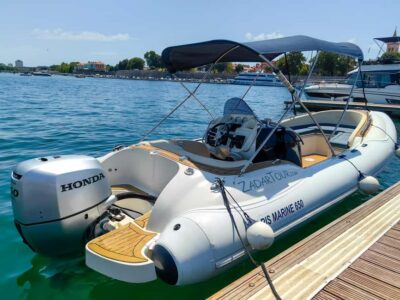
Zadar: Guided Speedboat Tour with Food, Oil & Wine Tasting
Read our review →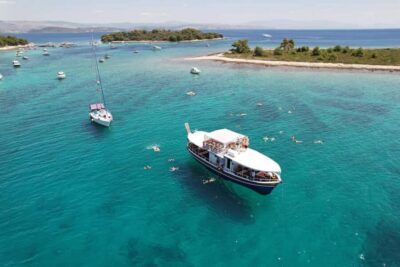
Blue Lagoon&Šolta boat tour with Food&Drinks (2026)
Read our review →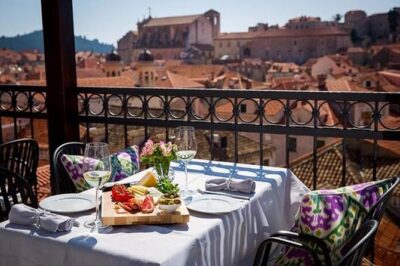
Dubrovnik Old Town Food Tour: Small-Group Experience
Read our review →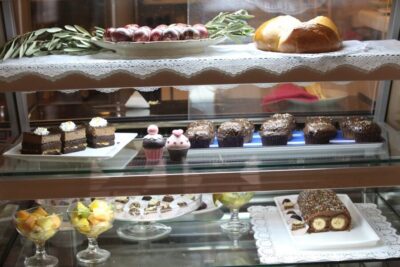
Dubrovnik Gastronomy: 3-Hour Food and Wine Tour
Read our review →Browse the lists this tour appears in