
REVIEW · MARRAKECH
Marrakech: Moroccan Cooking Class for vegetarians and vegan
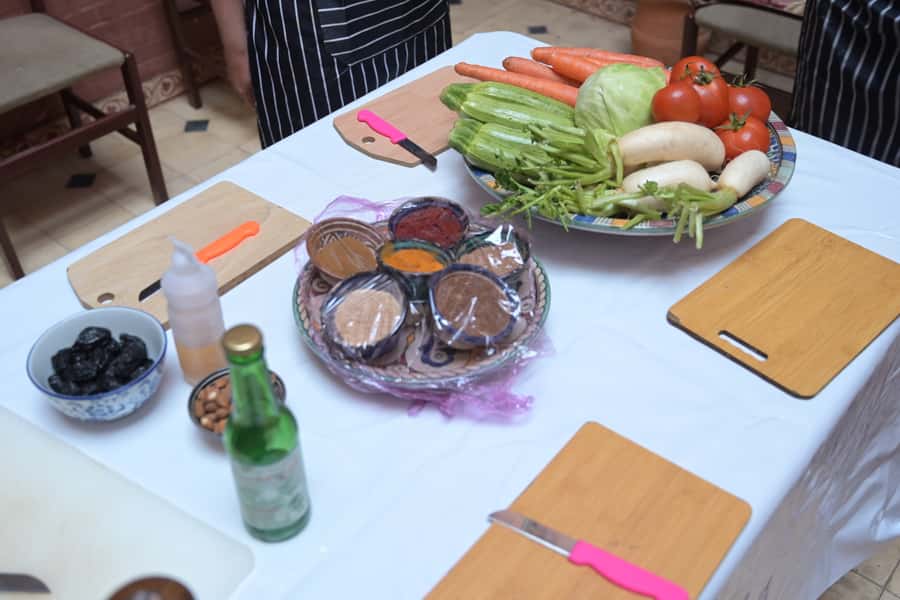
Moroccan cooking makes the most sense when you learn it in a home, not from a hotel buffet. This four-hour class takes you into a family house in the Medina, where Yasser or Chef Fatima guides you through spices, chopping, cooking, and a shared meal. Vegetarian and vegan cooks are welcome, and the food is made for the group rather than simply demonstrated.
I like the hands-on pace: you help prepare the starter, main dish, and dessert instead of watching a chef work from a distance. I also like the family setting, with tea, coffee, or juice and a chance to talk about Moroccan daily life. The main consideration is that some sessions mix meat and vegetarian participants, so meat may be prepared nearby even though your own dishes can remain meat-free.
Key points to know before booking
- Four hours gives the cooking room to breathe: You prepare several dishes, eat together, and avoid the rushed feel of a short demonstration.
- Yasser and Chef Fatima lead the sessions: Both are praised for clear instruction, humor, patience, and strong English or French.
- The class takes place in a family home: Expect tea, conversation, a Medina setting, and cooking on a terrace or in an authentic Moroccan house.
- Vegetarians and vegans receive real food, not an afterthought: Vegetable tagine, side dishes, salads, briwat, and dessert can make up a full meal.
- The meeting point can be hard to find: It is next to Andalusia Restaurant, but narrow Medina lanes may require a phone call and an escort.
- The $30 price is strong value: It includes drinks, the lesson, and the meal, but not transport.
Why this four-hour class works so well
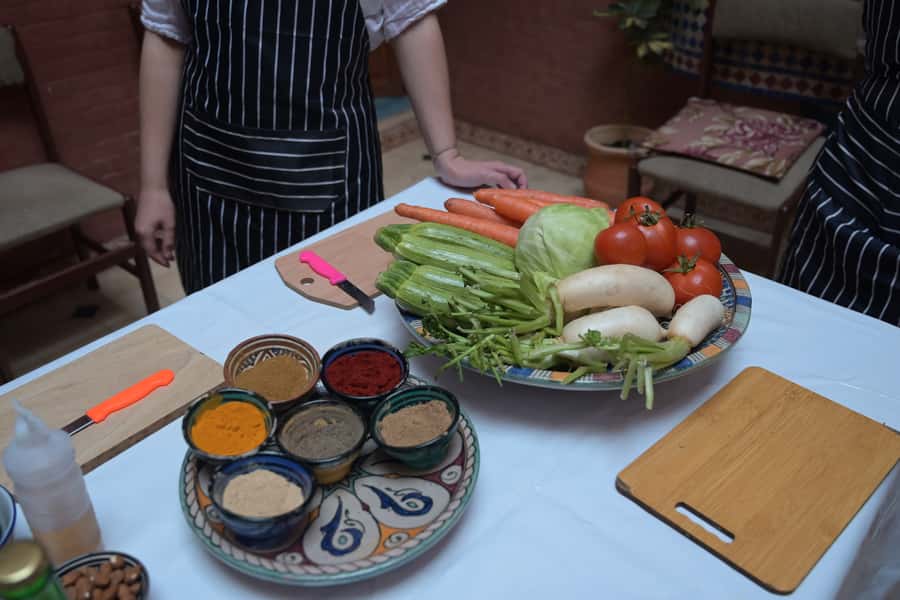
A Moroccan cooking class can easily become a quick photo stop followed by a plate of food. This one gives you enough time to understand how the meal comes together. You begin with ingredients and spices, move into preparation, cook several courses, and sit down with the family and the rest of the group.
That matters because Moroccan food is built on small choices. The order in which ingredients go into a tagine, the way spices are balanced, and the amount of time given to onions or vegetables all affect the final dish. You are not just collecting a recipe. You are learning the logic behind it.
The class costs $30 per person. For that price, you receive drinks and cookies, instruction, the ingredients needed for the recipes, and the meal you prepare. You also get a cultural visit and the chance to ask questions that a standard restaurant meal cannot answer. Transport is not included, so budget for getting to the meeting point on your own.
More Food Tours in Marrakech
- From Marrakech: Merzouga 3-Day Desert Safari with Food
★ 4.7 · 12,232 reviews - Marrakech: Street Food Tour by Night
★ 4.8 · 2,838 reviews - 3-Day Tour to Merzouga Erg Chebbi with Food & Camel Trek
★ 5.0 · 1,770 reviews
Finding the Medina meeting point
The official meeting point is next to Andalusia Restaurant. The chef is scheduled to wait there 30 minutes before the class starts, which is useful in the Medina, where one wrong turn can put you in a completely different lane.
I would treat the meeting point as a place to arrive early, not as a spot to reach at the last second. One participant found the location difficult enough that a taxi driver struggled, and a family member eventually had to guide the group through the final passages. That is a practical warning, especially if you are carrying luggage, traveling with children, or visiting Marrakech for the first time.
Once you connect with the chef, the awkward part is largely over. The host leads you to the family home, where the formal tour feeling gives way to a more personal welcome.
Tea, conversation, and a family home
At the house, you are offered Moroccan tea, coffee, or juice, along with cookies. This is not wasted time. It gives you a chance to meet the family, settle in, and ask about Moroccan food and daily life before the knives and cooking pots appear.
The setting varies by session, but the experience takes place in an authentic Moroccan home in the Medina. Several sessions have used a rooftop terrace, with cooking and the final meal taking place outdoors. A family home gives the lesson a different feel from a restaurant kitchen. You see where the hosts welcome people, talk with them, and share food.
I especially like this opening because it puts the food in context. Moroccan cuisine is tied to hospitality, and the meal at the end feels more meaningful after you have spent time with the people preparing it. You are not simply being served a local dish. You are taking part in a household tradition.
Starting with spices and ingredients
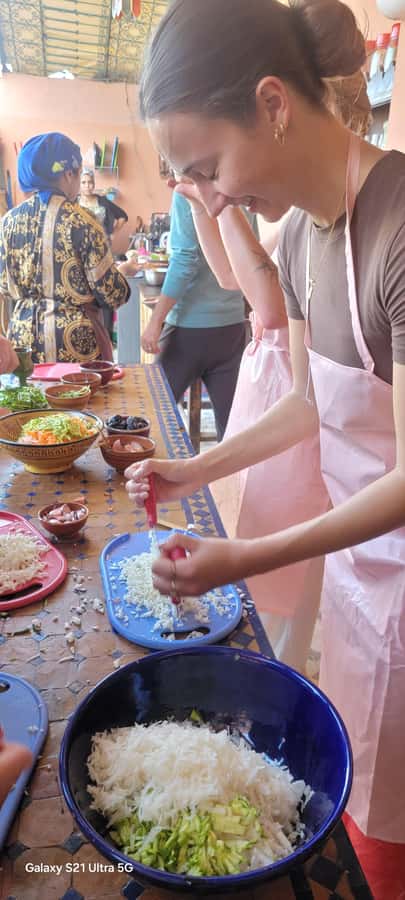
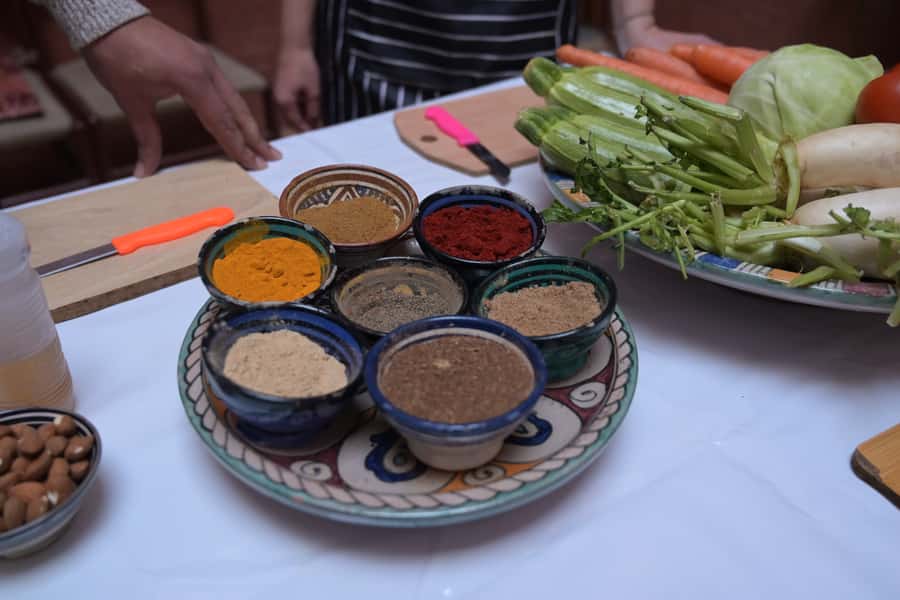
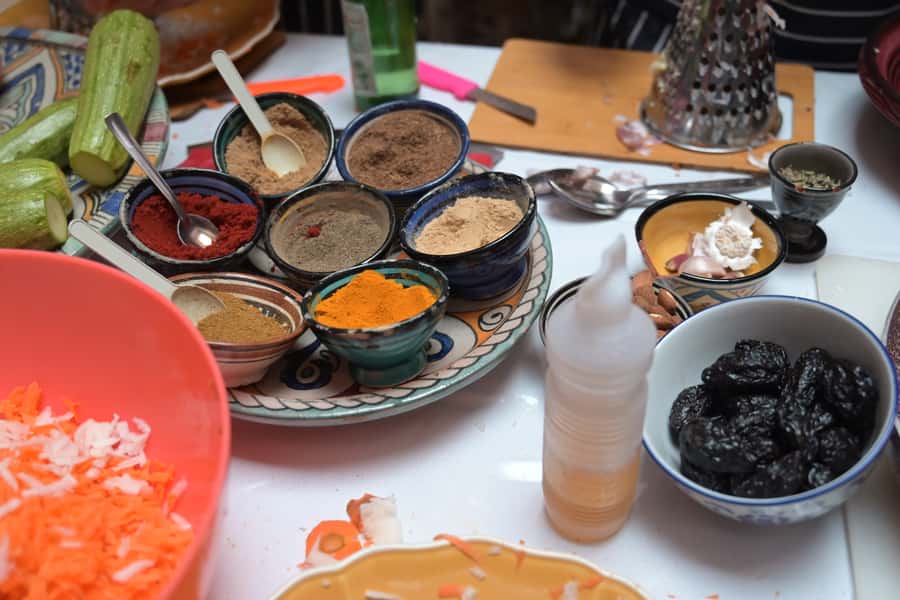
Before cooking, the chef explains the spices used in Moroccan food. You are given the ingredients needed for the recipes, and there is time to taste and discuss them. This is one of the most useful parts of the class if you plan to shop in the souks afterward.
The goal is not just to memorize spice names. You learn how to recognize what you are buying and how the seasonings are used in Moroccan cooking. Yasser has also shared tips about local shopping and sold fresh spice blends made by his family. You may have the chance to buy spices, tea, or saffron at the end, but those purchases are optional and separate from the class price.
That spice lesson can save you from buying a colorful but ordinary packet in the souk. You leave with a better idea of what belongs in a tagine, what works in a salad, and how Moroccan cooks build flavor gradually.
More cooking classes in Morocco:
- Small Group Cooking Class & Market Food Tour in Florence
★ 5.0 · 1,574 reviews - Athens: Food Market Visit and Cooking Class with Wine
★ 4.9 · 1,087 reviews - Undiscovered Charleston: Half Day Food, Wine & History Tour with Cooking Class
★ 5.0 · 948 reviews - Vietnamese Food Cooking Class in Hanoi with Market Experience
★ 5.0 · 778 reviews
Preparing the starter and side dishes
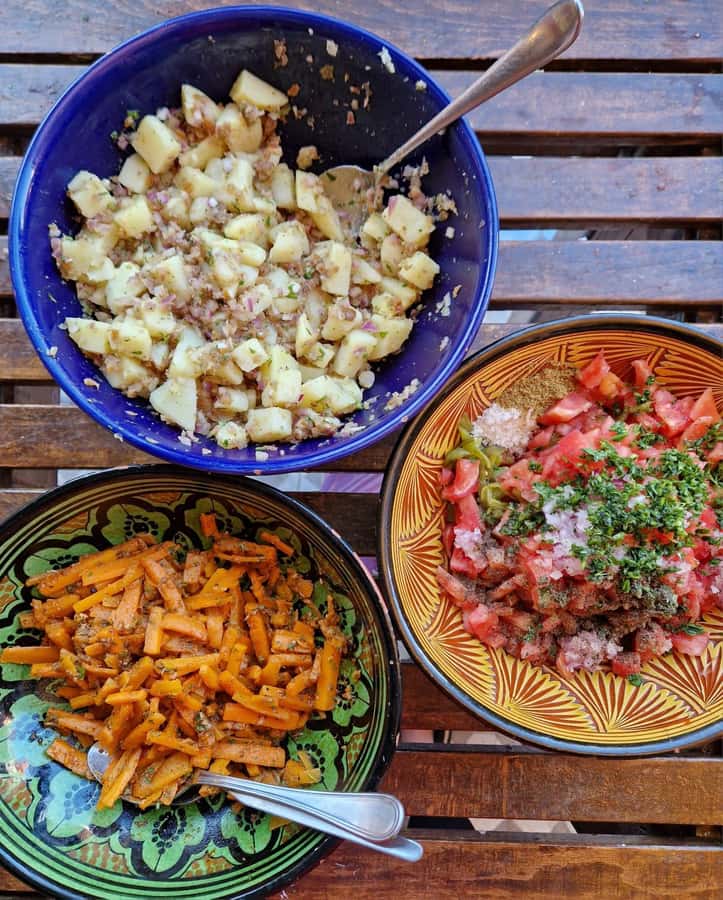
The first food may be Moroccan salads or briwat, depending on the menu suggested by the chef. The group works through the preparation rather than watching from the side. Cutting practice and knife tips are part of the instruction, which makes this suitable for beginners as well as confident home cooks.
Moroccan salads are often more than a bowl of raw vegetables. Their preparation shows how cooked vegetables, herbs, spices, and seasoning can be combined into small dishes with different textures and flavors. Briwat adds another skill, since folding and filling pastry requires a bit of care.
You may not prepare every possible starter in one session. The menu is suggested by the chef, and it can depend on the group and dietary needs. The useful point is that the class includes more than one course, so you get a broader look at Moroccan home cooking.
Making a vegetarian or vegan main dish
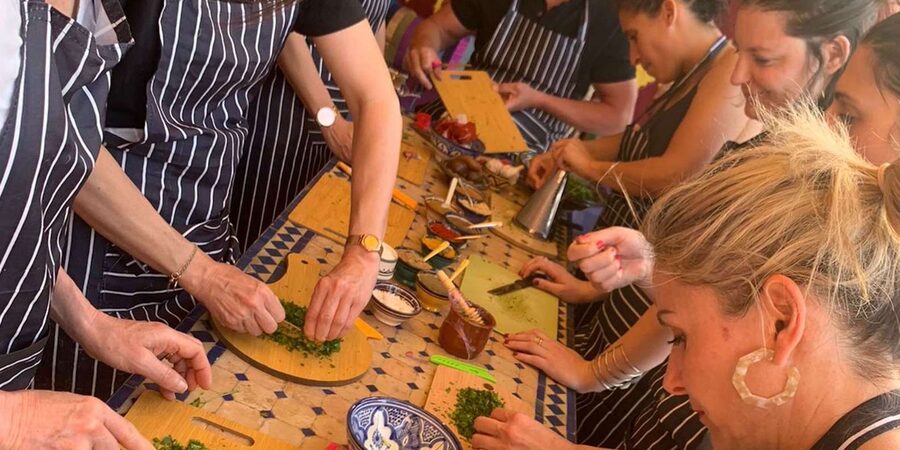
The main course may include tagine, couscous, or another Moroccan specialty such as tanjia. For vegetarians and vegans, the key dish is usually a vegetable tagine, supported by several meat-free sides.
You should tell the provider about your dietary needs when booking and repeat them at the meeting point. The supplied information says vegetarian, vegan, and allergies are not a problem, and several sessions have accommodated vegan participants with a full range of food. One vegan participant had a vegetable tagine, three side dishes, and dessert, while the chicken tagine was kept separate for other members of the group.
The class can be mixed. You may share the kitchen with people preparing chicken or another meat dish. That does not mean you must eat meat or handle it. Vegetarian participants have been able to prepare their own vegetable tagine while keeping some distance from the meat cooking.
This is worth noting for strict vegans. The food served to you can be vegan, but the overall class is not necessarily an all-vegan kitchen. If avoiding any nearby meat preparation is important, contact the provider before booking.
Eating what you prepared
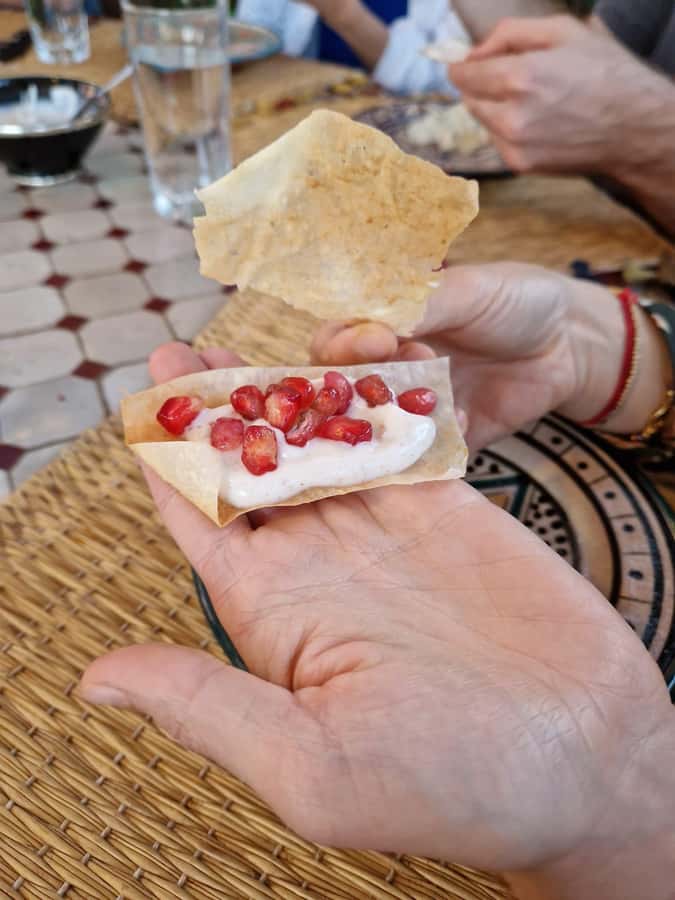
The meal is served after the cooking is finished, often with the family and other participants. This shared table is the payoff, but it is also part of the lesson. You can taste how the spices developed, compare the dishes, and ask questions while everything is still fresh.
Several people have found the meal one of their best in Marrakech. That makes sense: you have chosen the ingredients, cut the vegetables, watched the tagine cook, and learned why the chef used each spice. Food always tastes different when you know the work behind it.
The pace is deliberately unhurried. One participant valued the four-hour format because a 90-minute class would have felt too fast. You have time to cook a starter, main dish, and dessert, then sit down properly rather than being pushed out for the next group.
Do not expect every part of the meal to be equally elaborate. One participant thought the dessert was basic, though the main dish and cooking lesson were highly enjoyable. If dessert is your main reason for booking, this may not be the perfect choice. If you want practical Moroccan cooking and a generous shared meal, it delivers more.
Meeting Yasser and Chef Fatima
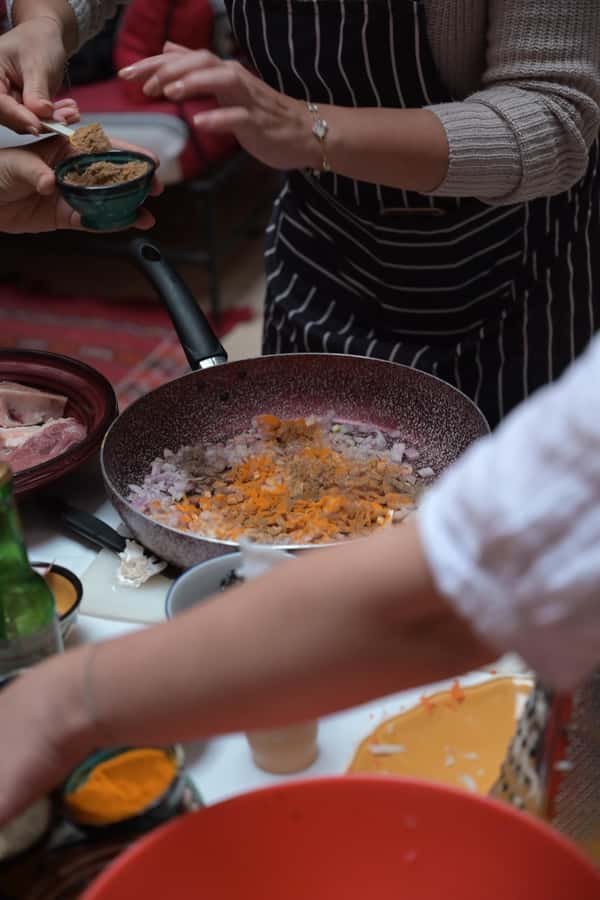
The instructor may be Yasser or Chef Fatima. Yasser is described as friendly, patient, funny, and able to teach in several languages. His English is clear, and he explains not only what to do but why a particular spice or cooking method is used.
Chef Fatima leads some sessions and is known for an informative, warm teaching style. Families have also taken the class with children, including a 12-year-old, and found it a good shared activity. The instruction is participatory, so everyone in the group gets a task.
The exact personality and menu will depend on who leads your session. That is normal for a family-run cooking experience, but it also means the presentation may feel less standardized than a large culinary school. If you prefer a formal demonstration with printed steps and strict timing, this may feel relaxed. If you want conversation and direct help, the format should suit you.
Recipes may be sent afterward through WhatsApp. This is particularly useful because Moroccan cooking often relies on visual cues and judgment rather than exact measurements. Having the recipes later gives you a better chance of recreating the meal at home.
The family atmosphere and the practical tradeoffs
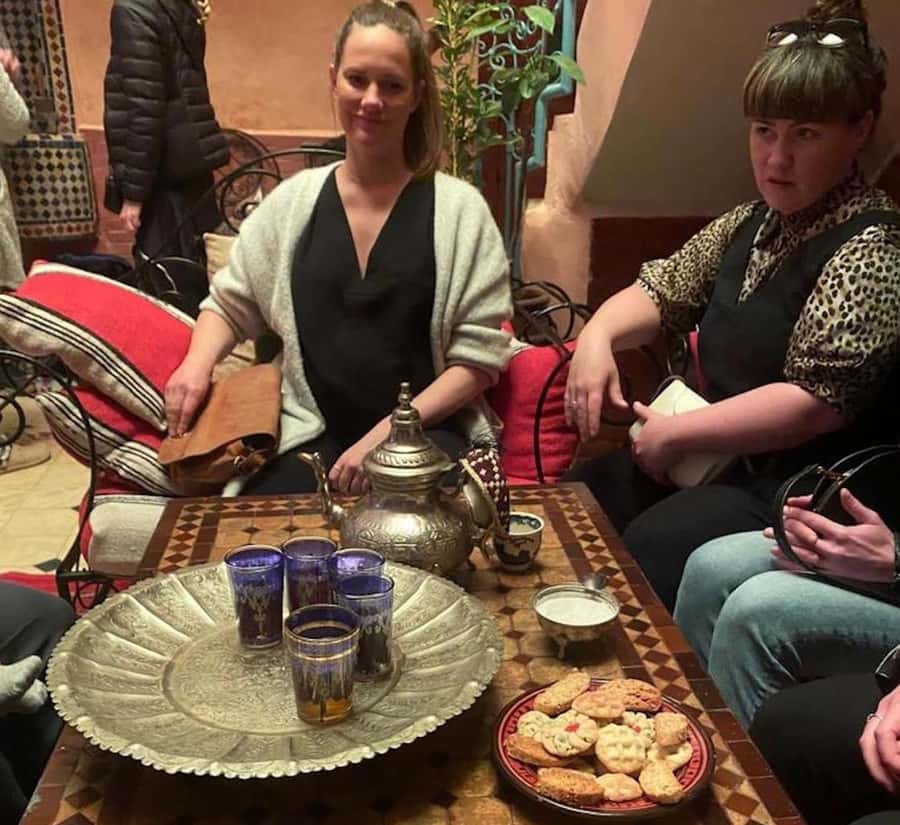
The strongest part of the experience is the access to ordinary hospitality. You can ask about spices, cooking habits, local life, and places to visit in Marrakech. Yasser has also given practical suggestions about city activities and useful things to buy.
There are a few tradeoffs. The house setting means the meeting point can be confusing, and transport is your responsibility. The group may include meat eaters, so a strictly plant-only kitchen is not guaranteed. The menu is not fixed in the information provided, so you should not book expecting one exact dish.
Smoking is another point to keep in mind. One participant objected when another person smoked during the class, particularly because children were present. If a smoke-free setting is important to you, ask the organizer to make that expectation clear before the session begins.
The activity is listed as wheelchair accessible, but the supplied details do not explain the route through the Medina or the layout of the house. If you use a wheelchair, confirm the meeting route and interior access in advance rather than relying only on the general accessibility label.
Who should book this Marrakech cooking class?
I would choose this class if you want a hands-on cultural activity rather than a restaurant meal. It suits couples, families, solo visitors, and small groups who enjoy preparing food together and talking with local hosts.
Vegetarians and vegans should find the class especially useful, provided they are comfortable with a mixed group. You can receive a substantial plant-based menu, including vegetable tagine, salads or other sides, and dessert. People with allergies should give clear details before the class so the ingredients can be planned properly.
It also works well for families. A child who enjoys chopping with supervision, mixing spices, or helping with a tagine can take part in nearly every stage. The four-hour length may be too long for a very young child, but it avoids the rushed format that can make family activities frustrating.
You may want to skip it if you dislike group cooking, cannot manage narrow Medina routes, or want a private, all-vegan kitchen. You should also choose another activity if your priority is an advanced pastry lesson or a fixed menu built around an elaborate dessert.
Booking value, timing, and flexibility
At $30, the class offers strong value because the fee covers the lesson, drinks, cookies, ingredients, and the meal. The cultural exchange adds value that is difficult to price, especially if this is your first visit to Morocco and you want more than sightseeing around the souks.
The advertised duration is four hours, and starting times depend on availability. That length is a strength, but it requires a real block in your day. Do not place it between two tightly timed tours. You will need time to reach the meeting point, find the host, cook, eat, and return to your next activity.
English and French instruction are available, and an English or French audio guide is included. Free cancellation is available up to 24 hours before the activity for a full refund, and you can reserve now and pay later. Those options help if your Marrakech plans are still changing.
Should you book it?
Book this class if you want to understand Moroccan food by making it yourself. The best reasons are the generous four-hour format, the family-home setting, the practical spice lesson, and the serious attention given to vegetarian and vegan meals.
Arrive early at the Andalusia Restaurant meeting point, tell the chef about your diet, and be ready for a mixed kitchen. With those expectations in place, this is a well-priced way to cook, eat, and learn about Moroccan hospitality in the same afternoon.
FAQ
How long does the Marrakech cooking class last?
The class lasts four hours. That includes the cooking lesson and the meal you prepare.
How much does the cooking class cost?
The price is $30 per person.
Is the meal suitable for vegetarians?
Yes. Vegetarian menus can include vegetable tagine, Moroccan salads or briwat, side dishes, and dessert.
Is the class suitable for vegans?
Yes. Vegan participants can be accommodated, and the chef can prepare a full vegan meal. Tell the provider about your needs in advance.
Will meat be prepared during the class?
Some sessions are mixed, with other participants preparing meat. Your vegetarian or vegan food can be prepared separately, but the overall kitchen may not be meat-free.
Who teaches the class?
The experience is provided by Cooking class with chef Fatima. Sessions may be led by Chef Fatima or her brother Yasser.
Where does the class meet?
The meeting point is next to Andalusia Restaurant. The chef waits there before the scheduled start and guides you to the home.
Is transport included?
No. Transport to and from the meeting point is not included.
What languages are available?
The instructors teach in English and French. An English or French audio guide is also included.
Can I cancel the booking?
You can cancel up to 24 hours in advance for a full refund. The activity also offers reserve now and pay later booking.
More Workshops in Morocco
- Hanoi: Handcrafted Wood Carving Workshop with Local Artisan
★ 5.0 · 733 reviews - Brussels: Waffle Making Workshop – All You Can Eat
★ 4.6 · 615 reviews - Paris: French Macaron Culinary Class with a Chef
★ 4.9 · 591 reviews - Milan: Italian Cooking Class with Food and Wine
★ 4.7 · 509 reviews
More Vegan Food Tours in Morocco
- Ha Noi Walking Food Tour, Non Vegetarian,Vegan, vegetarian Option
★ 5.0 · 846 reviews - Madrid: Paella & Sangria Classes – Seafood, Chicken or Vegan
★ 4.9 · 201 reviews - Hanoi Vegan Street Food & Train Street Tour
★ 4.8 · 143 reviews - Private Cooking Class – Personalized menu with glutenfree & vegan
★ 5.0 · 99 reviews
Just added around Morocco
- Marrakech: Jemma El Fnaa Food Tour with Dinner★ 4.7 · 394 reviews
- Marrakech Night Street Food Tour / Taste The Real Marrakech★ 4.9 · 200 reviews
- Marrakesh: Guided Street Food Tasting by Locals★ 4.6 · 47 reviews
- Marrakech: Authentic Moroccan Food Walking Tour & Dinner★ 4.8 · 261 reviews
- Marrakech: Medina Stories Food Tour with 15+ Tastings★ 5.0 · 141 reviews
- Fez: Foodie tour in the old Medina★ 4.7 · 27 reviews
- Night Tour of Casablanca with Street Food Tasting★ 4.8 · 29 reviews
- Medina Tasting Tour: Experience Local Street Food & Culture!★ 4.9 · 25 reviews
Food Tours in Marrakech, compared.
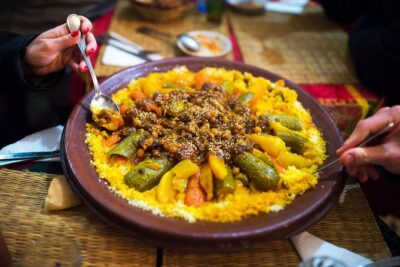

3-Day Tour to Merzouga Erg Chebbi with Food & Camel Trek
Read our review →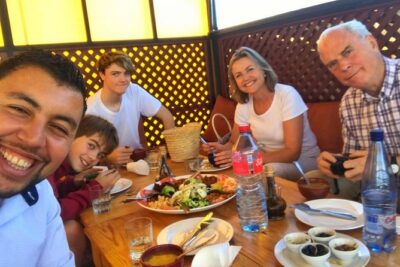
Authentic Moroccan Food Tour in Marrakech with Dinner
Read our review →

Marrakech Night Street Food Tour / Taste The Real Marrakech
Read our review →
Browse the lists this tour appears in