
REVIEW · PHILIPPINES
Manila Food Tour: Introduction to Philippine Street Food
Manila’s street food is easiest to understand one bite at a time, and this three-hour tour gives you plenty of bites. You move from neighborhood food stalls to small local restaurants, trying grilled meats, dumplings, fried snacks, soup, pastries, desserts, and drinks. I especially like the generous amount of food and the way the tour adds local transport, including a tricycle ride and, on some departures, a jeepney or motorbike trip. Guides such as Chloe, Nel, and Jian also bring history and food trivia into the walk.
I also like that the tour ends at the same meeting point and keeps the group to no more than 15 people. The main drawback is practical: this is not a good match for vegans or vegetarians, and uneven sidewalks may be difficult for anyone with limited mobility. At $60, the price is fair if you arrive hungry and treat the tour as both dinner and a neighborhood introduction, but less appealing if you want a light tasting walk.
Key details at a glance
- Up to 10 or more Filipino foods: Expect pork, chicken, fish, grilled items, fried snacks, dumplings, sweets, and other local specialties.
- A 3 pm start: The afternoon timing lets you eat through the snack period and continue toward an early evening meal.
- Local transport included in the experience: A tricycle ride is part of the plan, while some groups have also ridden a jeepney or motorbike.
- Guides with strong personalities: Chloe, Nel, and Jian are frequently praised for warmth, humor, food knowledge, and cultural explanations.
- A maximum of 15 people: This is not a private tour, but the group limit should allow for questions and personal attention.
- Not designed for every diet or mobility level: The food centers on meat and seafood, and sidewalks can be hard to manage with a wheelchair.
A generous first taste of Manila street food
This is not a neat little sampler with one bite at six polished restaurants. It is closer to a moving Filipino meal, with stops at neighborhood vendors and small eateries that serve the food local residents actually seek out. You may try 10 or more items, and some groups have eaten close to 15 different dishes.
The food is mainly pork, chicken, and fish. Much of it is grilled, roasted, or deep-fried, with steamed dumplings, warm soup, chewy sweets, and savory snacks filling out the route. The exact stops can vary, so you should think in categories rather than expect a fixed menu.
That variety is the tour’s greatest strength. You get to compare textures and cooking methods instead of forming an opinion about Filipino food from one plate of adobo or one lumpia. A skewer of grilled meat, a fried snack, and a chilled dessert tell different parts of the story.
Arrive hungry. The portions are described as large, and it is easy to fill up early. One useful piece of advice is to pace yourself during the first stops. Save room for the final sweet course, which may include a dessert such as halo-halo or another chilled Filipino treat.
More street food nights in the world:
- Dubai: Old Town, Creek, Museums, Souks, & Street Food Tour
★ 4.8 · 10,816 reviews - Ho Chi Minh City Street Food Tour & Sightseeing By Motorbike
★ 5.0 · 9,413 reviews - Medellin: Comuna 13 Graffiti Tour, Cable Car & Street Food
★ 4.8 · 9,046 reviews
Meeting Chloe, Nel, Jian, and the other guides
The guide can make or break a food tour, especially when you are trying dishes you cannot identify on your own. Chloe is repeatedly praised for her warmth, humor, energy, and clear explanations. She has also handled rainy conditions while keeping the route moving and making the food stops worthwhile.
Nel brings a similarly personal touch. She is described as funny, welcoming, and full of food and cultural information. One particularly useful feature of her guiding style is the way she helps people handle unfamiliar dishes. If you hesitate at one stop, she may offer a gentler food as a break before the next challenge.
Jian is praised for being easy to talk with and helpful during the tastings. He has also accommodated a family member with mobility concerns. The guides are not simply carrying a menu from stop to stop. They explain what you are eating, add local stories, and answer questions about daily life in Manila.
The strongest part of the guiding seems to be the human connection. You can expect a social afternoon rather than a formal lecture. Food trivia, neighborhood history, and jokes help keep the pace lively. If you arrive a little early, you may have time to chat with the guide before the official 3 pm start.
Starting in Mandaluyong at 3 pm
The meeting point is the Starbucks at California Garden Square Clubhouse on Domingo M. Guevara in Mandaluyong City. The tour ends back there, which simplifies your plans. You do not need to arrange a separate pickup from an unfamiliar neighborhood after eating.
The 3 pm start is well chosen for a food crawl. You begin in the afternoon, when snacks make sense, then move toward heartier food and drinks as the day progresses. The experience lasts about three hours, so it can work as a late lunch, an early dinner, or a substantial food introduction before a later evening plan.
Allow extra time to reach the meeting point. Manila traffic can be slow, and the local transport involved in the tour is part of the fun but not a substitute for planning your arrival. Private transportation is not included, so you make your own way to Starbucks and back from the final meeting point.
A short tricycle ride sets the tone
After a quick orientation, the group takes a traditional tricycle ride to the starting area. This is a small but useful part of the experience. You are not simply walking between restaurants in a tourist district. You are using a familiar local form of transport to reach the food route.
Some groups have also ridden in a jeepney or on a motorbike during the outing. These rides are not presented as guaranteed parts of every departure, so treat them as possible extras rather than promises. If they happen, they add a memorable local detail and help explain how people move around Manila’s neighborhoods.
The rides are short, but they change the rhythm of the afternoon. Instead of one long walk, you get a series of food stops linked by brief transfers. That can be welcome in Manila’s heat, although traffic, road conditions, and sidewalk quality mean this is not a perfectly smooth urban stroll.
A few more food tours around the world worth comparing
- Reykjavik Food Walk – Local Foodie Adventure in Iceland
★ 5.0 · 18,952 reviews - Hanoi Jeep Tour: Food, Culture and Fun by Vietnam Army Jeep
★ 5.0 · 15,222 reviews - From Marrakech: Merzouga 3-Day Desert Safari with Food
★ 4.7 · 12,232 reviews - Madrid: Live Flamenco Show with Food and Drinks Options
★ 4.5 · 9,901 reviews
What you may eat along the route
The tour does not publish a fixed dish-by-dish menu, which protects the experience from becoming predictable. It also means you should book it for variety and guidance, not for one guaranteed specialty.
Here is the general shape of the food:
- Steamed dumplings and warm soup for softer, comforting flavors.
- Grilled meat skewers, roasted items, and savory pork, chicken, or fish dishes.
- Deep-fried snacks with crisp textures and strong seasoning.
- Sweet and chewy pastries or local treats.
- A final dessert or refreshing sweet course.
- Local fruit juice, bottled water, and one local beer, or a combination of the listed drinks.
Lumpia and halo-halo have been especially memorable for some people, while grilled pig ears have appealed to more adventurous eaters. Those examples give you a sense of the range, but they are not a guarantee of the exact menu on your date.
The food is meant to be eaten, not merely photographed. You may encounter ingredients or textures that are new to you. The tour is a good setting for trying them because the guide can explain what they are and suggest how to approach them. Still, you should be honest about dietary limits before booking. The experience is specifically not recommended for vegans and vegetarians.
Why the neighborhood setting matters
A food tour can show you dishes without showing you much of a city. This one tries to connect the food with ordinary streets, small vendors, and family-run places. You move through a local area rather than spending the entire afternoon in restaurants aimed at international visitors.
That setting gives the food more meaning. A grilled skewer is not just a snack when you see where people buy it, how quickly it is cooked, and how it fits into an everyday afternoon. A sweet drink or dessert also makes more sense when it appears as part of the rhythm of the neighborhood.
The guide’s explanation is important here. Without context, several stalls selling unfamiliar foods can blur together. With Chloe, Nel, Jian, or another guide explaining the dishes and their place in Filipino life, you get a clearer picture of what makes each stop different.
The tradeoff is comfort. Local sidewalks may be uneven, crowded, or awkward, and food stalls do not always offer the seating or polish of a restaurant. That is part of the point, but it may not suit you if you want air conditioning, a fixed table, or a carefully controlled dining setting.
Drinks and the final sweet treat
One local beer and one fruit juice or combination are included, along with bottled water. The drinks help break up the heavier fried and grilled foods. They also give you another small introduction to local tastes without adding a long list of extra charges.
The beer is a social part of the tour, not a drinking-focused activity. If you do not drink alcohol, the included juice and water give you alternatives. The details of the juice can vary, but one group recalled a drink called gulaman.
The final dessert is a smart way to finish. After salty meats and fried snacks, something cold, sweet, or chewy resets your palate. Halo-halo has been a favorite for some participants, and it is exactly the kind of dessert that benefits from a local guide’s explanation. Come prepared for a filling finish rather than a token sweet bite.
Is $60 a good value?
At $60 per person, this is not the cheapest way to eat in Manila. You could spend far less by buying individual snacks on your own. The value comes from the amount of food, the number of stops, the drinks, the guide, and the help of someone who knows where to go.
If you eat most of the food, the tour can replace a substantial meal. It also saves you the guesswork of choosing stalls, interpreting menus, and deciding which unfamiliar item is worth trying. For a first afternoon in Manila, that guidance has real value.
The price makes less sense for a light eater or someone who already knows the city’s food scene. You might also prefer to spend $60 at several sit-down restaurants if you care more about comfort than variety. For most curious eaters, though, the combination of food and local orientation makes the cost reasonable.
The current rating is 4.9 out of 5 from 417 ratings, with 99 percent recommending it. That does not remove the practical drawbacks, but it does support the idea that the tour consistently delivers a full, social food experience.
Group size, comfort, and mobility
The maximum group size is 15 people. That is small enough for a guide to answer questions and keep everyone moving, though it is not the same as a private tour. A smaller departure can feel especially personal, while a full group may make narrow sidewalks and busy food stalls more complicated.
Most people can take part, and service animals are allowed. The activity is near public transportation, but the route itself may include difficult sidewalks and walking between vendors. One family changed to a cooking class after the operator decided the street route would be hard for a wheelchair user.
If you have mobility concerns, contact the operator before booking rather than assuming the route will work for you. A family member with mobility issues did complete a tour with Jian, but the experience clearly depends on the individual and the day’s route.
Weather also matters. The activity requires good weather. If poor weather forces a cancellation, you can receive a different date or a full refund. Rain does not always stop the tour, since Chloe has led groups during the rainy season, but conditions can affect comfort and access.
Who should book this Manila food tour?
I would choose this tour for a first visit to Manila, a short stay, or a 24-hour layover. The 3 pm start fits neatly into a spare afternoon, and the mix of food, local transport, and neighborhood walking gives you more than a meal.
It suits adventurous eaters who want to try pork, chicken, fish, grilled dishes, fried snacks, unfamiliar textures, and Filipino desserts. It also works well for families with older children and mixed-age groups, provided everyone is comfortable with the walking and the food choices.
You should think twice if you are vegan, vegetarian, very selective about food, or looking for an elegant dining experience. You should also plan carefully if you use a wheelchair or have difficulty with uneven sidewalks.
The cancellation terms are straightforward: cancel at least 24 hours before the 3 pm start for a full refund. Changes made within 24 hours are not accepted, and late cancellations are not refunded.
Should you book it?
Book this tour if you want a hearty introduction to Filipino street food and prefer a guide to lead you beyond the obvious tourist stops. The large amount of food, local drinks, transport rides, and personable guides such as Chloe, Nel, and Jian give the $60 price a reasonable return.
Skip it if you need a fully accessible route, avoid meat and seafood, or want a quiet restaurant meal. For everyone else, schedule it early in your Manila stay. You will finish full, with a working list of foods to seek out on your own and a better sense of how the city eats.
FAQ
How long does the Manila food tour last?
The tour lasts approximately three hours.
What time does the tour start?
The start time is 3 pm.
Where does the tour meet?
Meet at Starbucks at California Garden Square Clubhouse, Domingo M. Guevara, Mandaluyong City, Metro Manila, Philippines.
Where does the tour end?
The activity ends back at the meeting point.
What food and drinks are included?
The tour includes up to 10 or more local street foods, including pork, chicken, and fish dishes that are mostly grilled, deep-fried, or roasted. It also includes one local beer, one fruit juice or a combination, and one bottle of water.
Is the tour suitable for vegetarians or vegans?
The tour is not recommended for vegans and vegetarians because much of the food centers on pork, chicken, and fish.
How many people can join the tour?
The maximum group size is 15 people.
Can I cancel for a full refund?
Yes. You must cancel at least 24 hours before the experience start time for a full refund. Cancellations or changes made less than 24 hours before the start are not accepted, and poor weather may lead to a different date or a full refund.
Just added around the world
- Milan: Street Food Walking Tour★ 4.7 · 180 reviews
- Milan’s Full-Meal Gourmet Food Tour – More Than Tastings★ 4.8 · 81 reviews
- Kolkata Midtown Madness- A Street Food & Nightlife Tour★ 4.9 · 49 reviews
- Milan: Delicious Food Tour and City Center Sightseeing★ 4.8 · 111 reviews
- Mexico City: Authentic Downtown Food Tour★ 4.9 · 260 reviews
- Miami: Intimate Sailing in Biscayne Bay w/ Food and Drinks★ 4.7 · 34 reviews
- Mexico City: Vegan and Vegetarian Street Food Adventure★ 4.8 · 65 reviews
- Mexico City: Mystic Markets La Merced & Sonora Culinary Tour★ 4.9 · 301 reviews
Food Tours in the Philippines, compared.
Boracay Sunset Cruise with Party DJ & Unlimited Food and Drinks
Read our review →
Manila Food Tour: Explore World’s Oldest Chinatown
Read our review →
Manila: Street Food and Drinks Walking Tour with Tastings
Read our review →
Manila: Sightseeing and Food Walking Tour with Tastings
Read our review →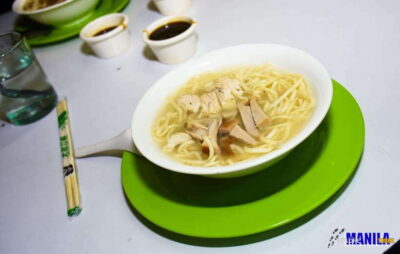
Manila: Guided Food Tour of Binondo with Tastings
Read our review →Browse the lists this tour appears in