
REVIEW · PHILIPPINES
Manila: Sightseeing and Food Walking Tour with Tastings
Manila reveals itself best at street level, and this tour puts you right there. You move from Quiapo Market to Binondo Chinatown, sample local food, ride public transport, and finish on a bamboo bike among the old walls of Intramuros.
I like the mix of food and transport, especially the chance to learn how a jeepney works instead of seeing Manila only through a car window. I also like the balance between everyday city life and famous sights, from market stalls and narrow Chinatown streets to Spanish-era churches and fortifications.
The main drawback is the pace. You walk a lot, spend time in crowded areas, and face Manila heat and traffic. If you have mobility limits or prefer a slow museum-style tour, this is not the right fit.
Key points to know before booking
- Start at Quinta Market: Meet in front of the market at 9:00, with the tour beginning around 9:15.
- Eat across two food districts: Quiapo and Binondo provide the main tastings, including snacks, fruit, dumplings, hopia, desserts, and local favorites.
- Use Manila transport: The experience includes local transport, with a jeepney ride described as part of the route. Some outings have also included a tuk tuk or Pasig ferry.
- Cycle through Intramuros: The final major stop uses traditional bamboo bikes and covers churches, walls, viewpoints, and old streets.
- Plan for a full, active day: The schedule takes about six hours and includes substantial walking, heat, traffic, and time on uneven city streets.
- Best for first-time visitors: At $58 per person, it offers a useful first look at food, daily life, transport, and Manila’s major historic districts.
Starting at Quinta Market and entering Quiapo
The day begins at 9:00 in front of Quinta Market. This is a practical meeting point for a tour that wants to show you Manila as it is lived, not just Manila’s polished landmarks.
By about 9:15, you enter Quiapo Market with your guide. Allow yourself to adjust quickly. This is a busy commercial area where vendors sell food, produce, noodles, herbal products, and everyday goods. The appeal is not a tidy row of displays. It is the sound, movement, smells, and constant trade around you.
Your guide gives the market shape. Without help, you could easily pass a food stall or unfamiliar product without knowing what you are seeing. The guide can explain what to taste, how local ingredients are used, and how the market fits into Manila life.
The Quiapo section lasts about two hours, combining walking, shopping, and food tasting. That length matters. You are not simply stopping for one snack and leaving. You have time to look around, ask questions, and get a feel for the district.
I would wear light clothing and closed, comfortable shoes. Bring water, a hat, and a little patience for crowds. You should also carry your phone or camera securely, since the streets can be tight and busy.
More food walks around the world:
- Reykjavik Food Walk – Local Foodie Adventure in Iceland
★ 5.0 · 18,952 reviews - New Orleans Food Walking Tour of the French Quarter with Small-Group Option
★ 5.0 · 6,118 reviews - Naples: Street Food Walking Tour with Local Guide
★ 4.9 · 4,976 reviews
Tasting your way through Quiapo Market
The food is one of the strongest reasons to book this experience. The tastings are spread across the day rather than limited to one formal meal, so you get small introductions to several foods.
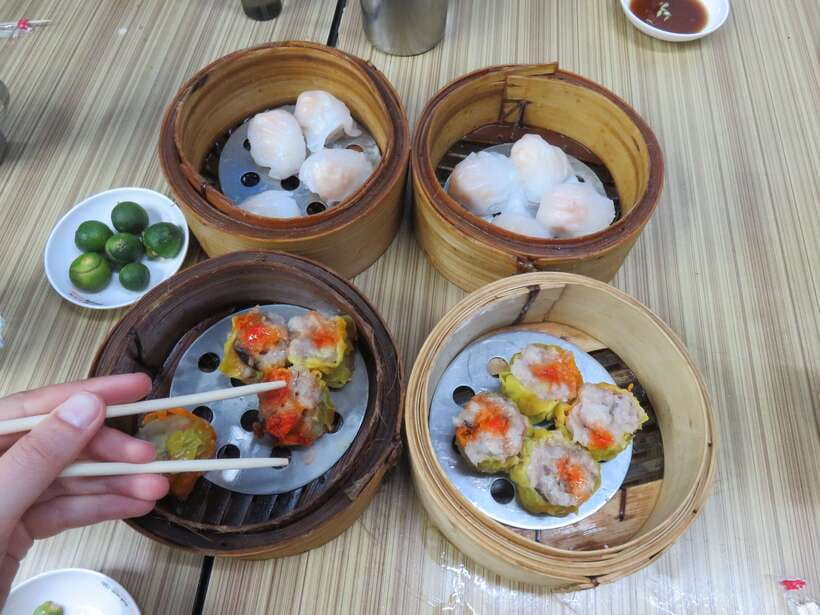
The exact selection can vary, but the food stops include local snacks, fruits, desserts, dumplings, noodles, hopia, and other Filipino and Chinese favorites. This variety is more useful than a single restaurant meal because you can compare different textures and flavors as you go.
I especially like the way the food is tied to place. In Quiapo, the tasting happens in a working market. In Binondo, the food reflects the long Filipino-Chinese connection that shaped the district. You are not just checking dishes off a menu. You are seeing where food is bought, sold, and eaten.
Some items may be unfamiliar, and not every taste will suit you. That is part of the point. You can ask questions before trying something, and the guide helps explain what you are eating. If you have allergies or strong dietary restrictions, tell the operator in advance, since the experience is built around shared local tastings and the food list is not fixed in the supplied details.
A small but useful tip: do not arrive after a large breakfast. The tour is designed as a food walk, and the stops add up. At the same time, do not expect one long sit-down lunch. You will be eating in stages while walking.
Binondo Chinatown and Manila’s Filipino-Chinese side
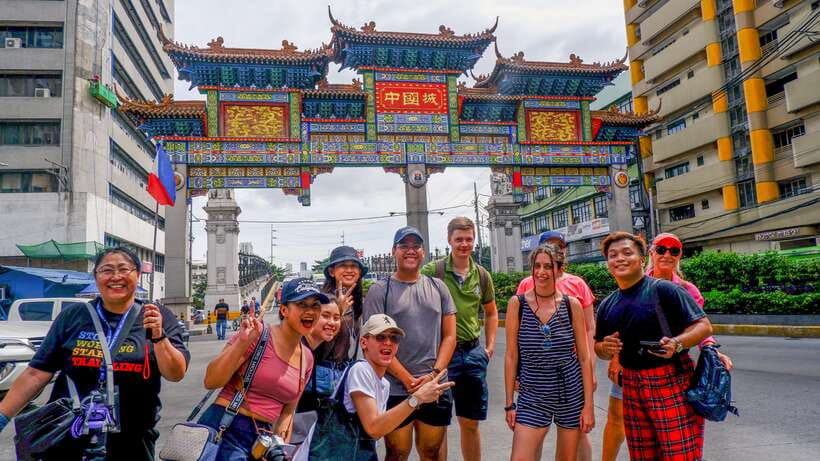
Around 11:00, the tour moves into Binondo Chinatown. This district is widely recognized as the oldest Chinatown in the world, and it gives the day a different feel from Quiapo.
The walking route lasts about 30 minutes in the stated schedule, though food stops and short pauses can make the overall Binondo visit feel longer. The streets can be crowded and difficult to navigate alone, so having a guide is useful. You can focus on the stalls, signs, and people around you instead of working out where to turn.
Binondo is where the tour’s food theme becomes especially clear. Dumplings, hopia, Chinese-style snacks, fruit, and desserts help show the shared food culture between the Philippines and China. The guide can also point out how these traditions became part of Manila’s daily cooking and street food.
One past outing included cheese ice cream, a small detail that shows the range of the tastings. You may find familiar foods served in an unfamiliar way, or snacks you would probably walk past without a guide’s explanation.
The trade-off is comfort. Chinatown streets can be narrow and crowded, and you may need to keep moving with the group. This is not a quiet food tour with long explanations at every stop. It is a short, active look at a busy part of Manila.
Local transport between the old districts
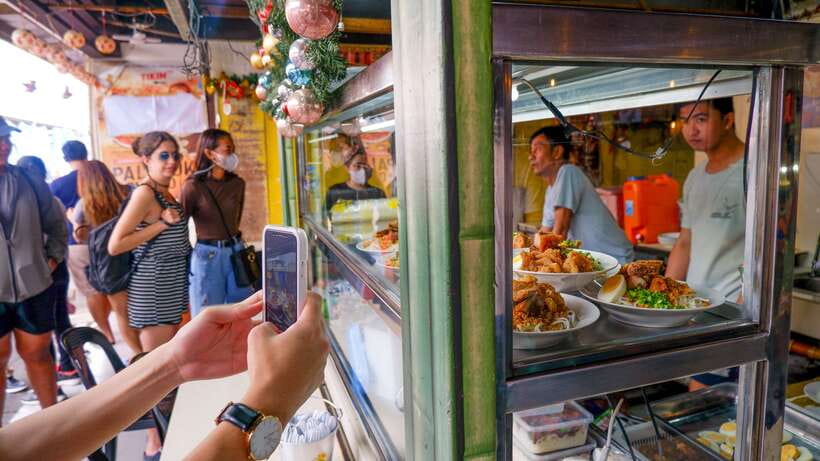
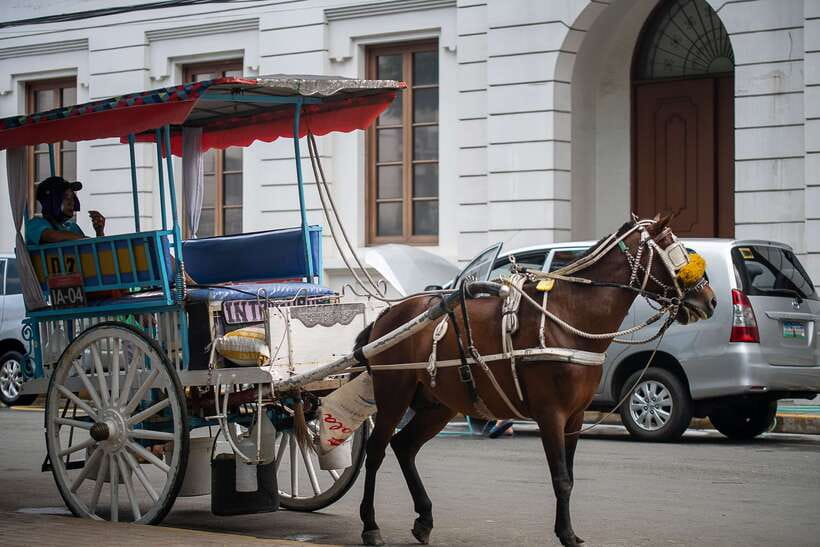
After Quiapo and Binondo, the route uses local transportation toward Intramuros. The main description includes a jeepney ride, while the schedule also identifies a tuk tuk segment. Previous outings have included several forms of transport, including a Pasig ferry, a tricycle, a jeepney, and a bicycle.
That variety is one of the tour’s most enjoyable features, but it also means the precise transport mix may depend on the day’s route and conditions. If a specific vehicle matters to you, ask the operator before booking.
The jeepney portion is not just a transfer. Your guide explains how to ride, how to pay, and how to communicate with the driver. That turns a short journey into a useful lesson in getting around Manila.
You also get a quick look at the city’s traffic and street rhythm. This can be noisy and less comfortable than a private vehicle, but it gives you a direct sense of daily life. If you want a polished sightseeing ride, this may feel rough around the edges. If you want to understand how people move around the city, it is valuable.
The transport sections also break up the walking. That matters on a hot day, especially after two market districts and repeated food stops.
A few more food tours around the world worth comparing
- Little Havana Food and Walking Tour in Miami
★ 5.0 · 8,882 reviews - Greek Food Walking Tour in Athens
★ 5.0 · 4,740 reviews - Barcelona: Tapas Walking Tour with Food, Wine, and History
★ 4.8 · 4,261 reviews - Lisbon: Food and Wine Small Group Walking Tour
★ 4.9 · 4,082 reviews
Bamboo bikes inside Intramuros
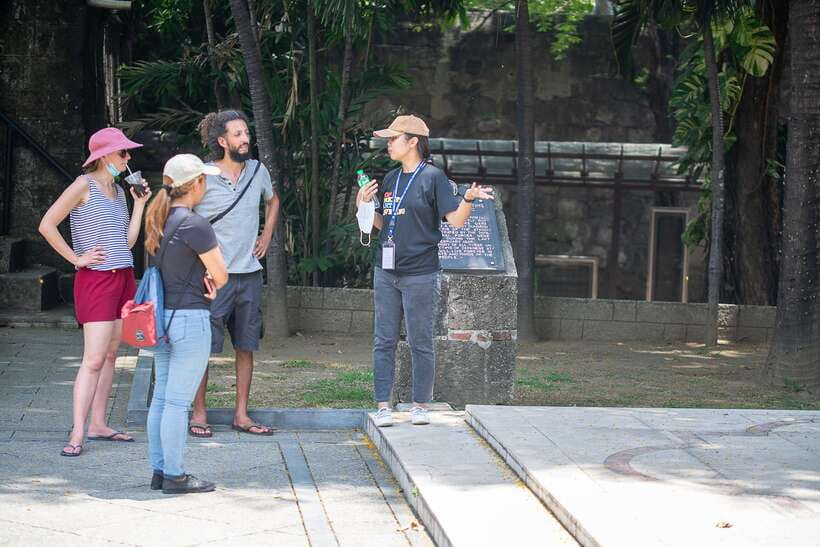
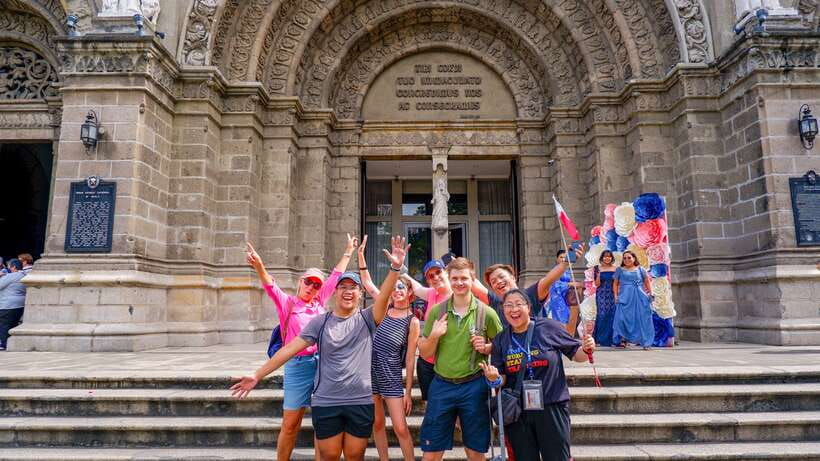
The final major section begins around 13:00 in Intramuros, Manila’s historic walled city. You ride a traditional bamboo bike for about an hour and a half, ending near Casa Manila around 14:30.
Intramuros changes the tone of the day. The market noise gives way to old walls, cobblestone streets, churches, fortifications, and Spanish-era buildings. The bamboo bike makes the visit more active than a standard walking route and lets you cover more ground without turning the stop into a bus tour.
You should expect frequent pauses for explanation and photos. The route includes historic sights, old streets, viewpoints, and less obvious corners of the walled city. Coffee or local treats may also feature along the way, depending on the route and timing.
The bikes are the tour’s most distinctive activity. They are not merely a way to get from one point to another. They make Intramuros feel playful and relaxed after the intensity of Quiapo and Binondo.
Still, this section has limits. A bike is not a substitute for a full historical tour of every church or fort. The value is in seeing several parts of Intramuros while your guide connects them to Manila’s past. If you want long indoor visits and detailed architectural study, you may want a separate Intramuros tour.
The historic district also has uneven surfaces and heat. People with mobility impairments should not book this activity, and everyone should wear practical clothing. The tour includes a bike, entrance fees, transportation between sites, and guiding, so you do not need to arrange those pieces yourself.
Guides who make the busy route easier
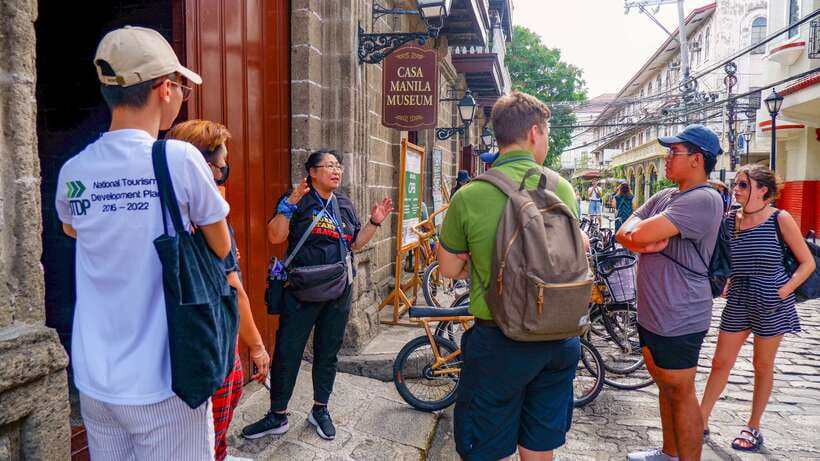
The guide matters a great deal on a day like this. Quiapo, Binondo, local transport, and Intramuros can feel like four separate activities unless someone keeps the story moving.
Guides named in past outings include Jen, Eric, Grace, Dani, Stefanie, Eddie, and Stephanie. Jen received especially strong praise for her energy, organization, patience, and ability to answer many questions. Eric was also noted for giving a clear overview of the day and keeping the schedule on track.
Grace and assistants Dani and Stefanie have guided groups through the food, history, and transport sections. The recurring strength is not simply factual information. It is practical help: explaining what you are eating, showing how to use local transport, allowing time for water and restroom breaks, and keeping the group together.
The activity is offered in English, and private groups are available. A private booking may suit families or friends who want more control over the pace, though the supplied information does not state a separate private-group price.
How much value do you get for $58?
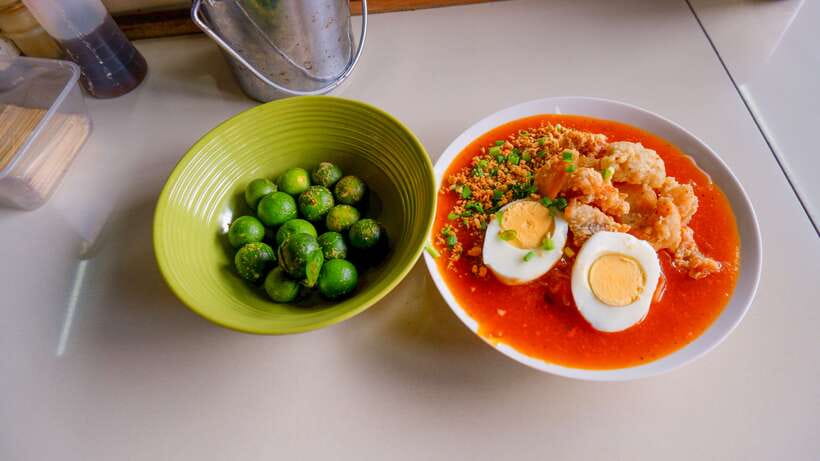
At $58 per person, this is not the cheapest way to see Manila, but it bundles several costs and decisions into one day. You get a guide, food tastings, transport between sites, entrance fees, and the bamboo bike.
The value is strongest if you are visiting Manila for the first time or have only a short stay. In six hours, you sample two major food areas, see Intramuros, use local transport, and gain enough context to decide where you want to return on your own.
You also avoid spending your first day figuring out routes between Quiapo, Binondo, and Intramuros. Manila traffic and crowded streets can make independent planning slow, especially if you do not know which foods or landmarks deserve your time.
Drinks are not included, so budget for water and other beverages. Bring your own water if possible, though the schedule allows time to buy more. The activity also asks you to bring a passport or identification card, with a copy accepted.
Free cancellation is available up to 24 hours before the activity, and you can reserve now and pay later. That is useful if your Manila schedule may change, but the main booking decision should be about the pace and physical demands.
Who will enjoy this Manila tour most?
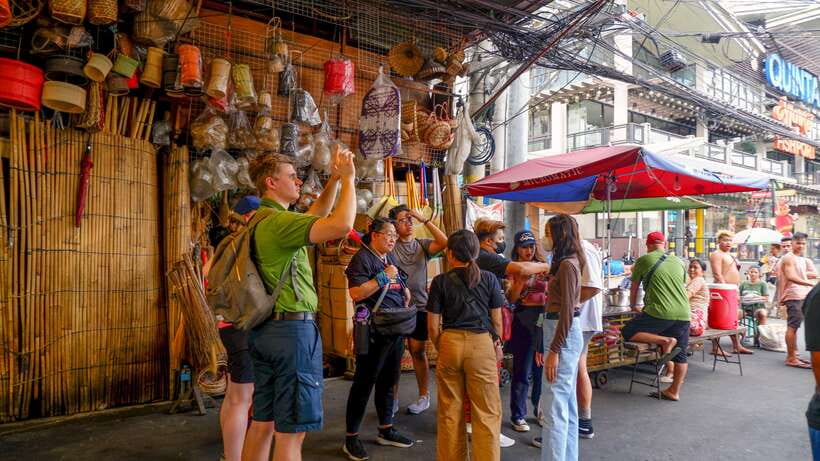
I would choose this tour if you want a broad first look at Manila rather than one narrow subject. It suits you if you enjoy trying unfamiliar foods, walking through working neighborhoods, asking questions, and using the same transport that local residents use.
Families can enjoy it, especially if older children like food and bikes. One family group completed the route and found the mix of sights, tastings, and transport a good fit. Still, parents should be ready for heat, crowds, and a long active day.
This also suits solo visitors who want structure and company. The guide handles the route, and the repeated food and transport stops create natural chances to talk with other people in the group.
You should think twice if you dislike street food, cannot walk for extended periods, or want a quiet, air-conditioned sightseeing day. The route is full and sometimes tiring. One useful feature is that the day is organized with time for water, restroom stops, and questions, but it remains physically active from start to finish.
Practical details for a smoother day
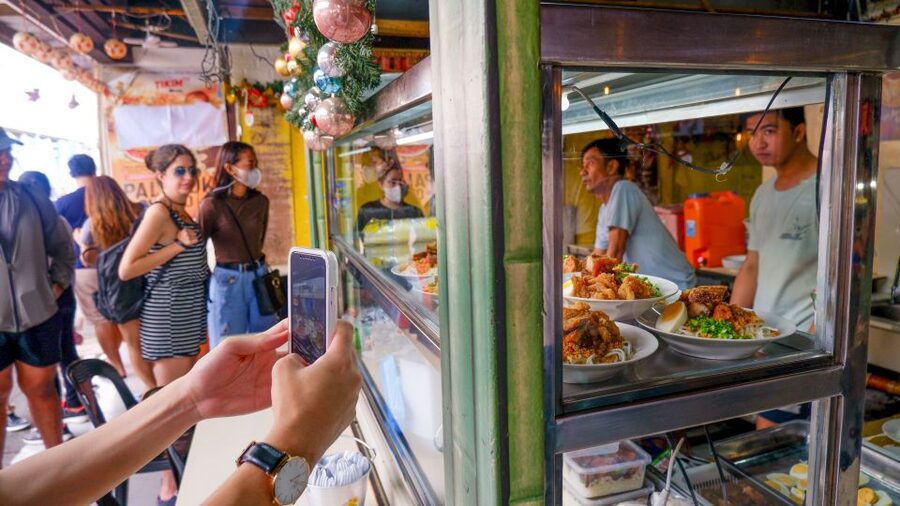
Meet in front of Quinta Market at 9:00. The scheduled finish is around 14:30 at Casa Manila, although the advertised duration is six hours and all times are approximate.
Wear comfortable clothes and shoes. A hat is useful, and water is essential in Manila’s heat. You will want a secure small bag for personal items and food purchases.
The tour includes English guiding, transport to the listed sites, food tasting, entrance fees, and a bike. Drinks are separate. Bring a passport or ID card, or a copy, as requested in the activity information.
Because the transport details can vary, ask what is planned for your date if you particularly want the jeepney, tuk tuk, or Pasig ferry. The core pattern remains the same: Quiapo, Binondo, local food, local transport, and bamboo biking in Intramuros.
Should you book it?
Book this tour if you want Manila explained through its markets, food, transport, and old streets in one well-filled day. The strongest parts are the wide range of tastings, the practical local transport lesson, and the bamboo bike ride through Intramuros.
Skip it if you need a slow pace, have mobility concerns, or prefer formal museums and long restaurant meals. At $58, the price makes sense for a first visit because it combines several separate experiences and includes the main costs.
For most first-time visitors who can handle a hot, active day, this is a smart way to get your bearings and see more than the usual postcard version of Manila.
FAQ
Where does the tour begin?
The meeting point is in front of Quinta Market in Manila.
What time does the tour start?
Meet at 9:00. The tour is scheduled to begin in Quiapo Market at about 9:15.
How long does the tour last?
The advertised duration is six hours. The listed schedule runs from 9:00 until about 14:30, and all times are approximate.
Which areas does the tour visit?
The route includes Quiapo Market, Binondo Chinatown, and Intramuros.
What food is included?
Food tastings include local snacks and may include dumplings, hopia, fruit, desserts, noodles, and other Filipino or Chinese-influenced foods. The exact selection is not fixed in the supplied information.
Is transportation included?
Yes. Transportation between the tour areas is included. The description highlights a jeepney ride, and the schedule also lists a tuk tuk segment.
Is the bamboo bike included?
Yes. A bike and the Intramuros bike tour are included.
Is the tour offered in English?
Yes. The live tour guide language is English.
Can I cancel or pay later?
You can cancel up to 24 hours in advance for a full refund. Reserve now and pay later is also available.
Just added around the world
- Marrakech: Jemma El Fnaa Food Tour with Dinner★ 4.7 · 394 reviews
- Marseille: Walking Food Tour with Full Meal★ 4.7 · 137 reviews
- Marrakech Night Street Food Tour / Taste The Real Marrakech★ 4.9 · 200 reviews
- Marrakech: Authentic Moroccan Food Walking Tour & Dinner★ 4.8 · 261 reviews
- Marrakesh: Guided Street Food Tasting by Locals★ 4.6 · 47 reviews
- Market tour and all gastronomy included⭐️⭐️⭐️⭐️⭐️★ 4.6 · 35 reviews
- Explore Marbella Old Town: Authentic Tapas Food Tour★ 4.8 · 62 reviews
- Marrakech: Medina Stories Food Tour with 15+ Tastings★ 5.0 · 141 reviews
Food Tours in the Philippines, compared.
Manila Food Tour: Introduction to Philippine Street Food
Read our review →
Boracay Sunset Cruise with Party DJ & Unlimited Food and Drinks
Read our review →
Manila Food Tour: Explore World’s Oldest Chinatown
Read our review →
Manila: Street Food and Drinks Walking Tour with Tastings
Read our review →
Manila: Guided Food Tour of Binondo with Tastings
Read our review →Browse the lists this tour appears in