
REVIEW · HOI AN
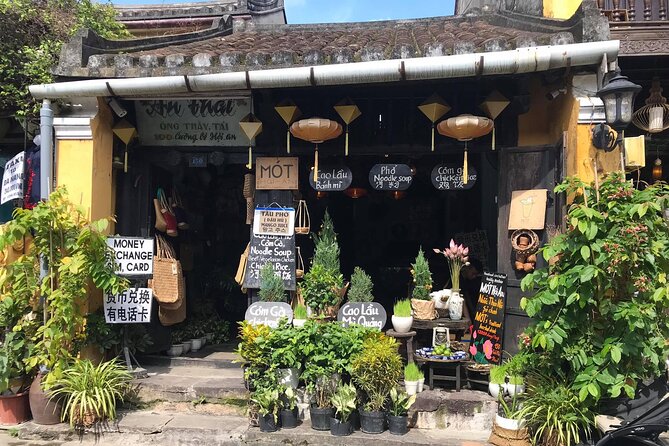
Hoi An Old Town and local Food
Hoi An’s best introduction may be a slow walk followed by a table of local food. This private tour takes you through the UNESCO-listed Ancient Town, including the Japanese Covered Bridge and Fujian Assembly Hall, then shifts from old buildings to snacks and drinks at Hoi An Market. Guides such as Kim and Mr Thai add the local context that signs alone cannot provide.
I like the easy first-day format and the private pace. You can ask questions, stop for explanations, and get your bearings without trying to read a map while dodging bicycles. I also like the food stop, which gives the tour a useful second half instead of treating Hoi An as a collection of pretty streets.
The main caution is that the food quality and presentation may not suit everyone, and the tour can include a tailoring-shop stop if the guide takes you that way. Also, pickup from Da Nang has involved an extra charge, so confirm the meeting point and transport cost before you set out.
Key points to know before booking
- The tour combines landmarks and food: You see major Ancient Town sights, then sample local dishes and special drinks at Hoi An Market.
- Private touring keeps the pace flexible: Only your group participates, making it easier to ask questions or request a little more time.
- Kim and Mr Thai receive especially warm praise: Both guides are described as friendly, patient, and strong on local culture, history, and food.
- The walking portion is the main event: Expect about 1 hour and 30 minutes in Ancient Town, followed by roughly 45 minutes at the market.
- Pickup details need checking: Pickup is offered, but transport from Da Nang has carried an additional fee.
- The food stop is not a luxury tasting menu: It is local food, and the quality and serving style may be basic.
A practical first look at Hoi An
Hoi An is easiest to understand on foot. Its Ancient Town was recognized by UNESCO in 1999, and the compact streets make a guided walk a sensible choice during a short stay. You are not simply moving from one ticketed sight to another. The value comes from seeing how the buildings, assembly halls, bridges, markets, and food fit together.
This experience lasts about three to four hours. The first section covers Hoi An Ancient Town for around 90 minutes. The second spends about 45 minutes at Hoi An Market, where you stop for local food and drinks. The remaining time can involve meeting, transport, and the natural pauses of a private walk.
I would consider it a useful first-day activity. You can learn the layout of the old center, ask about places you want to return to, and get an early sense of what to eat. If you already know Hoi An well, the tour may feel basic, especially if your main goal is a long food crawl rather than an introduction to the town.
The private format matters. You are not following a large group through narrow lanes, and the guide can adjust explanations to your interests. A family can ask for a gentler pace. A first-time visitor can stop to ask simple questions without holding up strangers. That said, private does not mean highly specialized. The experience is designed as a broad overview.
More Food Tours in Hoi An
- Evening Walking Food Tour, folk game and lantern boat
★ 5.0 · 665 reviews - Hoi An Countryside Jeep Tour: Food, Culture & Daily Life
★ 5.0 · 414 reviews - Hoi An food tour
★ 4.9 · 412 reviews
Walking through the 90-minute Ancient Town visit
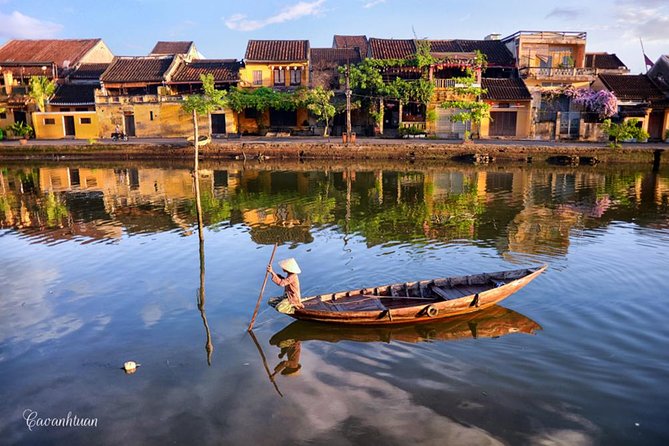
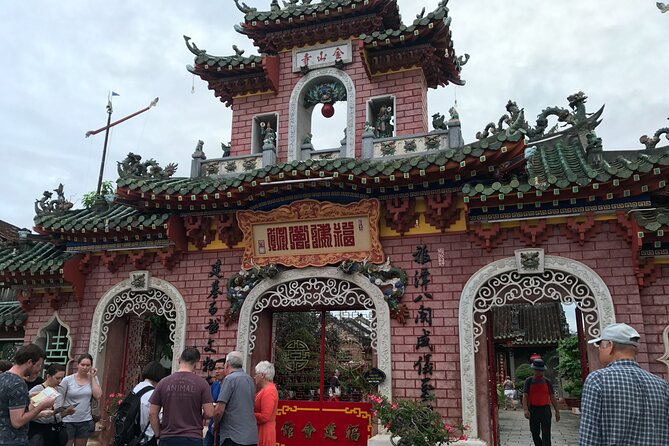
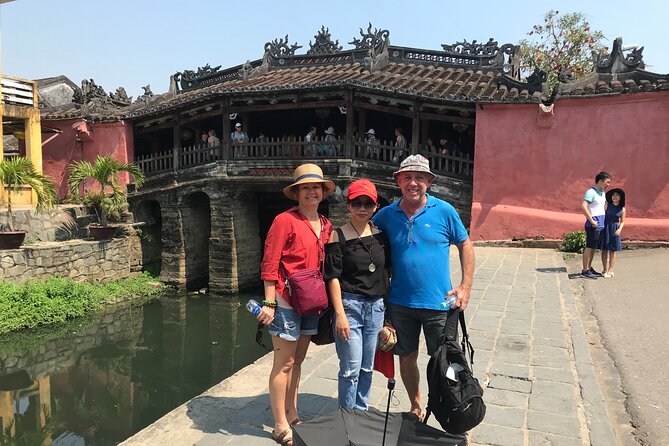
The tour begins with Hoi An Ancient Town, the part most visitors come to see. The guide takes you through the historic center and points out major sights, including Chua Cau, better known as the Japanese Covered Bridge, and the Phuc Kien Assembly Hall, also called the Fujian Assembly Hall.
These are not quick photo stops in the way they might be on a bus tour. The stated walking time is about 90 minutes, giving the guide room to explain the buildings and the city’s place in Vietnamese culture. You can expect the focus to be on history, architecture, and local customs, rather than on a long list of dates.
The Japanese Covered Bridge is one of Hoi An’s most recognizable landmarks. Its name makes it sound simple, but it is also a useful symbol of the town’s past connections with overseas trading communities. The tour gives you a chance to see it as part of the old street plan, not just as an isolated photograph.
The Fujian Assembly Hall offers a different view of Hoi An. Assembly halls were linked to overseas Chinese communities and served social and religious purposes. Here, a guide can help you notice details that are easy to miss when you wander alone, from the layout to the decorative elements and the cultural role of the building.
Admission is listed as included for the Ancient Town stop. Still, you should pay attention to opening times if you choose an afternoon departure. One booking had to be shifted because some old houses and the assembly hall close around 6 p.m. The practical lesson is simple: if these interiors matter to you, do not book too late in the day.
A guide also helps with the old town’s general rhythm. Hoi An is not a place you need to conquer at speed. Its appeal comes from turning down a lane, noticing a shopfront, and learning why a building looks different from the one next door. Kim is described as particularly patient and friendly, while Mr Thai is praised for explaining the main sights and wider Vietnamese history.
There is one issue to watch. The tour’s purpose is sightseeing and food, but one guest felt the guide focused too much on a tailoring shop. Hoi An is famous for made-to-measure clothing, so a shop visit is not an odd addition to the city. It can be useful if you want clothes made, but it may feel like a sales detour if your priority is heritage. Tell your guide at the start if you do not want shopping time.
Moving from old buildings to Hoi An Market
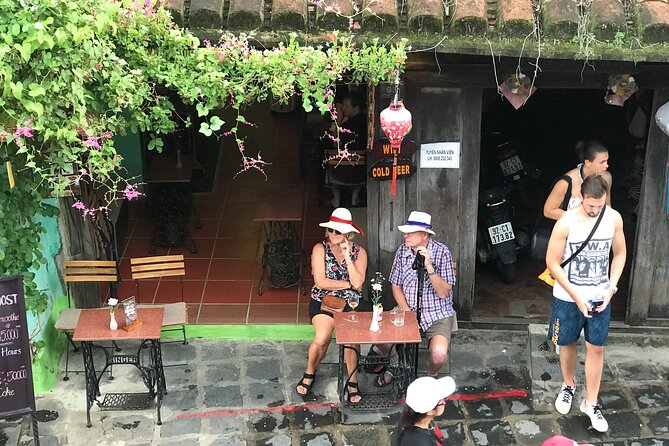
After the walking portion, the tour heads to Hoi An Market for about 45 minutes. This is where the experience changes character. Instead of looking at the town, you taste it.
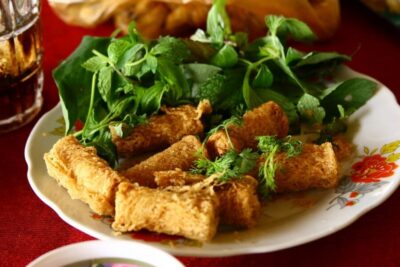
The food is described as local dishes and special drinks, with meals included according to the planned route. Some bookings also mention tea, lunch, and a range of local specialties. The exact dishes are not specified, so you should not book this expecting a fixed tasting menu with named courses.
That uncertainty can be a plus if you enjoy discovering what is available that day. It can also be a drawback if you have strict dietary needs or want a carefully designed food itinerary. Ask the provider what food is planned before booking if allergies, vegetarian requirements, or strong dislikes are important.
The strongest praise for the tour centers on the food as well as the guides. Some bookings describe it as excellent or even exceptional, while another found the quality very average and objected to food being served on wooden plates they considered unhygienic. I would set expectations at local market food, not restaurant dining. The setting and dishes may feel more authentic than polished, but the presentation may be plain.
A second practical point comes from the timing. One person had taken a cooking class earlier and found some of the food similar. If you are stacking several food experiences in one day, overlap is possible. This tour makes more sense when you want your town walk and food stop combined, not when you are already booking a separate cooking class and an evening food tour.
The food stop is still valuable because it gives the guide another way to explain Hoi An. A dish can lead to a conversation about regional ingredients, eating habits, and the difference between a market snack and a full meal. That kind of context is hard to get from a restaurant menu alone.
Drinks are included in the described food stop, but water during the meal may not be. Bottled water is listed among the inclusions, while water with the meal is listed separately. If you want a particular drink or extra water, carry some cash for personal purchases.
Guides, pace, and the private format
The names that come through most clearly are Kim and Mr Thai. Kim is described as patient, warm, and willing to adjust the pace. She has also helped with questions about shopping and getting from Da Nang to Hoi An. Mr Thai is praised for explaining the city’s principal sights and Vietnamese history.
The operator may assign a different guide, and the experience can vary with the person leading it. The supplied information also includes a reference to a guide called Medan in a complaint about a tailoring stop. That mixed naming suggests you should not assume a particular guide is guaranteed unless the provider confirms it.
The private arrangement is one of the tour’s better features. Only your group participates, so you can ask for more detail at a shrine or move along when a stop does not interest you. The tour is also suitable for most travelers, and it runs near public transportation.
Transport may be by car or bike. Pickup is offered, but the location matters. A booking from a Da Nang hotel involved an added fee of 150,000 Vietnamese dong each way, or 300,000 dong for the round trip. That is separate from the advertised $39 price, so confirm before booking if you are staying outside Hoi An.
For a hotel within Hoi An, pickup may be simpler, but the exact arrangement is not specified. The safe approach is to send your hotel name and request a clear price in writing. This avoids the sort of confusion that can sour an otherwise pleasant morning.
A few more food tours around Hoi An worth comparing
- Hoi An Countryside Vespa Tour: Food, Culture & Daily Life
★ 5.0 · 406 reviews - Hoi An at Sunset: Authentic Local Street Food Tour
★ 4.5 · 329 reviews - Hoi An Street Food Walking Tour with Tastings
★ 5.0 · 317 reviews - Hoi An street food tour with Billy
★ 5.0 · 273 reviews
Is $39 good value?

At $39 per person, the tour offers a private walking guide, local food, bottled water, and transport by car or bike, along with the stated admissions. For a solo visitor or couple who want a quick orientation, that is a fair package. You are paying for time saved, local explanation, and a food stop in one booking.
The value improves if you are visiting Hoi An for only a day or two. You can cover the key center sights in 90 minutes, learn where the market is, and decide what deserves a return visit. You also avoid spending your first hours trying to work out the old town’s layout.
The value is less clear if you are already staying in the center, enjoy researching history on your own, or have a strong food agenda. Hoi An Ancient Town is walkable, and the tour does not promise an extensive list of tastings or a specialist culinary program. In that case, you may prefer to hire a guide only for the heritage sights and choose your own restaurants later.
The price also needs to be viewed alongside transport. A Da Nang pickup can add 300,000 dong round trip, according to the provider’s explanation of one booking. That may still be reasonable for the convenience, but it means the headline price is not the full cost for every starting point.
Who will enjoy this Hoi An experience?
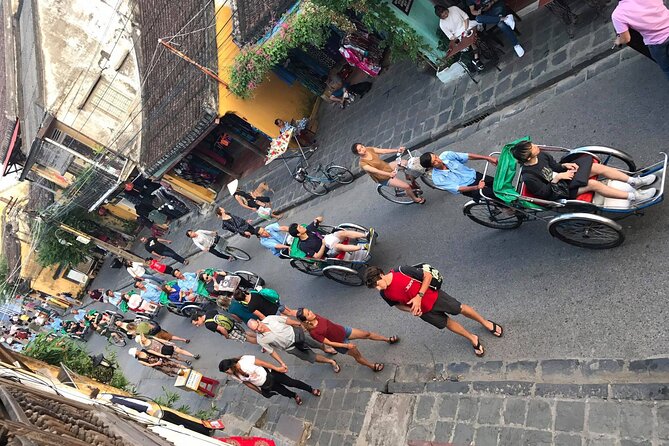
I would recommend it most strongly to first-time visitors who want a clear introduction without committing to a full-day excursion. It suits couples, families, and small private groups who prefer to ask their own questions and set a comfortable pace.
It is also a good fit if you are staying in Da Nang and want help reaching Hoi An. One booking specifically praised the guide for helping with the trip from Da Nang and back. Confirm the surcharge first, then decide if the door-to-door convenience is worth it.
The tour may work well for people who like food as part of a cultural walk. You get the old town and market in one compact outing. You may enjoy it less if you expect a high-end food experience, spotless restaurant-style presentation, or a long list of carefully selected dishes.
I would also be cautious if shopping is not your thing. Tell the guide firmly but politely that you want the time used for sights and food. A private tour gives you a better chance of keeping the route aligned with your interests.
The overall rating is 4.7 from 42 ratings, with 93 percent recommending it. Those numbers point to a generally strong experience, but the low scores show where expectations can misfire: food quality, serving conditions, schedule changes, and transport charges. I would book it for the guide-led orientation, not solely for the meal.
Booking details and timing that matter
You can choose a morning or afternoon departure. Morning is the safer choice if you want the old houses and assembly hall open, while afternoon may suit you if you prefer a later start. Since the walk is outdoors and on foot, consider the heat when choosing your time.
Confirmation is provided at booking. The tour includes mobile ticketing, and free cancellation is available until 24 hours before the start time. Cancel within 24 hours and the payment is not refunded, so do not leave changes until the last minute.
Children receive a child rate only when sharing with two paying adults. Most travelers can participate, but the experience is a walking tour, so anyone who needs a special pace or assistance should clarify arrangements before booking.
Bring comfortable shoes, a phone, and some money for personal purchases. Tips and personal fees are not included. The operator lists meals, bottled water, a guide, and car or bike transport as included, but extra drinks and possible out-of-area pickup charges should be checked.
Should you book it?
Book this tour if you want a private first look at Hoi An with history, landmarks, and a local food stop in one short outing. Kim and Mr Thai are strong names to request, though guide assignment is not guaranteed.
Skip it if you want a serious food tour, dislike possible shopping stops, or expect the meal to feel polished and uniform. Before paying, confirm your pickup point, any Da Nang supplement, the food plan, and your preferred departure time. With those details settled, the tour offers a useful and reasonably priced way to get your bearings in Hoi An.
FAQ
How long does the Hoi An Old Town and local Food tour last?
The experience lasts approximately 3 to 4 hours. Around 1 hour and 30 minutes is planned for Hoi An Ancient Town, followed by about 45 minutes at Hoi An Market.
What sights are included?
The walking route includes Hoi An Ancient Town, the Japanese Covered Bridge, also called Chua Cau, and the Phuc Kien Assembly Hall, also called the Fujian Assembly Hall. Admission is listed as included.
Is this a private tour?
Yes. Only your group participates, rather than joining a larger shared group.
Is pickup available?
Pickup is offered, and transport may be by car or bike. An extra fee has applied for pickup and drop-off from Da Nang, so confirm the cost based on your hotel location.
What food is included?
Local food and special drinks are included according to the planned meal itinerary. Bottled water is included, but water with the meal is listed separately. The exact dishes are not specified.
Can I cancel for a refund?
You can cancel at least 24 hours before the experience start time for a full refund. Cancellations or changes made within 24 hours are not accepted for a refund.
Just added around Hoi An
- Cook Like a Local: Your Personalized Vietnamese Culinary Journey★ 5.0 · 185 reviews
- Hoi An city and Food tour★ 5.0 · 35 reviews
- PRIAVATE DaNang CITY TOUR-FOOD TOUR-Sunset BOAT TRIP on Han river★ 5.0 · 63 reviews
- Hoi An Street Food Walking Tour with Tastings★ 5.0 · 317 reviews
- Hoi An Street Food Tour – Eat like a local – PRIVATE TOUR★ 5.0 · 92 reviews
- Vegan Food Tour – Untold Stories of Hoi An★ 5.0 · 79 reviews
- Hoi An street food tour★ 5.0 · 92 reviews
- Hoi An street food tour with Billy★ 5.0 · 273 reviews
Food Tours in Hoi An, compared.

Evening Walking Food Tour, folk game and lantern boat
Read our review →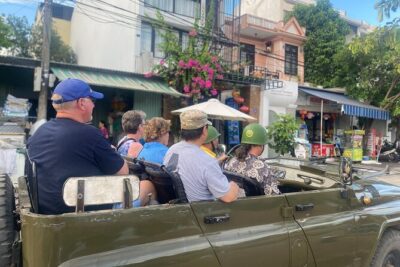
Hoi An Countryside Jeep Tour: Food, Culture & Daily Life
Read our review →

Hoi An Countryside Vespa Tour: Food, Culture & Daily Life
Read our review →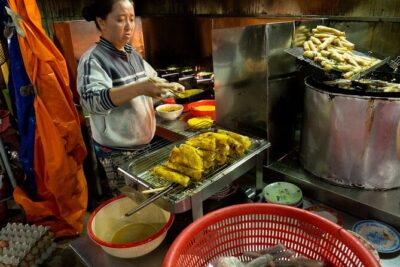
Hoi An at Sunset: Authentic Local Street Food Tour
Read our review →
Evening Food Tour with 7 Tastings and Boat Trip
Read our review →Browse the lists this tour appears in