
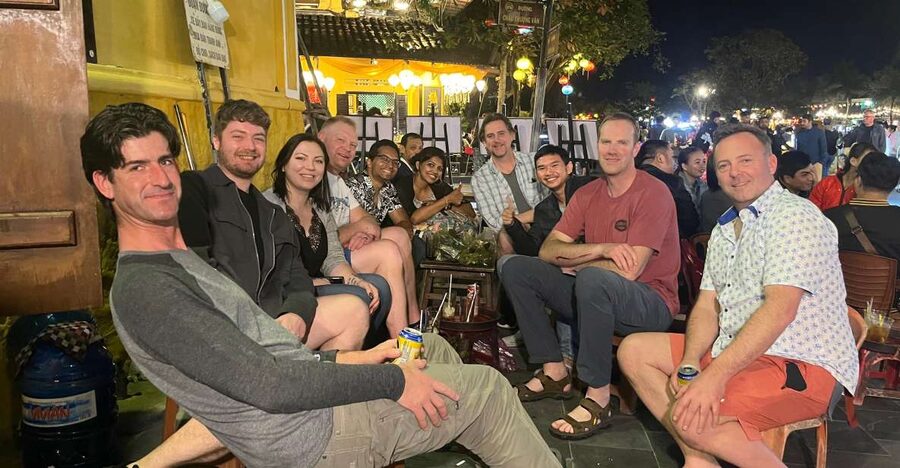
REVIEW · HOI AN
Hoi An hiden food adventure
Hoi An’s best food is often served away from its polished restaurant fronts. This three-hour walk takes you into family-run kitchens, small eateries, and back lanes for dishes such as cao lau, Hoi An dumplings, wontons, banh beo, banh mi, satay, and black sesame soup. Guides such as Tham, Vu, Uyen, and Phi have been warmly praised for making the food and local stories easy to understand.
I like two things here: the variety is excellent, with six or seven foods and drinks included, and the tour gives you more than a meal by visiting homes, an old local dumpling workshop, and places tied to traditional recipes. I also like the timing advice: book it on your first night, so your guide can help you choose later meals and activities.
The main consideration is that this is a walking and eating marathon in a short three hours. You should arrive hungry, tell the guide about allergies or dietary needs at the start, and remember that alcohol, extra drinks, tips, and the Hoi An old town entrance ticket cost extra.
Key points at a glance
- Six to seven local foods in three hours: Expect a full tasting route rather than one sit-down dinner.
- Family recipes and home kitchens: Some stops take place in local homes or small family businesses.
- Cao lau with a story: Learn why this famous noodle dish depends on local methods and ingredients.
- Quiet lanes beyond the main streets: The walk shows daily life and old buildings away from the busiest tourist paths.
- Vegetarian choices are available: Tell the guide clearly about preferences, allergies, or restrictions.
- Best on your first night: Use the guide’s food and sightseeing advice for the rest of your stay.
Why this food walk works well on your first night
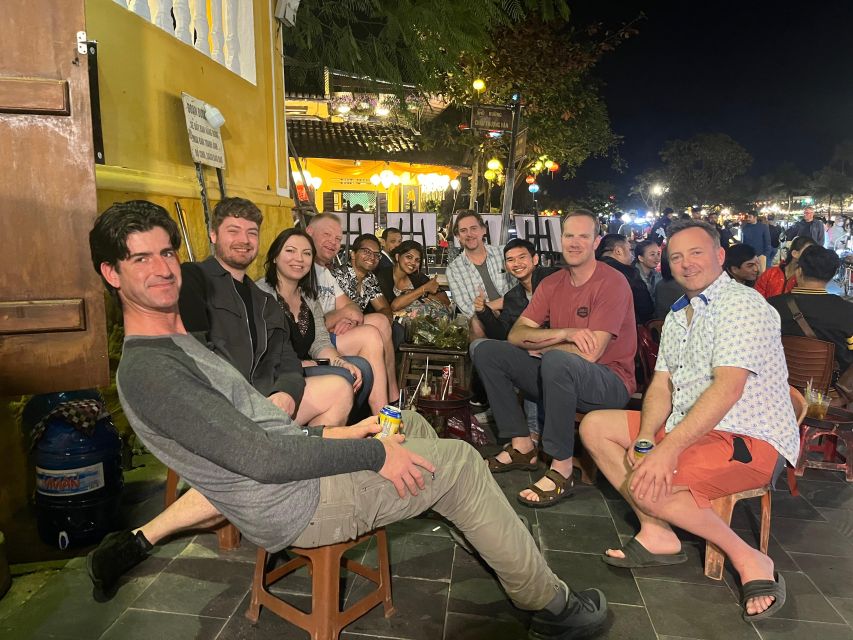
A first evening in Hoi An can feel confusing. The lantern-lit old town is easy to enjoy, but the best small food stops are not always obvious from the street. A local guide gives you a useful introduction to the town’s eating habits, family businesses, and less-used lanes before you set out on your own.
The meeting point is usually at Hoi An Church, at 106 Nguyen Truong To Street. One booking option lists Starbucks on Tran Hung Dao, also at 106 Nguyen Truong To, so check the exact meeting point attached to your selected option. The tour finishes at Chua Cau, the Japanese Covered Bridge, putting you near the old town and the Hoai River.
This location makes practical sense. You begin outside the main sightseeing core, walk through local streets, and finish at one of Hoi An’s best-known landmarks. You are not simply being taken from restaurant to restaurant. The route connects food with the town’s homes, old buildings, wells, and riverfront.
More Food Tours in Hoi An
- Evening Walking Food Tour, folk game and lantern boat
★ 5.0 · 665 reviews - Hoi An Countryside Jeep Tour: Food, Culture & Daily Life
★ 5.0 · 414 reviews - Hoi An food tour
★ 4.9 · 412 reviews
What you eat, from banh beo to black sesame soup
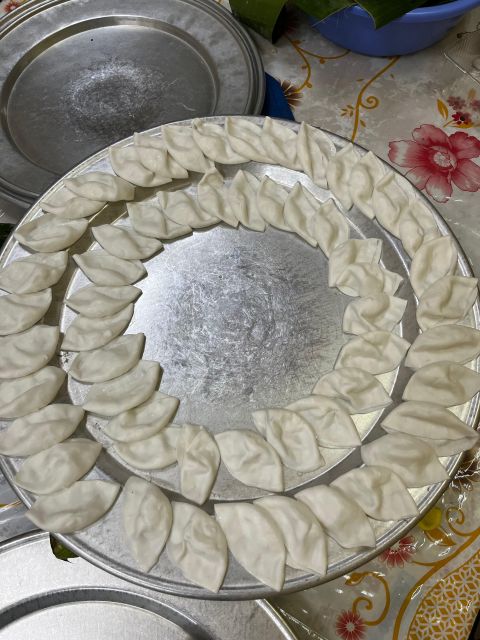
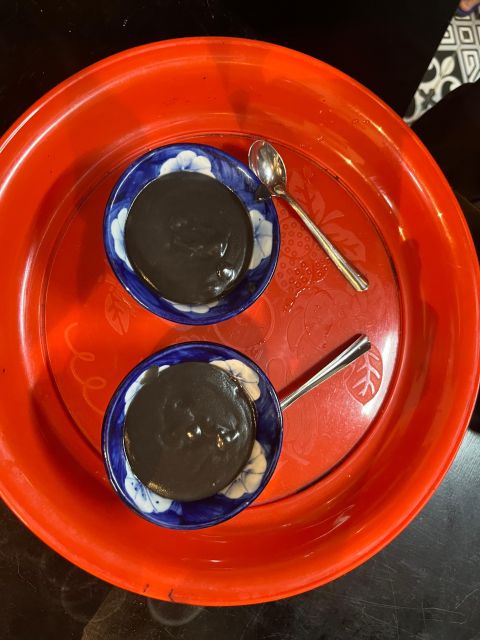
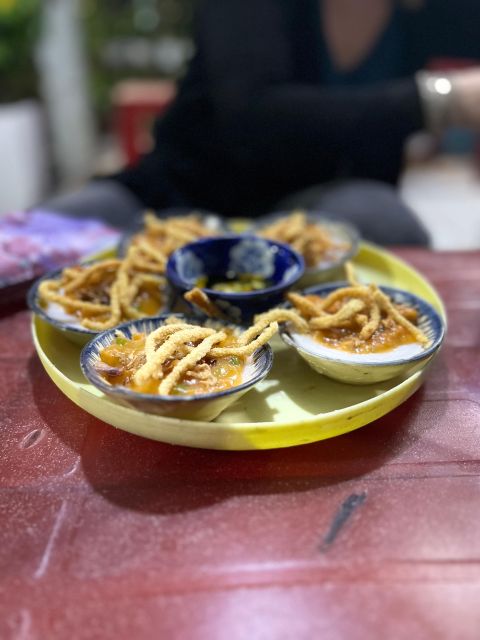
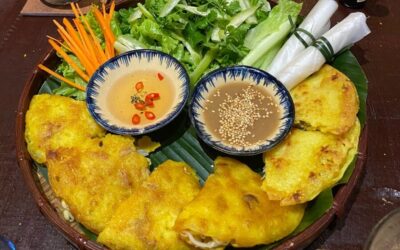
The exact order can change, but the advertised food list gives you a good idea of the evening. You may taste banh beo, a small water-fern cake, Hoi An dumplings, Hoi An wontons, banh mi, Hoi An satay, cao lau noodles, and black sesame soup.
That is a broad cross-section of Hoi An food. Some dishes are light and delicate, while others are filling. Cao lau and banh mi can make you feel that you have already eaten a full dinner, yet the route continues with snacks and dessert. Go easy on lunch and arrive properly hungry.
Banh beo is a good early introduction to the local style of eating. Its small size makes it easy to try, and the texture is quite different from a standard noodle or rice dish. Hoi An dumplings and wontons show another side of the town’s food culture, with recipes that local families have kept and adapted over many years.
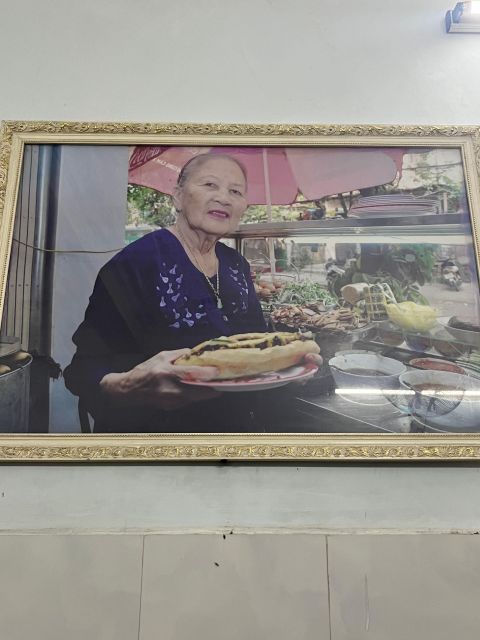
Banh mi gives the tour a familiar reference point, but this is not just a chance to order a sandwich and move on. Your guide can explain how local fillings and preparation differ from what you may have tried elsewhere in Vietnam. Hoi An satay adds another change of pace before the more substantial noodle course.
Black sesame soup often serves as a memorable finish. It is sweet, warm, and very different from the desserts many visitors expect. If you have a sweet tooth, keep room for it. Several guides have also used iced tea or another nonalcoholic drink to close the evening.
The number of dishes matters more than the name of each stop. One route may include seven stops, while another may offer around eight small food visits and more than seven dishes or snacks. You should think of this as a tasting route, not a fixed restaurant menu.
Cao lau, Ba Le Well, and the story behind a Hoi An specialty
Cao lau is one of the strongest reasons to book this walk. The dish is associated closely with Hoi An, and the guide explains the local method rather than simply placing a bowl in front of you.
Part of the story involves the water used in preparing the noodles. Guides have pointed out Ba Le Well, an old well connected with the dish and still used by local makers. You also learn why cao lau has its distinctive texture and why a recipe linked to centuries of local cooking remains such a point of pride.
This is where the tour becomes more useful than a standard food crawl. Food tastes better when you understand the work behind it. You may leave Hoi An able to identify cao lau on a menu, but you will also know why it is not just another bowl of noodles.
The old well is not a grand monument, so do not expect a major sightseeing stop. Its value lies in the story. The guide helps you notice how a simple local place can matter to the food served across town.
Family homes and a 100-year-old dumpling workshop
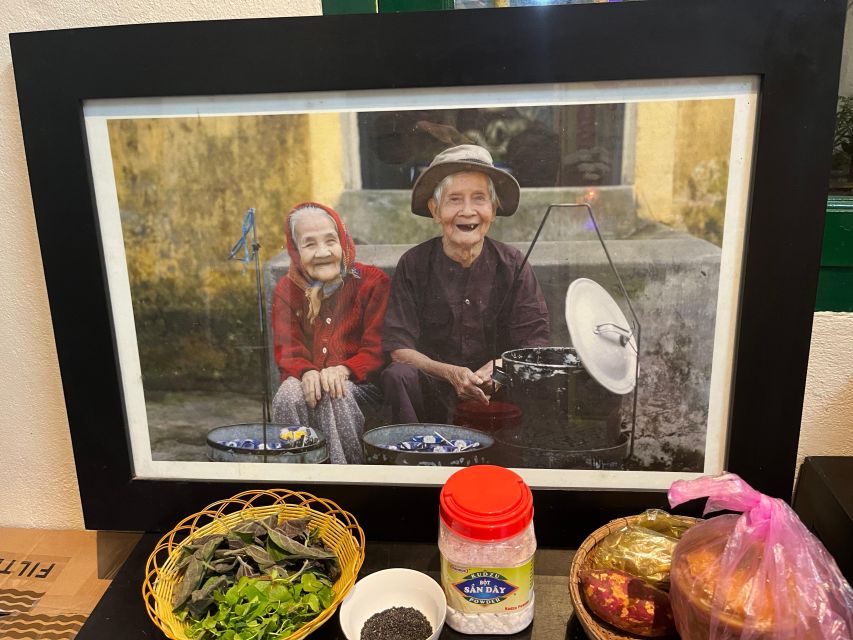
The most unusual part of the experience is the chance to visit food makers in their own settings. Some stops take place in local homes or living rooms, where families prepare Hoi An specialties using recipes passed down through generations.
You may also visit a local workshop that has been producing Hoi An dumplings for around 100 years. The appeal is not fancy equipment or a staged cooking show. It is the connection between a dish on your plate and the people who still make it as part of daily work.
These visits also give you a brief look at how families live and prepare food. You are not only walking through commercial streets. You may see narrow lanes, household kitchens, and small businesses that are easy to miss if you stay on the main route.
Keep your expectations respectful and modest. This is a short visit, not a full cooking class, and the details can vary by day. The value comes from seeing food made in a real family setting, then tasting it while your guide explains the recipe and its place in Hoi An life.
A few more food tours around Vietnam worth comparing
- Hanoi Jeep Tour: Food, Culture and Fun by Vietnam Army Jeep
★ 5.0 · 15,222 reviews - Ho Chi Minh City Street Food Tour & Sightseeing By Motorbike
★ 5.0 · 9,413 reviews - Hanoi Motorbike Tour: Food, Culture and Fun by Vintage Motorbike
★ 5.0 · 6,699 reviews - Hanoi: Guided Food Tour with Train Street Visit
★ 4.9 · 6,239 reviews
Backstreets, old buildings, and the Hoai River
The walking is as important as the eating. Your guide leads you through quieter roads and narrow back lanes where you can see local people going about ordinary routines. That changes your view of Hoi An from a picture-postcard old town into a living place.
You will also pass old buildings and hear local stories connected with the town. The tour does not promise a full historical walking tour, but the food gives the guide a natural way to explain Hoi An’s past, customs, and changing neighborhoods.
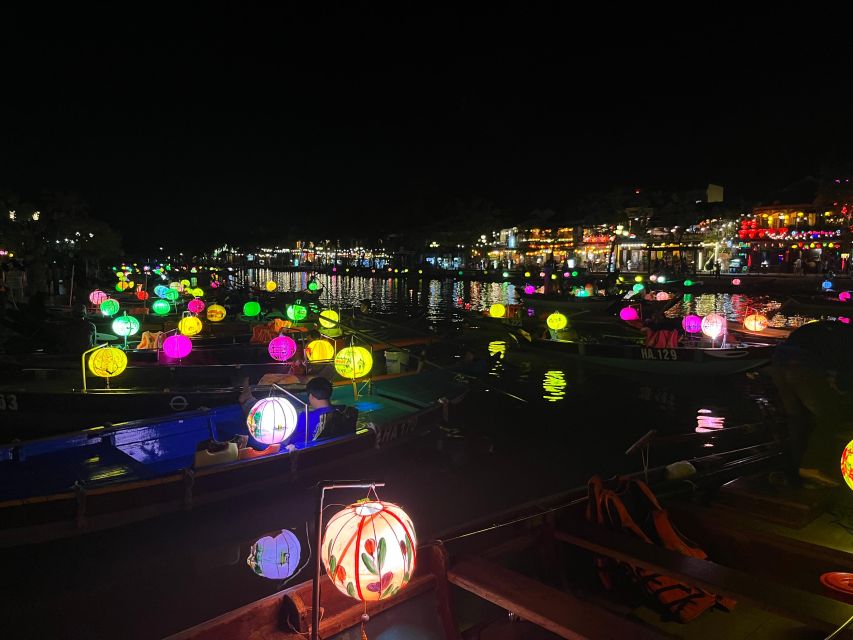
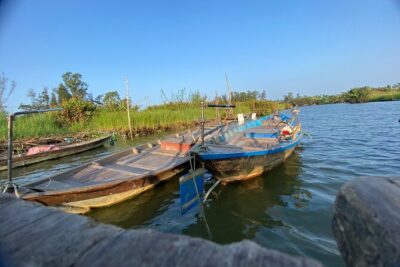
The route finishes near Chua Cau and the Hoai River. This is a pleasant ending after several food stops. You can take in the lanterns and river views, then continue exploring the old town if you have energy left.
The main trade-off is pace. Three hours sounds generous, but seven or more food stops, conversations, and walking leave little time for long photo breaks. If you want a slow architectural tour, book a separate sightseeing walk. If you want food with a sense of place, the pace should suit you.
How much food should you expect?
The short answer is a lot. The plan includes six or seven different foods and drinks, while some routes have more individual snacks spread across several stops. Several guides have been praised for serving enough food to make the tour feel like dinner.
I would not schedule a formal restaurant meal afterward. You can certainly keep eating later, but most people should finish satisfied. The food arrives in tasting portions, yet the total adds up quickly.
This format is useful if you are unsure what to order in Hoi An. You get several small samples instead of committing to one unfamiliar dish. You can also remember the places and return later, though the tour’s point is to show you how to find them in the first place.
If you eat vegetarian food, say so before the first stop. Vegetarian alternatives are offered, and guides have adjusted dishes at each location for people with different diets. For peanut or shrimp allergies, explain the restriction clearly and repeat it if needed. One of the strongest practical features of this experience is the guide’s attention to food concerns, but you should still take responsibility for communicating them precisely.
The guides make a real difference
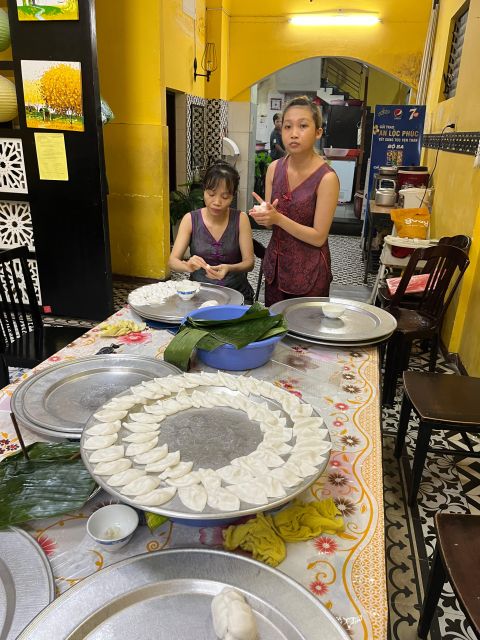
The experience depends heavily on the person leading it. Names connected with recent departures include Tham, Vu, Uyen, Phi, Nhuoc, Danny, Viet, and Nhouc. You may not receive a particular guide, but the repeated pattern is clear: the guide is expected to explain dishes, introduce food makers, and help you move comfortably through the town.
Tham is especially often praised for patience, warmth, and clear explanations. Vu has led routes that included local families, Ba Le Well, and several traditional foods. Uyen has also guided morning departures, showing that the experience may not always be limited to an evening start.
English is the listed tour language. Speaking speed and accent can vary from one guide to another, so do not hesitate to ask for a dish or story to be repeated. The tour is conversational, and questions are part of its value.
A private group option is available. That can be worthwhile if you have young children, different dietary needs, or a group that prefers to move at its own pace. A regular shared departure may be the better value if you are comfortable meeting other people.
Is $23 good value for three hours?
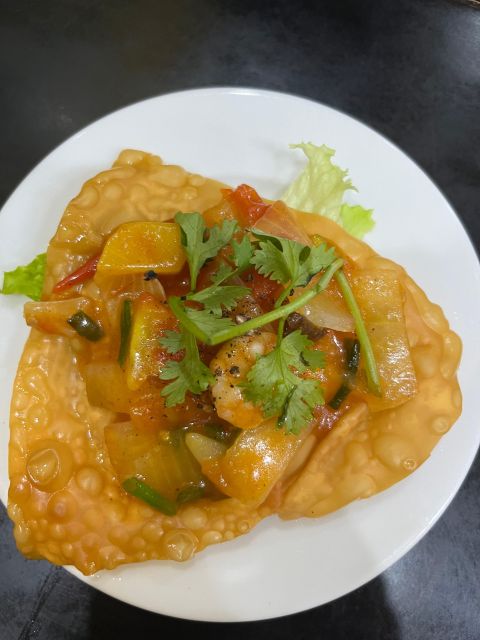
At $23 per person, this is good value if you treat it as both dinner and a guided introduction to Hoi An. The price includes the English-speaking guide, all the food described in the route, water, and one drink at the end.
You are paying for access as much as for ingredients. A bowl of noodles or a plate of dumplings on its own may be inexpensive in Vietnam. Finding several family-run stops, understanding what to order, and connecting each dish with local customs is harder to do on your first evening.
The price does not include tips, alcohol, other drinks, or the Hoi An old town entrance ticket. Plan for those separately. There is also a stated $37 surcharge for Vietnamese public holidays, with the final amount depending on the option booked. That surcharge is large compared with the standard price, so check it carefully before confirming a holiday departure.
Free cancellation is available up to 24 hours before the activity, and you can reserve now and pay later. Those terms are useful if your Vietnam plans are still shifting, but they do not change the need to check the meeting point and holiday price.
Small details that will make the evening easier
Wear comfortable shoes. You will be walking for about three hours, and the route includes streets and back lanes rather than only smooth restaurant floors.
Bring a light appetite, but not an empty stomach if you have a sensitive digestive system. The number of tastes is generous, and you may find some flavors, textures, or spice levels unfamiliar.
Ask at the beginning about the route and the dishes. If you have a strong preference for vegetarian food, no seafood, or no peanuts, make the request before eating rather than at the final stop.
The tour can be a good choice for couples, families, and solo visitors. An eight-month-old child has joined a private departure, but no formal child policy is provided, so confirm details if you are booking with a baby or young children.
Who should book this Hoi An food adventure?
Book it if you want to eat local specialties but do not know where to start. It suits you especially well if you enjoy small family businesses, food stories, and walking through ordinary neighborhoods rather than spending the entire evening in a polished restaurant.
It is also a strong choice for vegetarians who want help finding suitable versions of local dishes. The guide can explain substitutions and check each stop, which removes much of the guesswork.
You may want to skip it if you dislike walking, prefer one long restaurant meal, or need a strictly fixed menu. The stops can vary, and the evening is built around tasting several foods in different places.
For most visitors, I would book it on the first night in Hoi An. You get dinner, a local orientation, a look at family food traditions, and practical ideas for the rest of your stay for $23. Just arrive hungry, check the holiday surcharge, and treat the guide’s dietary questions seriously.
FAQ
How long does the Hoi An Hidden Food Adventure last?
The tour lasts three hours. It includes walking through Hoi An, guided commentary, and food tasting at several stops.
Where does the tour start?
The meeting point may vary by booking option. Listed starting points include Starbucks Tran Hung Dao Hoi An and Hoi An Church at 106 Nguyen Truong To Street.
Where does the tour finish?
The tour finishes at Chua Cau, also known as the Japanese Covered Bridge.
What food is included?
The advertised foods include banh beo, Hoi An dumplings, Hoi An wontons, banh mi, Hoi An satay, cao lau noodles, and black sesame soup. The route includes six to seven different foods and drinks, though the exact stops may vary.
Are vegetarian options available?
Yes. Vegetarian options are available. Tell the guide about your dietary needs at the start of the tour.
What is included in the $23 price?
The price includes an English-speaking guide, the food mentioned in the tour plan, water, and one drink at the end. Tips, alcohol, extra beverages, and the Hoi An old town entrance ticket are not included.
Just added around Vietnam
- Hue: Night Street Food Tour by Cyclo with a Local Guide★ 4.7 · 28 reviews
- Hue: Guided Local Food Tour with Stories★ 4.9 · 199 reviews
- Hoi An Vegan Cooking School with Local Chef and Basket Boat★ 4.8 · 31 reviews
- Hoi An: Unique Street Food Tour★ 4.4 · 43 reviews
- Hoi An: Sunset Food Tasting Tour★ 4.6 · 87 reviews
- Ho Chi Minh City: Private Street Food Evening Walking Tour★ 5.0 · 436 reviews
- Hoi An Vegan Food Tour★ 4.9 · 51 reviews
- Hoi An: Evening Food Tour with 7 Tastings and Boat Trip★ 4.9 · 266 reviews
Food Tours in Hoi An, compared.
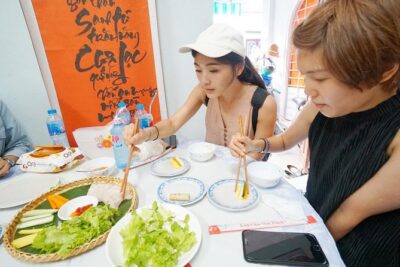
Evening Walking Food Tour, folk game and lantern boat
Read our review →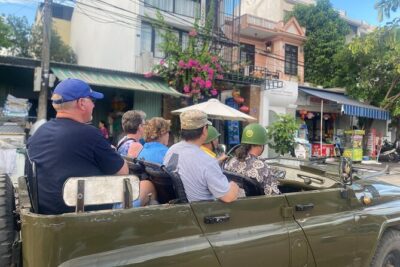
Hoi An Countryside Jeep Tour: Food, Culture & Daily Life
Read our review →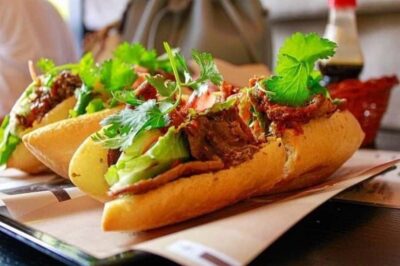
Hoi An Countryside Vespa Tour: Food, Culture & Daily Life
Read our review →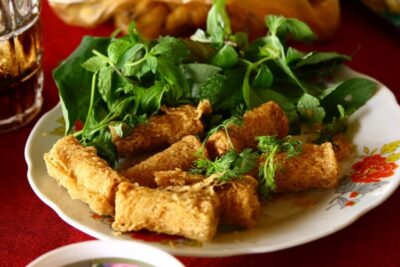
Evening Food Tour with 7 Tastings and Boat Trip
Read our review →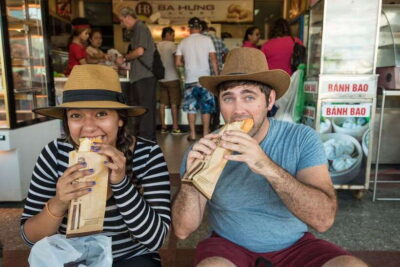
Browse the lists this tour appears in