
REVIEW · SINGAPORE
Singapore: Chinese, Indian & Arabic Quarters, Culture & Food Tour
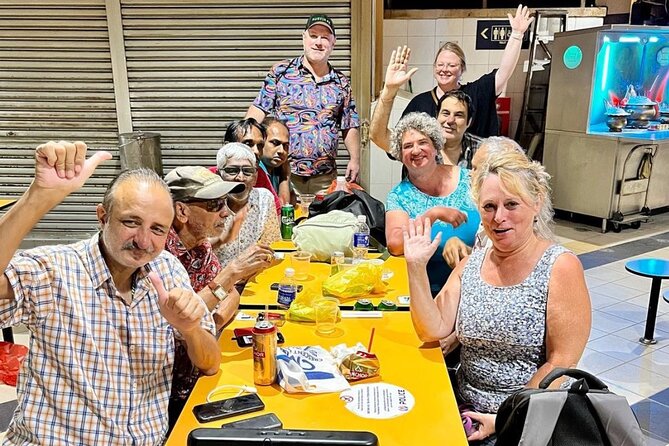
Singapore’s best introduction may come on a plastic stool with a plate of hawker food in front of you. This small-group tour links Chinatown, Little India, and Kampong Glam through food, old streets, religious sites, and the stories of the people who shaped the city.
I like the generous tastings and the way the tour uses UNESCO-inscribed hawker centres rather than dressing up Singapore for show. I also like Gerry’s personal angle as a fourth-generation Singapore-Chinese-Peranakan guide. The main caution is simple: this is a long, food-heavy walking day in the heat, and the tour is not a good fit for vegetarians, people with gluten intolerance, or those with strict dietary needs.
Key points at a glance
- Three distinct neighborhoods: See Chinatown, Little India, and Kampong Glam in one well-packed morning and afternoon.
- A serious amount of food: Lunch, dinner, snacks, drinks, tea, coffee, soft drinks, and alcohol are included.
- Gerry’s local perspective: Expect family stories, historical context, and practical help with Singapore’s MRT and buses.
- Small-group format: The maximum group size is eight, which gives you room to ask questions and keep up with the guide.
- Mostly on foot: One account recorded about 9,050 steps, so bring water, sun protection, and a healthy appetite.
- Best for flexible eaters: The food is central to the experience, and dietary restrictions can limit what you can enjoy.
Why this tour works as a first day in Singapore
I like tours that help you understand a city instead of simply pointing at its famous buildings. This one gives you three useful introductions at once: how Singapore’s food culture works, how different communities shaped the city, and how to move between neighborhoods using public transport.
Gerry is a fourth-generation Singapore-Chinese-Peranakan guide. That background matters because the tour is not only a parade of dishes. You get personal connections to Singapore’s food and communities, along with stories about the city’s past and present. He also uses old images to show how streets looked before modern Singapore replaced much of the earlier city.
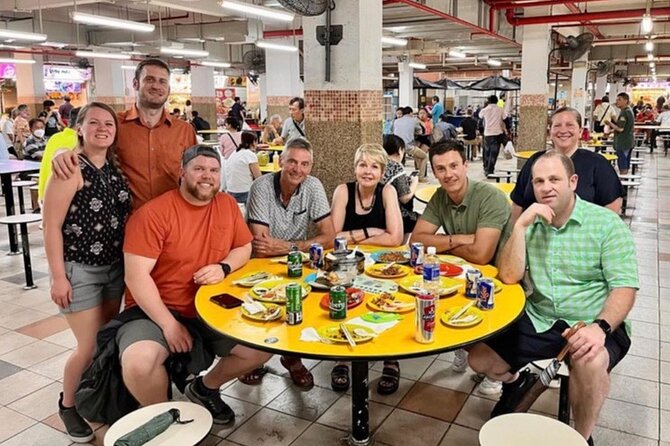
The group size is limited to eight. That is small enough for a conversational feel, especially when you are standing around a food stall or walking through a market. It also makes it easier to ask about ingredients, customs, or the details you would likely miss on your own.
The tour begins at 9:00 a.m. in Chinatown and ends back at the meeting point. The stated duration is about five hours and thirty minutes, though I would allow closer to six hours in your day. You will eat repeatedly, walk between stops, and use the MRT and a bus during the day, according to the tour experience described by past participants.
A few more food tours around the world worth comparing
- Reykjavik Food Walk – Local Foodie Adventure in Iceland
★ 5.0 · 18,952 reviews - Hanoi Jeep Tour: Food, Culture and Fun by Vietnam Army Jeep
★ 5.0 · 15,222 reviews - From Marrakech: Merzouga 3-Day Desert Safari with Food
★ 4.7 · 12,232 reviews
Chinatown: food, old streets, and hawker culture
Chinatown is the first neighborhood, with about an hour and fifteen minutes devoted to exploring its streets and food culture. This is a useful starting point because Singapore’s hawker tradition is one of the clearest ways to see how everyday life, migration, and cooking came together.
The food is sourced from UNESCO-inscribed hawker centres. That does not mean you are visiting a formal museum of food. You are eating in working public food halls where Singaporeans buy affordable meals, and where dishes from several communities sit side by side.
Expect several tastings rather than one standard restaurant meal. The included food can cover lunch, dinner, snacks, and drinks, so pace yourself at the first stop. One especially memorable item highlighted during the tour was soup dumplings at Chinatown Complex, but the exact food selection can vary.
Gerry also explains the struggles of early Chinese communities and how Chinatown developed. The old photographs he carries on an iPad add something useful here. Instead of hearing only dates and names, you can compare the street in front of you with an earlier version of the same place.
This stop is more than a quick photo opportunity. You learn how to read a hawker centre, how food connects to Singapore’s ethnic communities, and why these centres matter to local life. I would pay close attention here, because the ideas introduced in Chinatown help make sense of the later stops.
Little India: markets, temples, and strong flavors
The second neighborhood is Little India, also planned for about an hour and fifteen minutes. The mood changes quickly. You pass fresh fruit and vegetables, flower garland stalls, traditional clothing shops, incense stores, and market streets filled with color and scent.
The walking route includes local shopping areas and a wet market. That makes the stop feel more like a look at a working neighborhood than a short visit to a single attraction. On a busy day, the market can be crowded, so stay close to the group and leave room for people carrying purchases.
Food is a major part of this stop. The flavors are described as rich and spicy, and you should expect another substantial round of eating rather than a small sample. If you enjoy bold seasoning, this may be your favorite section. If you prefer mild food, ask Gerry what you are about to try and take smaller portions when possible.
A Buddhist temple near the market is also part of the route. Gerry places the temple and surrounding streets in a wider historical setting, so the stop is not only about eating. You see how religious life, commerce, and migration overlap in one compact part of Singapore.
This is also where the dietary limits matter most. The experience is not recommended for vegetarians, and it is not recommended for people with gluten intolerance or other dietary restrictions. The tour can include a large range of foods, but you should not book it expecting a fully customized menu.
Kampong Glam: Sultan Mosque and Singapore’s Malay quarter
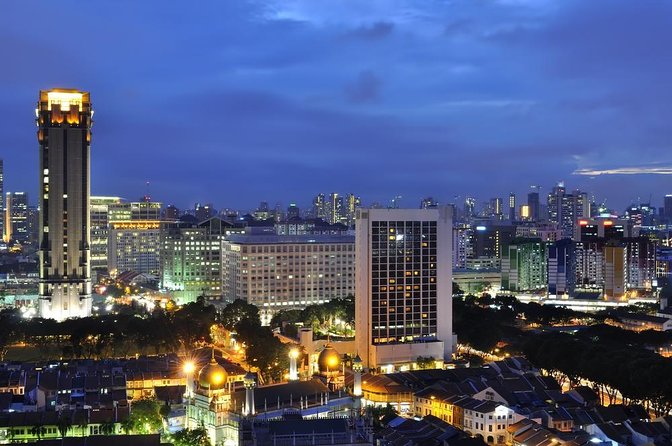
The final neighborhood is Kampong Glam, Singapore’s Malay and Arab quarter. The streets here offer a different architectural and cultural setting, with the grand Sultan Mosque as the main visual landmark.
The tour explains how Kampong Glam came to be and the role of Malay royalty in its early development. You also walk through older streets near restaurants, fabric shops, and carpet sellers. The area’s history is tied to Singapore’s early nineteenth-century development, and the guide connects that past to what remains visible today.
The Sultan Mosque is a powerful stop even if you have already seen Singapore’s modern skyline. Its scale and setting give you a sense of the neighborhood’s importance. The tour focuses on the outside experience and the surrounding quarter in the information provided, so do not book it assuming that a full interior visit is guaranteed.
Kampong Glam is a good final neighborhood because it rounds out the tour. Chinatown introduces Chinese and Peranakan influences, Little India shows South Asian culture and food, and Kampong Glam brings Malay and Arab history into the picture. You leave with a better sense of Singapore as a city shaped by several communities, not as a collection of isolated tourist zones.
The day may finish with ice cream, along with the pleasant problem of being very full. Since alcohol is included, beer or other alcoholic drinks may appear along the way. Non-alcoholic drinks, bottled water, tea, coffee, and soda are also included, so you are not limited to alcohol.
Same city, a completely different plate:
- Dubai: Old Town, Creek, Museums, Souks, & Street Food Tour
★ 4.8 · 10,816 reviews - Madrid: Live Flamenco Show with Food and Drinks Options
★ 4.5 · 9,901 reviews - Ho Chi Minh City Street Food Tour & Sightseeing By Motorbike
★ 5.0 · 9,413 reviews - From Split: Krka Waterfalls, Food & Wine Tasting Tour
★ 5.0 · 9,326 reviews
The food is generous, not symbolic
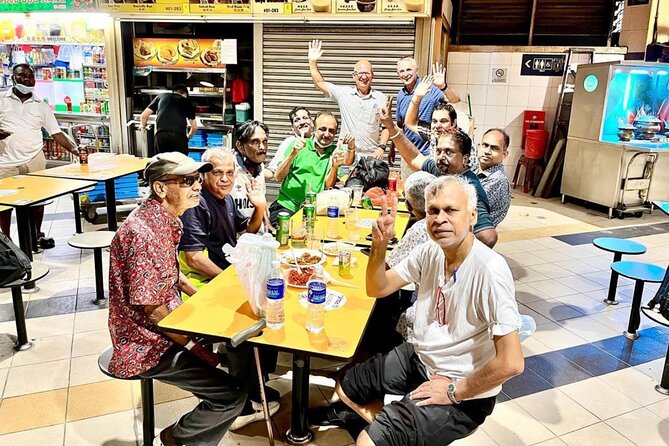
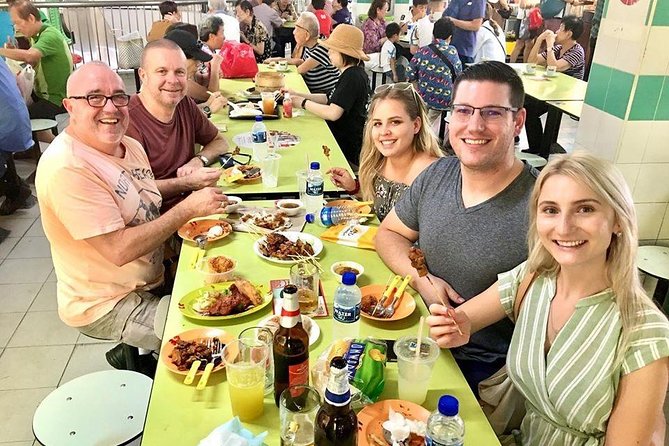
Many food tours offer one bite at each stop and leave you hunting for lunch afterward. This one does the opposite. The portions are generous, and the food keeps coming. Several people needed to remind themselves not to eat too much early in the day because more tastings follow.
That makes the tour good value for anyone who wants meals included rather than a few decorative samples. At $148 per person, the price is not low for a walking tour, but the package includes food across three neighborhoods, alcoholic and non-alcoholic drinks, snacks, and the guide’s time for roughly half a day.
The value depends on how you use it. If you are mainly paying for a list of famous sights, you can find cheaper ways to walk through Chinatown, Little India, and Kampong Glam. If you would otherwise pay separately for several meals, drinks, local transport, and a specialist guide, the cost is easier to justify.
Come hungry, but not recklessly hungry. A light breakfast or an early start without breakfast may work better than arriving after a full meal. You will want enough room for the later stops, especially since the food is not limited to tiny tastes.
The menu is not presented as a fixed list, which is sensible for a tour based in hawker centres. Food availability can change, and Gerry may choose dishes based on what is fresh or suitable for the group. That also means you should be comfortable with a degree of culinary surprise.
A walking tour with real transport practice
The three neighborhoods are spread across Singapore, so this is not one continuous stroll. The tour uses the MRT and a bus to move between areas. I see that as a useful part of the experience rather than a chore.
Singapore’s public transport system can seem easy once you know it, but first-time visitors often need a little practice. Learning how to move between Chinatown, Little India, and Kampong Glam with a local guide can give you confidence for the rest of your stay.
The walking is moderate but persistent. The official information calls for a moderate level of fitness, and one account recorded about 9,050 steps. The tour is also exposed to Singapore’s heat and sun, with time spent outdoors in markets and on streets.
Wear comfortable shoes and light clothing. Carry water even though bottled water is included, because you may not want to wait until the next stop. A hat, sunscreen, and a small bag that leaves your hands free are sensible choices.
This is not a good pick if you need a stroller or personal mobility device. It is also not recommended for children in prams or for people using personal mobility aids. The combination of hawker centres, markets, stairs or uneven transitions, public transport, and long walking stretches can make the day difficult.
Why Gerry makes the difference
A food tour can easily become a list of dishes. Gerry gives this one a stronger shape by linking meals to family experience, neighborhood change, and Singapore’s wider culture.
His style is described as upbeat, funny, and engaged. He answers questions and shares a local point of view while still covering major sights such as the Sultan Mosque, the Buddhist temple near Little India, and Chinatown’s hawker centres.
The personal side is important. His Singapore-Chinese-Peranakan background gives the tour a direct connection to the city’s mixed cultural identity. He also has relationships with food vendors and people across the neighborhoods, which helps the stops feel connected to real local life rather than selected only for photographs.
That said, the experience depends heavily on the guide leading your departure. Gerry is the guide consistently associated with this experience, but you should understand that the value comes from a host-led day, not an audio guide or a self-guided route. If you prefer to wander alone, choose every dish yourself, or spend a long time at one museum, this tour may feel too structured.
Who should book this experience
I would choose this tour if you are visiting Singapore for the first time and want a strong introduction to food, culture, and getting around. It is especially useful early in a trip, when you can return to the neighborhoods and food centres later with more confidence.
It suits people who:
- Want to eat a lot of local food in one day
- Like history explained through streets and daily life
- Enjoy a small group rather than a large coach
- Are comfortable trying dishes without a fixed menu
- Want help using Singapore’s MRT and buses
- Prefer a host with a personal connection to the city
I would think twice if you have a strict diet, avoid meat or gluten, dislike spicy food, or tire easily in heat. The tour is not recommended for vegetarians, people with gluten intolerance, or people with dietary restrictions. It is also a poor match if you want a relaxed morning with little walking.
The maximum group size is eight, which is a strong point for solo visitors. You can ask questions without needing to compete with a crowd, and the group is small enough to feel social. The experience has also worked well for people traveling alone, including a case where a planned group became a private tour when no other participants arrived.
Booking details and cancellation
Pickup is offered, and the meeting point is in Chinatown. The published start time is 9:00 a.m., and the experience ends back at the meeting point. Confirmation is provided when you book, and a mobile ticket is available.
Free cancellation applies up to 24 hours before the start time for a full refund. Changes or cancellations made within 24 hours are not accepted for a refund. The experience needs good weather and a minimum number of participants, so a cancellation by the provider can lead to another date, another experience, or a full refund.
Should you book the Chinatown, Little India, and Kampong Glam tour?
Book it if you want one full, food-filled introduction to Singapore and are happy to walk, eat generously, and follow a local guide’s rhythm. The combination of hawker food, old photographs, neighborhood history, public transport, and three distinct cultural areas gives you much more than a meal crawl.
The $148 price is easiest to defend when you count the included dishes, drinks, transport practice, and roughly six hours of guided time. It is less compelling if you only want a quick taste of Singapore or have dietary limits that prevent you from enjoying much of the food.
My practical advice is to schedule it near the start of your stay, arrive ready to eat, wear good shoes, and keep the rest of the day light. If those conditions suit you, this is a lively and useful way to get your bearings in Singapore without reducing the city to its skyline.
FAQ
Where does the tour start?
The tour starts in Chinatown, Singapore, at 9:00 a.m.
Where does the tour end?
The activity ends back at the meeting point.
How long does the experience last?
The stated duration is approximately five hours and thirty minutes.
How many people can join the tour?
The maximum group size is eight people.
Are food and drinks included?
Yes. The inclusions list lunch, dinner, snacks, bottled water, coffee or tea, soda, and alcoholic beverages.
Is the tour suitable for vegetarians or people with dietary restrictions?
No. The experience is not recommended for vegetarians, people with gluten intolerance, or people with dietary restrictions.
What happens if the tour is canceled because of bad weather or too few participants?
You will be offered a different date or experience, or a full refund.
Just added around the world
- Milan: Street Food Walking Tour★ 4.7 · 180 reviews
- Milan’s Full-Meal Gourmet Food Tour – More Than Tastings★ 4.8 · 81 reviews
- Kolkata Midtown Madness- A Street Food & Nightlife Tour★ 4.9 · 49 reviews
- Milan: Delicious Food Tour and City Center Sightseeing★ 4.8 · 111 reviews
- Mexico City: Authentic Downtown Food Tour★ 4.9 · 260 reviews
- Miami: Intimate Sailing in Biscayne Bay w/ Food and Drinks★ 4.7 · 34 reviews
- Mexico City: Vegan and Vegetarian Street Food Adventure★ 4.8 · 65 reviews
- Mexico City: Mystic Markets La Merced & Sonora Culinary Tour★ 4.9 · 301 reviews
Food Tours in Singapore, compared.
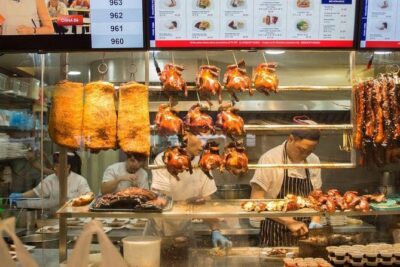
Small Group: Michelin and Local Hawker Food Tour with 9 tastings
Read our review →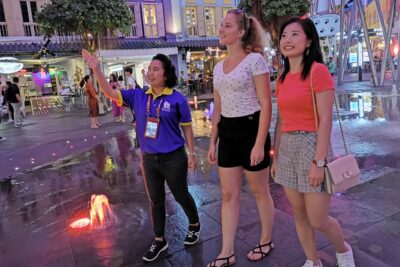
Small Group: Singapore Street Food & Night Tour with 9 tastings
Read our review →
The Award-Winning PRIVATE Food Tour: 10 Tastings of 3 Cultures
Read our review →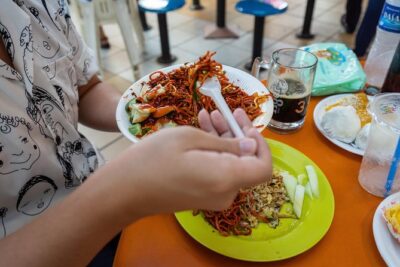
Browse the lists this tour appears in