
REVIEW · PHILIPPINES
Manila Food Tour: Explore World’s Oldest Chinatown
Binondo is best understood one bite at a time. This three-hour food walk leads you from Binondo Church through food stalls, noodle shops, dumpling counters, dim sum restaurants, and a historic bakery, with about eight tastings along the way.
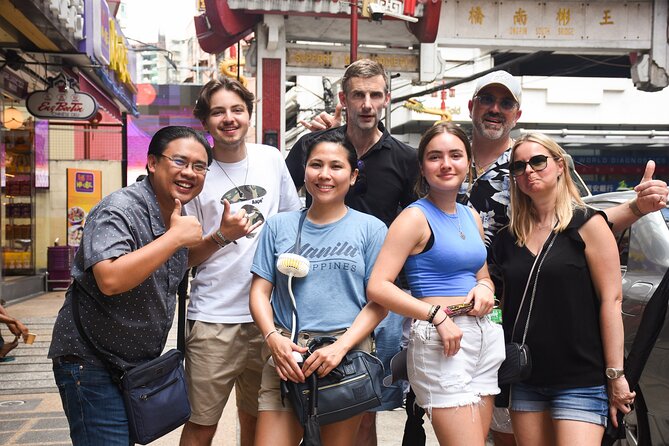
I like the strong range of food, from fresh lumpia and Chinese empanadas to shrimp dumplings, mami, dim sum, and hopia. I also like the local scale of the tour: guides such as Nel, Jian, Chloe, and Rian take small groups into places you could easily pass without noticing.
The main thing to consider is the sheer amount of food. Several stops serve filling portions, so skip breakfast if you take a morning tour. You’ll also walk through crowded streets, and anyone seeking a detailed cultural tour with only light tasting may find the food takes center stage.
Key points to know before you book
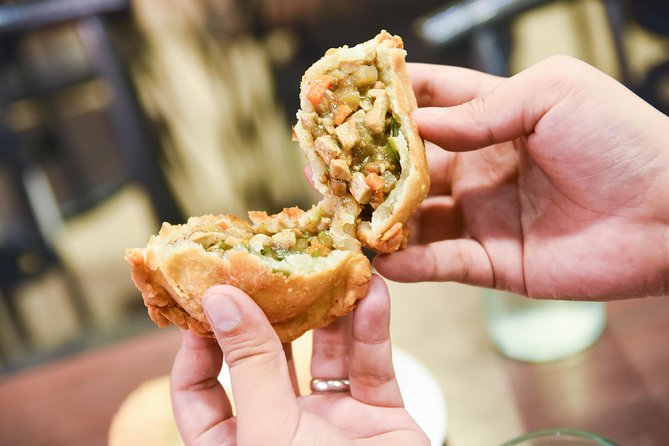
- Eight food items are included: Expect a mix of sweet, savory, snack-sized, and filling dishes, plus soda, tea, and water.
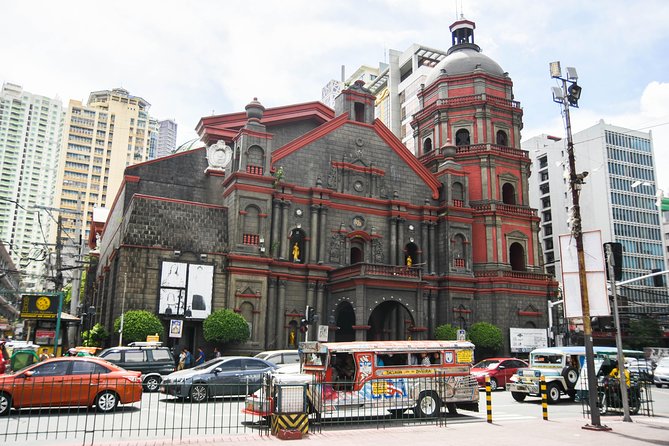
- Binondo Church is the easy meeting point: The tour starts and ends at the Minor Basilica and National Shrine of Saint Lorenzo Ruiz.
- The food is the main event: Fresh lumpia, Kuchay Ah Pie, handmade dumplings, mami, dim sum, and hopia all feature in the route.
- Guides add local context: Nel, Jian, Chloe, and Rian are among the guides who lead the walks, explain the dishes, and share stories about Manila and Binondo.
- Plan for a full stomach: One group shared dishes and still had plenty to eat, while another visitor saved wrapped leftovers for later.
- The $60 price includes tastings and drinks: It does not include private transportation, so you’ll need to reach Binondo Church on your own.
Why Binondo makes a good food tour setting
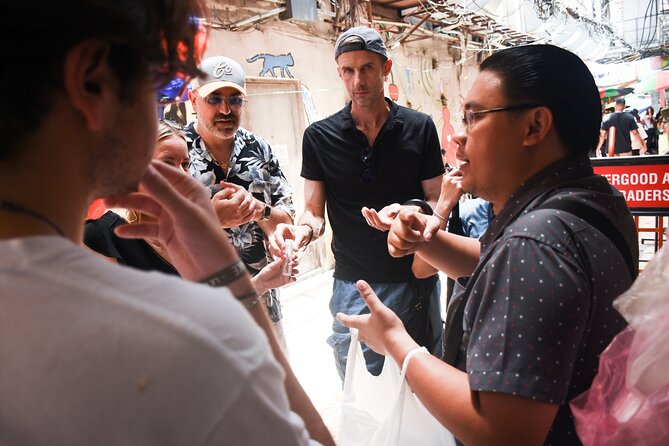
Binondo is not a polished food district built for sightseeing. It is a working part of Manila where Chinese-Filipino cooking appears in bakeries, family restaurants, market lanes, and small shops. That gives the tour its appeal. You are not just sampling dishes in one restaurant. You are moving through a neighborhood and seeing how many food traditions fit into a compact area.
The route begins at Binondo Church, a useful landmark and a meaningful starting point. From there, the walk heads into the food streets of Binondo. The church also gives you an immediate sense of the area’s long-standing blend of Filipino and Chinese influences before the eating begins.
I like this format for a first visit because you do not need to research individual restaurants or work out what to order. Your guide handles the choices, keeps the route moving, and helps the group get served at places that may have long lines or limited seating.
There is also practical value in having someone lead you through the neighborhood. Binondo can feel confusing on a first visit, especially when you are focused on menus, crowds, and unfamiliar dishes. The tour gives you a food plan without taking up the whole day.
A few more food tours around the world worth comparing
- Reykjavik Food Walk – Local Foodie Adventure in Iceland
★ 5.0 · 18,952 reviews - Hanoi Jeep Tour: Food, Culture and Fun by Vietnam Army Jeep
★ 5.0 · 15,222 reviews - From Marrakech: Merzouga 3-Day Desert Safari with Food
★ 4.7 · 12,232 reviews
Carvajal Street and the first savory bites
Carvajal Street is where the tour starts showing its hand. The route focuses on local food stalls and small vendors, with fresh lumpia and Kuchay Ah Pie among the early tastes.
Fresh lumpia gives you a light, vegetable-filled introduction to the area’s Chinese-Filipino cooking. It is a good opening dish because it is savory without being too heavy. Kuchay Ah Pie brings a different texture and flavor, with the kind of handmade character that makes small local shops worth seeking out.
Chinese empanadas are also part of the broader tasting selection. They offer a familiar format with a local Chinatown twist, and they help show how Chinese cooking traditions have been adapted in the Philippines rather than simply copied.
This early section is especially useful if you are unsure what to order on your own. You can try several items without committing to a full serving at one place. Still, portions vary, and the total meal grows quickly. Pace yourself from the start.
Handmade dumplings and the value of a guide
The dumpling stop is one of the tour’s strongest points. The itinerary includes handmade dumplings, including crystal shrimp dumplings, and the guides explain what you are eating as the food arrives.
The appeal here is not only flavor. It is also the chance to see a food that depends on careful preparation, from the wrapper to the filling and the final steaming. One visitor singled out the dumpling shop as a favorite, even comparing it favorably with dumplings tried in the San Francisco Bay Area.
A guide can make a real difference at this stop. The dumpling shop may have a long queue, but guides are familiar with the staff and can help the group receive its order without wasting much time. That matters on a three-hour route, since standing in line can quickly eat into the tasting schedule.
The dumplings can also be surprisingly filling. If your group receives a larger plate, share it rather than treating every stop as a full meal. One group sampled half portions at several stops and still finished the afternoon very full.
Mami, the comfort-food course
Next comes mami, a noodle soup with a firm place in Filipino comfort food. This is the point where the tour shifts from small snack foods to something warmer and more substantial.
Mami is useful context for understanding how Chinese dishes became part of everyday Filipino eating. It is not presented as a distant import. It has become familiar comfort food in its own right, and the tour uses the dish to connect Chinatown cooking with daily life in Manila.
For you, the main practical issue is timing. If this is a morning tour, mami can feel like lunch arriving early. If the walk takes place later in the day, it may be welcome. Either way, you should expect the meal to build in stages rather than arrive all at once.
The tour is paced so you can eat, walk, and reset between stops. Several visitors found the walking speed comfortable, but you still need sensible shoes. Binondo is a street-level experience, not a sit-down tasting in one air-conditioned room.
Same city, a completely different plate:
- Dubai: Old Town, Creek, Museums, Souks, & Street Food Tour
★ 4.8 · 10,816 reviews - Madrid: Live Flamenco Show with Food and Drinks Options
★ 4.5 · 9,901 reviews - Ho Chi Minh City Street Food Tour & Sightseeing By Motorbike
★ 5.0 · 9,413 reviews - From Split: Krka Waterfalls, Food & Wine Tasting Tour
★ 5.0 · 9,326 reviews
Classic dim sum in a local setting
The route then reaches a destination known for classic dim sum. This section rounds out the savory side of the food program and gives you another look at the range of Chinese-Filipino cooking in Binondo.
Dim sum works well in a group because dishes can be shared. That allows you to taste several items without ordering a full plate for yourself. It also makes the tour more social, which is part of the point of a small group format.
The included food is described as eight items in total, but the exact mix may vary with the route, restaurant availability, and group needs. Reviews of the tour describe seven or eight different foods, with some groups tasting more than they could finish.
This stop is not likely to satisfy someone looking for a long, formal meal with extensive menu choice. The benefit is variety and access. You get a planned selection and a guide who can explain the food, rather than spending your time guessing at a menu.
Hopia and a proper sweet finish
The final food stop is a historic bakery known for hopia. These flaky pastries come in several flavors and provide a clear change from the soup, dumplings, and savory snacks earlier in the walk.
Hopia is a fitting end because it connects food with Chinese-Filipino family traditions. It is portable, easy to share, and practical to take back to your hotel. If you are already full, this is the course most likely to survive until later.
The bakery also gives the route a sense of closure. You have moved from street snacks to handmade dumplings, soup, dim sum, and finally a pastry associated with Chinatown’s bakery culture. It is a wider picture of Binondo than a tour that simply stops at one famous restaurant.
The food may be the reason you book, but the progression is what makes the route work. Each stop brings a different texture, cooking method, or part of local food culture.
What the guides add to the walk
Guide quality matters on a food tour, and the named guides receive especially strong praise for their energy and personal approach. Nel is described as cheerful and attentive, with a talent for making the walk easygoing. She has also helped accommodate different food restrictions when possible.
Jian is the owner who started the tour and is praised for his food knowledge, practical handling of the route, and personal care when bad weather disrupted a visit. Chloe is described as lively and well organized, with commentary about food, local residents, and the area’s past. Rian is noted for his clear English and broad explanations of Manila and Chinatown.
You may not receive one particular guide, so book for the structure of the tour rather than a guaranteed personality. Still, the range of guide feedback suggests that the operator puts real effort into the human side of the experience.
The best guides do more than name the food. They explain why a dish matters, describe ingredients, help with ordering, and keep a group moving without making the walk feel rushed. If history is important to you, tell your guide early. The tour includes background on Binondo and Manila, but the emphasis remains food.
One useful detail is the guides’ willingness to help with leftovers. At least one group had extra food carefully wrapped for later. That will depend on the restaurant and the amount remaining, but it is worth asking rather than leaving good food behind.
Is $60 a fair price?
At $60 per person, this is not the cheapest way to eat in Binondo. You could spend less by ordering one or two dishes on your own, especially if you already know the neighborhood and speak comfortably with vendors.
The price becomes easier to justify when you count what is included: around eight food items, soda or tea, bottled water, a guide, route planning, and help at busy food stops. You are also paying for access to small places you might not identify on your own.
I see the tour as good value for a first visit, especially if you want variety rather than one large meal. It is less compelling for repeat Manila visitors who already know their favorite Binondo restaurants and can navigate the area independently.
The small-group design also helps. The tour is presented as a group of no more than 10 in one description, while the additional booking information allows up to 15 participants. Since those figures differ, check the group size at booking if that detail matters to you.
Timing, transport, and walking advice
The activity lasts about three hours and ends back at Binondo Church. That leaves the rest of your day open, which is useful if you want to combine the food walk with other Manila sights.
You are responsible for reaching the meeting point. Private transportation is not included, though the area is near public transportation. The church address is the Minor Basilica and National Shrine of Saint Lorenzo Ruiz, 1006 Plaza Lorenzo Ruiz, Binondo, Metro Manila.
Morning is a smart choice if you can manage it. The streets may be easier to handle earlier, and you can work the tour into the rest of your day. More importantly, do not eat a full breakfast first. Several servings of dumplings, noodles, dim sum, pastries, and snacks add up fast.
Wear walking shoes and clothes that allow you to move comfortably. This is a street walk with food stops, not a slow restaurant crawl. You may be standing briefly, sharing dishes, and moving through busy lanes between meals.
The activity requires good weather. If poor weather cancels the tour, you are offered another date or a full refund. You can also cancel for a full refund up to 24 hours before the start time, but changes or cancellations inside that window are not accepted.
Who should book this Binondo food walk?
I would recommend it to first-time Manila visitors who want a clear introduction to Binondo without spending hours studying restaurant menus. It is also a good fit for solo visitors, couples, and small groups who like tasting many things and hearing some local background along the way.
It suits curious eaters more than cautious ones. The food includes familiar formats such as dumplings, soup, pastries, and empanadas, but the exact flavors and preparations may be new to you. The tour is not suitable for vegans, and anyone with restrictions should discuss them with the guide before eating.
Locals and Filipinos visiting Manila can enjoy it too. The route may include better-known local dishes in especially good versions, along with shops they have not yet tried. You do not need to be a first-time visitor to find value in a well-planned food route.
I would hesitate to recommend it to someone who wants a quiet, highly detailed history walk or a small number of carefully plated tastings. Food drives the schedule, and the cultural commentary supports the eating rather than replacing it.
Should you book it?
Book this tour if you want to taste your way through Binondo, prefer a guide to handle the ordering, and are happy with a generous meal spread over about three hours. The strongest reasons are the variety of food, the access to small local shops, and the guides’ practical help with the route.
Skip it if you are vegan, dislike group walks, or want complete control over every restaurant and dish. Also think twice if you have a small appetite. For everyone else, $60 is a reasonable price for eight tastings, drinks, local guidance, and a useful first look at Manila’s Chinatown. Come hungry, wear good shoes, and leave room for the hopia.
FAQ
Where does the Manila Chinatown food tour start?
The tour starts at the Minor Basilica and National Shrine of Saint Lorenzo Ruiz, also called Binondo Church, at 1006 Plaza Lorenzo Ruiz in Binondo, Metro Manila.
Where does the tour end?
The activity ends back at the meeting point near Binondo Church.
How long does the tour last?
The tour lasts approximately three hours.
How many foods are included?
The tour includes eight different food items, with a mix of sweet and savory dishes.
What foods might I try?
The route includes fresh lumpia, Kuchay Ah Pie, Chinese empanadas, handmade dumplings, crystal shrimp dumplings, mami, dim sum, and hopia.
Are drinks included?
Yes. Soda or other soft drinks, tea, and bottled water are included.
Is transportation included?
Private transportation is not included. The meeting point is near public transportation.
Is the tour suitable for vegans?
No. The tour is not suitable for vegans.
How many people can join?
The tour is described as a small-group activity. One description gives a maximum of 10 people, while the additional details allow up to 15, so confirm the group size when booking.
Can I cancel for a refund?
You can cancel at least 24 hours before the start time for a full refund. Cancellations or changes made less than 24 hours before the start time are not accepted for a refund. If poor weather cancels the activity, you are offered another date or a full refund.
Just added around the world
- Milan: Street Food Walking Tour★ 4.7 · 180 reviews
- Milan’s Full-Meal Gourmet Food Tour – More Than Tastings★ 4.8 · 81 reviews
- Kolkata Midtown Madness- A Street Food & Nightlife Tour★ 4.9 · 49 reviews
- Milan: Delicious Food Tour and City Center Sightseeing★ 4.8 · 111 reviews
- Mexico City: Authentic Downtown Food Tour★ 4.9 · 260 reviews
- Miami: Intimate Sailing in Biscayne Bay w/ Food and Drinks★ 4.7 · 34 reviews
- Mexico City: Vegan and Vegetarian Street Food Adventure★ 4.8 · 65 reviews
- Miami: Little Havana Cuban Food and Culture Walking Tour★ 4.8 · 223 reviews
Food Tours in the Philippines, compared.
Manila Food Tour: Introduction to Philippine Street Food
Read our review →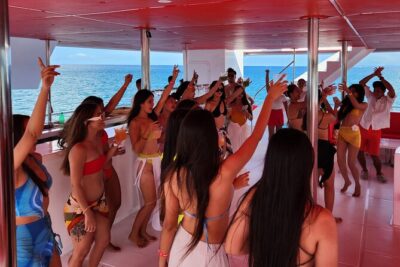
Boracay Sunset Cruise with Party DJ & Unlimited Food and Drinks
Read our review →
Manila: Street Food and Drinks Walking Tour with Tastings
Read our review →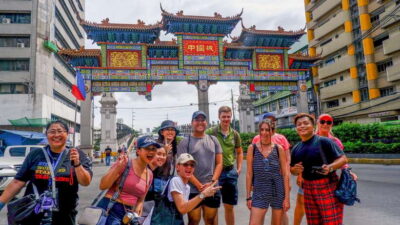
Manila: Sightseeing and Food Walking Tour with Tastings
Read our review →
Manila: Guided Food Tour of Binondo with Tastings
Read our review →Browse the lists this tour appears in