REVIEW · ITALY
Genoa Walking Tour: Discover Hidden Treasures and Street Food
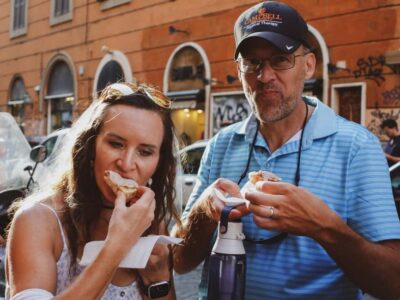
Genoa’s best surprise is how quickly its grand palaces give way to narrow lanes, food counters, churches, and working city streets. This six-hour walk connects the polished Strada Nuova with less tidy corners of the old town, then adds pesto, focaccia, Prosecco, coffee, aperitivo, and lunch along the way.
I like the all-inclusive food and drink setup, since you can taste your way through Genoa without keeping track of every small bill. I also like the mix of famous sights and less obvious places, including the sweeping view from Spianata Castelletto and the old religious complex at La Commenda di Pré.
The main consideration is simple: this is a long walking day with hills, steps, and city streets underfoot. The pace can be adjusted, and guides have helped groups manage hot weather, but you should have moderate fitness and arrive ready to eat, walk, and keep moving.
Key points to know before booking
- Six hours of Genoa in one sweep: The route links palaces, churches, old lanes, viewpoints, museums, and food stops.
- Karl Ziegler is the main personality: He is known for lively storytelling, local pride, and adapting the day to the group.
- Food is part of the tour, not an afterthought: Pesto, focaccia, drinks, aperitivo, and lunch are included.
- Transport is covered: Trains, buses, lifts, cableways, and other transport used within Genoa are included.
- The group can be as large as 20 people: A smaller private booking may feel more personal.
- Cruise passengers can reach the start easily: The meeting point is at Genova Piazza Principe, near the port and public transport.
Why this Genoa tour works so well
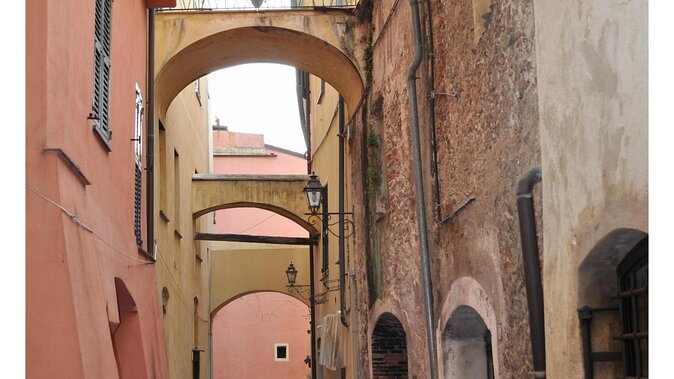
Genoa is not a city that reveals itself all at once. Its main streets show off enormous palaces, but the real character often appears in narrow alleys, small squares, old churches, food shops, and streets where many cultures meet.
That makes this experience useful for a first visit. You get the grand architectural story, but you also see the city as a lived-in place. The guide connects Genoa’s wealth, seafaring past, banking power, food traditions, and modern street life rather than treating each sight as an isolated stop.
Karl Ziegler is the guide most closely associated with the experience. His style is energetic and personal. He brings in stories, jokes, local opinions, and plenty of historical background. Several families also found that teenagers stayed interested, which is not a small achievement during a six-hour walking tour.
A colleague named Riccardo has also led the walk. He is described as a Genoese guide who takes visitors to local places for pesto, focaccia, pasta, and gelato. Since the experience may use a multilingual guide, confirm who will lead your date if that matters to you.
More street food nights in Italy:
- Naples: Street Food Walking Tour with Local Guide
★ 4.9 · 4,976 reviews - Rome: Street Food Tour with Local Guide
★ 4.8 · 4,077 reviews - Florence: Cinque Terre Park Day Trip with Optional Street Food
★ 4.5 · 3,593 reviews
Starting at Piazza Principe and entering old Genoa
The tour begins at 10:00 a.m. at Genova Piazza Principe. This is a practical meeting point if you arrive by train or cruise ship. The station area is also close to public transport, and the port connection makes the tour a workable choice for a day in Genoa, provided your ship schedule allows a full six hours plus a safety margin.
From here, the day heads into Genoa’s historic center. You should not expect a flat, easy stroll. Genoa is built between the harbor and the hills, so the route uses slopes, stairs, lifts, and public transport where useful.
The advantage of starting early is that the walking and sightseeing begin before lunch, while your appetite is still in good shape. The tour then builds toward a substantial midday meal rather than leaving food until the final hour.
Via Giuseppe Garibaldi and the palaces of money
The first major stop is Via Giuseppe Garibaldi, also known as Strada Nuova. This is Genoa’s grand architectural showcase, lined with palaces built in the 16th century and later periods.
The buildings reflect the power of Genoa’s banking families. These were not modest homes. They were carefully designed displays of wealth, status, and influence, created by families who lent money to powerful European rulers, including the Spanish Crown.
You have about an hour here, with admission included. That matters because the palaces are not just facades to admire from the street. Their interiors, where open, show how Genoese families used architecture to impress business partners, political figures, and visiting courts.
The historical discussion also introduces an unusual business angle. Genoa’s wealthy families financed ventures and international trade long before modern venture capital became a Silicon Valley phrase. The guide uses that comparison to make the financial story easier to grasp.
This is one of the strongest parts of the day for architecture lovers. It is also the most formal section, so if you prefer food, street life, and spontaneous stops, you will appreciate the later parts of the route more.
Spianata Castelletto and the city from above
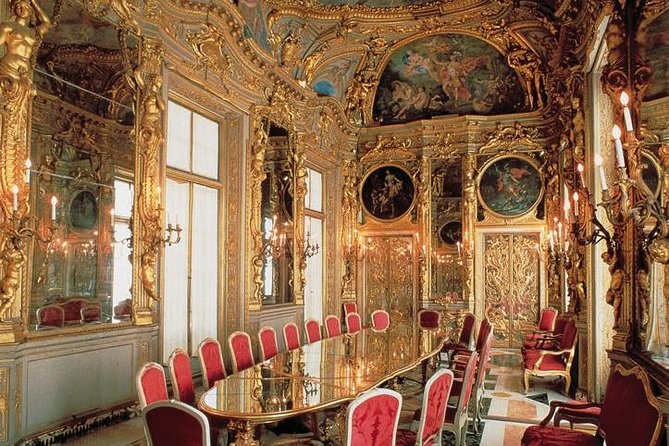
Spianata Castelletto provides the visual pause. From this terrace, you get a broad view across Genoa, with the dense old city, rooftops, harbor area, and surrounding hills spread below.
You spend roughly 30 minutes here. Admission is free, though the route may use a lift or other transport to handle the climb. That transport is included when used as part of the tour.
The view helps you understand Genoa’s shape. From street level, the old center can feel like a maze. From above, you see how tightly the city is pressed between hills and sea.
The guide keeps this stop as something of a reveal, so do not expect a long technical lecture before you arrive. Bring your camera, but also give yourself time to look. This is one of the few points in the day where you can take in the whole city at once.
A few more food tours around Italy worth comparing
- Rome: Guided Food Walking Tour with Wine in Trastevere
★ 4.9 · 3,105 reviews - Rome: Trastevere & Campo de Fiori Street Food Walking Tour
★ 4.9 · 2,768 reviews - Palermo Original Street Food Walking Tour by Streaty
★ 5.0 · 2,105 reviews - Rome: Trastevere Street Food Walking Tour with Local Expert
★ 4.8 · 1,784 reviews
Palazzo Reale and Genoese display
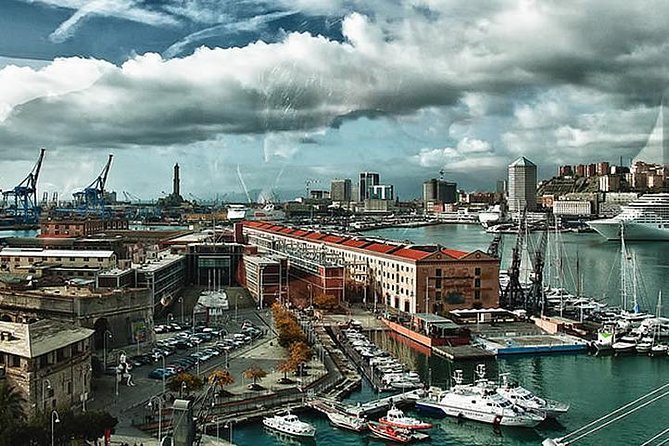
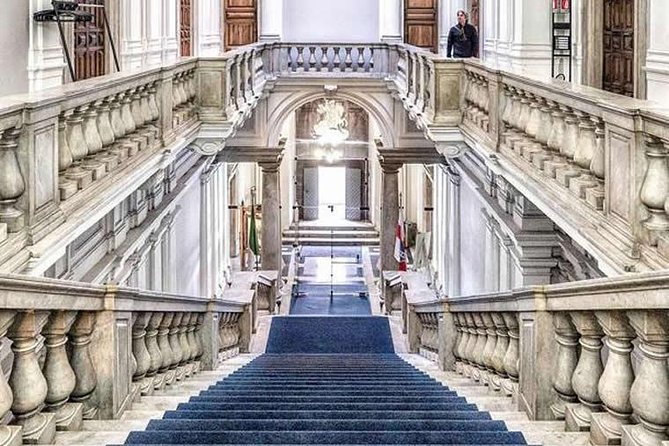
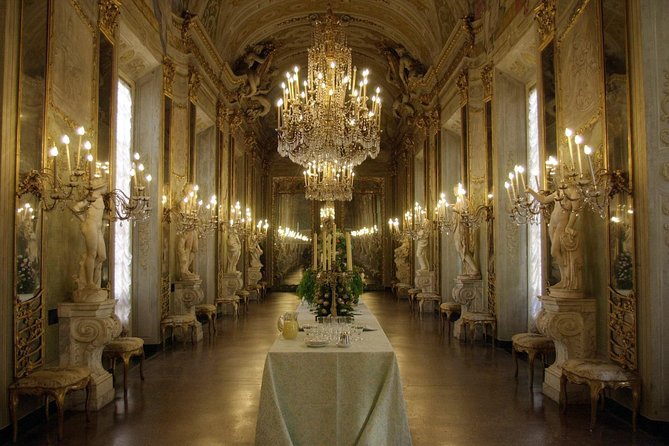
At the Museo di Palazzo Reale, you spend about an hour inside another grand residence. The palace later became associated with the Italian royal family, but its larger story is about Genoa’s wealthy ruling families and their desire to impress Europe.
The interiors show how money was spent on decoration, entertaining, and presentation. The point is not simply that Genoa had wealthy people. It is that its leading families used palaces as tools of influence.
The guide places this in the wider story of Genoa as a maritime and financial power. You see how trade, lending, shipping, and political connections helped families build homes designed to receive important visitors.
Admission is included, which makes the stop more useful than a quick look from outside. If grand interiors are your main interest, this section and Via Garibaldi are likely to be the highlights. If you prefer a quiet museum visit at your own pace, the group format may feel brisk.
Palazzo Ducale and the Marco Polo story

Palazzo Ducale is a massive marble complex in the center of Genoa. The tour allows about 30 minutes here, with the exterior and historical setting taking priority.
The guide connects the palace with Marco Polo, who is said to have spent time imprisoned in Genoa and to have dictated or written the account known as Il Milione during that period. Treat this as part of the tour’s historical storytelling rather than a reason to expect a dedicated Marco Polo exhibit.
Palazzo Ducale is also a useful marker between the city’s political center and the surrounding old-town lanes. After the formal palaces and royal rooms, the route begins to feel more street-level and less ceremonial.
The short time here means you will not see every corner of the complex. That is a fair trade in a tour that also includes food, museums, transport, and several neighborhoods.
Via Pré and the city behind the postcard
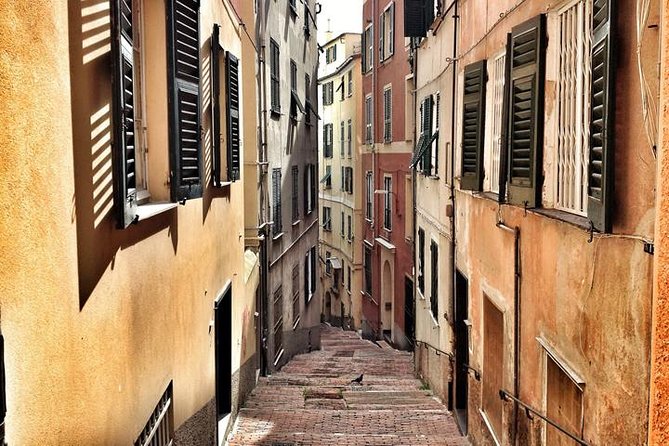
Via Pré is one of the more revealing stops because it presents a different side of Genoa. The street has a long connection with commerce, nightlife, migration, and the less polished parts of the city.
Today, you may see shops and businesses reflecting many communities, including Asian, African, and Eastern European influences. The street sits close to areas of great wealth, including the harbor and expensive yachts, yet its character is very different from the palace district.
This is not a stop designed to make the city look perfect. That is its value. You see how Genoa has changed, how old streets absorb new communities, and how wealth and hardship can exist close together.
You spend only about 15 minutes here, so the guide’s explanation does much of the work. Some people may find the contrast confronting. I see it as an honest part of understanding the city, provided you approach it with respect and without expecting a staged performance.
La Commenda di Pré and medieval Genoa
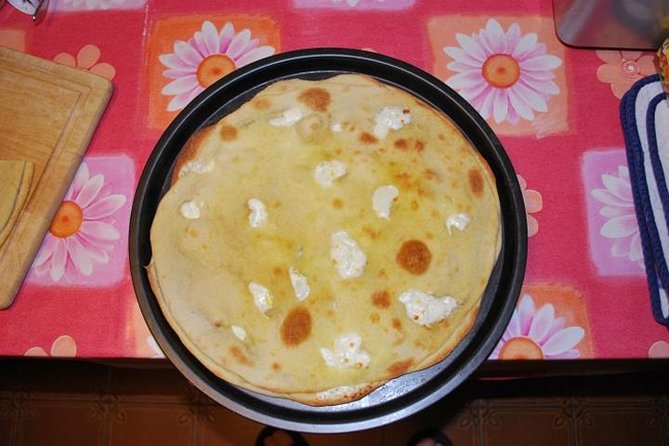
La Commenda di Pré is a striking Gothic church and former hospital complex. Its connection with medieval pilgrims, crusaders, and the Knights Templar gives the stop a strong story, though the building itself is the main reason to pay attention.
The tour highlights Malta crosses dated to 1184 and the marks left by the stonecutters’ tools. Look closely at the masonry. The rough, hand-worked surfaces make the building feel less like a restored monument and more like a surviving piece of medieval construction.
You spend around 15 minutes here. That is enough for an introduction, but not a long museum visit. The compact stop works because the tour is moving through many layers of Genoese history rather than concentrating on one church.
This is an especially good moment for anyone who enjoys religious buildings, military orders, and medieval trade routes. The setting also provides a useful counterpoint to the polished palaces seen earlier.
Eating Genoa: pesto, focaccia, coffee, and Prosecco
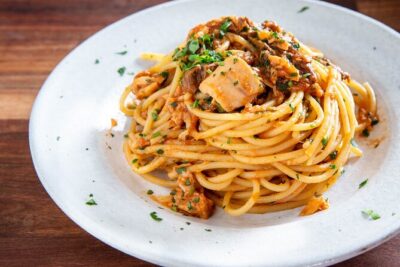
Food is one of the strongest reasons to book this experience. Genoa is the birthplace of pesto, and the tour gives you a chance to taste it in the city where the sauce became a point of local pride.
Focaccia is another key stop. Expect several food tastings rather than one token bite. Drinks in bars and restaurants are included, along with coffee, local Prosecco, and one cocktail for aperitivo.
Lunch is also included at a well-regarded restaurant in a good location. The exact menu is not specified, so do not book this expecting a particular pasta dish or wine label. The useful part is that you can sit down for a proper meal without paying separately for the central meal of the day.
The food element also gives the guide room to explain local habits. You are not just looking at Genoa’s historic buildings, you are tasting part of its daily culture. Come hungry. The combination of snacks, drinks, lunch, and aperitivo can be substantial.
If you have allergies, dietary restrictions, or strong dislikes, ask about them before booking. The supplied details do not promise specific substitutions.
How much walking and transport to expect
The experience lasts about six hours and requires moderate physical fitness. You will walk through historic streets, stand during explanations, and manage the uneven surfaces common in old Genoa.
Transport used during the tour is included. This can involve trains, buses, lifts, and cableways, depending on how the route is operated. That is important in a hilly city, especially when the weather is hot.
Past groups have benefited when the guide adjusted the route, added water or bathroom breaks, and used cooler locations when needed. Still, you should wear comfortable shoes and plan for sun exposure. The experience is called a walking tour for good reason.
A maximum of 20 people is allowed. That is not a tiny group, so you may find the atmosphere less intimate on a fully booked date. A private booking for five or eight people can feel more flexible and personal.
Is the $208 price good value?
At $208.03 per person, this is not a budget walking tour. The price makes more sense when you count what is included: a six-hour guide, entrance fees, food tastings, drinks, lunch, aperitivo, and transport within Genoa.
A standard sightseeing walk usually charges separately for museum admissions and meals. Here, you are paying for a full day with fewer decisions and no need to keep reaching for your wallet at each stop.
The value is best if you enjoy a guided introduction and want food built into the sightseeing. It is less compelling if you prefer to choose your own restaurants, skip drinks, or spend long periods inside one museum.
The guide is also a large part of the value. Karl’s strength is not only facts, but energy and conversation. He has stayed longer when groups needed more time and adjusted the route for heat and energy levels. That sort of personal attention can make a difference, though it naturally depends on who leads your date.
Who should book this experience?
I would choose this tour for a first visit to Genoa, especially if you have only one day or are arriving by cruise ship. It gives you a strong first map of the city and introduces both its grand public face and its ordinary streets.
It suits families with older children and teenagers better than a lecture-heavy museum tour. The food stops, changing scenery, and lively storytelling help break up the historical material.
It also suits people who want the practical comfort of an all-inclusive day. You can focus on the city instead of calculating admission fees, transport costs, lunch, and drinks.
I would hesitate if you dislike long walks, hot weather, hills, or group schedules. I would also hesitate if you want a quiet, slow museum experience. This is a full day with plenty of movement and conversation.
Free cancellation is available up to 24 hours before the 10:00 a.m. start time. A minimum of two people is required, and the activity can be canceled if that minimum is not met. Children must be accompanied by an adult, and the child rate applies only when sharing with two paying adults. The minimum drinking age is 18.
Should you book the Genoa walking tour?
Book it if you want Genoa explained through its palaces, food, churches, harbor-side contrasts, and local stories in one long day. The strongest reasons are the generous all-inclusive food program, the citywide route, and Karl Ziegler’s warm, high-energy guiding style.
Skip it if you want to explore alone or spend six hours in only one neighborhood. For most first-time visitors who can walk steadily and enjoy eating as they sightsee, this is a practical way to get beyond the postcard version of Genoa.
FAQ
Where does the Genoa walking tour start?
The tour starts at Genova Piazza Principe, 16134 Genoa, Italy.
What time does the tour begin?
The scheduled start time is 10:00 a.m.
How long does the experience last?
The experience lasts approximately six hours.
Where does the tour end?
The activity ends back at the meeting point.
Is lunch included?
Yes. Lunch at a restaurant in a good location is included.
Are pesto and focaccia included?
Yes. All focaccias and pesto are included.
Are drinks included?
Yes. Drinks at bars and restaurants are included, along with one aperitivo cocktail.
Is transportation included?
Yes. Transport used during the experience, including trains, buses, lifts, and cableways, is included.
How many people can join the tour?
The maximum group size is 20 people.
Can I cancel for a full refund?
Yes. You can cancel at least 24 hours before the local start time for a full refund. Changes or cancellations made less than 24 hours before the start time are not accepted for a refund.
Just added around Italy
- Genoa Food, Wine Tasting & History Walking Tour★ 5.0 · 212 reviews
- Guided Food Tour with Wine Tastings in Genoa★ 4.5 · 34 reviews
- Genoa Culinary Masterclass-A Hands-On Experience by Do Eat Better★ 5.0 · 56 reviews
- Florence Central Market Food Tour with Eating Europe★ 5.0 · 224 reviews
- Florence Sunset Food Tour with Wine & Dine at a Tuscan farmhouse★ 5.0 · 194 reviews
- The Cooking Lab – Authentic Food Experience★ 5.0 · 113 reviews
- The Other Side of Florence Food Tour with Eating Europe★ 5.0 · 377 reviews
- Tuscany Bike Tour with Wine, Oil and Food in the Florentine Hills★ 5.0 · 209 reviews
Food Tours in Italy, compared.
Rome Twilight Trastevere Food Tour by Eating Europe
Read our review →
Florence Sunset Food & Wine Tour by Eating Europe
Read our review →
Rome Food Tour: Unlimited Tastings with Fine Wine & Barolo
Read our review →
Rome Food Tour: Campo de’ Fiori, Ghetto, Trastevere Winner 2024
Read our review →
Eat Like a Local: Venice 3-Hour Small-Group Food Tasting Tour
Read our review →