
REVIEW · CHARLESTON
Charleston Brunch Food Tour: Biscuits, Shrimps, Grits and More
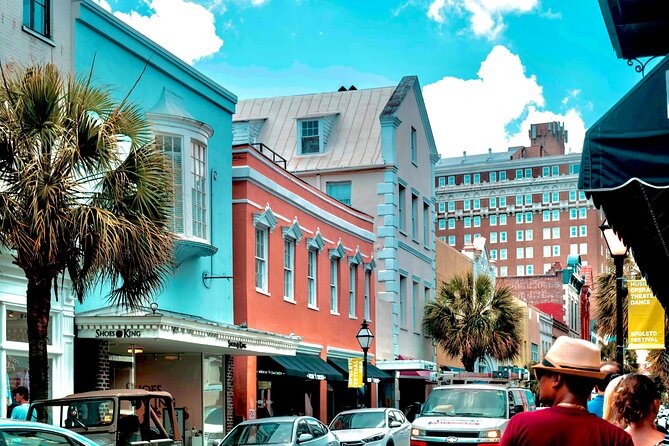
Charleston’s brunch traditions are the star here: expect hot biscuits, shrimp and grits, fried green tomatoes, and pimento cheese rather than one heavy restaurant meal. Between bites, your guide leads you through King Street, Marion Square, old railroad buildings, and several reminders of Charleston’s complicated past.
I like the small group cap of 12, which gives guides such as Sydney, Perry, Nathan, and Jesse room to talk with you instead of shouting to a crowd. I also like the mix of food and city sights, especially the chance to finish near Cannon Street with ideas for places you may want to revisit.
The main caution is value. At $108 per person, you are paying for the guide, the route, and several prepared tastings, not simply a cheap brunch. A few people found the walking and historical commentary outweighed the food, and waits at some stops can make the three-hour schedule run long.
Key points to know before booking
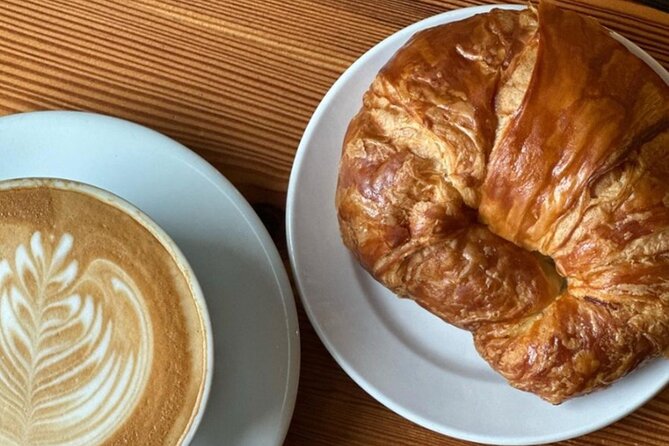
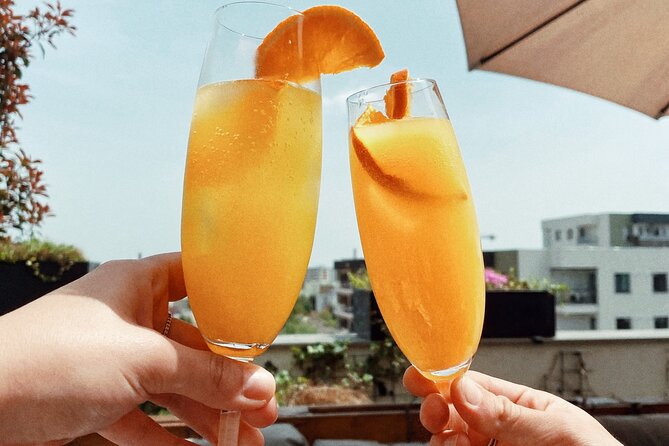
- Charleston classics arrive in tasting portions: Biscuits, banana bread, shrimp and grits, fried green tomatoes, Brussels sprouts, pimento cheese, a pecan cluster, prosecco, and a secret dish are included.
- The route covers Upper King and central Charleston: You walk past the Aiken-Rhett House, American Theater, Charleston Music Hall, Marion Square, and historic railroad buildings.
- The group is limited to 12 people: That is a useful size for questions and conversation, though stops can still take longer if food is ordered as the group arrives.
- The guide matters: Sydney, Perry, Nathan, and Jesse have each been praised for warmth, local stories, and food knowledge.
- This is an active morning: Comfortable shoes matter, and the route includes a fair amount of walking with outdoor stops.
- Book early if your dates are fixed: The tour averages 34 days of advance booking, and confirmation is subject to availability.
What the $108 Charleston brunch tour really includes
The tour costs $108 per person and lasts about three hours. That is not bargain-brunch pricing, so I would judge it as a guided food walk rather than a simple meal.
Your fee covers the food listed in the program, the guide, and the planning behind a moving route through central Charleston. You also get a short introduction to several landmarks without paying separate admission to them. The stops are viewed from the route, and the Aiken-Rhett House appears as a point of interest rather than a standard house tour with an admission ticket.
The food list is broad enough to feel like a full morning of sampling:
- Warm, flaky biscuits
- Banana bread
- Passionfruit-mango sweet tea
- Fried green tomatoes
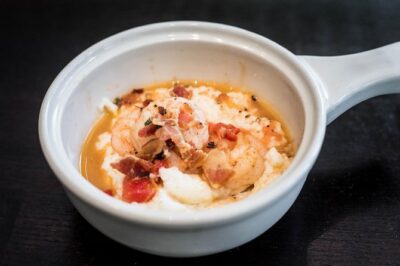
- Creamy shrimp and grits
- Brussels sprouts
- Southern-style pimento cheese
- A pecan cluster
- Santome Prosecco
- One secret dish
The exact menu and order can change. Weather, venue availability, and other conditions may alter the plan, so you should not book this expecting one fixed plate at one fixed restaurant.
The strongest value comes if you want someone else to connect the food with the city. If your only goal is the largest possible brunch for $108, you may feel the price is high. If you want a guided morning with several tastes, stories, and neighborhood orientation, the cost makes more sense.
More Food Tours in Charleston
- Charleston French Quarter or Brunch Food Tour with 7+ Tastings
★ 5.0 · 1,853 reviews - Downtown Charleston Food Tour
★ 4.5 · 1,376 reviews - Undiscovered Charleston: Half Day Food, Wine & History Tour with Cooking Class
★ 5.0 · 948 reviews
Starting on King Street in the Upper King Design District
The meeting point is 456 King Street, in Charleston’s Upper King area. King Street is more than 300 years old and is often described as the city’s second most historic street, with Meeting Street taking the first place in this section of town.
You begin with food and a walk rather than a long sit-down meal. The itinerary allows about 20 minutes for the Upper King stop, giving you a first look at the street while the tour gets moving.
This is a useful opening because King Street helps you see how Charleston combines older buildings with current dining, shopping, and design businesses. The tour does not treat the street as a backdrop only. Your guide uses it to set up the city’s layout and food culture.
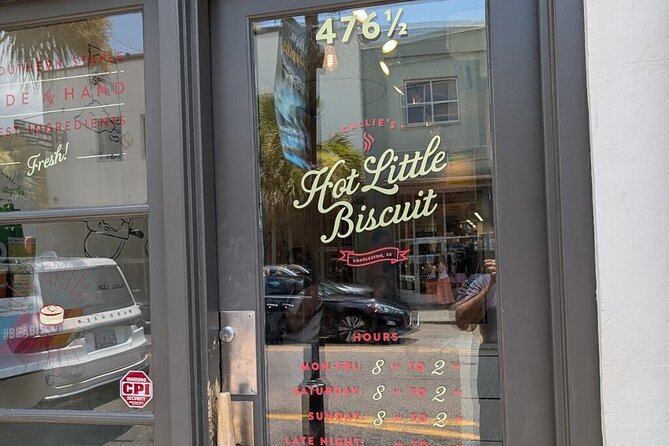
The opening food can vary, but warm biscuits and banana bread are part of the included menu. One especially good detail is the hot biscuit welcome described by people who joined with Sydney. Starting with something fresh and warm gives the morning a clear Southern flavor.
Aiken-Rhett House and Charleston’s domestic past
The Aiken-Rhett House receives two itinerary entries, one for about 20 minutes and another for about 40 minutes. The listing describes it as one of the best-preserved complexes of antebellum domestic structures in Charleston.
The home was connected to William Aiken, Jr., a South Carolina governor, and to his father, William Aiken, who owned the South Carolina Canal and Railroad Company. That railroad connection matters because the route also passes several former railroad buildings.
The house gives the guide a place to explain how wealth, domestic life, transportation, and slavery shaped Charleston. One tour account specifically valued learning about the slave trade and the city’s early role in several American developments. Expect this part to be more than pretty architecture.
If you prefer a food-only tour, the historical detail may feel like too much. The guide may stop to discuss subjects such as witches, wrought-iron and cast iron, or the city’s old structures. I see that as useful context, but the balance depends on your guide and your own interest.
The tour does not list house admission as included, and the itinerary marks admission as free. Treat this as a sightseeing stop during the food walk, not as a separate full visit inside the property.
The American Theater and Charleston Music Hall
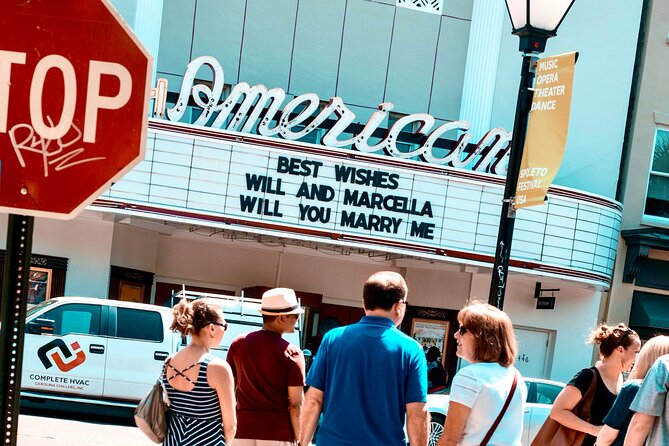
The American Theater is scheduled for about 30 minutes. It opened in 1942 as a movie house, and its Art Deco design and Hollywood-style marquee give the route a change of mood after the older residential architecture.
You may appreciate this stop if you like the layers of Charleston beyond the standard colonial and antebellum picture. The theater shows how the city’s cultural life continued into the twentieth century, and it gives the guide another way to explain the city’s changing streets.
Next comes the Charleston Music Hall, with about 20 minutes allotted. The building was constructed in 1849 and 1850 as a passenger station for the South Carolina Railroad. It was designed by Charleston architect Edward C. Jones and was historically known as the Tower Depot.
This is one of the more useful stops for understanding why railroad history keeps appearing on the tour. Charleston’s food, trade, and growth were tied to transportation, and the former station helps connect those subjects.
The schedule leaves room for commentary, but it also creates a possible pacing issue. If food is not ready when the group arrives, the tour can lose time. One person left before the final stop after waiting and running late, so I would keep your morning flexible rather than arranging a tight appointment immediately afterward.
A few more food tours around Charleston worth comparing
- Savor the Flavors of Charleston Walking Food Tour
★ 4.5 · 881 reviews - Charleston’s Historic Downtown Food Tour
★ 4.5 · 349 reviews - Private Charleston Walking Food Tour at the French Quarter
★ 5.0 · 201 reviews - Charleston Upper King Street Food Tour
★ 4.5 · 200 reviews
The Visitor Center and old railroad buildings
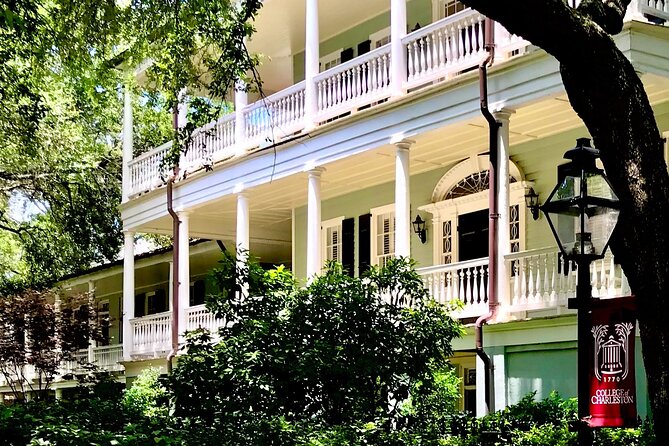
The Charleston Visitor Center sits in the old Dean’s Warehouse between Ann and John Streets. It is one of five railroad buildings associated with the William Aiken House and related railroad structures, which form a National Historic Landmark District.
The itinerary gives this stop about 20 minutes. It is practical as well as historical, since it helps you understand where you are in downtown Charleston and how the old railroad district connects with the Aiken family.
Your guide may use this section to explain Charleston’s growth, transport links, and local names. A separate itinerary note refers to the person whose name is attached to Wraggborough, two city parks, and seven streets in Charleston, though it does not clearly identify that person in the supplied details. You can expect local-name background, but I would not count on a specific lecture topic.
The route offers several chances to use a restroom and cool off, an advantage on warm days. Those pauses also help break up the walking and eating.
Marion Square, Hotel Bennett, and a pause in the route
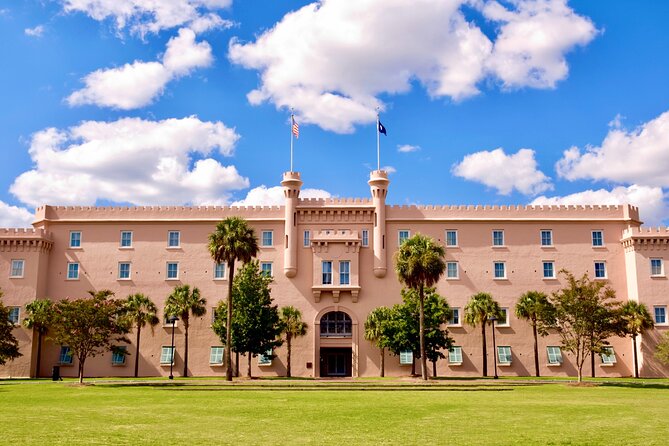
Marion Square receives about 10 minutes. On Saturdays, the Marion Square Farmers Market brings fresh food and local treats, although the brunch tour does not promise that the market will be operating during your visit.
The square also helps place the tour between Charleston’s historic core and its newer dining and hotel scene. The nearby Hotel Bennett opened in 2019 after a long planning and construction period. Its design draws on Charleston’s eighteenth-century look and on details from historic homes.
This stop is brief, so do not expect a full hotel visit or a long market browse. It is better understood as a short outdoor pause with a few useful city pointers.
By this stage, the food should have given you a clear sense of Southern brunch flavors. Creamy shrimp and grits are one of the key tastings, along with crisp fried green tomatoes and pimento cheese. A sample plate described on one tour included all three, plus banana pudding, though banana pudding is not part of the official included list. That is a good reminder that the menu can shift.
Charleston Fire Department Station 2/3
The route includes Charleston Fire Department Station 2/3 for about 10 minutes. The supplied description connects the city’s post-earthquake fire stations with the construction of a new Station 6, which replaced the Marion Steam Fire Engine Company nearby.
This is a short stop, but it adds another practical layer to the walk. Charleston’s buildings have faced fires, earthquakes, storms, and changing city needs. A fire station is not a grand attraction, yet it can make the city feel more like a working place rather than a collection of preserved facades.
The stop also gives your guide a chance to discuss the 1886 earthquake and the rebuilding that followed. If you mainly want food, this may feel like another pause between tastings. If you like local detail, it helps explain why Charleston’s streets and structures look the way they do.
The food: what you are likely to taste
The menu leans toward familiar Southern dishes, but the value depends on how generous the portions are on your date. This is a tasting route, not a promise of several full restaurant plates.
Biscuits and banana bread provide a soft, baked opening. A warm biscuit is a smart first bite because it travels well and immediately sets the regional tone.
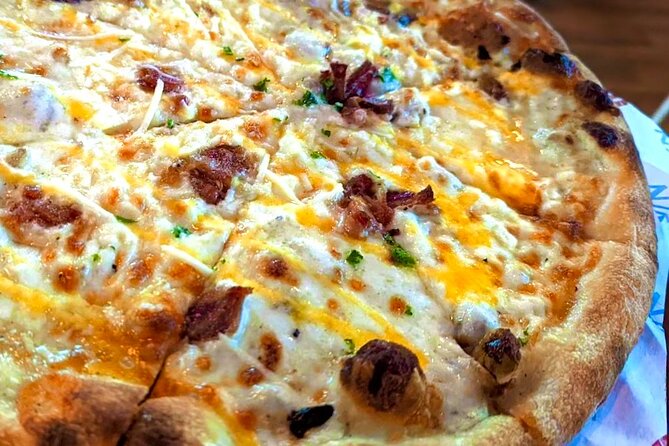
Shrimp and grits are the main savory anchor. The dish is creamy, and the portion described in one account was part of a generous sample plate. If you have never tried grits, this is a useful introduction without committing to a full bowl.
Fried green tomatoes bring a crisp, tart contrast. Pimento cheese adds a creamy, distinctly Southern spread. The combination gives you different textures rather than a series of similar bites.
Brussels sprouts may seem less traditional than grits or biscuits, but they add a vegetable course and keep the menu from becoming all bread and starch. A pecan cluster supplies the sweet finish, while Santome Prosecco and passionfruit-mango sweet tea provide drink options.
There is also an irresistible secret dish. Because it is intentionally undisclosed, you should treat it as a bonus rather than a reason to book. The tour company may change the selection based on what is available.
One important practical point: tell the company about dietary requirements in advance. The tour specifically asks you to make contact before the experience so the team can try to accommodate you. Do not wait until the first stop.
Guides, group size, and the feel of the morning
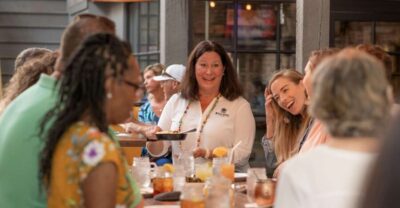
The maximum group size is 12. That is small enough for a guide to answer questions and keep the group together, though it does not guarantee a quick service line at every venue.
Sydney has been praised for greeting the group with fresh biscuits, explaining Charleston’s food and culture, and helping the morning feel easy. Perry is noted for friendly conversation and historical detail. Nathan receives strong praise for his grasp of Charleston food, culture, and local history, while Jesse is described as especially personable and effective at bringing the group through different food stops.
The guide can make or break this format. You are walking, stopping, listening, and eating in public places, so the pace is not as controlled as it would be in a private dining room.
The most useful approach is to tell yourself this is a food walk with history, not a history walk with a few crackers. If your guide spends too long on side topics, politely ask about the next tasting or about places to eat later. The schedule is meant to balance both interests.
Walking, timing, and where the tour ends
The tour begins at 456 King Street and ends at Babas on Cannon, 11 Cannon Street. You are not picked up or returned to your hotel, and transportation is not included.
A fair amount of walking is involved, so wear comfortable shoes. The route passes through central Charleston and uses outdoor streets and squares, making weather important. The experience requires good weather, and a cancellation for poor conditions should result in another date or a full refund.
The planned duration is about three hours, but I would leave extra time afterward. Food may be prepared or ordered as the group arrives, and one person found the delays long enough to leave before the final tasting.
The end point near Cannon Street is useful. You finish with the city better mapped in your head, and you may have several food stops to return to. I would book this near the start of your Charleston stay if possible, as the route can help you choose where to eat later.
Who should book this brunch walk
I would choose this tour if you want a guided introduction to Charleston food and neighborhoods in one morning. It suits first-time visitors who want context with their meal, couples or friends who enjoy walking, and anyone who prefers several small tastes to one large brunch plate.
It also works well for people who want a small group. The 12-person limit is a real advantage compared with a large bus or crowded food crawl.
I would hesitate if you want a long, relaxed sit-down brunch, dislike historical commentary, or judge value by the amount of food alone. The tour can feel expensive if the portions are modest or if waits interrupt the schedule.
The 4.9 rating from 239 ratings and 98 percent recommendation suggest strong overall satisfaction, but the lower ratings point to the exact risks: some people found the food selection ordinary for the price, and others disliked the amount of history or the delays. Take those warnings seriously.
Should you book the Charleston brunch food tour?
Book it if you want Southern food, a walk through central Charleston, and a guide who can connect local dishes with the city’s past. The biscuit opening, shrimp and grits, fried green tomatoes, pimento cheese, and small group format make it a well-rounded first morning.
Skip it if your priority is the cheapest or largest brunch in town. At $108, the tour asks you to pay for structure and interpretation as much as for food.
Free cancellation is available up to 24 hours before the start time. Changes or cancellations within 24 hours are not refunded, and the company may cancel for poor weather or because too few people book. Confirmation arrives within 48 hours, subject to availability.
FAQ
How long does the Charleston brunch food tour last?
The tour lasts approximately three hours.
How much does the tour cost?
The listed price is $108 per person.
Where does the tour begin?
It begins at 456 King Street, Charleston, South Carolina 29403.
Where does the tour end?
The tour ends at Babas on Cannon, 11 Cannon Street, Charleston, South Carolina 29403.
What food is included?
The listed food includes banana bread, warm flaky biscuits, passionfruit-mango sweet tea, fried green tomatoes, shrimp and grits, Brussels sprouts, pimento cheese, a pecan cluster, Santome Prosecco, and a secret dish.
Can the menu change?
Yes. The itinerary and menu may change because of venue availability, weather, and other circumstances.
Are drinks included?
Passionfruit-mango sweet tea and Santome Prosecco are listed as included.
Is transportation included?
No. Pickup and drop-off are not included.
How large is the group?
The tour has a maximum of 12 people.
What should I wear?
Comfortable shoes are recommended because the tour involves a fair amount of walking.
Just added around Charleston
- Tastes Through Time – Charleston’s Best Food & History Tour★ 4.5 · 95 reviews
- Charleston Private Brunch Tour: Biscuits, Shrimps, Grits and More★ 5.0 · 48 reviews
- Charleston’s Savor the Flavors of Upper King Street Walking Food Tour★ 4.5 · 130 reviews
- Charleston Farm-to-Table Food Tour and Chef’s Challenge★ 5.0 · 110 reviews
- Charleston Upper King Street Food Tour★ 4.5 · 200 reviews
- Private Charleston Walking Food Tour at the French Quarter★ 5.0 · 201 reviews
- Charleston’s Historic Downtown Food Tour★ 4.5 · 349 reviews
- Charleston: Small Group Food Tour – Savor the Flavors★ 4.7 · 169 reviews
Food Tours in Charleston, compared.
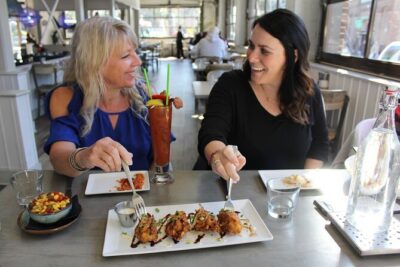
Charleston French Quarter or Brunch Food Tour with 7+ Tastings
Read our review →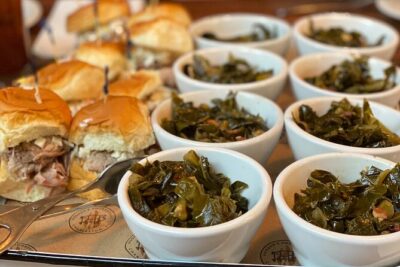
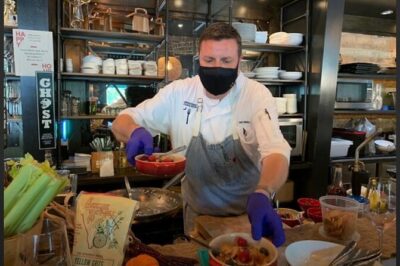
Undiscovered Charleston: Half Day Food, Wine & History Tour with Cooking Class
Read our review →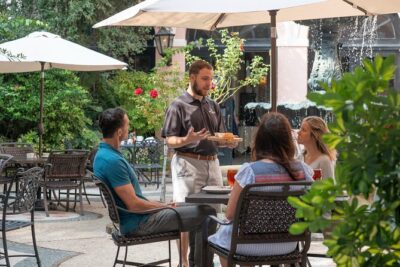
Savor the Flavors of Charleston Walking Food Tour
Read our review →
Private Charleston Walking Food Tour at the French Quarter
Read our review →
Browse the lists this tour appears in