
REVIEW · CHARLESTON
Charleston’s Historic Downtown Food Tour
Charleston’s food story comes alive one plate at a time on this downtown walk. You’ll pass Rainbow Row, the Pineapple Fountain, the Old Exchange, and Charleston City Market while tasting dishes tied to the city’s French, African, Lowcountry, and pirate-era past. The food is not an afterthought here. It is the main way the guide explains the city.
I like the four sit-down restaurant stops, which make this feel more like lunch than a sample crawl. I also like the way guides such as Paige, Jeff, and Emerson connect dishes to slavery, the slave trade, Gullah Geechee culture, and the people who shaped Charleston’s table. The main caution is timing: the tour is advertised at about two and a half hours, but it may finish closer to two, and the food lineup can change.
Key points to know before booking
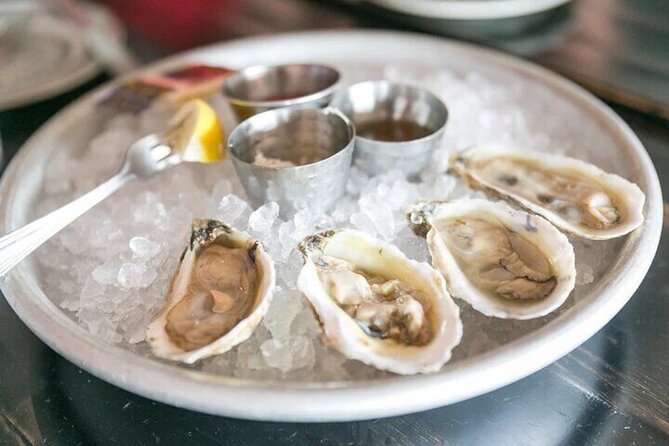
- She-crab soup is a likely highlight: This Charleston classic has received especially strong praise and anchors the food story early in the walk.
- Four restaurants provide a full lunch: Samples may include she-crab soup, rice and chicken or rice jollof, pulled pork, and dessert.
- History is part of every stop: French cooking, African ingredients, Gullah Geechee culture, southern hospitality, and pirate-era trade all enter the conversation.
- The route covers major downtown sights: Rainbow Row, the Pineapple Fountain, the Old Exchange and Provost Dungeon, and Charleston City Market are part of the walk.
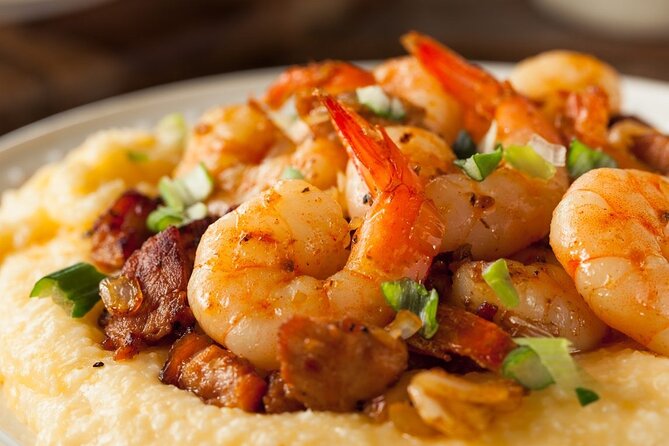
- The food list is not fixed: Shrimp and grits may appear in promotional material, but the actual menu has not always included it.
- Plan for a quick pace: You walk, eat, listen, and move on, with little time for a long drink or leisurely meal.
Why this food walk works so well in Charleston
Charleston is easy to admire from the outside. Its pastel facades, waterfront views, and old streets make a fine first impression. But the city makes more sense when you understand what went into its cooking.
This tour gives you that context without asking you to sit through a long lecture. You walk a short route through the historic district, stop at restaurants, and hear why certain ingredients and dishes became part of Charleston’s identity. The guide does not simply point out old buildings. The guide links places to food.
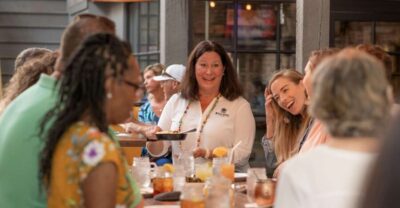
That approach suits you if you want a first taste of Charleston without spending half a day in a formal cooking class. You receive enough food for lunch, but you also get a compact introduction to the city center. The group size is capped at 15 people, which should make it easier to hear the guide and ask questions.
The strongest part is the connection between food and difficult history. Charleston’s cuisine cannot be explained honestly without discussing slavery and the slave trade, along with the African and Gullah Geechee traditions that shaped Lowcountry cooking. Guides such as Paige have been praised for handling that subject directly rather than smoothing it over.
More Food Tours in Charleston
- Charleston French Quarter or Brunch Food Tour with 7+ Tastings
★ 5.0 · 1,853 reviews - Downtown Charleston Food Tour
★ 4.5 · 1,376 reviews - Undiscovered Charleston: Half Day Food, Wine & History Tour with Cooking Class
★ 5.0 · 948 reviews
Rainbow Row and the French imprint on Charleston cooking
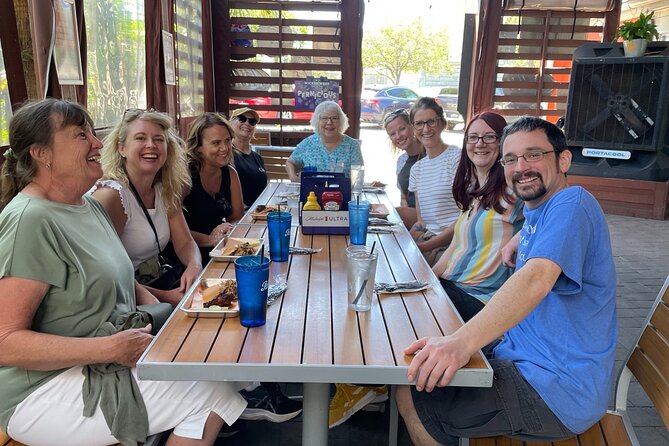
The tour begins at 195 East Bay Street and heads through the French Quarter, passing Rainbow Row on the way to the food stops. Rainbow Row is a quick orientation point rather than a full sightseeing visit. You do not receive an admission ticket because you are viewing the exterior as part of the walk.
The useful part here is the food connection. The guide explains how French culture influenced Charleston’s cooking and what kinds of dishes entered local life through that connection. You may already know Charleston for seafood, rice, and barbecue, but this opening talk helps place French techniques and tastes within the larger story.
Do not expect a long stop for photographs or a detailed architectural tour. The listed time is about 15 minutes, and the focus is food history. If you want polished pictures of Rainbow Row, arrive early or return later on your own.
Pineapple Fountain and the meaning of southern hospitality
The next major sight is the Pineapple Fountain, where the guide discusses the pineapple as a symbol of southern hospitality in South Carolina. The stop lasts about 20 minutes, giving you time to hear the story and take in the waterfront setting.
The connection to cooking is more cultural than technical. This part of the walk considers how ideas of welcome, hosting, and shared meals fit into Charleston life. It is a useful pause between restaurant stops because it gives the meal a social context, not just a list of ingredients.
The tour requires some walking outdoors, so weather matters. On a pleasant day, the route should be easy to enjoy. In rain or poor weather, the experience can feel less comfortable, and the operator may cancel and offer another date or a full refund.
The Old Exchange and Provost Dungeon, with pirates on the menu
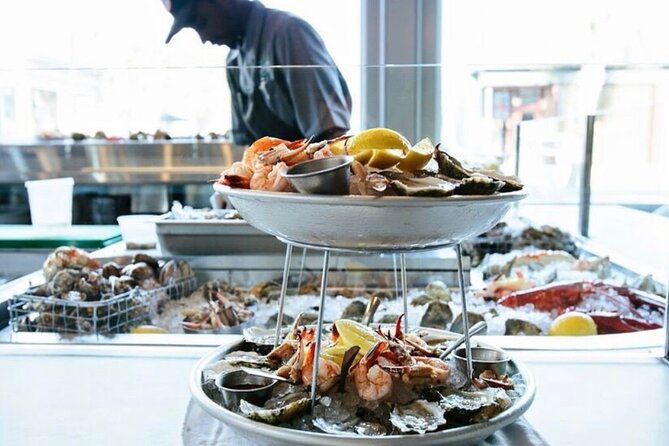
At the Old Exchange and Provost Dungeon, the guide turns to privateering and piracy in the early 1700s. This is one of the tour’s more unusual food-history angles. Pirates are not just a colorful Charleston footnote here. Their activities affected trade, supplies, and what people could eat.
You will spend about 15 minutes at this stop. The tour does not include admission to the Old Exchange and Provost Dungeon, so treat it as an exterior history stop rather than a museum visit.
I like this section because it broadens the idea of local cuisine. Food does not develop in isolation. Ships, trade routes, conflict, and access to imported goods all affect a city’s table. The guide uses Charleston’s early maritime world to show that point in a way that is easier to remember than a string of dates.
More food and history walks in Charleston:
- Tastes Through Time – Charleston’s Best Food & History Tour
★ 4.5 · 95 reviews - Charleston: Historic Downtown Food Tour
★ 4.7 · 67 reviews - Amsterdam Food and Cultural Tour with Tastings
★ 5.0 · 4,315 reviews - Barcelona: Tapas Walking Tour with Food, Wine, and History
★ 4.8 · 4,261 reviews
Charleston City Market and African food traditions
The Charleston City Market stop lasts about 20 minutes and focuses on African influences on local cooking. This is an important part of the tour, not a side note. The guide discusses ingredients introduced or popularized through African traditions and explains how those influences became part of Lowcountry food.
This section also connects with Gullah Geechee culture, which several guides have discussed during the tour. You should expect a direct look at how African traditions shaped rice dishes, seasoning, cooking methods, and the broader food culture of the region.
The market itself adds atmosphere, but the tour does not promise an extended shopping visit. You are there mainly for the food story and the transition to nearby restaurant stops. If you want time to browse vendors carefully, plan to return after the tour.
What you are likely to eat at the four restaurant stops
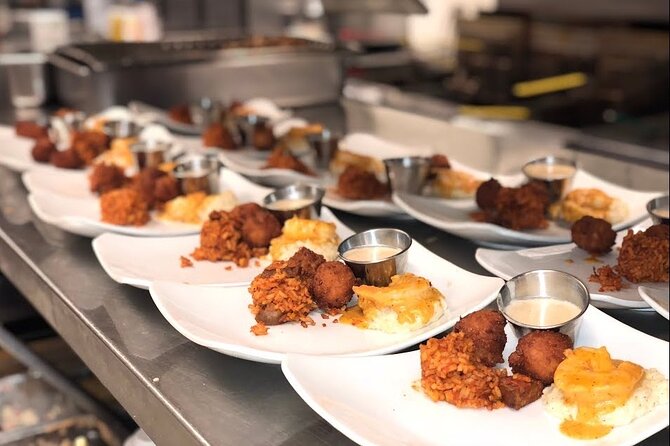
The food is served at four different restaurants, with enough tasting portions to function as a full lunch. The exact lineup can change, so you should not book this expecting one guaranteed menu. Still, the dishes repeatedly connected with the experience give you a good idea of what to expect.
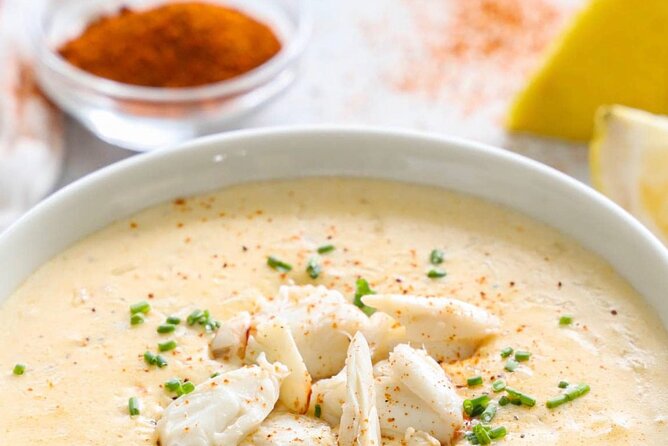
She-crab soup is the dish most often singled out as a favorite. The guide explains its Charleston origins while you taste it, making it a strong example of the tour’s basic method: eat a local dish, then place it in its cultural setting.
A rice course may follow. Descriptions from the tour include Carolina Gold rice with chicken and rice jollof. These references point toward the importance of rice in Lowcountry cooking and its links to African food traditions. The portion is intended as a tasting, but the combined servings add up.
You may also receive a pulled pork slider or another barbecue sample. This gives the meal a different texture and flavor from the soup and rice. Dessert finishes the route, and it has received particularly warm praise from people who took the tour.
One important warning: do not count on shrimp and grits. That dish has appeared in promotional imagery, but the actual food selection has not always included it. If that is the one dish you came to Charleston hoping to try, ask about the current menu before booking or order it separately elsewhere.
The pace is more eat and walk than leisurely dining
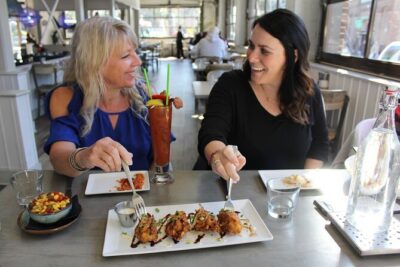
This is a walking food tour, not a long restaurant lunch. You will hear a short talk, taste a dish, and move along to the next stop. That rhythm keeps the tour within roughly two to two and a half hours, but it also means you may not have much time to linger over a cocktail.
Alcohol is not included. You can purchase a drink at the venues if you wish, but doing so may make the schedule feel tighter. I would treat the included food as the priority and save a full cocktail stop for later.
The tour has also been described as taking about two hours in practice, even though the stated duration is approximately two hours and thirty minutes. That difference matters if you are arranging another activity afterward. Leave a buffer rather than planning a second tour immediately at the expected end time.
The walking is spread across several downtown sights rather than concentrated in one restaurant. Most people can participate, and service animals are allowed. The tour is near public transportation, and you receive a mobile ticket after booking.
The guides make the history personal
The guide can shape this experience more than any single dish. Paige has been praised for a warm manner and for tying each course back to Charleston’s past. Jeff has been noted for adding a strong historical angle, while Emerson has brought broad American history into the conversation.
The best guide style here is not simply reciting facts. It is answering the natural questions that come up while you eat. Why is she-crab soup associated with Charleston? How did rice become so important? What role did African traditions play? How did trade and piracy affect local food?
You should also feel free to ask questions. The tour is small enough that the guide can usually respond without turning the whole group into a formal classroom. The experience is at its strongest when the history and food move together.
That said, guide quality and personal taste can vary. Some people have found the food only average even while enjoying the guide and the historical content. I would book this for the combination, not for a guarantee that every plate will be a standout restaurant meal.
Is $110 a fair price?
At $110, this is not the cheapest way to eat in Charleston. The value depends on how much you want from the experience beyond food.
If you purchased four separate restaurant tastings, paid for a guide, and arranged your own walking route between the historic sights, the cost could add up quickly. Here, the price includes food at four restaurants, a guide, the historical commentary, and VIP access intended to help the group move past lines.
The value is strongest for a first visit. You get a useful orientation to the downtown core, a full lunch, and a list of dishes and ideas to explore later. It is also a good choice if you want to understand the African, French, and Lowcountry roots of Charleston cooking rather than simply sample familiar southern food.
The value is weaker if you want a slow restaurant experience, a fixed menu, or large servings of one signature dish. The portions are tasting portions, and the group moves at a steady pace. At the end, you should be full, but you are not buying a long afternoon at one restaurant.
Who should book this Charleston food tour?
I would recommend it to first-time visitors who want an easy introduction to Charleston’s historic center. It also suits couples, families with older children, and solo visitors who like meeting a small group while learning the city through food.
History-minded eaters will get the most from it. You should be comfortable discussing slavery, the slave trade, African influence, and the complex origins of southern cuisine. The guide treats these subjects as essential parts of Charleston’s story.
You may want a different experience if you have mobility concerns that make a walking route difficult, though the supplied information says most people can participate. You may also be disappointed if you expect shrimp and grits, unlimited food, or a relaxed meal with time for drinks.
Book with the weather in mind. Since the tour requires good weather, poor conditions can lead to a new date or a full refund. You can cancel for a full refund up to 24 hours before the start time, but cancellations within 24 hours are not refunded.
Should you book it?
Book this tour if you want a full lunch paired with real historical context. The she-crab soup, rice dishes, pulled pork, and dessert give you a solid taste of Charleston, while the route explains how French, African, Gullah Geechee, and pirate-era influences shaped the city’s food.
Skip it if your main goal is a slow, fixed-menu dining experience or if shrimp and grits are essential. For most first-time visitors, though, the mix of four restaurant stops, major downtown sights, and a direct look at Charleston’s complicated past makes the $110 price reasonable. Just allow for a quick pace, a menu that may change, and an end time closer to two hours than two and a half.
FAQ
Where does the Charleston food tour begin?
The tour begins at 195 E Bay St, Charleston, South Carolina 29401.
Where does the tour end?
The activity ends back at the meeting point.
How long does the tour last?
The stated duration is approximately 2 hours and 30 minutes. It may finish closer to 2 hours, so allow extra time before scheduling another activity.
How many restaurants are included?
Food tastings are included at four different restaurant stops.
Is alcohol included?
No. Alcoholic beverages are not included, but you may purchase your own drinks at the venues.
Is shrimp and grits included?
Shrimp and grits are not guaranteed. The actual food lineup can differ, and this dish has not always been served despite appearing in promotional imagery.
Can I cancel for a full refund?
Yes. You must cancel at least 24 hours before the experience start time for a full refund. Cancellations or changes made less than 24 hours before the start time are not refunded or accepted.
Just added around Charleston
- Tastes Through Time – Charleston’s Best Food & History Tour★ 4.5 · 95 reviews
- Charleston Private Brunch Tour: Biscuits, Shrimps, Grits and More★ 5.0 · 48 reviews
- Charleston’s Savor the Flavors of Upper King Street Walking Food Tour★ 4.5 · 130 reviews
- Charleston Farm-to-Table Food Tour and Chef’s Challenge★ 5.0 · 110 reviews
- Charleston Brunch Food Tour: Biscuits, Shrimps, Grits and More★ 5.0 · 239 reviews
- Charleston Upper King Street Food Tour★ 4.5 · 200 reviews
- Private Charleston Walking Food Tour at the French Quarter★ 5.0 · 201 reviews
- Charleston: Small Group Food Tour – Savor the Flavors★ 4.7 · 169 reviews
Food Tours in Charleston, compared.
Charleston French Quarter or Brunch Food Tour with 7+ Tastings
Read our review →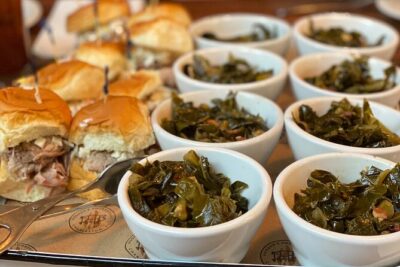
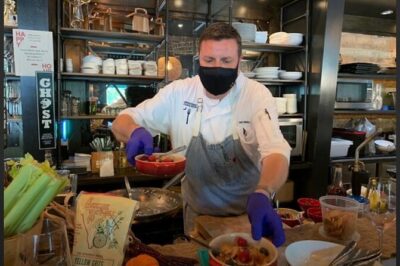
Undiscovered Charleston: Half Day Food, Wine & History Tour with Cooking Class
Read our review →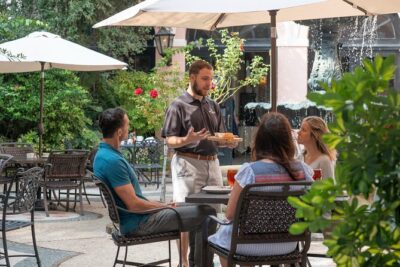
Savor the Flavors of Charleston Walking Food Tour
Read our review →
Charleston Brunch Food Tour: Biscuits, Shrimps, Grits and More
Read our review →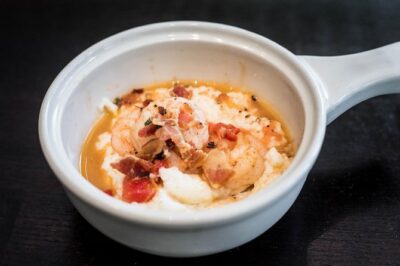
Private Charleston Walking Food Tour at the French Quarter
Read our review →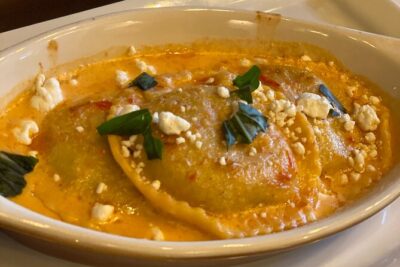
Browse the lists this tour appears in