
REVIEW · INDIA
Agra: Street Food Tour with Spice Market on Tuk-Tuk Ride
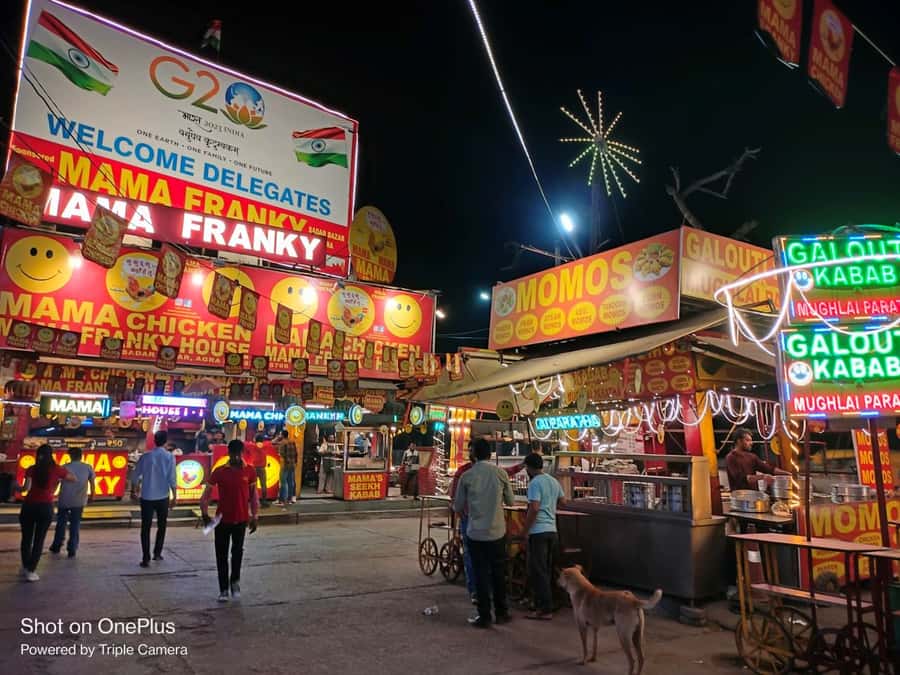
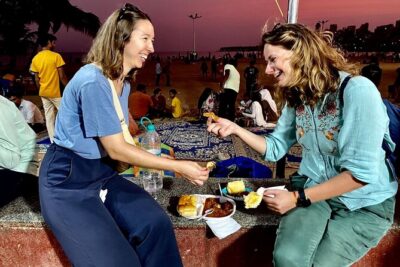
Agra’s best food may not come with a Taj Mahal view. It appears in paper plates and small bowls along Chaat Gali, where pani puri, aloo tikki, samosas, jalebi, and lassi keep the afternoon moving. This tour adds a tuk-tuk ride through Old Agra, a spice-market visit, and stops near two important old-city landmarks.
I like the private pickup and drop-off, which removes much of the guesswork in Agra traffic. I also like the personal food guidance: Amir and Shubham are named guides who explain what you are eating, adjust the tasting to your comfort level, and help you order in places where a menu may not be obvious.
The main thing to consider is that this is not a quiet, sit-down food experience. You will walk through crowded market streets, ride in busy traffic, and sample food from several vendors. The tour is also marked unsuitable for people with mobility impairments, and food inclusions depend on the option you choose.
Key points to know before booking
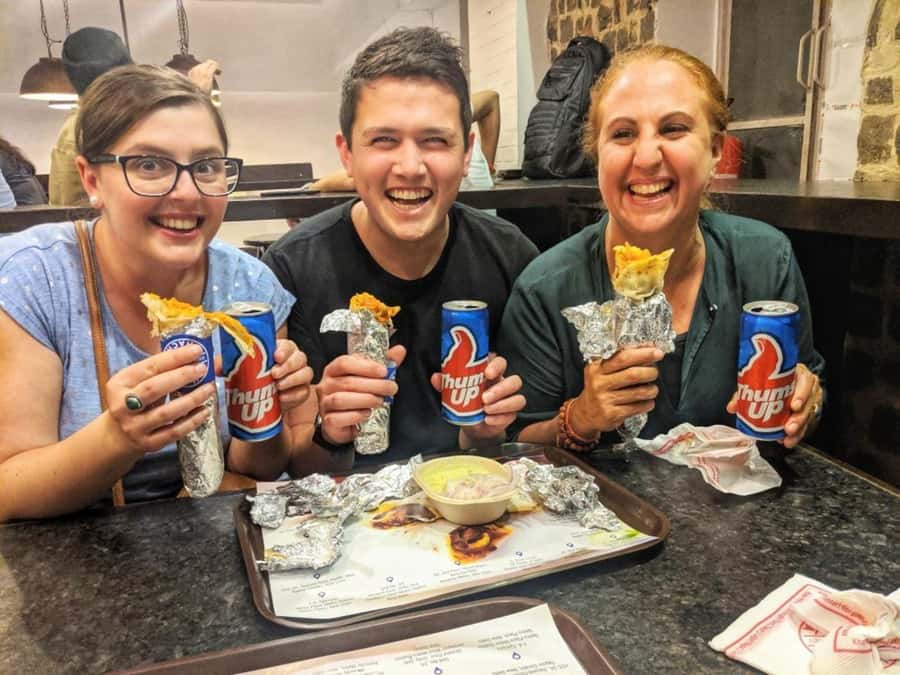
- Three hours in Old Agra: The afternoon combines walking, food tasting, landmarks, and local transport.
- Chaat Gali is the food center: Expect pani puri, aloo chaat, aloo tikki, pav bhaji, vada pav, samosa, kachori, jalebi, petha, lassi, and more.
- Amir and Shubham are named guides: Both are praised for clear explanations, friendly service, and helping visitors feel safe in the streets.
- Tuk-tuk and rickshaw transport: Hotel pickup, market transfers, and the ride through Agra are part of the experience.
- Spice market context: You are introduced to spices and their medical and health uses, not simply taken past shop counters.
- Some extras depend on your booking: Street food, sweets, and non-vegetarian items are included only when the selected option says so.
A practical introduction to Agra’s street food
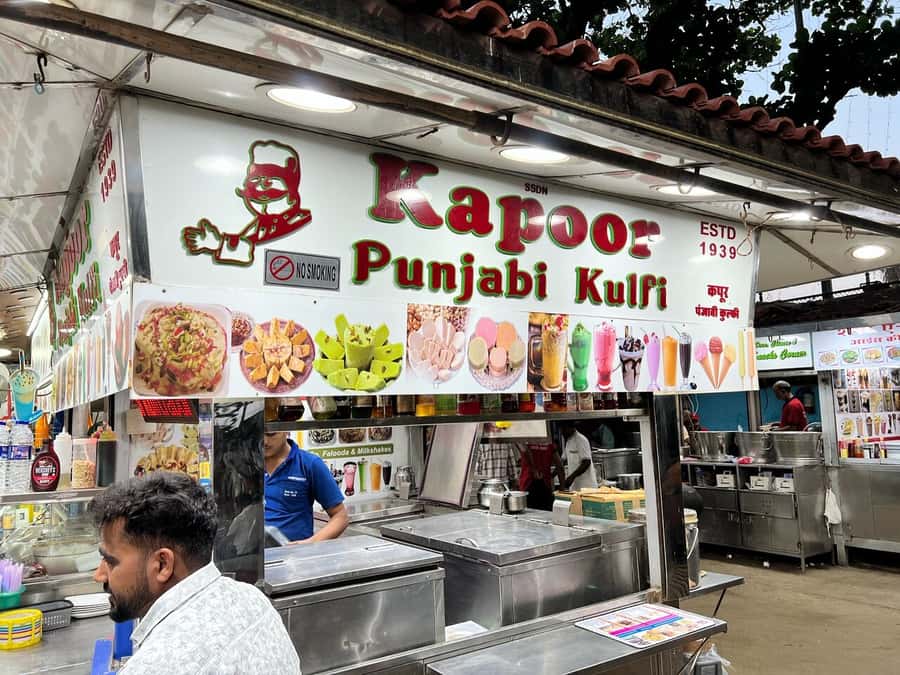
This tour works because it treats food as a way to read the city. You are not just handed a samosa and sent on your way. Your guide explains what each item contains, how it is prepared, and how adventurous you need to be.
The food is mainly Indian street fare, with strong North Indian and Punjabi influences. Chole bhature, for example, pairs spicy chickpeas with bhature, a large fried bread. It is filling and often better suited to a hungry stomach than a light afternoon snack. Samosas and kachori offer crisp pastry with savory fillings, while jalebi brings a sticky hit of sugar in coiled, syrup-soaked form.
The menu can be adjusted to your taste and comfort level. That matters if you are new to Indian street food, unsure about spice, or eager to try everything put in front of you. Tell the guide clearly what you eat and what you want to avoid. The booking choices also matter: street food and sweets, plus non-vegetarian items, are not automatically part of every option.
More market tours in India:
- Mumbai: Street Food and Night Markets Tour
★ 4.9 · 719 reviews - Jaipur Bazaar & Food Walking Tour
★ 5.0 · 281 reviews - Mumbai Street Food & Night Markets
★ 5.0 · 225 reviews
Starting near Mankameshwar Mandir
Pickup is available from your chosen location in Agra, with a start time between 3:00 PM and 6:00 PM. That flexible window is useful if you have spent the morning at the Taj Mahal or Agra Fort and want food later in the day.
One possible early stop is Shri Mankameshwar Mandir, an old Hindu temple devoted to Lord Shiva. The temple contains a statue and idols of the deity, who is regarded in Hindu belief as the destroyer of evil. This is a religious site rather than a food stop, so dress and behave with care.
The temple also helps explain the character of Old Agra. Within a short ride, you can pass from a place of worship into market streets full of snack sellers, traffic, and shopfronts. Your guide gives the setting some meaning instead of treating the old city as a backdrop for eating.
Jama Masjid and the old city streets
The tour also takes you to Jama Masjid, built by Jahanara Begum, the daughter of Shah Jahan. Shah Jahan is best known for commissioning the Taj Mahal, but Jahanara had an important place in Mughal court life and left her mark on Agra through this mosque.
The mosque stop adds a useful pause between food tastings. You get a sense of the old city’s religious and architectural setting before returning to the market. The supplied details do not promise an extended architectural tour, so you should think of Jama Masjid as one part of a wider food-and-street-life route, not a dedicated monument visit.
The streets around the mosque can be crowded and active. You will need comfortable shoes and a willingness to move at street pace. This is one reason the private format helps: a guide can keep an eye on you, manage the route, and explain what you are seeing without the rigid feel of a large group.
Chaat Gali, where the tasting begins
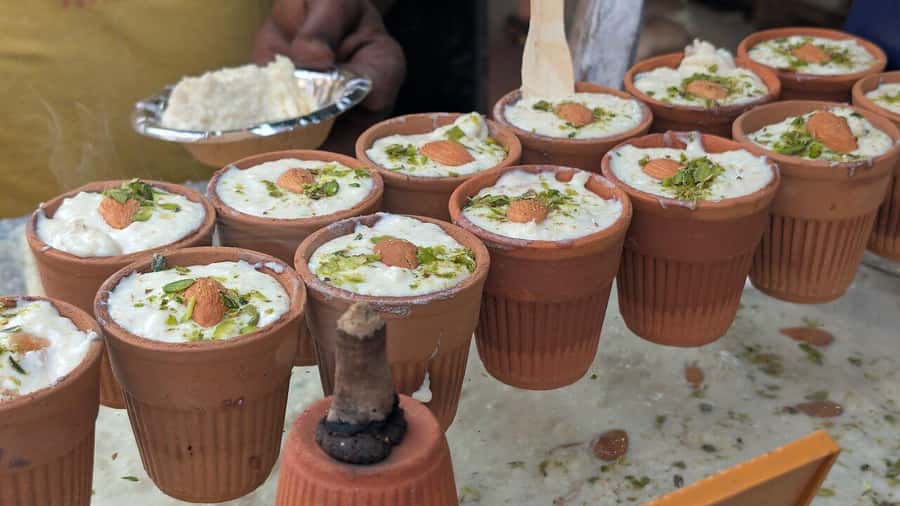
The main food section takes place around the famous Chaat Gali, a street lined with sellers of chaat. Chaat is a broad family of savory snacks that mix crisp, soft, spicy, sour, sweet, and creamy elements. It is ideal for tasting because small portions let you try several styles in one sitting.
Pani puri is one of the more theatrical bites. A hollow fried crisp is filled with potato, onion, and chickpeas, then served with seasoned water and other flavors. It is usually eaten quickly, and the combination of crunch and liquid makes it very different from a standard snack.
You may also try aloo chaat, aloo tikki, and pav bhaji. Aloo chaat uses potato with sauces and seasonings. Aloo tikki is a potato patty with a crisp outside. Pav bhaji combines a spiced vegetable mixture with a soft bread roll. The guide can explain the difference as you go, which is useful because many of the names will be new to first-time visitors.
Vada pav is another likely highlight. It is a fried potato mixture served in a bun with chutneys, often described as an Indian burger. It is inexpensive, filling, and designed for eating on the move.
More street food nights in India:
- Old Delhi Street Food Tour
★ 5.0 · 497 reviews - Delhi: Old Delhi Street Food Tour with Rickshaw Ride
★ 4.9 · 403 reviews - Mumbai Street Food Tour
★ 5.0 · 269 reviews - Heritage Walk & Street Food Tasting in Jaipur
★ 5.0 · 158 reviews
Samosas, kachori, jalebi, and petha
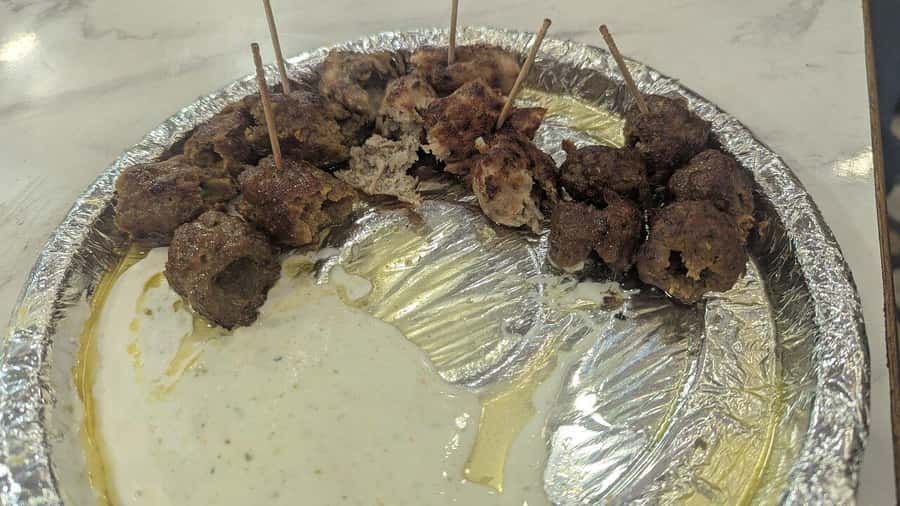
The tasting continues with familiar Indian snacks and sweets. Samosas are crisp pastries with savory filling, while kachori is another fried pastry with its own seasoned filling. These are good choices if you want something warm and substantial, but they can add up quickly when combined with chole bhature and vada pav.
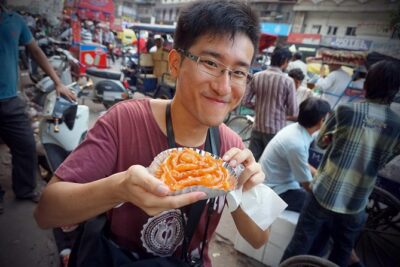
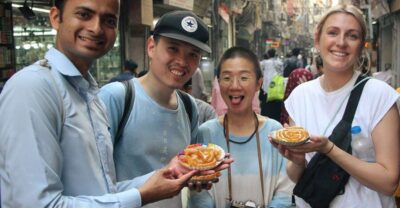
Save room for the sweet course. Jalebi is made from coils of fried batter soaked in syrup. It is intensely sweet, sticky, and best sampled in a small portion. Petha is closely associated with Agra and gives the tour a local sweet to look for beyond the better-known jalebi.
Lassi provides a cool, creamy break from spice and fried food. One guide also arranged a chance to try ice cream made from buffalo milk, a detail that gives the tasting a more unusual local touch. If you are not used to rich dairy products, take small portions first.
Food safety is a fair concern on any street-food tour. The useful advantage here is that the guide knows the vendors and helps direct you to established places. Amir is specifically praised for knowing the sellers and reducing the time spent waiting for food. That does not remove every risk, but it makes the experience less random than choosing stalls alone.
Riding through Agra by tuk-tuk and rickshaw
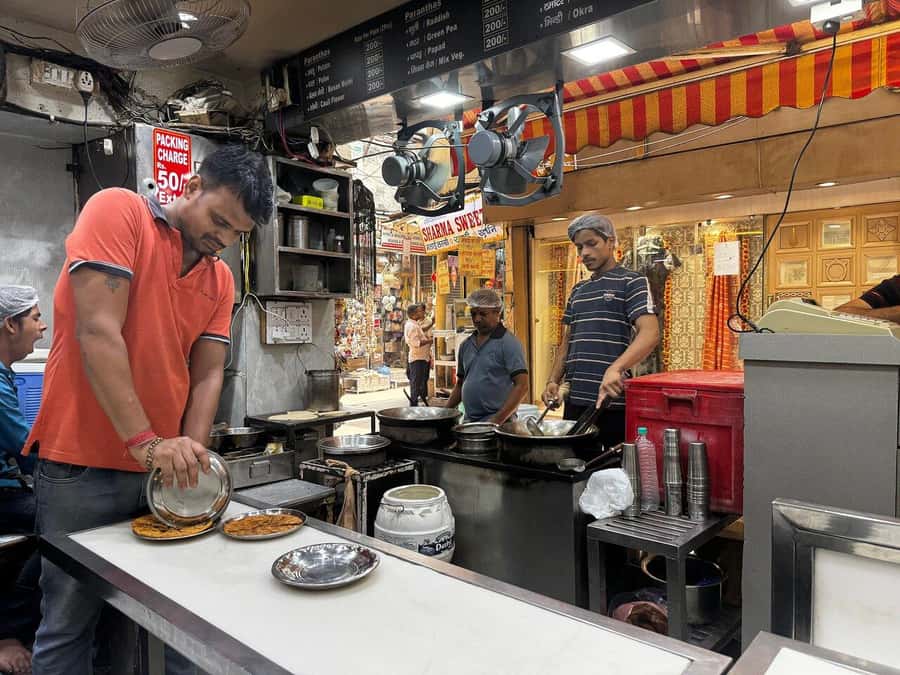
Transport is part of the pleasure, not just a way to get between snacks. You receive pickup and drop-off by private tuk-tuk, along with a traditional rickshaw ride through the market area. From that seat, you see traffic, signs, shopfronts, pedestrians, and daily business at close range.
A rickshaw also gives you a better view than moving through the same streets inside a larger vehicle. You can watch the market unfold at street level, although you should expect noise, sudden stops, and tight traffic. If you prefer a calm, polished sightseeing route, this may feel hectic. If you want a direct look at everyday Agra, it is a strong part of the afternoon.
Some experiences also include a metro ride, according to one detailed account of the route. The Agra metro was described as clean and efficient, but it is not presented as a guaranteed part of every booking. Consider it a possible addition rather than a fixed promise.
The spice market and local health traditions
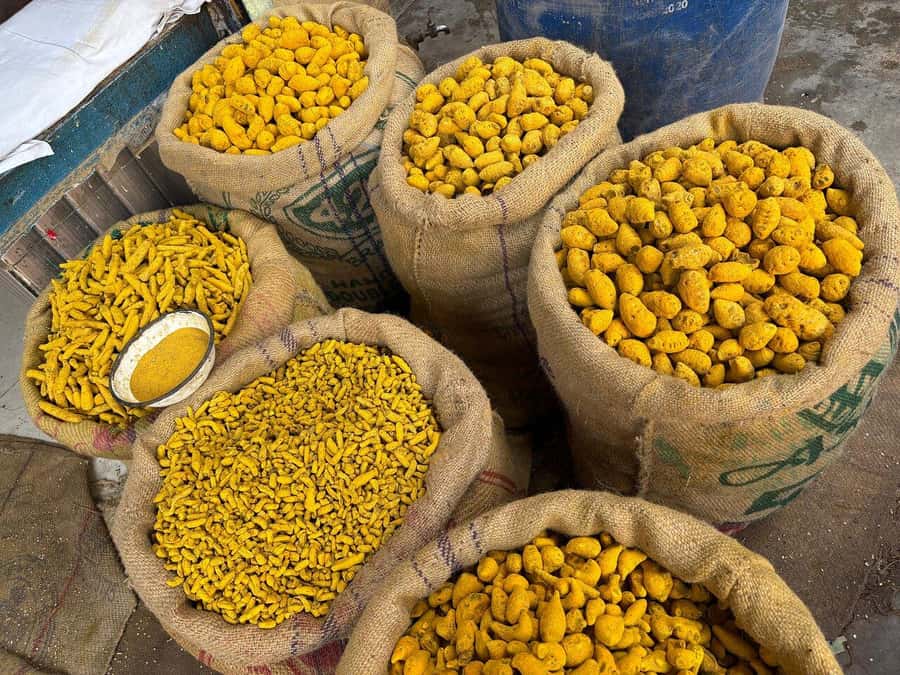
The spice-market visit gives the food stops more context. Spices are not only flavoring for a dish. In Indian cooking and traditional household practice, many are also discussed in relation to digestion, warmth, and general health.
Your guide explains the medical and health uses connected with the spices you see. The value here is practical: you begin to understand why certain ingredients turn up together in snacks, drinks, and home cooking. The experience is not described as a formal medical consultation, so treat the information as cultural and culinary context rather than health advice.
The market can also be a shopping environment. A few accounts of the route include visits to marble or art workshops after the food portion. One such stop was described as interesting and free of hard selling, while another account notes that marble and embroidery shops may be included. If you do not want shopping stops, say so clearly at the start. A family group that stated this preference was not taken to shops.
That point is worth raising because the core tour is food, but optional or added craft stops may appear in the afternoon. Clear communication should help keep the focus where you want it.
How the guide changes the experience
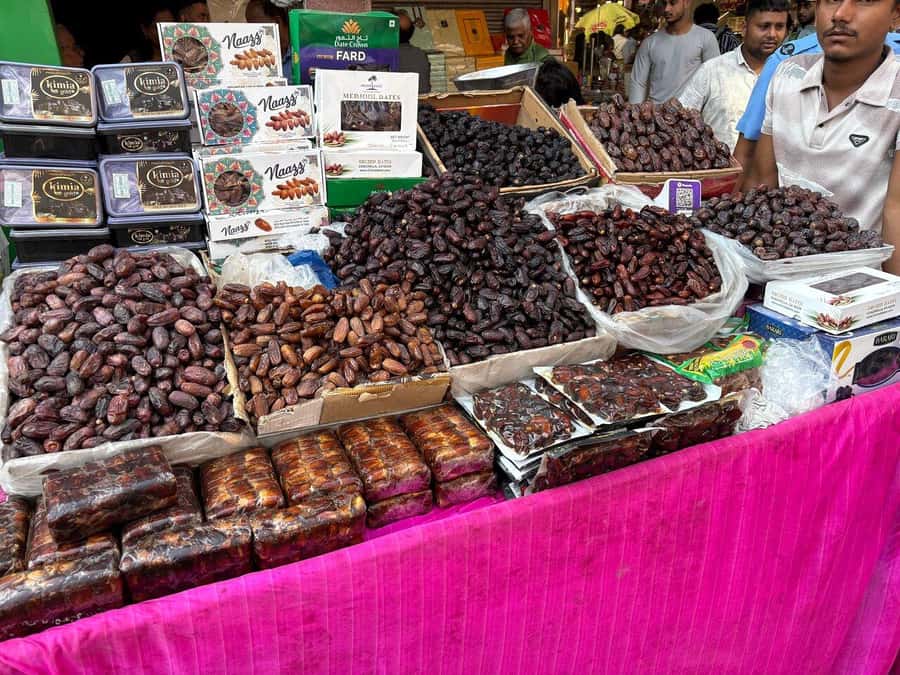
The guide is the main reason this tour can work for first-time visitors. Amir is praised for explaining the food, helping with street safety, and making the route feel relaxed. He also offered a dinner recommendation and changed the tuk-tuk route to reach a restaurant afterward, though that extra dinner stop is not part of the advertised tour.
Shubham is another named guide connected with the experience. He combined food tasting with an Old Town walk, Jama Masjid, and a marble workshop when there was confusion about which route had been booked. That flexibility is useful, but it also points to a practical tip: confirm before pickup whether you want the street-food-and-spice-market route, an Old Town walk, or a mixture.
Both English and Spanish are available. The private format means the guide can spend more time answering your questions and adjusting the pace than would be possible in a large group. Families can also benefit, provided everyone is comfortable walking and eating in busy public areas.
What the $16 price really covers
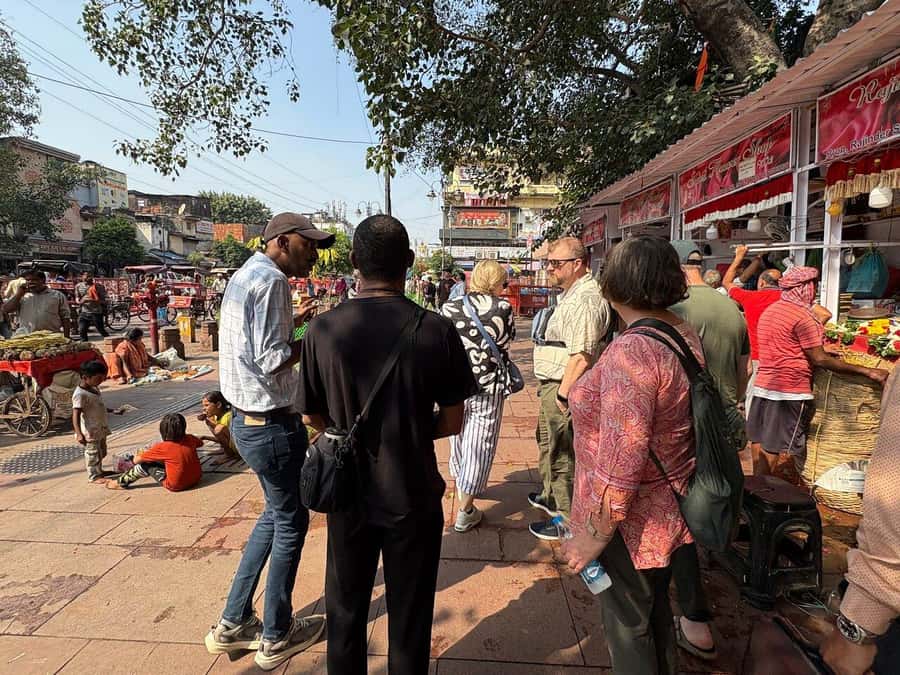
At $16 per person, the tour is priced more like a guided introduction than a luxury culinary outing. The price includes hotel pickup and drop-off, private tuk-tuk transport, a live private guide, a traditional rickshaw ride, cold mineral water, and a napkin.
Food and sweets are included only if you select the relevant option. Non-vegetarian food is also an option rather than a universal inclusion. Check the exact choice before paying, especially if tasting food is the main reason you are booking.
The value is strongest if you want several services in one short afternoon: a local guide, transport, food direction, and a first look at Old Agra. It is less attractive if you want a long meal at a single restaurant, large portions, or a formal cooking lesson.
Personal expenses are not included. You should also avoid arriving full. The food is served in repeated small portions, but snacks such as chole bhature, fried pastries, vada pav, sweets, and lassi can become a substantial meal. Start hungry, but not so hungry that you rush through the afternoon.
Who should book this Agra food tour?
I would choose this tour if you have limited time in Agra and want more than monument visits. It fits especially well after a morning of sightseeing, when a three-hour food route gives you a different view of the city.
It is also a good match if you are nervous about choosing street food alone. A guide who knows the vendors can help you sample more with less guesswork. Families, couples, and solo visitors can all use the private setup to control the pace and food choices.
I would think twice if you have serious mobility limits, since the experience includes walking, uneven market movement, and getting in and out of tuk-tuks and rickshaws. It may also disappoint you if you dislike fried food, sweet dishes, noise, or informal eating spaces.
Cancellation is flexible up to 24 hours before the start for a full refund, and you can reserve now and pay later. Pickup times run from 3:00 PM to 6:00 PM, so confirm your preferred time and hotel location in advance.
Should you book it?
Book this Agra tour if you want a low-cost, personal way to try local food while seeing the old city at street level. The strongest features are the private transport, the guide’s help with unfamiliar dishes, and the chance to taste far more than you would likely order on your own.
Go in with realistic expectations. This is a market walk with fried snacks, sweets, traffic, and flexible routing, not a polished restaurant tour. Choose the food option carefully, tell the guide if you want to skip shopping stops, wear comfortable shoes, and arrive hungry. For $16, that is a useful introduction to Agra’s everyday food culture.
FAQ
How long does the Agra street food tour last?
The tour lasts three hours.
What time can the tour start?
You can select a pickup time between 3:00 PM and 6:00 PM.
Is hotel pickup and drop-off included?
Yes. Hotel pickup and drop-off are included, with private tuk-tuk transport.
What foods can I try?
Possible tastings include pani puri, aloo chaat, aloo tikki, pav bhaji, vada pav, samosa, kachori, jalebi, petha, lassi, and chole bhature.
Are food and sweets included in the price?
Street food snacks and sweets are included if you select the relevant option when booking. Non-vegetarian food is also available only if that option is selected.
Does the tour include a rickshaw ride?
Yes. A traditional rickshaw ride is included, along with private tuk-tuk pickup and drop-off.
Which languages are available?
The tour is available in English and Spanish.
Is the tour suitable for people with mobility impairments?
No. The experience is marked as unsuitable for people with mobility impairments because it includes walking and street-level transport.
More Shopping Tours in India
- Bangalore : Evening Food Street Walk and Market Visit
★ 5.0 · 34 reviews - Delhi: Old Delhi’s Street Food, Temples & Spice Market Tour
★ 5.0 · 30 reviews - Chef Guided Food Tour of Pike Place Market
★ 5.0 · 3,733 reviews - Tokyo Tsukiji Fish Market Food and Culture Walking Tour
★ 5.0 · 3,184 reviews
More Tuk-Tuks in India
- Old Delhi: Private Tour of Chandni Chowk, Tuk Tuk & Food
★ 4.9 · 345 reviews - Agra: Street Food Walking Tour, Spice Market, & Tuk-tuk Ride
★ 4.9 · 102 reviews - Delhi: Old Delhi City Tour with Tuk-Tuk Ride & Street Food
★ 4.8 · 88 reviews - Agra: Sadar Bazar Food Market Night Walking Tour by Tuk-Tuk
★ 4.9 · 25 reviews
Just added around India
- Kolkata Midtown Madness- A Street Food & Nightlife Tour★ 4.9 · 49 reviews
- Kochi: Local Street Food Guided Walking Tour with Tastings★ 4.5 · 34 reviews
- Bengali Nights Kolkata Food Tour with 13+ Tastings★ 4.8 · 70 reviews
- Jodhpur: Desert Camel and Jeep Safari with Traditional Food★ 4.9 · 57 reviews
- Jaipur Food Walk l Eat Just Like Locals★ 5.0 · 31 reviews
- jodhpur: street food tour with over 8 food tastings★ 4.8 · 45 reviews
- Jaipur: History Street Food Tour with Local Guide★ 4.4 · 50 reviews
- Goa Street Food Crawl: Authentic Food Tasting Experience★ 3.7 · 29 reviews
Food Tours in India, compared.
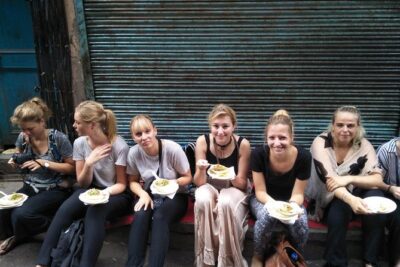
The Great Indian Food Tour: Old Delhi Food and Heritage Walk
Read our review →
Old Delhi Food, Heritage&Cultural Walk with Rickshaw ride to Masterji Kee Haveli
Read our review →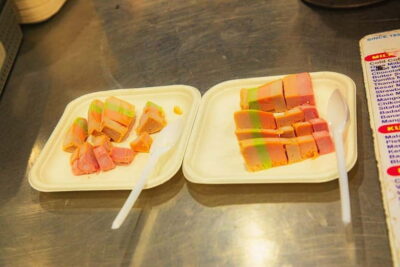
Old Delhi: Private Tour of Chandni Chowk, Tuk Tuk & Food
Read our review →
Browse the lists this tour appears in