
REVIEW · NEW DELHI
Old Delhi Street Food Tour
Old Delhi is best understood one bite and one noisy lane at a time. This four-hour food walk takes you from Rajiv Chowk into Chandni Chowk, with metro and rickshaw rides adding a useful sense of how Delhi works. You can try dahi bhalla, aloo chaat, paratha, jalebi, chole bhature, lassi, kheer, and shahi tukda without having to hunt down each stall yourself.
I like two things most here: the range of food and the way the tour connects eating with places such as Jama Masjid and Khari Baoli spice market. I also like that guides including Ajay, Kavita, Sourav, Tavrej, and Naresh are repeatedly praised for helping people feel safe in crowded lanes and explaining what they are eating.
The main drawback is the setting itself. Old Delhi can be loud, packed, spicy, and fast-moving, and the pace may feel brisk if you want a slow meal. Come hungry, wear practical shoes, and expect a full evening rather than a relaxed restaurant crawl.
Key points to know before booking
- Nine or so food stops: Tastings can add up to dinner, snacks, drinks, and dessert, so skip a large meal beforehand.
- Metro and rickshaw included: The journey is part of the experience, not just a way to move between restaurants.
- Mostly vegetarian menu: The final meat choice is Indian-style fried or marinated chicken, while vegetarians can explore Matia Mahal instead.
- Strong local guidance: Guides such as Sam, Ajay, Kavita, Sourav, Tavrej, and Naresh are praised for food knowledge, care, and crowd control.
- A maximum of 18 people: This is a group tour, though you can pay more for a private version.
- Central meeting point: You meet at Gate 1 of Rajiv Chowk Metro Station and return there at the end.
Why this Old Delhi food tour works
The clever part of this outing is that it is not only a meal. It gives you a practical first look at Old Delhi, a place that can feel confusing when you first arrive. You move by Delhi Metro, walk through market lanes, ride in cycle rickshaws, and stop at food sellers who know how to serve a steady stream of customers.
That movement matters. A food tour that used cars from one restaurant to another would miss much of the point. Here, the route lets you see the shift from central Connaught Place to the older market districts, then into lanes where spice shops, snack stalls, religious buildings, and daily commerce sit close together.
Your guide also helps with the small decisions that can make street food easier. You do not have to guess what a dish is, decide which stall looks reliable, or work out how to cross a crowded market while keeping up with a group. Guides such as Sourav, Ajay, Kavita, Sam, Tavrej, and Naresh have been singled out for explaining food, answering questions, and keeping an eye on the group.
The published rating is 4.9 from 497 reviews, with 97 percent recommending the experience. That is a very strong record, though you should still understand the format. This is an active, crowded walking tour with many tastes in a short period, not a sit-down culinary class.
More Food Tours in New Delhi
- The Great Indian Food Tour: Old Delhi Food and Heritage Walk
★ 5.0 · 1,698 reviews - Old Delhi Food, Heritage&Cultural Walk with Rickshaw ride to Masterji Kee Haveli
★ 5.0 · 742 reviews - Delhi: Old Delhi Street Food Tour with Rickshaw Ride
★ 4.9 · 403 reviews
Starting at Rajiv Chowk and taking the metro
The meeting point is Gate 1 of Rajiv Chowk Metro Station in Connaught Place. This is a central location, and the tour ends at the same meeting point, which makes the beginning and finish fairly simple to manage.
The metro ride is part of the introduction. You get a glimpse of local transport before entering Old Delhi, and you avoid spending the whole journey in road traffic. If you have not used the Delhi Metro before, your guide provides useful orientation while leading the group.
The tour lasts about four hours. Timing can vary slightly in real life because Old Delhi is crowded and the group may need to wait for a rickshaw or keep together. One group was able to start a little late after speaking with its guide, but you should still arrive on time rather than count on flexibility.
The group size can reach 18 people. That is small enough to hear a guide in most places, but large enough that the pace may not suit someone who wants to stop for photographs every few minutes. The private upgrade is worth considering if you want a slower route, have specific food needs, or prefer more one-to-one time with the guide.
Chandni Chowk: chaat, paratha, and jalebi
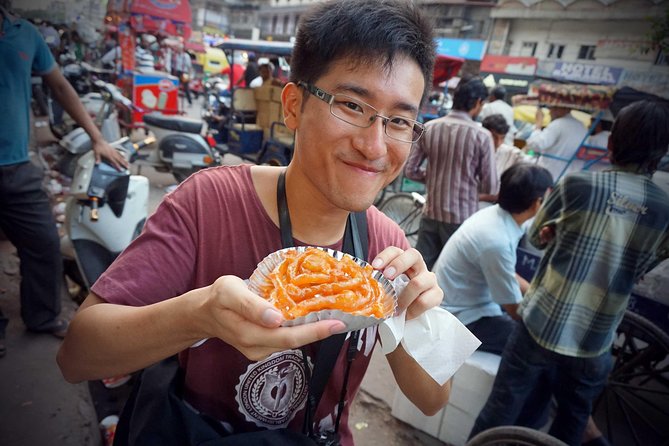
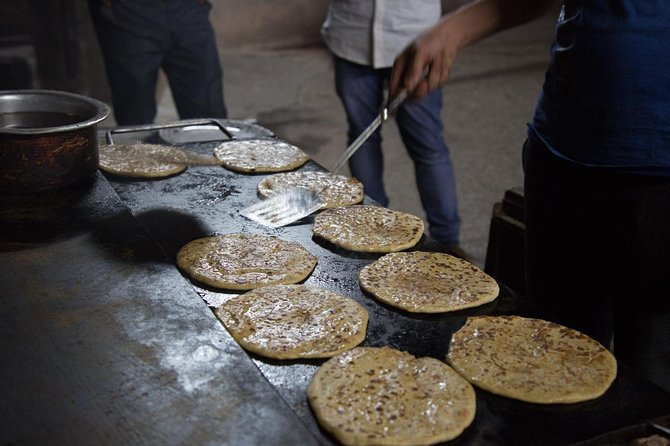
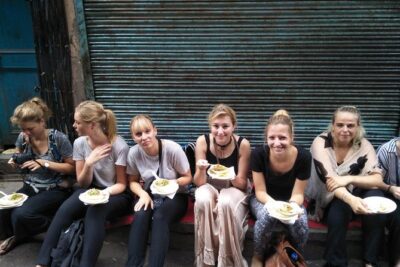
Chandni Chowk is where the food tour begins to show its range. The first group of tastings includes dahi bhalla, aloo chaat, paratha, and jalebi. Each dish gives you a different idea of how Indian street food balances sour, salty, spicy, creamy, and sweet flavors.
Dahi bhalla is a yogurt-based snack, with soft lentil dumplings and cooling yogurt. Aloo chaat brings potatoes together with spices and tangy flavors. Paratha gives you something warmer and more filling, while jalebi finishes this section with a crisp, deep-fried sweet soaked in syrup.
Jalebi is a useful warning about the tour in general: the food is not shy. Sweet dishes can be intensely sweet, and savory dishes may carry more heat than you expect. One person found the spice level difficult, so if you prefer mild food, tell your guide early. The exact amount of heat can vary from dish to dish, and it helps to ask before taking a large bite.
The main advantage here is variety. You are not eating three versions of the same snack. You move from yogurt to potato, flatbread, and syrupy dessert, with your guide explaining how each dish fits into Delhi’s food traditions.
Khari Baoli and the spice market
Khari Baoli is one of the most memorable parts of the route. It is known as Asia’s largest spice market, and the visit gives the meal a strong visual and cultural setting. You see the trade side of cooking, with spices and dry goods moving through a market that is as much about commerce as flavor.
You also taste chole bhature here, a Punjabi dish built around spiced chickpeas and fried bread. It is substantial, so by this point you will be glad you followed the advice to arrive hungry. Chole bhature can be rich and filling, and it may be one of the dishes that turns the tour from a snack walk into a proper meal.
The spice market is not a quiet museum. It can be crowded, active, and hard to navigate alone. Stay close to your guide, especially when the group changes direction. One guide was praised for quietly positioning himself between group members and pickpockets, while others were appreciated for keeping people together in the market.
That does not mean you should relax your own awareness. Keep your phone and wallet secure, avoid stopping in the middle of a lane, and follow your guide’s movements. The tour provides support, but you remain responsible for your belongings.
More street food nights in India:
- Mumbai: Street Food and Night Markets Tour
★ 4.9 · 719 reviews - Mumbai Street Food Tour
★ 5.0 · 269 reviews - Mumbai Street Food & Night Markets
★ 5.0 · 225 reviews - Heritage Walk & Street Food Tasting in Jaipur
★ 5.0 · 158 reviews
Jama Masjid and the final savory stop
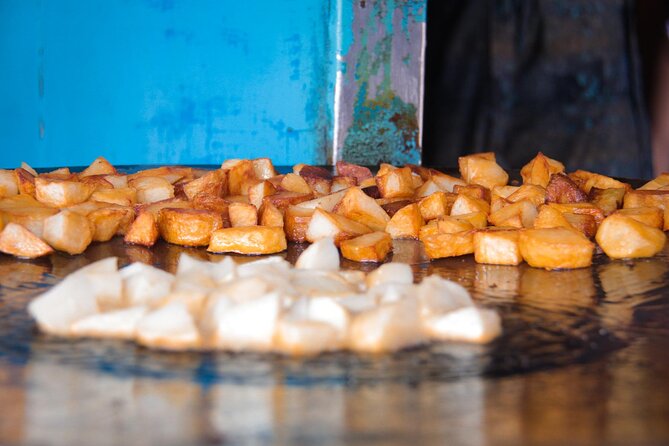
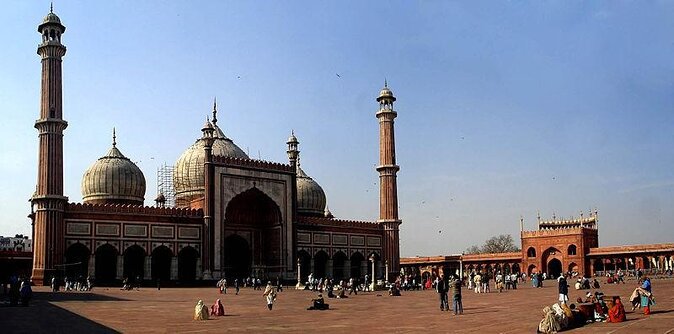
The route continues toward Jama Masjid, one of Delhi’s major Islamic landmarks. The tour views the mosque from outside rather than offering an interior visit. That makes this a short cultural stop, not a full architectural tour, but it adds important context to the food and neighborhood around it.
The final savory option is marinated Indian-style chicken, often described as fried chicken in the tour details. This is the one meat option on an otherwise vegetarian route. If you eat meat, it gives the evening a different flavor and a hearty finish to the savory part of the meal.
Vegetarians do not need to feel like they are missing out. The tour is designed around vegetarian dishes for most of the route, and at this point you can explore the surrounding Matia Mahal neighborhood instead of choosing chicken. The information provided does not specify an alternative tasting at that exact stop, so ask your guide what is available if you want to remain vegetarian.
This is also a good point to remember that food stops may not be polished dining rooms. The appeal is the local setting and the chance to try dishes where they are commonly sold. One person found some food locations less appealing, so anyone who prefers formal restaurants should think carefully before booking.
Desserts, lassi, and the danger of arriving full
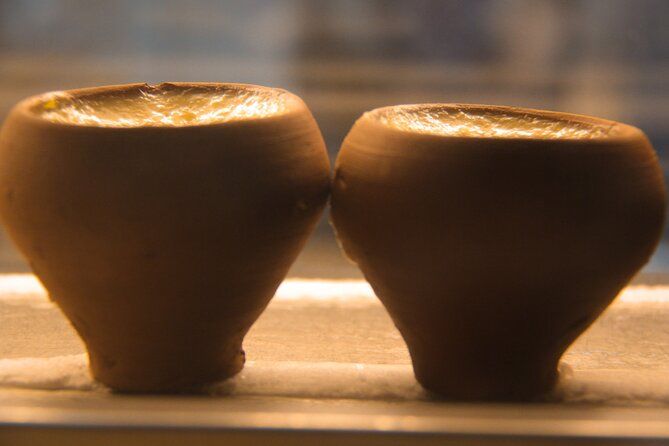
The sweet course includes lassi, kheer, and shahi tukda. Lassi is a frothy yogurt drink that can offer a cool contrast to spicy food. Kheer is Indian rice pudding, while shahi tukda is bread soaked in a sweet mixture and served as a rich dessert.
You may also have additional soft drinks and tastes along the route. The tour description says to expect enough food for dinner, snacks, and drinks, and the included allowance is described as as much food and soft drinks as you like. In practical terms, you should expect generous tasting portions rather than a carefully measured restaurant menu.
The food is plentiful enough that several people finished without needing another meal that night. That is good value, but it can also be too much if you arrive after lunch and eat normally before the tour. I would keep the preceding meal light and bring an open mind about stopping when you are full.
The best approach is to taste everything in small amounts at first. You can ask for more when you find a favorite, and you will have room for the later sweets. This is particularly helpful with jalebi, chole bhature, and shahi tukda, all of which can fill you quickly.
How the transport shapes the experience
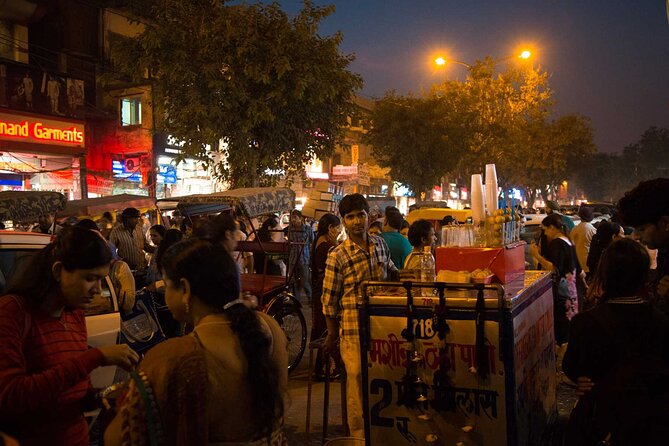
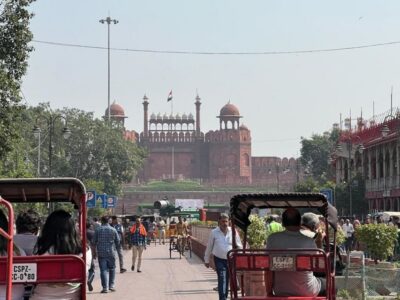
The metro and rickshaw rides are not filler. They let you see Delhi through several levels of movement. The metro gives you an efficient view of urban life, while a cycle rickshaw carries you directly through the tighter market lanes.
Rickshaw rides also explain why Old Delhi can feel so intense. You are close to pedestrians, shops, vehicles, and other rickshaws, with the route unfolding at street level. It is exciting, but it is not calm. If you dislike traffic, crowds, or sudden changes of direction, this part may feel tiring.
There is also plenty of walking. Wear shoes that can handle several hours on uneven and busy streets. The tour is not presented as an accessibility-focused activity, and the combination of stairs, metro travel, walking, and rickshaw rides may not suit everyone.
The upside is that you get a much fuller sense of place than you would from a food tasting held in one room. You see the neighborhoods between dishes, and the guide can explain how the food, market, religion, and daily life fit together.
Guide quality and group atmosphere
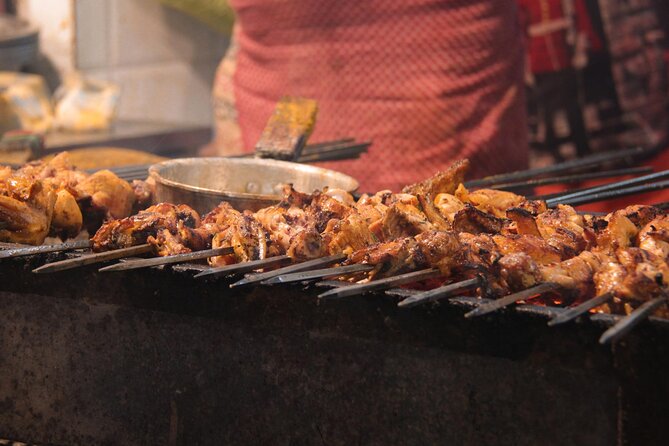
The guide can make or break a tour like this. Names praised in the supplied material include Ajay, Kavita, Sourav, Sam, Tavrej, and Naresh. Their strengths are described in practical terms: clear explanations, care with food choices, help in crowded areas, and an ability to make first-time visitors feel comfortable.
Sourav, also referred to as Sam in some experiences, was especially valued for explaining Delhi, watching out for a group of women, and making Old Delhi feel manageable. Ajay was praised for presenting the tour like a friend showing someone around, while Kavita was noted for explaining both the history of places and how dishes are made.
Your guide will not necessarily be one of these people, so treat the names as examples of the level of service you may encounter, not a guaranteed assignment. Still, the repeated praise for guide care is important. The food is easier to enjoy when you are not worrying about getting lost or choosing a questionable stall.
The pace can be fast. One person loved the tour but wished it moved more slowly. In a four-hour outing with many stops, transport, and a group of up to 18, that tradeoff is understandable. You get range and momentum, not long breaks at each location.
Price, value, and who should book
At $40.17 per person, the tour is good value if you use the included food and transport. You are paying for a local guide, metro travel, rickshaw rides, several food stops, drinks, and a route through Old Delhi that would be difficult to assemble efficiently on your own.
The value is strongest for a first visit. You receive a quick orientation to Chandni Chowk, Khari Baoli, Jama Masjid, and Matia Mahal, along with a list of dishes to look for later. The guide can also point out where to continue exploring after the tour ends.
I would book it for an adventurous eater, a first-time visitor to Delhi, or anyone who wants food and sightseeing in one outing. It also suits people who are curious about street food but want a guide to select established stops.
I would hesitate if you need a quiet meal, dislike spicy food, have difficulty walking in crowded areas, or want a carefully paced culinary lesson. The private option may solve some of those concerns, but the core setting remains Old Delhi, with its noise, crowds, and constant motion.
You can cancel free of charge up to 24 hours before the start time for a full refund. Changes or cancellations made inside that period are not accepted for a refund.
My recommendation for Old Delhi food lovers
I would choose this tour early in a Delhi visit, ideally when you still want help getting your bearings in the old city. The combination of food, metro, rickshaw, market lanes, and Jama Masjid makes it more useful than a simple sequence of tastings.
Book it if you can handle a busy four hours and want to eat widely rather than slowly. Skip it if your idea of a food tour means sitting in comfortable restaurants. For the right person, this is a generous, practical introduction to Old Delhi, with enough dishes to count as dinner and enough street life to shape the rest of your time in the city.
FAQ
Where does the Old Delhi Street Food Tour start?
It starts at Gate 1 of Rajiv Chowk Metro Station in Connaught Place, New Delhi.
Where does the tour end?
The tour ends back at the Rajiv Chowk meeting point.
How long does the experience last?
The tour lasts approximately four hours.
Is transportation included?
Yes. Metro travel and rickshaw rides are included, along with the walking portions between food stops.
What food is included?
Tastings include dahi bhalla, aloo chaat, paratha, jalebi, chole bhature, lassi, kheer, and shahi tukda. There is also one meat option, Indian-style chicken.
Is the tour suitable for vegetarians?
Yes. Most of the food is vegetarian. Vegetarians can skip the chicken stop and explore the surrounding Matia Mahal neighborhood instead.
How many people can join the group?
The activity has a maximum group size of 18 people. A private tour upgrade is available.
Can I cancel for a full refund?
Yes. You can cancel at least 24 hours before the experience start time for a full refund. Cancellations or changes made less than 24 hours in advance are not accepted for a refund.
Just added around India
- Kolkata Midtown Madness- A Street Food & Nightlife Tour★ 4.9 · 49 reviews
- Kochi: Local Street Food Guided Walking Tour with Tastings★ 4.5 · 34 reviews
- Bengali Nights Kolkata Food Tour with 13+ Tastings★ 4.8 · 70 reviews
- Jodhpur: Desert Camel and Jeep Safari with Traditional Food★ 4.9 · 57 reviews
- Jaipur Food Walk l Eat Just Like Locals★ 5.0 · 31 reviews
- jodhpur: street food tour with over 8 food tastings★ 4.8 · 45 reviews
- Jaipur: History Street Food Tour with Local Guide★ 4.4 · 50 reviews
- Goa Street Food Crawl: Authentic Food Tasting Experience★ 3.7 · 29 reviews
Food Tours in New Delhi, compared.
The Great Indian Food Tour: Old Delhi Food and Heritage Walk
Read our review →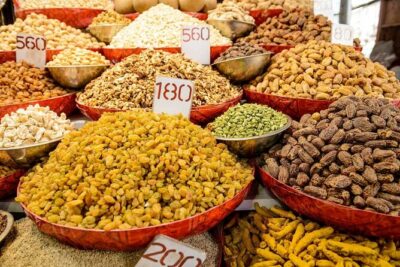
Old Delhi Food, Heritage&Cultural Walk with Rickshaw ride to Masterji Kee Haveli
Read our review →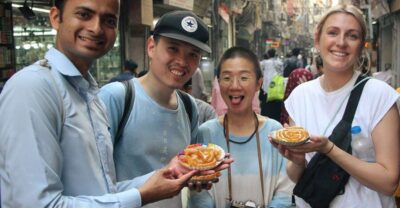
Old Delhi: Private Tour of Chandni Chowk, Tuk Tuk & Food
Read our review →
Old Delhi City Tour with Tuk-Tuk Ride & Street Food
Read our review →
Old Delhi’s Street Food, Temples & Spice Market Tour
Read our review →Browse the lists this tour appears in