
REVIEW · BANGKOK
Bangkok: Chinatown Food Tour with Michelin Food Stalls
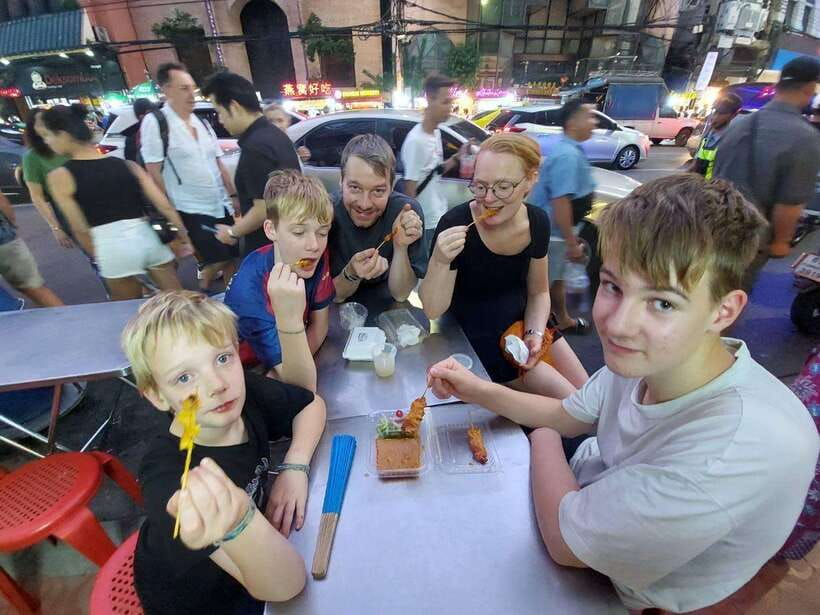
Bangkok’s Chinatown is best understood one bite at a time. This three-hour evening walk through Yaowarat takes you from Wat Mangkon to the Chinatown Gate, with more than 10 tastings along the way, including food from Michelin-recognized stalls. I like the small maximum of eight people and the way guides such as Peak, Eve, Na, and Sunday keep the group together in the evening crowds.
I also like the mix of familiar and less obvious dishes, from spring rolls and dumplings to noodles, seafood, sweets, and drinks. The main drawback is simple: this is not a flexible tour for every diet. Vegans and vegetarians should choose another experience, and even people with other restrictions need to give advance notice.
Key points at a glance
- More than 10 tastings: Expect enough food to replace dinner for most people.
- Michelin-recognized stops: The tour includes at least one Michelin-recognized food stall, with some outings visiting two.
- Small group format: A maximum of eight people makes it easier to hear the guide and keep up in crowded streets.
- Thai-Chinese food culture: Learn how Chinese immigration shaped the dishes, stalls, and customs of Yaowarat.
- Strong guide presence: Peak, Eve, Na, Sunday, K, Ne, and other guides are praised for warmth, humor, care, and clear explanations.
- Practical limits: Moderate walking, no hotel pickup, no wheelchairs, and no vegans or vegetarians.
Starting at Wat Mangkon in the early evening
The meeting point is Wat Mangkon Kamalawat, also known as Wat Leng Noei Yi. This gives the tour a useful beginning: you start near one of Chinatown’s best-known temples before moving into the food streets.
From there, your guide leads you through Yaowarat for roughly three hours. The route ends at the Chinatown Gate, so this is a point-to-point walk rather than a round trip. Plan your evening around that finish, especially if you need to return to a hotel in another part of Bangkok.
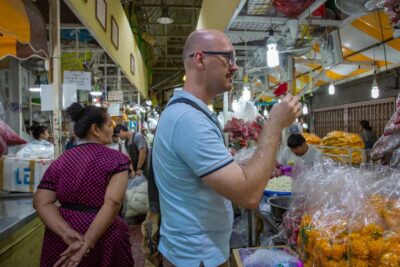
I like this setup because the temple and the Chinatown streets provide a clear sense of place. You are not simply being driven to a restaurant. You walk through the neighborhood as the evening trade gathers force, with neon signs overhead and food cooking at the pavement.
The streets can be crowded, so stay close to your guide. Several guides are praised for keeping groups together and helping people navigate the busy night scene. The group limit of eight matters here. A large food tour could easily become a slow-moving line, but this size should feel more personal and manageable.
More Food Tours in Bangkok
- Bangkok by Night: Temples, Markets and Food Tuk-Tuk Tour
★ 5.0 · 3,752 reviews - Bangkok: Backstreets Food Tour with 15+ Tastings
★ 4.9 · 2,880 reviews - Bangkok Midnight Food Tuk Tuk Tour
★ 5.0 · 2,542 reviews
Following the Thai-Chinese food trail
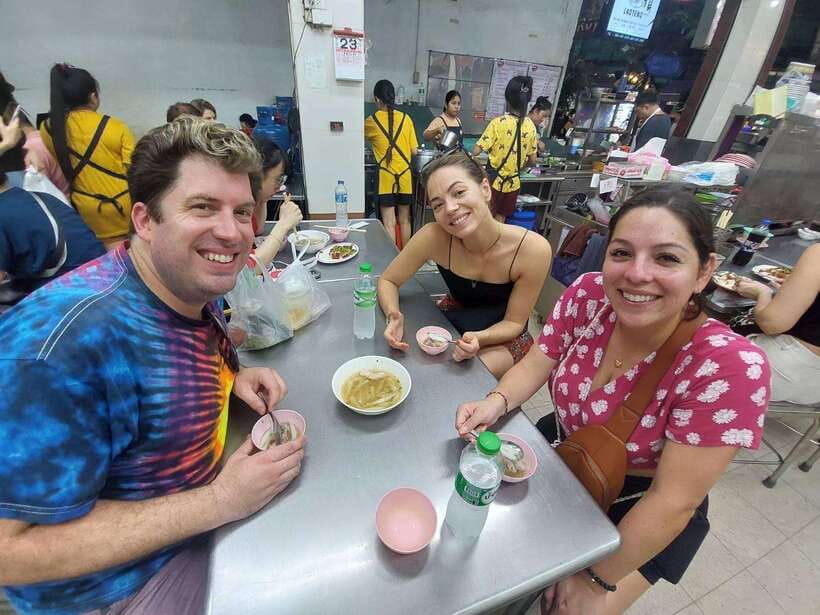
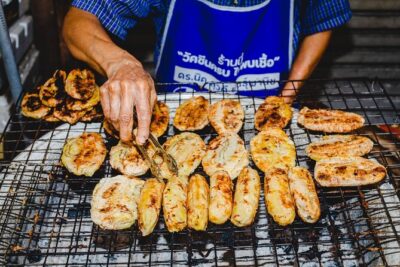
The first part of the food route introduces the flavors that make Yaowarat special. You might taste crispy spring rolls, barbecued meats, steamed dumplings, stir-fried dishes, fragrant noodle soup, and seafood with heat and spice.
The appeal is variety. One stop may be crisp and savory, the next soft and steamed, followed by something smoky, soupy, sweet, or hot. Because the tastings are spread among different vendors and small eateries, you get a broader view of Chinatown cooking than you would from sitting down to one large meal.
Your guide explains what you are eating and gives context about the vendors and dishes. That help is useful when a stall has little English signage or when the food looks unfamiliar. Several guides are also described as adjusting the pace, checking that nobody is still hungry, and helping the group understand each recipe.
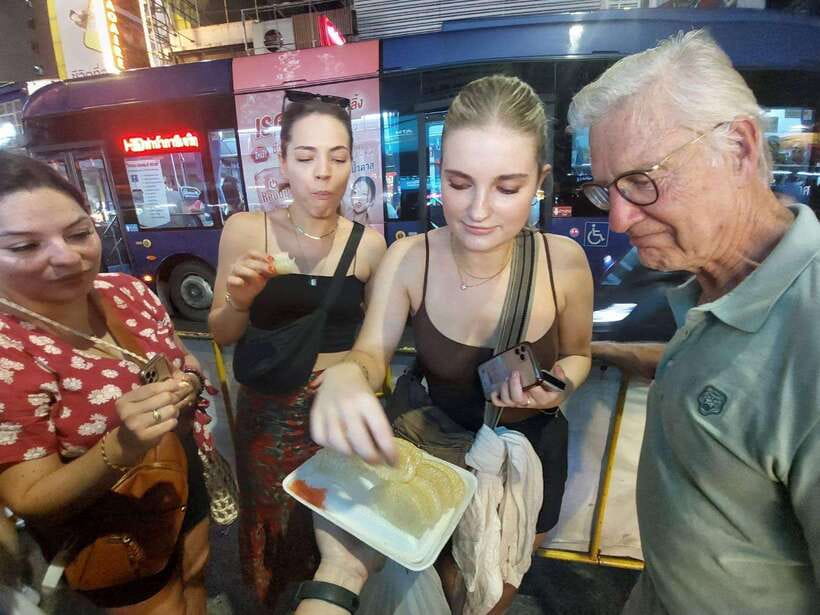
You should arrive hungry. The advertised minimum is more than 10 tastings, but some outings include 13, 15, or more dishes and drinks. Portions can also be generous. This is not a gentle sampling walk where you leave ready for a full dinner. It is closer to a progressive meal with a lot of stops.
One practical point: shared food and hands-on eating are part of the experience. Bring water, though bottled water is included, and consider carrying hand sanitizer or wipes. That small extra would be useful when you are eating at several stalls in a row.
Finding local stops you might skip alone
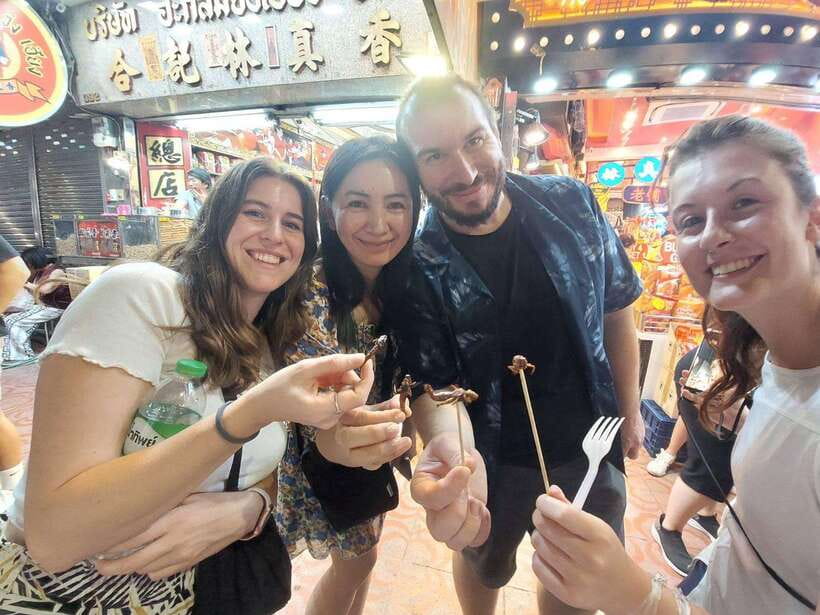
The real value of a guided Chinatown food walk is not just the number of dishes. It is the confidence to try places you might pass by on your own.
A visitor walking Yaowarat alone has to judge menus, queues, hygiene, portion sizes, and unfamiliar ingredients while dealing with traffic and crowds. Here, the guide chooses the stops and explains what is worth tasting. You can spend your energy eating and looking around instead of making a new decision every few minutes.
The route includes lesser-known local stops as well as better-known food stalls. That mix keeps the tour from feeling like a single-famous-dish mission. You get a sense of how people actually eat through the neighborhood, with small portions from several places rather than one polished restaurant meal.
The food is generally traditional rather than experimental. One participant noted that nothing felt especially unusual, so do not book this expecting extreme or novelty eating. The strength is the range of familiar Thai-Chinese cooking, served in everyday settings.
Guides can also help shape the meal to some extent. Eve is praised for allowing the group to adjust stops to personal tastes, while K is specifically noted for helping with gluten-free choices. Dietary needs must be shared ahead of time, though. The tour is not suitable for vegans or vegetarians, and the available information does not promise a fully customized menu for every restriction.
The Michelin-recognized stop
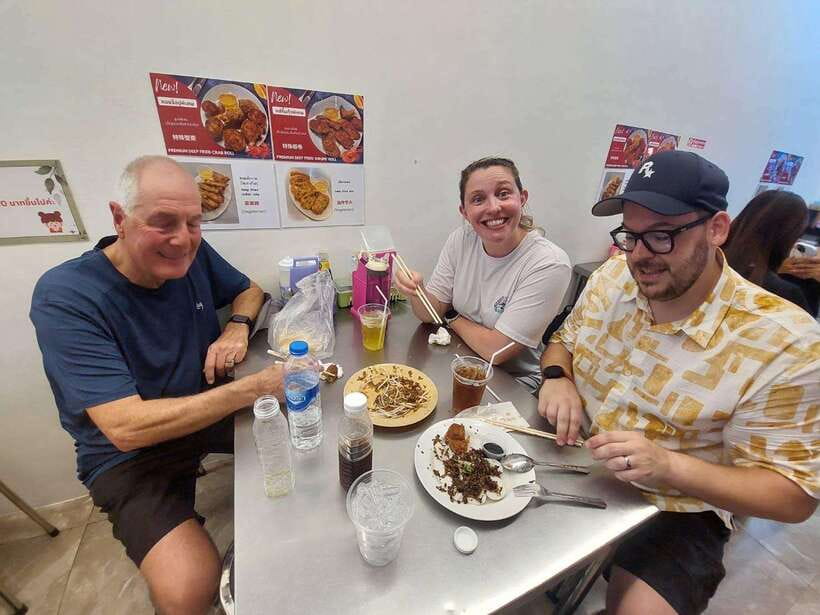
A featured moment is the visit to a Michelin-recognized food stall. This gives the tour a clear food highlight without turning the whole evening into a formal restaurant crawl.
You taste a specialty that has earned wider attention, then compare it with the dishes served at smaller, less celebrated stops. That contrast is useful. Michelin recognition can point you toward a very good dish, but Chinatown’s appeal is broader than awards. The meal works best when the famous stop is part of a larger neighborhood story.
Some outings include two Michelin-recognized vendors or restaurants rather than one. The exact stops can vary, so you should not assume that every tour follows an identical menu. Still, the plan consistently includes an award-recognized food stop, which adds value to the $36 price.
The portion count is another reason the price looks fair. You are paying for a guided three-hour walk, bottled water, more than 10 tastings, and the convenience of having the food selected and explained. A person who only wants one Michelin dish could spend less by ordering independently. But if you want a full evening of different foods and local context, the cost is reasonable.
More high-end tasting tours in Bangkok:
- Bangkok: Michelin Guide Street Food Tour by Tuk Tuk
★ 4.4 · 1,274 reviews - Bangkok: Tuk Tuk Adventure Chinatown Michelin Food & Temples
★ 4.3 · 725 reviews - Authentic Parisian Gourmet Food Tour with 10 Local Dishes & Wines
★ 5.0 · 4,754 reviews - Montmartre Hill French Gourmet Food and Wine Tasting Walking Tour
★ 5.0 · 2,588 reviews
Chinatown stories between the bites
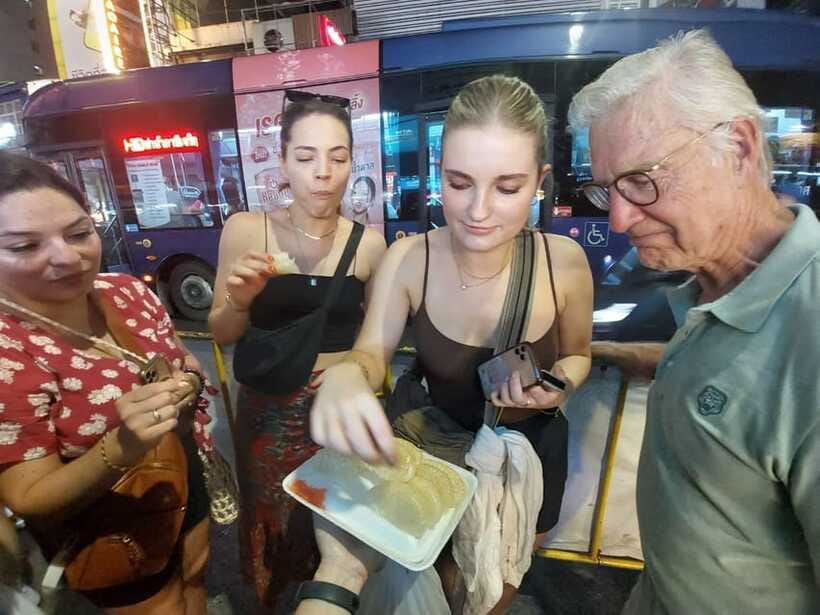
Food is the main event, but the walking commentary gives the evening more shape. Your guide explains the influence of Chinese immigrants on Bangkok’s food culture and how Thai and Chinese traditions developed together in Yaowarat.
That background helps you see why the neighborhood’s food is not simply Thai food with a Chinese label. Cooking methods, ingredients, snacks, noodles, dumplings, tea, and sweets all reflect the long connection between the two cultures.
The history is delivered in short pieces as you move from stop to stop. That suits this kind of evening. You get enough context to understand the food without sitting through a long lecture while a dish cools.
Guide quality is a major part of the experience. Peak is repeatedly praised for humor, energy, attention to the group, and a knack for making people feel at ease. Eve is described as friendly and clear, while Na receives high marks for looking after dietary needs and explaining dishes in detail. Sunday is noted for a good range of stops and a friendly manner.
Other guides, including K, Ne, Biga, and Kriag, are also praised for care and organization. One guide helped arrange transport after the tour, while another helped a late arrival catch up. Those are useful signs for a crowded district where plans can easily go wrong, though you should not expect personal transportation help to be part of the official package.
Ending with sweets, tea, and the Chinatown Gate
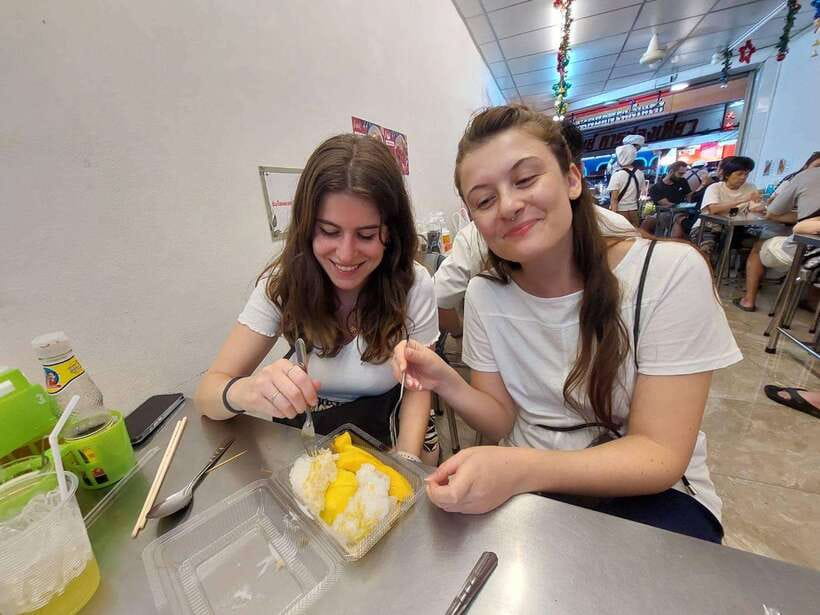
The final stretch turns to dessert. Expect traditional Chinese snacks such as freshly made buns or local-style pancakes, along with a drink from a classic Chinatown tea stall. Mango sticky rice is also mentioned as a favorite stop on one outing.
Ending sweetly makes sense after the salty and spicy food earlier in the evening. It also gives you a calmer way to finish, with time to compare the textures and flavors you have tried.
The tour ends at the Chinatown Gate. This is convenient if you want to continue exploring on foot, take photographs, or find your own way back. It also means you should know your onward transport plan before the final stop. Hotel pickup and drop-off are not included.
The route involves a moderate amount of walking. Comfortable shoes are essential, and a camera is worth bringing because the food stalls, signs, temple setting, and evening streets provide plenty to see between tastings.
How the $36 price holds up
At $36 per person, this tour is good value if you want a full meal, not just a short tasting. Ten or more dishes at separate food businesses would take time and planning to arrange alone, and you would still need to decide what to order and how much food to buy.
The small group improves the value. With no more than eight people, the guide can explain dishes, check on everyone, and keep the group moving. In a packed area like Yaowarat, that personal attention is more useful than it might be on a quiet walking tour.
The price does not include hotel transportation or personal spending. Bottled water is included, but you may want extra money for anything you choose to buy after the tour. The reserve-now, pay-later option and free cancellation up to 24 hours before departure also make it easier to fit into a changing Bangkok schedule.
I would not call it the cheapest way to eat in Chinatown. You can eat one or two dishes for far less. The value comes from the range, the guide, the Michelin-recognized stop, and the chance to sample places you might not identify by yourself.
Who will enjoy this most
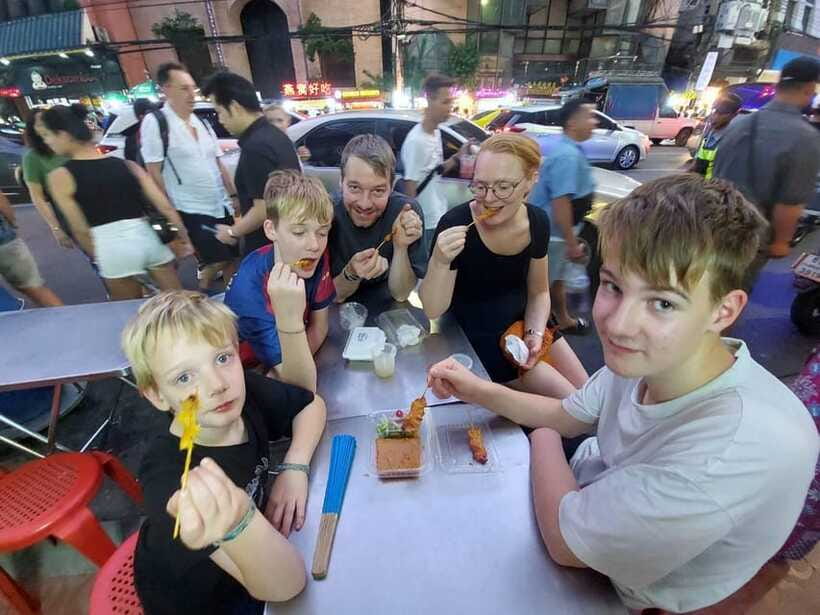
This is a strong choice for first-time visitors to Bangkok who want an easy introduction to Yaowarat. It also suits solo visitors, since one person can try many dishes without having to order full portions at every stop.
You will likely enjoy it if you:
- Like tasting many small portions instead of ordering one meal
- Want street food with some historical and cultural context
- Prefer a small group over a large coach tour
- Are comfortable walking at a moderate pace for three hours
- Eat meat, seafood, and other foods commonly found in Thai-Chinese cooking
- Want a guide to handle ordering and explain unfamiliar dishes
It is less suitable if you need a wheelchair-accessible route, dislike crowded streets, or want a quiet sit-down dinner. Children under 10 are not accepted, and the tour is not suitable for vegans or vegetarians.
The food can also be plentiful. If you like to eat lightly at night, this may feel like too much. If you arrive hungry, the generous number of stops becomes one of the tour’s best features.
Should you book the Yaowarat food tour?
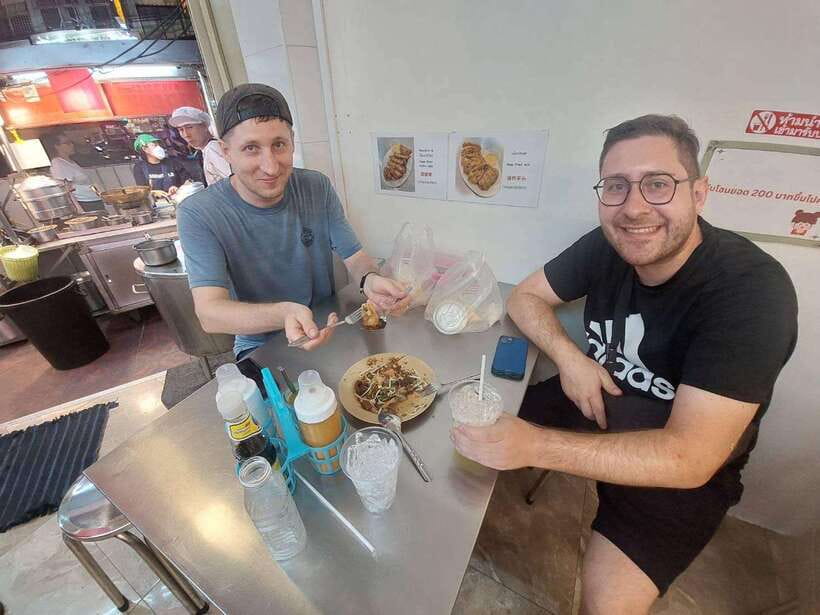
I would book this if you want to make Chinatown your evening meal and prefer guidance over guesswork. The combination of 10 or more tastings, a Michelin-recognized stop, local stalls, short history lessons, and a group of no more than eight gives you a lot for three hours.
Book it especially early in your Bangkok stay if you want food ideas for the rest of your trip. You may leave with a better sense of which flavors, snacks, and cooking styles you want to seek out again.
Skip it if you are vegetarian, vegan, unable to walk comfortably, or mainly interested in one famous stall. For everyone else, come hungry, wear shoes made for pavement, stay close to the guide, and keep room for dessert.
FAQ
How long is the Bangkok Chinatown food tour?
The tour lasts three hours, though one outing was reported to run slightly over three hours.
Where does the tour begin?
It begins at Wat Mangkon Kamalawat, also called Wat Leng Noei Yi.
Where does the tour finish?
The tour finishes at the Chinatown Gate.
How many dishes will I taste?
You will taste more than 10 dishes and drinks. Some outings include around 13 to 15 different items.
Does the tour include Michelin-recognized food?
Yes. The experience includes a stop at at least one Michelin-recognized food stall. Some outings include two Michelin-recognized vendors or restaurants.
Is bottled water included?
Yes, bottled water is included.
Is hotel pickup included?
No. Hotel pickup and drop-off are not included.
Can dietary restrictions be accommodated?
Dietary restrictions can be accommodated with advance notice. The tour is not suitable for vegans or vegetarians.
Is the tour suitable for wheelchair users?
No. The tour is not suitable for wheelchair users, and the walking distance is moderate.
What should I bring?
Bring comfortable walking shoes and a camera. Hand sanitizer or wipes may also be useful because several tastings may involve shared food and hands-on eating.
Just added around Bangkok
- Local Life, Culture & Food Walking Tour at Chinatown★ 4.7 · 119 reviews
- From Bangkok: Maeklong Railway and Floating Market Food Tour★ 4.9 · 224 reviews
- Bangkok: Street Art and Street Food Walking Tour★ 4.1 · 58 reviews
- Bangkok: Talad Noi Hidden Gems & Street Food Adventure★ 4.6 · 29 reviews
- Bangkok Tuk-Tuk by Night with Chinatown Street Food Meal★ 4.6 · 263 reviews
- Bangkok: Mojjo Rooftop Lounge & Bar Food & Beverage Package★ 5.0 · 47 reviews
- Bangkok Night Tour: Food, Temple & Tuk-Tuk★ 4.7 · 94 reviews
- Bangkok: Street Food Tasting Tour at Night★ 4.4 · 48 reviews
Food Tours in Bangkok, compared.
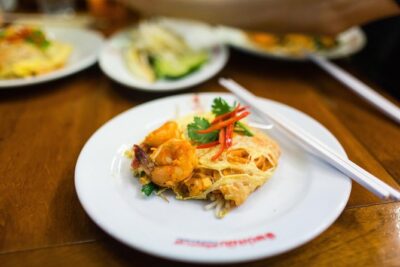
Bangkok by Night: Temples, Markets and Food Tuk-Tuk Tour
Read our review →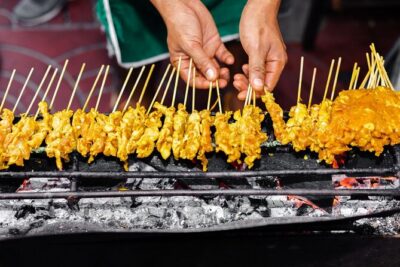
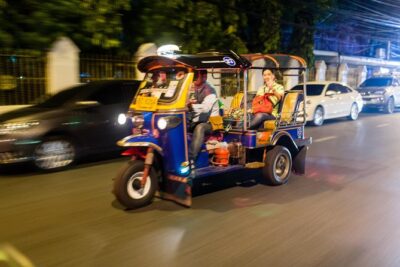
Markets, Temples and Food Night Tour by Tuk Tuk
Read our review →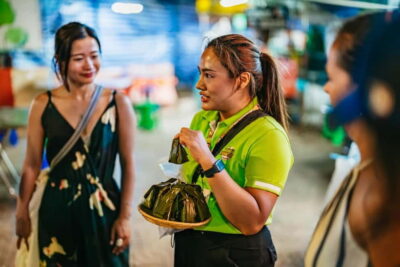
Bangkok Backstreets Food Tour with 15+ Tastings
Read our review →
Browse the lists this tour appears in