
REVIEW · ITALY
Olive Oil Museum: Extravirgin school – Food & wine tasting
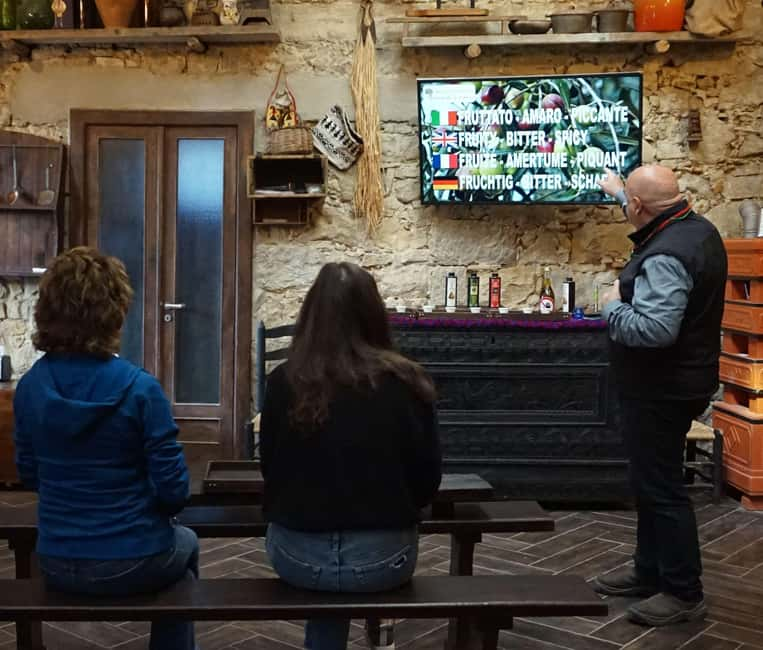
The most useful part of this Sardinian experience is the tasting lesson. Francesco Locci shows you how fruitiness, bitterness, and spiciness reveal the character of extra-virgin olive oil, so you leave with a skill you can use at home. You also visit a modern oil mill and an underground cistern filled with old oil lamps and tools.
I like the mix of practical learning and local food. The museum connects today’s production with more than 400 years of family tradition, while the tasting turns that story into something you can smell and taste. I also like the fair chance to buy the oils at a guest discount, especially after trying them with cured meats, olives, carasau bread, and sparkling wine.
The main consideration is the short one-hour schedule. You get a focused introduction rather than a slow agricultural tour, and the tasting is compact. If you want a long meal or a full afternoon at an olive farm, this will feel brief. For a cultural stop near Cagliari, though, the tight format works well.
Key points to know before booking
- Learn the three signs of good oil: The lesson focuses on fruitiness, bitterness, and spiciness, useful clues for judging extra-virgin olive oil.
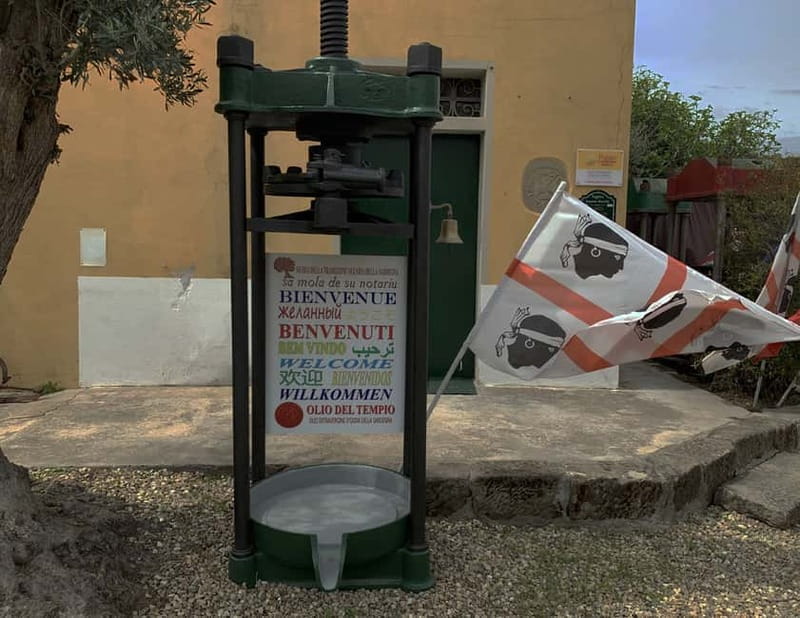
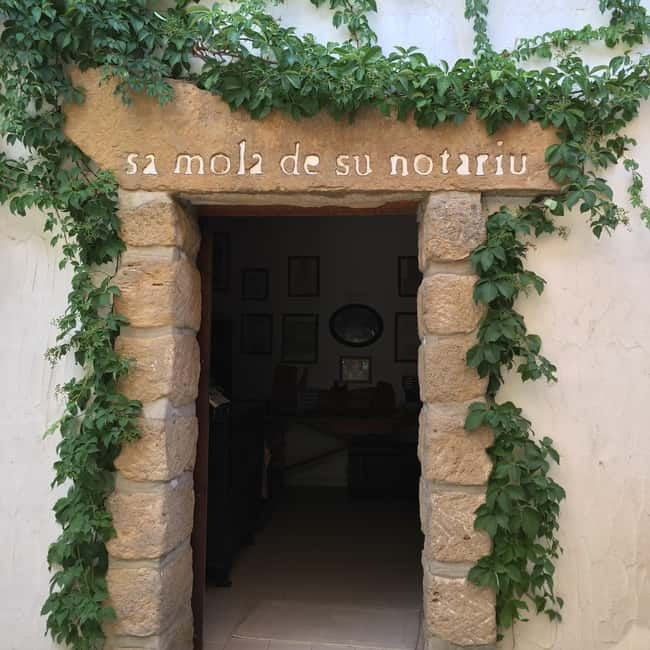
- See old and new production together: A modern mill and the Sa Mola de Su Notariu museum show how oil-making has changed over time.
- Visit an underground cistern: The old space contains oil lamps and other objects tied to Sardinia’s oil traditions.
- Taste local pairings: Flavored oils come with cured meats, natural olives, carasau bread, regional foods, water, and fresh sparkling wine.
- Plan for a simple arrival: You can park free at the museum, or reach it by bus line 108 from central Cagliari in about 54 minutes.
- Leave room in your bag: Special oil prices are available after the tasting, and the products make practical souvenirs.
Why this short oil experience is worth your time
Olive oil is not just a kitchen ingredient in Sardinia. It has long been tied to household life, farming, lighting, food preservation, and daily customs. This visit gives you a way to understand that connection without asking you to spend half a day at a large estate.
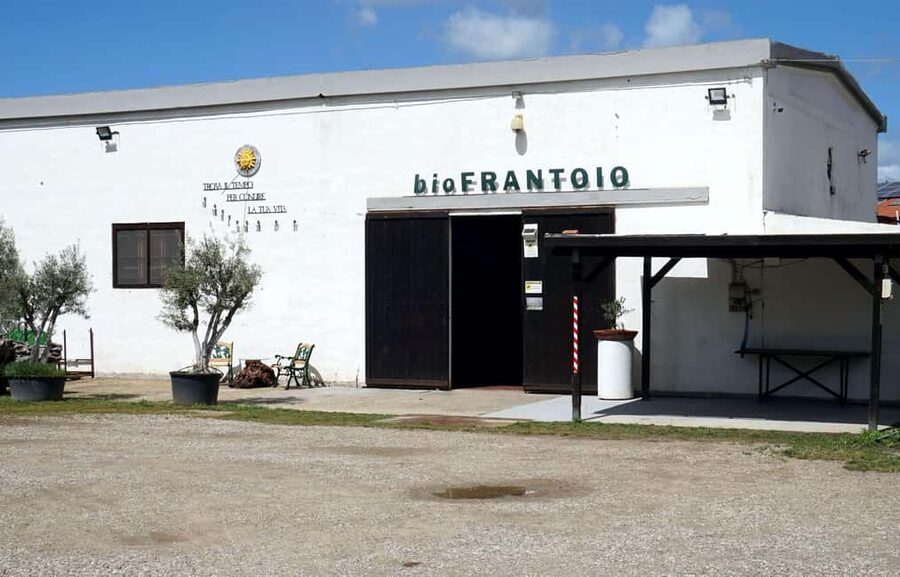
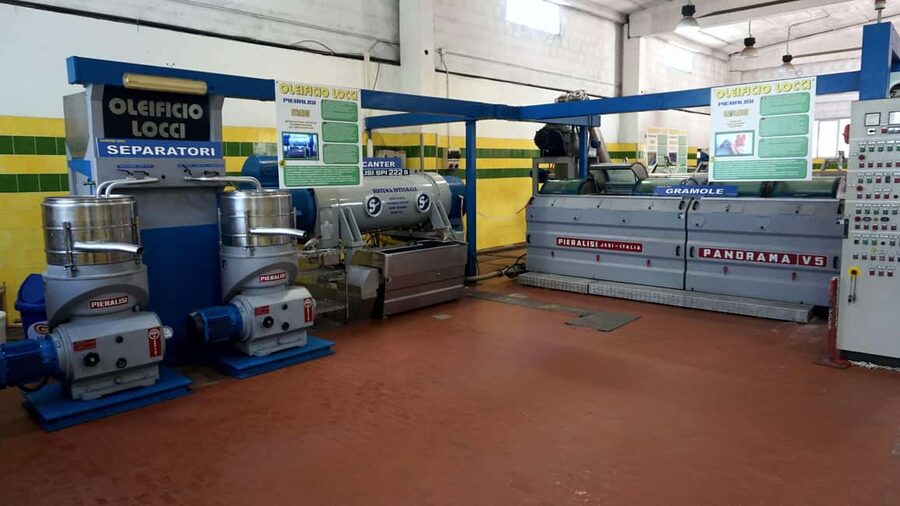
The setting is Olio del Tempio, home to both an operating mill and the Sa Mola de Su Notariu Olive Oil Museum. The family tradition reaches back more than 400 years, but the production side uses modern equipment. That contrast gives the visit its shape: first see how oil is made today, then look at the tools and objects that tell the older story.
The experience costs $60.35 per person. That is not a bargain-priced tasting, but the fee covers a guided mill visit, the museum, an olive oil lesson, several tastings, Sardinian snacks, sparkling wine, parking, Wi-Fi, and access to reduced oil prices. The value is strongest if you care about food, local traditions, or taking home products you have already sampled.
More olive oil tastings in Italy:
- Sorrento Farm and Food Experience including Olive Oil, Limoncello, Wine tasting
★ 5.0 · 2,524 reviews - Bardolino: Vineyard Tour with Wine, Olive Oil & Food Tasting
★ 4.6 · 221 reviews - Florence Food Tour: Home-Made Pasta, Truffle, Cantucci, Olive Oil, Gelato
★ 4.5 · 187 reviews
Starting at the modern mill
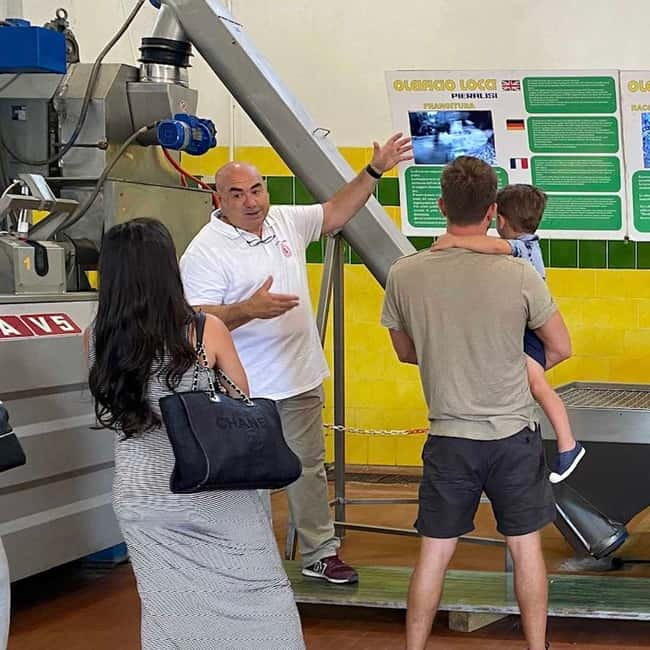
Your visit begins at the museum and oil mill, where you can park in a large free lot. The production portion lasts about 10 minutes, so expect a brisk introduction rather than a full technical tour of every machine.
Video presentations explain the stages of harvesting and processing. This matters because the quality of olive oil depends on what happens before the bottle reaches your table. You get a basic picture of how olives move through a modern mill and why careful production affects the final taste.
The short format suits a day when you have other plans in the Cagliari area. It also means the experience stays accessible to people who may not want a long factory visit. If machinery and agricultural detail are your main interest, you may wish the mill section lasted longer.
The tour is led in English, French, or Italian. Francesco Locci is the named host, and his role extends beyond pointing out equipment. He also guides the museum visit and leads the tasting lesson, giving the hour a personal, owner-led feel.
Sa Mola de Su Notariu and the old cistern
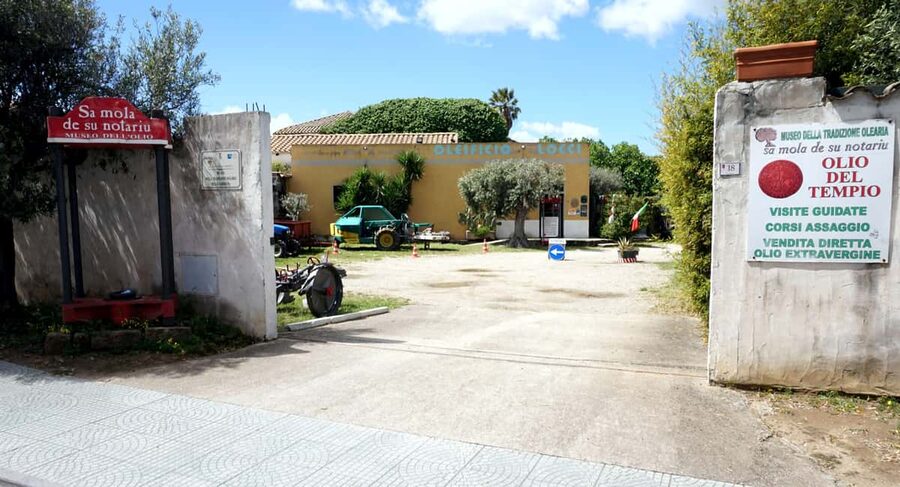
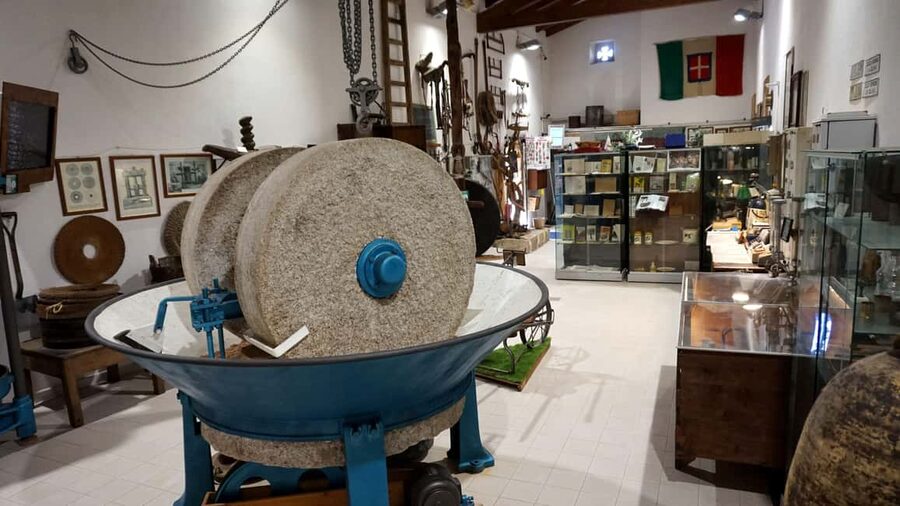
The museum adds the cultural weight that a simple tasting room would lack. Sa Mola de Su Notariu contains old lamps, equipment, and objects connected to olive oil across the centuries. You see how oil once served purposes beyond seasoning food.
The most unusual feature is the descent into the old underground cistern. This is where the visit gets atmospheric without becoming theatrical. The space holds oil lamps and ancient artifacts tied to oil production and use, giving you a direct sense of the material world behind Sardinian traditions.
I find this part especially useful for understanding why olive oil matters here. A bottle on a supermarket shelf tells you little about the work, tools, and domestic customs behind it. The museum puts those things in front of you.
Admission to the museum is included. Since the whole experience returns to the same starting point, you do not need to manage separate transport between the mill and the collection. The tour ends back at the meeting point, where the shop also gives you time to consider buying oil.
The lesson on judging extra-virgin olive oil
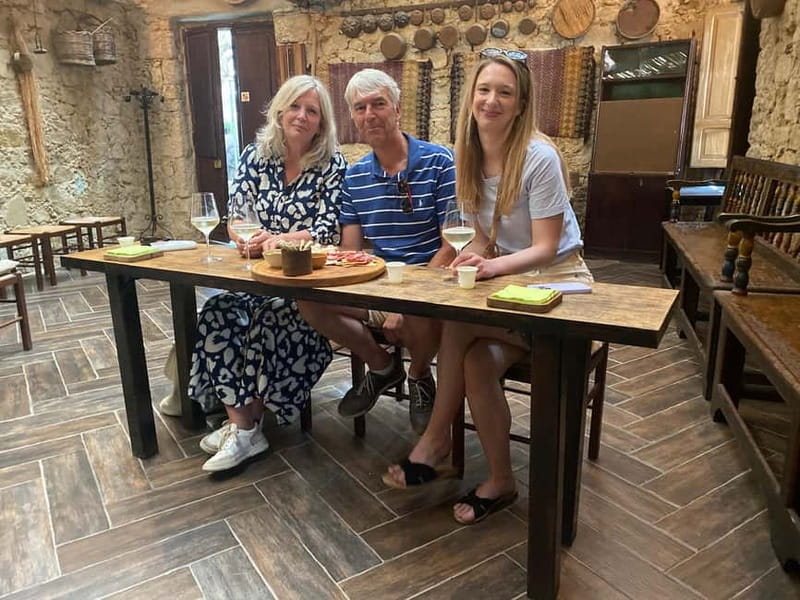
The tasting class is the heart of the experience. Francesco uses slides and guided sampling to explain how to recognize a high-quality extra-virgin olive oil. You learn to pay attention to fruitiness, bitterness, and spiciness rather than judging only by color or packaging.
That lesson can change the way you shop. Bitterness is not automatically a fault, and a peppery finish may point to a lively oil rather than a bad one. The class gives you a basic vocabulary for noticing those differences.
The tasting is not presented as a formal examination. You are guided through the products, with room to compare flavors and ask questions. That makes it suitable for curious beginners as well as people who already cook with olive oil.
The practical value is greater than a quick spoonful at a food market. You learn what to look for, taste the oils in context, and then have the option to buy the products at a special price. You can take home a bottle with a better idea of how to use it.
More food and wine tours in Italy:
- Winner 2025 Florence Sunset Food & Wine Tour by Eating Europe
★ 5.0 · 5,015 reviews - Rome Food Tour: Unlimited Tastings with Fine Wine & Barolo
★ 5.0 · 3,365 reviews - Rome: Guided Food Walking Tour with Wine in Trastevere
★ 4.9 · 3,105 reviews - Rome: Trastevere Food tour with Free-Flowing Fine Wine
★ 5.0 · 2,853 reviews
Tasting Limolio and Rogo del Tempio
Two flavored oils give the tasting a clear local identity. Limolio combines organic olives and lemons. It is suggested for salads and fish, where the citrus note can add brightness without requiring a separate squeeze of lemon.
Rogo del Tempio is the spicy option. It is made with a bouquet of nine traditional Sardinian herbs and is recommended with meat or baked dishes. The herb blend gives you a way to think about oil as a finished flavor, not only as a cooking fat.
You also taste the regular extra-virgin oils, which lets you compare a clean olive profile with the flavored versions. Pay attention to how each oil behaves with food. The pairing can make differences easier to spot than tasting oil by itself.
The spread includes cured meats, natural olives, carasau bread, regional foods, and tapas-style bites. Carasau, Sardinia’s thin crisp bread, is a particularly useful tasting partner because it lets you sample the oil without a strong competing flavor.
Fresh sparkling wine and water are included. The wine makes this feel more like a small social aperitif than a classroom, but keep the timing in mind. The food portion lasts about 20 minutes, so expect a generous sample rather than a full lunch.
What the one-hour schedule really means
The listed duration is one hour, with the time divided among the mill, the lesson, the food and wine tasting, and the museum. The exact order can be explained on arrival, but the planned stops create a compact route that begins and ends at the same place.
This schedule is a good fit for a morning or afternoon gap. You can add it to a Cagliari-area day without surrendering an entire block of sightseeing. It is also useful when you want an introduction to Sardinian food traditions but do not want a formal multi-course cooking class.
The trade-off is pace. You will not have unlimited time to inspect every museum object, talk at length about harvest methods, or linger over the food. If you like slow tastings, plan your expectations carefully.
The experience is wheelchair accessible, and dogs are welcome. A water bowl is available for dogs. Free Wi-Fi is also provided, though the strongest reason to come is the food and cultural content rather than the practical facilities.
Getting there from Cagliari
Driving is simple in principle because free parking is available in the museum lot. That makes a rental car useful if you are already exploring southern Sardinia and want to combine the visit with other stops.
You can also arrive by bus line 108 from central Cagliari. The journey takes about 54 minutes, so check the day’s bus timing before choosing this option. Because the activity itself lasts only one hour, a poorly timed return bus could stretch the outing considerably.
Transfers from across southern Sardinia are available, but they are not included. You need to arrange and pay for those separately. The stated meeting point is the museum parking area, and the activity returns there at the end.
Starting times vary, so check availability before committing your transport. This is especially important if you are using the bus or fitting the visit between other reservations.
Who will enjoy this most
I would recommend this experience to you if food is one of the main reasons you visit Sardinia. It gives you something more useful than a generic snack stop: you learn how to taste, see the production setting, and connect the food to local customs.
It also suits couples, small groups, and families looking for a short cultural activity. The tasting provides enough variety to keep the hour moving, while the museum gives non-food enthusiasts something to examine.
It is a good choice for shoppers who want edible souvenirs. You can try the oils first, ask how they are used, and then buy at a special rate. That is safer than purchasing an unfamiliar flavored oil and hoping it suits your cooking.
You may want to skip it if you are looking for a long winery-style meal, a countryside walk, or an extended farm visit. The experience is indoors and focused on tasting, history, and production. It is also not designed as a full meal, so do not arrive expecting lunch.
Booking, flexibility, and useful details
The price is $60.35 per person, and you can reserve now while paying later. Cancellation is free up to 24 hours before the activity for a full refund, which helps if your Sardinia plans are still shifting.
Live guidance is available in English, French, and Italian. Since the lesson depends on understanding flavor descriptions, choose a language in which you can comfortably follow explanations about aroma and taste.
The activity is wheelchair accessible, but you should still confirm any personal access needs when booking. The old underground cistern is part of the museum visit, and the provided information does not describe its exact access conditions.
The overall rating is five stars from 39 ratings, with particular praise for Francesco’s warm welcome, clear teaching, the quality of the tasting, and fair product prices. One especially useful point is that the host also offers suggestions for other local places to visit, so have a question ready if you want to extend your day in the area.
Should you book the Sardinian oil tasting?
Book it if you want a short, personal introduction to Sardinian food culture, especially if you enjoy learning how a product is made before you taste it. The modern mill, old cistern, museum objects, guided lesson, and local snacks give the hour more substance than a simple shop tasting.
I would be most likely to book this early in a Sardinia trip. You can use what you learn at restaurants and markets afterward, and the flavored oils make sensible gifts if you have space in your luggage.
Skip it if your priority is a long meal or a large agricultural estate tour. For everyone else, the combination of useful tasting skills, old oil-making traditions, and a compact schedule makes this a solid food stop near Cagliari.
FAQ
How long does the olive oil experience last?
The activity lasts one hour. Check availability for the available starting times.
What is included in the price?
The experience includes the modern mill visit, video presentations, the olive oil quality lesson, museum admission, oil tastings, Sardinian foods, sparkling wine, water, free parking, Wi-Fi, and access to special oil prices.
What foods are served?
You can expect cured meats, natural olives, carasau bread, regional Sardinian foods, and tapas-style snacks served with the oils.
What drinks are included?
Fresh sparkling wine and water are included.
Which flavored oils will I taste?
The tasting includes Limolio, made with organic olives and lemons, and Rogo del Tempio, a spicy oil made with nine traditional Sardinian herbs.
How can I reach the meeting point without a car?
You can take bus line 108 from central Cagliari. The journey takes about 54 minutes.
Is the experience available in English?
Yes. Live guidance is available in English, French, and Italian.
Can I cancel for a refund?
Yes. You can cancel up to 24 hours in advance for a full refund.
More Museums in Italy
- Parmesan and Balsamic Food Tour with Ferrari Museum
★ 5.0 · 28 reviews - Parmesan and Balsamic Food Tour with Ferrari Museum
★ 4.8 · 25 reviews - Dubai: Old Town, Creek, Museums, Souks, & Street Food Tour
★ 4.8 · 10,816 reviews - Munich: Beer and Food Tour with Dinner & Oktoberfest Museum
★ 4.7 · 1,086 reviews
Just added around Italy
- Genoa Walking Tour: Discover Hidden Treasures and Street Food★ 5.0 · 80 reviews
- Genoa Food, Wine Tasting & History Walking Tour★ 5.0 · 212 reviews
- Guided Food Tour with Wine Tastings in Genoa★ 4.5 · 34 reviews
- Genoa Culinary Masterclass-A Hands-On Experience by Do Eat Better★ 5.0 · 56 reviews
- Florence Sunset Food Tour with Wine & Dine at a Tuscan farmhouse★ 5.0 · 194 reviews
- Florence Central Market Food Tour with Eating Europe★ 5.0 · 224 reviews
- The Cooking Lab – Authentic Food Experience★ 5.0 · 113 reviews
- The Other Side of Florence Food Tour with Eating Europe★ 5.0 · 377 reviews
Food Tours in Italy, compared.
Rome Twilight Trastevere Food Tour by Eating Europe
Read our review →
Florence Sunset Food & Wine Tour by Eating Europe
Read our review →
Rome Food Tour: Unlimited Tastings with Fine Wine & Barolo
Read our review →
Rome Food Tour: Campo de’ Fiori, Ghetto, Trastevere Winner 2024
Read our review →
Eat Like a Local: Venice 3-Hour Small-Group Food Tasting Tour
Read our review →
Guided Food Walking Tour with Wine in Trastevere
Read our review →Browse the lists this tour appears in