
REVIEW · INDONESIA
Bali: Authentic Culinary Street Food Experience Tour
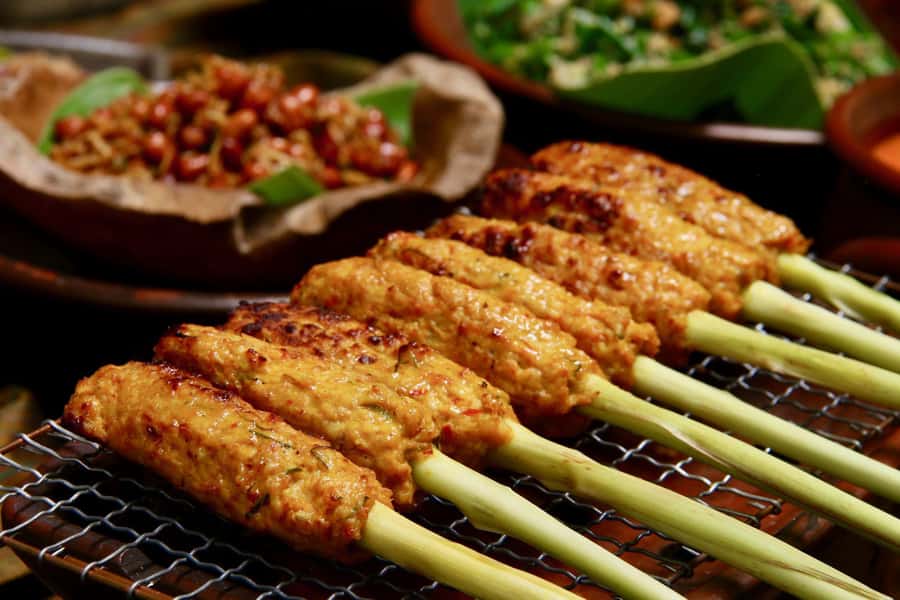
Bali’s best food often appears away from polished resort restaurants. This eight-hour culinary tour takes you to local eateries, open-air markets, and Gianyar Night Market for up to 15 dishes, including babi guling, satay, soups, curries, sweets, and fresh coconut.
I like the way food provides a natural route into Balinese customs, family meals, ceremonies, and daily life. I also like the private-feeling transport and the guides’ flexibility: guides such as Bonito, Yuma, Sumadi, Febri, and Popo have adjusted stops, explained unfamiliar dishes, and added cultural sights when useful.
The main caution is simple: this is not a light tasting walk. It is a long, food-heavy day, and the tour is non-halal and unsuitable for vegetarians. If you have allergies, mention them when booking.
Key points to know before you book
- Up to 15 dishes: Expect a full day of Balinese food rather than a few token samples.
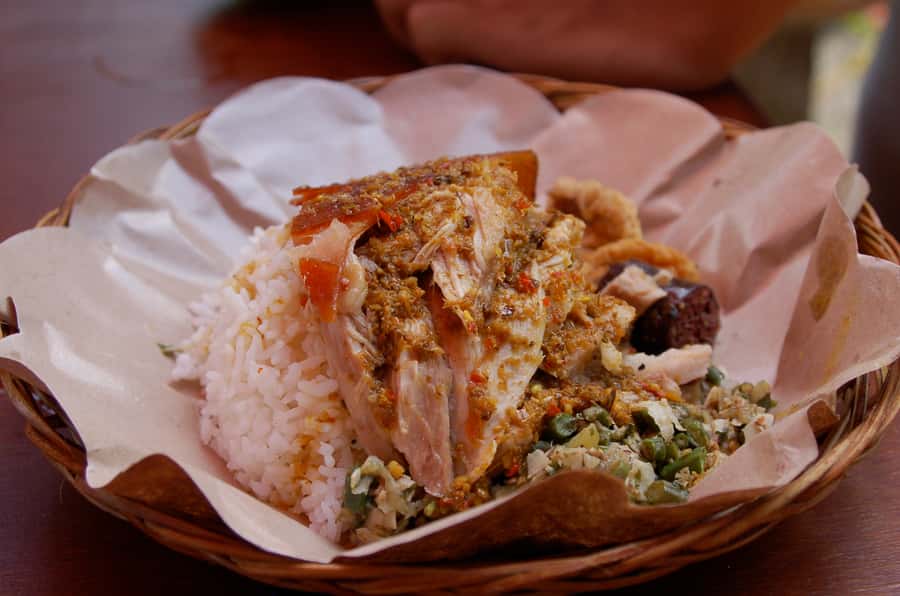
- Babi guling is central: Traditional roasted suckling pig makes this a poor fit for vegetarians or anyone avoiding pork.
- Gianyar Night Market after sunset: The final food stop brings street snacks, desserts, and local evening energy.
- Your guide shapes the day: Past guides including Bonito, Sumadi, Febri, Popo, and Wayan have added cultural explanations and adjusted the pace.
- Transport is included: Hotel pickup, drop-off, admission fees, and transportation are covered in the base price.
- Add-ons change the outing: You can add Luwak coffee, massages, a jungle swing, rafting, Polaroid photos, or a different guide language.
Why food is the best way into Bali
A food tour can tell you more about Bali than a string of photo stops. The dishes served at family gatherings and ceremonies carry clues about local customs, ingredients, religion, and the island’s daily rhythm.
This experience uses that idea well. Your guide does not simply point at a plate and name it. You can ask how a dish is prepared, when it is served, and why certain flavors appear together. Past guests have come away discussing Balinese religion, history, village life, and local traditions as much as food.
I would book this early in your Bali stay if you want help understanding what you see on later meals. After sampling several dishes with an English-speaking guide, menus and market stalls become easier to approach on your own.
The tour is especially useful if you are curious but hesitant. Street food can look unfamiliar, and ordering without context is not always easy. A guide can explain what you are eating and suggest how much to try before your plate becomes an ambitious commitment.
More street food nights in the world:
- Dubai: Old Town, Creek, Museums, Souks, & Street Food Tour
★ 4.8 · 10,816 reviews - Ho Chi Minh City Street Food Tour & Sightseeing By Motorbike
★ 5.0 · 9,413 reviews - Medellin: Comuna 13 Graffiti Tour, Cable Car & Street Food
★ 4.8 · 9,046 reviews
The midday start and private pickup
The published schedule runs from 12:00 PM to about 8:00 PM. Hotel pickup and drop-off are included, so you do not need to find your way to a meeting point or arrange a taxi between food stops.
That timing matters. You begin after lunch, move through the afternoon, and reach the night market once the evening trade gets going. It is a useful blend of daylight sightseeing and after-dark food stalls.
Transportation also gives the day some breathing room. Bali’s roads can make short distances take time, and the tour covers several types of stops. Instead of treating the road as a nuisance, your guide may use the journey to explain local customs or point out places of interest.
The vehicle quality has been a strong part of the experience, with transport receiving a 95 percent perfect score. Past guides such as Chan, Sumadi, and Bonito were praised for punctuality, clean cars, and a calm, accommodating manner. You are not signing up for a hard march from stall to stall.
There is still walking at a leisurely pace, so wear comfortable shoes. The exact route can change, especially around local holidays, and that flexibility can work in your favor. One adjusted itinerary led to a better day because the guide replaced a planned stop with other local experiences.
First plates: roast meats and Balinese staples
The opening food stops introduce the main character of the tour: strongly seasoned, hearty Balinese cooking. The menu can include roast meats, rice dishes, satays, soups, curries, and other local preparations.
The headline dish is babi guling, Balinese roasted suckling pig. It is one of the island’s signature foods, usually appreciated for its crisp skin, tender meat, and spice-heavy accompaniments. This is not a small technical sample. The tour may present pork in more than one preparation, giving you a better sense of how local cooks use the ingredient.
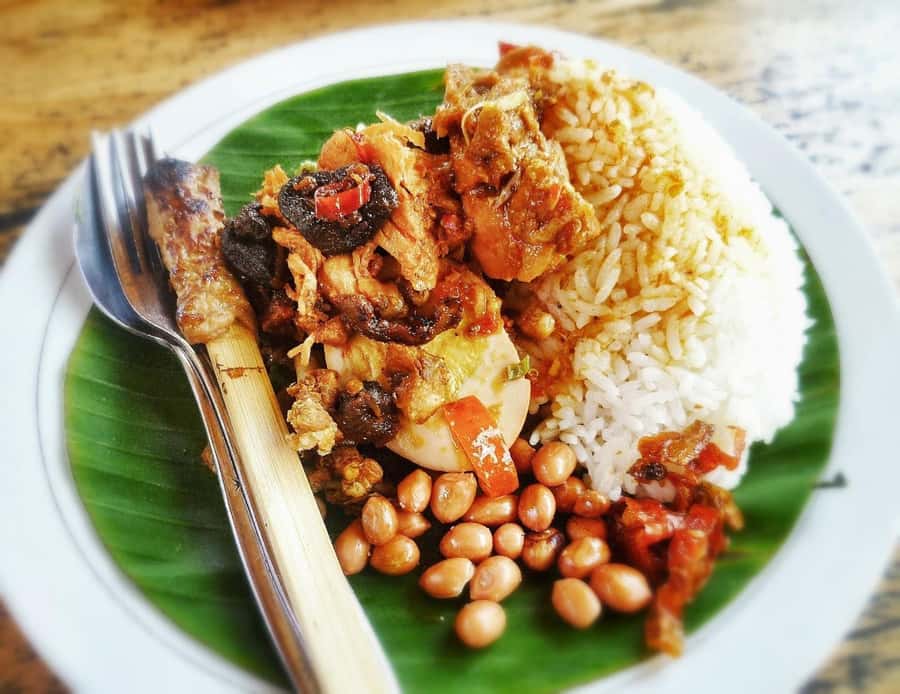
One outing included pork cooked five ways. Another covered babi guling, capcay babi, avocado juice, kue putu, martabak, and terang bulan. Those examples show the range of the day: savory plates, refreshing drinks, steamed sweets, and rich griddled desserts.
You may receive up to 15 dishes, but that does not mean 15 full restaurant meals. Portions and the exact selection can vary. Even so, pace yourself. The most common practical problem is not finding enough food. It is finding room for the final market treats.
Your guide can explain unfamiliar textures and ingredients, but you should still speak up about your limits. If you are not used to spicy food, have dietary concerns, or need a gentler pace, say so early.
Local eateries and cooking traditions
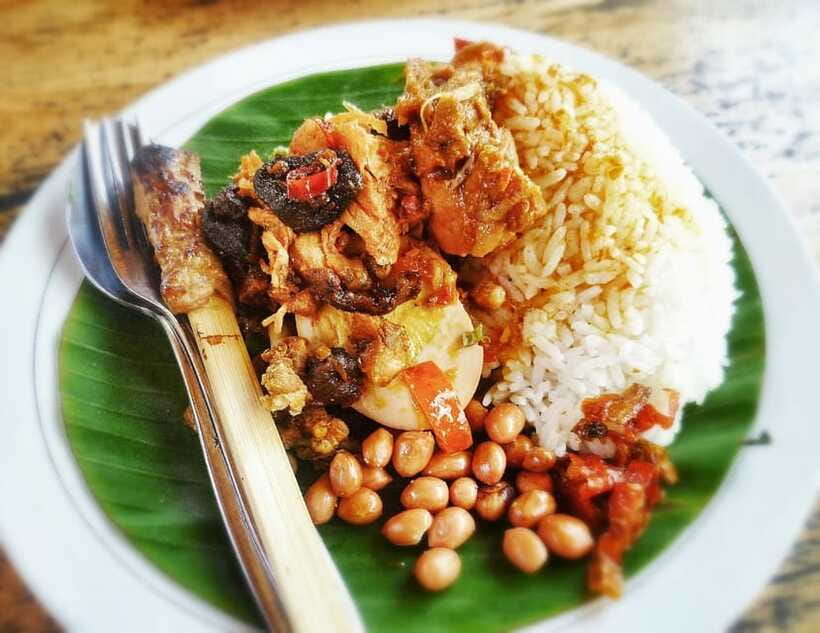
The value of the tour comes from the setting as much as the plate. Rather than keeping you inside one restaurant, it moves through local eateries and food stalls where everyday meals are prepared and served.
You can expect to see traditional methods used for rice dishes and street food. The point is not a formal cooking class. It is a chance to connect the finished dish with the work behind it, from spice mixes to roasting and serving.
Guides have also taken guests through less tourist-focused areas, rice fields, temples, waterfalls, art shops, and mountain roads when the day allowed. These additions are not guaranteed as a fixed route, so do not book this expecting a particular waterfall or temple. Think of them as possible extras that make the food stops easier to place in context.
That flexibility is one of the tour’s strengths. Guides such as Febri, Popo, Agung, and Wayan have been praised for listening to interests and adjusting the day. A solo visitor may receive more direct attention, while a small group can share the discovery without the feel of a large coach excursion.
The tradeoff is that the tour is less predictable than a rigid itinerary. If you want every stop listed in advance, this may feel loose. If you prefer a guide who can react to local conditions and your appetite, the format is useful.
A few more food tours around the world worth comparing
- Sorrento Farm and Food Experience including Olive Oil, Limoncello, Wine tasting
★ 5.0 · 2,524 reviews - Rome: Gourmet Food Tour with Dinner & Barolo Wine
★ 4.9 · 2,347 reviews - Porto Food & Wine Tasting Tour with Lunch or Dinner Option
★ 5.0 · 2,303 reviews - Lisbon: Baixa District Food Tour with Dinner and Drinks
★ 4.9 · 1,997 reviews
Fresh coconut and the scenery between meals
A fresh coconut stop breaks up the heavier dishes. Coconut water is served chilled by nature, and drinking one directly from a freshly opened coconut gives the day a needed reset.
The route can also include countryside views, rice paddies, mountain roads, or coastal scenery. One day included ocean views and fresh coconut water, while another passed through mountain areas and rice terraces. These settings help explain why the tour is more than a restaurant crawl.
Do not expect a dedicated sightseeing tour with long visits at every landmark. Food remains the main purpose. Any temple, waterfall, terrace, or coastal stop supports the day rather than replacing it.
The leisurely walking pace suits most people who are comfortable on their feet. It may be less appealing if you want a full day of active hiking. The optional rafting add-on changes that equation, but it also turns an already long food day into a much bigger outing.
Luwak coffee and optional extras
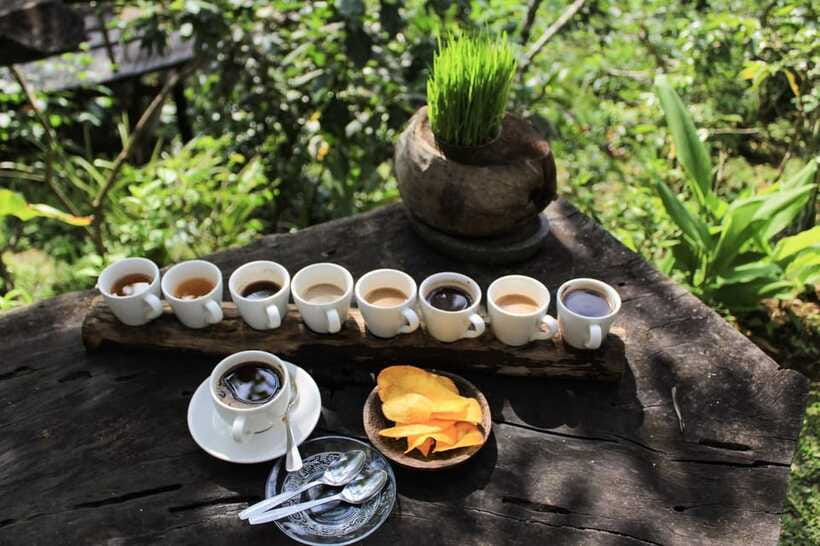
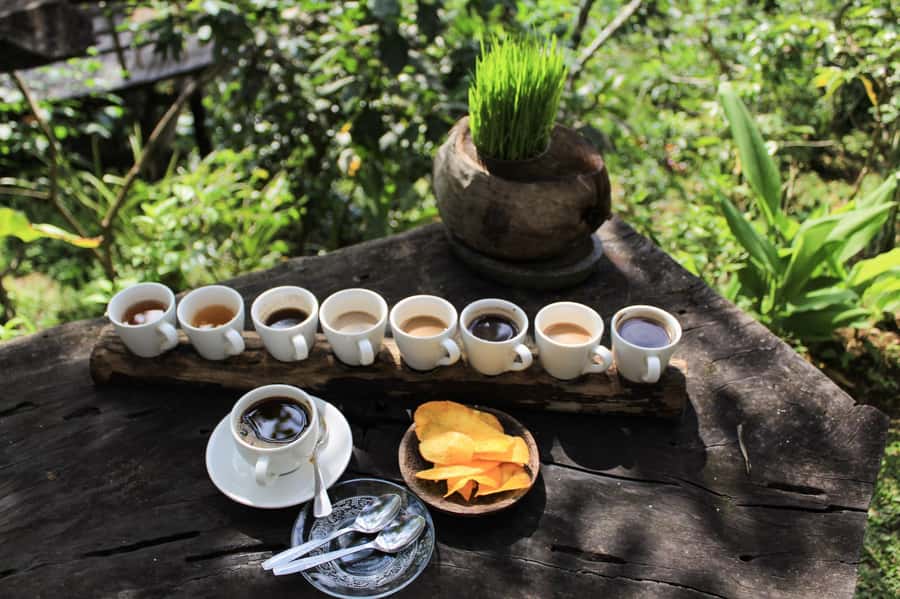
Luwak coffee tasting is available as an add-on. Coffee fans may enjoy the chance to sample one of Indonesia’s best-known coffee styles, while anyone with ethical concerns should ask the operator how the coffee is produced before choosing this option.
Other add-ons let you shape the day around your interests:
- A one-hour or two-hour massage
- Jungle swing and coffee
- Three-hour rafting with buffet
- Polaroid camera photographs
- Female guide
- German-speaking, Japanese-speaking, or Korean-speaking guide
The massage options make sense if you want to soften the food-heavy schedule. The Polaroid option suits people who want physical keepsakes rather than only phone pictures. One guide, Dayu, was praised for taking memorable Polaroid photos, while Dwipa was appreciated for photography and local knowledge.
The rafting and buffet option is the most substantial upgrade. It can add a dose of activity before more eating, but check the total schedule when booking. An eight-hour food tour already fills an afternoon and evening.
Language add-ons are practical, not decorative. The standard tour is conducted in English. If you understand English only partly or want more detailed cultural discussion in another language, the German, Japanese, and Korean guide options may improve the experience.
Gianyar Night Market after sunset
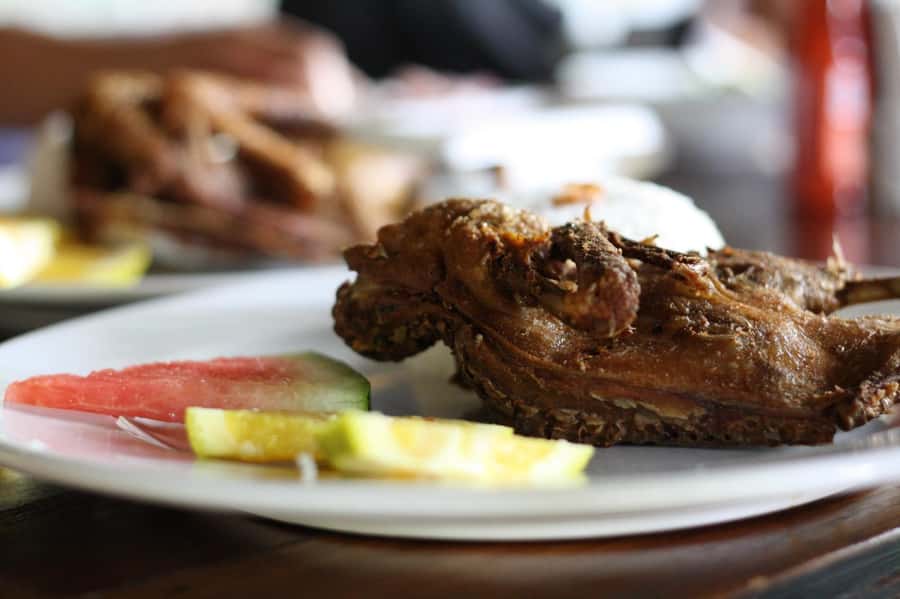
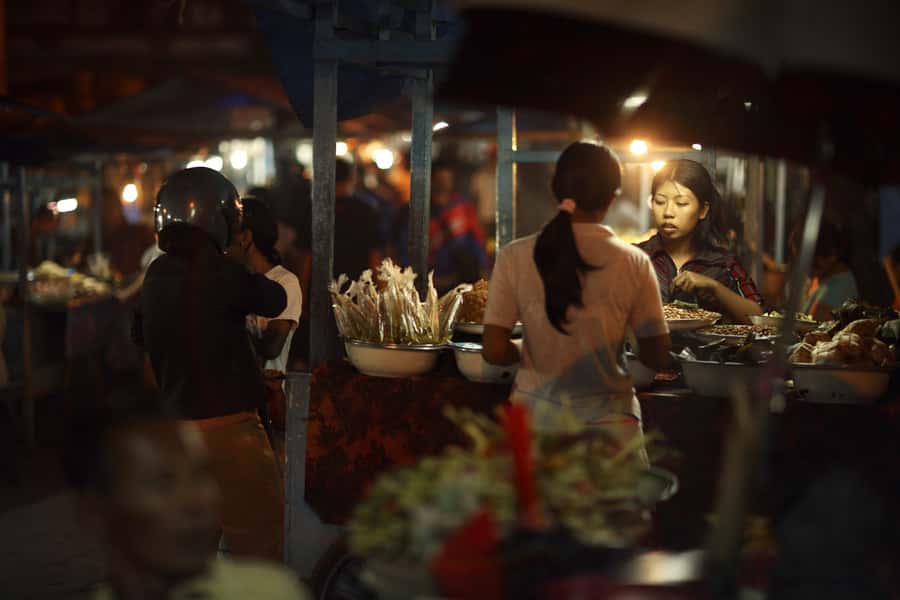
The final major stop is Gianyar Night Market, where the tour shifts from sit-down food to the lively, informal world of evening stalls.
This is where you can try spicy grilled meats, sweets, drinks, and small dishes that are easy to miss if you stay in resort areas. The market gives you a chance to watch locals choose food, compare cooking styles, and see how snacks fit into an ordinary evening.
The atmosphere can be crowded, aromatic, and less controlled than a restaurant. That is part of the point, but it may challenge anyone who wants quiet tables and a carefully paced meal. Keep your expectations practical: this is local market food, not a polished tasting menu.
By this stage, you may already be full. I would treat the market as a chance to taste selectively rather than an instruction to eat everything in sight. Your guide can help you choose, and the tour’s included food means you do not need to order blindly.
Alcohol is not included. Other food and beverage expenses beyond the included tastings are also your responsibility, so carry a little spending money if you want extra portions or drinks.
The guides make the difference
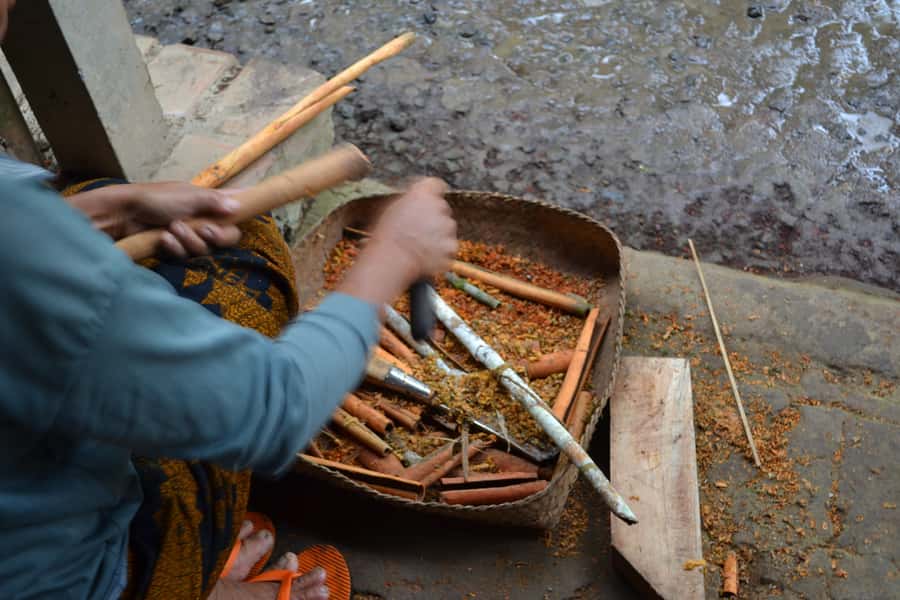
The strongest part of this experience is the guide-to-guest connection. Names associated with particularly good days include Bonito, Yuma, Sumadi, Febri, Popo, Wayan, Tawan, Dwipa, Dayu, and Tirta.
Their shared role is larger than serving as a driver. They explain food, translate local customs, answer questions, manage timing, and help you feel comfortable with unfamiliar dishes. Several guides have also adjusted meals for stomach troubles, kept solo visitors comfortable, or slowed down for older participants.
English ability has generally been strong enough for cultural conversations, though the exact guide will vary. If you want a female guide or a guide speaking German, Japanese, or Korean, choose that add-on rather than assuming it will happen automatically.
Small-group availability is another plus. A smaller group makes it easier to ask questions and allows the guide to adjust food choices. The booking information does not promise that every departure is private, so confirm the group setup if that matters to you.
Is $53 a good value?
At $53 per person, the price is fair for a full eight-hour outing that includes hotel pickup and drop-off, transport, a guide, admission fees, and up to 15 food samples.
The value improves if you would otherwise pay separately for taxis, market visits, several meals, and a cultural guide. It also removes the guesswork from ordering at places where English menus may be limited.
It is less compelling if you only want a quick street-food walk or already feel confident navigating Bali’s local food scene. You are paying for time, transport, guidance, and the cultural explanation around the meals, not simply the cost of the ingredients.
Since alcohol and extra food or drinks are excluded, the advertised price is not necessarily your final spend. Still, the included meal coverage makes budgeting easier than on a tour where every tasting carries a separate charge.
Free cancellation up to 24 hours before departure and reserve-now, pay-later booking add useful flexibility. Check the available start time when booking, since the standard schedule is noon to 8:00 PM.
Who should book this Bali food tour?
I would recommend it to food-focused visitors who want local dishes with explanation, solo visitors who value an included driver, and first-time visitors who want a broad introduction to Balinese food and culture.
It also suits people who enjoy flexible days. The guide may add a temple, rice terrace, waterfall, coffee stop, or scenic pause, depending on the route and your interests.
I would not choose it if you are vegetarian, avoid pork, require a halal menu, or dislike eating several times across a long day. It is also not the right format for someone seeking a tightly scripted sightseeing schedule.
Bring comfortable shoes, an appetite, and a willingness to try unfamiliar flavors. Tell the operator about allergies in advance, and do not wait until the night market to admit you are full.
FAQ
What time does the tour start and finish?
The tour starts at 12:00 PM and finishes at about 8:00 PM.
Is hotel pickup included?
Yes. Pickup and drop-off at your hotel in Bali are included, along with transportation.
How much food is included?
You can sample up to 15 dishes. The exact dishes and portions may vary by route and local availability.
Is babi guling included?
Babi guling is one of the featured foods on the experience. The tour also includes other roast meats, satays, soups, curries, drinks, and desserts.
Is the tour suitable for vegetarians or halal diets?
No. The tour is non-halal and is not suitable for vegetarians.
Is Luwak coffee included in the base price?
Luwak coffee tasting is available as an optional add-on, not as a standard inclusion.
Can I cancel or pay later?
You can cancel up to 24 hours in advance for a full refund. Reserve-now, pay-later booking is also available.
Should you book it?
Book this tour if you want Bali explained through its food, not just photographed from a roadside viewpoint. For $53, you get a long, flexible day with local meals, market food, transport, and a guide who can turn unfamiliar dishes into useful cultural clues.
The best reason to go is the combination of food and conversation. The main reason to pause is the pork-heavy, high-volume menu. If that works for you, this is a practical way to reach Gianyar’s food scene without spending your first evening guessing what to order.
Just added around the world
- Milan: Street Food Walking Tour★ 4.7 · 180 reviews
- Milan’s Full-Meal Gourmet Food Tour – More Than Tastings★ 4.8 · 81 reviews
- Kolkata Midtown Madness- A Street Food & Nightlife Tour★ 4.9 · 49 reviews
- Milan: Delicious Food Tour and City Center Sightseeing★ 4.8 · 111 reviews
- Mexico City: Authentic Downtown Food Tour★ 4.9 · 260 reviews
- Miami: Intimate Sailing in Biscayne Bay w/ Food and Drinks★ 4.7 · 34 reviews
- Mexico City: Vegan and Vegetarian Street Food Adventure★ 4.8 · 65 reviews
- Mexico City: Mystic Markets La Merced & Sonora Culinary Tour★ 4.9 · 301 reviews
Food Tours in Indonesia, compared.

Jakarta: Volcano, Tea/Rice Fields, Hot Spring, Local Food
Read our review →
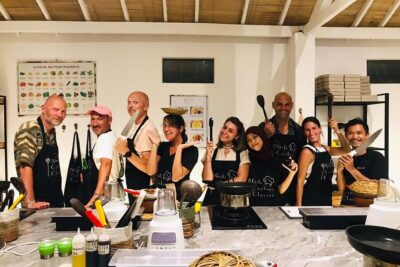
Learn to cook Indonesian food at Gili Cooking Classes Trawangan
Read our review →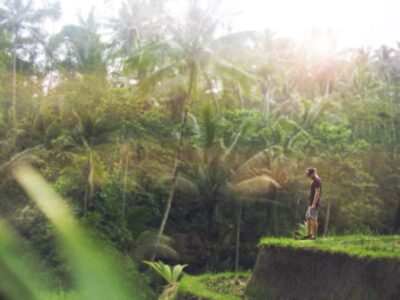
Bali: Full-Day Eat Pray Love Tour with Rice Terraces & Yoga
Read our review →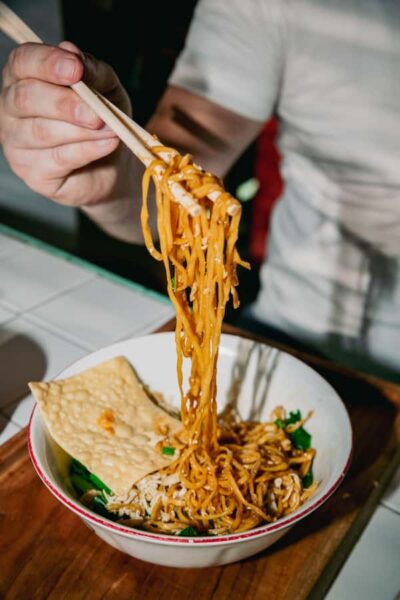

Jakarta: Private Guided Sightseeing & Street Food Night Tour
Read our review →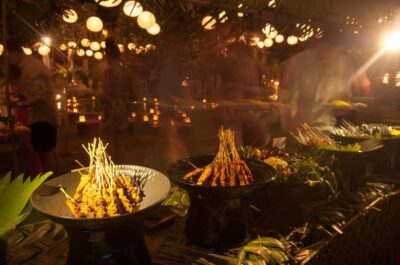
Browse the lists this tour appears in