
REVIEW · INDONESIA
Jakarta: Volcano, Tea/Rice Fields, Hot Spring, Local Food
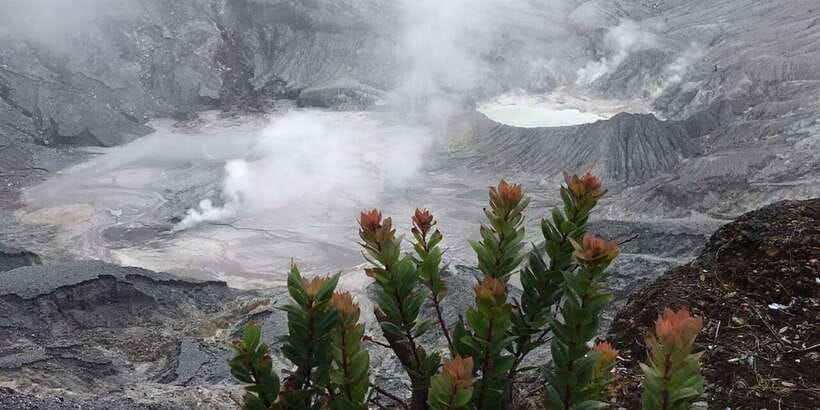
Tangkuban Parahu is the star here. You get close to an active crater, smell the sulfur, see bubbling mud and smoke, and may hear the volcano rumble. It is a striking change from Jakarta’s traffic and towers, even if mountain weather sometimes hides the best views.
I like the wide mix of stops: pineapple and mangosteen tasting, working rice fields, tea plants, coffee, local food, and hot mineral water all fit into one long day. I also like the small group size, capped at 10, and the care shown by guides such as Rizky, Nanda, Bryan, Vincent, Isabella, and Mitchell.
The drawback is the travel time. You can spend five to six hours in the vehicle, and the hot spring pools may be shallow rather than a proper full-body soak. The coffee stop also deserves a clear ethical note, since some visitors were uncomfortable with the caged luwak animals.
Key points to know before booking
- Tangkuban Parahu is the main event: Expect sulfur fumes, smoke, bubbling mud, and a crater reached by walking.
- The day covers a lot: Rice fields, tea plants, coffee, local food, fruit, a volcano, and hot springs make this a broad introduction to West Java.
- The drive is long but useful: The trip takes about 14 hours, with roughly 2.5 to 3 hours going north from Jakarta and about 3 hours returning.
- The guides are a major strength: English-speaking guides including Rizky, Bryan, Nanda, Vincent, and Isabella are praised for clear explanations, humor, photos, and personal care.
- The hot spring is not a luxury spa: Some pools only reach calf height, though the warm sulfur water and optional massage can feel welcome after the mountain walks.
- The coffee stop is a personal-choice issue: The kopi luwak presentation may interest you, but the treatment of captive animals has drawn serious concern.
Why this Jakarta day trip works
At $114 per person, this is not the cheapest way to leave Jakarta. It is, however, a practical package if you want to see several parts of West Java without arranging separate transport, entrance tickets, meals, and a guide.
You get hotel pickup in the Jakarta area, an air-conditioned vehicle, an English-speaking guide, bottled water, tolls, parking, entrance fees, fruit tasting, and lunch. That matters on a day involving mountain roads and several scattered sights. You are paying for coordination as much as for admission tickets.
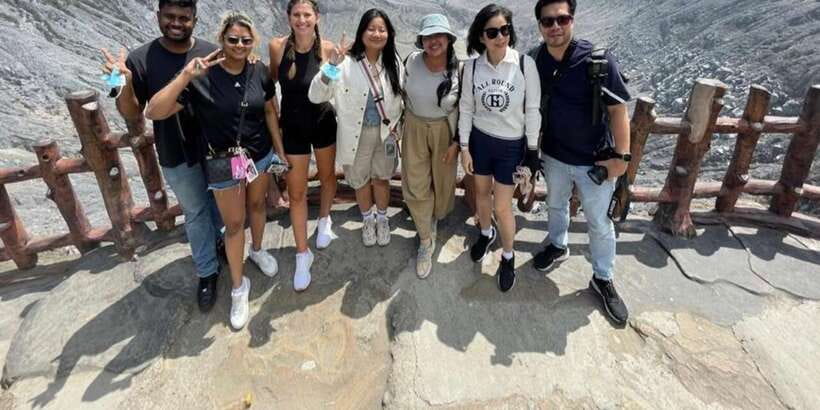
The tour is limited to 10 people. That is small enough for a guide to answer questions and adjust the pace, though it is still a group outing rather than a private trip. Guides have helped with photographs, food preferences, prayer breaks, and extra explanations, which can make a long day feel more personal.
I would book this as a one-day introduction to the countryside around Bandung, not as a restful excursion. The schedule is full, and the road is a large part of the experience.
Other food tours people book in the world on the same trip:
- Reykjavik Food Walk – Local Foodie Adventure in Iceland
★ 5.0 · 18,952 reviews - Hanoi Jeep Tour: Food, Culture and Fun by Vietnam Army Jeep
★ 5.0 · 15,222 reviews - From Marrakech: Merzouga 3-Day Desert Safari with Food
★ 4.7 · 12,232 reviews
The early pickup and long road north
Pickup begins between 7:00 and 7:25 AM. Your guide contacts you about 10 minutes before reaching the hotel and waits outside the lobby for no more than 10 minutes, so be ready early.
Leaving Jakarta means dealing with traffic before the road climbs toward Subang and Bandung. The outward drive usually takes 2.5 to 3 hours, depending on traffic and road conditions. The return can take about 3 hours and may stretch later on weekends.
The vehicle is air-conditioned, and transport receives especially strong marks. Drivers such as Dede, Toto, Tito, Andre, Bobo, and Mr. Ruslan are repeatedly praised for handling Jakarta traffic and winding mountain roads. If you tend to feel motion sick, bring whatever usually helps you, since the route includes curves and a long return ride.
The upside of the drive is that you get time to rest between stops. Some guides use the road for stories about Indonesian culture, farming, food, and local history, while also allowing quiet time for a nap.
Rice fields and village life around Subang
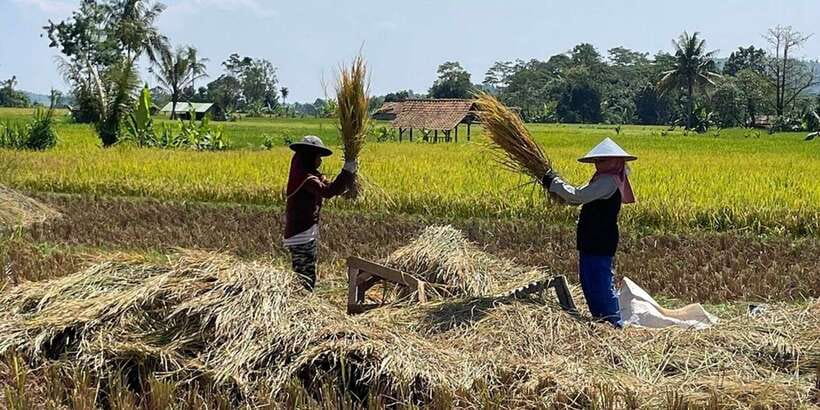
The first countryside stop near Subang lasts about 30 minutes. You walk among rice fields, take photographs, and watch farmers working. The stop is brief, so think of it as a close look at rural West Java rather than an extended village visit.
This part adds context to the food later in the day. Rice is not just scenery here. You see the fields that support daily life and the physical work involved in growing and processing a staple crop.
The exact view depends on the day and the route. Some people find the rice and tea stops more like short photo breaks than formal visits to a major farm. I would still value them, especially if you have not seen rice cultivation up close, but keep your expectations modest. Wear shoes that can handle uneven ground and damp paths.
Tangkuban Parahu and the sulfur crater
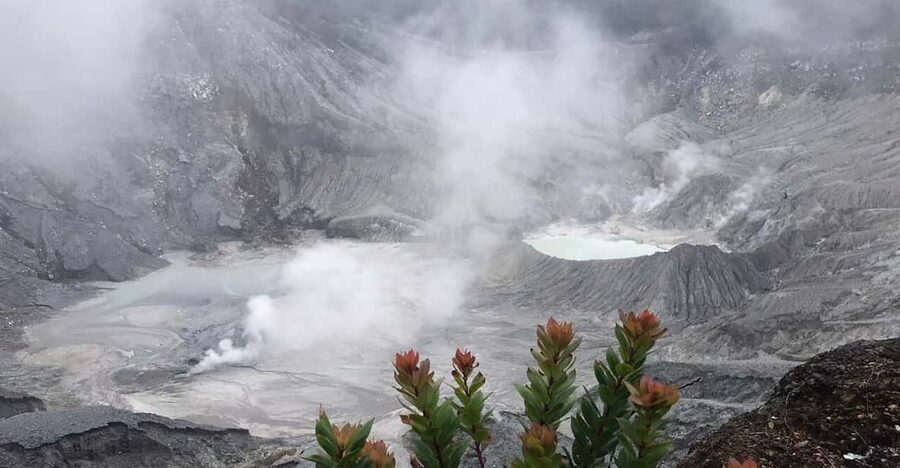
Tangkuban Parahu is the strongest reason to choose this outing. The volcano sits among rainforest, and the visit gives you a close look at an active crater rather than a distant mountain view.
You have about 1.5 hours for photographs, walking, and free time. At the crater, you may see smoke, bubbling mud, and sulfur deposits. The air can smell strongly of sulfur, and some people have heard the volcano rumble. One particularly memorable experience described a small amount of magma bubbling or jumping within the crater.
The volcano is not a passive viewpoint. Conditions change with rain, cloud, and mist. On a wet day, visibility at the top can be poor, so you might see less of the crater and surrounding scenery. Even then, the sulfur smell, steam, and raw volcanic ground can make the stop worthwhile.
You may also spot wild monkeys in the surrounding forest. Local sellers can approach visitors near the viewpoint, and the attention may feel persistent. A firm no usually does the job. Bring cash if you want handmade items, since local crafts may be available at the volcano.
Comfortable shoes matter here. The walk is not described as a strenuous trek, but the tour is not designed for wheelchair users or people with mobility impairments. The experience is also not recommended for people over 70, and especially not for people over 80.
A few more food tours around the world worth comparing
- Dubai: Old Town, Creek, Museums, Souks, & Street Food Tour
★ 4.8 · 10,816 reviews - Madrid: Live Flamenco Show with Food and Drinks Options
★ 4.5 · 9,901 reviews - Ho Chi Minh City Street Food Tour & Sightseeing By Motorbike
★ 5.0 · 9,413 reviews - From Split: Krka Waterfalls, Food & Wine Tasting Tour
★ 5.0 · 9,326 reviews
Lunch in Lembang and the local food break
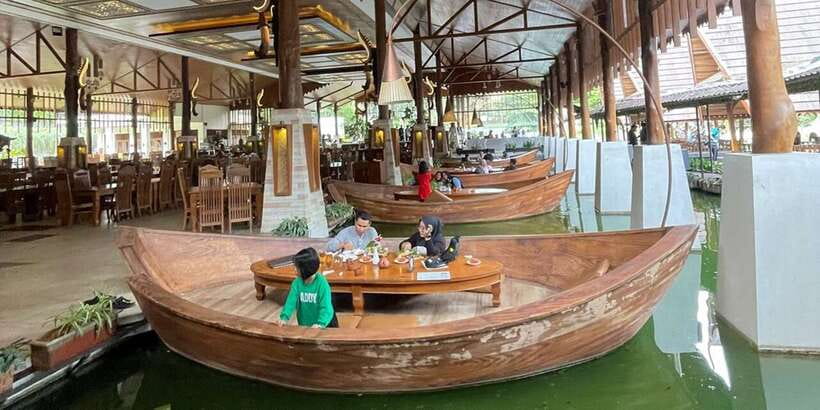
Lunch takes about an hour in the Lembang area. It is included in the price and gives you a proper pause after the volcano visit.
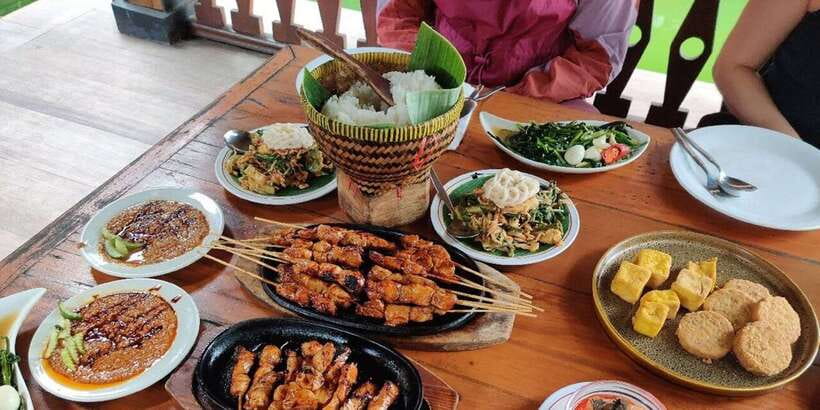
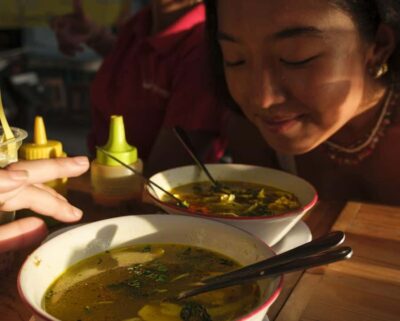
The meal is local rather than designed as a polished international dining experience. Many people enjoy the food, and some describe the restaurant as clean, attractive, and quick to serve. Plant-based meals can be arranged when you tell the guide what you need.
The quality may not be perfectly consistent. One meal was described as mostly fried food with limited flavor beyond the water spinach, while other meals were considered tasty and more than adequate. This is useful to know if Indonesian cuisine is a major reason for booking. You are likely to get a convenient local meal, but not necessarily a carefully planned culinary tour.
The tour also includes a food stop at a local eatery. Use it as a chance to try something you may not order on your own. Guides can explain what you are eating and may help with questions about ingredients.
Coffee at Kopi Luwak Cikole
The coffee visit lasts about an hour and focuses on local cultivation and kopi luwak. You learn about the coffee plant, beans, production methods, benefits, and different coffee products. The stop is in the Lembang area, where coffee growing is part of the local agricultural story.
Several people rate the coffee highly, and the explanation of the plant and beans can be interesting even if you are not a coffee enthusiast. You may also meet luwaks as part of the presentation.
This is the most important ethical concern on the tour. Some people felt the facility was commercial and were upset by luwaks kept in small cages. There were also concerns about animals appearing unusually calm. If animal welfare is important to you, ask your guide about the setup before participating, and be prepared to skip or limit this part.
The coffee itself may be served from a packet rather than brewed from beans in front of you. That can disappoint anyone expecting a working farm demonstration. I would treat the stop as an introduction to local coffee culture, not as proof of traditional or fully responsible kopi luwak production.
Tea plants and the mountain farming belt
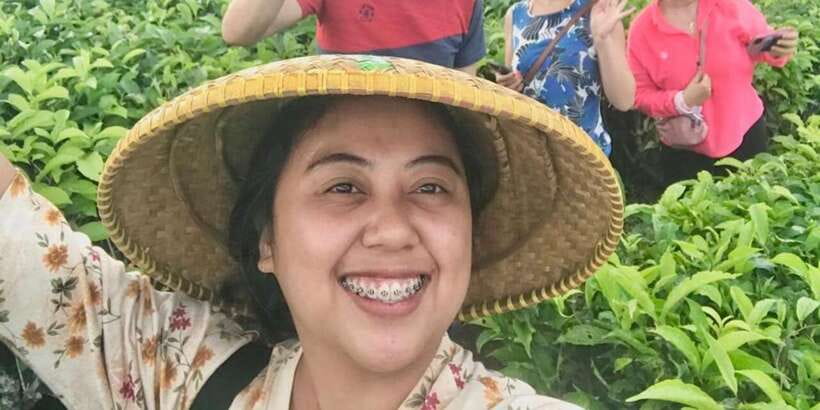
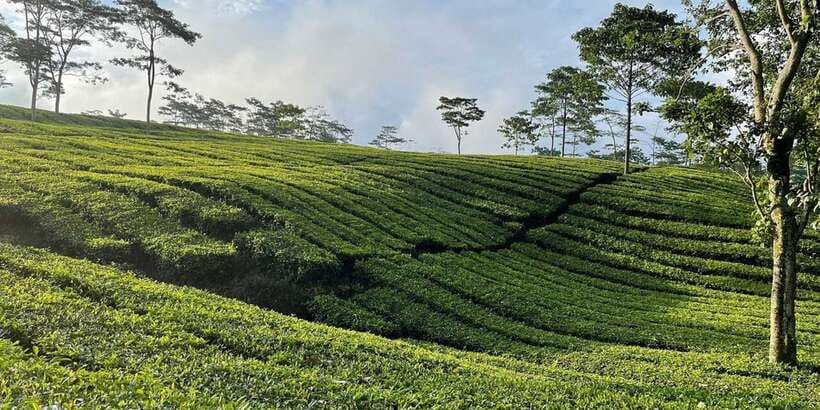
The tea plantation stop at Ciater Cagak lasts around 30 minutes. You walk among the tea plants, take pictures, and hear about cultivation, types of tea, harvesting, and the crop’s place in the area.
This is another short stop, but it changes the rhythm of the day. After the crater’s smoke and sulfur, the orderly tea rows offer a quieter view of mountain agriculture. You can see how many products associated with Indonesia begin with careful outdoor work rather than a shop shelf.
Do not expect a long guided farm visit with extensive time among workers. The stop works best as a scenic walk and a brief lesson. Ask your guide questions while you are there. Guides such as Vincent and Isabella have been praised for explaining plants, farming, and local customs clearly.
Fruit tasting at a local paradise
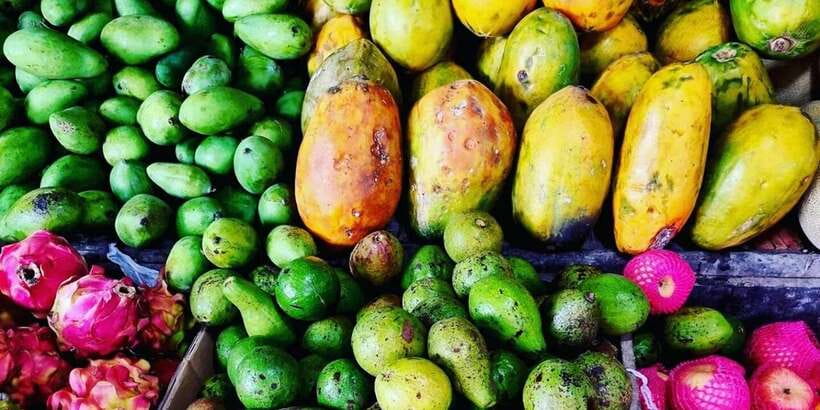
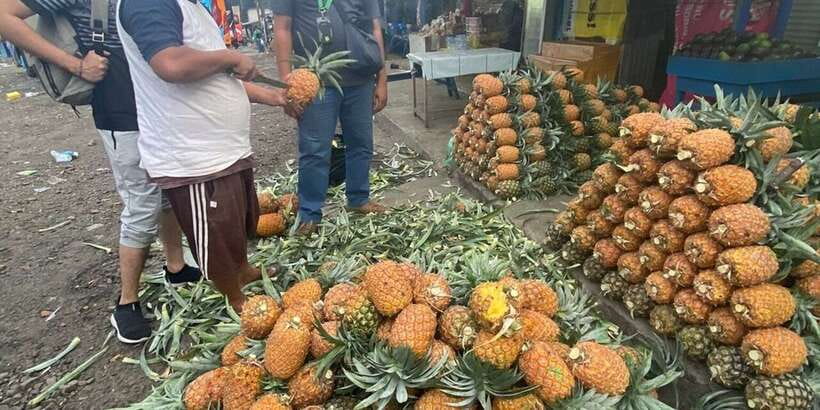
The fruit stop is one of the most distinctive parts of the day. You sample tropical produce including honey pineapple, mangosteen, and salak, also known as snake fruit.
Honey pineapple receives special attention for its sweetness. Your guide may save another portion for you before the return to Jakarta, which is a small but thoughtful touch. Salak has a scaly skin and sharp points, so handle it carefully. Mangosteen is softer and sweet inside, with a thick outer shell.
This is more than a quick snack. Fruit varieties can be hard to identify when you shop alone, and tasting them with a local guide gives you a simple way into Indonesian food culture. If you enjoy trying unfamiliar foods, this stop may become one of your favorites.
Ciater hot springs and the final hour of the day
The last major stop is Sari Ater Hot Springs in Ciater. You have about an hour for warm sulfur-infused water, swimming, and free time. A local body or foot massage may also be available, giving you a way to loosen up after the volcano walk and long drive.
The hot springs need realistic expectations. The pools vary in temperature, but some only reach calf height. That means you may not get the deep soak you imagine from the word hot spring. One person found the stop less worthwhile, while others considered it the right way to finish a demanding day.
If you want to use the water, pack a swimsuit or change of clothes, a towel, and a dry set of comfortable clothes. The hot springs are a practical reason to bring a small day bag rather than relying only on what you are wearing at breakfast.
What the $114 price really buys you
The price makes the most sense if you are starting in Jakarta and want a managed day in the Bandung and Subang region. Private transport alone can become costly once you add fuel, tolls, parking, a driver, and the long return to the city.
Here, your fee covers:
- Hotel pickup and drop-off in the Jakarta area
- Air-conditioned transport
- An English-speaking guide
- Volcano, hot spring, and other entrance fees
- Lunch and bottled water
- Fresh fruit tasting
- Tolls and parking
You also avoid figuring out how to connect scattered rural sights by public transport. That convenience is the main value.
The price is less compelling if you dislike long drives, want a slow day at one site, or expect a high-end spa and gourmet meal. It is a good fit for someone who wants variety and accepts that each stop is fairly short.
Free cancellation is available up to 24 hours before departure, and you can reserve while paying later. Return is usually around 7:00 to 8:00 PM, with possible delays on weekends. Do not schedule a flight or important appointment that evening.
Who should book this experience
I would recommend it to first-time visitors based in Jakarta who want to see rural Java without arranging a complicated trip to Bandung. It suits curious eaters, amateur photographers, families with older children who can walk comfortably, and anyone fascinated by volcanoes and farming.
It also works well for solo visitors who want company without joining a huge coach group. The guide can explain what you are seeing, help with photographs, and make a group of strangers feel more organized.
I would hesitate if you have limited mobility, dislike winding mountain roads, need a deep spa soak, or want a carefully controlled food experience. I would also think twice if a caged-animal coffee stop would make you uncomfortable.
FAQ
How long does the tour last?
The experience lasts about 14 hours, including the drive from Jakarta to the Subang and Bandung area and the return journey.
What time does pickup begin?
Pickup starts between 7:00 and 7:25 AM from hotels in the Jakarta area.
When should I expect to return to Jakarta?
Return is usually between 7:00 and 8:00 PM, though the trip may run later on weekends.
Is hotel pickup included?
Yes. Hotel pickup and drop-off in the Jakarta area are included.
Is transportation air-conditioned?
Yes. Transportation is provided in an air-conditioned vehicle.
Is the guide English-speaking?
Yes. The tour includes a live English-speaking guide.
How large is the group?
The group is limited to 10 participants.
What food and fruit are included?
Lunch at a local restaurant and fresh local fruit tasting are included. Fruit may include honey pineapple, mangosteen, and snake fruit.
What should I bring?
Bring comfortable shoes, comfortable clothing, a towel, and a change of clothes for the hot springs.
Is the tour suitable for wheelchair users?
No. The experience is not suitable for wheelchair users or people with mobility impairments. It is also not recommended for people over 70, and especially not for people over 80.
Should you book it?
Book it if you want one energetic day that brings together an active volcano, farm country, local produce, coffee, lunch, and hot springs. The guides and drivers are the tour’s strongest asset, and the small group keeps the long day manageable.
Go in knowing that the drive is substantial, the hot spring pools may be shallow, the lunch may be basic, and the kopi luwak stop raises animal welfare concerns. With those limits in mind, $114 is a fair price for a broad, well-supported introduction to West Java from Jakarta.
Just added around the world
- Milan: Street Food Walking Tour★ 4.7 · 180 reviews
- Milan’s Full-Meal Gourmet Food Tour – More Than Tastings★ 4.8 · 81 reviews
- Kolkata Midtown Madness- A Street Food & Nightlife Tour★ 4.9 · 49 reviews
- Milan: Delicious Food Tour and City Center Sightseeing★ 4.8 · 111 reviews
- Mexico City: Authentic Downtown Food Tour★ 4.9 · 260 reviews
- Miami: Intimate Sailing in Biscayne Bay w/ Food and Drinks★ 4.7 · 34 reviews
- Mexico City: Vegan and Vegetarian Street Food Adventure★ 4.8 · 65 reviews
- Mexico City: Mystic Markets La Merced & Sonora Culinary Tour★ 4.9 · 301 reviews
Food Tours in Indonesia, compared.
Learn to cook Indonesian food at Gili Cooking Classes Trawangan
Read our review →
Bali: Full-Day Eat Pray Love Tour with Rice Terraces & Yoga
Read our review →
Bali: Authentic Culinary Street Food Experience Tour
Read our review →
Jakarta: Private Guided Sightseeing & Street Food Night Tour
Read our review →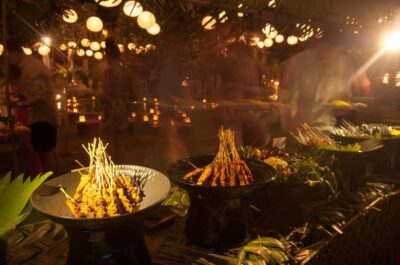
Browse the lists this tour appears in