REVIEW · ITALY
Modena Food Tour: Sightseeing & Taste
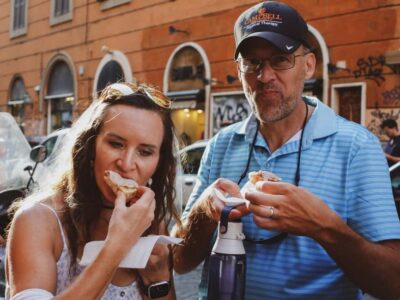
Modena’s best introduction may be a walk that treats balsamic vinegar as seriously as its cathedral. This two-hour tour links the Duomo, Torre Ghirlandina, Palazzo Ducale, small food shops, a bakery, and a tasting of the city’s famous black-gold vinegar. Guides such as Francesco and Teresa add local stories and practical restaurant tips.
I like the smart mix of sightseeing and eating, especially the chance to taste Parmigiano Reggiano with local breads and charcuterie rather than simply hearing about them. I also like the small group limit of 10, which lets the guide adjust the pace and answer questions. The main limitation is time: two hours gives you a tasty orientation, not a long meal or a full tour of every major sight.
Key points at a glance
- Balsamic comes first in the conversation: Learn how Modena’s vinegar is aged, then taste its changing flavors.
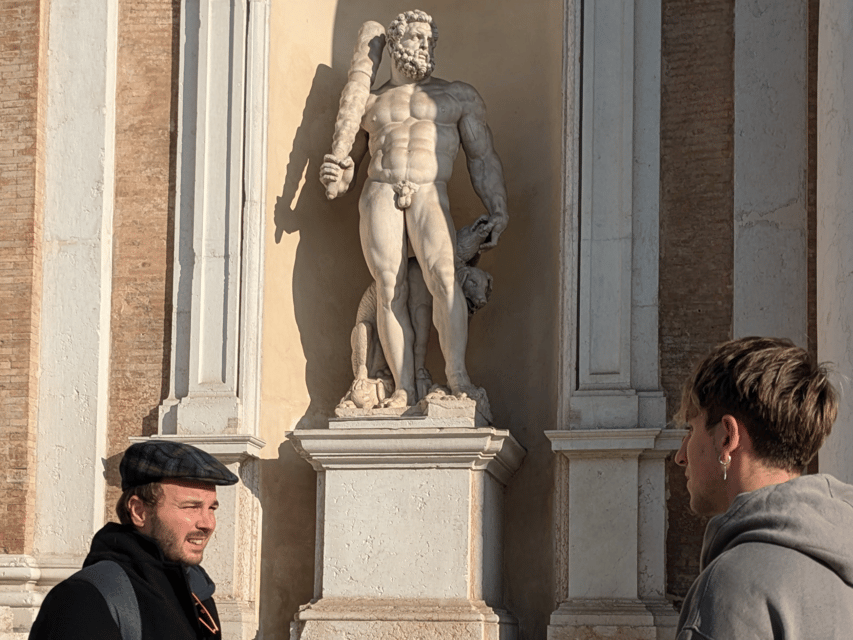
- Historic sights provide the setting: See the Duomo, Torre Ghirlandina, Palazzo Ducale, Giardini Ducali, and nearby streets.
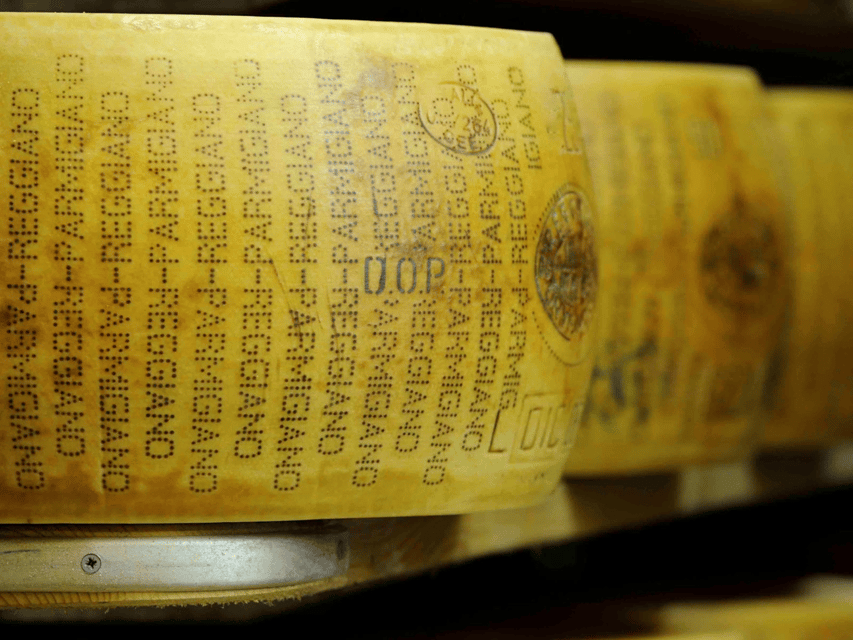
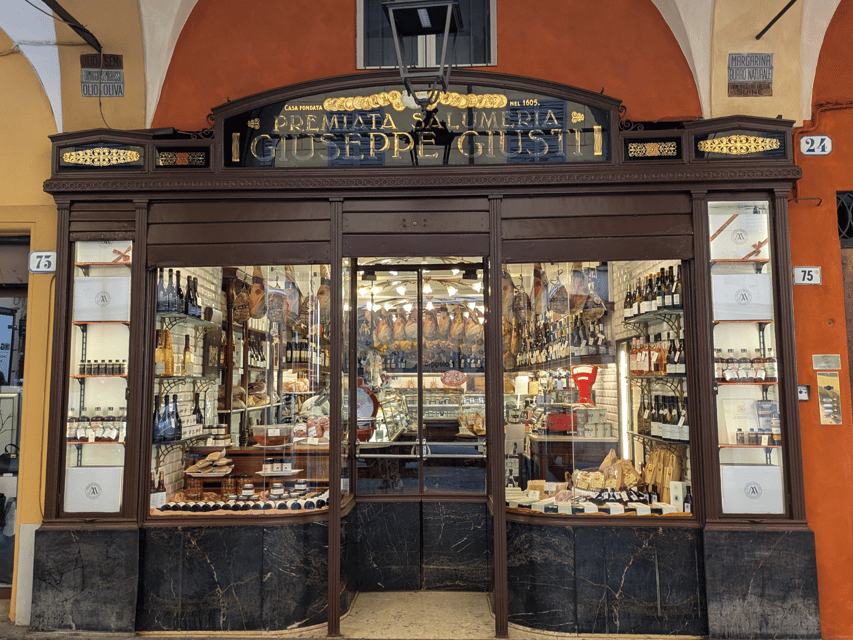
- The food is broader than Parma ham: Expect Parmigiano Reggiano, regional cold cuts, local bread, pastries, and a sweet specialty.
- Mercato Albinelli is time dependent: The market is open in the morning from Monday through Saturday, so it may not fit every departure.
- The tour is personal and compact: English and Italian guides lead groups of up to 10, with Francesco and Teresa frequently praised for warm local insight.
Why this Modena food tour works
A good food walk should help you understand a place, not just fill you up. This one does that by moving through the historic center while explaining why Emilia-Romagna is so closely tied to food production. You see the city, then taste the products that give it a place on Italy’s culinary map.
The walking is central to the experience. You begin in front of Hotel Principe, about 10 minutes on foot from the Duomo. From there, the route threads through Modena’s historic streets and combines short sightseeing stops with tastings. You are not confined to one restaurant or shop, and the change of setting keeps the two hours moving.
The experience is especially useful early in a Modena visit. Francesco, a native of the city, has been praised for helping people plan the rest of their stay, while other guides have adjusted the conversation to suit the group. I would book it near the start of your time here if you want restaurant suggestions and a quick sense of where the center’s key sights are.
A few more food tours around Italy worth comparing
- Winner 2025 Rome Twilight Trastevere Food Tour by Eating Europe
★ 5.0 · 5,157 reviews - Winner 2025 Florence Sunset Food & Wine Tour by Eating Europe
★ 5.0 · 5,015 reviews - Naples: Street Food Walking Tour with Local Guide
★ 4.9 · 4,976 reviews
Giardini Ducali and the first look at Modena
The tour starts near the Giardini Ducali, where your guide introduces Modena and sets the scene for the walk. This opening matters because the city can seem compact and quiet at first glance, yet its food traditions are tied to local customs, family production, and old city institutions.
The route also includes the Orto Botanico, the botanical garden. Here, the guide connects plants and herbs with Italian cooking. It is a brief stop, but it gives the tour more range than a simple procession from one tasting counter to another.
Do not expect a long garden visit or a formal botany lesson. The value is in the link between place and food. You get an explanation of how cultivated plants and herbs fit into culinary traditions before the tour turns to the products Modena is best known for.
The balsamic vinegar workshop
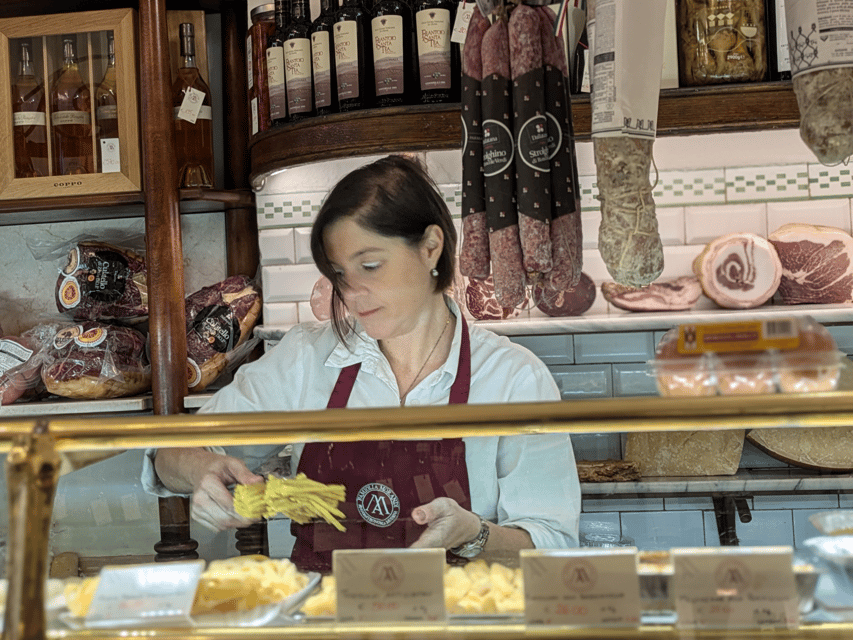
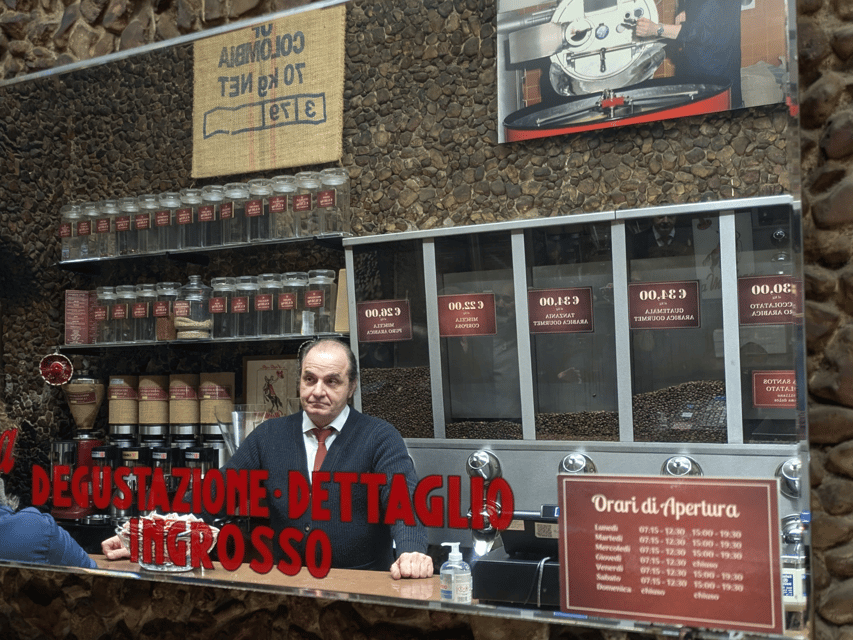
The vinegar tasting is the central food lesson, and it is one of the strongest reasons to take this tour. Modena’s traditional balsamic vinegar is made through a slow aging process, producing a dark, sweet, complex condiment that bears little resemblance to many inexpensive supermarket versions.
At the workshop, you learn about production and aging before tasting the vinegar with guidance. That makes a difference. Instead of simply hearing that balsamic is special, you get to notice how its flavor changes and why a small amount can have such a strong effect on food.
This stop is described as a workshop and class, though the scheduled time is short. Expect a focused introduction rather than a full production visit. The itinerary allows about 10 minutes for the class and tasting, so you should not arrive expecting to spend an hour among barrels.
Still, this is the kind of short lesson that can change how you shop later. You may leave with a better sense of what to look for in a bottle and a clearer idea of why traditional balsamic costs more. The tasting has been singled out as a highlight, and I can see why: it combines a local product, a useful explanation, and a flavor that is easy to remember.
Parmigiano Reggiano, breads, and regional charcuterie
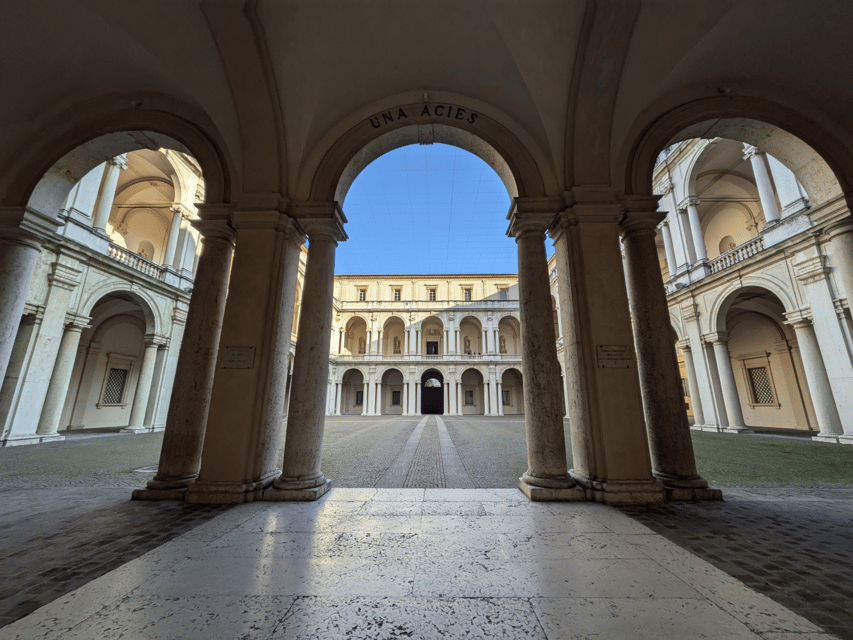
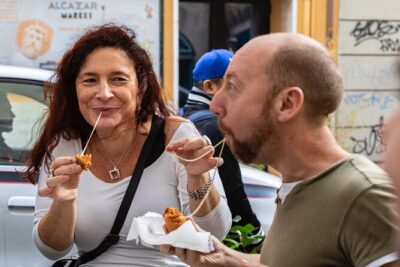
The savory tastings broaden the picture. Parmigiano Reggiano is served with local breads and other cold cuts, not only Parma ham. That distinction matters, since Emilia-Romagna’s food identity is much wider than its most famous exported products.
You taste the cheese in the place where its character makes sense. Parmigiano Reggiano has a firm texture and a nutty, concentrated flavor, and the guide explains how it is made. The charcuterie adds salt, fat, and spice to the tasting, while the bread gives you something substantial to eat with it.
The amount appears to vary with the stop and the guide. Some outings have included a small lunch box or a generous savory tasting that worked as lunch, while the formal description presents it as a tasting rather than a full meal. I would plan for a light meal, not skip breakfast and assume this will replace lunch.
The itinerary also includes a local bakery and a small café or food stop. These may involve pastries, coffee, or a short explanation of local products. The exact order can shift, and some stops are only five to 15 minutes long. That short format is useful if you want variety, but it does not allow much time to browse or shop at every stop.
Same city, a completely different plate:
- Rome: Street Food Tour with Local Guide
★ 4.8 · 4,077 reviews - Florence: Cinque Terre Park Day Trip with Optional Street Food
★ 4.5 · 3,593 reviews - Rome Food Tour: Unlimited Tastings with Fine Wine & Barolo
★ 5.0 · 3,365 reviews - Rome Food Tour: Campo de’ Fiori, Ghetto, Trastevere Winner 2024
★ 5.0 · 3,205 reviews
Modena Cathedral and Torre Ghirlandina
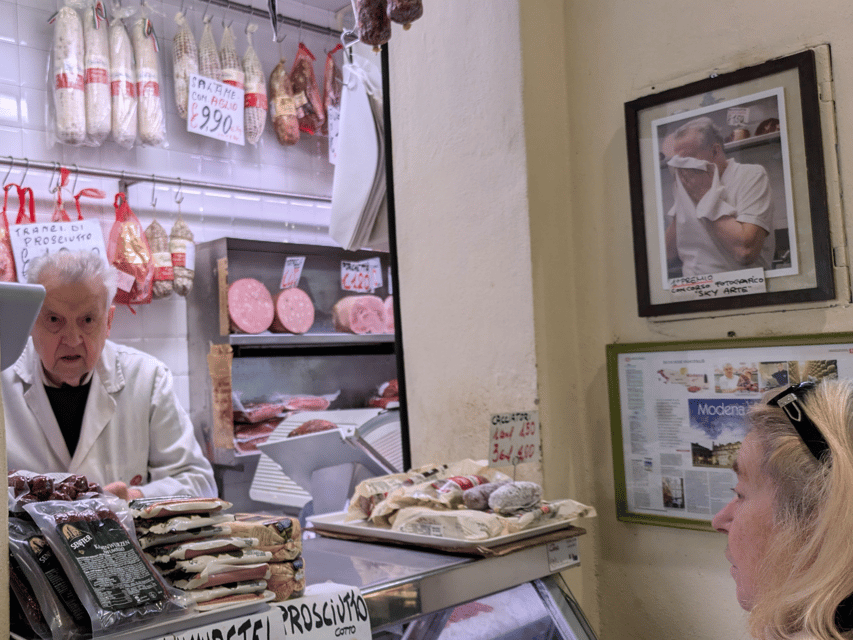
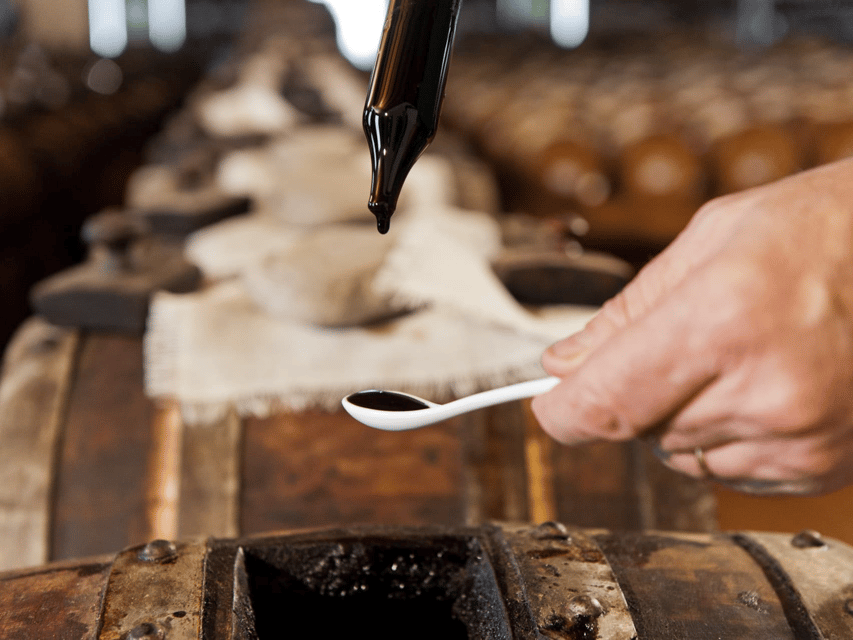
The sightseeing section includes Modena Cathedral and Torre Ghirlandina, two of the city’s central landmarks. You also see Palazzo Ducale and other historic streets as the guide points out details that are easy to miss when walking alone.
The tour does not present itself as a full architectural visit. The stated schedule gives about 15 minutes to the cathedral and similar short periods to other sightseeing. You will hear the main stories and get your bearings, then have time to return independently if a particular building catches your attention.
That is a sensible arrangement for a food walk. You are not asked to spend a long stretch inside a monument while thinking about the next tasting. Instead, the guide gives you a useful first look at Modena’s center and leaves you with a better plan for independent sightseeing.
I particularly like this balance for a short stay. You can see the cathedral area, taste local food, and decide later if you want to spend more time at the Duomo or Ghirlandina. It is an introduction, not a substitute for a dedicated city tour.
Mercato Albinelli and the daily food scene
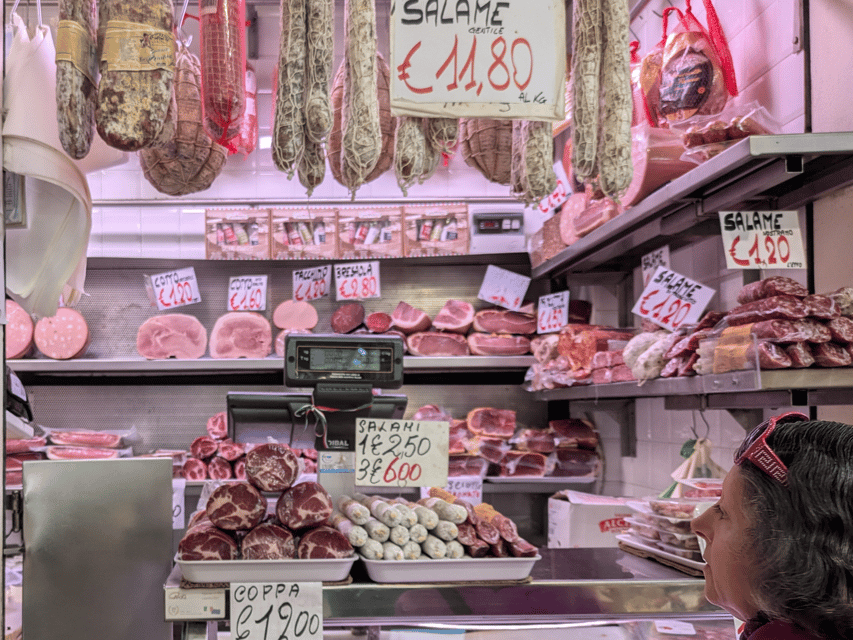
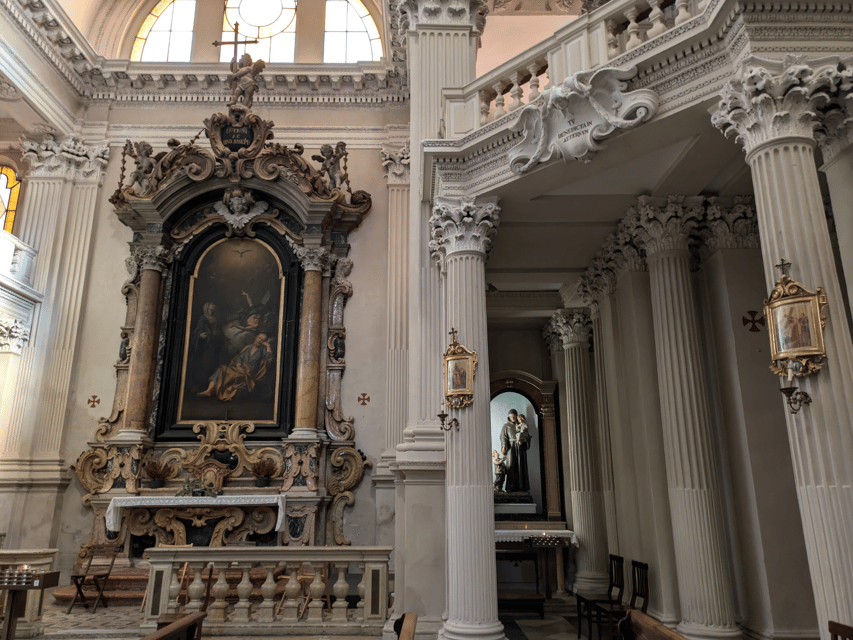
When the schedule allows, the walk visits Mercato Albinelli. This covered market is where you can watch locals shop for produce, meat, cheese, and specialty foods. It offers a different view of Modena than a carefully arranged tasting because the emphasis shifts from presentation to daily life.
Timing is important. The market is open in the morning from Monday through Saturday. If you book an afternoon tour, visit on Sunday, or travel outside those hours, this stop may not be included. Check the starting time before booking if Mercato Albinelli is a priority.
The market stop is also useful for shopping advice. You might find products to take home, though the tour does not promise a dedicated shopping period. Some people have returned later to buy cheese and fruit after seeing the stalls with the guide.
This is one of the tour’s more practical features. A tasting tells you what to eat. A market visit shows you where residents buy food and gives you a better chance of making sensible purchases on your own.
Sweets, wine, and the final stop at Fà a Mód
The sweet course brings in two local possibilities: chocolate torta barozzi or tortelli fritti dolci with jam. Torta Barozzi is a dense chocolate cake associated with the Modena area. Tortelli fritti dolci are sweet fried parcels based on handmade egg pasta and filled with local cherry jam.
The bakery stop is brief, but it adds a welcome change after the cheese and charcuterie. The reviews also describe bakery treats and coffee, so the exact offering may depend on the shop, time, and day. If you have dietary restrictions, ask before booking because the tour’s food details are not presented as a customizable menu.
The tour finishes with regional red wine at a local bar and ends at Fà a Mód. The formal inclusions specify one glass of local red wine. Some tour outings have included two glasses along with gnocco fritto, a light puffed fried bread served with prosciutto, but you should regard the listed one glass as the reliable expectation.
This final stop gives the tour a relaxed finish. It also helps the food feel like part of local social life rather than a series of samples collected on the move. The schedule allocates only about five minutes to the wine tasting, though some outings have lasted longer when the group sat down for food and conversation.
Guide quality and group size
The guide is a major part of the experience. Francesco, who grew up in Modena, has led many of the highly praised tours and is described as warm, calm, humorous, and full of local stories. Teresa, also called Tess, has been singled out for her ability to explain the food stops and adjust the tour to the group.
That local connection matters. A guide who knows the shopkeepers can make a short stop feel less like a transaction and more like an introduction. You also get advice for later meals and activities, which can be more valuable than another piece of trivia.
The group limit is 10 people. That is small enough for questions and conversation without requiring a private tour price. Families have taken the walk with children, and couples and small groups fit naturally into the format.
One useful caution comes from the structure of the food stops. At least one account described a vendor as moving quickly and offering little explanation. Most of the teaching comes from your guide, not necessarily from each shopkeeper. If you want long conversations with producers, a dedicated balsamic or cheese visit would be a better match.
Is $80 a fair price?
At $80 per person, this is not the cheapest way to eat in Modena, but it can be good value if you want food, orientation, and sightseeing in one booking. The price includes the guide, balsamic workshop and tasting, Parmigiano Reggiano, local charcuterie, a sweet item, one glass of regional red wine, and the city walk.
The strongest value comes from variety. Buying all these items separately could take time and require knowing which shops to choose. Here, you get a guided sample of several local specialties, plus context about the city and advice for the rest of your visit.
The value is weaker if you want a full lunch, a long market visit, or an in-depth monument tour. The walk lasts two hours, and many stops are short. Think of the price as paying for a compact introduction and several tastings, not an all-day food excursion.
Tips are not included. Comfortable shoes and comfortable clothes are important because you walk between stops. The activity is not suitable for wheelchair users or pregnant women according to the supplied information.
Who should book this walk?
I would recommend it to first-time visitors who want a quick orientation to Modena and to food-focused visitors who want to understand the local products before shopping or eating independently. It also suits couples, families, and small groups who prefer a relaxed walking pace over a large coach-style tour.
It is a good fit if you enjoy tasting several things in small portions. You will get more from it if you are curious about how balsamic vinegar is made, how Parmigiano Reggiano differs from ordinary hard cheese, and how local sweets fit into the region’s food culture.
I would be more cautious if you need a substantial meal, have strict dietary needs, use a wheelchair, or want long visits inside the cathedral and Palazzo Ducale. The schedule is compact, the market is not always available, and the tasting portions are not described as a complete lunch.
Should you book the Modena Food Tour?
Book it if you want a two-hour first taste of Modena with a local guide, especially if Francesco or Teresa is leading. The balsamic lesson, cheese and charcuterie, bakery stop, city landmarks, and practical tips make this a strong opening activity.
Skip it if you already know Modena’s food traditions well or prefer to spend your time at one long meal. For most short-stay visitors, though, the combination of black-gold vinegar, local cheese, historic streets, and a final glass of wine offers a useful and enjoyable introduction for $80.
FAQ
Where does the Modena food tour begin?
Meet the guide in front of Hotel Principe in central Modena. The hotel is about a 10-minute walk from the Duomo.
How long does the tour last?
The walking food tour lasts two hours.
What languages are available?
The live guide conducts the tour in English or Italian.
How many people are in the group?
The tour is limited to 10 participants.
Is Mercato Albinelli included on every tour?
The market visit depends on opening hours. Mercato Albinelli is open in the morning from Monday through Saturday, so it may not be included on every departure.
What food and drink are included?
The tour includes a balsamic vinegar workshop and tasting, Parmigiano Reggiano, local charcuterie, a sweet cake or similar local sweet, and one glass of regional red wine.
Is the tour suitable for wheelchair users?
No. The activity is listed as unsuitable for wheelchair users and pregnant women. Comfortable shoes and clothes are recommended.
Just added around Italy
- Genoa Walking Tour: Discover Hidden Treasures and Street Food★ 5.0 · 80 reviews
- Genoa Food, Wine Tasting & History Walking Tour★ 5.0 · 212 reviews
- Guided Food Tour with Wine Tastings in Genoa★ 4.5 · 34 reviews
- Genoa Culinary Masterclass-A Hands-On Experience by Do Eat Better★ 5.0 · 56 reviews
- Florence Sunset Food Tour with Wine & Dine at a Tuscan farmhouse★ 5.0 · 194 reviews
- Florence Central Market Food Tour with Eating Europe★ 5.0 · 224 reviews
- The Cooking Lab – Authentic Food Experience★ 5.0 · 113 reviews
- The Other Side of Florence Food Tour with Eating Europe★ 5.0 · 377 reviews
Food Tours in Italy, compared.
Rome Twilight Trastevere Food Tour by Eating Europe
Read our review →
Florence Sunset Food & Wine Tour by Eating Europe
Read our review →
Rome Food Tour: Unlimited Tastings with Fine Wine & Barolo
Read our review →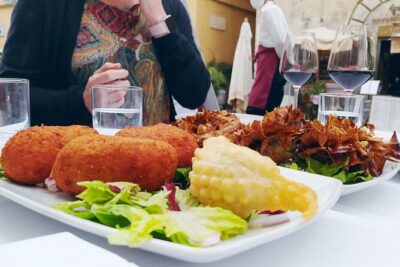
Rome Food Tour: Campo de’ Fiori, Ghetto, Trastevere Winner 2024
Read our review →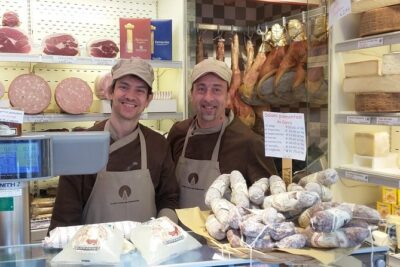
Eat Like a Local: Venice 3-Hour Small-Group Food Tasting Tour
Read our review →