
REVIEW · MOROCCO
Marrakech: Street Food Tour with a Local Guide
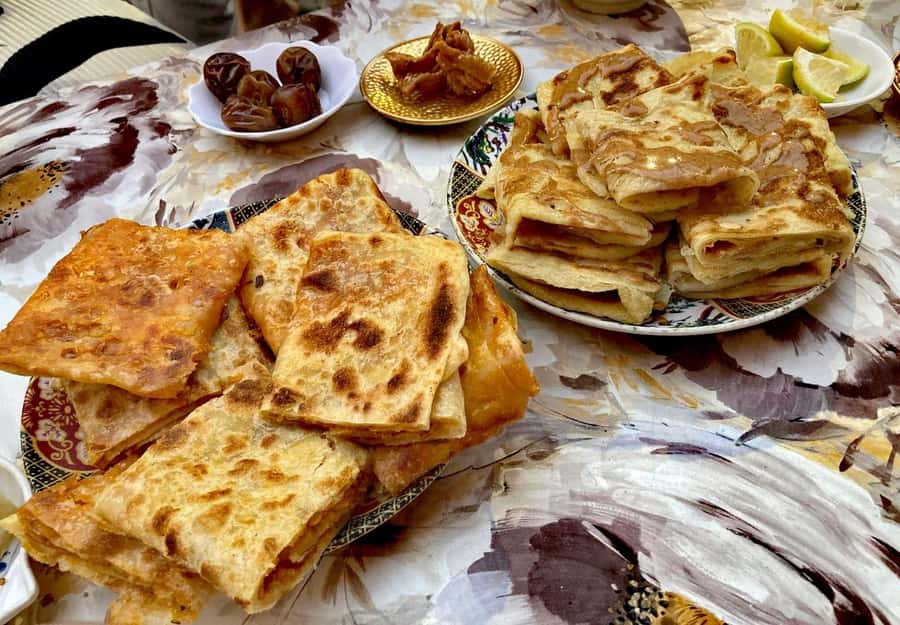
Marrakech’s best food lesson may happen beside a modest stall, not at a polished restaurant. This three-hour walk takes you through the Medina, Mellah, Kasba, and souks, with 10 to 12 tastings ranging from msemen pancakes and harira to grilled meat, sardine balls, sweets, and fresh juice. I love the way the tour uses food to explain daily Moroccan life, and I like that the stops are chosen to show you places you might pass without a second glance.
The $34 price is especially strong because food and drinks are included, not just a sample or two. Guides such as Abdul, Abdoo, Ahmed, and Miriam are praised for explaining dishes and customs clearly, and for keeping groups together in crowded lanes. The main caution is simple: come very hungry. Portions can be surprisingly generous, and one busy food stop may feel cramped. The timing also affects what you eat, since some dishes are morning foods and others appear later in the day.
Key points before you book
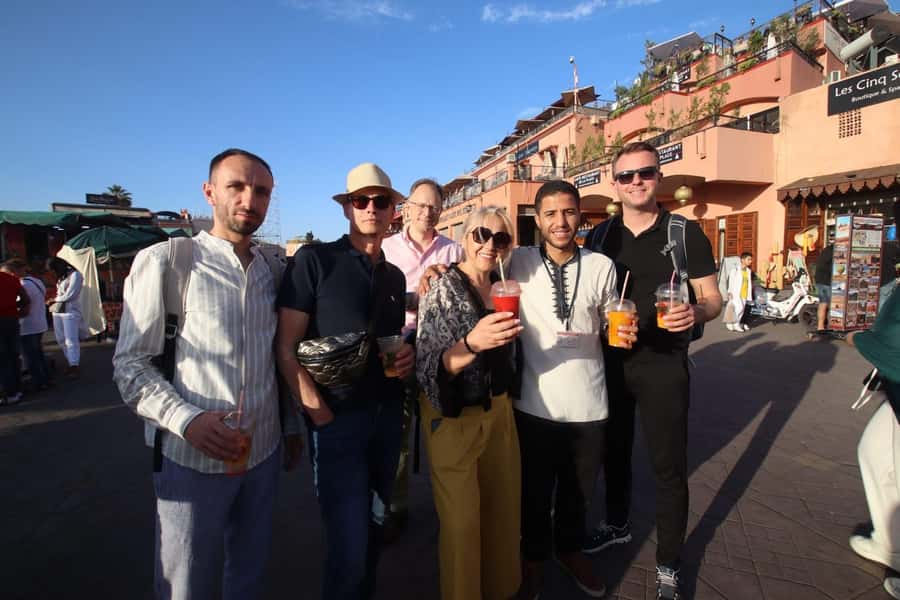
- Ten to 12 tastings are included: Expect a full progression of sweet and savory foods, drinks, snacks, and regional specialties.
- The route goes beyond the main square: You walk through Riad Zitoun Jdid, Mellah, Kasba, and Souk Semmarine, rather than staying only around Jemaa el Fnaa.
- Food is also a cultural lesson: Your guide explains Moroccan customs, eating habits, local ingredients, and the story behind several dishes.
- The value is unusually good: At $34, the tour includes the guide, all tastings, drinks, and the walking route.
- It works well early in a Marrakech stay: You get your bearings, learn where locals eat, and gain confidence ordering food on your own.
- Wear sensible shoes and leave room in your stomach: Three hours of walking and repeated full portions make comfort more important than style.
Why this food walk works so well in Marrakech
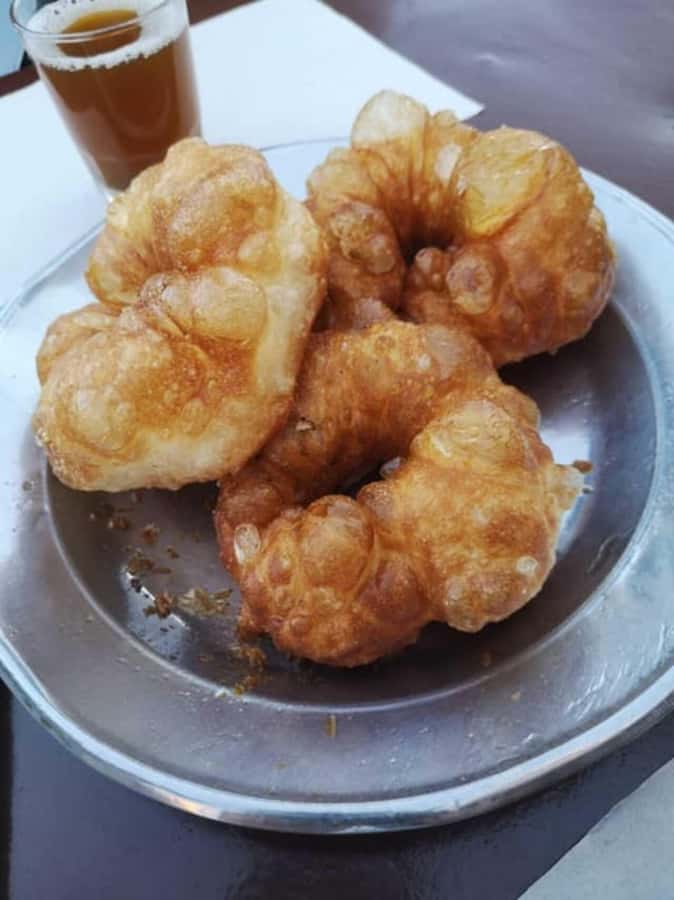
Marrakech can be hard to read at first. The Medina is a maze of lanes, food stalls, workshops, souks, and small neighborhood businesses. A place that looks too plain to notice may serve an excellent bowl of soup, while a busy stall may be aimed mainly at passing visitors. A local guide helps you make sense of that difference.
This tour is not simply a march from one famous dish to another. It moves through several parts of the old city and uses each stop to show a different side of Moroccan food. You may begin with breakfast-style pancakes, later try soup and sweets, then finish with grilled food, nuts, or juice.
I particularly like the balance between eating and walking. The route is broken into stops of roughly 25 minutes, giving you time to taste, ask questions, take photos, and move on before the meal becomes tiring. The walking also helps you notice how food fits into ordinary neighborhoods rather than treating it as a performance set apart from local life.
You can choose a shared group or a private tour. A shared group gives the evening a social feel and can be a good way to meet people early in your trip. A private booking should suit you better if you want more control over the pace or more time to discuss allergies and food preferences.
More tours led by locals in Morocco:
- Naples: Street Food Walking Tour with Local Guide
★ 4.9 · 4,976 reviews - Rome: Street Food Tour with Local Guide
★ 4.8 · 4,077 reviews - Eat Like a Local: Venice 3-Hour Small-Group Food Tasting Tour
★ 5.0 · 3,137 reviews
Starting at Café Argana and Jemaa el Fnaa
The meeting point is in front of Café Argana at Jemaa el Fnaa. The café is identified by a green symbol, and the nearby juice sellers and large ice cream sculpture make it easier to spot. Your guide is expected to wait outside with an official guiding card and your name on the booking list.
This is a useful meeting place, but Jemaa el Fnaa can be confusing when you first arrive. Give yourself extra time to find the café, especially if you are approaching through the souks. You do not receive hotel pickup as part of the standard tour, though transportation to and from the meeting point may be arranged for an additional charge if requested in advance.
The first section includes a walk and a tea ceremony lasting about 25 minutes. Moroccan tea is not just a drink to consume quickly. It is tied to hospitality and social life, so this opening gives your guide a natural way to explain local customs before the food begins in earnest.
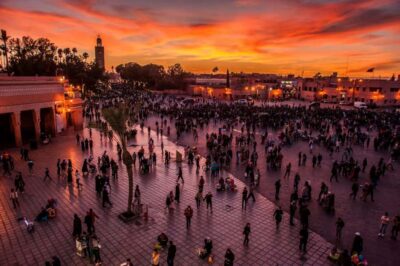
The square itself is an energetic orientation point. You will see food stands, juice sellers, and the constant movement that defines central Marrakech. It can also be noisy, crowded, and distracting. Keep an eye on your guide from the start, particularly if you are walking in a group.
Pancakes, soup, and sweets in Riad Zitoun Jdid
The route continues toward Riad Zitoun Jdid for dessert, street food, and tastings. Depending on the time of day and your food preferences, this is where you might encounter msemen and harcha, two Moroccan pancakes with different textures and uses.
Msemen is a layered pancake, while harcha is made with semolina and has a more crumbly texture. You may also try chebakiya, a sweet pastry often served with brunch, and khodenjal, a hot herbal infusion. The value here is not just sampling foods with unfamiliar names. Your guide can explain when people eat them and how they fit into the rhythm of the day.
This stop is also a reminder that Moroccan street food does not mean only grilled meat. Breakfast breads, pancakes, sweet pastries, and herbal drinks are important parts of the food culture. If you have a sweet tooth, this early section may be one of your favorites.
Portions are not always tiny tasting bites. Several people found the food so plentiful that they were full well before the three hours ended. It is wise to eat lightly beforehand rather than trying to arrive after a full meal.
The Mellah stop and the value of local context
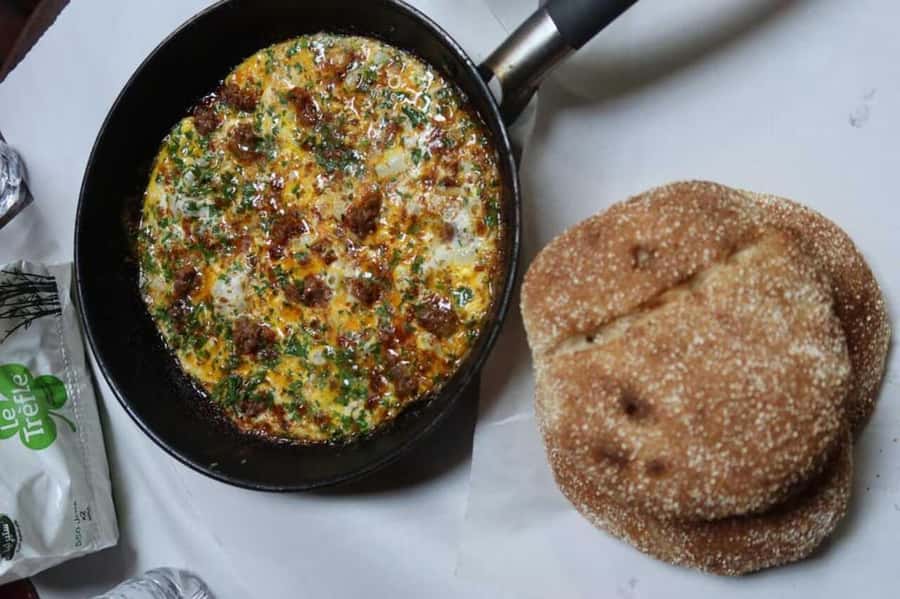
The tour then reaches the Mellah, Marrakech’s historic Jewish quarter, for a photo stop, local snacks, and more food. The area adds cultural context to what might otherwise be just a succession of tastings.
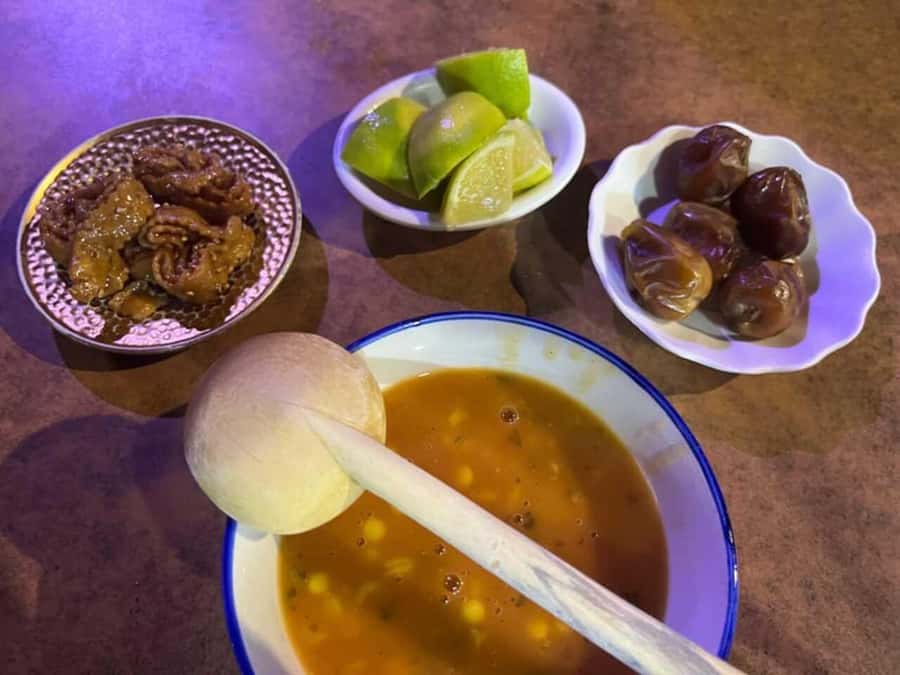
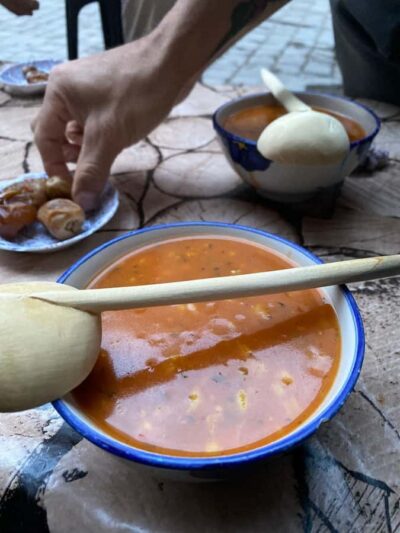
One especially appealing combination here is soup, sweet treats, and pancakes. You might try harira, a famous Moroccan vegetarian soup, alongside something sweet. The contrast makes sense once you experience it, and it shows how Moroccan meals move easily between savory and sweet flavors.
The Mellah is also a good place to ask questions about the city’s people, customs, and changing society. One guide used the route to discuss women’s role in present-day Morocco, including the fact that Marrakech has a female mayor. Details like this broaden the tour beyond food and give you a better sense of the city you are walking through.
The drawback is crowding. The Medina’s lanes are shared by pedestrians, scooters, vendors, and delivery traffic. One stop can become a tight squeeze, and scooter noise may interrupt explanations. A careful guide should pause for the group and make sure everyone is together, but you still need to stay alert.
More street food nights in Morocco:
- Marrakech: Street Food Tour by Night
★ 4.8 · 2,838 reviews - Marrakech Night Street Food Tour / Taste The Real Marrakech
★ 4.9 · 200 reviews - Marrakesh: Guided Street Food Tasting by Locals
★ 4.6 · 47 reviews - Night Tour of Casablanca with Street Food Tasting
★ 4.8 · 29 reviews
Kasba flavors and dishes you may overlook
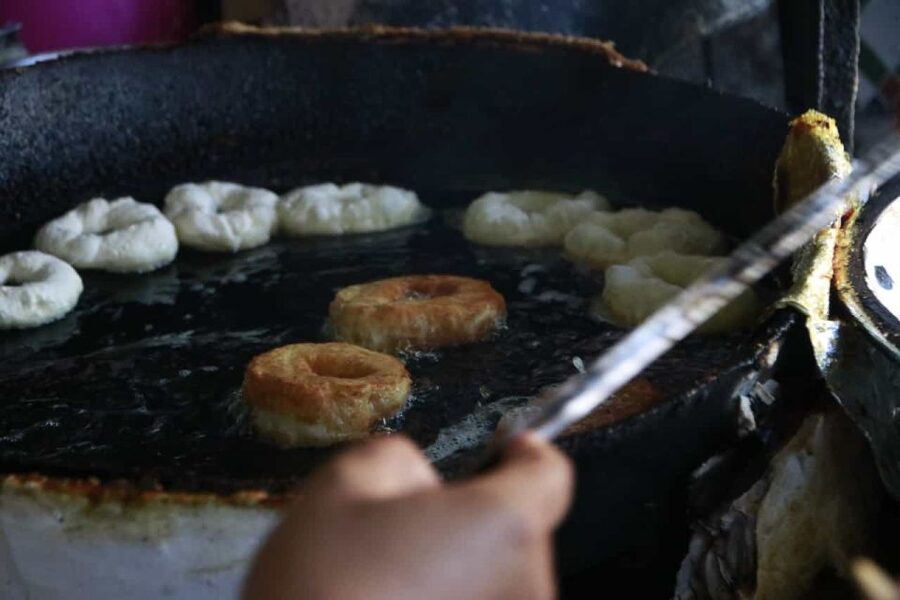
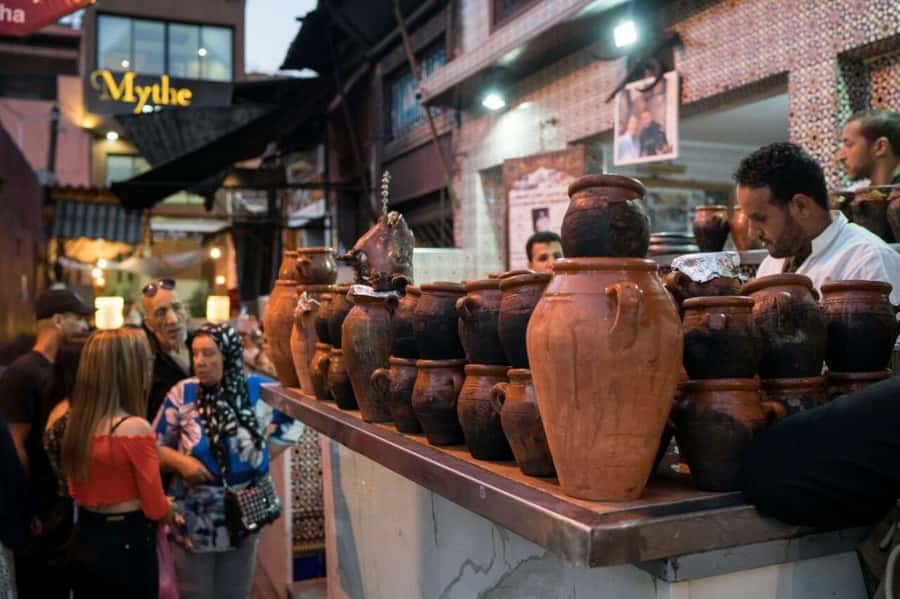
The Kasba section brings more street food, local snacks, and regional dishes. This is where a guide’s local contacts matter most. You may pass a food stall on your own without knowing what it serves, how to order, or how busy it is at the right time of day.
Possible foods include khobzaa, bread filled with eggs and vegetables, and chwa, grilled beef or chicken. These are direct, satisfying foods, and they give you a better feel for everyday eating than a restaurant version designed for international diners.
You may also find sardil mechoui, sardine balls cooked over coals. Sardines are a familiar Moroccan ingredient, but the preparation may be new to you. It is precisely the sort of dish many people would not select without guidance, which makes it a useful part of the walk.
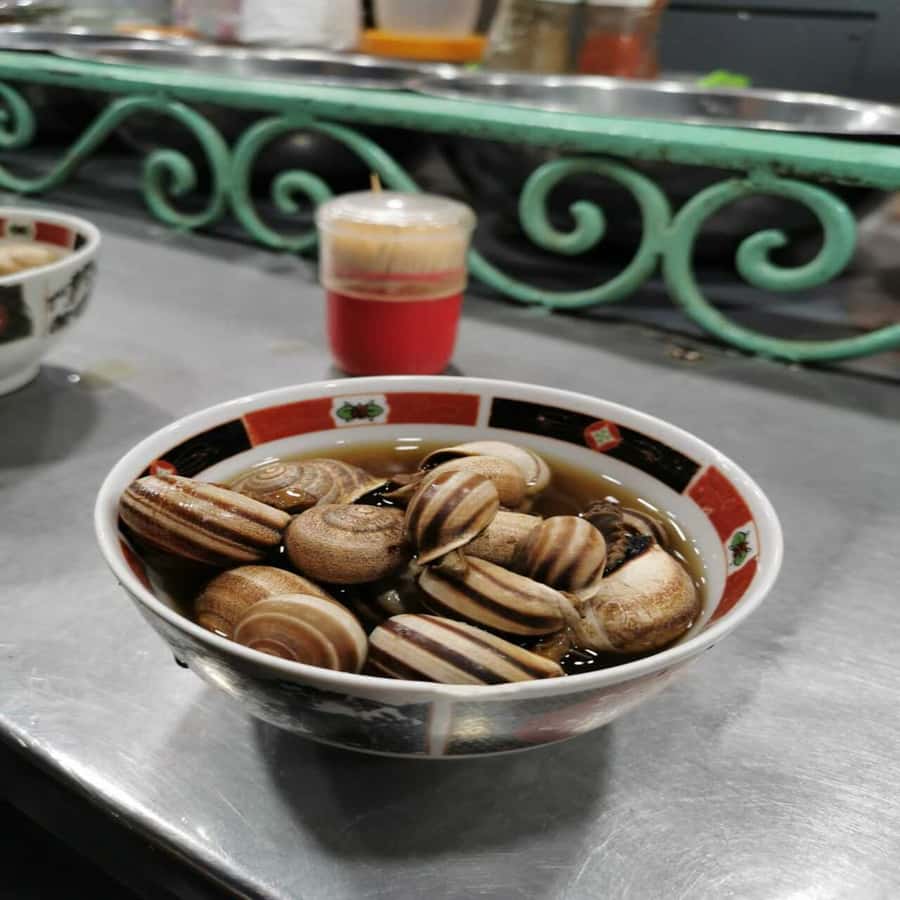
The tour can also include berbouche, a snail soup. This is not for everyone, and you should feel free to tell the guide about allergies, strong dislikes, or dietary limits. The guide will try to offer alternatives, but the tour is built around tasting local specialties, so you should be open about what you can and cannot eat before the walk begins.
Souk Semmarine and the final food round
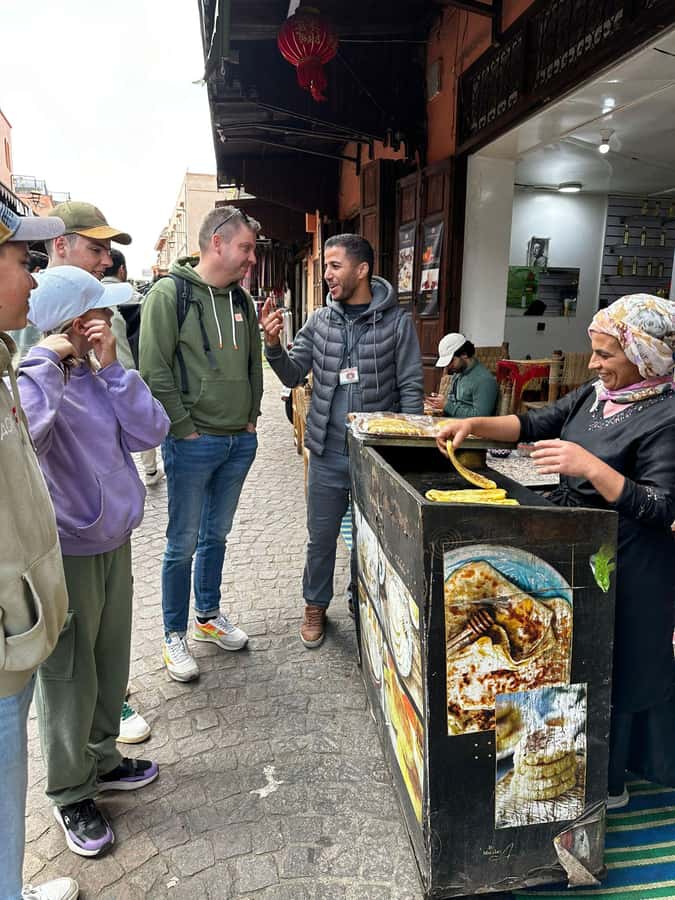
The last major area is Souk Semmarine, where you have time for a break, market viewing, shopping, and more tastings. This section combines food with the practical side of visiting Marrakech. You are not only eating; you are seeing where ingredients, snacks, nuts, olives, and drinks are sold.
Possible final items include raïb, Moroccan frozen yogurt, assir, fresh fruit juice, and nuts. The cold yogurt and juice can be welcome after warm foods and walking, though the total amount may test even a serious eater.
The souk is also a useful place to learn prices and recognize foods you may want to buy later. Some people saved the locations of favorite stalls and returned during the rest of their stay for dates, nuts, olives, or another meal. That is one of the best signs that the tour does more than fill an evening: it gives you practical confidence for eating independently.
You finish back at Café Argana. The advertised duration is about three hours, though the exact pace will depend on the group, the crowds, and how long each stop takes. A five o’clock start has worked well for people who want an evening introduction, while morning and night departures may feature different foods.
What you are really paying for at $34
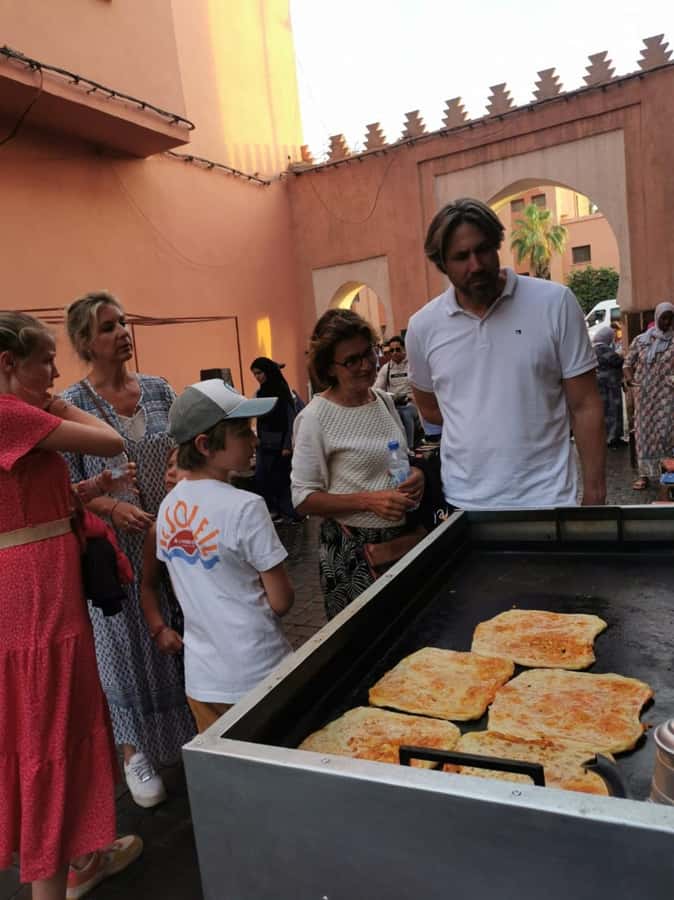
At $34 per person, this is a strong-value experience if you enjoy eating several small meals rather than paying for one formal dinner. The price covers the walking tour, a local guide, food, drinks, and all tastings. You do not need to keep opening your wallet at every stop.
The value becomes clearer when you consider the range. You may sample 10 to 12 specialties across several neighborhoods, including pancakes, soup, pastries, herbal tea, bread with eggs and vegetables, grilled meat, sardine dishes, snail soup, frozen yogurt, juice, and nuts. Not every departure will include every item, but the advertised selection is broad.
There are limits. Alcoholic drinks are not included, and this is not a sit-down restaurant tour with a fixed menu and guaranteed access to every dish. Food choices change with the time of day, availability, and your preferences. If you want a quiet, polished meal, choose a restaurant instead.
For me, the strongest value is the orientation. You learn where to look, what foods are called, what you might pay, and how local eating works. That can save money and reduce hesitation during the rest of your stay.
Timing, comfort, and food preferences
Wear comfortable shoes. The route covers several Medina neighborhoods, and the ground can be uneven or crowded. You do not need specialist hiking gear, but fashionable shoes that pinch will become a poor decision by the second hour.
Bring a light jacket for an evening departure, especially in cooler weather. The temperature can drop as the night goes on. Keep your belongings secure in the crowded lanes and remain close to the guide when the group moves between stalls.
Tell the guide about allergies in advance. The tour promises an effort to provide alternatives, but it is still built around local food served at multiple small businesses. You should explain your limits clearly rather than assuming every dish can be changed.
The information about mobility requires care. The activity details describe the tour as wheelchair accessible, but the same information says it is not suitable for wheelchair users. Since the route includes crowded souks, street stalls, and walking between neighborhoods, you should contact the provider before booking if you use a wheelchair.
It is also listed as unsuitable for people over 70. That does not tell you how fit you must be, but it does signal that the walking, crowds, and food schedule may not suit everyone.
The guide makes the difference
The guide is the key part of this experience. Abdul, Abdoo, Ahmed, Ahmed Karim, Mariam, Miriam, and other guides are associated with the departures, and the strongest pattern is clear: the best guides explain the food while also helping you navigate the city.
A good guide will tell you what is spicy, explain an unfamiliar dish, answer questions, and keep the group together. Several guides are described as speaking multiple languages, including English, German, Dutch, Arabic, and in some cases French. You should check the language available for your chosen departure.
There can be an occasional delay if a guide is late or a group has to be combined. One departure began with a short delay before the group joined Mariam, who then handled the route well. That is worth knowing if you have a tight schedule afterward.
The tour is most useful when you ask questions. Ask which foods are breakfast dishes, which are made for special occasions, how locals choose a stall, and what you should look for when ordering later. The more curious you are, the more the walk becomes a lesson rather than a meal crawl.
Who should book this Marrakech food tour?
I would choose this tour early in a Marrakech visit. It gives you a quick map of the Medina, introduces you to foods you might otherwise skip, and makes later eating less intimidating. It also suits solo visitors and couples who want an easy way to meet other people.
It is a good match for adventurous eaters, budget-conscious diners, and anyone who wants local food without spending a large amount on a formal dining experience. It is also useful for people who enjoy cultural explanation along with their meal.
I would think twice if you have severe dietary restrictions, dislike crowded places, cannot walk comfortably for three hours, or prefer a carefully paced dinner. The volume of food is a bigger issue than the price. You are not merely sampling a few morsels, so plan your day around it.
Cancellation is free up to 24 hours before the tour, and you can reserve now and pay later. Those policies make it easier to fit the walk into a changing itinerary, but the practical decision is still about appetite, walking comfort, and openness to unfamiliar dishes.
Should you book it?
Yes, if you want an affordable first taste of Marrakech and are willing to eat generously. The combination of local stalls, several Medina neighborhoods, cultural explanation, and included food makes $34 a sensible buy.
Book it near the start of your stay if you want help finding your way around and choosing food later. Book a private departure if personal attention matters more than meeting other people. If you are not comfortable with crowded lanes or unusual foods such as snail soup, choose a calmer food experience instead.
For most visitors who enjoy trying new dishes, this tour offers exactly the kind of practical introduction Marrakech needs: a good walk, plenty to eat, and a guide who helps the city make sense one dish at a time.
FAQ
How long does the Marrakech street food tour last?
The tour lasts about three hours. Departure times vary, so check availability when booking.
Where does the tour start and finish?
It starts and finishes at Café Argana, also referred to as Café Argan, in front of Jemaa el Fnaa. Look for the green café symbol, juice sellers, and the large ice cream sculpture.
How many foods will I taste?
You can expect approximately 10 to 12 specialty foods, with both sweet and savory dishes. The exact selection depends on the time of day and your food preferences.
Are food and drinks included?
Yes. The walking tour, guide, food, drinks, and tastings are included. Alcoholic drinks are not included.
What foods might be served?
Possible foods include msemen, harcha, harira, chebakiya, khodenjal, khobzaa, raïb, chwa, berbouche, sardil mechoui, maklla, fresh fruit juice, and nuts. The exact dishes can vary.
Can I request alternatives for allergies?
Yes. You should tell the provider about allergies before the tour. The guide will try to offer alternative dishes.
What languages are available?
Live guides are available in English, German, Dutch, and Arabic. Some guides may also speak French, so confirm the language for your chosen departure.
Just added around Morocco
- Marrakech: Jemma El Fnaa Food Tour with Dinner★ 4.7 · 394 reviews
- Marrakech Night Street Food Tour / Taste The Real Marrakech★ 4.9 · 200 reviews
- Marrakech: Moroccan Cooking Class for vegetarians and vegan★ 4.9 · 156 reviews
- Marrakesh: Guided Street Food Tasting by Locals★ 4.6 · 47 reviews
- Marrakech: Authentic Moroccan Food Walking Tour & Dinner★ 4.8 · 261 reviews
- Marrakech: Medina Stories Food Tour with 15+ Tastings★ 5.0 · 141 reviews
- Fez: Foodie tour in the old Medina★ 4.7 · 27 reviews
- Night Tour of Casablanca with Street Food Tasting★ 4.8 · 29 reviews
Food Tours in Morocco, compared.
3-Day Tour to Merzouga Erg Chebbi with Food & Camel Trek
Read our review →
Authentic Moroccan Food Tour in Marrakech with Dinner
Read our review →
Marrakech Night Street Food Tour / Taste The Real Marrakech
Read our review →
Moroccan Cooking Class for vegetarians and vegan
Read our review →Browse the lists this tour appears in