
REVIEW · PHILIPPINES
Manila: Guided Food Tour of Binondo with Tastings
Binondo’s best food stops are often tucked along narrow lanes, behind plain shopfronts, or inside small eateries you could easily pass. This three-hour walking tour gives you a clear route through the world’s oldest Chinatown, with food at nearly every turn and an English-speaking guide to explain what you are eating.
I like the way the tour combines Filipino-Chinese dishes with stories about the local community. I also like the guides’ personal touch. Chloe, Nel, Jian, and Juan are all praised for being warm, helpful, and good at explaining both food and place. The main drawback is simple: the portions can be so large that some people may feel overfed before the final pastry stop.
Key points before you book
- Start at Binondo Church: Meet near the candles in the church lobby, then walk into Chinatown from a useful central landmark.
- Six food-focused stops: Expect fresh lumpia, handmade dumplings, mami, classic dim sum, and hopia from a historic bakery.
- Come very hungry: The food is included, and the servings are generous enough that couples often share.
- Guides add the context: Chloe, Nel, Jian, and Juan have been praised for friendly conversation, local stories, and useful Manila advice.
- A true walking tour: Comfortable shoes matter, and large bags, luggage, and strollers are not allowed.
- Not designed for every diet: The experience is not suitable for vegans, vegetarians, or wheelchair users.
Why Binondo makes such a good food walk
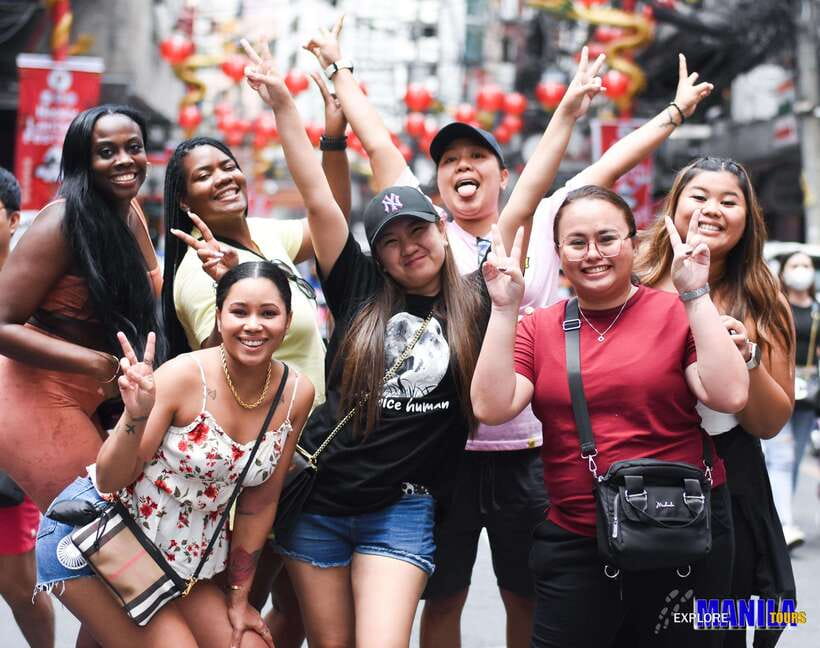
Binondo is not a polished food district built for sightseeing. Its appeal comes from the mix of old religious landmarks, working streets, small restaurants, bakeries, vendors, and side alleys. You move through a neighborhood where Chinese and Filipino food customs have met for generations.
The tour begins at Binondo Church, near the candle area in the lobby. That meeting point is easy to identify, but give yourself enough time to arrive. Traffic in Manila can be slow, so using Grab is the suggested way to reach the church.
From there, your guide leads you on foot through the district. The route is short enough to fit into a morning or afternoon, but it is active. You will walk between several food stops, eat standing or seated depending on the venue, and spend time in streets that may feel crowded and uneven.
This is a good way to get your bearings in Binondo before returning on your own. It is also useful if you are cautious about trying unfamiliar food. Your guide can explain what is being served and help you decide how much to eat at each stop.
A few more food tours around the world worth comparing
- Dubai: Old Town, Souks, Street Food, Guided Tour & Abra Ride
★ 4.9 · 7,170 reviews - Hanoi: Guided Food Tour with Train Street Visit
★ 4.9 · 6,239 reviews - Naples: Street Food Walking Tour with Local Guide
★ 4.9 · 4,976 reviews
Carvajal Street and the first taste of fresh lumpia
The first food stop takes you to Carvajal Street, where the smell of fresh lumpia sets the tone. These spring rolls are prepared by local vendors, and the stop gives you an early look at the small-scale food trade that makes Binondo rewarding.
Fresh lumpia is a useful introduction because it shows the Filipino side of the area’s food culture while still fitting naturally into a Chinatown food walk. You can expect a soft wrapper and a filling built around vegetables and other savory ingredients. The guide explains the preparation and the local setting rather than simply handing you a snack and moving on.
One point deserves attention here. A few people have found the first sweet vegetable wrap less appealing than the later dishes. That does not make it a poor stop, but it means this opening bite may not be everyone’s favorite. Treat it as a chance to sample something local, not as a promise that every dish will suit your taste.
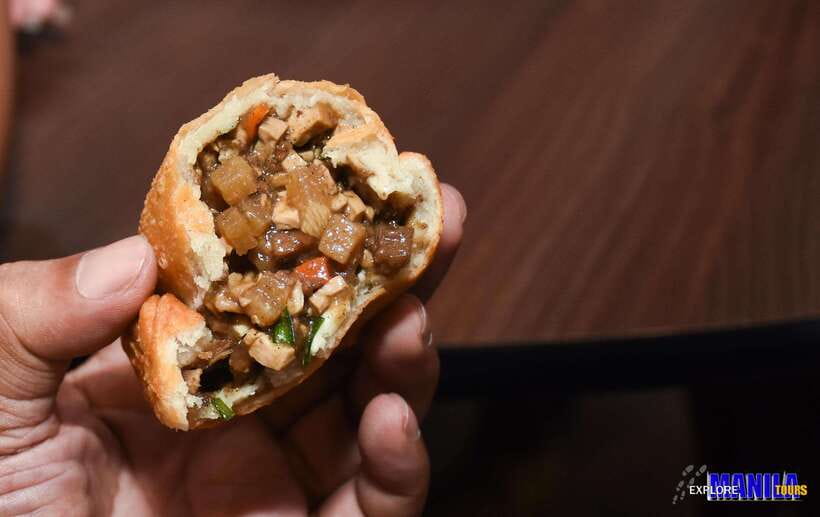
Handmade dumplings and the craft behind them
The dumpling stop is one of the strongest parts of the experience. You are taken to a local place where dumpling making is treated as careful handwork, not just fast restaurant production.
The focus here is on texture, filling, and the skill involved in shaping each piece. Dumplings were the favorite dish for several people who took the tour, and that is easy to understand: they offer a direct, satisfying taste of Chinese culinary practice as it has developed in the Philippines.
This stop also shows why a guide adds value. You could order dumplings without help, but you might not know which shop to choose or how the place fits into Binondo’s food traditions. With a guide, you get the food and the setting together.
If you are visiting as a couple, you may want to share early. The portions throughout the tour are described as generous, and several people found they were already full before the final stop. Sharing lets you try every dish without turning lunch into an endurance test.
Mami, the comfort-food course
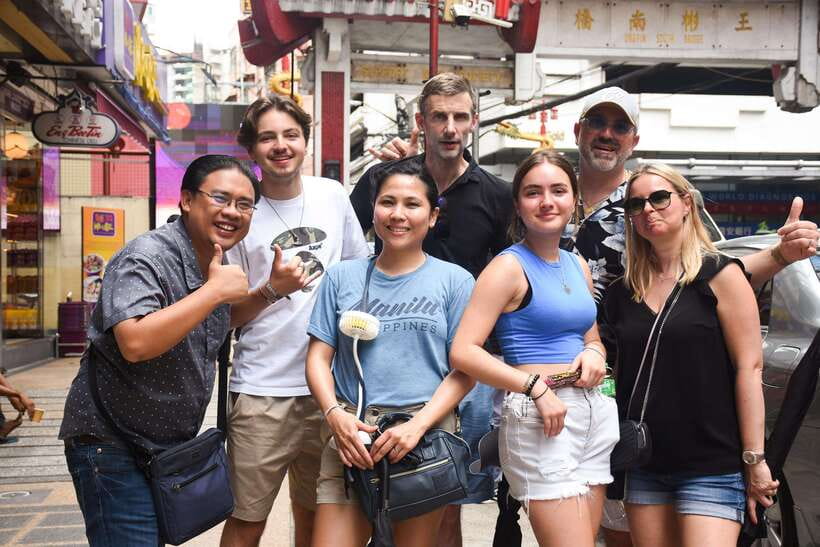
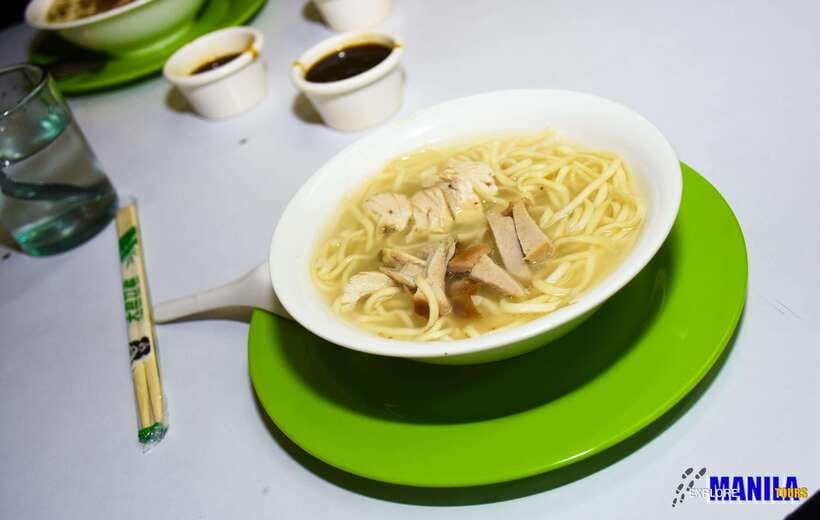
Next comes mami, a noodle soup with a firm place in Filipino comfort food. This is a different experience from the smaller snacks. Instead of one or two bites, you get a warm, filling bowl that shows how Chinese-style noodles became part of everyday Filipino eating.
The soup course helps give the tour some rhythm. Fresh lumpia and dumplings are compact and easy to sample. Mami slows things down and gives your guide room to talk about the dish’s place in local food culture.
It is also the point where you should start pacing yourself. There are still more tastings ahead, including dim sum and pastries. If you normally eat a light breakfast, you may want to do exactly that before booking. The food is not merely a series of tiny samples.
Same city, a completely different plate:
- Reykjavik Food Walk – Local Foodie Adventure in Iceland
★ 5.0 · 18,952 reviews - Hanoi Jeep Tour: Food, Culture and Fun by Vietnam Army Jeep
★ 5.0 · 15,222 reviews - From Marrakech: Merzouga 3-Day Desert Safari with Food
★ 4.7 · 12,232 reviews - Dubai: Old Town, Creek, Museums, Souks, & Street Food Tour
★ 4.8 · 10,816 reviews
Classic dim sum in a local setting
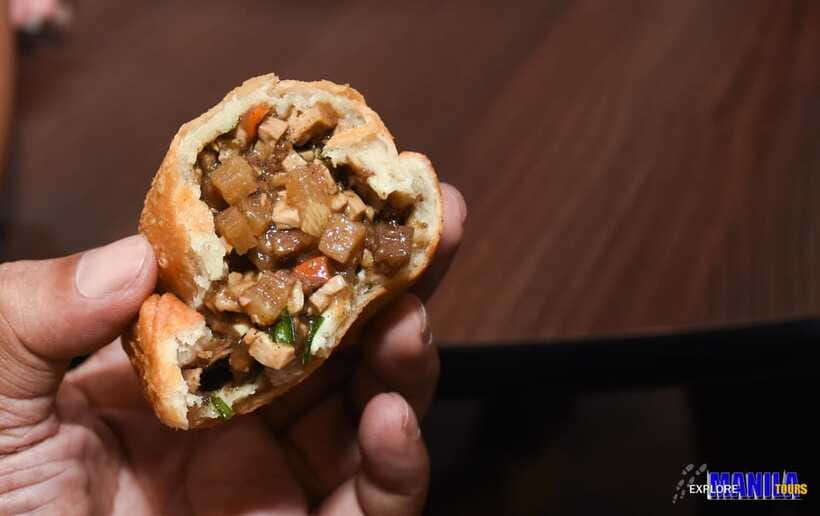
The dim sum stop is another highlight, particularly if you already enjoy steamed or savory Chinese snacks. The tour takes you to a respected local destination for classic dim sum, with each bite chosen to show traditional technique and Filipino-Chinese taste.
The exact dishes can depend on the day and the venue, so you should not book expecting a fixed restaurant menu. What you can count on is a focused tasting rather than a random snack break. Your guide provides the setting and explains how the food fits into the larger story of Binondo.
One person described the dim sum as the best part of the tour, while others singled out the dumplings. That tells you something useful: the strongest dishes are likely to be the savory Chinese-style foods, especially if you enjoy dough, noodles, filled pastries, and steamed snacks.
The venue is also part of the experience. Binondo food is not presented as a formal dining room crawl. You are moving through local businesses, and some stops may feel compact or basic. That is part of the tradeoff. You get access to places you might not choose on your own, but you should not expect spacious seating or a polished restaurant circuit.
Hopia at the historic bakery
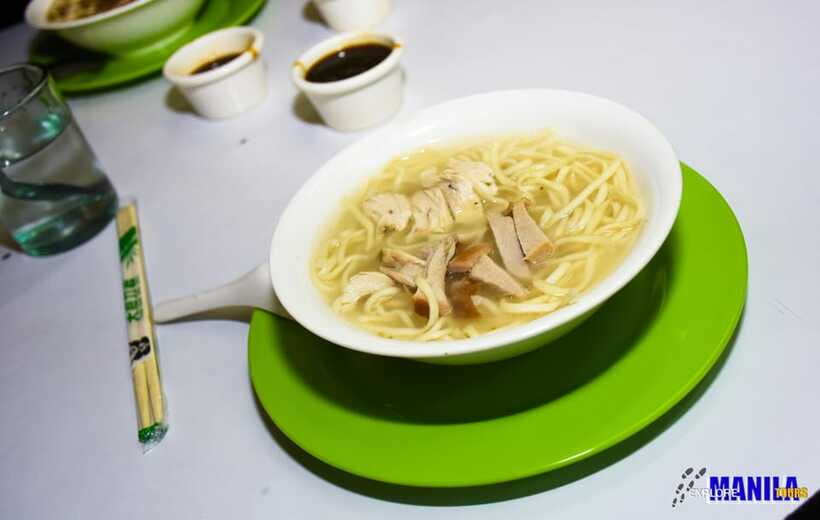
The final food stop is a bakery known for hopia, a flaky pastry with Chinese-Filipino roots. The tour ends on a sweet note, with several flavors available to try.
Hopia makes a fitting finish because it is both a snack and a small piece of food history. The pastry is easy to carry, and it gives you a chance to compare fillings after the savory dishes. It may also be the item you remember when you are back at your hotel and looking for something small to eat later.
There is one practical catch. The hopia may be offered as a take-home dessert, and some people felt this was unnecessary after such a large amount of food. If you are already full, you may prefer to save it for later rather than eat it on the spot.
The bakery stop also makes the tour feel less like a meal and more like a survey of Binondo’s food culture. You finish with something that reflects the district’s Chinese-Filipino connection, not just another restaurant plate.
What the guides add to the route
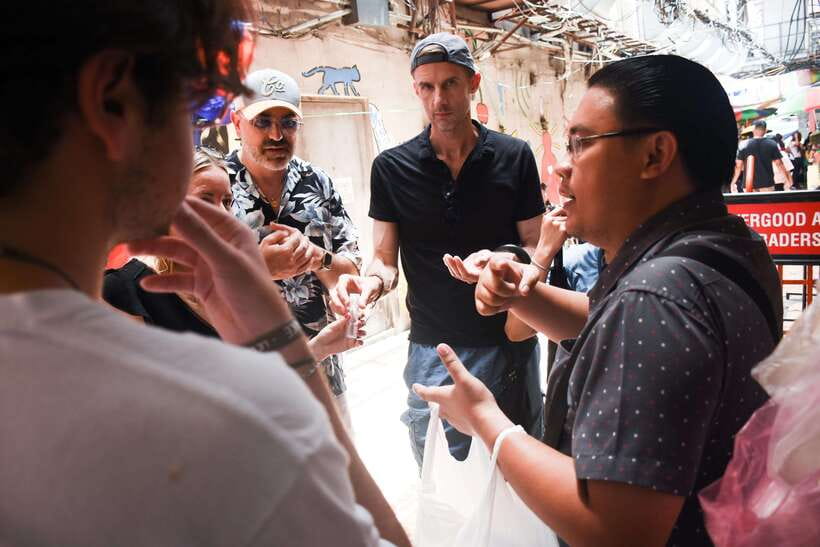
The guide can make or break a food walk, and this experience has several named guides associated with it. Chloe is praised for her history of Chinatown, practical Manila suggestions, and easy conversation. Nel is noted for her kindness, hospitality, and care with solo participants. Jian is described as friendly and full of useful food and cultural facts, while Juan is praised for explaining the origins and development of the Chinese community in the Philippines.
You may be assigned a different guide, but the pattern is clear: the role is not limited to pointing out restaurants. You get background on the neighborhood, explanations of unfamiliar dishes, and a person who can help you feel more at ease in a busy part of Manila.
That matters most if you are visiting Binondo for the first time. A guide can direct your attention to side streets and small venues you might otherwise miss. You can also ask questions as you go, rather than trying to work out the food and local customs from a menu.
The guides also offer a useful social element. Solo visitors can join without feeling stranded, and couples or small groups get someone to connect the stops into one story. The most praised quality is not formal lecturing. It is the friendly, personal manner of the hosts.
Is $60 good value for three hours?
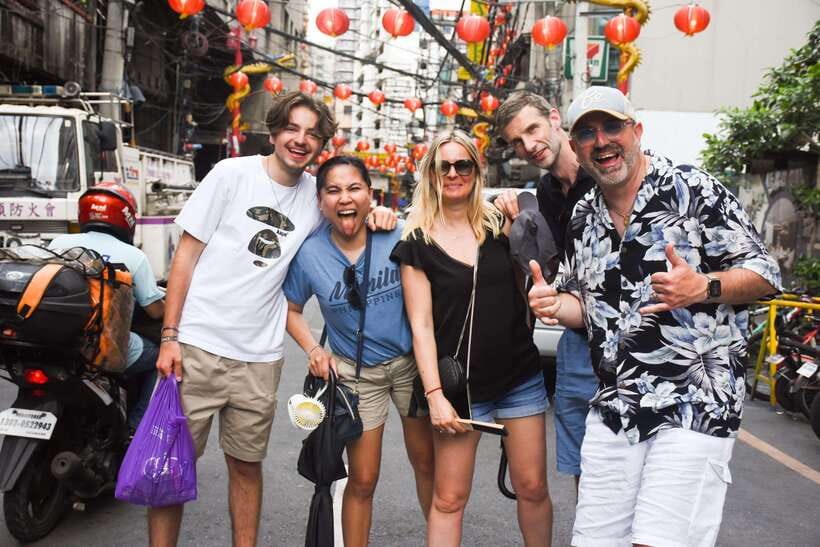
At $60 per person, this is not the cheapest way to eat in Manila. You could buy individual snacks in Binondo for much less. The value comes from the combination of food, guidance, access to lesser-known stops, and the time saved choosing where to go.
All food and drinks listed for the experience are included. That matters because the tastings are substantial, not token bites. If you enjoy most of the dishes and would otherwise need to pay for several meals, the price becomes easier to justify.
The tour also reduces the risk of wasting time at places that do not suit you. You are taken from one stop to the next, and your guide handles the route and explanations. For a first visit, that convenience can be worth paying for.
Still, do not book this expecting a budget lunch. If you are a light eater, dislike sharing, or plan to buy several other meals that day, the generous servings may feel excessive. One criticism was that the portions were too large for the price to feel fully efficient, though this is more a complaint about quantity than quality.
I would see the price as fair for someone who wants a guided introduction to Binondo, especially on a first Manila visit. It is less compelling if you already know the district well and are happy to order food independently.
Practical details that affect your day
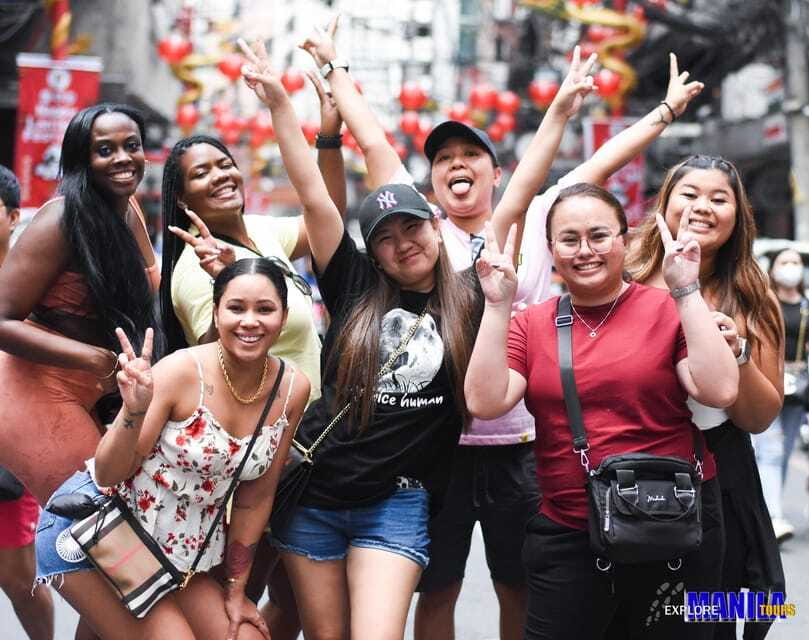
The tour lasts three hours, though one account describes the experience running closer to four hours. Plan your schedule with some flexibility rather than placing a tight airport transfer or another fixed booking immediately afterward.
Comfortable shoes are essential. This is a walking route through city streets and alleys, not a seated tasting in one venue. The tour operates rain or shine, so check the weather and bring suitable protection.
Leave luggage and large bags behind. Baby strollers are not allowed, and the experience is not suitable for wheelchair users. The route also is not designed for vegans or vegetarians, so anyone with those diets should choose another food activity.
Hotel pickup and drop-off are not included. You need to make your own way to Binondo Church, and Grab is specifically suggested for getting to the meeting point. At the end, you return to the church area rather than being taken back to your hotel.
Cancellation is flexible: you can cancel up to 24 hours before the start for a full refund. You can also reserve now and pay later, which is useful if your Manila schedule is still moving around.
Who will enjoy this most
I would recommend this tour to you if you want to try a wide range of Filipino-Chinese food without spending time researching each stop. It suits first-time visitors to Binondo, curious eaters, solo visitors, couples, and anyone who likes food served with local context.
It is especially good for people who enjoy dumplings, noodles, dim sum, savory pastries, and sweet baked goods. You should also be comfortable walking, eating a lot, and trying dishes that may not match familiar Western meal patterns.
I would be more cautious if you have a small appetite. The amount of food is one of the clearest themes in the experience. You can share items and you do not have to finish everything, but the tour is built around generous tasting portions.
This is not the right pick for a vegan, vegetarian, wheelchair user, or family bringing a stroller. It is also a poor fit if you want a quiet, slow restaurant meal. The strength here is movement, variety, and local atmosphere.
Should you book the Binondo food tour?
Book it if you want a friendly guide, a substantial meal, and a practical introduction to Manila’s Chinatown. The dumplings, mami, dim sum, and hopia give you a broad taste of Filipino-Chinese food, while the alleys and small eateries provide the local setting.
Skip it if you already know Binondo well, need strict dietary options, or prefer to control every dish and portion yourself. For everyone else, the $60 cost is reasonable when you value guidance and several included tastings. Just arrive hungry, wear comfortable shoes, and keep the rest of your day open.
FAQ
Where does the tour meet?
Meet at Binondo Church, in the lobby near the candles area.
How long does the food tour last?
The stated duration is three hours. You should allow some extra time in your schedule, since one account describes the experience lasting closer to four hours.
What food is included?
The tastings include fresh lumpia, handmade dumplings, mami, classic dim sum, and hopia from a local bakery. Food and drinks listed for the experience are included.
Is an English-speaking guide provided?
Yes. The tour includes a live English-speaking guide. Named guides associated with the experience include Chloe, Nel, Jian, and Juan.
Is hotel pickup included?
No. You must make your own way to Binondo Church. The suggested local transport option is the Grab app.
Should I eat before the tour?
It is best to arrive hungry. The servings are generous, and many people may find the total amount of food more than enough for a full meal.
Can vegetarians or vegans join?
No. The experience is not suitable for vegans or vegetarians.
Is the tour suitable for wheelchair users?
No. The tour is not suitable for wheelchair users.
Can I bring a stroller or large luggage?
No. Baby strollers, luggage, and large bags are not allowed.
Does the tour run in bad weather?
Yes. The tour takes place rain or shine, so bring suitable clothing and wear comfortable shoes.
Just added around the world
- Milan: Street Food Walking Tour★ 4.7 · 180 reviews
- Milan’s Full-Meal Gourmet Food Tour – More Than Tastings★ 4.8 · 81 reviews
- Kolkata Midtown Madness- A Street Food & Nightlife Tour★ 4.9 · 49 reviews
- Milan: Delicious Food Tour and City Center Sightseeing★ 4.8 · 111 reviews
- Mexico City: Authentic Downtown Food Tour★ 4.9 · 260 reviews
- Miami: Intimate Sailing in Biscayne Bay w/ Food and Drinks★ 4.7 · 34 reviews
- Mexico City: Vegan and Vegetarian Street Food Adventure★ 4.8 · 65 reviews
- Mexico City: Old Town Food Tour of 7 Tastings & Secret Dish★ 4.9 · 99 reviews
Food Tours in the Philippines, compared.
Manila Food Tour: Introduction to Philippine Street Food
Read our review →
Boracay Sunset Cruise with Party DJ & Unlimited Food and Drinks
Read our review →
Manila Food Tour: Explore World’s Oldest Chinatown
Read our review →
Manila: Street Food and Drinks Walking Tour with Tastings
Read our review →
Manila: Sightseeing and Food Walking Tour with Tastings
Read our review →Browse the lists this tour appears in