
REVIEW · GERMANY
Stuttgart: Culinary Excursion through Bad Cannstatt
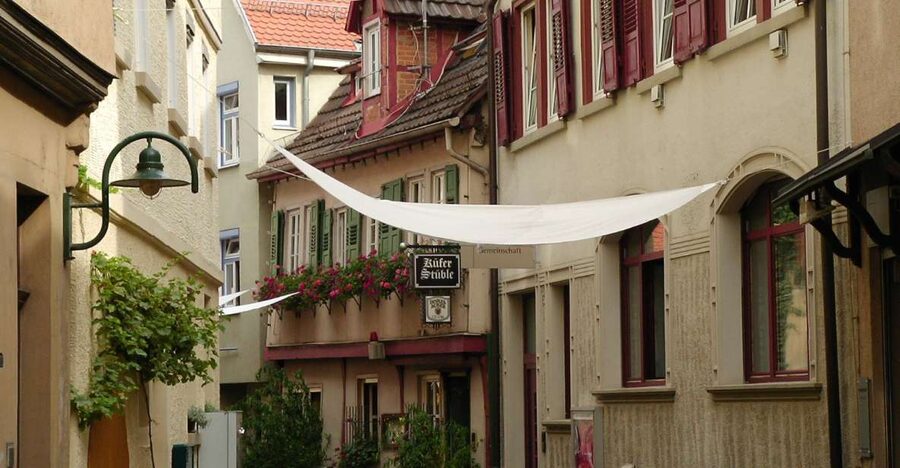
Bad Cannstatt gives you a different side of Stuttgart: an old-town district with local stories, historic sights, and Swabian food in the same 150-minute walk. I like the way this tour connects the city church and Cannstatt Wells with everyday regional cooking, rather than treating food as a separate stop on a standard sightseeing route.
I also like the lively guide-led storytelling and the chance to try Hefezopf and Maultaschen. The main thing to consider is the food portion. At $46, you are paying for a guided cultural walk with tastings, not a long restaurant meal, and some people may expect more food from a tour called a culinary excursion.
Key points to know before you book
- Bad Cannstatt focus: Explore Stuttgart’s oldest and largest district, including its old town and notable local sights.
- About 2 kilometers on foot: The walk is manageable for most people who are comfortable strolling through town.
- Swabian tasting stops: Try regional specialties such as Hefezopf and Maultaschen.
- German-speaking guide: The live tour is offered in German, with entertaining stories and local history.
- 150 minutes: The length gives you time for both sightseeing and food samples without taking up a full day.
- $46 per person: The value depends on how much you want the stories and guided context, since the tastings are not meant to replace a full meal.
Why Bad Cannstatt makes a good food walk
Many visitors see Stuttgart mainly through its grand center, museums, and automotive attractions. Bad Cannstatt offers a more local-feeling change of pace. It is the oldest and largest district of Stuttgart, and this tour uses its old town as the setting for a look at regional identity through both places and food.
I like that the tour does not treat Bad Cannstatt as a backdrop. The guide explains the district’s history while leading you past points such as the city church and the Cannstatt Wells. You get a sense of how the area developed and why it matters to Stuttgart, then connect that setting with dishes that belong to the region.
The format also suits anyone who prefers a little structure. You do not need to plan a route through the old town or decide which sights deserve your time. The guide sets the pace and adds the local context that can be easy to miss when you explore on your own.
A few more food tours around Germany worth comparing
- Hamburg: Schanzenviertel Culinary Tour
★ 4.6 · 2,051 reviews - Hamburg: Elbphilharmonie Plaza and HafenCity Food Tour
★ 4.7 · 1,711 reviews - Bavarian Beer and Food Evening Tour in Munich
★ 4.5 · 1,575 reviews
What the 150-minute route feels like
The meeting point is at the parking area of the Restaurant Schreinerei, at the corner of Zaisgasse and Überkinger Straße. From there, you set out on foot through Bad Cannstatt. The published information does not give a fixed stop-by-stop timetable, so the exact order of sights and tastings may vary.
Plan on roughly 2 kilometers of walking. That is not a strenuous distance, but you should still wear comfortable shoes. This is a town walk, not a seated tasting event, so you will spend much of the two and a half hours moving between sights and food stops.
The pace appears designed to leave room for conversation and explanation. You are not simply being marched from one tasting to another. The guide tells stories, points out local landmarks, and uses amusing anecdotes to make the history easier to follow.
That style matters in Bad Cannstatt. A short explanation can turn a church, a well, or an old street into something more meaningful. Without a guide, you may see the same places but miss the local connections that tie them together.
The city church and Cannstatt Wells
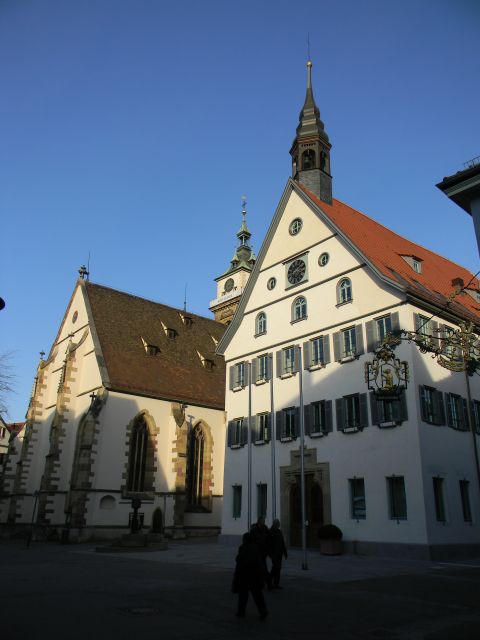
The city church is one of the named sights on the route. It gives the tour a clear historic anchor and helps you understand Bad Cannstatt as an old urban district, not simply an outer neighborhood of Stuttgart.
The Cannstatt Wells add another local angle. The wells are part of the district’s identity, and their inclusion gives the walk a useful sense of place. You are not only hearing broad facts about Stuttgart. You are being shown details linked directly to Bad Cannstatt.
I would keep your expectations sensible. This is not described as an in-depth architectural tour, and the available information does not promise extended interior visits or a long examination of each landmark. The value comes from the guide’s explanations and the way the stops fit into the larger story.
The best approach is to treat each sight as part of a connected walk. Listen for how the guide relates the old town, local customs, and regional food. That is where the tour’s character lies.
Swabian food: Hefezopf and Maultaschen
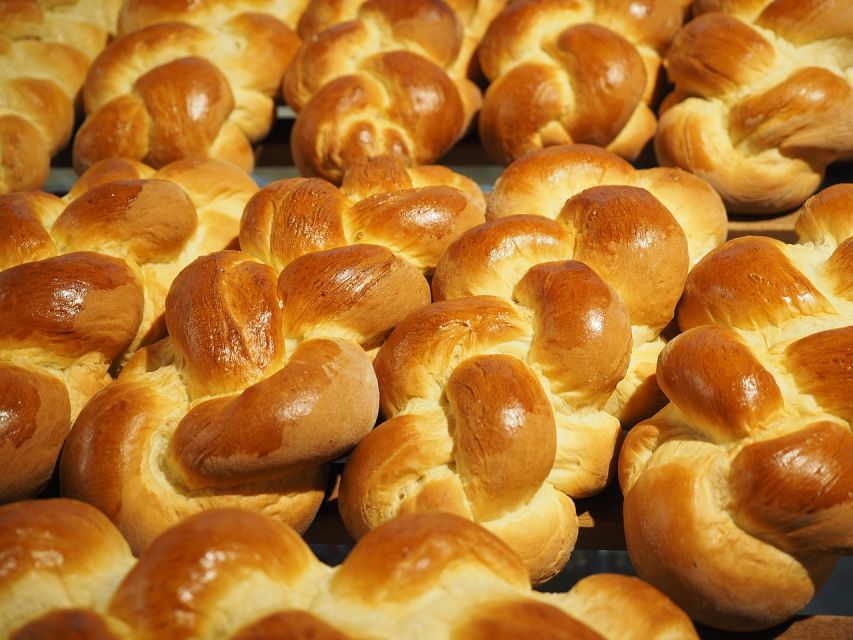
The tasting is built around classic foods from the Stuttgart region. Hefezopf is a braided yeast bread, usually associated with a sweet bakery tradition. It offers a simple, familiar taste of Swabian food culture and gives the tour a lighter sampling option.
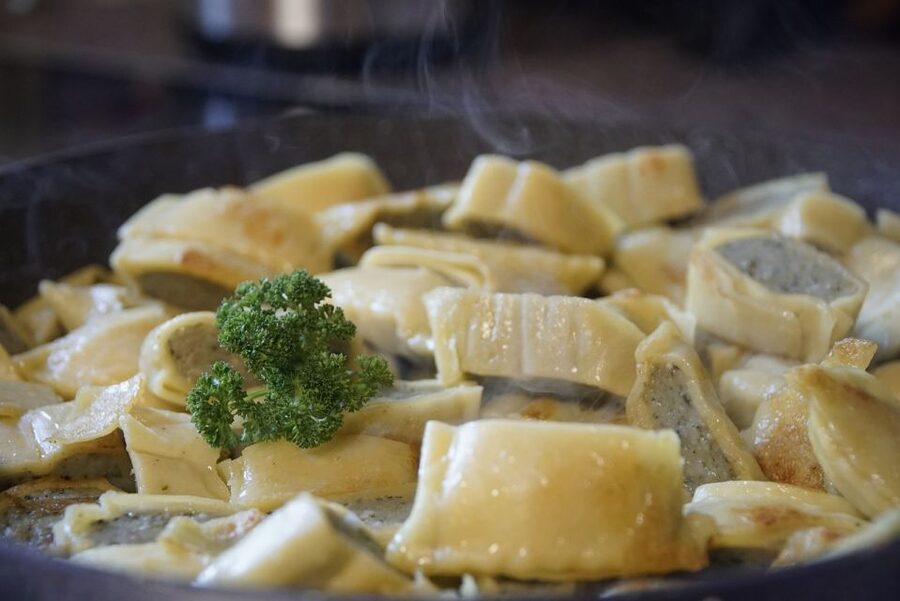
Maultaschen are more substantial. These pasta squares are filled with meat or cheese and served in a clear soup. They are one of the best-known Swabian specialties, and trying them in the setting of a local food walk helps you place the dish within the region rather than seeing it as just another item on a German menu.
The wording of the experience suggests tasting portions. You should not book this expecting a multi-course lunch or dinner. One person who enjoyed the tour still felt that the culinary side offered less than expected, so I would eat lightly beforehand if you want the food samples to feel satisfying, but do not arrive expecting them to be your only meal.
That limitation is also part of the tour’s strength. Because the tastings are paired with sightseeing, you get a broader introduction to Bad Cannstatt than you would from a restaurant visit. You can sample two recognizable specialties and learn why regional food matters, without spending several hours at a table.
Same city, a completely different plate:
- Berlin Center Food Tour with 8+ Authentic Local Tastings
★ 5.0 · 1,227 reviews - Munich: Viktualienmarkt Food Tour
★ 4.5 · 1,127 reviews - Munich: Beer and Food Tour with Dinner & Oktoberfest Museum
★ 4.7 · 1,086 reviews - Kreuzberg: Culinary Food Tour
★ 4.5 · 770 reviews
The guide makes the biggest difference
The guide is central to this experience. The tour is offered in German, and the strongest praise focuses on the guide’s lively delivery, friendliness, and local knowledge. You should be comfortable following spoken German for two and a half hours to get the full benefit.
The guiding style is described as entertaining and amusing rather than dry or academic. That is useful on a history walk, where too many dates can slow things down. The best moments are likely to come through anecdotes and short explanations that make Bad Cannstatt feel personal.
You may also hear references to local knowledge among the participants. One booking noted that the tour seemed to assume a fair amount of background knowledge from the group. If you already know some Stuttgart or German regional history, that may make the discussion more rewarding. If you do not, ask questions when a reference is unclear.
The available information does not provide the guides’ names, so you cannot choose a particular guide in advance. What you can count on is a German-speaking live guide rather than an audio recording or self-guided route.
Is $46 a fair price?
At $46 per person, the price is reasonable if you want a guided local experience that combines food and sightseeing. You are paying for 150 minutes of guiding, history, a planned walk, and tasting sessions. The cost is easier to justify if you value the stories and would otherwise book a separate city tour or spend time researching Bad Cannstatt yourself.
The price is less appealing if you mainly want to eat. The food samples are regional and useful for orientation, but they are not presented as a full meal. You may still need to buy lunch or dinner afterward.
I would compare this tour with the cost of a standard walking tour plus a separate food stop. The advantage here is the combination. You get the old town, local landmarks, anecdotes, and Swabian specialties in one compact outing.
The tour also works well early in a Stuttgart stay. It can help you understand where Bad Cannstatt fits within the city and introduce foods you may want to order again later. If you already have a strong knowledge of the district and only want a substantial meal, the value will be weaker.
Who will enjoy this experience most
I would recommend this tour to anyone who likes food with context. You will get more from it if you enjoy hearing how a place developed and do not mind walking between tastings.
It is particularly well suited to:
- First-time visitors who want a neighborhood beyond central Stuttgart
- People curious about Swabian cuisine
- Visitors who prefer small samples to a long formal meal
- History-minded visitors who enjoy local anecdotes
- Anyone comfortable taking a German-language tour
- Couples or small groups looking for a short afternoon activity
Families may also find the 150-minute length manageable, but the tour is still a walking experience with history and conversation. The information provided does not specify child pricing, a private format, or special family arrangements, so check those details before booking if they matter to you.
This is not the best choice for someone seeking a full food crawl, a bilingual tour, or a quiet seated tasting. It is also not ideal if you want a fully detailed architectural tour of each landmark. The experience works best as a balanced introduction to Bad Cannstatt.
Practical details that affect your day
The tour lasts 150 minutes, and starting times depend on availability. Give yourself enough time to reach the meeting point at the Restaurant Schreinerei parking area, where Zaisgasse meets Überkinger Straße.
The tour is conducted in German. That is the most important practical point for international visitors. You do not need to know every historical term to enjoy the food or sights, but you should be able to follow a live German explanation and informal anecdotes.
Cancellation is free up to three days in advance for a full refund. That gives you some flexibility, but the cutoff is not last-minute, so check your plans before the three-day window closes.
The walking distance is about 2 kilometers according to the available participant information. No separate accessibility details are provided, so ask the operator if you need confirmed information about surfaces, steps, seating, or mobility support.
Should you book the Bad Cannstatt culinary excursion?
Book it if you want a friendly, story-led introduction to Stuttgart’s oldest district and would enjoy tasting a few classic Swabian foods along the way. The combination of the old town, city church, Cannstatt Wells, local anecdotes, Hefezopf, and Maultaschen gives you a useful sense of place in a short time.
Skip it if your priority is a large meal or a more extensive food crawl. At $46, the tour makes the most sense as a cultural walking tour with tastings, not as a bargain dinner.
For German speakers, it is an especially appealing choice. For everyone else, the language issue deserves careful thought before booking. If you are comfortable with German and want to see a side of Stuttgart that many central-city itineraries miss, this is a practical and enjoyable way to spend two and a half hours.
FAQ
Where does the tour meet?
The meeting point is the parking area of the Restaurant Schreinerei, at the corner of Zaisgasse and Überkinger Straße.
How long does the culinary tour last?
The tour lasts 150 minutes, or two and a half hours.
How much does the tour cost?
The listed price is $46 per person.
What language is the tour offered in?
The live tour guide speaks German, and German is the listed tour language.
What food can I taste?
The tasting sessions may include regional specialties such as Hefezopf, a braided yeast bread, and Maultaschen, pasta squares filled with meat or cheese and served in clear soup.
Is a full meal included?
No full meal is specified. The activity includes tasting sessions, so you should view the food as samples rather than a complete lunch or dinner.
What sights are included?
The tour explores the old town of Bad Cannstatt and may include sights such as the city church and the Cannstatt Wells.
How far do you walk?
The supplied information indicates about 2 kilometers of walking during the tour.
Can I cancel for a full refund?
Yes. You can cancel up to three days in advance for a full refund.
Just added around Germany
- Elphi Plaza und HafenCity kulinarisch – Die Food Tour★ 4.5 · 30 reviews
- Hamburg Walking Food Tour with 7 Authentic Local Dishes★ 5.0 · 27 reviews
- Star Hill Culinary : The Food Tour★ 4.5 · 75 reviews
- Sharing Plate Food Tour In Frankfurt★ 4.0 · 74 reviews
- Berlin Food & Cultural Tour: Must-Try German & Berliner Classics★ 5.0 · 51 reviews
- East Meets West: Berlin Food Culture & Street Art★ 5.0 · 157 reviews
- The Real Berlin Walking Tour: Art, Food and Counterculture★ 5.0 · 38 reviews
- Private Tour: Daytime Food Tour Trends & Classics★ 5.0 · 24 reviews
Food Tours in Germany, compared.

Elbphilharmonie Plaza and HafenCity Food Tour
Read our review →
Bavarian Beer and Food Evening Tour in Munich
Read our review →
Berlin Center Food Tour with 8+ Authentic Local Tastings
Read our review →

Beer and Food Tour with Dinner & Oktoberfest Museum
Read our review →
Browse the lists this tour appears in