
REVIEW · GERMANY
Star Hill Culinary : The Food Tour
Hamburg’s Sternschanze is best understood on foot, with one snack in hand and a local guide pointing out how the neighborhood changed. This three-hour walk visits five culinary stops, linking food with the story of the Schanzenviertel, from its working-class past to its current reputation for nightlife, independent restaurants, and rising prices.
I like the way the tour mixes small tastings with neighborhood history, rather than treating food as a series of disconnected bites. I also like the personal touch of guides such as Uli, Ursula, and Pete, who bring different stories and styles. The main caution is simple: portions may not add up to a full dinner, and the walk is active enough that it is not a good fit if you have major walking problems.
Key points to know before booking
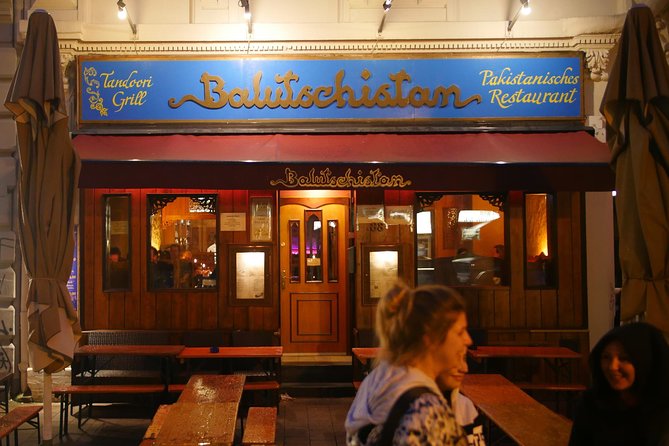
- Five food stops: You move through several restaurants rather than sitting down for one long meal.
- Sternschanze in context: The tour explains the area’s shift from working neighborhood to fashionable, more expensive district.
- Three hours on foot: Expect a public walking tour where you need to keep up with the guide.
- English offered: The experience is available in English, and guides have also handled mixed-language groups.
- Small portions, broad variety: The tastings can include several types of food, though one account described four small dishes and dessert rather than a full dinner.
- Good value at $59.13: The price covers the guided walk and five tastings, but drinks cost extra.
Why Sternschanze makes a good food-tour setting
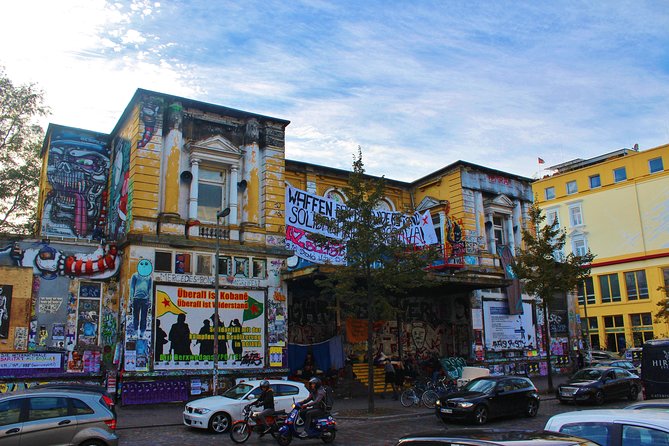
Sternschanze, also called the Schanzenviertel, gives you more than a row of restaurants. It is a compact Hamburg neighborhood with a visible story of change. The guide connects the streets, businesses, and old landmarks to the area’s past as a working district and its current identity as a fashionable place to eat and go out.
That change is a useful theme because it helps explain what you are seeing. You are not simply being led from one snack to another. You are shown how a neighborhood can become more popular, more stylish, and more expensive while still carrying traces of its earlier character.
The route also includes the area around Schulterblatt, a well-known nightlife street where the tour finishes. This gives the experience a practical edge. You can use the walk to decide where you might return later for a meal or evening drink, although drinks are not part of the tour price.
One review described a stop near the old water tower, now converted into a four-star hotel. That detail captures the neighborhood’s changing identity nicely. It also gives the guide a clear landmark around which to explain the district.
A few more food tours around Germany worth comparing
- Hamburg: Schanzenviertel Culinary Tour
★ 4.6 · 2,051 reviews - Hamburg: Elbphilharmonie Plaza and HafenCity Food Tour
★ 4.7 · 1,711 reviews - Bavarian Beer and Food Evening Tour in Munich
★ 4.5 · 1,575 reviews
Meeting the guide and finding your footing
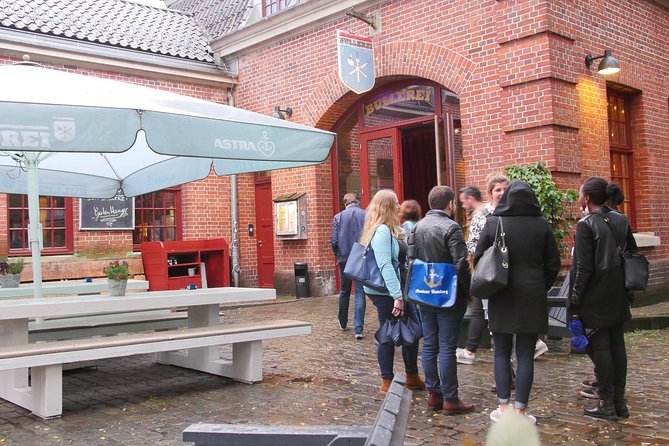
The tour begins at a convenient subway stop. The supplied meeting point is identified by the map code 9F5FHX79+MM6, while the walk ends on Schulterblatt in Hamburg-Altona. Since the starting point is presented as a map reference rather than a plainly written station name, I would check the booking confirmation and map carefully before setting out.
The public-transport access makes this easy to fit into a Hamburg day. You do not need to arrange a private transfer, and the end point on Schulterblatt places you in an active part of Sternschanze rather than leaving you far from the neighborhood.
Group size is capped at 21 people. That is large enough to create a social walking group, but still small enough for a guide to move everyone between restaurants. You should not expect a private food crawl. The pace and timing are set for the whole group, so arriving on time matters.
The tour is offered in English. Guides have included Ursula, Uli, and Pete. Their styles may differ, but the strongest pattern is a relaxed, personal approach. Uli is described as taking time with the group and explaining the Schanze in an easygoing way. Pete is noted for his strong grasp of the neighborhood. Ursula has led an English-speaking group even when the main tour language was German.
Stop one: the neighborhood itself
The first part of the experience is not really about sitting down to eat. It is a three-hour walk through Sternschanze, with food stops placed along the route. That structure matters because the neighborhood is part of the subject.
You will hear about the district’s past and present while moving through its streets. The guide’s job is to connect the restaurants with the larger story, including the shift toward a more hip and expensive area. The walk may appeal to you if you like knowing why a place looks and feels the way it does.
The tour also offers a useful introduction if you are new to Hamburg. You get a sense of the Schanzenviertel’s scale, its main social areas, and its restaurant scene in one outing. Since the district is described as fairly small, the route can cover several different places without requiring a long transfer across the city.
The tradeoff is that this is an active outing. One person specifically noted there was lots of walking. The tour is not suitable for people with major walking difficulties because you are expected to keep up with the guide. Wear comfortable shoes and think of the experience as a walking tour first, meal second.
The five tasting stops and what to expect
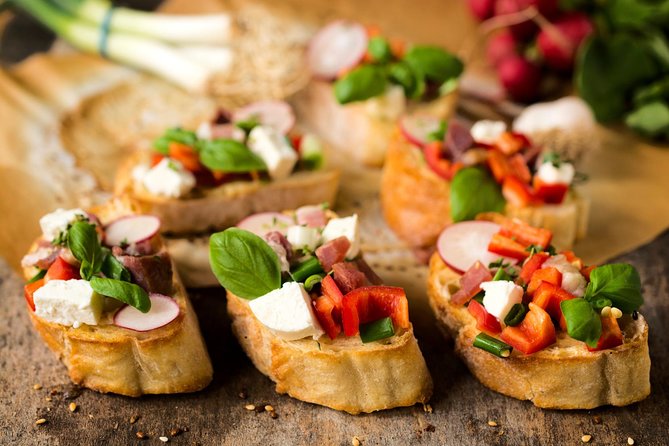
The tour visits up to five different restaurants and includes five selected tastings. The exact restaurants and dishes are not specified in advance here, so you should not book expecting a fixed menu or particular cuisine.
That uncertainty is part of the fun for some people. You get a varied introduction to local dining instead of committing to one restaurant. The tastings are intended to show different sides of the area’s food scene, and one account described the food as exciting and different.
At the same time, the portions are small. One direct assessment described four small dishes and a dessert, with the overall amount not quite reaching a full dinner. Another person said the food stops were good enough that no dinner was needed afterward. Those comments are not really contradictory. Appetite varies, and five tastings can feel substantial to one person and light to another.
I would plan this as a generous snack or light meal rather than a guaranteed dinner. If you want a full evening meal, keep room in your schedule for something afterward, especially if you normally eat a large dinner.
The range of food appears to be one of the tour’s main strengths. The tastings are not all presented as formal fine dining, and this is not designed as a specialist gourmet event. Instead, you sample food in several casual restaurant settings while learning about the surrounding streets.
One dish, described as a cold summer roll, did not suit everyone. That is a useful reminder that a multi-stop food tour will include personal hits and misses. The point is variety, not a carefully controlled tasting menu where every bite suits every palate.
Same city, a completely different plate:
- Berlin Center Food Tour with 8+ Authentic Local Tastings
★ 5.0 · 1,227 reviews - Munich: Viktualienmarkt Food Tour
★ 4.5 · 1,127 reviews - Munich: Beer and Food Tour with Dinner & Oktoberfest Museum
★ 4.7 · 1,086 reviews - Kreuzberg: Culinary Food Tour
★ 4.5 · 770 reviews
Food quality, portions, and the question of dinner
At $59.13 per person, the price needs to be judged against both the food and the guiding. You are paying for three hours of organized walking, five tastings, and a guide with local insight. Drinks are not included, so your final cost rises if you want beverages along the way.
The tour makes the most sense financially if you value the neighborhood explanation as much as the food. Five small samples alone may not justify the price for someone who prefers to choose one restaurant and order a full meal. For you, the better comparison is a guided neighborhood walk combined with a series of food introductions.
The food is generally described as good, varied, and interesting, but the experience is not aimed at serious gourmets. One German-language assessment called the value reasonable while noting that the snacks were modest. That feels like the fairest way to view it.
You also gain a practical benefit. After the tour, you know more about the restaurants and streets of Sternschanze than you would after eating at one place. You may find that useful if you are staying nearby and want ideas for another meal.
The guide makes or breaks the experience
The guide is a major part of this tour. The food stops are selected in advance, but the storytelling, pacing, and atmosphere depend on who leads the group.
Uli is associated with a relaxed evening, good conversation, and plenty of time spent explaining the neighborhood. Pete is praised for extensive information about the area and for making the restaurants feel connected to the wider story. Ursula has shown that the tour can work well in English, even with a mixed-language setting.
These details suggest a tour that is more personal than a simple food delivery route. You are encouraged to listen, ask questions, and see the district through someone who knows it well. The strongest praise centers on guides who are friendly, humorous, and good at telling stories.
There is also a practical limitation. A public group tour cannot adjust every stop to each person’s pace or preferences. If one tasting is not to your liking, the experience continues to the next stop. That is normal for a multi-stop tour, but it is worth knowing if you have strict dietary preferences or want a highly customized meal.
No specific dietary information is provided, so I would not assume that substitutions are available. Ask before booking if you need changes to the food.
The neighborhood story beyond the plate
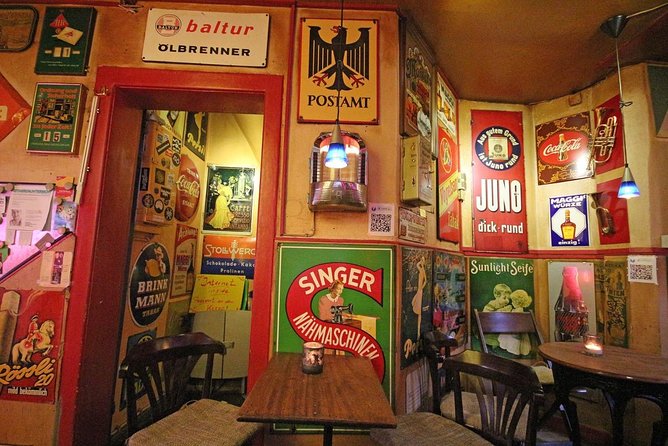
The Schanzenviertel’s change from a working neighborhood to a more fashionable and costly district gives the walk some substance. It helps you notice more than restaurant signs and menu boards.
The old water tower, now a four-star hotel, is a particularly useful example. It shows how older structures can take on new uses as an area changes. The guide also discusses the neighborhood’s famous Red Flora, which adds political and social context to the walk.
This is where the experience can feel more worthwhile than a standard tasting route. Food becomes a way to talk about ownership, popularity, nightlife, and local identity. You get a short introduction to the forces that shape an urban neighborhood, without sitting through a formal lecture.
The setting also makes the tour feel connected to everyday Hamburg. You walk through a district where people live, eat, meet friends, and go out at night. The route is not built around grand monuments. Its interest comes from ordinary streets, changing businesses, and the character of the area.
Timing, pace, and group comfort
The tour lasts about three hours. That is long enough to tell a proper neighborhood story, but short enough to fit into a day of sightseeing.
You should allow the full three hours rather than assuming the tastings can be rushed. The guide needs to move the group between stops, explain the district, and keep everyone together. The experience works best when you accept the walking pace instead of treating each restaurant as a separate meal.
A maximum of 21 people keeps the group from becoming enormous, but you may still spend time waiting for everyone to arrive at a restaurant or regroup on the street. This is a public tour, not a private food walk, so some flexibility helps.
Weather matters because much of the experience takes place outside. One account described enjoying the tour on a cold Hamburg day, but cold conditions can make a three-hour walk feel longer. Check the forecast and dress for walking, since the food stops do not eliminate the time spent outdoors.
Who will enjoy this Sternschanze food walk?
I would recommend this tour to you if you like trying several kinds of food, hearing local stories, and exploring a neighborhood on foot. It is particularly useful early in a Hamburg visit, when you are still learning the city and want a sense of where to return later.
It also suits couples, friends, and solo visitors who enjoy a social setting. The informal guide style and shared tastings give you an easy way to spend an afternoon or evening without planning every stop yourself.
You may want something else if your main goal is a large, polished dinner. The portions can be modest, the food choices may not all suit your taste, and the tour does not include drinks. It is also not a good choice if you have serious walking limitations or need a very slow pace.
The fact that it is often booked 39 days ahead suggests that you should not leave it until the last minute if the timing matters to you. That does not guarantee every date will sell out, but advance planning is sensible.
Cancellation and practical booking notes
You receive confirmation at booking, and the tour is near public transportation. Free cancellation is available until 24 hours before the scheduled start time. Cancel later than that, or make changes within the final 24 hours, and you will not receive a refund.
The experience requires a minimum number of participants. If that minimum is not reached and the tour is canceled, you are offered another date or experience, or a full refund.
Most people can participate, but you need to keep up with the group. Since the starting point is given through a map code, I would verify the exact meeting location in your confirmation before leaving your hotel.
Should you book Star Hill Culinary: The Food Tour?
Book it if you want a guided introduction to Sternschanze that combines five food samples with stories about the neighborhood’s changing identity. The strongest reasons to go are the variety of stops, the personal guides, and the chance to see the Schanzenviertel in context rather than as a collection of restaurants.
Do not book it expecting a formal gourmet dinner or unlimited food. At $59.13, the value is best when you count the three-hour walk and local storytelling along with the tastings. Wear good shoes, budget extra for drinks, and keep a little room in your evening in case you want a fuller meal afterward.
FAQ
Where does the tour take place?
The tour takes place in Sternschanze, also known as the Schanzenviertel, in Hamburg. It ends on Schulterblatt in Hamburg-Altona.
How long does the experience last?
The walking food tour lasts approximately three hours.
How many restaurants do you visit?
The tour visits up to five different restaurants and includes five selected tastings.
Is the tour offered in English?
Yes. The experience is offered in English, and English-speaking guides have led groups on the route.
Are drinks included?
No. Drinks are not included in the tour price.
What is the price?
The listed price is $59.13 per person.
How large can the group be?
The tour has a maximum group size of 21 people.
Can I cancel for a full refund?
Yes. You can cancel at least 24 hours before the experience start time for a full refund. Cancellations or changes made less than 24 hours before the start are not refunded.
Just added around Germany
- Elphi Plaza und HafenCity kulinarisch – Die Food Tour★ 4.5 · 30 reviews
- Hamburg Walking Food Tour with 7 Authentic Local Dishes★ 5.0 · 27 reviews
- Sharing Plate Food Tour In Frankfurt★ 4.0 · 74 reviews
- Berlin Food & Cultural Tour: Must-Try German & Berliner Classics★ 5.0 · 51 reviews
- East Meets West: Berlin Food Culture & Street Art★ 5.0 · 157 reviews
- The Real Berlin Walking Tour: Art, Food and Counterculture★ 5.0 · 38 reviews
- Private Tour: Daytime Food Tour Trends & Classics★ 5.0 · 24 reviews
- Classic Bites and Culinary Trends Neighborhood Food Tour in Berlin★ 5.0 · 191 reviews
Food Tours in Germany, compared.

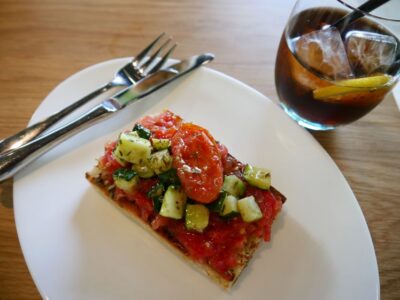
Elbphilharmonie Plaza and HafenCity Food Tour
Read our review →
Bavarian Beer and Food Evening Tour in Munich
Read our review →
Berlin Center Food Tour with 8+ Authentic Local Tastings
Read our review →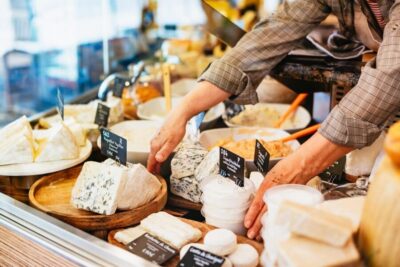

Beer and Food Tour with Dinner & Oktoberfest Museum
Read our review →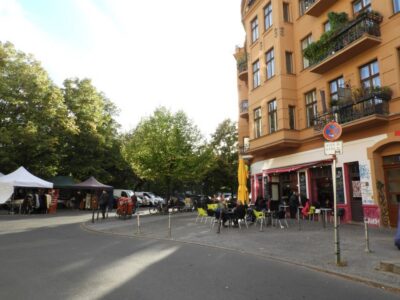
Browse the lists this tour appears in