
REVIEW · SOUTH AFRICA
Soweto Food & Beer Bike Tour
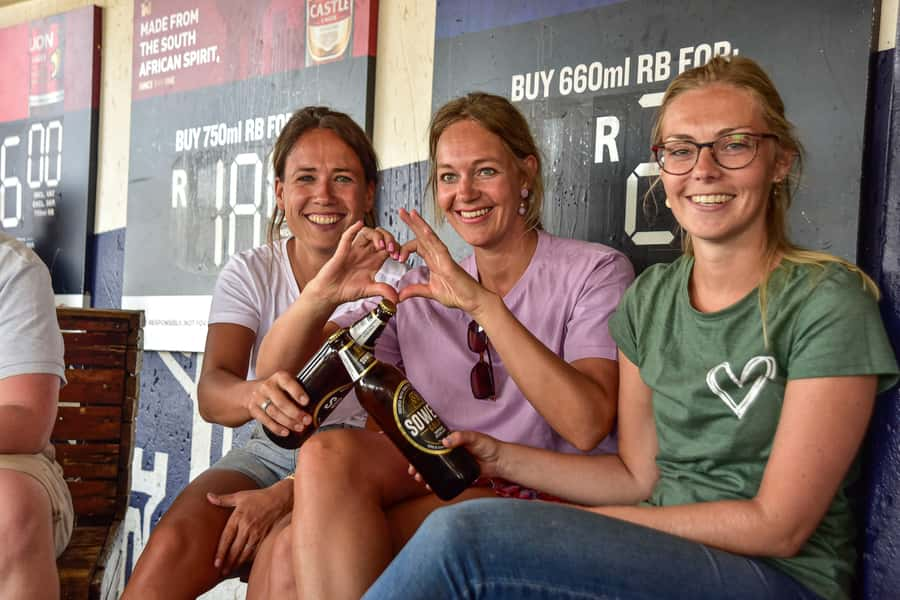
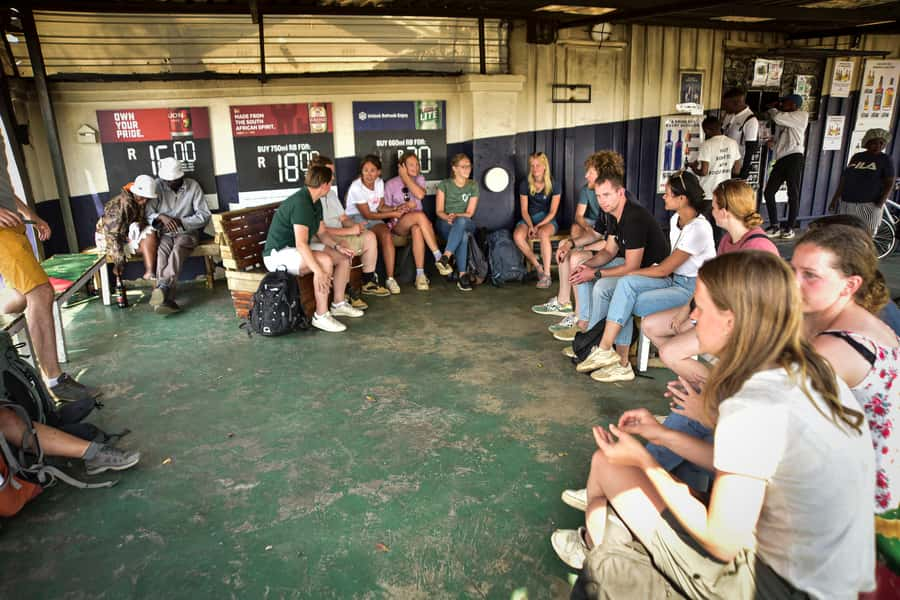
Soweto makes the most sense from street level, and this tour gets you there by bicycle, from the Hector Pieterson Museum and Vilakazi Street to Orlando East. You stop for traditional beer, amagwinya, a Kota, and local beer while guides such as Lwazi and Wandi explain how Soweto works today and how apartheid shaped it.
I like the small-scale local feel and the way food breaks open conversation. I also like that you see more than the famous addresses, including Orlando East and West, markets, taverns, and residential areas. The main consideration is the beer: with a welcome drink, tastings, and two meals in four hours, you should arrive ready to pace yourself. The route has some hills, too.
Key points at a glance
- Start opposite the Hector Pieterson Museum: Meet at Vilakazi Espresso on 7346 Kumalo Street, with safe parking available.
- Eat like a local: Try amagwinya, a fried dough snack, and a Kota, a generous township sandwich served for lunch.
- Hear Soweto from people who know it: Guides including Lwazi, Wandi, Razi, and Mpumi explain local life, apartheid, politics, culture, and change.
- Cycle beyond the postcard stops: The route links Vilakazi Street with Orlando East and West, local taverns, markets, and township streets.
- Plan for a social four hours: You get bike hire, a helmet, bottled water, two meals, a welcome drink, and two beer stops.
- Bring small cash: You may want money for souvenirs, tips, or optional contributions such as children’s book drives.
Why a bicycle changes your view of Soweto

Soweto is often seen from a vehicle, with a quick stop at the major landmarks. A bicycle gives you a slower, more open way to move between them. You can notice the change from well-known Vilakazi Street to ordinary roads, markets, homes, and taverns in Orlando East.
That shift matters. The tour is not only about seeing places linked to Nelson Mandela and the 1976 student uprising. It also shows you a lived-in community, with people going about their day. You are not sealed behind glass, and the pauses at food spots give you time to talk with the guide and, when appropriate, people you meet along the route.
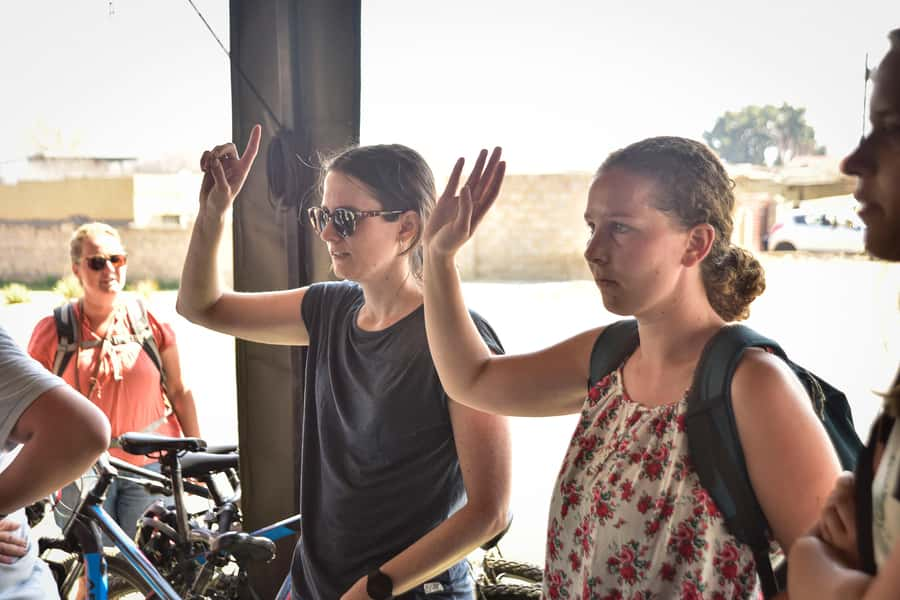
The ride is described as easy and family-friendly, though not completely flat. The hills are manageable for most people with ordinary cycling ability, but you should not treat this as a passive sightseeing trip. You will pedal for much of the four hours, with food, drink, and history stops breaking up the effort.
A helmet, bicycle, and bottled water are included. Wear comfortable shoes and clothing that works for an active afternoon. If you are not a confident cyclist, tell the guide at the start so the pace can be handled sensibly.
A few more food tours around the world worth comparing
- Rome: Appian Way & Aqueducts E-Bike Tour (Catacombs & Food)
★ 4.9 · 1,498 reviews - Rome by Night – Ebike Small Group Tour – Food and Wine (Option)
★ 5.0 · 1,275 reviews - Rome by Night: E-bike Small Group Tour -Food & Wine (Option)
★ 4.9 · 1,233 reviews
Starting at Vilakazi Street and the Hector Pieterson Museum
The meeting point is Vilakazi Espresso, opposite the Hector Pieterson Museum at 7346 Kumalo Street. This is a useful place to begin because the cultural briefing gives you context before the ride moves into the surrounding neighborhoods.
The opening section takes place around Vilakazi Street in Orlando West. You can expect a traditional beer welcome, breakfast, a guided look at the area, and time at an arts and crafts market. The stop lasts about an hour, so it is not simply a quick photograph outside a famous address.
Vilakazi Street carries unusual historical weight. It is known for its connection to both Nelson Mandela and Archbishop Desmond Tutu, and the nearby Hector Pieterson Museum recalls the 1976 student uprising. The tour uses this setting to explain the past, but the focus is not limited to monuments. The point is to connect major events with the streets and households around them.
The museum itself is opposite the meeting point, but the supplied tour details do not promise a full museum admission or a fixed museum visit. You should think of the first hour as a guided introduction to Vilakazi Street and its surroundings, with the museum providing important context.
This is also a good time to ask direct questions. The guides have been praised for handling difficult subjects such as apartheid, inequality, education, politics, and the present-day economy without shutting down the conversation. That makes a difference in Soweto, where a polished sightseeing script would miss much of what you came to understand.
Orlando East by bike, tavern, and street food
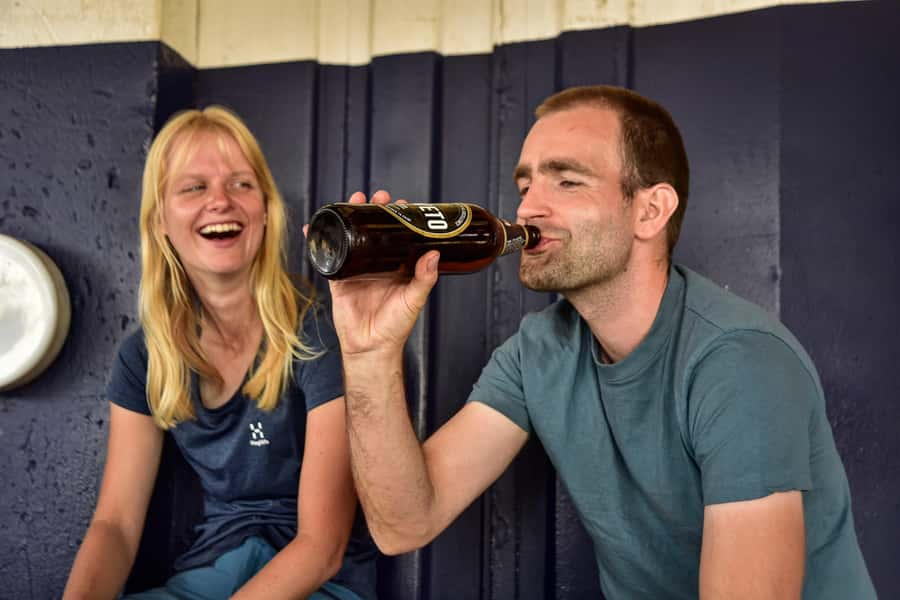
From Orlando West, the route continues to Orlando East. This is where the ride feels less like a landmark tour and more like a neighborhood visit. The schedule allows about an hour and a half for beer, food tasting, and a guided look around.
You visit local taverns, street-food spots, and markets. The food is central to the experience, not a token snack at the end. You are set up to try amagwinya, a familiar fried dough snack, along with other local bites. The flavors and setting may be different from what you expect from a formal restaurant, which is precisely the point.
The guide helps explain what you are eating and how the stops fit into township life. You may find that the best part is not identifying every ingredient but sitting down, asking questions, and watching the rhythm of the neighborhood. The food stops create natural pauses after the cycling and keep the afternoon from feeling like a lecture.
Orlando East also brings a more serious side. The route can include a look at township living and the reasons people came to live in these areas, along with the limits and possibilities of life there today. Some past tours included a visit into a less developed section of Orlando East, with local explanations of housing, work, and community life.
You should approach this part with respect. It is not a spectacle, and the tour works best when you listen rather than treat someone’s home as a photo backdrop. If the guide offers a chance to ask questions, take it. The strongest moments here come from conversation and context.
Amagwinya, Kota, and the value of a local lunch
The food is one of the clearest reasons to choose this experience over a standard sightseeing ride. You receive two meals, with breakfast and lunch built into the route. The precise vendors can vary, but the advertised foods include amagwinya and a Kota.
Amagwinya are filling fried dough snacks, often enjoyed as a simple breakfast or quick bite. The Kota is a substantial township sandwich, usually assembled with several fillings. Together, they give you a better sense of everyday local food than a single restaurant meal designed for visitors.
Lunch takes place back around Vilakazi Street and lasts about 45 minutes. It is paired with street food and beer, so you get a proper rest before the final cycling and photo stop. If you normally skip breakfast, do not make that mistake here. You are better off arriving hungry enough to enjoy the food but not so hungry that the beer reaches you too quickly.
The meal value is strong at the $49 price, especially since bike hire, a helmet, water, the guide, two meals, and beer stops are included. In Johannesburg, a paid half-day activity can easily become expensive once transport, food, and drinks are added separately. Here, most of the core costs are bundled together.
There is one practical catch. The food is part of the experience, but you may not have the same choice or timing you would get at a restaurant. If you have dietary restrictions, ask before booking or at least before the ride begins. The supplied details do not list vegetarian, vegan, halal, or allergy arrangements.
Same city, a completely different plate:
- Reykjavik Food Walk – Local Foodie Adventure in Iceland
★ 5.0 · 18,952 reviews - Hanoi Jeep Tour: Food, Culture and Fun by Vietnam Army Jeep
★ 5.0 · 15,222 reviews - From Marrakech: Merzouga 3-Day Desert Safari with Food
★ 4.7 · 12,232 reviews - Dubai: Old Town, Creek, Museums, Souks, & Street Food Tour
★ 4.8 · 10,816 reviews
Beer stops and keeping the afternoon comfortable
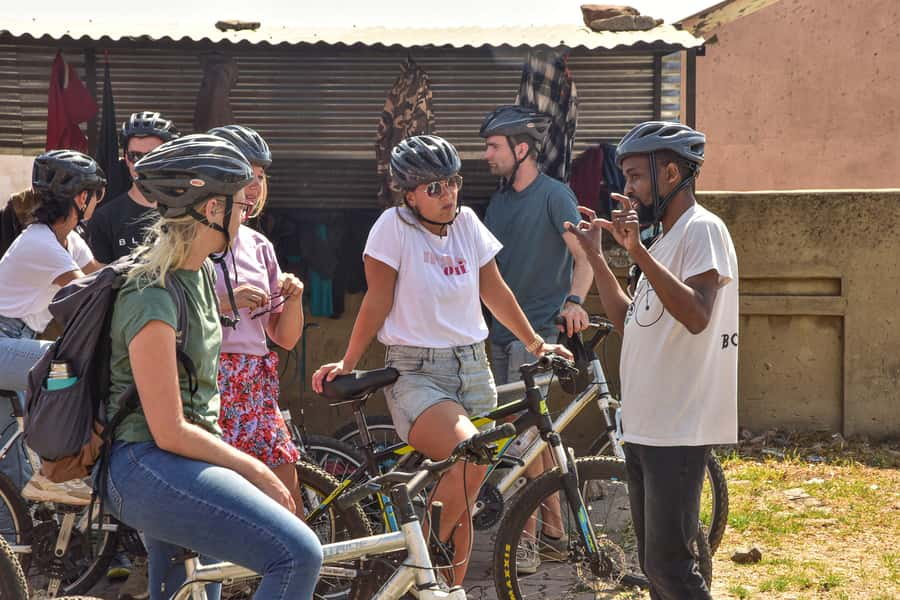
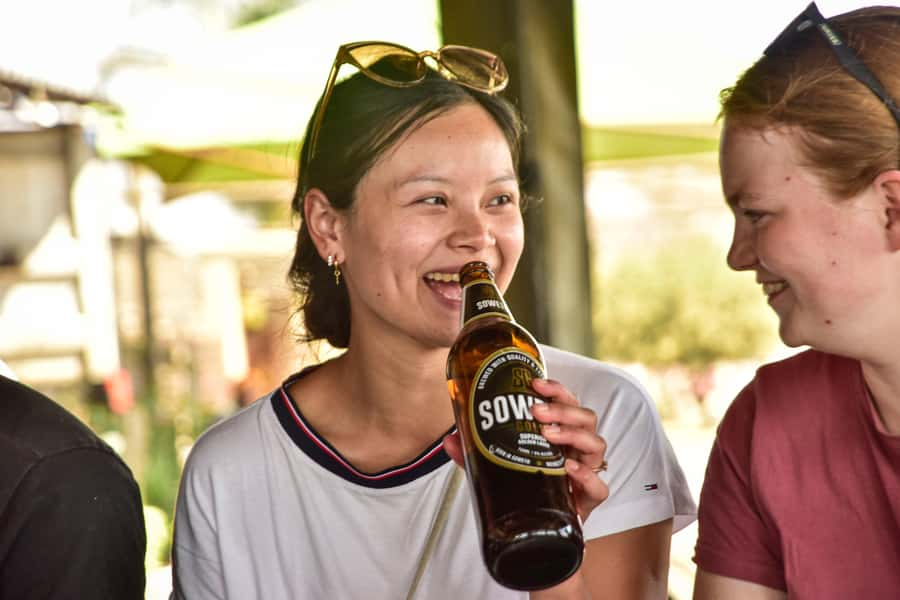
Beer is not a side note here. You get a traditional welcome drink, beer stops during the route, and local pours alongside the food. The formal description promises two beer stops, while the experience can include several tastes across the afternoon.
That makes the tour social and relaxed, but you need to pace yourself. Cycling, hills, sun, and alcohol are not a good combination if you rush the first drink. Use the bottled water, eat at the scheduled stops, and tell the guide if you would prefer a slower pace with the beer.
The setting is more interesting than a bar tasting. You may drink at a local tavern, sit with the guide, and hear how Soweto is seen by someone who grew up there. Local beer can become a doorway into conversation about music, sport, work, family, and community, rather than just another item on a tasting list.
You do not need to drink alcohol to get value from the tour, but the supplied details do not specify a nonalcoholic substitute. Ask the operator if that matters to you. Also remember that the experience returns to the starting point, not your hotel, so you will need to arrange your own onward travel.
The final ride, photo stop, and return to Kumalo Street
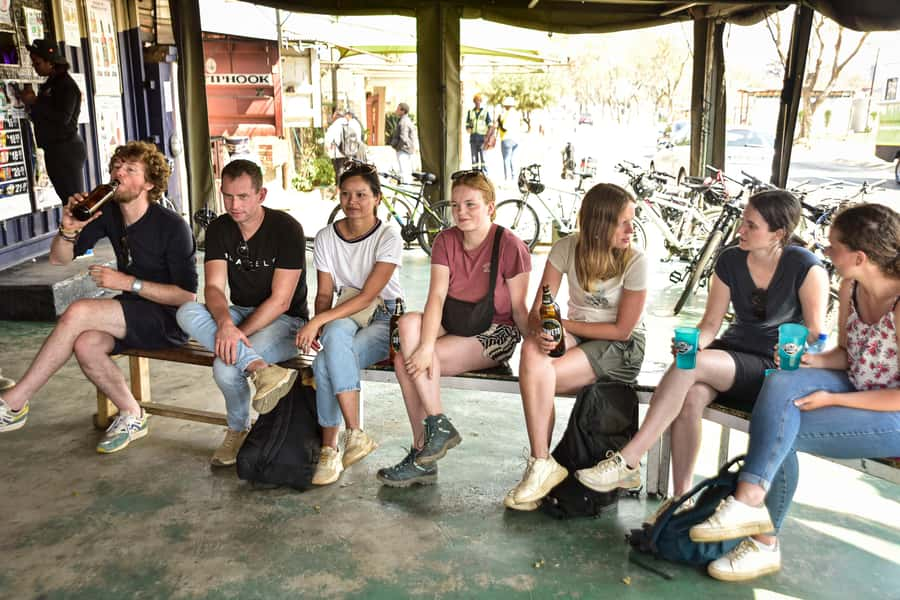
After the Orlando East food and beer sections, there is another short stretch of cycling and local snacks, followed by lunch back in Vilakazi Street. The final photo stop lasts about 15 minutes before you return to 7346 Kumalo Street.
The timing is useful because it keeps the day from turning into four straight hours on a saddle. The stops are frequent enough for you to rest, eat, listen, and take photos. At the same time, this is not a full-day walking tour with long museum visits. You cover ground by bike and spend more time moving through the area.
The route includes Orlando West, Orlando East, and the Vilakazi Street area. You see both the famous and less polished sides of Soweto, which is a major strength. Do not expect every minute to run exactly to the clock. Food service, conversations, traffic, and the size of your group can affect the pace.
Safe parking is available at the start. Hotel pickup and drop-off are not included, so make your way to Vilakazi Espresso yourself. That arrangement works well if you are already visiting Soweto or staying nearby, but it takes more planning if you are coming from central Johannesburg or the airport.
The guides are the heart of the experience
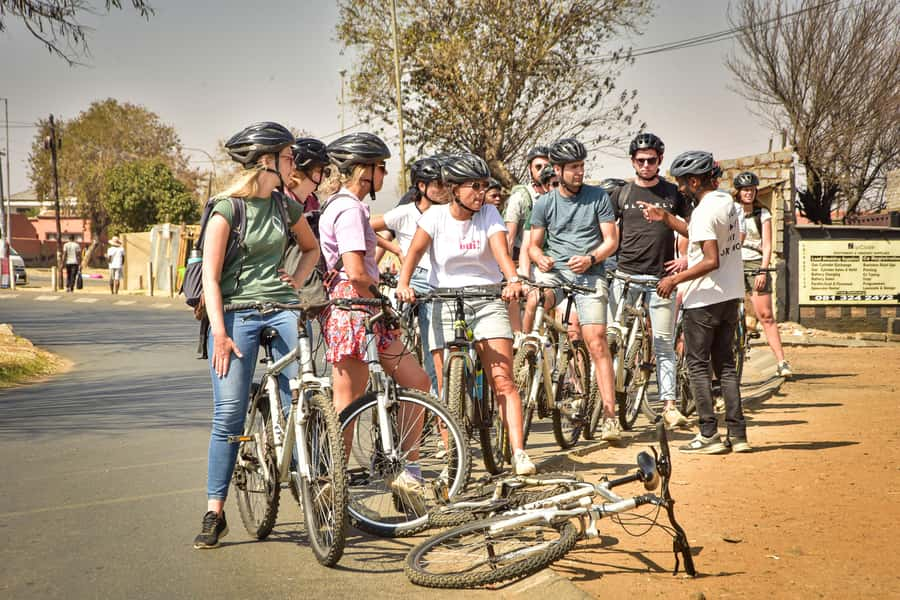
The guide can make or break a community tour, and this one depends heavily on the person leading your ride. Names associated with the experience include Lwazi, Wandi, Razi, and Mpumi. The strongest guide style here is personal, open, and willing to answer hard questions.
You can expect English guiding. The useful part is not only factual information about dates and places. The guide connects apartheid and the student uprising to present-day Soweto, then adds stories about local customs, family life, education, politics, and the economy.
That personal element is why the tour can feel different from a bus circuit. You are encouraged to ask questions, including uncomfortable ones, and the guides have been noted for giving people room to talk without judgment. That is valuable if you want to understand rather than simply collect photographs.
The guide also helps with practical matters: road conditions, the hills, where to stop, and how to behave respectfully in residential areas. A good guide will keep the ride moving while allowing enough time for conversation. If you enjoy asking questions, this tour offers more than a fixed speech.
Safety, comfort, and practical planning
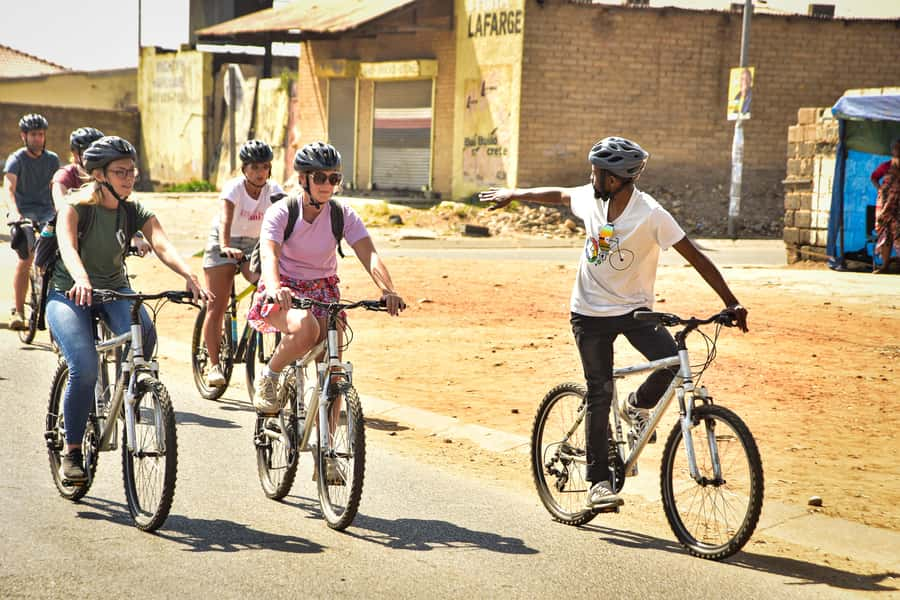
The tour is presented as safe and family-friendly, and one solo woman specifically found the experience comfortable. Still, Soweto is a large urban area, and ordinary city awareness remains sensible. Stay with the group, listen to the guide, and keep valuables secure.
Bring small bills for souvenirs and other small purchases. Cash can also be useful for tips or optional support connected with local projects. One notable community effort linked to the bike operation is the collection of children’s books for primary schools, so you may want to bring a book if that fits your plans.
Wear comfortable shoes. You do not need specialist cycling equipment, since the bicycle and helmet are provided, but shoes that work for both pedaling and walking are the sensible choice.
The tour runs for four hours, with starting times depending on availability. Free cancellation is available up to 24 hours ahead for a full refund, and you can reserve now and pay later. Those terms are helpful if your Johannesburg schedule is still changing.
Is the $49 price fair?
At $49 per person, the value is good if you want food, drinks, cycling, and local guiding in one half-day. The price includes the bike, helmet, bottled water, a welcome drink, two meals, two beer stops, the guide, and safe parking.
The value is not only in the quantity of inclusions. You are paying for access to places and conversations that would be hard to arrange on your own, especially in Orlando East. A self-guided ride might cost less in theory, but it would not give you the same local context or the same confidence about where to stop.
The price is less attractive if you dislike cycling, do not drink, or want a formal museum-heavy tour. Hotel transfers are extra because they are not included, and you should allow for transport to and from Vilakazi Street.
For a four-hour experience with two meals, local beer, a bike, and a guide, I consider $49 reasonable. It is particularly useful during a long Johannesburg layover, provided you have enough time to reach the meeting point and return to the airport comfortably.
Who should book this Soweto bike tour?
I would choose this tour if you want to see Soweto at a human pace and are willing to trade a little comfort for more direct contact with the area. It suits curious first-time visitors, solo travelers, families with older children, and anyone who prefers conversation to a scripted sightseeing loop.
It is a strong choice if food is part of how you like to understand a place. Amagwinya, Kota, local snacks, tavern stops, and beer give the history a daily setting. You also get a chance to ask about life in Soweto now, not just what happened decades ago.
Think twice if you need a flat route, have limited cycling ability, want hotel pickup, or prefer to avoid alcohol entirely. The tour is easy by ordinary standards, but it still includes hills and several hours of riding.
FAQ
Where does the Soweto Food and Beer Bike Tour start?
It starts at Vilakazi Espresso, opposite the Hector Pieterson Museum, at 7346 Kumalo Street.
How long does the tour last?
The tour lasts four hours.
How much does the tour cost?
The listed price is $49 per person.
What languages are available?
The live tour guide speaks English.
Is bike hire included?
Yes. A bicycle and helmet are included in the tour price.
Is food included?
Yes. The experience includes two meals. The food stops include amagwinya, local snacks, and a Kota for lunch.
Is beer included?
Yes. You receive a traditional welcome drink and two beer stops are included in the advertised experience.
Does the tour include hotel pickup and drop-off?
No. Hotel pickup and drop-off are not included. You must make your own way to and from the meeting point.
Is parking available?
Yes. Safe parking is available at the starting location.
Can I cancel the booking?
You can cancel up to 24 hours in advance for a full refund. The activity also allows you to reserve now and pay later.
Should you book it?
Book this tour if you want local food, honest conversation, and a closer look at Soweto beyond its headline sights. The combination of cycling, taverns, markets, history, and a Kota lunch gives the afternoon a natural rhythm.
I would skip it only if hills, beer, or community-based touring are not your style. For everyone else, $49 buys a useful four-hour introduction with real time in Orlando East and Vilakazi Street, plus a guide who can help you understand what you are seeing. Just wear comfortable shoes, bring small cash, and arrive ready to eat.
Just added around the world
- PRIVATE ISTANBUL FOOD TOUR & Hidden Pearls of the old city★ 5.0 · 43 reviews
- Taste of Istanbul – Food & Culture★ 5.0 · 54 reviews
- The Award-Winning PRIVATE Food Tour of Istanbul: The 10 Tastings★ 5.0 · 462 reviews
- Istanbul Food Tour – History and Culture of Turkish Culinary★ 5.0 · 265 reviews
- Private and guided Food and Culinary Tour of Istanbul★ 5.0 · 27 reviews
- Half-Day Istanbul Private Food Tour & Culinary Experience★ 5.0 · 28 reviews
- Taste Of Old City Street Food Tour with Local Guide★ 5.0 · 64 reviews
- Eating Like a Local: Learn About Diverse Culinary Culture of Turkey★ 5.0 · 86 reviews
Food Tours in South Africa, compared.

Cape Town: Full-Day Winelands Tour with Wine Tastings & Food
Read our review →
Hartbeespoort: 2-Hour Dam Cruise with South African Food
Read our review →
Johannesburg: Local Food Tasting Guided Walking Tour
Read our review →
The 10 Tastings of Cape Town With Locals: Private Food Walking Tour
Read our review →
Hartbeespoort Dam: The Luxury Alba Boat Cruise with Food
Read our review →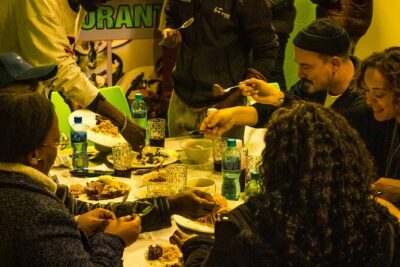
African Food and Storytelling Tour Cape Town City Centre
Read our review →
Browse the lists this tour appears in