
REVIEW · COLOMBIA
Santa Marta A Historical & Street food Experience
Santa Marta’s best introduction may be a walk that links its colonial buildings and public squares with the people and traditions of the Sierra Nevada. This experience takes you from the Tairona Gold Museum to the cathedral, waterfront, churches, cemetery, and social heart of Los Novios Park, with local flavors along the way.
I like two things right away. First, the tour connects the city’s Spanish-era buildings with the Tayrona people, rather than treating Santa Marta as just a stop before the coast. Second, the food tastings give you a useful first look at Colombian flavors, especially lulo, exotic fruit juice, ceviche, and empanadas.
The main concern is value and timing. The advertised duration is two hours, but one well-liked outing lasted close to four hours, while two less positive experiences felt rushed and shorter than expected. The food plan can also change, as one ceviche stop was unavailable.
Key points to know before booking
- Tairona Gold Museum: The tour begins at Casa de la Aduana, with a guided visit inside the museum and its collection linked to the Sierra Nevada’s Indigenous cultures.
- Historic center on foot: You visit Bolivar Park, the Camellón, Santa Marta Cathedral, Los Novios Park, Iglesia San Francisco, and San Miguel Cemetery.
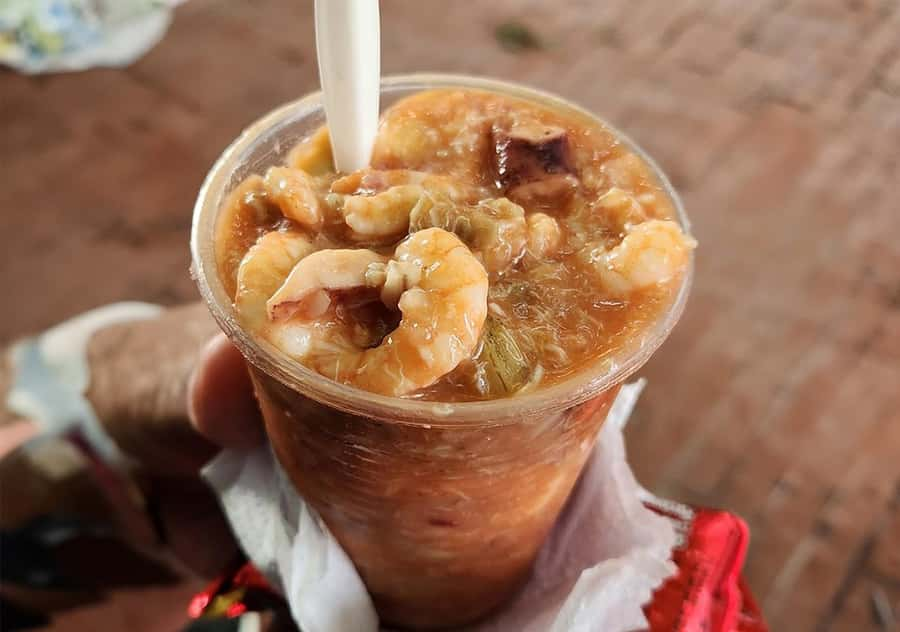
- Local tasting stops: Expect a local drink, with the wider experience designed to include fruit juice, ceviche, lulo, and empanadas.
- Guide quality matters: Sergio is specifically praised for his historical explanations, friendly manner, and practical help beyond the tour.
- Late afternoon is worth considering: One guest found the 4:30 p.m. start more comfortable because it was cooler.
- A flexible schedule: The official length is two hours, but the actual pace and finish may vary considerably.
Why this walk gives Santa Marta useful context
Santa Marta can be easy to misread. At first glance, it is a seaside city with restaurants, nightlife, and a convenient base for Tayrona National Park. This walk shows you the older layers beneath that first impression.
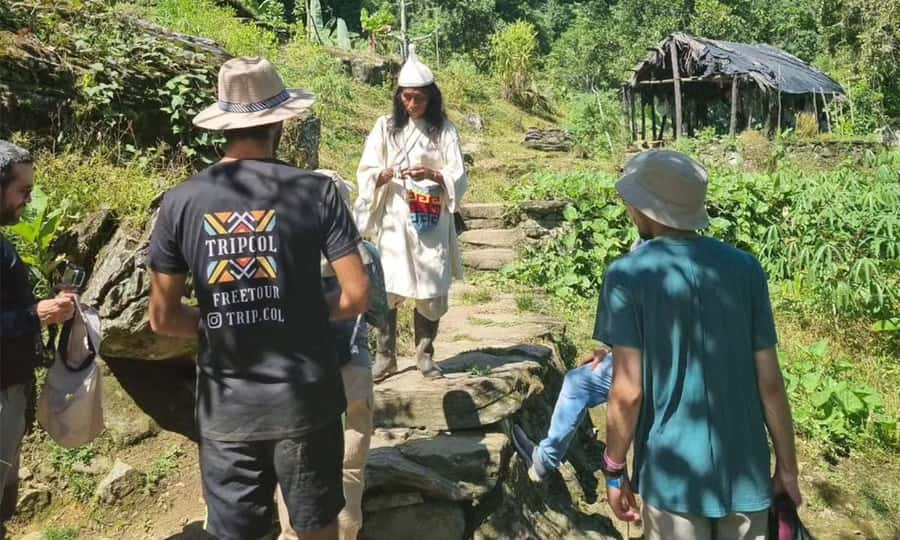
The route begins at the Museo del Oro Tairona, Casa de la Aduana, an important choice. You are not simply looking at old streets from the outside. You start with objects and traditions tied to the Indigenous people of the Sierra Nevada, then move into the colonial and republican center. That order helps explain how Santa Marta developed.
The guides come from backgrounds in history, journalism, and anthropology. That mix should suit you if you prefer stories about people, politics, architecture, and daily life rather than a string of dates. English and Spanish tours are available.
The experience also brings in Santa Marta’s present-day food and social life. You pass places associated with restaurants, pubs, and clubs around the center, especially near Los Novios Park. It is a useful way to decide where you might return later for dinner or a drink.
More street food nights in Colombia:
- Medellin: Comuna 13 Graffiti Tour, Cable Car & Street Food
★ 4.8 · 9,046 reviews - Medellín: Comuna 13 True Story and Street Food Tour
★ 4.9 · 1,779 reviews - Cartagena: Guided Street Food Tour with Tastings
★ 4.9 · 833 reviews
Starting at Casa de la Aduana and the Tairona Gold Museum
The museum visit is the cultural anchor of the experience. The official schedule gives the museum two separate guided portions, one listed as 15 minutes and another as 30 minutes. In practice, the time spent there may depend on the guide, the group, and how the walk is running.
The museum helps you place Santa Marta within the wider story of the Sierra Nevada. The focus is not only on gold as a material. It also concerns the beliefs, craftsmanship, traditions, and Indigenous societies connected with the region.
I would pay close attention here, even if you are mainly interested in food or architecture. Later stops make more sense when you have some idea of the people who lived in the area before and alongside Spanish rule.
One caution: make sure you understand how much museum time is planned at the beginning. A disappointing experience involved not receiving the museum visit that had been expected. Since museum access is one of the strongest reasons to book this particular walk, it is worth confirming the plan when you meet.
Bolivar Park and Santa Marta’s public story
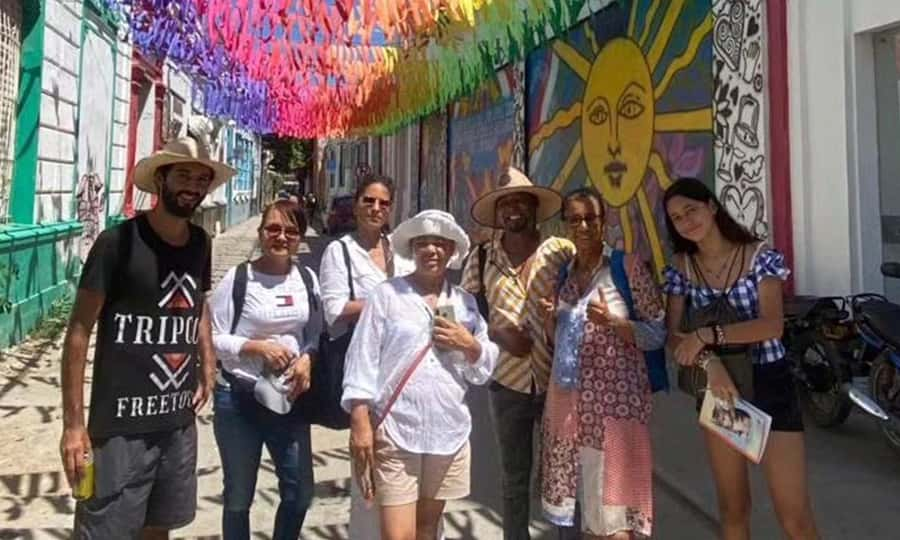
From the museum, the route continues to Simon Bolivar Park. This is where the guide introduces Simón Bolívar’s connection with the city and explains why the park matters to Santa Marta’s public memory.
The value of a square like this is easy to miss if you only take a quick photograph. A good guide can show how monuments, civic spaces, and surrounding buildings turn national history into something local. You also get a sense of how the center works as a place for meeting, ceremony, and everyday movement.
The tour is not limited to famous names. Its aim is to explain the material and nonmaterial heritage of Santa Marta, including stories, customs, legends, and the meaning attached to familiar buildings. If you enjoy asking basic questions, Sergio was singled out for answering them patiently and offering ideas for other things to do in the city.
Walking the Camellón toward the cathedral
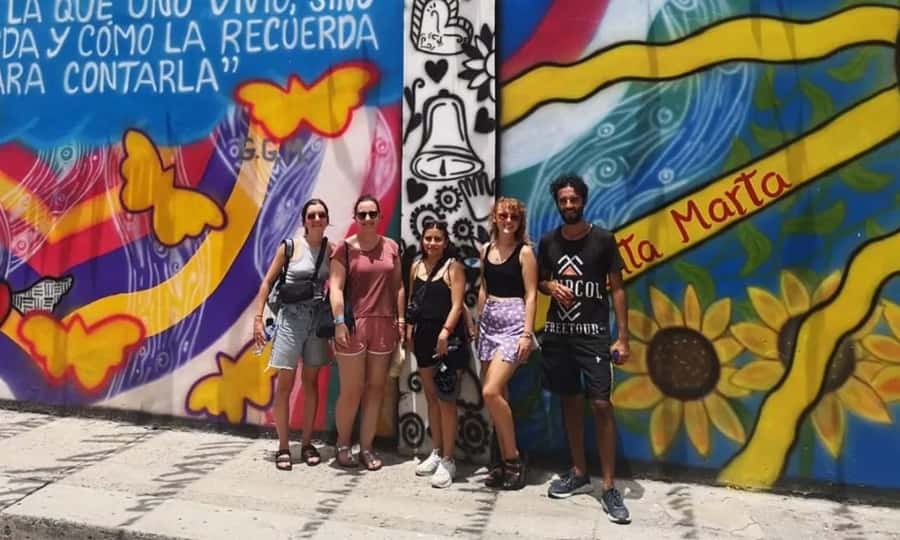
The Camellón Rodrigo de Bastidas provides a change of scene. This stop is listed as a visit and photo break, with the route offering views along the way.
The Camellón helps connect the historic center to Santa Marta’s coastal setting. You can pause for photographs, but I would also listen for the guide’s explanation of how the waterfront relates to the city’s development. The stop is relatively short, so do not expect a long lecture or a leisurely waterfront visit.
Next comes the Cathedral Basilica of Santa Marta, where the focus shifts to colonial architecture and the details inside the building. The experience description also promises attention to messages within the frescoes. That makes the stop more than a quick look at an old facade.
The cathedral visit is scheduled for about 20 minutes. That is enough for an introduction, a few questions, and photographs, but not a full architectural study. The guide’s role is especially useful here because a church can look plain or familiar until someone points out the details worth noticing.
A few more food tours around Colombia worth comparing
- Santa Marta: Guided Walking Food Experience
★ 4.8 · 33 reviews - Sorrento Farm and Food Experience including Olive Oil, Limoncello, Wine tasting
★ 5.0 · 2,524 reviews - Rome: Gourmet Food Tour with Dinner & Barolo Wine
★ 4.9 · 2,347 reviews - Porto Food & Wine Tasting Tour with Lunch or Dinner Option
★ 5.0 · 2,303 reviews
Fruit juice and the flavors of Colombia
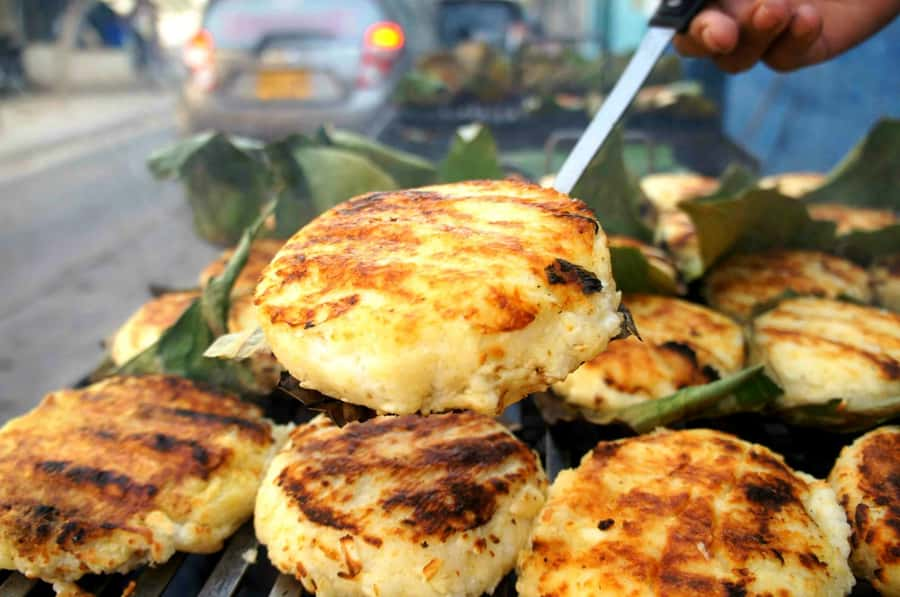
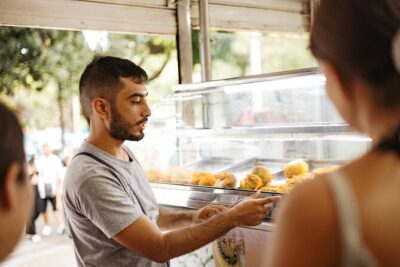
The food side of the walk is meant to break up the historical stops. One tasting involves a local drink, while the broader plan includes juice made with fruits such as guanábana, maracuyá, and zapote.
If those fruits are new to you, this is a practical way to get an introduction without ordering a full meal. Lulo is also part of the experience, served in different preparations that may include juice or an artisanal infusion. The point is not simply to consume something sweet. You learn how an ingredient fits into Colombian eating and drinking habits.
The exact tasting format deserves a little caution. The included features specifically confirm a local drink, while the fuller description presents several food and drink samples. One person was unable to try the ceviche because the planned place was closed, and no replacement was offered.
That does not make the food portion worthless, but it means you should treat the samples as variable rather than guaranteed courses. If ceviche is a major reason for booking, ask about current arrangements before paying.
Los Novios Park, the city’s social center
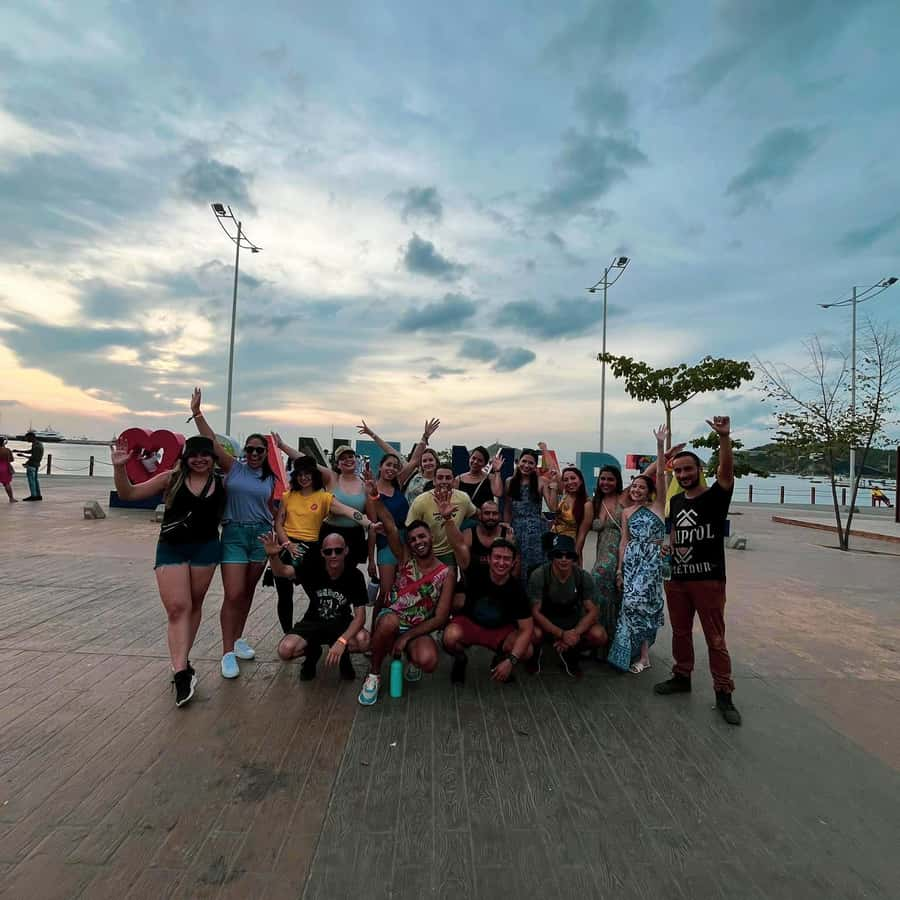
Los Novios Park receives the longest listed stop, about 45 minutes. That gives the guide time to explain its role in Santa Marta’s social life, along with the romance, stories, and legends linked to the area.
This is also where the tour becomes useful for the rest of your stay. The park is surrounded by restaurants, pubs, and clubs, so you can see the part of the center that comes alive after the daytime sightseeing ends. The guide can point out the general character of the area, helping you choose where to return later.
I like this combination of history and practical orientation. You are not being led past a row of buildings with no idea how the area functions. You are learning which parts of the center are tied to civic history and which are used for eating, socializing, and nightlife today.
The 45-minute listing also raises the timing question. If the tour truly lasts only two hours, the route must move briskly. If you receive a slower, more conversational experience like the outing that lasted nearly four hours, the park gives you time to ask questions and sample more food. Ask your guide at the start how much time is planned for each stop.
San Francisco Church and San Miguel Cemetery
The route then takes you to Iglesia San Francisco, listed as a 15-minute visit and photo stop. This is another chance to see the historic center through its religious buildings, not only through grand civic landmarks.
The church stop is brief, so expect an introduction rather than a long service or detailed study. As with the cathedral, the best use of the time is to ask the guide what makes the building important and how it fits into Santa Marta’s development.
San Miguel Cemetery provides a more unusual final historical stop. The schedule allows about 20 minutes for photographs and explanation. Cemeteries can reveal a city’s family structures, religious practices, public memory, and local customs in ways that monuments do not.
The stop may not suit every itinerary, especially if you want only major sights. I find it worthwhile for people who like cultural details and quieter places. It also gives the route a more human finish, moving from celebrated figures and old buildings toward the way a community remembers its dead.
What the food tasting really adds
The tasting list is appealing because it covers several levels of Colombian food culture:
- Fruit juice: A quick introduction to regional produce such as guanábana, maracuyá, and zapote.
- Lulo: A distinctly Colombian flavor that can appear in juice or other local preparations.
- Ceviche: A seafood dish with a local style and seasoning.
- Empanada: A crisp street-food staple filled with local flavors.
- Local drink: The item specifically confirmed as included.
Together, these samples can turn the walk into more than sightseeing. You get a sense of what people order, share, and eat casually in the city.
Still, the food component needs realistic expectations. The information gives no portion sizes, and the confirmed inclusion is a local drink rather than a full meal. A closed ceviche venue also shows that the route can change. I would eat something light beforehand and treat the tastings as introductions, not lunch.
Guide style, pace, and the right starting time
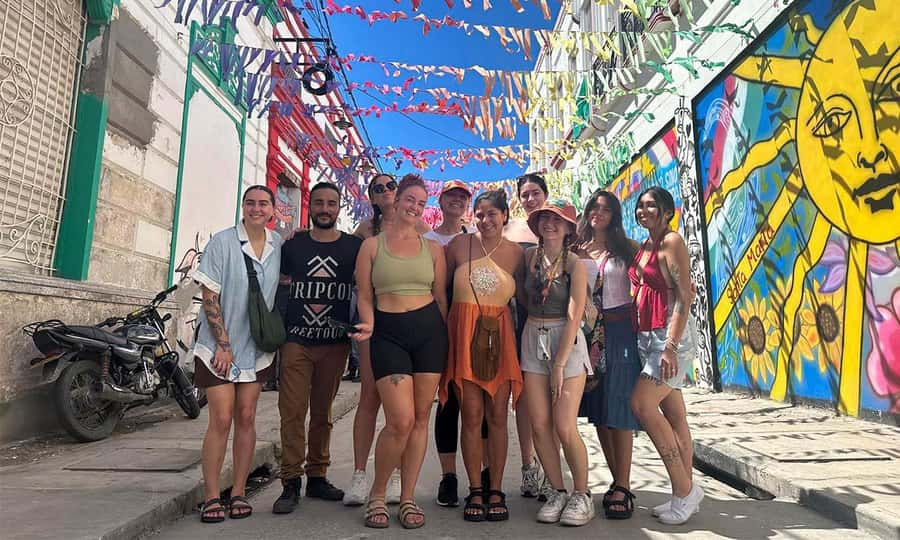
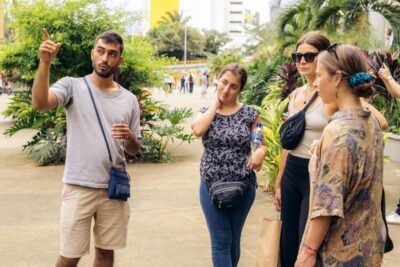
The strongest personal praise is directed at Sergio. He is described as warm, well informed, easy to talk with, and genuinely enthusiastic about Colombia. One particularly useful detail is that he helped with local questions outside the tour, including a hostel problem.
That kind of guide can make a major difference in a city walk. Santa Marta’s value is not only in its buildings. It is in the links between Indigenous culture, colonial rule, local food, public spaces, and present-day city life. A guide who welcomes questions can turn a standard route into a conversation.
The pace is less consistent. Two accounts describe the outing as rushed or too short, while another describes an experience lasting nearly four hours. The official duration remains two hours, so plan around that figure for your day, but be ready for the actual walk to run longer.
A 4:30 p.m. start is worth considering if it is available. One person found the afternoon timing more comfortable because the city was cooler. That start also brings you toward Los Novios Park as the day moves into its evening social period, though the exact atmosphere and timing can vary.
Is $56 a fair price?
At $56 per person, this is not a bargain street-food walk. You are paying for a guide, museum guidance, historical interpretation, a city-center route, and the chance to sample local food and drinks.
The price can make sense if you value a strong personal guide and want several subjects handled in one outing. You receive an introduction to the Tairona people, colonial architecture, Santa Marta’s public spaces, local churches, a cemetery, nightlife areas, and regional flavors. Booking early in your visit could save you from spending separate time figuring out the center on your own.
The value is weaker if the museum visit is shortened, the route is rushed, or several tastings are unavailable. The food is not clearly presented as a full meal, and a missed ceviche stop was not replaced in one case. I would book for the guide and cultural context first, with the tasting as a bonus.
The flexible booking terms help reduce the risk. You can cancel up to 24 hours ahead for a full refund, and you can reserve without paying immediately. Those policies matter if your Santa Marta schedule is still shifting.
Who should book this Santa Marta walk?
I would recommend it to a first-time visitor who wants a quick orientation with real historical substance. It suits you especially well if you like asking questions, want to understand the Tayrona connection, and prefer a walking route that includes both major landmarks and less obvious stops.
It is also a good fit for people who want help choosing restaurants, pubs, and clubs around the center. Families and couples interested in food, architecture, and local stories may find the mix more rewarding than a simple monument tour.
I would hesitate if you want a tightly timed two-hour experience with every advertised tasting guaranteed. The route may run long, and the food stops can change. People with limited energy should also ask about the pace and planned stops before committing.
Should you book it?
Book this experience if history, local food, and personal guiding matter more to you than a bargain price. The Tairona Gold Museum, cathedral, public squares, churches, and cemetery give you a thoughtful first look at Santa Marta, while the fruit, lulo, ceviche, and empanada stops add useful local flavor.
Before you set out, confirm the museum visit, ask which tastings are operating that day, and check the expected finish time. If Sergio is leading your group, you can reasonably expect a friendly, conversational style based on the information available. If the experience is delivered too quickly or key stops are missed, $56 becomes hard to justify.
FAQ
Where does the tour start?
The tour starts at the Museo del Oro Tairona, also called Casa de la Aduana.
Where does the tour finish?
The listed drop-off points are Parque de los Novios and Museo del Oro Tairona, Casa de la Aduana.
How long does the tour last?
The advertised duration is two hours. The actual time can vary, with one reported outing lasting close to four hours and others feeling much shorter.
What languages are available?
The live guide is available in English and Spanish.
Is museum entry and guidance included?
A guided tour inside the Tairona Gold Museum is included in the experience details.
What food and drinks are included?
The confirmed inclusion is a local drink. The wider tasting plan features exotic fruit juice, lulo, ceviche, and empanadas, but individual stops can vary.
Can I cancel the booking?
You can cancel up to 24 hours in advance for a full refund. The booking terms also allow you to reserve now and pay later.
More Food and History Walks in Colombia
- Amsterdam Food and Cultural Tour with Tastings
★ 5.0 · 4,315 reviews - Barcelona: Tapas Walking Tour with Food, Wine, and History
★ 4.8 · 4,261 reviews - Sevilla Food Tour: Tapas, Wine, History & Traditions
★ 5.0 · 3,468 reviews - Madrid Tapas & Taverns Small Group Food & History Tour
★ 5.0 · 2,664 reviews
Just added around Colombia
- Private Cartagena city and street food tour.★ 5.0 · 31 reviews
- Totumo Volcano: Colombia’s Ultimate Skin Renewal Journey★ 4.5 · 36 reviews
- Street Food Tour – Live A Unique Gastronomic Experience★ 5.0 · 34 reviews
- The Cali Street Food Walking Tour★ 5.0 · 81 reviews
- PALOQUEMAO MARKET FOOD TOUR. EXOTIC FRUIT. LOCAL SNACKS. /Min 2 pax★ 5.0 · 70 reviews
- Food Tour in La Candelaria Bogotá★ 5.0 · 63 reviews
- Street Food Tour in Bogotá with Tastings★ 5.0 · 34 reviews
- Bogota´s Gastronomic Wonders – Experience the best traditional food★ 4.5 · 30 reviews
Food Tours in Colombia, compared.
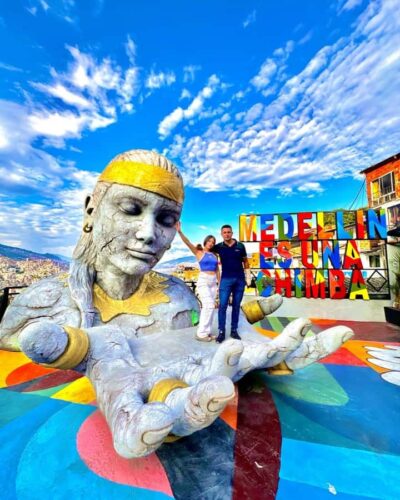
Medellín: Comuna 13 True Story and Street Food Tour
Read our review →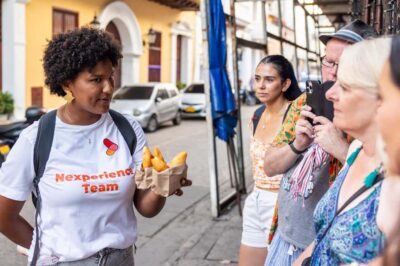
Cartagena: Guided Street Food Tour with Tastings
Read our review →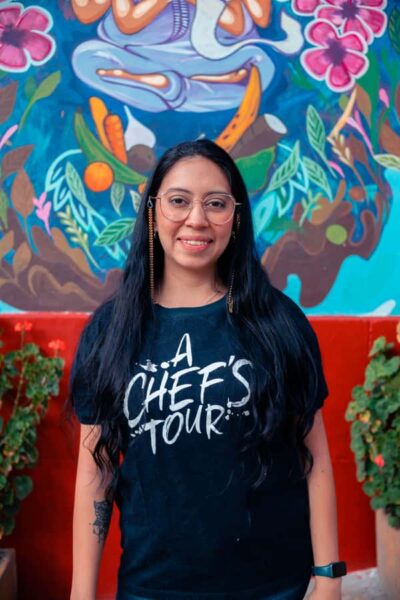
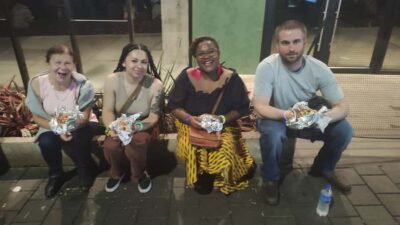
Street Food and Poblado Rooftop Tour with a Local
Read our review →
Browse the lists this tour appears in