
REVIEW · ROME
Rome Street Food: Delights at Campo dei Fiori & Ghetto Area
Rome’s best street food is often eaten standing up, close to the shop that made it. This $41 food walk takes you from Campo de’ Fiori to the Jewish Ghetto, with pizza, cured meat, supplì, fried artichoke and gelato along the way. The food fills in the gaps between the city’s grand monuments.
I like the clear route and the generous range of tastings. I also like that guides such as Francesca, Ramona, Mattia and Barbara bring local stories to the food, rather than treating lunch as a string of anonymous samples. The main catch is dietary: vegan, gluten-free and dairy-free guests should skip this one, and vegetarians must request an option ahead of time.
Key points at a glance
- Five food stops in 2.5 hours: The tastings are substantial enough to cover much of a lunch.
- Roman specialties, not just generic snacks: Try supplì, Roman pizza, local salami, Jewish Roman fried artichoke and gelato.
- Two distinctive neighborhoods: Campo de’ Fiori brings market life and old food shops, while the Jewish Ghetto adds a different culinary tradition.
- History comes between bites: The walk includes Via del Biscione, an old passage with frescoes and a shrine, plus Largo Argentina’s ancient ruins.
- Best for flexible eaters: Vegetarian food can be arranged in advance, but vegan, gluten-free and dairy-free diets are not supported.
- Mostly easy walking, with Roman cobbles: The route is flat, but there is standing, uneven paving and no guaranteed seating.
Why this Rome food walk works
This is a practical way to get oriented in central Rome while eating your way through two neighborhoods that can otherwise blur together on a busy sightseeing day. You meet under the statue of Giordano Bruno in Campo de’ Fiori, then move through streets where food shops, old churches, market stalls and archaeological ruins sit close together.
The tour lasts 2.5 hours and costs $41 per person. That is a fair price if you treat it as lunch plus a guided walk. You receive five food stops, a sample of wine, a sample of beer and commentary from an English-speaking guide. Drinks beyond those small samples are not included, so do not expect an open bar.
The portions sound modest on paper, but the combination of pizza, salami, supplì, artichoke and dessert can leave you well fed. One useful tip is to schedule this instead of lunch, not immediately before it. Several people have found the food carried them through until dinner.
More Food Tours in Rome
- Winner 2025 Rome Twilight Trastevere Food Tour by Eating Europe
★ 5.0 · 5,157 reviews - Rome: Street Food Tour with Local Guide
★ 4.8 · 4,077 reviews - Rome Food Tour: Unlimited Tastings with Fine Wine & Barolo
★ 5.0 · 3,365 reviews
Starting beneath Giordano Bruno in Campo de’ Fiori
The meeting point is easy to identify: look for the statue of Giordano Bruno in the middle of Campo de’ Fiori. The square is one of central Rome’s liveliest food settings, and it gives the tour a good opening scene.
During the morning, Campo de’ Fiori operates as a food market. You might taste olive oil, truffles and balsamic vinegar there, depending on the day and schedule. Morning is the better choice if you want the market experience itself, since stalls are not part of the same scene later in the day.
The afternoon route still passes through the square and its food businesses, but the market may be gone. That change is worth knowing before you book. The square can be cleaned and reset remarkably quickly, so an afternoon departure will not offer the same market atmosphere as a morning tour.
You will also receive the first small drink samples here or nearby, including wine and beer during the overall experience. These are tastes rather than full drinks, so pace yourself with water if the day is hot.
Roman pizza and a family food tradition
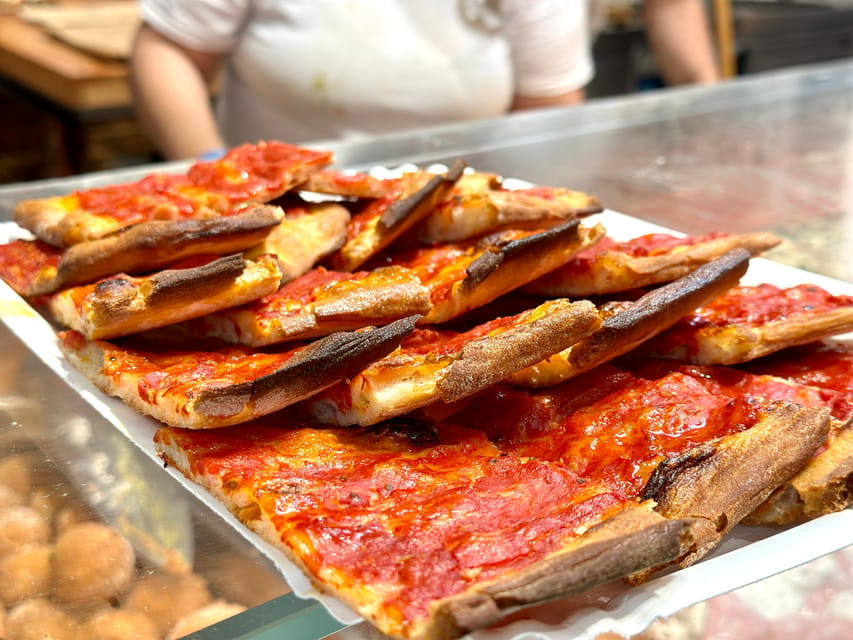
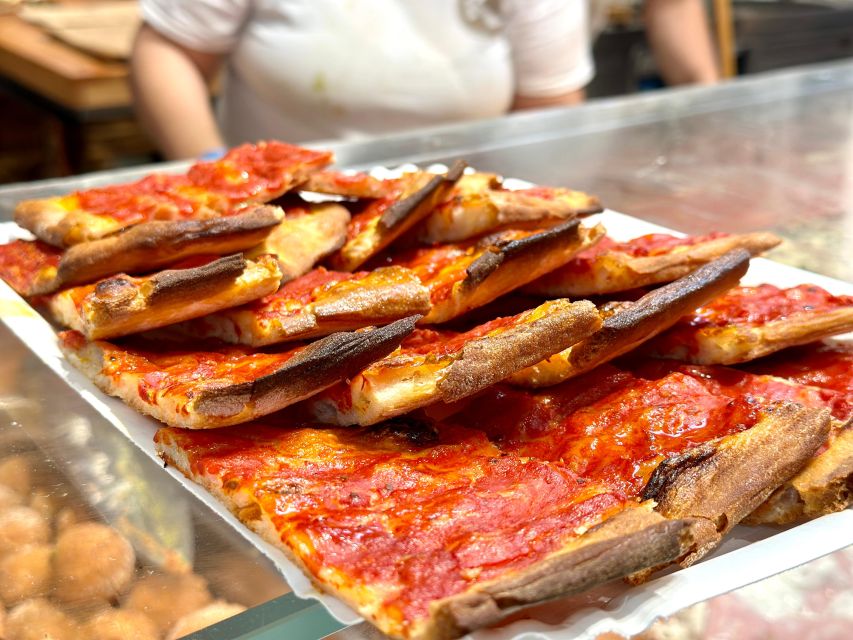
One early stop is an old bakery where you sample freshly baked Roman pizza. This is a useful introduction to the local style, since Roman pizza is commonly associated with a thin, crisp base rather than the softer, thicker texture many people expect from Naples.
The food is served as part of the walk, not as a formal restaurant meal. That keeps the pace moving and lets you focus on the shop, the bite and the guide’s explanation. It also means you should not expect a chair, a table or time to linger over every course.
The tour includes artisanal cured meat from a local shop dating to 1890. That detail gives the stop some character: you are tasting food from a long-running neighborhood business rather than a standardized tourist counter. The salami and other cured meats also make the meal feel more Roman and less like a general Italian tasting menu.
If you have children in your group, the guide may invite them into the questions and explanations. That worked especially well for family groups on this route, since the food is familiar enough to interest young eaters, with a few more unusual items for adults.
Via del Biscione and a small surprise on the way
From Campo de’ Fiori, the walk turns toward Via del Biscione. This section takes about ten minutes, but it adds more than simple transport between food stops.
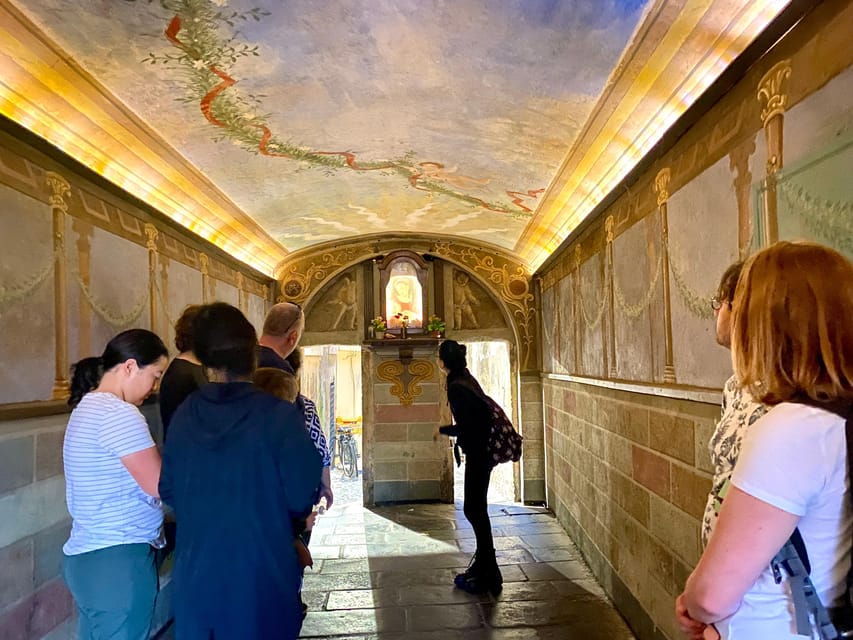
The route passes through an old passageway decorated with frescoes and a shrine. It is the kind of detail you can easily miss when moving between major sights. A guide makes the difference here, pointing out the feature and placing it into the street’s religious and artistic setting.
This is also where the tour’s balance becomes clear. You are not simply being led from shop to shop. The food provides a reason to walk, while the streets provide a reason to slow down. If you want a full art-history lecture, this is not that kind of tour. If you like short stories attached to places you would otherwise overlook, the format works well.
More street food nights in Rome:
- Rome: Trastevere & Campo de Fiori Street Food Walking Tour
★ 4.9 · 2,768 reviews - Rome Street Food Tour with Local Guide
★ 5.0 · 2,361 reviews - Rome: Trastevere Street Food Walking Tour with Local Expert
★ 4.8 · 1,784 reviews - Hidden Rome: Small Group E-Bike Tour with Street Food Stops
★ 4.9 · 144 reviews
Via dei Chiavari and the essential supplì
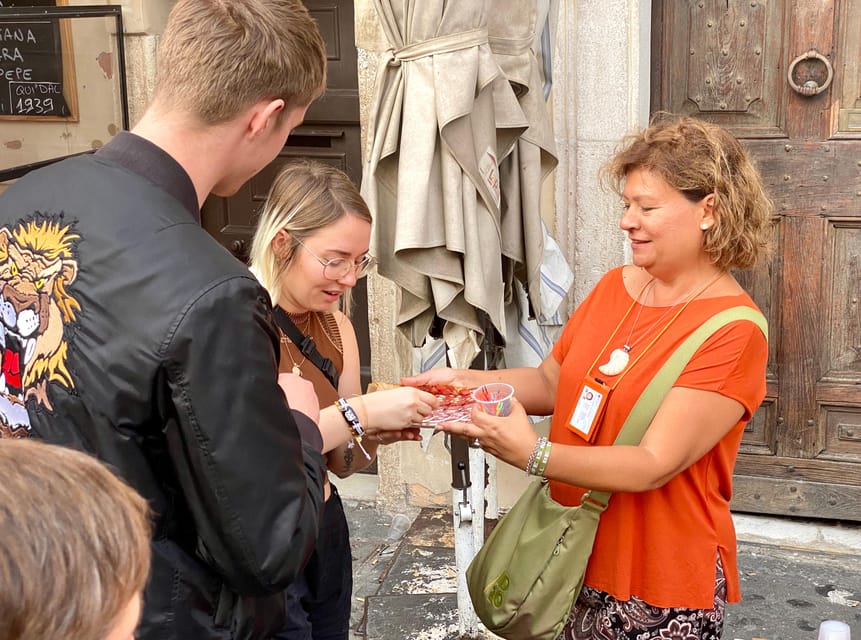
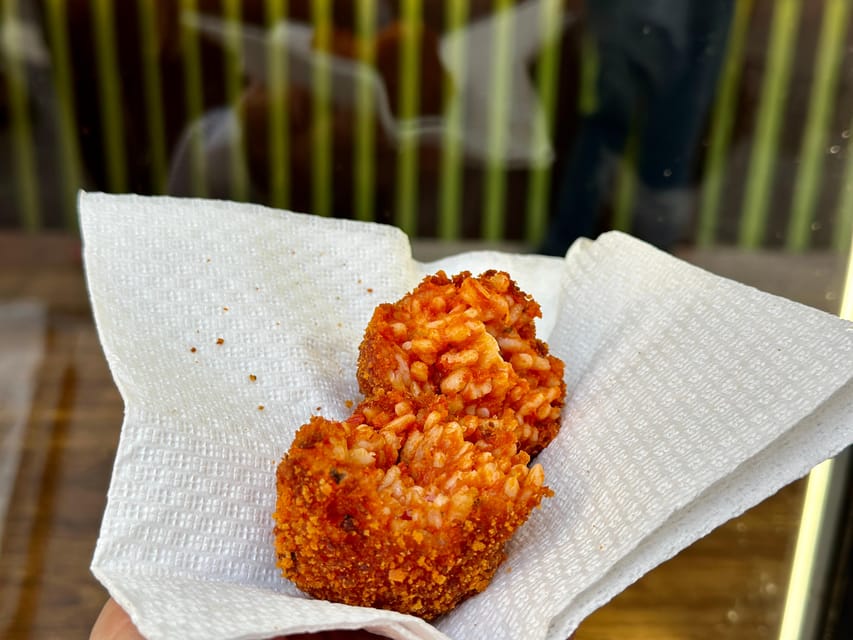
The tasting section around Via dei Chiavari is one of the strongest parts of the experience. Here you try supplì, a deep-fried rice ball that is closely tied to Roman street food.
Supplì is a useful reminder that Roman cooking is not only about pasta and pizza. The outside is crisp, while the rice filling is soft and savory. It is easy to eat while standing, which makes it a natural fit for a walking tour.
The guide also explains the food’s place in Roman eating habits and Italian daily life. That context matters. You get more from a tasting when you understand why a dish became popular, how it is normally eaten and what makes the local version different from something you might find elsewhere.
At this point, the combined tastings begin to add up. The cured meat, pizza and supplì are not a full plated meal in the restaurant sense, but they form a proper lunch for many people. If you have a large appetite, you may want a later snack, but do not schedule a heavy midday meal on top of this tour.
Entering the Jewish Ghetto
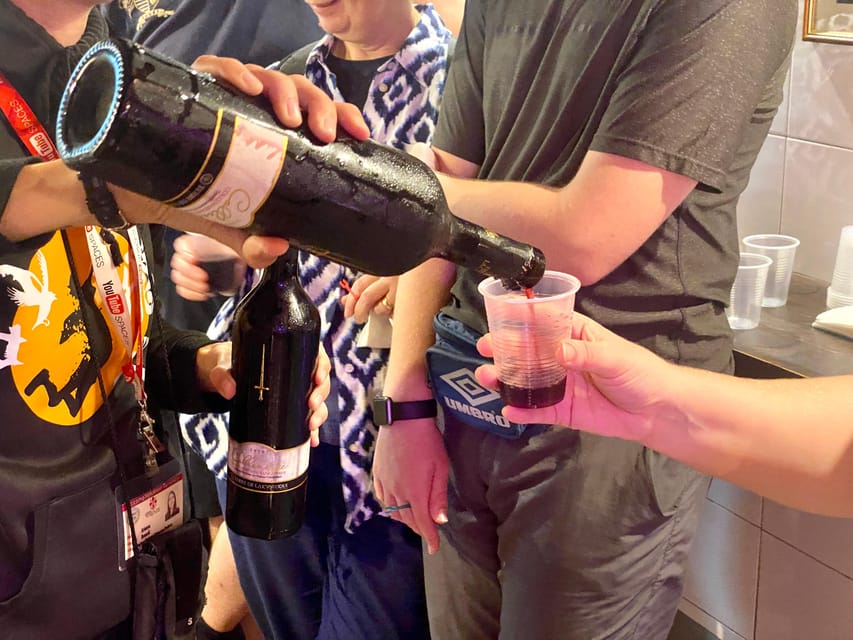
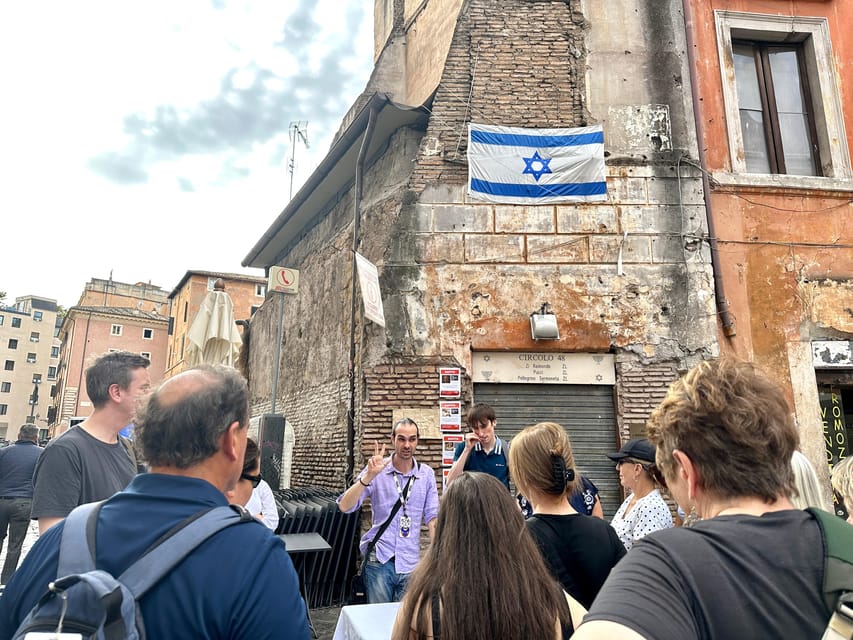
The walk then reaches Rome’s Jewish Ghetto, one of the oldest Jewish quarters in the Western world. This part of the route gives the food a clear cultural setting instead of treating Roman cuisine as one single tradition.
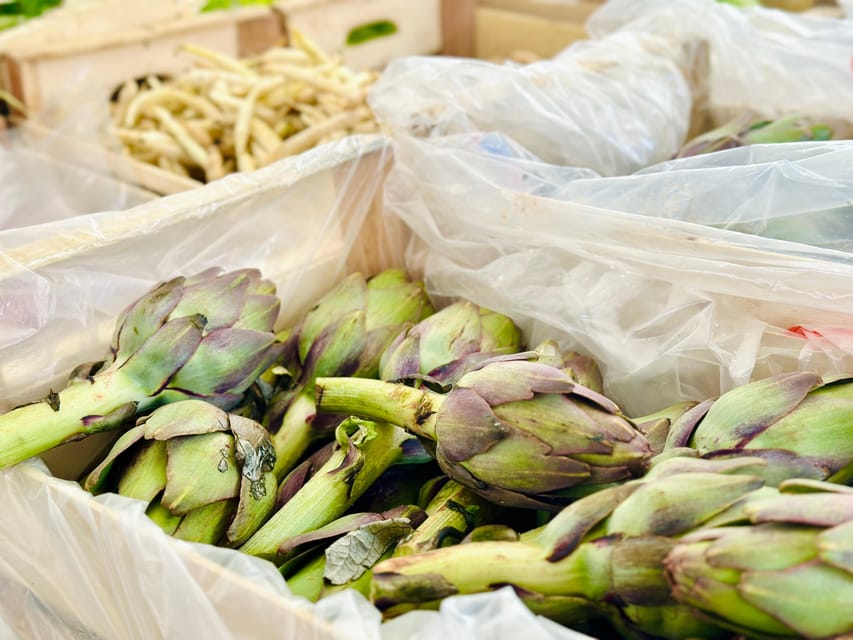
The signature bite here is the fried artichoke. It is known for its crisp texture and distinctive flavor, and it gives you a very different experience from the earlier pizza and supplì. The artichoke is associated with Roman Jewish cooking, so the stop also opens a conversation about the community’s food customs and the way local dishes develop through centuries of daily life.
The tour description places the main fried-artichoke tasting in this area, but do not expect a long sequence of Jewish Ghetto food stops. One guest specifically wished for more food within the quarter and more time focused on its cuisine. That is a fair limitation to keep in mind. You see the district and taste its best-known specialty, but the tour is a broader Campo de’ Fiori and central Rome walk rather than a dedicated Jewish food seminar.
The neighborhood itself gives the walk a change of pace. You move from the market square and commercial lanes into streets with a distinct communal and religious story. The guide’s local anecdotes help connect the artichoke to the area without turning the experience into a dry history class.
Largo Argentina and gelato to finish
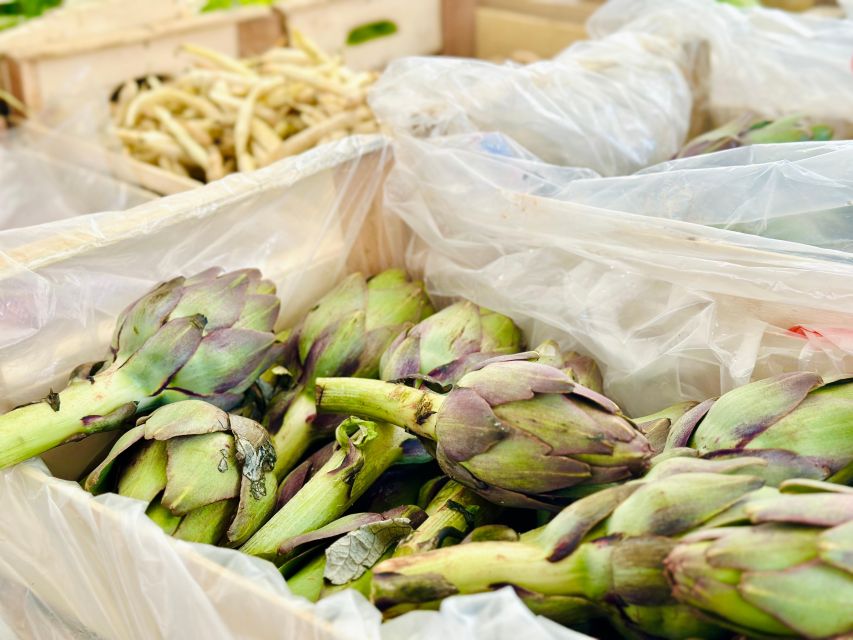
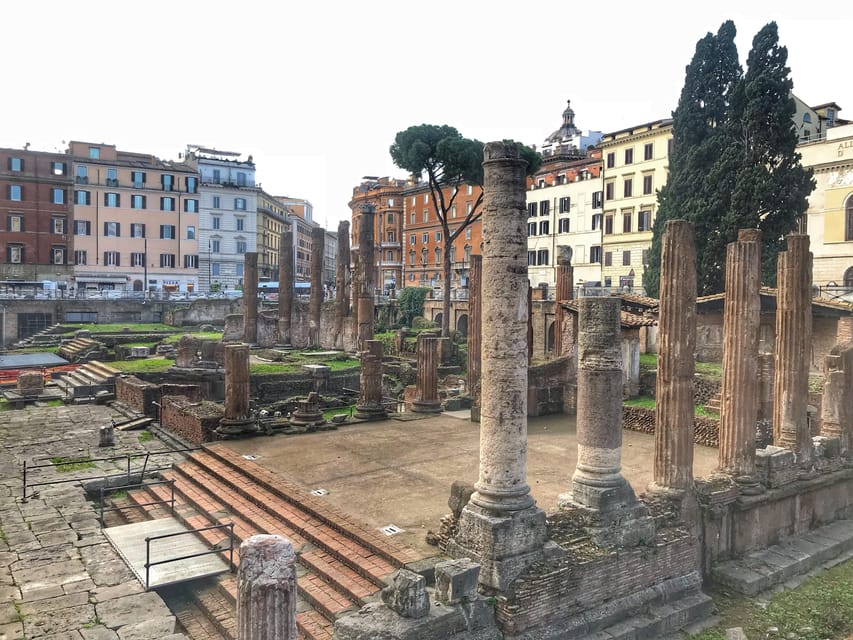
The final stop is Largo di Torre Argentina, also called Area Sacra di Largo Argentina. Ancient ruins fill this archaeological site, and the tour ends nearby with gelato.
The pairing is smart. After savory food and fried items, a cold dessert gives the walk a clean finish. Gelato is also easy to enjoy on the move, so you do not need a formal seat to complete the experience.
Largo Argentina adds a major historical view at the end of the route. The ancient remains are a strong backdrop for a final explanation from the guide, although the tour is not presented as an archaeological visit with extended site access. You see the area and hear about its significance while finishing your food tasting.
The ending point is Area Sacra di Largo Argentina, not Campo de’ Fiori. That matters for planning your next stop. You are left in a useful central location, but you should organize your onward route from Largo Argentina rather than assuming you will return to the starting square.
The guides make the difference
The guides named in the feedback include Francesca, Ramona, Mattia, Barbara and Arianna. The strongest praise centers on their friendly manner, clear explanations and ability to connect each dish with local history.
That personal approach is important on a small food walk. A guide who simply hands you food would leave half the value on the table. Here, the aim is to explain Italian dining habits, the background of the neighborhoods and the story behind each sample.
Francesca was especially helpful with food explanations and with guests delayed by airport or train problems. Ramona brought strong local knowledge to the Jewish Ghetto and looked after a two-person group when no one else arrived. Arianna adjusted the route for shade during a hot day, while Barbara was praised for her cheerful personality and generous explanations.
Guide assignments can change, so you should not book expecting one particular person. The useful point is that the tour depends heavily on a live local guide, and the recorded experience suggests that the guide is one of its main strengths.
Timing, walking and comfort
The route is flat, which helps, but flat does not mean effortless. You will walk for around 2.5 hours, stand during tastings and cross Roman cobbles. Wear shoes with good grip and support.
Seats are not guaranteed. This is a street-food walk, not a sit-down food tour, so you should be comfortable eating while standing or moving between stops. It is not suitable for wheelchair users or people with limited walking or standing ability.
Summer heat can make the route feel harder. A morning start gives you the market and may be more comfortable, while an afternoon start may offer a different feel in the square after the market has closed. The guide may route through shade when possible, but shade is not promised.
Pets are not allowed. The tour is offered in English, and the live guide format makes it a good choice if you want questions answered as you go rather than listening to a recording.
Dietary limits you should take seriously
Vegetarians can be accommodated only when requested in advance. You should make that request at booking rather than hoping a substitute will appear on the day.
This is not a suitable tour for vegans, people with gluten intolerance or people who need dairy-free food. Nut allergies also require care because cross contamination is possible. The food is served through several local stops, so the operator cannot promise a controlled kitchen environment.
For everyone else, the mix is appealing. You get meat, fried food, baked food and dessert, with small wine and beer samples. If you do not drink alcohol, the main attraction remains the food and neighborhood walk, but the included drink tastings will not add much value to your visit.
Who gets the best value from $41
I consider $41 good value if you want to combine lunch with sightseeing. Five food stops plus a guide-led walk through Campo de’ Fiori, Via del Biscione, Via dei Chiavari, the Jewish Ghetto and Largo Argentina would cost more to arrange as separate visits, especially if you would otherwise pay for several tastings.
The value is less clear if you want a long restaurant meal, large drinks or a focused Jewish culinary tour. Drinks beyond the included sips cost extra, seating is limited and the Jewish Ghetto has one principal food highlight rather than a full series of tastings.
The tour suits first-time Rome visitors, food-focused couples, families who can manage the walking and anyone who wants a useful orientation to central Rome. It also works well early in a trip, since the guide’s advice about Italian food and dining habits can help with later meals.
Should you book this Rome street-food tour?
Book it if you want a friendly, active introduction to Roman eating, especially if pizza, salami, supplì, fried artichoke and gelato sound like a better lunch than a single restaurant table. The combination of food and streets is the real appeal, and the guide’s stories give the route more purpose.
Choose a morning departure if seeing Campo de’ Fiori’s food market matters to you. Choose another experience if you need accessible walking, guaranteed seating, vegan or gluten-free food, or a deeper focus on Jewish Ghetto cuisine.
For most flexible eaters, $41 is a sensible spend. You finish near Largo Argentina, fed well enough for the afternoon and better prepared to understand what you are ordering for the rest of your time in Rome.
FAQ
How long does the Rome street-food tour last?
The tour lasts 2.5 hours, including walking, sightseeing and food tastings.
Where does the tour begin?
Meet your English-speaking guide under the statue of Giordano Bruno in the middle of Campo de’ Fiori.
Where does the tour finish?
The tour finishes at Area Sacra di Largo Argentina, also known as Largo di Torre Argentina.
What food do you taste?
The tastings include Roman pizza, artisanal cured meat, supplì, fried artichoke and gelato. Morning tours may also include olive oil, truffles and balsamic vinegar at the local market.
Are drinks included?
A sample of wine and a sample of beer are included. Other drinks are not included.
Can vegetarians join the tour?
Yes, a vegetarian option can be provided if you request it in advance. Vegan, gluten-free and dairy-free options are not available.
Is the tour suitable for wheelchair users?
No. The tour is not suitable for wheelchair users or people with limited walking or standing capacity. The route is flat but includes cobblestones, standing and no guaranteed seating.
Just added around Rome
- Rome: 3-Hour Guided Food Tour with Tastings★ 4.9 · 41 reviews
- Rome: Vegan Street Food Tour with Local Guide★ 5.0 · 37 reviews
- Rome: Trastevere Wine Tasting with Food Pairing and Gelato★ 4.9 · 168 reviews
- Rome: Vatican Street Food and Wine Tour with Farmers Market★ 5.0 · 37 reviews
- Rome: Trionfale and Prati Food and Wine Tasting Tour★ 4.8 · 115 reviews
- Rome: Trastevere & Tiber Island Street Food Tour at Sunset★ 4.9 · 71 reviews
- Rome Trastevere Walking Food Tour★ 4.8 · 97 reviews
- Rome: The Ultimate Trastevere Food Tour with a Local★ 4.9 · 114 reviews
Food Tours in Rome, compared.
Rome Twilight Trastevere Food Tour by Eating Europe
Read our review →
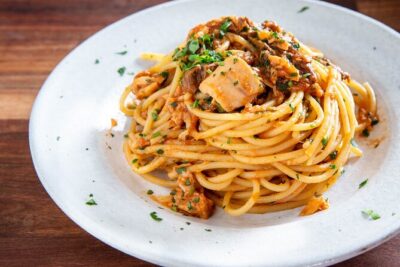
Rome Food Tour: Unlimited Tastings with Fine Wine & Barolo
Read our review →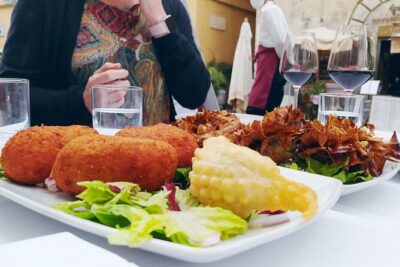
Rome Food Tour: Campo de’ Fiori, Ghetto, Trastevere Winner 2024
Read our review →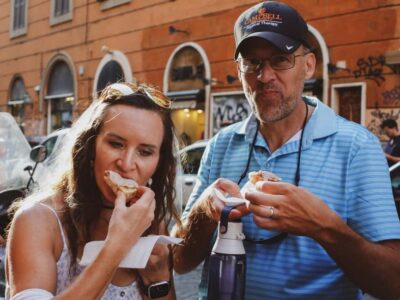
Guided Food Walking Tour with Wine in Trastevere
Read our review →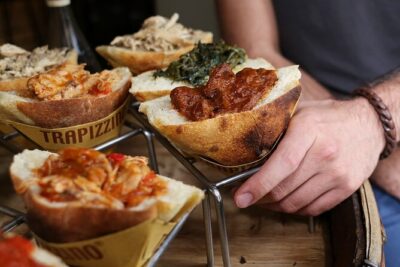
Trastevere Food tour with Free-Flowing Fine Wine
Read our review →
Trastevere & Campo de Fiori Street Food Walking Tour
Read our review →Browse the lists this tour appears in