
REVIEW · ROME
Rome: Italian Food and Wine Guided Tasting Experience
Rome: Italian Food and Wine Guided Tasting Experience
Rome’s food story comes in small, delicious portions here: best-in-Rome pizza, 30-year aged balsamic vinegar, black truffle, buffalo mozzarella, gelato, and free-flowing DOCG wine. Rather than sitting down to one large meal, you move through three gourmet venues and taste a broad sweep of Italian specialties.
I like two things right away. The food is varied, so you can compare cheese, cured products, sauces, oils, sweets, and wine in one evening. I also like the guide-led format. Guides such as Irene, Tina, Edoardo, Giorgia, and Liz have been praised for their humor, warmth, and clear explanations. The main consideration is that three venues mean some movement between stops, and transportation between them is not provided.
Key points
- Three food venues in Rome: Taste your way through several gourmet stops rather than spending the whole evening in one restaurant.
- A wide Italian tasting menu: Expect pizza, gelato, Parmigiano Reggiano, Asiago, truffle, pesto, mozzarella, sun-dried tomatoes, and olive oil.
- Free-flowing DOCG wine: Prosecco and red wine accompany the food, with discussion of how to judge quality.
- Guides who shape the evening: Irene, Tina, Edoardo, Giorgia, Liz, and other English-speaking hosts have led lively, personal tastings.
- Easy starting point: Meet at La Nicchia Cafe, just a one-minute walk from Cipro Metro Station.
- Good value for serious eaters: The three-hour experience costs $66.79 per person and includes both food and wine.
A Roman food tour built around tasting, not sightseeing
This is a food education wrapped inside a social evening. You meet at La Nicchia Cafe, near the Cipro Metro stop, then visit three gourmet venues in Rome’s food-focused area. The activity returns to the same meeting point at the end.
That structure matters. You are not simply handed a plate and left to guess what you are eating. Your guide explains the products in front of you, answers questions, and shares tips you can use during the rest of your time in Rome. You learn how Italian ingredients differ in quality, not just how to pronounce their names.
The tone is informal. Edoardo, for example, has been singled out for mixing food history with jokes and a friendly manner. Giorgia is known for making the experience feel tied to Roman life, while Liz has a way of connecting each taste to a different part of Italy. The guide may make as much difference as the menu, so this is a good fit if you like asking questions rather than quietly eating your way through a set menu.
More Food Tours in Rome
- Winner 2025 Rome Twilight Trastevere Food Tour by Eating Europe
★ 5.0 · 5,157 reviews - Rome: Street Food Tour with Local Guide
★ 4.8 · 4,077 reviews - Rome Food Tour: Unlimited Tastings with Fine Wine & Barolo
★ 5.0 · 3,365 reviews
First tastes: pizza, antipasti, and Italian staples
Pizza is one of the major early attractions. The experience promises a taste of what it presents as the best pizza in Rome, giving you a useful first point of comparison with the many slices and pies you will see around the city.
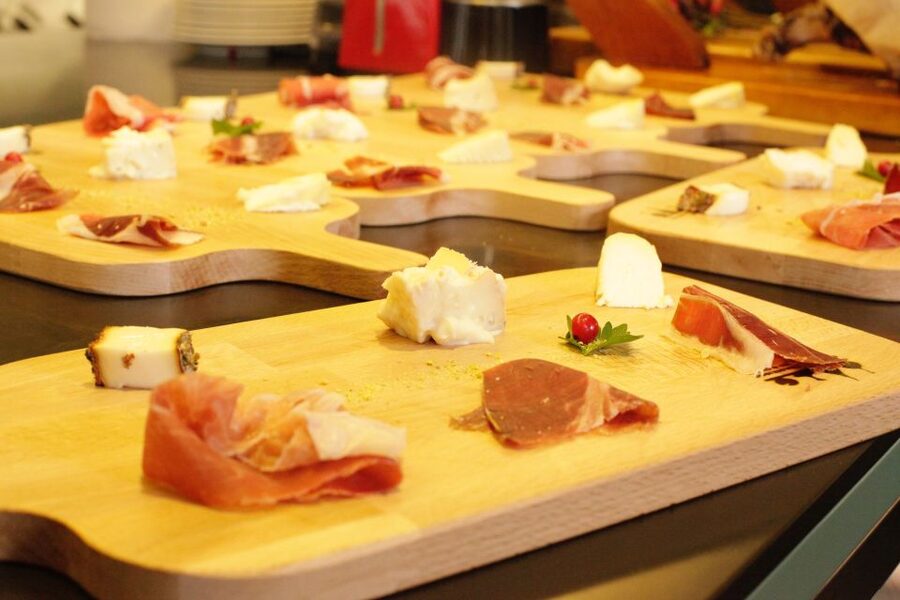
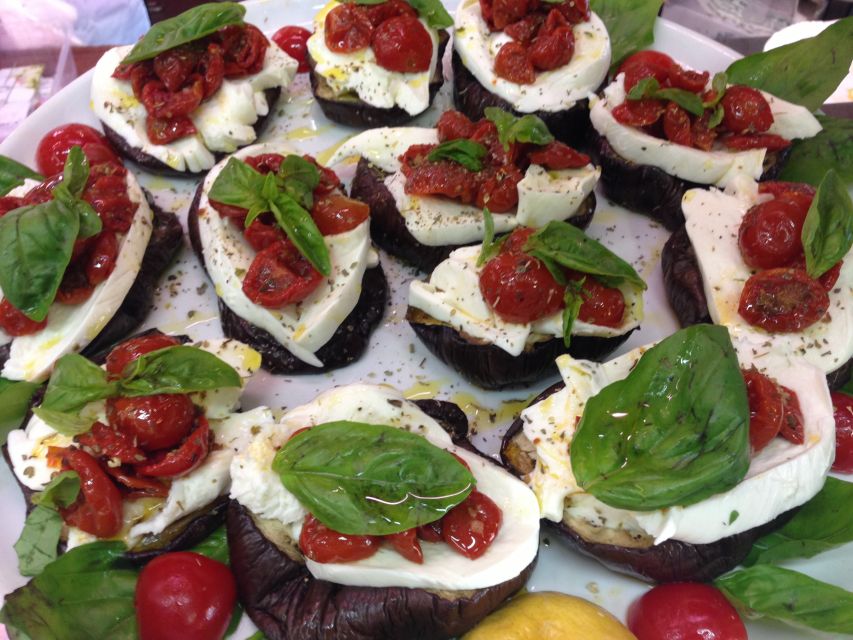
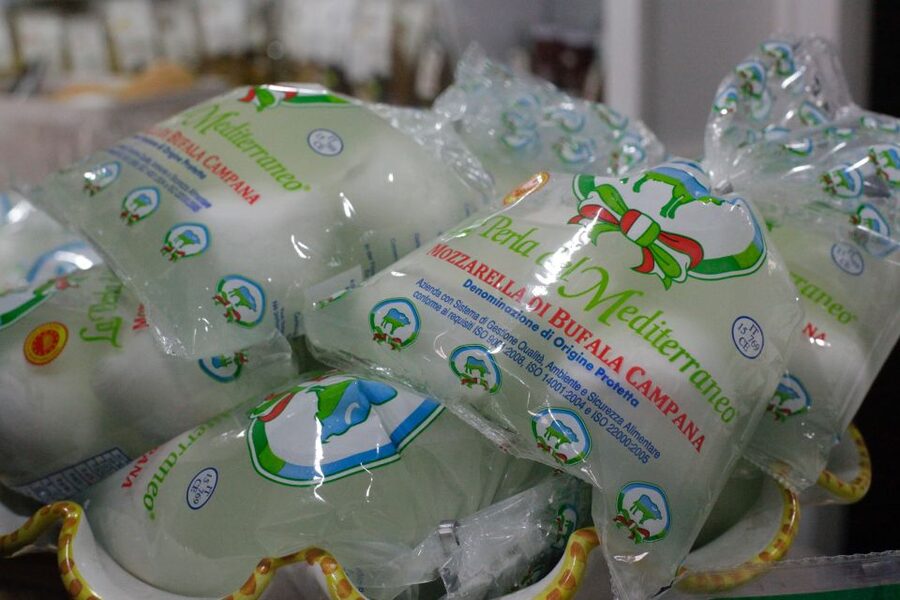
The tasting then spreads into classic antipasti and pantry staples. You might try fresh buffalo mozzarella, sun-dried tomatoes, pesto Genovese, Italian olive oil, and cured products. One guide added a surprise deli stop with several kinds of prosciutto, showing how the evening can include an extra taste beyond the advertised core selection.
This range is valuable because Italian food is not one single style. A good olive oil can be grassy or peppery. Pesto should taste fresh and herbal rather than flat. Buffalo mozzarella has a different texture and flavor from ordinary cow’s milk cheese. With a guide explaining these contrasts, you get more from each bite.
The exact order can vary, but you should expect the food to arrive in tasting portions rather than as a formal dinner course. The reviews describe plenty of food, yet you are still sampling many items in one evening. If you eat lightly, this may function as dinner. If you have a large appetite, think of it as a generous progressive tasting rather than a full restaurant meal.
The cheese course: aged balsamic and truffle
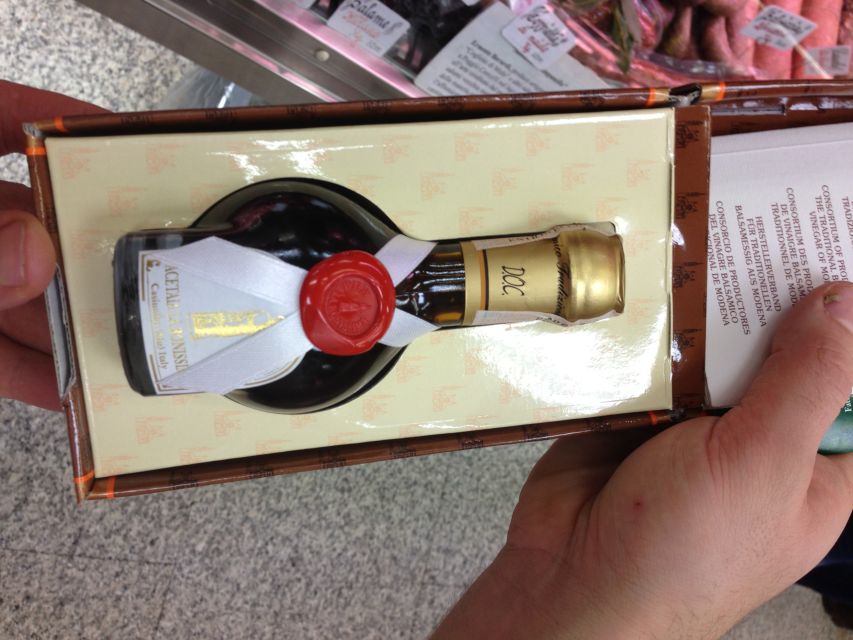
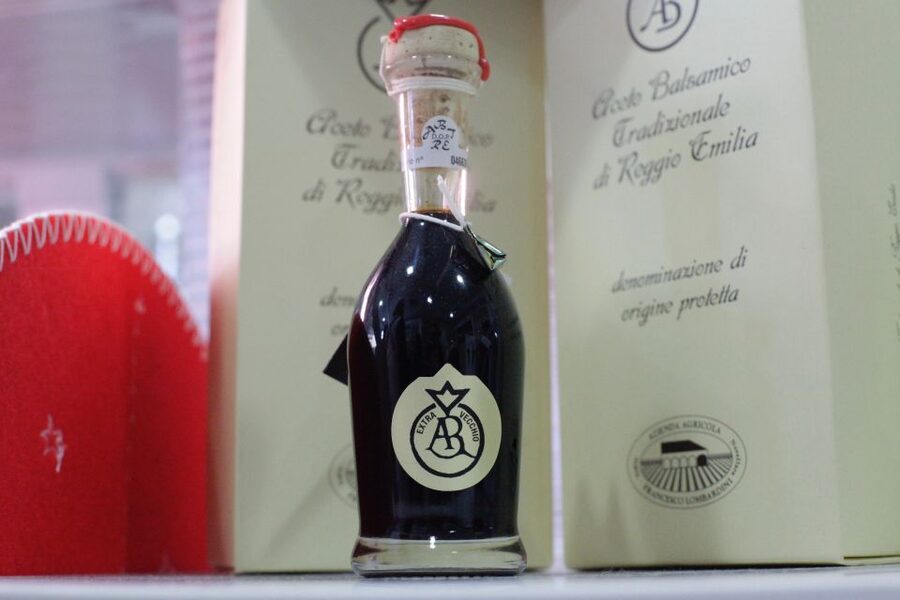
The most distinctive pairing is 30-year aged balsamic vinegar drizzled over Parmigiano Reggiano. This is a simple combination, but it shows why ingredient quality matters. The cheese brings salt and a firm, crumbly texture, while the aged vinegar adds sweetness and acidity.
You also taste pure black truffle pâté spread over Asiago. Truffle can be a strong flavor, and this format lets you try it without committing to a whole truffle dish. The experience may also include truffle-infused honey, another useful contrast between savory cheese and sweet truffle notes.
These tastings are especially helpful if you are unsure what makes a premium Italian product different from a supermarket version. You can ask about texture, production, aging, and how the ingredients are normally used. The point is not to memorize a list of labels. It is to leave with a better sense of what you actually like.
The cheese selection also works well for vegetarians. A vegetarian participant specifically enjoyed the cheese course, and the food offering includes several meat-free items such as mozzarella, pesto, olive oil, tomatoes, cheese, and gelato. Still, vegetarian needs should be stated when booking or meeting the guide, since the full selection includes cured meats.
Wine from Prosecco to DOCG reds
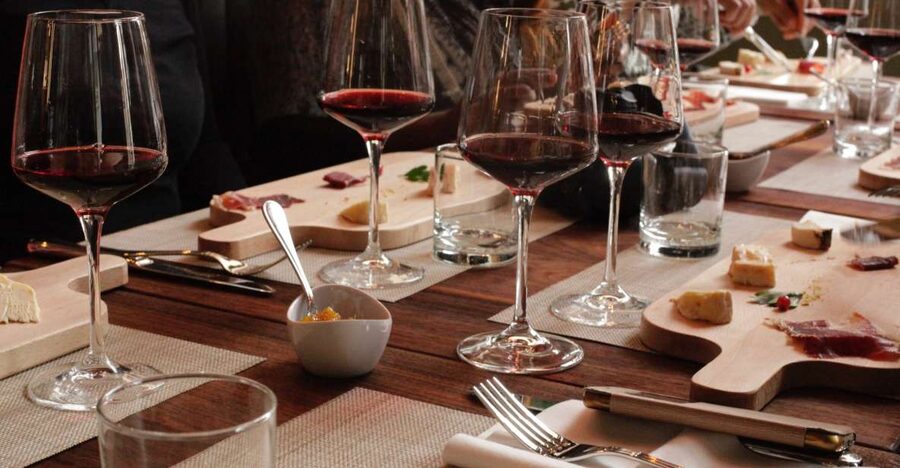
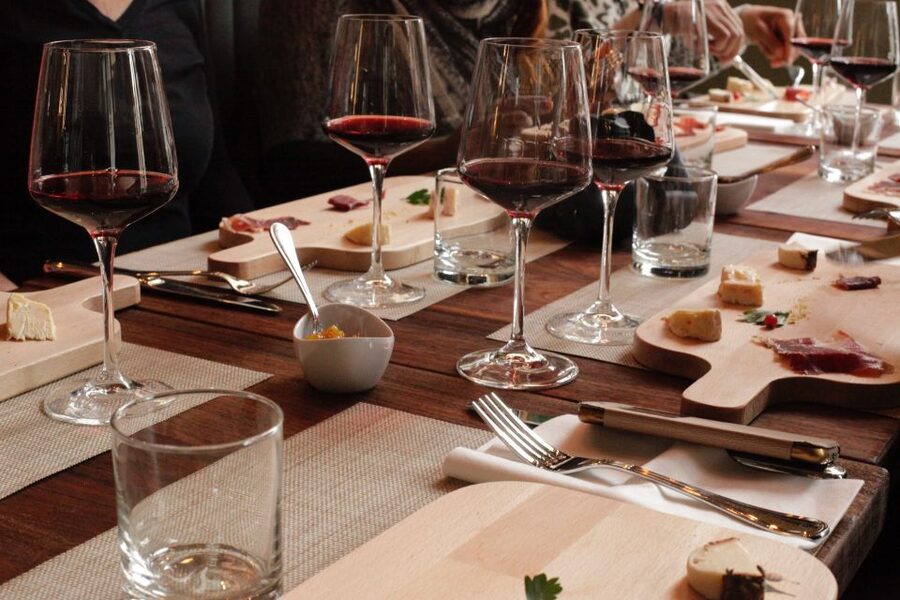
Wine is included throughout the experience, with free-flowing pours described as DOCG selections. Prosecco and red wine are both part of the tasting, giving you a chance to compare styles alongside different foods.
The wine is not just a liquid bonus. Your guide discusses what is in the glass and how it works with the food. A sweet balsamic and hard cheese call for a different balance than pizza or cured meat. That kind of pairing lesson is practical, especially if you plan to buy Italian wine later in your trip.
The wine quality appears to be a pleasant surprise for many people, with the selection described as better than expected. Still, free-flowing wine requires some judgment. Pace yourself, drink water when available, and remember that the event lasts three hours. You will taste many items, and the steady flow can add up.
Because the experience is conducted in English, you can ask direct questions about the wines. The guide can also point out terms you will see on Italian labels. This is not a formal sommelier class, but it offers enough explanation to make the wine feel connected to the meal.
More food and wine tours in Rome:
- Rome: Guided Food Walking Tour with Wine in Trastevere
★ 4.9 · 3,105 reviews - Rome: Trastevere Food tour with Free-Flowing Fine Wine
★ 5.0 · 2,853 reviews - Rome: Gourmet Food Tour with Dinner & Barolo Wine
★ 4.9 · 2,347 reviews - Rome: Award Winning Trastevere Group Food Tour with Wine
★ 5.0 · 2,273 reviews
Gelato brings the tasting to a sweet finish
Artisanal gelato provides a change of pace after the savory food and wine. It is a small but important part of the menu because gelato is one of Rome’s most recognizable treats, and tasting it alongside cheese, olive oil, and truffle gives the evening a clear finish.
The experience does not list specific flavors, so you should not expect a promised flavor or special presentation. What you can expect is a gelato stop within the larger tasting route. Your guide can help place it in the broader Italian food picture and answer questions about what you are tasting.
This final stop also helps keep the evening from feeling like one long cheese board. You move from salty and savory foods to something cold and sweet, which gives the sequence a natural rhythm.
Why the three-hour format works
Three hours is long enough to discuss the food without turning the evening into a lecture. You have time to taste, ask questions, meet other people, and move between venues.
The social element is part of the appeal. Groups include people from different countries, and the guides work to make the atmosphere friendly. Tina has been praised for warm hospitality, while Liis was noted for patiently handling many questions and making the group feel at home. That matters if you are traveling alone or want an evening with conversation rather than a private table.
The tradeoff is that the event may feel less controlled than a standard restaurant reservation. Different venues have different hosts and rhythms. One stop may be more polished, while another may feel more like a local deli visit. For me, that variety is a strength, but diners who want a quiet, fixed meal should choose a conventional restaurant instead.
You should also plan for movement. The start and end point are clear, but transportation between the food venues is not included. Since there are three stops, comfortable shoes are sensible, and you should avoid scheduling a major attraction immediately afterward.
The guide can make or break the evening
The strongest part of this experience is the human side. You are not simply tasting products selected by a company. You are hearing stories, asking questions, and getting advice for the rest of your stay in Rome.
Edoardo’s style is entertaining and informative. Irene has been described as warm and welcoming. Tina brings a strong hospitality focus, while Giorgia adds a sense of local Roman character. Liz is praised for explaining the food with passion, and Liis for being patient and approachable.
Those names are useful because they show the range of hosts connected with the experience, but you cannot choose a particular guide unless the booking system specifically allows it. Your evening will depend partly on who leads the group that day.
The guide also helps with the practical question many visitors face in Rome: how do you tell a good Italian product from an ordinary one? You may learn what to look for in cheese, olive oil, balsamic vinegar, pesto, truffle products, and wine. That advice can save you from buying attractive but mediocre food souvenirs later.
What $66.79 buys you
At $66.79 per person, the experience offers solid value if you would otherwise pay separately for dinner, wine, dessert, and several small tastings. The price includes the food, the wine, and the local English-speaking guide. You also receive the convenience of having three venues arranged for you.
The value is strongest for people who like variety. Buying one plate at one restaurant would give you more of that single dish, but not the same spread of Italian products. Here, your money covers a broad sample and an explanation of what you are eating.
The price is less compelling if you do not drink wine or dislike shared tasting formats. Wine is central to the experience, and the food is presented as a progression of samples. If you want a large main course, a private dining room, or a highly structured culinary class, this is not the right use of your budget.
You can also book now and pay later, which helps if your Rome schedule is still changing. Cancellation is free up to 24 hours before the activity for a full refund. These terms make it easier to fit the tasting into a busy city break.
Who should book this Rome tasting
I would recommend it to you if you want a friendly introduction to Italian food without spending time researching several venues yourself. It is particularly useful early in a Rome visit, since the guide can offer food tips for the days ahead.
It suits curious eaters, couples, solo visitors, and small groups. The social format and welcoming guides make it less awkward to attend alone, while the wide menu gives couples plenty to discuss and compare.
Vegetarians have several good choices, especially in the cheese and produce selections, but should identify their needs in advance. People with strict allergies should ask for confirmation before booking, since the supplied information does not detail allergy procedures or ingredient substitutions.
The activity is wheelchair accessible, though the precise route between venues is not described. If you use a wheelchair, confirm the movement between stops when booking so the evening matches your needs.
Meeting point and planning tips
Meet at La Nicchia Cafe. From Cipro Metro Station, it is a one-minute walk, which makes the start simple even if you are new to Rome.
The tour lasts three hours, but starting times vary. Check the available time before booking, then leave enough space around the tasting for transport and a relaxed evening. Since the activity ends back at the meeting point, you have a clear place to return to after the final stop.
I would avoid eating a full meal beforehand. The menu includes pizza, cheese, cured foods, mozzarella, tomatoes, sauces, gelato, and wine, so arriving hungry lets you enjoy more of the selection. At the same time, do not arrive with the expectation of a single huge dinner plate. This is a long tasting with many small experiences.
Ask questions. The guides are there to explain the products, and the best value comes from learning what you can use later. Ask about olive oil, balsamic vinegar, cheese aging, truffle products, wine labels, and where to find good food during the rest of your Rome stay.
Should you book it?
Book this experience if you want a generous, social tasting with wine and a wide menu of Italian specialties. The three-venue format, guide commentary, and strong attention to quality make it more useful than simply ordering random plates around town.
Skip it if you want a quiet dinner, a private culinary lesson, or guaranteed transport between every stop. For most food-focused visitors, though, $66.79 is a fair price for three hours of eating, drinking, and learning, especially if you schedule it near the start of your Rome stay and use the guide’s advice afterward.
FAQ
Where does the Italian food and wine tasting begin?
The experience begins at La Nicchia Cafe in Rome. The cafe is a one-minute walk from Cipro Metro Station.
Where does the activity end?
The tasting ends back at the meeting point, La Nicchia Cafe.
How long does the experience last?
The activity lasts three hours. Starting times vary, so check availability for the date you want.
What language is the tour conducted in?
The live tour guide speaks English. English is the listed tour language.
What food can I expect to taste?
The tasting includes pizza, artisanal gelato, 30-year aged balsamic vinegar, Parmigiano Reggiano, black truffle pâté, Asiago, buffalo mozzarella, sun-dried tomatoes, pesto Genovese, Italian olive oil, truffle-infused honey, and other Italian specialties.
Is wine included?
Yes. Food and wine tastings are included, with free-flowing DOCG wine. Prosecco and red wine are included among the selections.
Is the activity wheelchair accessible?
Yes, the activity is listed as wheelchair accessible. The exact route between the three venues is not specified.
Can I cancel for a refund?
You can cancel up to 24 hours in advance for a full refund. You can also reserve now and pay later.
Just added around Rome
- Rome: 3-Hour Guided Food Tour with Tastings★ 4.9 · 41 reviews
- Rome: Vegan Street Food Tour with Local Guide★ 5.0 · 37 reviews
- Rome: Trastevere Wine Tasting with Food Pairing and Gelato★ 4.9 · 168 reviews
- Rome: Vatican Street Food and Wine Tour with Farmers Market★ 5.0 · 37 reviews
- Rome: Trionfale and Prati Food and Wine Tasting Tour★ 4.8 · 115 reviews
- Rome: Trastevere & Tiber Island Street Food Tour at Sunset★ 4.9 · 71 reviews
- Rome Trastevere Walking Food Tour★ 4.8 · 97 reviews
- Rome: The Ultimate Trastevere Food Tour with a Local★ 4.9 · 114 reviews
Food Tours in Rome, compared.
Rome Twilight Trastevere Food Tour by Eating Europe
Read our review →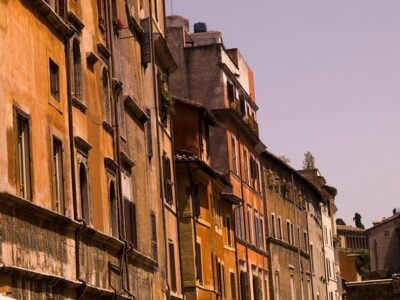
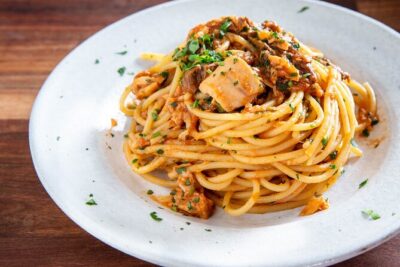
Rome Food Tour: Unlimited Tastings with Fine Wine & Barolo
Read our review →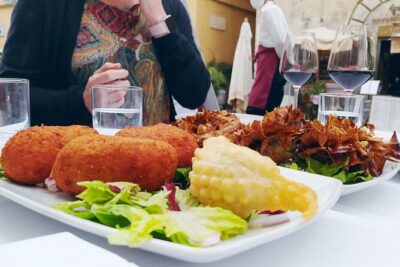
Rome Food Tour: Campo de’ Fiori, Ghetto, Trastevere Winner 2024
Read our review →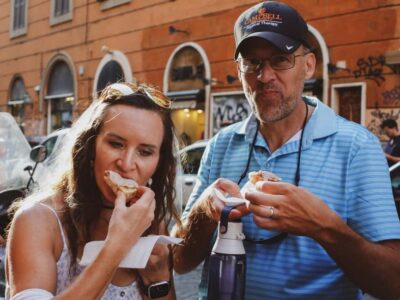
Guided Food Walking Tour with Wine in Trastevere
Read our review →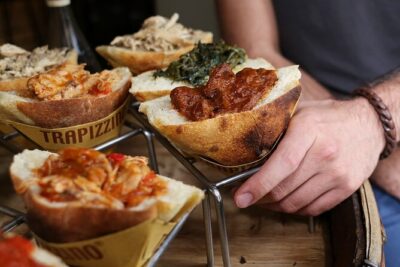
Trastevere Food tour with Free-Flowing Fine Wine
Read our review →
Trastevere & Campo de Fiori Street Food Walking Tour
Read our review →Browse the lists this tour appears in