
REVIEW · ROME
Rome: Food & Wine Tour of Campo de Fiori, Ghetto, Trastevere
Rome makes more sense when you eat it. This tour links Campo de’ Fiori, the Jewish Ghetto, and Trastevere through market produce, bakery fare, fried Roman snacks, pasta, wine, and gelato. It is part meal, part neighborhood walk, and part lesson in how Romans choose and share food.
I like the generous range of tastings, especially the contrast between pizza bianca with mortadella, crisp supplì, fried artichoke, Roman pasta, and gelato. I also like the small groups, capped at 15, and the way guides such as Natasha, Lisa, Mariel, and Anastasia have mixed food advice with stories about local customs and city history. The main caution is simple: this is not a good match for vegans or people with food allergies, and you should arrive hungry.
Key points at a glance
- Three neighborhoods in one walk: See Campo de’ Fiori, the Jewish Ghetto, and Trastevere through their food traditions.
- A full Roman tasting menu: Try pizza bianca with mortadella, mozzarella, salami, supplì, fried artichoke, codfish, pasta, wine, and gelato.
- Morning and afternoon options differ: Morning tours include the market, while afternoon departures replace it with a grocery shop and aperitif.
- A useful first-day activity: You finish with practical ideas about ordering food and places to return to during your stay.
- Easy walking, but no large bags: Wear comfortable shoes, bring sun protection, and expect the tour to operate in all weather.
- Good value for serious eaters: At $81 per person, the price covers many tastings, a guide, and a three-neighborhood introduction to Roman cuisine.
Why this food walk works so well in Rome
Rome is not a city where food sits apart from daily life. A market stall, a bakery counter, a family restaurant, and a centuries-old neighborhood can all tell part of the same story. This tour makes those connections clear without asking you to sit through a formal lecture.
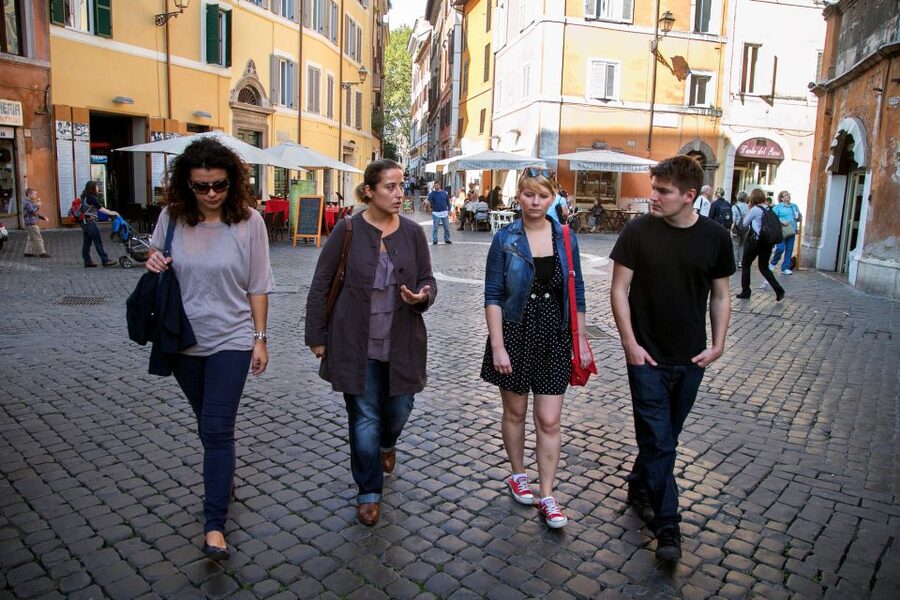
You walk between stops, eating small portions along the way. That matters because the neighborhoods become part of the meal. You see where ingredients are sold, how specialty shops present them, and how Roman dishes fit into local routines.
The tour lasts from two to three and a half hours, depending on the option booked. The longer version gives you time for more stops and conversation. The group limit of 15 is also useful. You can hear the guide, ask questions, and keep moving through narrow streets without the awkward bulk of a large coach group.
I would book this near the start of a Rome visit. Several guides have been praised for giving practical restaurant suggestions, and one of the best benefits is learning what to order later. You may save places on your phone, as many participants have done, and return for a full meal after the tour.
More Food Tours in Rome
- Winner 2025 Rome Twilight Trastevere Food Tour by Eating Europe
★ 5.0 · 5,157 reviews - Rome: Street Food Tour with Local Guide
★ 4.8 · 4,077 reviews - Rome Food Tour: Unlimited Tastings with Fine Wine & Barolo
★ 5.0 · 3,365 reviews
Campo de’ Fiori: start with Roman market life
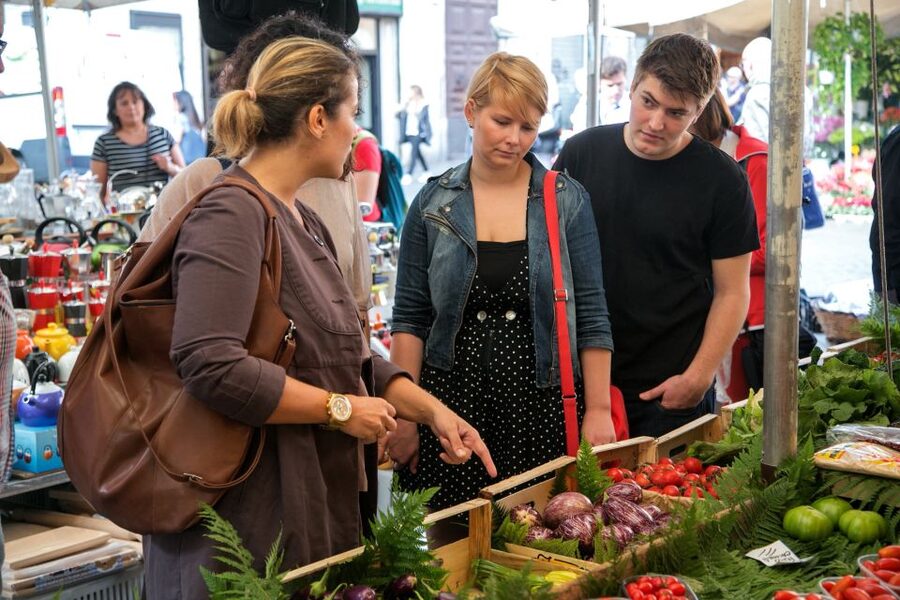
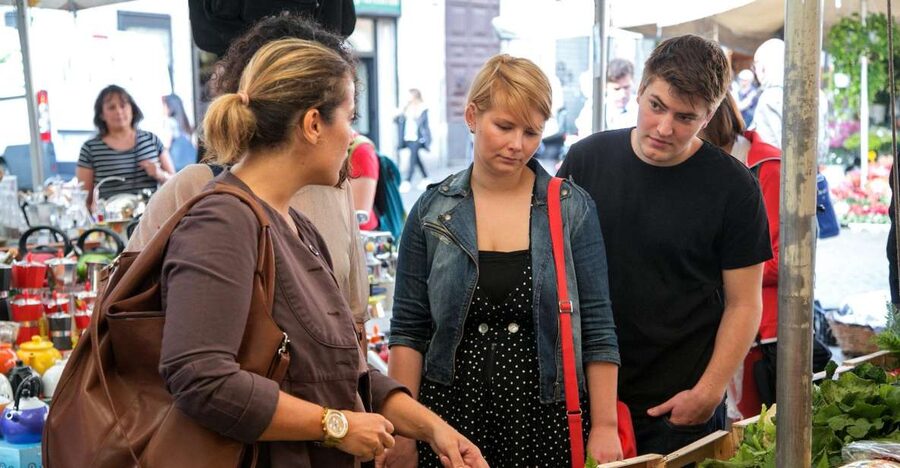
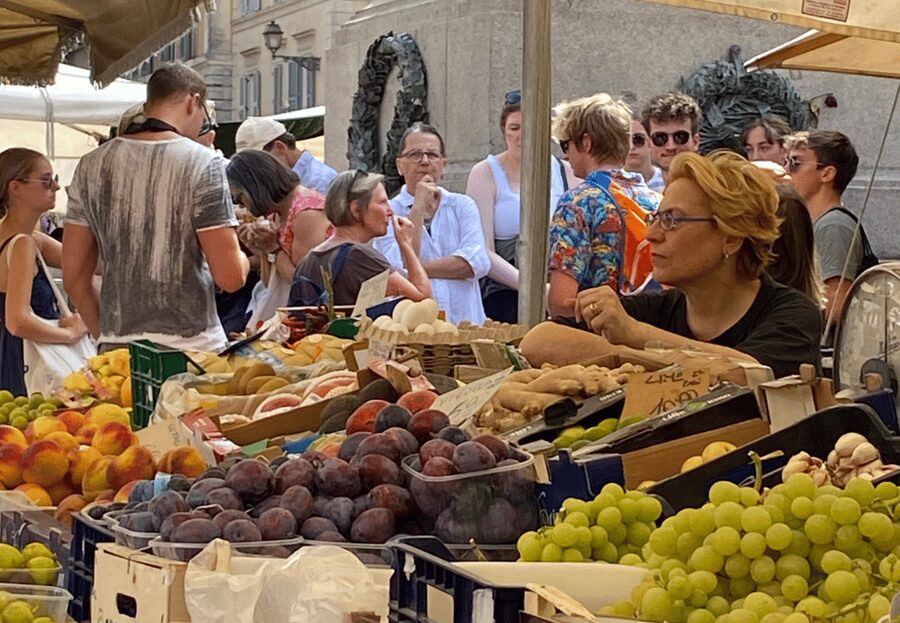
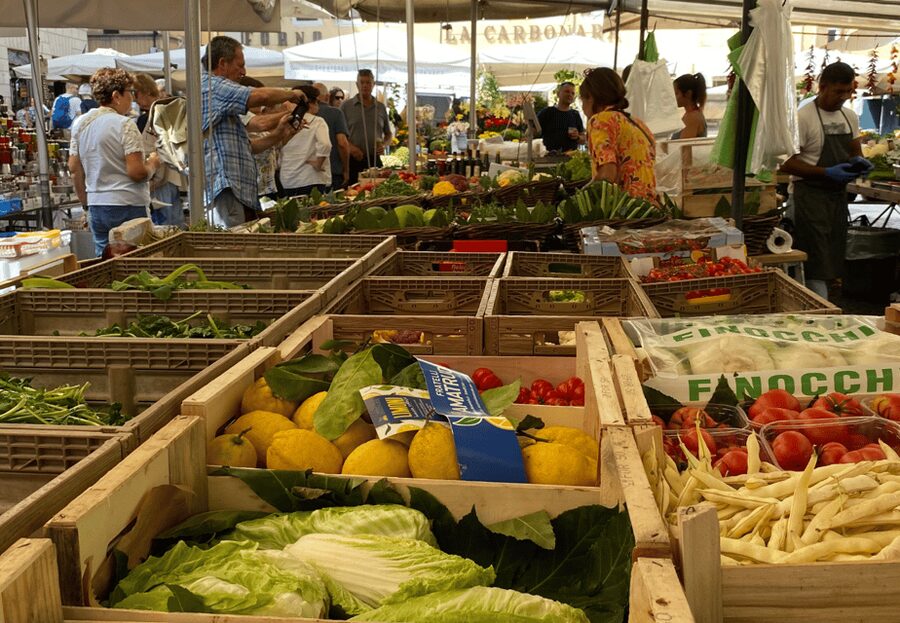
The morning option begins at Campo de’ Fiori Market, one of Rome’s best-known food stops. Expect displays of fruits and vegetables, grocery items, spices, and other market goods. The point is not simply to look at produce. Your guide explains how ingredients fit into Italian food culture and helps you notice the difference between a market built for local shopping and one aimed mainly at sightseeing.
This is also where the tour starts to connect food with place. Campo de’ Fiori is an active city square, and the market gives you a quick lesson in the visual language of Italian food: produce arranged for color, cheeses and cured meats displayed with care, and sellers offering ingredients that may later appear in Roman cooking.
One of the early tastings is pizza bianca with thin slices of mortadella. This is not the tomato-covered pizza many people expect. Pizza bianca is a soft, lightly seasoned Roman bread, and mortadella adds salt, spice, and richness. It is a classic mid-morning bite, and it gives you a better sense of Roman bakery culture than a generic pizza slice would.
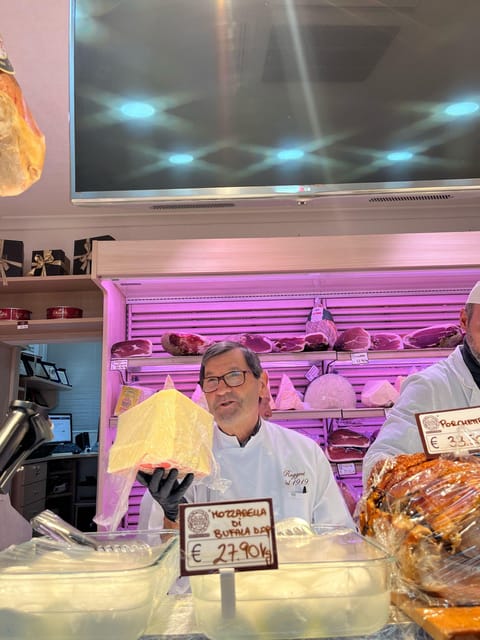
You also taste mozzarella with Roman salami. This stop is useful because it teaches you to pay attention to texture and freshness, not just strong flavor. The portions across the tour are substantial enough that breakfast can get in the way. If you choose a morning departure, eat lightly beforehand.
Afternoon tours do not include the market because of its opening hours. Instead, the market visit is replaced by a typical grocery shop and an aperitif. That is not an identical experience, so choose the morning option if the market is important to you. Choose the afternoon option if you prefer a later start and a more relaxed aperitif-style opening.
The Jewish Ghetto: food shaped by tradition
The walk then reaches Rome’s Jewish Ghetto, where food and neighborhood history become especially closely linked. This part of the route is often the most memorable because the tastings are tied to a distinct local cooking tradition rather than being a general selection of Italian snacks.
Expect several Roman specialties, including fried artichoke, supplì, and codfish. Fried artichoke is a signature dish of Roman Jewish cooking. Its appeal is direct: crisp outside, tender inside, and built around a vegetable that changes greatly when fried.
Supplì is one of Rome’s great street foods. It is a fried rice ball with tomato-seasoned rice and melted mozzarella inside. The cheese is meant to stretch when you break it open, which explains the dish’s famous nickname, supplì al telefono. It is filling, hot, and much more satisfying than its modest size suggests.
Fried codfish brings another texture to the tasting. It is a reminder that Roman food is not only pasta and pizza. The Ghetto stop gives your guide room to discuss how ingredients, faith, migration, and neighborhood customs shape what people eat.
Several guides have been praised for making this section especially engaging. Lisa has been noted for her warmth and for explaining the Ghetto’s past, while Natasha and Mariel have been singled out for combining food explanations with local history. The exact guide varies, but the tour is designed around that food-and-place connection.
The Ghetto is also a good reason to take this walk before choosing every restaurant for your holiday. You get an introduction to dishes you might otherwise pass over on a menu. If fried artichoke is in season, it can be a highlight. Outside the season, the tour still offers other typical foods, but you may not find the artichoke at its best.
Trastevere: pasta, wine, and a proper finish
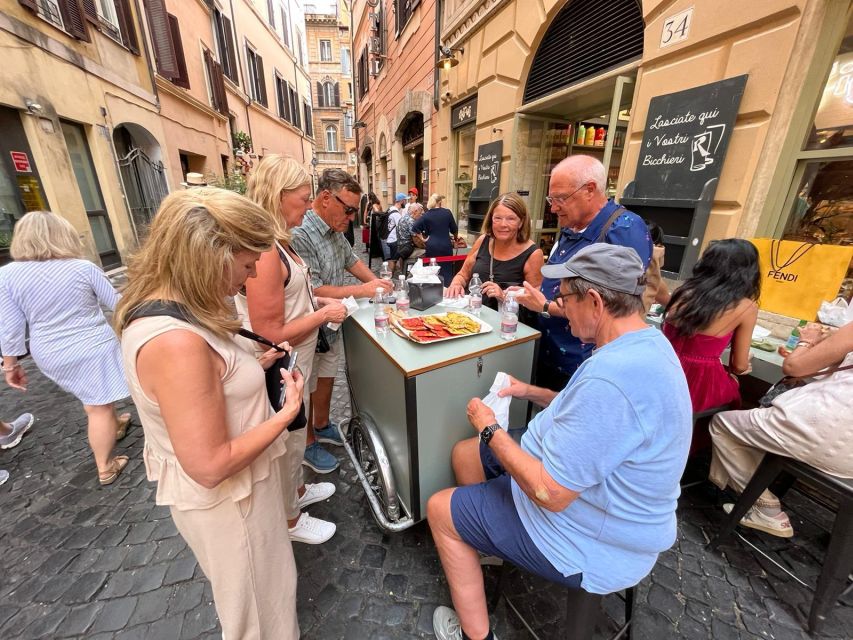
The final neighborhood is Trastevere, where the tour moves toward traditional restaurants, pasta, and gelato. This section gives you a chance to sit, share food, and compare what you have tasted earlier with more complete Roman dishes.
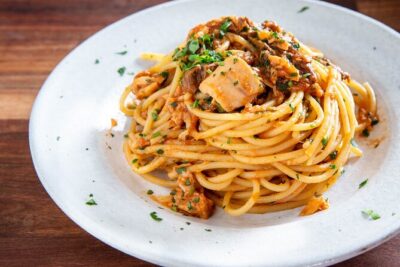
The pasta tasting is a useful stop for anyone who loves Italian food but is unsure what separates excellent pasta from ordinary pasta. Your guide discusses preparation, ingredients, and the role of pasta in Roman meals. The details may help you read menus more confidently later, especially when choosing among familiar-looking dishes.
Wine is included at the food stops, adding another Roman dining custom to the lesson. This is not presented as a separate wine seminar. Instead, wine forms part of the meal and gives you a sense of how Roman food is commonly enjoyed in company.
The last stop is gourmet gelato in Trastevere. After fried foods, bread, cheese, salami, pasta, and wine, the cold finish is welcome. The tour emphasizes quality gelato, so your guide may point out signs that help you distinguish carefully made gelato from a shop that relies on artificial colors or overly high displays. Those details have practical value because gelato shops are everywhere in Rome.
Trastevere also makes a pleasant setting for the end of the walk. The streets and small squares provide a change of pace from the market and Ghetto, and you can finish with a short list of places to revisit. Several people have said they returned to stops from the tour later, which is one sign that the food is not merely included to fill time.
More food and wine tours in Rome:
- Rome: Guided Food Walking Tour with Wine in Trastevere
★ 4.9 · 3,105 reviews - Rome: Trastevere Food tour with Free-Flowing Fine Wine
★ 5.0 · 2,853 reviews - Rome: Gourmet Food Tour with Dinner & Barolo Wine
★ 4.9 · 2,347 reviews - Rome: Award Winning Trastevere Group Food Tour with Wine
★ 5.0 · 2,273 reviews
How much food do you actually get?
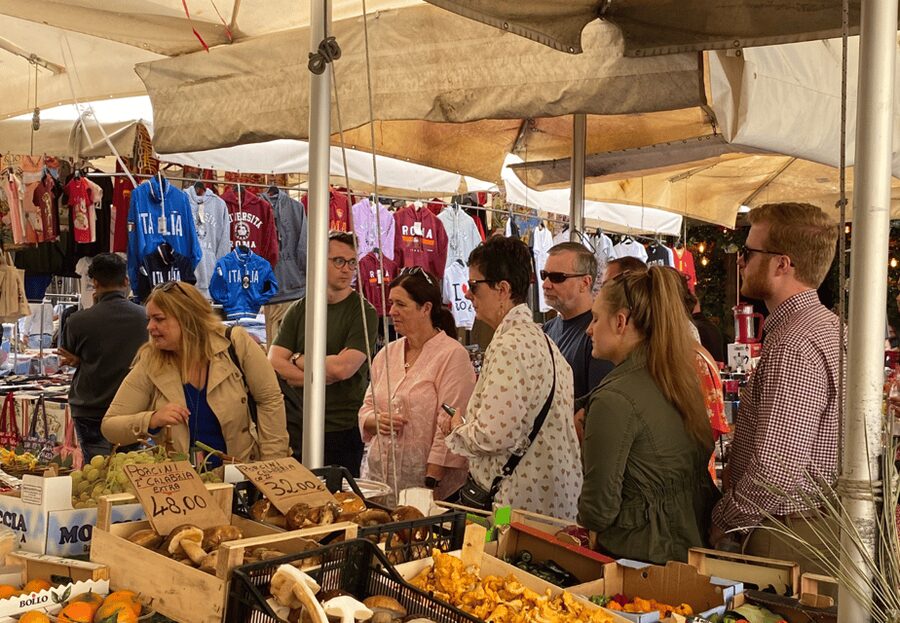
This is a tasting tour, but do not mistake that for tiny samples. The route includes pizza bianca, mortadella, mozzarella, salami, fried artichoke, supplì, codfish, pasta, wine, and gelato. The exact portions and sequence can vary, yet the repeated warning is clear: you may be full before the final stop.
That makes the $81 price easier to assess. You are paying for much more than a sandwich and a scoop of gelato. The fee covers a substantial range of food, a guided walk through three central neighborhoods, historical background, and advice you can use for the rest of your trip.
It is not the cheapest way to eat in Rome if your only goal is calories. You could buy individual snacks for less. But recreating this route on your own would require finding the right shops, knowing what to order, managing several purchases, and understanding why each item matters. For first-time visitors, the guide’s local judgment is a meaningful part of the price.
The experience also works well for solo visitors. A food walk gives you company without the commitment of spending an entire day with a group. Couples and families can enjoy it too, though children or picky eaters may find the range of unfamiliar dishes less appealing.
Guides, group size, and the pace of the walk
The guide is central to the experience. Names vary by departure, with past tours led by Natasha, Lisa, Mariel, Anastasia, Valeria, Gloria, Federica, Chiara, and others. The strongest pattern is a guide who can explain both the food and the neighborhood without making the walk feel like a classroom.
You should expect an English-speaking guide who keeps the group moving between stops and makes time for questions. The pace has been described as comfortable, with bathroom opportunities along the way. Still, this is a walking tour through city streets, so comfortable shoes matter more than stylish ones.
A group of up to 15 people is small enough for conversation but not necessarily intimate. You may be eating with couples, families, and solo visitors from several countries. That mix can be part of the fun, especially at shared restaurant stops.
The tour operates in all weather. Rome’s heat can make daytime walking tiring, particularly in summer, so pack sunglasses, a hat, sunscreen, and water as appropriate. An umbrella is also sensible. Large bags and luggage are not allowed, so leave your suitcase at your accommodation.
Important limits before you reserve
This tour is not suitable for wheelchair users, people with food allergies, or vegans. The provider cannot guarantee accommodations for special food restrictions, so do not assume that substitutions will be available.
Vegetarians should ask before booking. One past vegetarian participant was accommodated successfully, but the official conditions do not promise this for every departure. If you avoid meat, fish, or particular ingredients, contact the provider first and explain exactly what you need.
The market is available only on the morning option. Afternoon tours visit a grocery shop and include an aperitif instead. Check the meeting point carefully because it can vary with the option you select.
Cancellation is flexible up to 24 hours before the tour for a full refund, and you can reserve now and pay later. These policies are useful if your Rome schedule is still changing, but the main booking decision should be your appetite, food restrictions, and preferred time of day.
Is this tour worth booking?
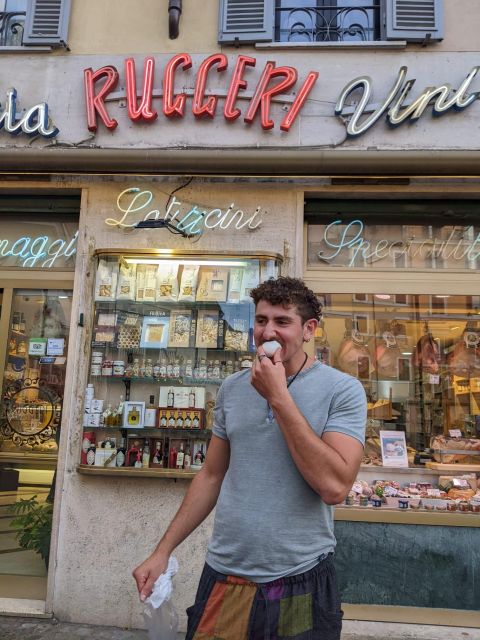
I would book this tour if you want a practical introduction to Roman food rather than a simple list of famous sights. It is especially useful on your first or second day, when restaurant advice, ordering tips, and neighborhood orientation can shape the rest of your stay.
Choose the morning departure if Campo de’ Fiori Market is a priority. Choose the afternoon departure if you want a later start and do not mind replacing the market with a grocery shop and aperitif.
Skip it if you have serious allergies, follow a vegan diet, cannot walk comfortably, or prefer to explore restaurants entirely on your own. For everyone else, $81 is a fair price for the quantity of food, the three-neighborhood route, and the chance to learn what makes Roman dishes Roman. Arrive hungry, wear sensible shoes, and leave room for gelato.
FAQ
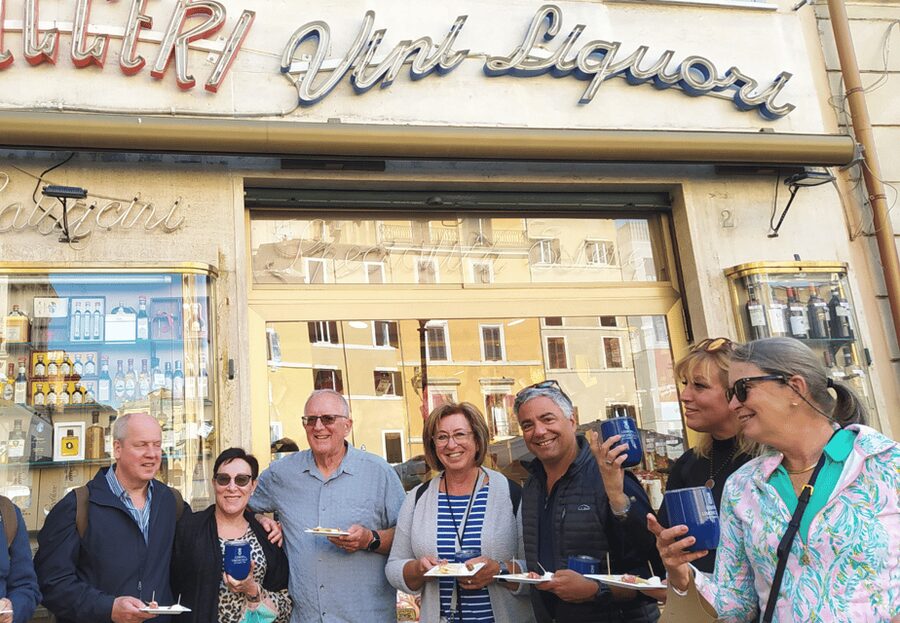
How long does the Rome food and wine tour last?
The activity lasts between two and three and a half hours, depending on the option booked. Check the available start times when selecting your departure.
Which neighborhoods does the tour visit?
The route includes Campo de’ Fiori, the Jewish Ghetto, and Trastevere.
Is Campo de’ Fiori Market included on every departure?
No. The morning option includes Campo de’ Fiori Market. The afternoon option replaces the market visit with a typical grocery shop and aperitif because of market opening hours.
What food is included?
Included tastings feature pizza bianca with mortadella, mozzarella with Roman salami, fried artichoke, supplì, codfish, pasta, wine, and gourmet gelato. The exact food sequence can vary.
Is the tour conducted in English?
Yes. The tour has a live English-speaking guide.
How large is the group?
The walking tour has a maximum of 15 people. A private group option is also available.
Can people with food allergies or vegan diets join?
The activity is not suitable for people with food allergies or vegans. The provider cannot guarantee accommodations for special food restrictions.
What should I bring to the tour?
Bring comfortable shoes, sunglasses, a sun hat, sunscreen, and an umbrella. Luggage and large bags are not allowed.
Just added around Rome
- Rome: 3-Hour Guided Food Tour with Tastings★ 4.9 · 41 reviews
- Rome: Vegan Street Food Tour with Local Guide★ 5.0 · 37 reviews
- Rome: Trastevere Wine Tasting with Food Pairing and Gelato★ 4.9 · 168 reviews
- Rome: Vatican Street Food and Wine Tour with Farmers Market★ 5.0 · 37 reviews
- Rome: Trionfale and Prati Food and Wine Tasting Tour★ 4.8 · 115 reviews
- Rome: Trastevere & Tiber Island Street Food Tour at Sunset★ 4.9 · 71 reviews
- Rome Trastevere Walking Food Tour★ 4.8 · 97 reviews
- Rome: The Ultimate Trastevere Food Tour with a Local★ 4.9 · 114 reviews
Food Tours in Rome, compared.
Rome Twilight Trastevere Food Tour by Eating Europe
Read our review →
Rome Food Tour: Unlimited Tastings with Fine Wine & Barolo
Read our review →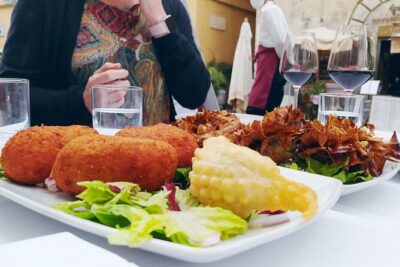
Rome Food Tour: Campo de’ Fiori, Ghetto, Trastevere Winner 2024
Read our review →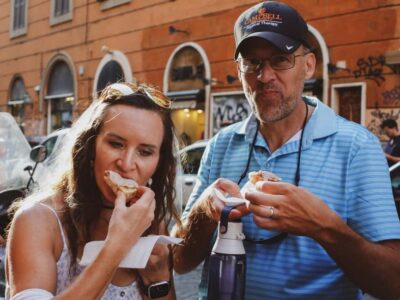
Guided Food Walking Tour with Wine in Trastevere
Read our review →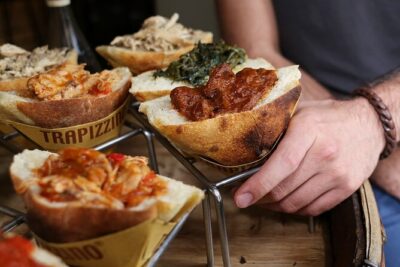
Trastevere Food tour with Free-Flowing Fine Wine
Read our review →
Trastevere & Campo de Fiori Street Food Walking Tour
Read our review →Browse the lists this tour appears in