
REVIEW · ROME
Rome: Food Tour and Wine Tasting in a Traditional Trattoria
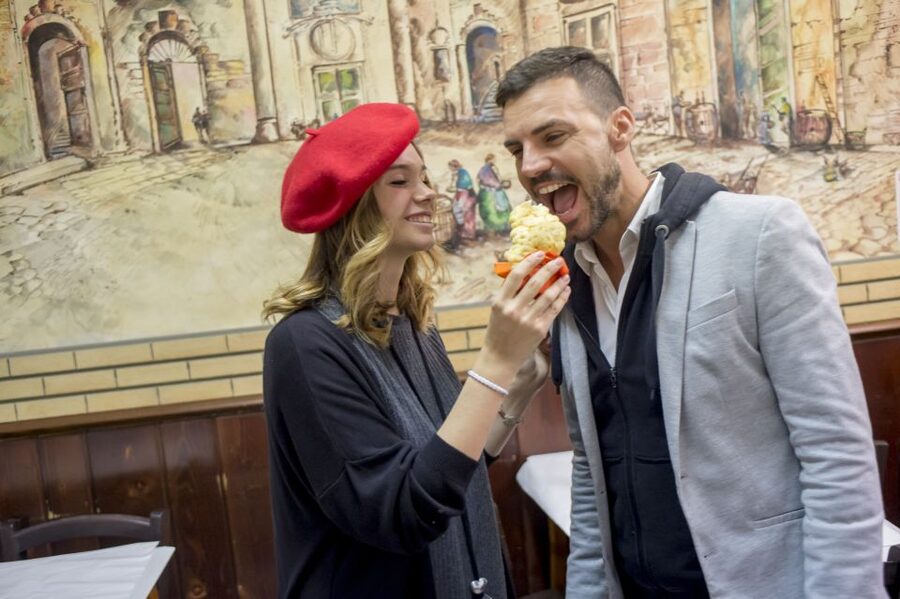
Rome’s best food lesson may be the one that keeps moving. This four-hour walk starts at Campo de’ Fiori, winds through the city center, and ends over a proper Roman meal in Trastevere. Along the way, you taste fried baccalà, supplì, pizza by the slice, cured meats, cheese, and several wines, not just admire them from behind a shop window.
I like two things right away. First, the tour gives you a useful introduction to Roman staples, including cacio e pepe and amatriciana, while also explaining where they fit in local life. Second, the route connects food with neighborhoods, stories, and evening streets, so you see parts of central Rome you might otherwise skip. The main caution is simple: this is a large amount of food and a moderate amount of walking, and some groups have numbered more than 20 people.
Key details before you book
- A four-hour food walk from Campo de’ Fiori to Trastevere: You meet in front of La Carbonara and finish with gelato in Trastevere.
- Roman specialties rather than generic Italian fare: The menu includes Jewish-Roman fried cod, supplì, cacio e pepe, amatriciana, and fried zucchini flowers.
- Wine is part of the meal: Tastings include carefully selected Italian wines, including wines with protected production and origin.
- A generous dinner at the end: Expect an antipasto, two first courses, fried zucchini flowers, and two wine pairings at the restaurant stop.
- Guides make a major difference: Catia and Fiammetta are especially praised for food knowledge, local stories, warmth, and practical Rome tips.
- Best for flexible eaters who can walk: The tour is not wheelchair accessible, and dietary needs should be given when booking.
From Campo de’ Fiori, Rome begins on a plate

You meet your English-speaking guide in Campo de’ Fiori, in front of La Carbonara. This is a sensible starting point because you are already in the middle of Rome’s historic center, with a lively square, narrow streets, and plenty of places to pause for a quick explanation.
The route is not a formal sightseeing tour with a long list of monuments. Instead, your guide uses the walk between food stops to explain Rome’s odd stories, local habits, and neighborhood character. That balance matters. You get enough context to understand what you are eating without spending the evening standing still while dinner grows cold.
Several guides have received especially strong praise over time. Catia is often described as warm, proud of her Roman roots, and generous with suggestions for the rest of your stay. Fiammetta is praised for her energy, food knowledge, and ability to make a group feel like friends at dinner. Francesca and Cecilia have also led enjoyable outings.
The exact personality of your evening depends on the guide assigned to your group. That is normal for a food tour. What you can count on is a live guide in English and a route built around small eateries, food shops, and a sit-down restaurant.
More Food Tours in Rome
- Winner 2025 Rome Twilight Trastevere Food Tour by Eating Europe
★ 5.0 · 5,157 reviews - Rome: Street Food Tour with Local Guide
★ 4.8 · 4,077 reviews - Rome Food Tour: Unlimited Tastings with Fine Wine & Barolo
★ 5.0 · 3,365 reviews
Cured ham, cheese, and the first glass of wine
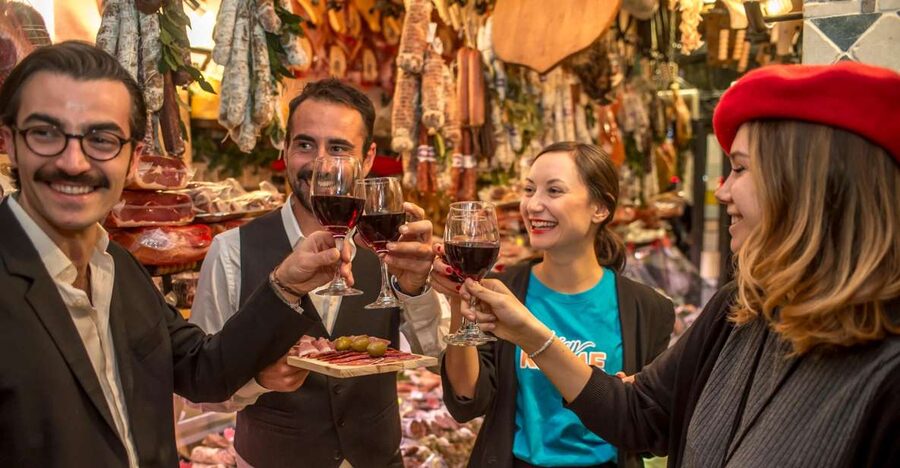
One of the early tastings takes place at Viola, where you try a selection of Italian ham and cheese. This is a modest course, but it is an important one. Italian food is often about the quality of a few ingredients, and cured meat with regional cheese shows that better than a complicated dish.
Your guide can explain the difference between types of cold cuts and the fact that Italian cheese is not one single style. The selection may include cheeses from different Italian areas, giving you a quick lesson in how much the country varies from region to region.
This is also where the wine pairing begins to make sense. You are not simply drinking wine alongside food. You are learning how a salty cured meat, a firm cheese, and a local Italian wine can work together.
The stop at an historic cheese shop is particularly useful if you want to buy food later in your trip. You can ask questions about what to look for, which varieties travel well, and how the cheese differs from familiar supermarket versions. Since exact products can vary, think of this as a guided tasting rather than a fixed cheese board.
Fried baccalà at Dar Filettaro
At Dar Filettaro, the focus is fried baccalà, or salted cod. This dish has Jewish-Roman roots and is one of the more distinctive foods on the route. The cod is crisp outside and tender inside, with a savory flavor that pairs neatly with a glass of Italian wine.
I like this stop because it takes you away from the usual pizza-and-pasta picture of Rome. Baccalà is tied to the city’s long Jewish culinary tradition, and the guide’s explanation gives the tasting some weight without turning it into a lecture.
The portion is one part of a much larger evening, but do not mistake that for a light snack tour. The food adds up quickly. If you arrive after a full meal, you may find yourself negotiating with the next course before the tour has properly begun.
Pizza by the slice and the Roman street-food lesson
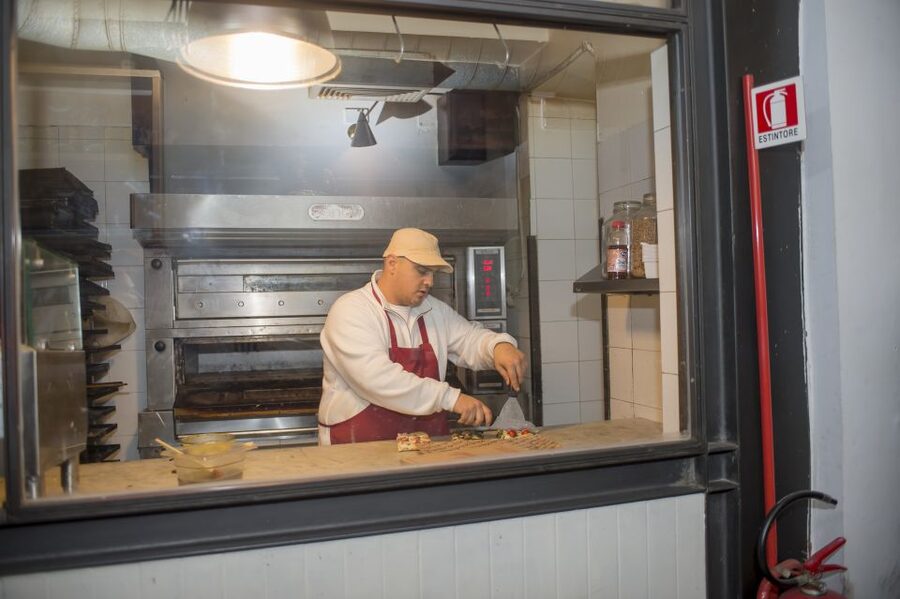
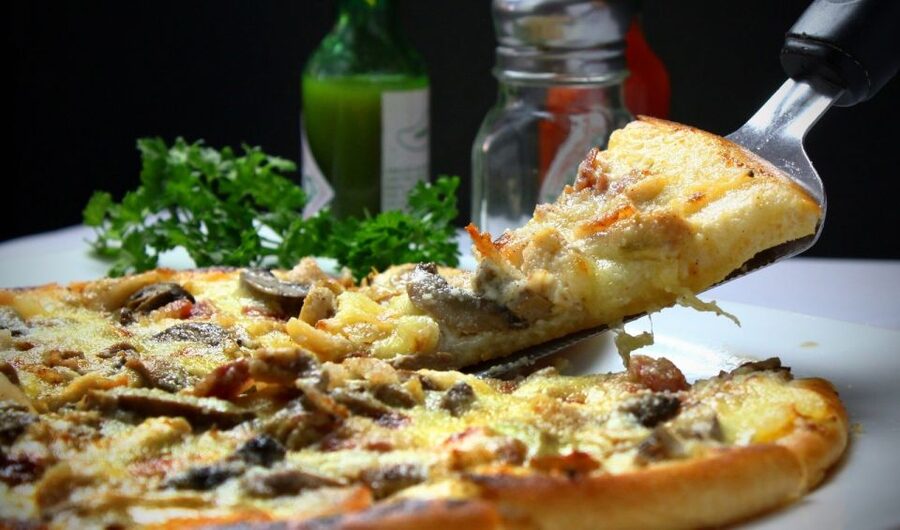
Pizza by the slice is another key stop. Roman pizza al taglio is sold in rectangular pieces, usually cut to order and priced by weight or portion. The style works well on a walking tour because you can eat it without a knife and fork, then keep moving.
The point here is not to compare every pizza style in Italy. It is to see how Romans use food shops for quick, satisfying meals. Your guide also helps place pizza alongside other everyday foods on the route, so you are tasting the city as people eat it rather than only ordering famous restaurant dishes.
The tour also includes wine along the way, though the precise pours and food sequence may vary. You should expect several tastings rather than one single pairing at the final restaurant.
More food and wine tours in Rome:
- Rome: Guided Food Walking Tour with Wine in Trastevere
★ 4.9 · 3,105 reviews - Rome: Trastevere Food tour with Free-Flowing Fine Wine
★ 5.0 · 2,853 reviews - Rome: Gourmet Food Tour with Dinner & Barolo Wine
★ 4.9 · 2,347 reviews - Rome: Award Winning Trastevere Group Food Tour with Wine
★ 5.0 · 2,273 reviews
Supplì at Da Venanzio in Trastevere
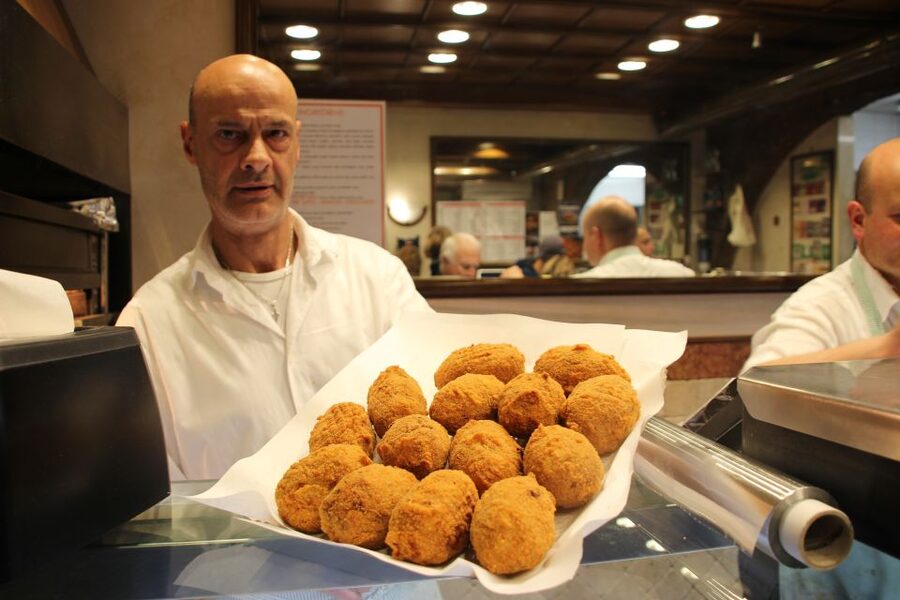
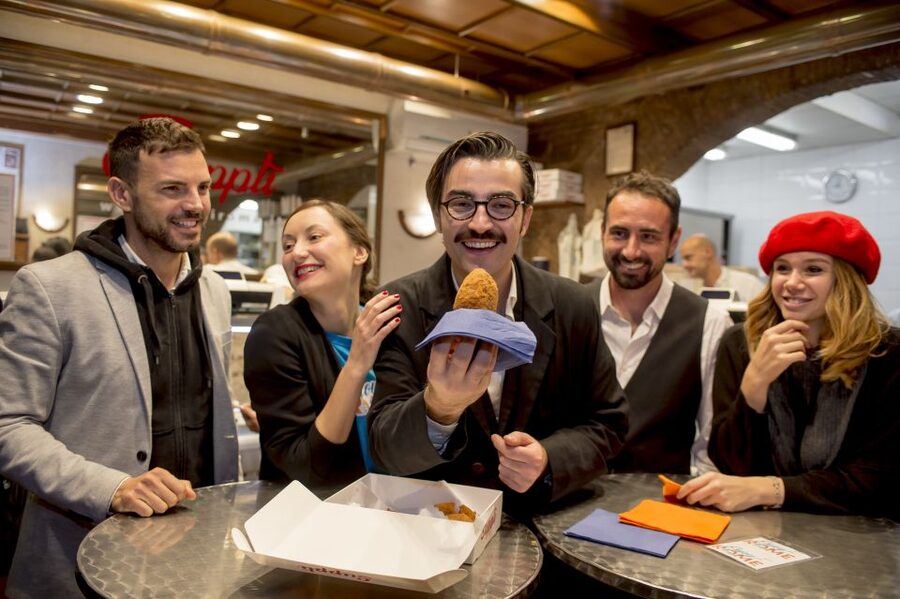
In Trastevere, Da Venanzio serves supplì, one of Rome’s best-known fried snacks. These rice balls are filled with tomato-seasoned rice and melted mozzarella, then fried until the outside is crisp.
A good supplì gives you several textures in one bite: crunchy coating, soft rice, hot tomato flavor, and stretchy cheese. It is filling, so pace yourself. You still have the main restaurant meal ahead.
This stop also shows why the route works better than a single restaurant dinner. You try foods from different kinds of places, each with its own role in Roman eating. A food shop, a fried-cod counter, a pizza stop, a supplì specialist, and a traditional trattoria tell different parts of the same story.
Trastevere is a fitting setting for the later part of the walk. The district is known for its restaurants and narrow streets, and the evening portion gives the tour a more social feel. One useful benefit is that you get an introduction to a neighborhood you may want to return to for dinner on another night.
The restaurant meal: cacio e pepe and amatriciana
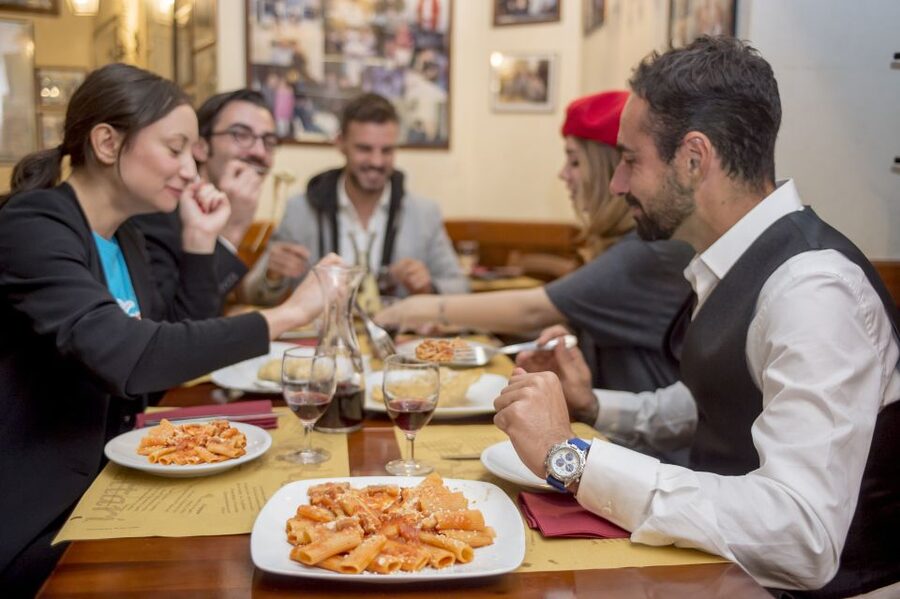
The sit-down meal is the heart of the tour. At the Ristorante Spaghetteria stop, you are served a Roman antipasto, two first courses, fried zucchini flowers, and two Italian wines.
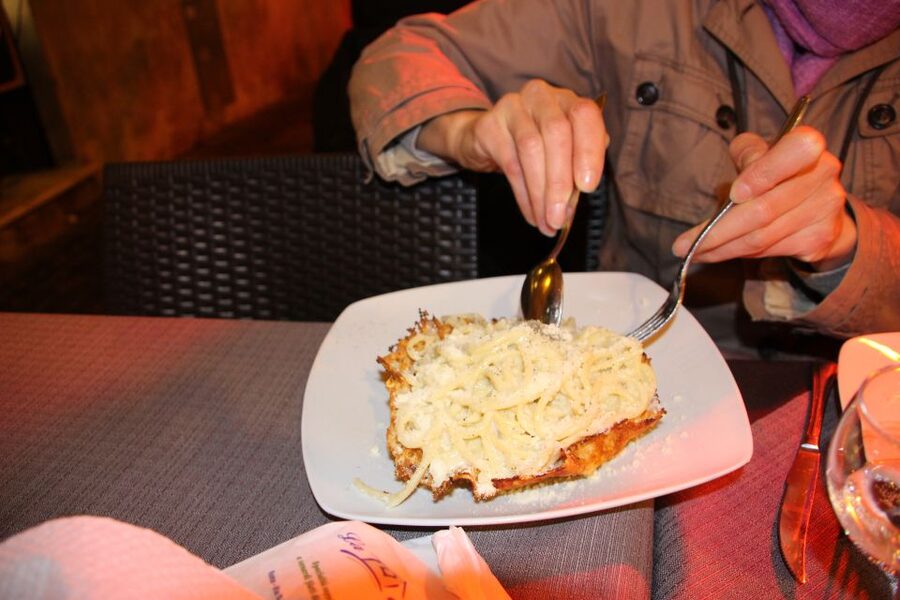
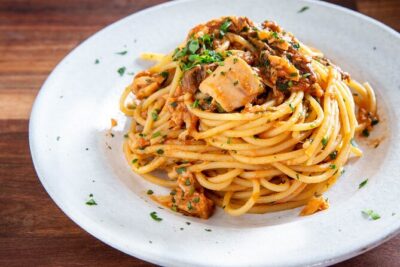
The two main pastas are cacio e pepe and amatriciana. Cacio e pepe is built from cheese and black pepper, with a creamy texture created by combining the ingredients with pasta water. It looks simple, but the balance is easy to spoil. Amatriciana brings tomato, cured pork, and a fuller savory flavor.
Trying both at the same meal is useful because they show two very different sides of Roman cooking. One is spare and peppery. The other is bold and tomato-based. You do not need an advanced palate to appreciate the contrast.
Fiori di zucca, or fried zucchini flowers, add a crisp vegetable course to the meal. The food is paired with two different Italian wines with protected production and origin, giving the dinner more structure than a casual glass poured without explanation.
This is also the point where the tour’s value becomes clearer. At $100 per person, you are paying for a four-hour guided route, numerous food samples, wine, and a substantial restaurant meal. The price is not a bargain if you only want a quick snack, but it is reasonable for a full evening that replaces several separate meals and includes a guide.
Several past participants have described leaving very full. Take that seriously. Eat a light lunch or early meal, and save room rather than arriving hungry after a day of sightseeing. The group pace can make it difficult to linger over every plate, so focus on tasting and asking questions rather than expecting a long, quiet restaurant dinner.
Gelato at Gunther closes the route
The final stop is Gelateria Gunther, where you choose artisanal gelato. This is the right ending for a food walk because it lets you finish with a personal choice after a long series of shared tastings.
Flavors are described as typical of the gelateria, but the available selection can change. You can use this stop to try a familiar flavor or choose something new after your guide has spent the evening introducing Roman specialties.
The gelato is not just a small extra. It gives the walk a clean finish and leaves you in Trastevere, a useful place to continue your evening. You are not returned to Campo de’ Fiori, so plan the rest of your night from Trastevere.
What the four-hour format means for you
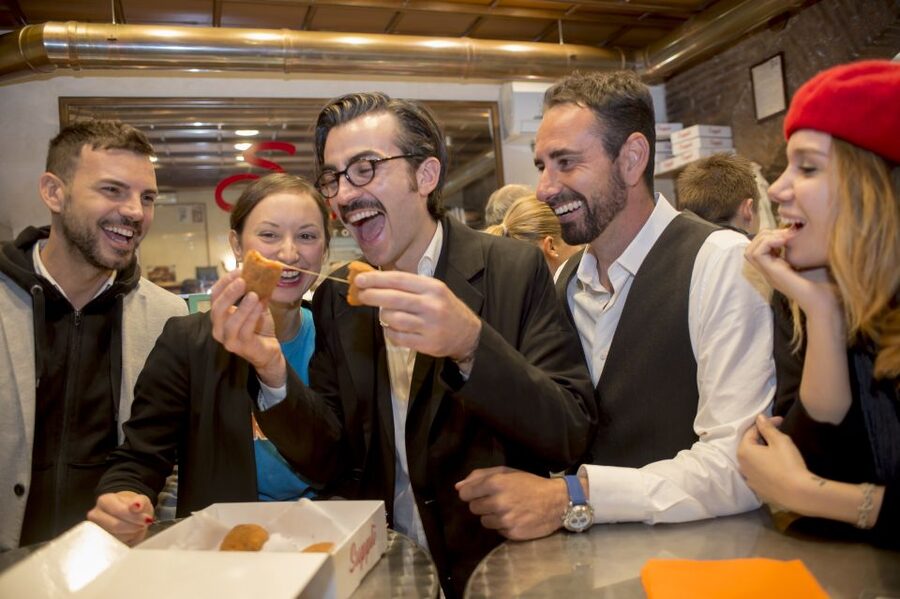
The tour lasts four hours and involves a moderate amount of walking. You move through central Rome and into Trastevere, stopping to eat rather than sitting in one place for the whole evening.
Wear comfortable shoes. This is basic advice, but it matters more here than on a standard restaurant outing. You will be walking between tastings, eating several courses, and keeping track of a group in city streets.
Group size may affect the feel of the evening. Some outings have had more than 20 people, and keeping a large group together can slow the walk and make conversations less personal. Smaller groups are better for questions and easier movement, but group size should not be assumed unless it is confirmed at booking.
The strongest part of the tour is often the guide. Catia and Fiammetta, in particular, are praised for making the food stops social and for adding history and practical advice about Rome. A strong guide turns a series of tastings into a connected evening. A weaker group dynamic could make the same route feel more hurried.
Who will enjoy this Rome food tour most
I would choose this tour for a first or second night in Rome. It gives you a quick map of the center and Trastevere, introduces the dishes you will see on menus, and offers ideas for what to order later.
It also suits people who like trying unfamiliar foods. Fried salted cod may not be on your personal list, and supplì can be easy to overlook if you do not know what it is. Here, you get a guide who can explain the dish and a group setting that makes trying something new less intimidating.
It is a good fit for solo visitors and couples who enjoy meeting people from other countries. The evening has a social side, especially during the restaurant meal. Several participants have made friends within the group, but you should still book this for the food and walking first, not as a guaranteed social event.
Families with older children may enjoy it if everyone can manage the walking and wine-focused format. It is less suitable for very young children or anyone who needs a wheelchair-accessible route. Pets are not allowed.
Dietary requirements should be provided when you book. The standard route includes meat, cheese, fish, wheat, dairy, fried foods, pasta, and wine. The available information does not promise a fully adapted menu, so ask before paying if you have a serious allergy or strict dietary rule.
Is $100 a fair price?
At $100 per person, the tour costs more than simply ordering a plate of pasta. That comparison misses the point. You are getting a four-hour route, an English-speaking guide, multiple tastings, several wines, a full restaurant meal, and gelato.
The food volume is one of the strongest reasons the price can work. You are not receiving tiny samples and then being left to find dinner. The evening includes an antipasto, two first courses, fried zucchini flowers, wine, and dessert, in addition to the earlier stops.
The value is less clear if you do not drink wine, dislike group tours, or prefer to choose your own restaurants. In that case, you may get more from spending the same money on a long Roman dinner and a separate self-guided walk.
For most first-time visitors who want an organized introduction, I consider the price fair. You save the effort of researching reliable stops, and you get context for foods that can otherwise seem simple or unfamiliar.
Practical advice for a better evening
Arrive at Campo de’ Fiori with time to find the meeting point in front of La Carbonara. The tour does not include hotel pickup or drop-off, so you handle your own way to the square and your own journey home from Trastevere.
Do not schedule another major dinner afterward. The route is designed to feed you steadily, and the final pasta courses come after several earlier tastings.
Tell the guide about dietary needs at booking, not at the first food stop. This gives the operator a chance to explain what can and cannot be changed.
Keep your expectations flexible about the exact order of stops. The named places include Viola, Dar Filettaro, Da Venanzio, Ristorante Spaghetteria, and Gelateria Gunther, while the walking route also includes pizza by the slice and other tastings. Food availability and group timing can affect the sequence.
Cancellation is flexible if your plans change: you can cancel up to 24 hours in advance for a full refund. You can also reserve and pay later, which helps when your Rome schedule is still shifting.
Should you book it?
Book this Rome food tour if you want a generous meal, several wine tastings, and a guided walk linking Campo de’ Fiori with Trastevere. The strongest reasons are the range of Roman classics, the substantial restaurant stop, and guides such as Catia and Fiammetta who add local stories and practical advice.
Skip it if you need a quiet dinner, cannot walk comfortably, or have strict dietary needs that cannot be confirmed in advance. Also think twice if you want a small group, since some outings have been larger than 20 people.
For most food-minded visitors, this is a strong first-night choice. Come hungry but not ravenous, wear good shoes, and treat the evening as both dinner and a neighborhood orientation. At the end, you should know what supplì is, how cacio e pepe differs from amatriciana, and where to return when you want another meal in Trastevere.
FAQ
Where does the Rome food tour begin?
You meet your English-speaking guide in Campo de’ Fiori, in front of the restaurant La Carbonara.
Where does the tour finish?
The route finishes in the Trastevere district after gelato at Gelateria Gunther.
How long does the food and wine tour last?
The tour lasts four hours and includes walking between food stops.
What foods are included?
The tastings include fried baccalà, Italian ham and cheese, pizza by the slice, supplì, cacio e pepe, amatriciana, fried zucchini flowers, and artisanal gelato.
Is wine included?
Yes. Wine is included at several stops, including pairings with the food and two different Italian wines at the restaurant meal.
Is the tour wheelchair accessible?
No. The tour is not wheelchair accessible and involves a moderate amount of walking.
Can I cancel for a refund?
Yes. You can cancel up to 24 hours in advance for a full refund. You can also reserve now and pay later.
Just added around Rome
- Rome: Trastevere and Campo de Fiori Food Tour★ 4.9 · 23 reviews
- Rome E-Bike Tour: Ultimate Street Food and Market Feast★ 4.9 · 50 reviews
- Rome: Award-Winning Roman Food Tours★ 4.9 · 189 reviews
- Alfredo alla Scrofa Restaurant in Rome: Eat Like a Star★ 4.5 · 357 reviews
- Rome Food Experience Max 6 People Group Tour | w/Private Option★ 5.0 · 516 reviews
- Appian Way & Aqueducts small group e-bike tour(catacombs & food)★ 5.0 · 531 reviews
- Rome All in One: Trastevere Food Tour, Dinner & Drinks★ 4.9 · 838 reviews
- Rome Private Food Tour with 6 or 10 Tastings★ 4.5 · 902 reviews
Food Tours in Rome, compared.
Rome Twilight Trastevere Food Tour by Eating Europe
Read our review →
Rome Food Tour: Unlimited Tastings with Fine Wine & Barolo
Read our review →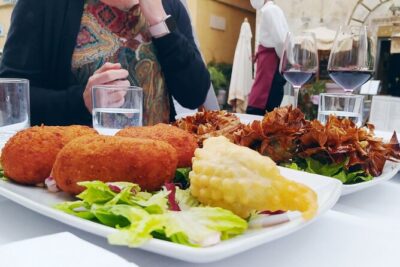
Rome Food Tour: Campo de’ Fiori, Ghetto, Trastevere Winner 2024
Read our review →
Guided Food Walking Tour with Wine in Trastevere
Read our review →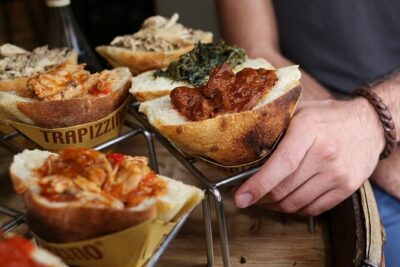
Trastevere Food tour with Free-Flowing Fine Wine
Read our review →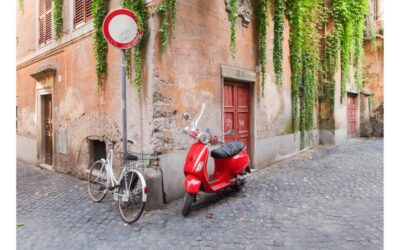
Trastevere & Campo de Fiori Street Food Walking Tour
Read our review →Browse the lists this tour appears in