
REVIEW · ROME
Rome: Eat Like a Roman Ghetto & Campo de’ Fiori Food Tour
Rome’s best food tours do more than feed you, and this one links familiar sights with the food people actually eat. In 2.5 hours, you walk from Piazza di San Simeone toward Campo de’ Fiori and the Jewish Ghetto, stopping for supplì, porchetta, Roman pizza, fried artichokes, and gelato.
I like the generous portions and the way the guide explains the food instead of simply handing it over. I also like the route, which takes you past places such as Largo di Torre Argentina, Teatro Marcello, and the Pantheon without turning into a standard monument tour. The main catch is simple: vegans and people with gluten intolerance should skip it, and the morning market portion is not available on every departure.
Quick takeaways from the Rome food walk
- Expect a full meal: The five main tastings can add up to lunch, especially with porchetta, pizza, and gelato included.
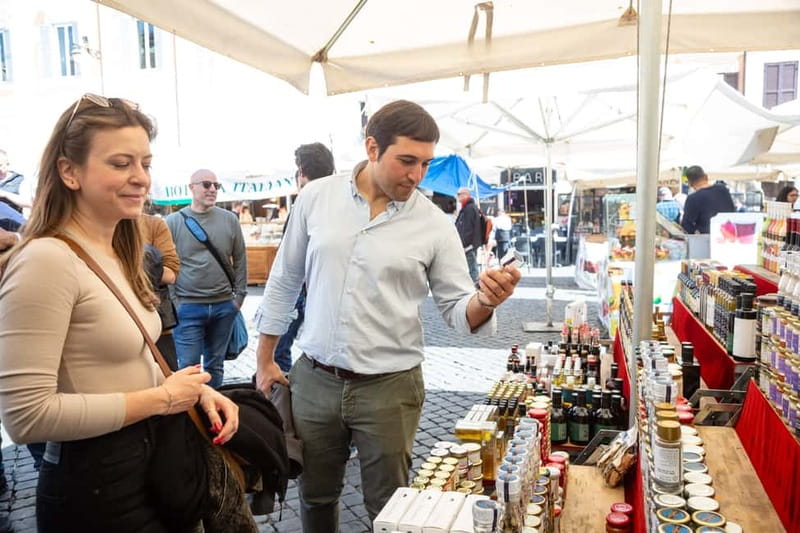
- Morning tours offer more: You may visit Campo de’ Fiori’s local market and taste olive oils, truffle products, vinegars, cheeses, and other Italian specialties.
- The Jewish Ghetto brings the strongest sense of place: Fried artichokes and the Portico d’Ottavia connect food with the neighborhood’s long story.
- Guides shape the experience: Daniele, Silvia, Matteo, Leonardo, Alessandra, Arianna, and other guides are praised for mixing food knowledge, Roman history, humor, and practical restaurant advice.
- The route is mostly easy walking: It covers central Rome on foot and is listed as wheelchair accessible, but you should still mention mobility needs when booking.
- Plan around your appetite: Eat lightly beforehand. The food is described as much more than a few token bites.
Starting near Piazza di San Simeone
The tour begins by the fountain in the middle of Piazza di San Simeone, a handy location near Piazza Navona. Your guide waits there before leading the group through central Rome.
The opening walk passes the Chiostro del Bramante. You do not stop for a full visit, so do not book this tour expecting museum time. Still, the early stretch helps set the tone: this is a walking and tasting experience, with Rome’s streets and buildings providing the backdrop between food stops.
The pace is usually relaxed rather than hurried. Guides keep the group moving while leaving room for questions, and the short distances make the route manageable for most people. You should wear comfortable shoes, since the pleasure here comes from moving between small food businesses and historic squares rather than sitting down in one restaurant.
More Food Tours in Rome
- Winner 2025 Rome Twilight Trastevere Food Tour by Eating Europe
★ 5.0 · 5,157 reviews - Rome: Street Food Tour with Local Guide
★ 4.8 · 4,077 reviews - Rome Food Tour: Unlimited Tastings with Fine Wine & Barolo
★ 5.0 · 3,365 reviews
Supplì first, then the Roman way of eating
One early stop introduces you to supplì, a deep-fried rice ball with a crisp outside and a soft, savory center. It is one of Rome’s classic quick foods, and it gives you a useful lesson in the city’s cooking: humble ingredients, careful seasoning, and a fondness for frying.
The tasting is served at a local restaurant or food stop, followed by another stop described as a smaller local specialty shop. Exact businesses can vary with the guide and schedule, but the pattern is clear. You are not simply sampling one famous dish and leaving. You get a series of Roman staples, with time to hear how they fit into daily life.
Guides such as Daniele and Leonardo have been especially well received for making these explanations lively. Daniele is also praised for being warm with children, which matters if you are traveling with a family. A 12-year-old can enjoy the food and the stories, though younger children may need help keeping up with the walking and waiting between tastings.
Porchetta, pizza, and the useful problem of too much food
The porchetta sandwich is one of the tour’s most filling stops. You get tender roast pork in a panino, with the seasoning and texture doing most of the work. Some departures have included a drink alongside the sandwich, but drinks are not listed as a standard inclusion, so I would treat that as a pleasant extra rather than something to rely on.
Next comes Roman-style pizza at a local bakery. This is generally served by the slice, and the tasting can be more substantial than the word tasting suggests. Several tour accounts describe leaving full enough to skip dinner or at least delay it, so a heavy breakfast or lunch is a mistake.
The pizza also gives the guide a chance to explain how Roman street food differs from the dishes you may encounter in a formal trattoria. You are eating while standing or walking between stops, not settling in for a long restaurant meal. That makes the tour useful on a first day in Rome, when you want food, orientation, and a sense of how the center fits together.
The drawback is that the food-heavy schedule can feel like a lot if you have a small appetite. You can tell the provider about dietary needs, and vegetarian choices are available, but the core experience is built around bread, fried food, and pork. That limits the appeal for strict vegans and anyone avoiding gluten.
Campo de’ Fiori and the morning market
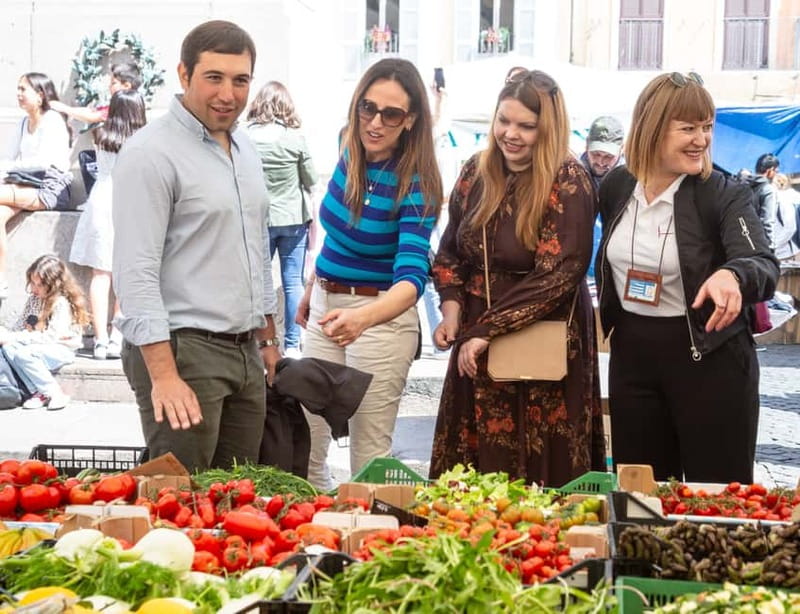
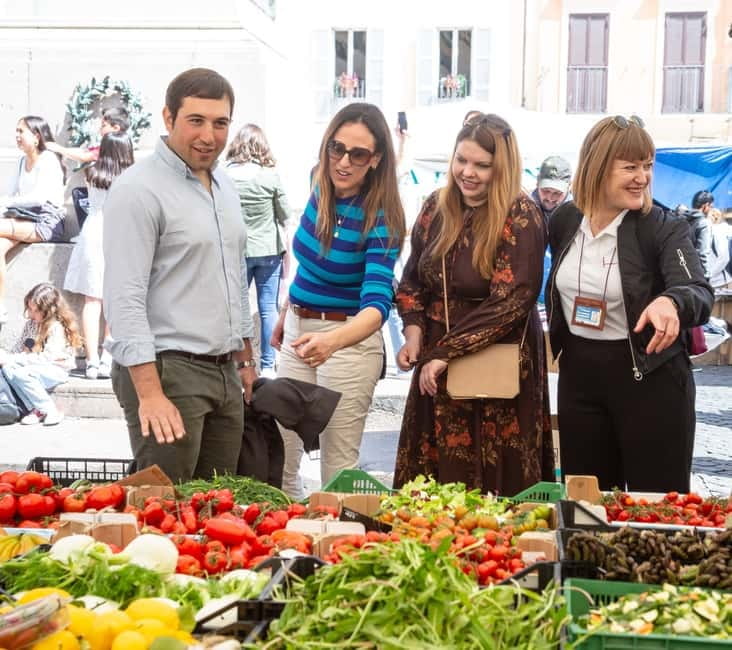
Campo de’ Fiori is one of the tour’s liveliest settings, but the experience changes depending on the start time. Morning departures include the local market, while later tours focus more on the square and nearby food stops.
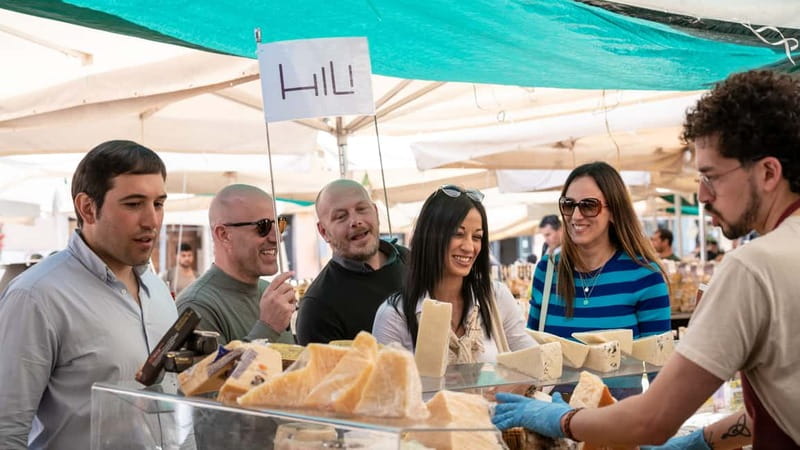
At the market, you may taste olive oils, truffle sauces, vinegars, cheeses, pistachio cream, and related Italian products. This part can feel like a small guided lesson in shopping. Your guide helps separate useful food knowledge from the usual tourist sales pitch, and you can decide for yourself if anything is worth buying.
One especially useful detail is the chance to compare products rather than just look at them. Tastings of balsamic vinegar, truffle items, pesto, and cheese give you a better idea of what you like before you spend money. Some guides also introduce the group to individual market sellers, which makes the stop more personal than a quick walk through the stalls.
I would choose the morning departure if the market matters to you. It adds variety and gives the tour a stronger connection to everyday food shopping. If you book an afternoon or evening time, you will still visit Campo de’ Fiori, but you should not expect the full market tasting.
A few more food tours around Rome worth comparing
- Rome Food Tour: Campo de’ Fiori, Ghetto, Trastevere Winner 2024
★ 5.0 · 3,205 reviews - Rome: Guided Food Walking Tour with Wine in Trastevere
★ 4.9 · 3,105 reviews - Rome: Trastevere Food tour with Free-Flowing Fine Wine
★ 5.0 · 2,853 reviews - Rome: Trastevere & Campo de Fiori Street Food Walking Tour
★ 4.9 · 2,768 reviews
The Jewish Ghetto and carciofo alla Giudia
The route then moves toward Rome’s Jewish Ghetto, one of the most rewarding parts of the walk. The neighborhood is important not only for its buildings and religious history, but also for its distinctive cooking traditions.
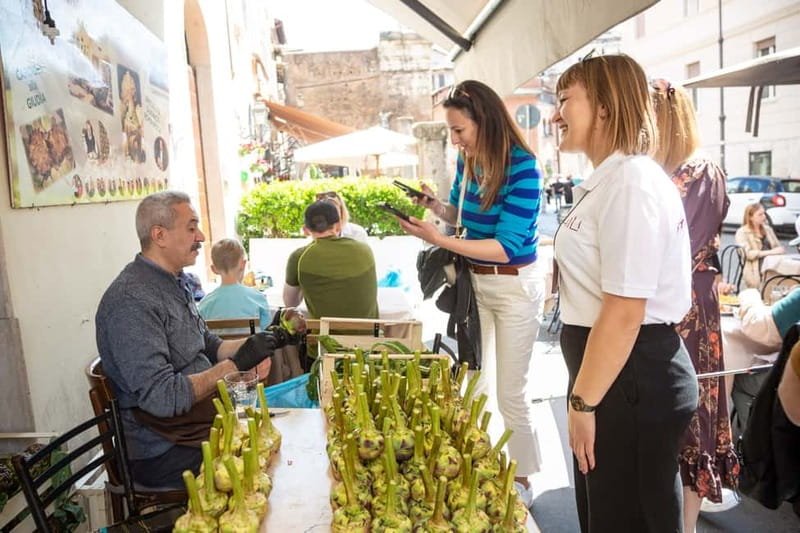
Here you try carciofo alla Giudia, a Jewish-style fried artichoke. The artichoke is prepared so the leaves open and crisp in the oil, turning a vegetable into something rich, crunchy, and unmistakably Roman. It is a dish worth eating in its neighborhood of origin, where the food has a clear connection to local identity.
The stop near the Portico d’Ottavia adds context. You are not just eating a fried artichoke in isolation. Your guide explains the area and connects the dish to the people and traditions that shaped it. Guides such as Fiammetta and Alessandra have been praised for explaining the Ghetto in a way that keeps the history understandable while still making room for food and conversation.
This is also where the tour feels less like a checklist. The route includes the Turtle Fountain, Teatro Marcello, and smaller streets around the Ghetto. You get an introduction to places that many visitors pass without understanding, even though they are close to major sights.
Caesar, ancient Rome, and the walk between bites
Food remains the main subject, but the history is not filler. At Largo di Torre Argentina, your guide points out the site associated with Julius Caesar’s assassination. You pass through an area where ancient ruins, modern streets, and Rome’s everyday life sit side by side.
The tour also passes the Pantheon. There is no full interior visit included, so you should plan a separate visit if the Pantheon is on your list. Even so, seeing it as part of a food walk helps you place the route on the city map. You can combine the tour with a monument visit before or afterward rather than spending the entire day on scheduled indoor stops.
This blend of food and place is one of the experience’s strongest features. The guide can explain not only what you are eating, but why Roman cooking developed such a practical character. The stories give the snacks more meaning, and the snacks give the history a more human scale.
Guides vary, but the strongest ones bring energy without turning the walk into a performance. Matteo is described as both funny and deeply interested in food and Roman history. Silvia has been praised for creating the feeling of walking with a friend, while Anna, Arianna, and Alessandro are noted for their warmth and enthusiasm. Your experience will depend partly on who leads your departure, but the guide is clearly central to the value.
Finishing with artisanal gelato
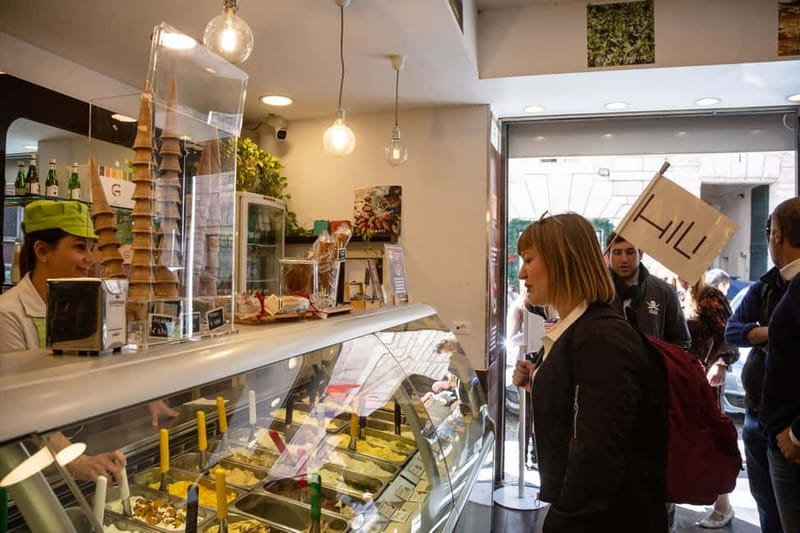
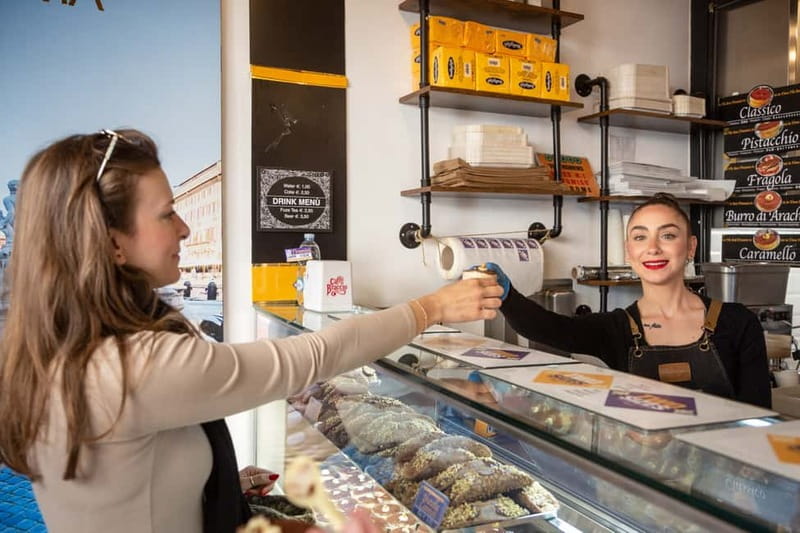
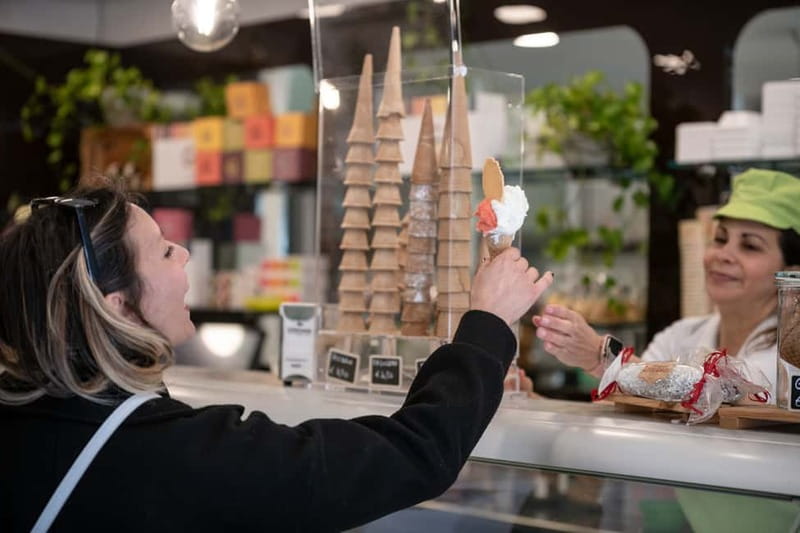
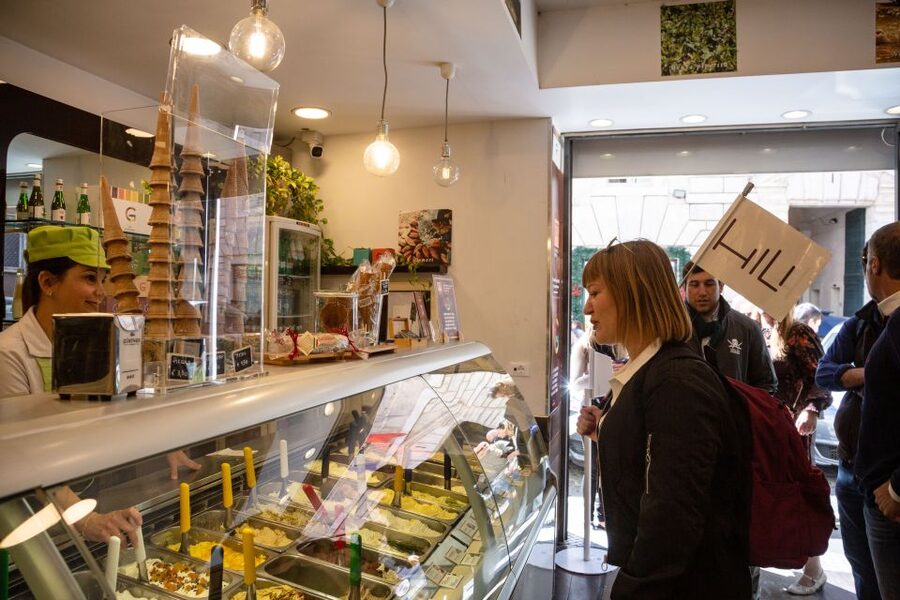
The final stop is Gunther Gelateria, where you finish with artisanal gelato. After fried food, pizza, and a substantial sandwich, the cold dessert provides a clean finish rather than another heavy dish.
Gelato is also a useful way to end a food tour because it lets you slow down. You can ask about flavors, compare the texture with ordinary ice cream, and enjoy the final walk near central landmarks. One guide even suggested enough gelato that a participant returned later the same evening, which tells you this stop is not treated as an afterthought.
By this point, you have sampled the main ideas of Roman street food: fried rice, roast pork, bakery pizza, artichoke, market products, and gelato. It is a broad introduction rather than a specialist tour focused on one dish.
Is $50 a fair price?
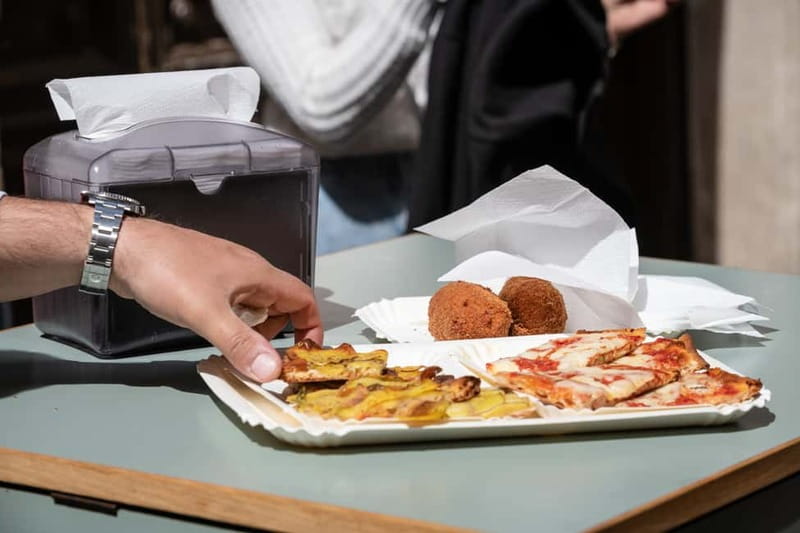
At $50 per person, the tour offers good value if you arrive hungry and make full use of the guide. The price includes the walking tour, the local guide, and five food tastings, with the actual food often amounting to a full meal. You also get neighborhood orientation and suggestions for places to eat later in your stay.
The value is strongest for a first or second day in Rome. A good guide can point you toward places to return to, explain how to avoid tourist-trap meals, and help you understand the city’s food customs before you spend more on restaurants.
Drinks are not included in the stated price. Some departures have included wine, prosecco, limoncello, or another drink, but you should budget as if drinks are extra. The morning market samples may also tempt you to buy oils, cheese, vinegar, or truffle products, so leave room in your budget if you enjoy food shopping.
A private or small-group option is available. That can make sense if you want more personal attention or have a family group, but the standard price is easier to justify for a shared walk with several people.
Who should book this Rome food tour?
I would recommend it to first-time Rome visitors who want an easy introduction to local food and central neighborhoods. It also suits people who prefer learning through small stories and tastings rather than spending another afternoon inside a museum.
Families can do well here, especially with a guide who enjoys working with children. Food-loving couples and small groups will appreciate the mix of sitting briefly, walking, tasting, and asking questions. It is also a useful choice for anyone who wants restaurant advice for the rest of a city break.
You should think twice if you are vegan, gluten intolerant, or uncomfortable with fried food, bread, and meat. Vegetarian options are available, but the tour is not designed around vegan or gluten-free eating. You should list allergies and dietary restrictions when booking, since the provider specifically asks for that information.
The route is listed as wheelchair accessible. Still, this is a city-center walking tour through squares, streets, bakeries, and market areas, so explain your needs in advance rather than assuming every stop will be equally easy.
Practical tips before you go
Eat a light breakfast or lunch. The supplì, porchetta sandwich, pizza, artichoke, market tastings, and gelato can easily carry you through the next meal.
Choose a morning start if you want Campo de’ Fiori’s market, oils, vinegars, cheeses, and truffle products. Choose based on convenience if the market is less important, since the main food stops and historic neighborhoods remain central to the route.
Wear shoes that handle roughly 2.5 hours of city walking. Bring water, since drinks are not part of the stated inclusions, and remember that the tour ends near the Pantheon area rather than returning to the starting square.
If you enjoy a particular stop, ask the guide where to return later. The tour works best when you treat it as both lunch and an introduction to Rome’s food map.
Should you book it?
Yes, if you want a filling, good-value introduction to Roman street food with real neighborhood context. The strongest reasons are the generous portions, the Jewish Ghetto artichoke, the morning market tastings, and guides such as Daniele, Silvia, Matteo, and Leonardo, who bring humor and practical advice to the walk.
I would book the morning departure for the fullest version of the experience. Skip it if your diet rules out gluten, meat, or most fried foods. For everyone else, this is a smart first-day activity: you eat well, learn where you are, and leave with a better idea of what to order for the rest of your time in Rome.
FAQ
How long does the Rome food tour last?
The tour lasts 2.5 hours and takes place on foot through central Rome.
Where does the tour meet?
The meeting point is Piazza di San Simeone. The guide waits by the fountain in the middle of the square.
What food is included?
The tastings include a porchetta panino, supplì, Roman-style pizza, fried artichoke known as carciofo alla Giudia, and artisanal gelato. Morning tours may also include olive oil, truffle, and vinegar tastings at Campo de’ Fiori.
Does every tour visit the Campo de’ Fiori market?
The market visit is included on morning tours only. Later departures still visit the Campo de’ Fiori area but do not include the morning market experience.
Are vegetarian options available?
Vegetarian options are available. You should provide your dietary requirements or allergy information when booking.
Is the tour suitable for vegans or people with gluten intolerance?
No. The experience is listed as unsuitable for vegans and people with gluten intolerance.
Just added around Rome
- Rome: Trastevere and Campo de Fiori Food Tour★ 4.9 · 23 reviews
- Rome E-Bike Tour: Ultimate Street Food and Market Feast★ 4.9 · 50 reviews
- Rome: Award-Winning Roman Food Tours★ 4.9 · 189 reviews
- Alfredo alla Scrofa Restaurant in Rome: Eat Like a Star★ 4.5 · 357 reviews
- Rome Food Experience Max 6 People Group Tour | w/Private Option★ 5.0 · 516 reviews
- Appian Way & Aqueducts small group e-bike tour(catacombs & food)★ 5.0 · 531 reviews
- Rome All in One: Trastevere Food Tour, Dinner & Drinks★ 4.9 · 838 reviews
- Rome Private Food Tour with 6 or 10 Tastings★ 4.5 · 902 reviews
Food Tours in Rome, compared.
Rome Twilight Trastevere Food Tour by Eating Europe
Read our review →
Rome Food Tour: Unlimited Tastings with Fine Wine & Barolo
Read our review →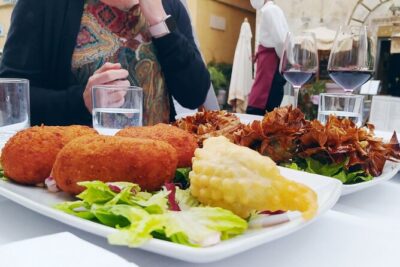
Rome Food Tour: Campo de’ Fiori, Ghetto, Trastevere Winner 2024
Read our review →
Guided Food Walking Tour with Wine in Trastevere
Read our review →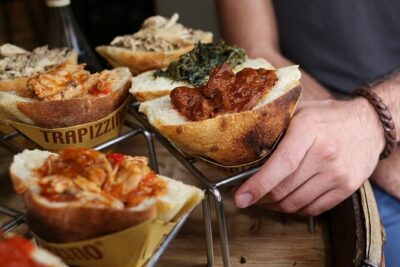
Trastevere Food tour with Free-Flowing Fine Wine
Read our review →
Trastevere & Campo de Fiori Street Food Walking Tour
Read our review →Browse the lists this tour appears in