
REVIEW · PARIS
Paris: Montmartre Food Tour with 10 Local Tastings & Wines
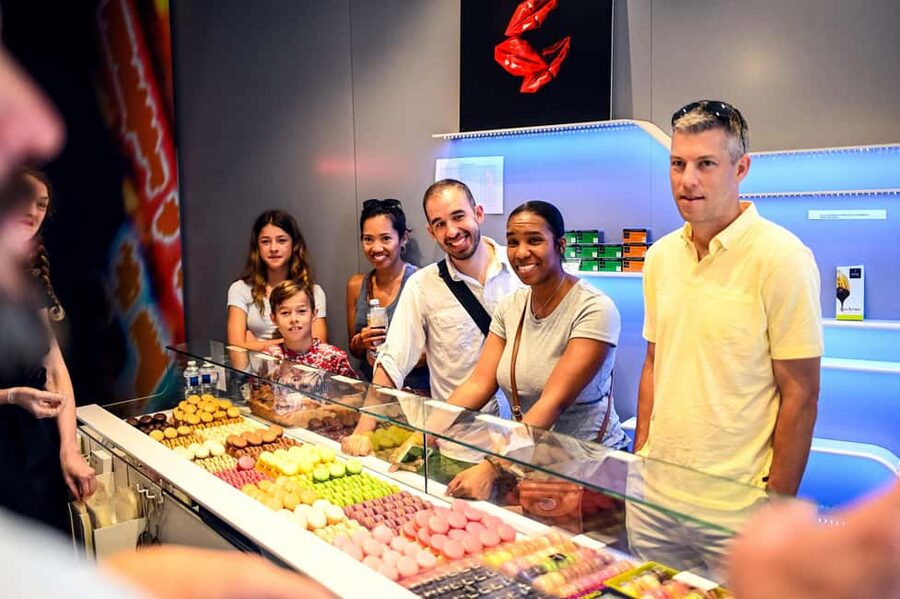
Montmartre’s best food experience may be the one that keeps you moving. You’ll shop and taste like a Parisian, stopping at a chocolatier, bakery, crêperie, fromagerie, and butcher before sitting down with wine and a final secret dish. The food trail is the point, not just a meal with a few facts attached.
I like the mix of sweet and savory tastings, from macarons and handmade chocolates to cheese, bread, ham, and saucisson. I also like the way the tour connects food with daily life, including French food customs, regional pairings, and the stories behind each product. The main drawback is that this is a walking tour in a hilly area, and the three-hour schedule may feel rushed if you want a long stop at every shop.
Key points to know before booking
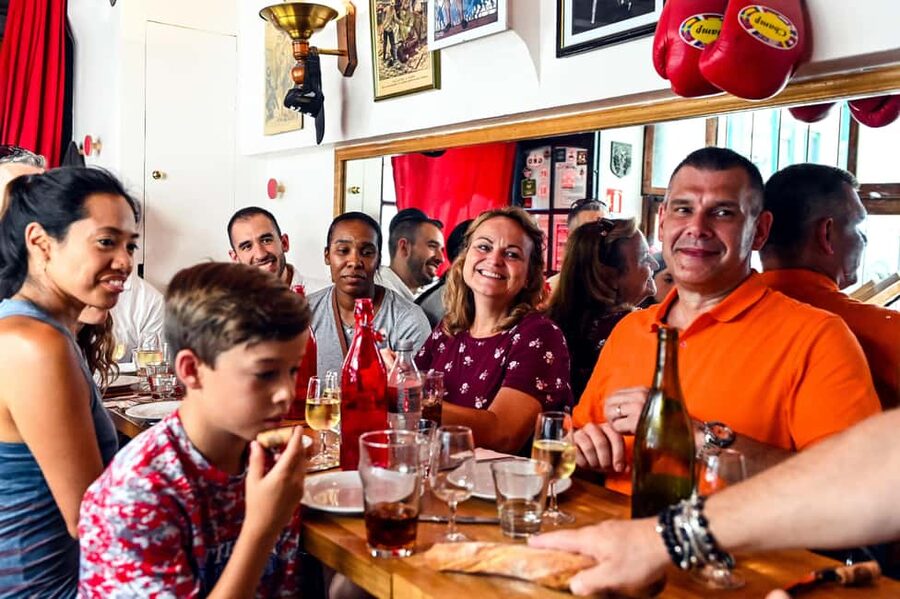
- You taste across the French food spectrum: Macarons, chocolate, pastries, crêpes, bread, cheese, charcuterie, wine, and a secret dish all make an appearance.
- The final tasting is more than a quick bite: Food gathered along the route is served with red and white wine at a private or hidden indoor spot.
- Guides shape the experience: Ryan, Ioana, Marcel, Emmanuel, Louis-François, and others have been praised for humor, local stories, and clear explanations.
- It is a real walking tour: You begin near Anvers or Abbesses, depending on the time, and finish on Rue Lepic.
- The portions are substantial: Most people should arrive hungry, and the tastings can replace lunch for many visitors.
- Plan for stairs, slopes, and weather: Comfortable shoes are essential, the tour runs rain or shine, and it is not suitable for wheelchair users.
Why this food walk works in Montmartre
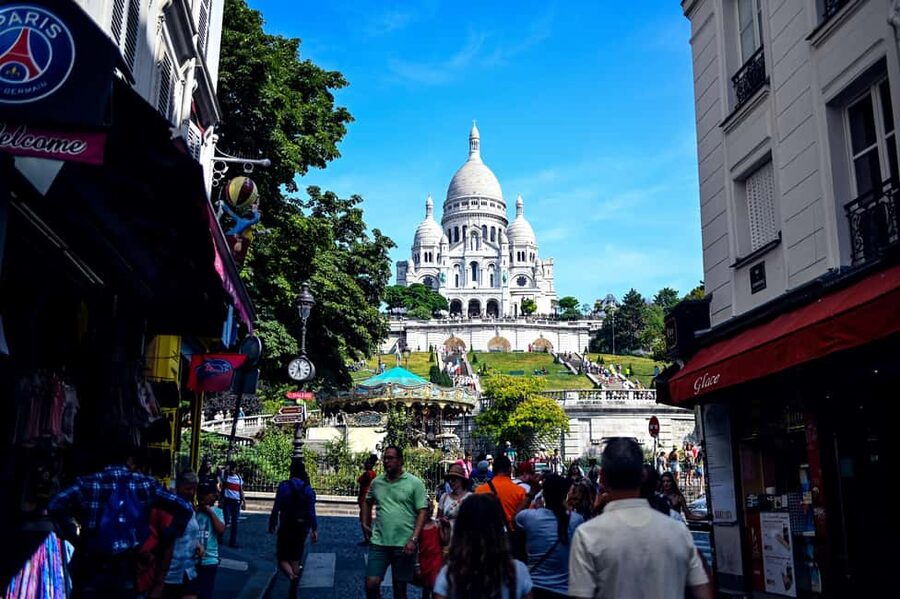
Montmartre is often reduced to Sacré-Cœur, artists’ portraits, and a few postcard views. Those sights are worth seeing, but they show only the public face of the neighborhood. Food gives you another way in.
This tour follows the old Parisian habit of buying different things from different specialists. You do not simply enter one restaurant and wait for a meal. You move from one food shop to another, tasting as you go and building a shared feast for later.
That format matters. A French bakery is not the same as a cheese shop, and a Breton galette is not simply a savory crêpe. The guide explains those distinctions in plain language, so you leave with more than a full stomach. You also have a better idea of how French people think about bread, cheese, wine, regional specialties, and meals shared with friends.
The small-group setup helps here. You can ask questions, keep pace with the guide, and hear explanations without the noise of a large crowd. Group size can vary, but the experience is designed for a small group rather than a full coachload.
More Food Tours in Paris
- Authentic Parisian Gourmet Food Tour with 10 Local Dishes & Wines
★ 5.0 · 4,754 reviews - Montmartre Hill French Gourmet Food and Wine Tasting Walking Tour
★ 5.0 · 2,588 reviews - Devour Paris Ultimate Food Tour
★ 5.0 · 2,087 reviews
Starting near Anvers or Abbesses
For tours beginning from 10:30 a.m. through 5:30 p.m. Monday to Friday, meet outside Anvers Metro station on Line 2. The guide carries an orange umbrella, which is meant to make the meeting point easy to spot.
For Saturday and Sunday tours, along with departures at 6 p.m., the meeting point is outside Abbesses station on Line 12. This change is important, so check the start time and station carefully before leaving your hotel. One past participant had trouble with the meeting location, so I would arrive early and confirm the exact meeting point rather than relying on memory.
The route begins around the lower part of Montmartre and works upward and across the neighborhood before ending on Rue Lepic. It is not a formal sightseeing tour with every major monument included, but you get neighborhood context as you walk between food stops.
You should wear comfortable shoes. Montmartre has slopes and uneven sections, and you may spend much of the three hours on your feet. The tour runs rain or shine, so bring a light rain layer when the forecast looks uncertain.
Sweet beginnings with chocolate and macarons
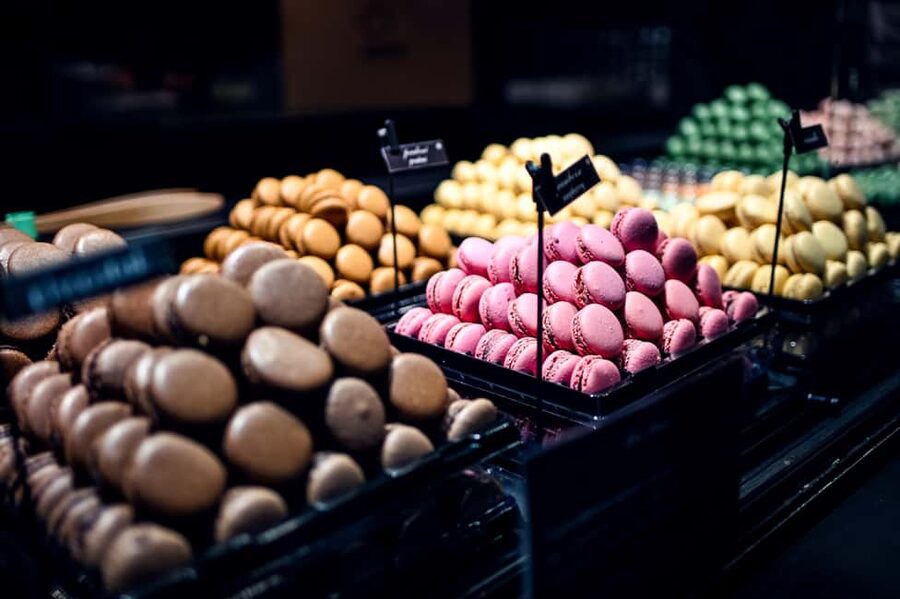
The first tastes focus on the lighter, sweeter side of French food. Expect artisan chocolates, fresh pastries, and genuine French macarons from local food shops.
The chocolates are presented as a local specialty rather than as a random supermarket sample. The tour information describes them as award-winning artisan chocolates, and the guide explains where they come from and what makes them different. This is a good moment to ask about French chocolate styles, fillings, and the role of specialist chocolatiers in Paris.
Macarons are often misunderstood by visitors who expect them to be simple cookies. Here, you get the real French version: two delicate shells with a soft filling between them. The texture is part of the lesson. They are small, but they set the tone for the rest of the walk.
Do not fill up here. You still have crêpes, bread, cheese, cured meats, wine, and the final dish ahead. That said, the total amount of food is generous, and many participants finish the tour completely full.
Fresh bread and a proper crêpe stop
A local bakery provides fresh French bread, with the guide explaining how it fits into a French meal. Bread is not just decoration beside a plate. It is used to carry cheese, balance salty charcuterie, and mop up the last bit of a dish.
The bakery stop lasts about 20 minutes. That is enough time for a tasting and a short explanation, but not enough for a long browse through every loaf in the shop. If you want to return later for a baguette or pastry, note the location as you go.
The crêpe stop brings a different style of street food. You get a freshly made sweet crêpe, with salted caramel and Nutella mentioned among the treats enjoyed on past tours. The guide also explains the difference between a standard crêpe and a Breton galette.
That distinction is useful. A crêpe is generally made with wheat flour and can be sweet or savory. A galette is associated with Brittany and uses buckwheat flour, giving it a darker color and a more earthy flavor. The tour may not turn this into a full regional cooking lesson, but the contrast helps you understand what you are eating.
The street setting adds some energy, but it also means you may eat standing or while moving between stops. If you prefer long, seated meals, this section may feel brief. If you enjoy sampling food as you walk, it is one of the tour’s most enjoyable parts.
More food and wine tours in Paris:
- Private Montmartre Food Tour with Wine, Cheese & Pastries
★ 5.0 · 1,027 reviews - Paris Le Marais Food Tour With 10+ Tastings, Cheese, Wine & More
★ 5.0 · 985 reviews - Paris Le Marais District Original Food and Wine Tasting Tour
★ 4.5 · 880 reviews - Paris Montmartre Food & Wine Tour with Eating Europe
★ 5.0 · 718 reviews
Cheese, fromagerie traditions, and French food rules
The cheese stop is one of the strongest reasons to book this experience. You visit a local fromagerie and taste a selection of French cheeses chosen for the group.
The guide may explain how to pair cheese with bread and wine, when to eat cheese during a meal, and why French food habits can seem so specific. One guide, Naf, was praised for pairing cheeses and wines from the same region. That kind of regional connection gives the tasting more meaning than simply placing several cheeses on a plate.
Expect differences in texture, strength, and age. The exact cheeses can change, so it would be misleading to promise a fixed menu. You might taste a soft cheese, a firmer aged cheese, or a truffled specialty. Brilliant Savarin with truffles was specifically enjoyed on one tour, but it should be treated as an example rather than a guarantee.
This is also a good place to ask questions. If you are unsure how to cut a cheese, what to eat first, or how much bread to use, ask the guide. The food rules are not difficult, but they are easier to understand when someone shows you how the pieces fit together.
The butcher stop for ham and saucisson
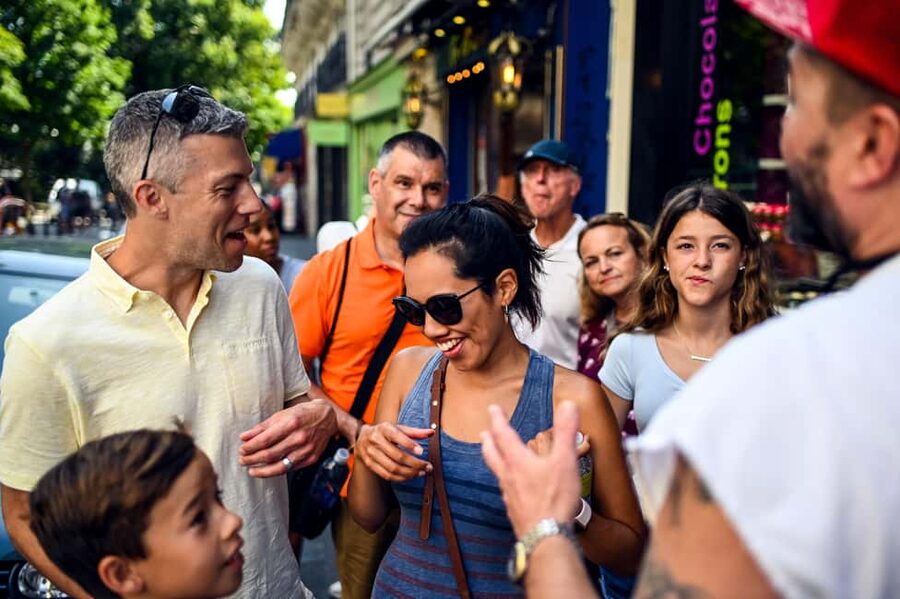
The savory side continues at a traditional butcher, where the group samples cured meats. Expect items such as saucisson and aged ham, including Jambon de Paris on some tours.
This stop gives you a sense of the care placed on simple ingredients. Cured meat can look basic, but salt, aging, texture, and serving temperature all change the experience. The guide also connects the meats with bread, cheese, and wine, which makes the final tasting feel planned rather than thrown together.
One useful feature is that the guide gathers food from the stops for the closing meal. You are not just tasting isolated samples. You are helping assemble a French-style spread that comes together at the end.
There is one small limitation: the food leans heavily toward dairy, bread, sweets, and meat. A past participant wished for fruit or vegetables. If you need a balanced meal with fresh produce, keep that in mind and plan another light dish later.
The secret location and final tasting
The last part lasts about 70 minutes, making it the longest stop of the tour. You sit in a comfortable private or hidden indoor space and taste the food collected along the route.
This is where the separate stops make sense. Bread is paired with cheese and charcuterie. Wine brings the flavors together. The menu includes both red and white wine, along with water and soft drinks for anyone who does not want alcohol.
The guide continues the conversation here, explaining pairings and French dining habits. This relaxed setting also gives the group time to talk with one another. Several guides, including Louis, Matthew, and Iona, have been praised for making the final meal feel social and easy rather than formal.
The advertised Secret Dish is served at the end. Its contents are not given in advance, so you should expect an element of surprise. That is fun if you are open to trying something unfamiliar. If you have serious allergies or strict dietary limits, contact the operator before booking because the supplied information does not describe substitutions.
The final tasting is also where the value becomes clearer. The tour is not only three hours of walking with tiny samples. You receive a proper spread with wine and enough food to function as lunch for many people.
Three hours, ten tastings, and the $99 price
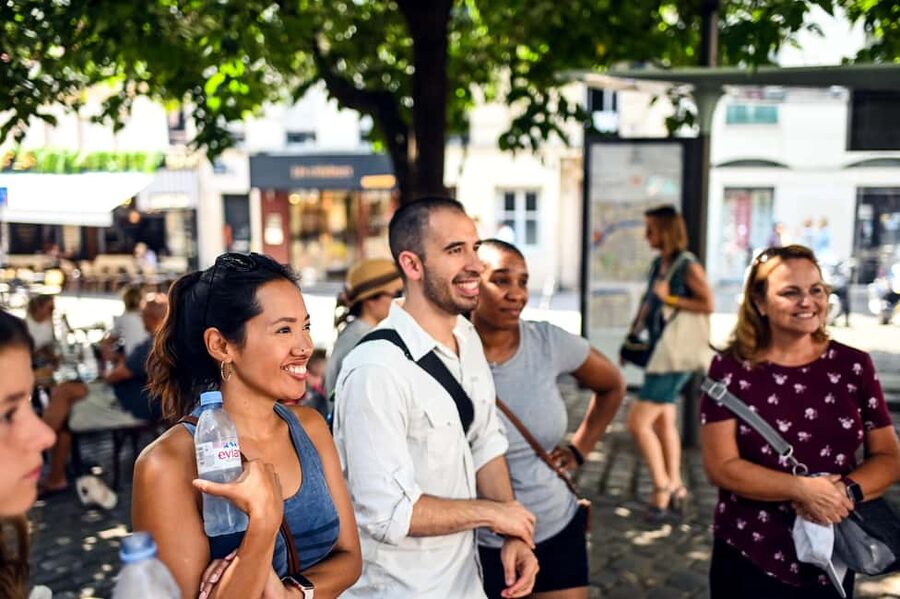
At $99 per person, this is not the cheapest way to eat in Paris. You can buy a crêpe, pastry, cheese, or glass of wine for less if you plan it yourself.
The price makes more sense if you value the guide and the structure. You are paying for a route through several specialist shops, tastings at each stop, a seated final meal, two wines, and explanations about French food and culture. You also avoid the guesswork of choosing unfamiliar shops on your own.
The itinerary divides the three hours into short stops: about 20 minutes for the bakery, 20 for street food, 20 for another bakery tasting, 30 for a restaurant-style food stop, 20 at a Montmartre food market, and 70 minutes for lunch. That is a well-filled schedule.
I would call the price fair for visitors who want a guided introduction to French food and do not want to arrange each tasting themselves. It is less appealing if you already know Montmartre well, speak French comfortably, and prefer choosing your own restaurants.
The 4.8 rating from 191 reviews supports the idea that the tour delivers a reliable experience, but the guide remains important. Names praised across the feedback include Ryan, Ioana, Marcel, Emmanuel, Aicha, Celine, Louis-François, Imrane, and Matthew. Guides change, so you cannot book a particular personality unless the operator confirms it.
Who will enjoy this most
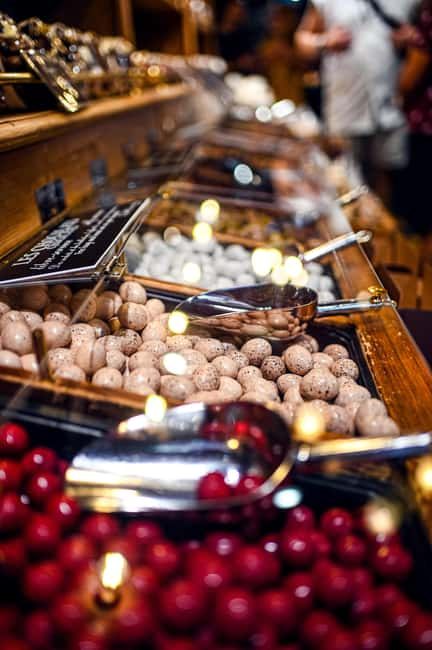
I would recommend the tour to first-time Paris visitors who want food, neighborhood walking, and cultural context in one outing. It also suits couples, families with older children, and solo visitors who like meeting a small group over shared food.
Teenagers can enjoy it because there is movement, sweets, crêpes, and plenty of variety. One family specifically found the tour worked well with teens. It is also a good choice for food-focused visitors who want to learn how to pair cheese, bread, charcuterie, and wine.
You may want a different plan if you use a wheelchair, have difficulty with slopes, or dislike standing and walking between stops. The tour is not suitable for wheelchair users, and Montmartre’s terrain can be demanding.
It may also be a poor fit for a very selective eater. The experience centers on French specialties, including cheese and cured meats, and the Secret Dish is not disclosed ahead of time. Ask about dietary needs before paying.
Booking details that matter
The tour is offered in English with a live guide. Hotel pickup and drop-off are not included, so you make your own way to Anvers or Abbesses and leave from Rue Lepic at the end.
You can cancel up to 24 hours before the tour for a full refund, and the reserve-now, pay-later option gives you some flexibility. Check availability for the exact departure time, especially if you are planning around museum reservations or a timed visit to Sacré-Cœur.
I would not schedule this immediately before a major dinner reservation. Even though the route includes walking, the food adds up quickly. Leave room in your day, and consider making the tour your main lunch.
Should you book this Montmartre food tour?
Book it if you want a guided taste of everyday French food rather than a single restaurant meal. The best features are the range of stops, the local shopping pattern, the generous final spread, and the guides who bring humor and useful context to the food.
Skip it if you need a fully accessible route, want a fixed menu, or prefer to explore Montmartre at your own pace. For most visitors who arrive hungry, wear good shoes, and enjoy trying several kinds of French food, $99 buys a well-organized introduction to the neighborhood that is both filling and practical.
FAQ
How long does the Montmartre food tour last?
The tour lasts three hours.
Where does the tour meet?
Monday through Friday tours starting between 10:30 a.m. and 5:30 p.m. meet outside Anvers Metro station on Line 2. Saturday and Sunday tours, along with tours starting at 6 p.m., meet outside Abbesses station on Line 12.
How can I find the guide?
The guide waits near the subway entrance with an orange umbrella.
What food and drinks are included?
The tour includes pastries, authentic macarons, artisan chocolates, a sweet crêpe, French cheeses, cured meats, fresh bread, a Secret Dish, red and white wine, water, and soft drinks.
Is the tour offered in English?
Yes. The tour has a live English-speaking guide.
Is the tour suitable for wheelchair users?
No. The tour is not suitable for wheelchair users.
Can I cancel for a refund?
Yes. You can cancel up to 24 hours in advance for a full refund.
Just added around Paris
- The Official Emily in Paris Food Tour★ 4.8 · 39 reviews
- Saint-Germain: Gourmet Chocolate & Pastry Walking Food Tour★ 4.8 · 495 reviews
- Paris: The French Food Highlights Tour★ 4.8 · 28 reviews
- Paris: Taste of Montmartre Food & Wine Walking Tour★ 4.9 · 29 reviews
- Paris: Saint Germain des Prés Guided Foodie Walking Tour★ 4.8 · 146 reviews
- Paris: Guided Champagne & Food Tour in St-Germain-des-Pres★ 4.6 · 26 reviews
- Paris: Notre Dame & Latin Quarter Food Tour with 8+ Tastings★ 4.8 · 60 reviews
- Paris: Pastries and Chocolate Walking Food Tour★ 4.8 · 57 reviews
Food Tours in Paris, compared.
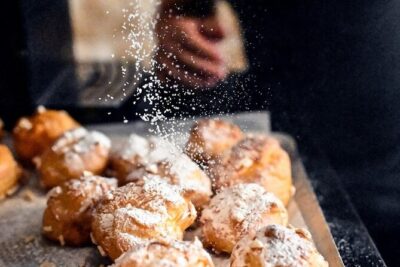
Authentic Parisian Gourmet Food Tour with 10 Local Dishes & Wines
Read our review →
Montmartre Hill French Gourmet Food and Wine Tasting Walking Tour
Read our review →
Private Montmartre Food Tour with Wine, Cheese & Pastries
Read our review →
Paris Le Marais Food Tour With 10+ Tastings, Cheese, Wine & More
Read our review →
Paris Le Marais District Original Food and Wine Tasting Tour
Read our review →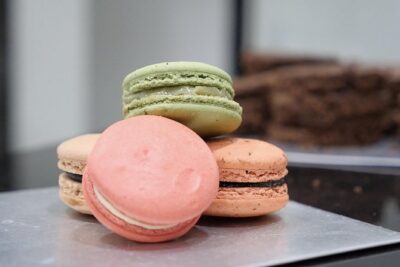
Paris Montmartre Food Tour – A Full French Meal by Do Eat Better
Read our review →
Paris Montmartre Food & Wine Tour with Eating Europe
Read our review →Browse the lists this tour appears in