REVIEW · FOOD TOURS & TASTINGS
Muscat: Omani Food Tour with Shuwa & Halwa
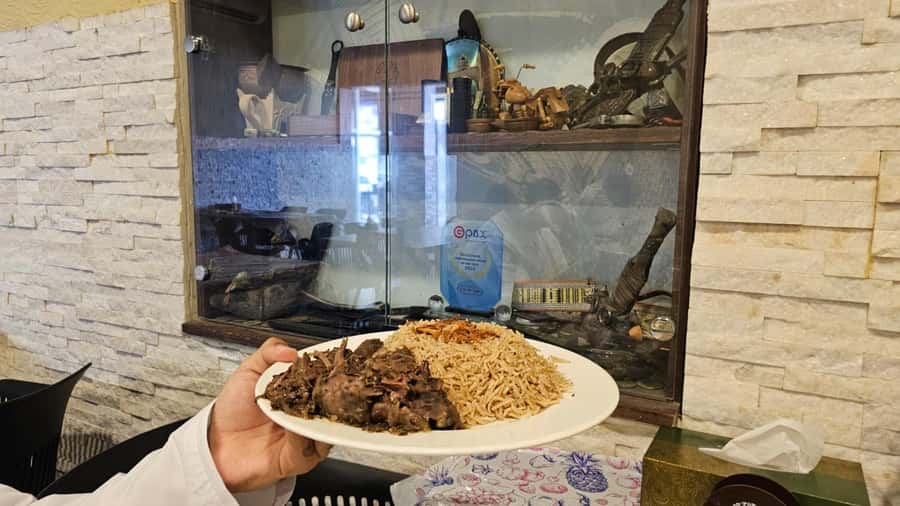
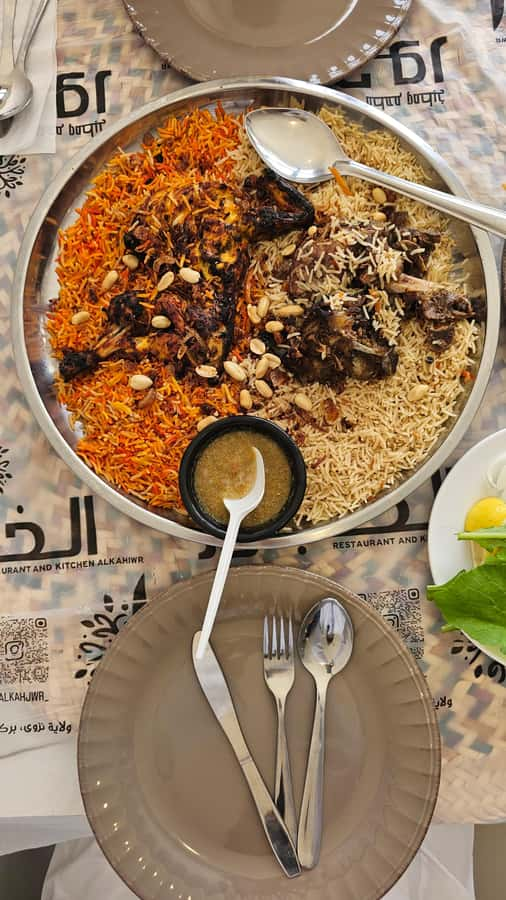
Shuwa is the star here: meat or chicken wrapped in banana leaves, seasoned, and cooked underground for 8 to 24 hours. The preparation can involve meat fermented for more than 40 days, so this is not just a plate of food. It is a taste of Omani family tradition, served with spiced rice called qabuli.
I like the five-stop format, which lets you try food at local places instead of filling up at one restaurant. I also like the guides’ personal touch. Hisham and Yousef often explain recipes with family stories and short videos, while the comfortable car gives you a chance to ask about life in Oman between bites.
The main drawback is simple: this is a lot of food in a short time. The advertised duration is 150 minutes, but relaxed groups can run longer. People with food allergies should not book, and anyone who prefers a formal restaurant meal may find the moving, casual format less appealing.
Key points at a glance
- Underground-cooked shuwa: Try Oman’s famous slow-cooked meat with qabuli rice.
- Five different food stops: Move beyond one restaurant and sample several sides of Muscat’s food scene.
- Zanzibar connection: Samosas, mandazi, kachori, and katlisi show Oman’s long links with East Africa.
- Sweet and spiced finish: Halwa with rose-water coffee is followed by tea flavored with ginger, saffron, cardamom, cinnamon, and milk.
- Small groups and hotel pickup: Groups are limited to six, with transport included in the Muscat area.
- Vegetarian flexibility: Meat or chicken can be replaced with fish or salad, but food allergies are a stated concern.
Why shuwa gives this Muscat food tour its focus
Omani food can be hard to understand from a standard restaurant menu. Shuwa makes a good starting point because its preparation connects food with celebration, patience, and family gatherings.
The meat or chicken is wrapped in banana leaves and spices, then placed underground for many hours. The description also refers to fermentation lasting more than 40 days, an unusual detail that helps explain why the dish carries such importance. You should expect tender, strongly seasoned meat rather than a quick grilled dish.
It comes with qabuli, rice cooked with meat spices. That pairing matters. The rice is not just a side dish, but part of the meal’s perfume and warmth. If you arrive expecting a small tasting plate, adjust your expectations. Portions are generous, and you may already have eaten several items before reaching the shuwa.
The exact serving style can vary by stop and group, but the tour is built around tasting rather than watching a cooking demonstration. Guides such as Hisham and Yousef explain how the dish is made and why it matters. Some guides also show short videos of food prepared during family celebrations, which gives the meal a more personal setting.
A few more food tours around the world worth comparing
- Reykjavik Food Walk – Local Foodie Adventure in Iceland
★ 5.0 · 18,952 reviews - Hanoi Jeep Tour: Food, Culture and Fun by Vietnam Army Jeep
★ 5.0 · 15,222 reviews - From Marrakech: Merzouga 3-Day Desert Safari with Food
★ 4.7 · 12,232 reviews
Five stops, five different views of Omani eating
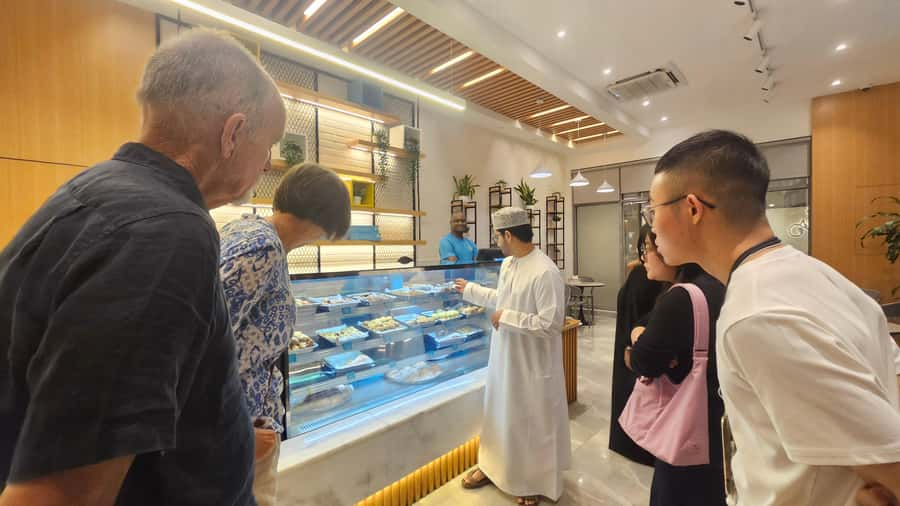
The strongest part of this experience is its range. In roughly two and a half hours, you move through savory dishes, sweets, bread, tea, and grilled food. That makes it useful early in your stay, when you still need help reading Oman’s food customs.
1. Shuwa and qabuli rice
The main course begins with shuwa and spiced rice. The meat may be beef, lamb, or chicken, depending on what is available, and the tour information allows fish or salad as alternatives for vegetarians.
This is the meal to save room for. Shuwa is filling, and the rice adds another substantial layer. If you are a slow eater, tell your guide early. One guest specifically appreciated that the guide did not rush the meal, and the small group makes that kind of adjustment possible.
The practical point is to arrive hungry. You do not need to eat every item in large amounts, but this is not a light nibble tour.
2. Halwa and Omani coffee
After the savory food comes Omani halwa with coffee. This is a useful lesson in how Oman handles hospitality. Halwa is made with ingredients including nuts, honey, saffron, ghee, and cardamom, along with additional ingredients kept as part of the recipe.
The result is a sweet, dense treat, not a light pudding or cake. Saffron and cardamom give it a fragrant edge, while ghee and honey make it rich. Coffee with rose water helps balance the sweetness and adds a distinctly Omani note.
If you prefer desserts that are barely sweet, this may be the most challenging part of the tour. If you enjoy trying festival and celebration foods, it is one of the most useful tastings.
Same city, a completely different plate:
- Dubai: Old Town, Creek, Museums, Souks, & Street Food Tour
★ 4.8 · 10,816 reviews - Madrid: Live Flamenco Show with Food and Drinks Options
★ 4.5 · 9,901 reviews - Ho Chi Minh City Street Food Tour & Sightseeing By Motorbike
★ 5.0 · 9,413 reviews - From Split: Krka Waterfalls, Food & Wine Tasting Tour
★ 5.0 · 9,326 reviews
3. Zanzibar snacks and East African links
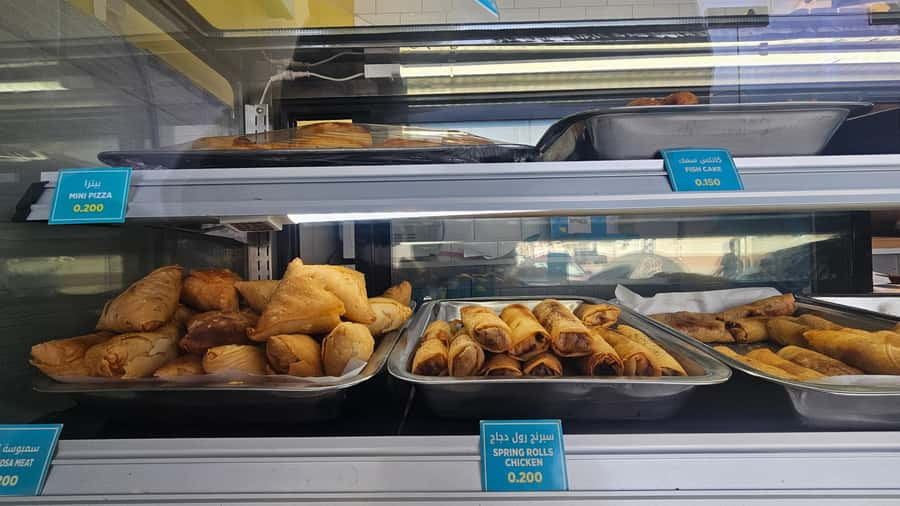
The next stop brings in samosas, mandazi, kachori, and katlisi. These are light meals associated with the East African influence on Oman, especially through Zanzibar.
This section keeps the tour from presenting Omani cuisine as one isolated tradition. Muscat’s food reflects movement across the Indian Ocean, and these snacks give you a clear, edible example of that connection.
Samosas may be familiar, but mandazi and the other items may be new to you. The value here is variety. You can compare fried snacks, fillings, texture, and seasoning without ordering a full plate of each in separate restaurants.
The word light should be taken loosely. After shuwa, halwa, and these snacks, you will need to pace yourself.
4. Omani bread with sweet and savory toppings
You will then try slices of Omani bread with different flavors. The listed options include cheese, honey, date juice, eggs, potatoes, and thyme.
This is one of the most approachable parts of the tour because bread acts as a bridge between unfamiliar dishes and familiar ingredients. Cheese and eggs are easy entry points, while date juice, thyme, and potato show how the same basic bread can move from breakfast-style food to a sweeter snack.
I would ask your guide which combinations are most traditional and which are personal favorites. The experience is small enough for that sort of conversation, and the guides are happy to explain how people eat these foods in daily life.
5. Mishkak and spiced tea
The final major food is mishkak, grilled pieces of meat, chicken, or squid served with a tamarind-like sauce and Omani spices. After the slow, soft texture of shuwa, mishkak gives you smoke, char, and a firmer bite.
The sauce adds acidity and sweetness, while the spices keep the dish connected to the rest of the evening. You may find the squid option especially useful if you want seafood rather than another meat serving.
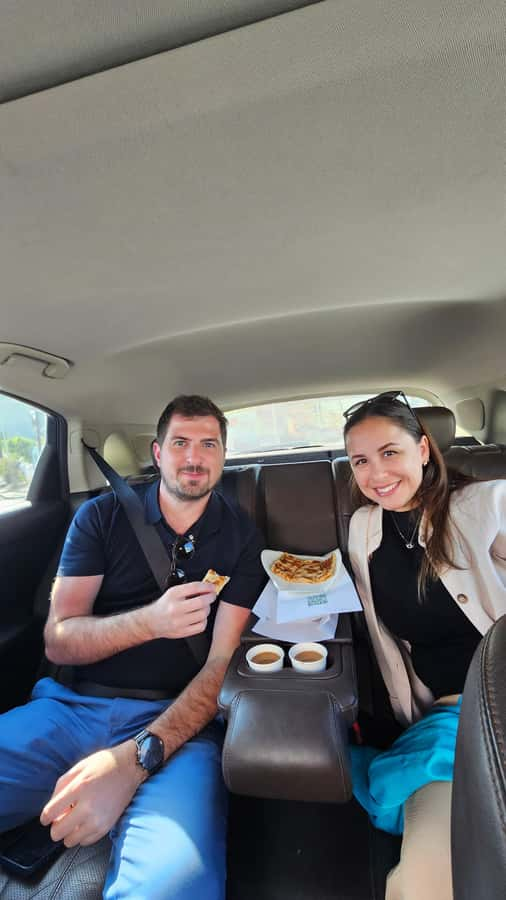
Tea arrives with spices such as ginger, saffron, cardamom, cinnamon, and milk. Some groups also experience karak tea ordered and enjoyed in the car, an everyday Omani habit that adds a nice local detail to the transport between stops.
The tea is not merely a final drink. It helps show how spices appear across both food and hospitality. You may also have ginger tea and coffee with rose water during the tour.
The guides make the meal more than a checklist
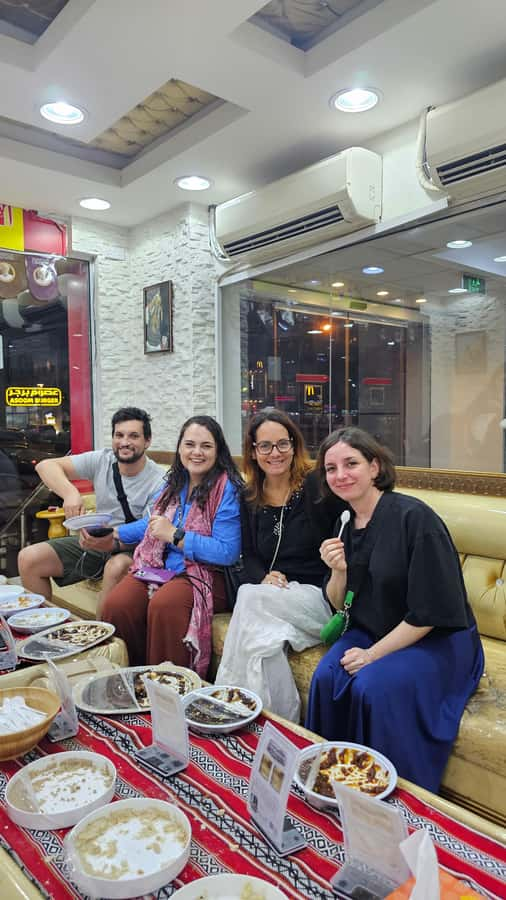
The food matters, but the guides are a large part of the value. Hisham and Yousef receive repeated praise for explaining preparation, cultural customs, and the stories behind each dish. Other named guides include Yusuf, Amin, Hanieh, and Yusoff, so the guide on your departure may vary.
The tone is informal. You can ask about food, Oman, daily life, or places to eat later in your trip. Several tours included advice for the rest of a Muscat visit, and some groups received a brief mosque detour or saw parts of the city beyond the usual tourist route.
Do not expect a formal lecture. The strongest moments seem to come during the drives and pauses at the food stops, when a question leads into a family story or an explanation of how a dish is prepared for a celebration.
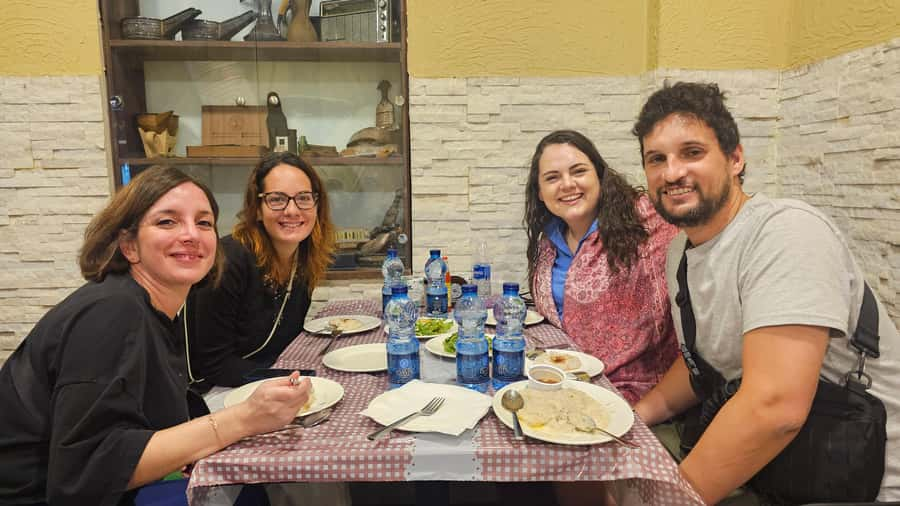
This works particularly well for solo visitors. A group is limited to six, and several people described meeting a family or another couple during the evening. The size gives you a chance to talk without the tour becoming awkwardly quiet or crowded.
What the transport and timing mean for you
Hotel pickup and drop-off are included, and the car has been described as clean and comfortable. You wait in your hotel lobby at the agreed time, then ride between stops rather than arranging taxis across Muscat.
That makes the tour easier on your first night, especially if you do not yet know the city. It also lets you taste foods in several parts of Muscat without spending your evening checking maps or ordering unfamiliar dishes alone.
The stated duration is 150 minutes. In practice, allow some flexibility. Groups that eat slowly, ask many questions, or continue chatting can run over the scheduled time. I see that as a benefit if you have an open evening, but it is worth noting if you have a strict dinner booking or airport transfer afterward.
If your accommodation is outside the pickup area or is not listed, you should select the Royal Opera House as the meeting point and get there independently. Wheelchair access is available, but you should still confirm the practical pickup arrangements when booking.
Is $77 a fair price?
At $77 per person, this is not the cheapest way to eat in Muscat. You could order individual dishes for less, especially if you already know which restaurants and snacks you want.
The price makes more sense when you count what is bundled together: hotel transport, an English-speaking guide, several food stops, a full spread of savory dishes and sweets, and the chance to ask questions throughout the evening. You are paying for access and interpretation as much as for the food.
A self-guided meal might give you shuwa, but it probably will not give you shuwa, halwa, Zanzibar snacks, several types of Omani bread, spiced tea, mishkak, and coffee in one organized outing. You also avoid the risk of ordering a large dish you do not enjoy.
The best value comes if you book early in your Muscat visit. You will learn the names and flavors of foods you can look for later. If you already have a strong plan for local dining and only want one signature dish, the price may feel high.
Who should book, and who should skip it?
I would recommend this tour to first-time visitors, solo visitors, curious eaters, and anyone who wants context with a meal. It is especially useful if you want to see how Omani food connects with family celebrations, Indian Ocean trade, East Africa, and everyday tea culture.
It also suits people who enjoy generous portions and informal conversation. The guides are willing to answer questions beyond food, and the small group helps the evening feel social rather than mechanical.
You should think twice if you have serious food allergies. The experience is specifically listed as unsuitable for people with food allergies, and many dishes contain several ingredients, including nuts, ghee, spices, dairy, and meat.
Vegetarians can request fish or salad instead of meat or chicken, but you should explain your needs before the tour begins. This is not a dedicated vegetarian food tour, so choices may be more limited.
Smoking, pets, and alcohol in the vehicle are not allowed. Fresh juices and personal expenses are not included, so bring a little extra money if you want drinks beyond the included coffee and tea.
Should you book this Muscat food tour?
Book it if you want a warm introduction to Omani food rather than a single restaurant dinner. The combination of shuwa, halwa, mishkak, Zanzibar snacks, Omani bread, and spiced tea gives you a useful first map of the cuisine.
I would choose it for my first or second evening in Muscat, when the guide’s explanations and local suggestions can shape the rest of the trip. Come very hungry, keep your schedule flexible, and expect a generous meal with plenty of conversation.
Skip it if you need a short, tightly timed tasting or have serious food allergies. For most curious eaters, though, $77 buys a broad meal, comfortable transport, and a much better sense of how Oman eats.
FAQ
How long does the Omani food tour last?
The listed duration is 150 minutes. Some groups may take longer if they eat slowly or spend extra time talking with the guide.
What food is included?
The experience includes shuwa, qabuli rice, Omani halwa with coffee, East African snacks, Omani bread with different flavors, spiced tea, and mishkak.
What is shuwa?
Shuwa is meat or chicken wrapped in banana leaves and spices, then cooked underground for about 8 to 24 hours. The description also notes fermentation lasting more than 40 days.
Is hotel pickup included?
Yes. Hotel pickup and drop-off are included when your accommodation is within the pickup area.
What if my hotel is outside the pickup area?
Choose the Royal Opera House as the meeting point and arrive there independently if your hotel is outside the pickup area or is not listed.
Can vegetarians join the tour?
Yes. Meat or chicken can be replaced with fish or salad. Tell the tour provider about your preference in advance.
Is the tour suitable for people with food allergies?
No. The experience is listed as unsuitable for people with food allergies.
How many people are in the group?
The tour is limited to six participants and is led in English.
Just added around the world
- PRIVATE ISTANBUL FOOD TOUR & Hidden Pearls of the old city★ 5.0 · 43 reviews
- Taste of Istanbul – Food & Culture★ 5.0 · 54 reviews
- The Award-Winning PRIVATE Food Tour of Istanbul: The 10 Tastings★ 5.0 · 462 reviews
- Istanbul Food Tour – History and Culture of Turkish Culinary★ 5.0 · 265 reviews
- Private and guided Food and Culinary Tour of Istanbul★ 5.0 · 27 reviews
- Half-Day Istanbul Private Food Tour & Culinary Experience★ 5.0 · 28 reviews
- Taste Of Old City Street Food Tour with Local Guide★ 5.0 · 64 reviews
- Eating Like a Local: Learn About Diverse Culinary Culture of Turkey★ 5.0 · 86 reviews
Tours, compared.

Hanoi Jeep Tour: Food, Culture and Fun by Vietnam Army Jeep
Read our review →
Old Town, Creek, Museums, Souks, & Street Food Tour
Read our review →
Ho Chi Minh City Street Food Tour & Sightseeing By Motorbike
Read our review →
Old Town, Souks, Street Food, Guided Tour & Abra Ride
Read our review →
Hanoi Motorbike Tour: Food, Culture and Fun by Vintage Motorbike
Read our review →
Shinjuku Food Tour (13 Dishes at 4 Local Eateries)
Read our review →