
REVIEW · GERMANY
Lübeck: The Culinary City Tour – Lübeck Lukullisch
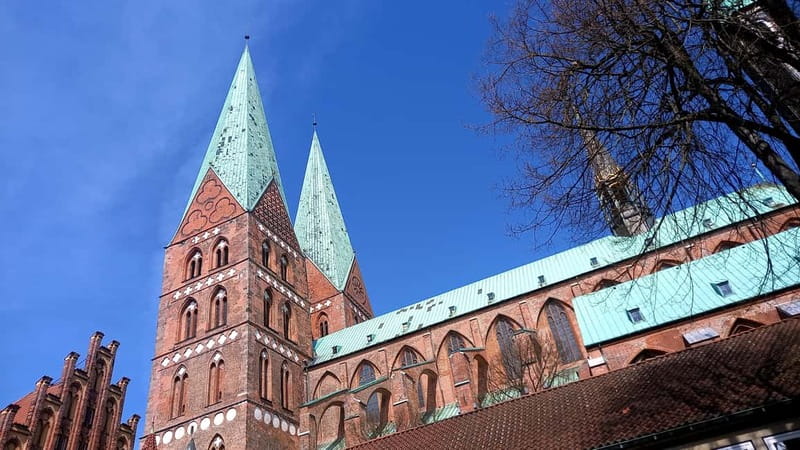
Lübeck’s story is easier to understand with something tasty in your hand. This three-hour walk pairs marzipan, Rotspon, and regional bites with the city’s old lanes, hidden corridors, Holsten Gate, and famous church towers. I like the mix of food and place, and I like that the samples come from small manufactories rather than being treated as an afterthought. The main tradeoff is simple: the tour is in German, and some tastings are eaten while standing.
I also like the way the tour moves beyond Lübeck’s postcard sights. You hear about the Hanseatic League and the city’s seven churches, but you also pass narrow passages and quiet alleys that are easy to miss alone. Bring comfortable shoes, since you will walk for about three hours over cobblestones and in all weather.
Key points to know before booking
- Marzipan and Rotspon anchor the food experience: Expect both sweet and savory samples, with Lübeck’s best-known food traditions playing an important part.
- The route begins at the tourist information office: Meet at Holstentorplatz 1, not at the Holsten Gate itself.
- The walk mixes famous sights with overlooked corners: You pass through the old town, hidden corridors, and narrow lanes.
- The guide leads in German: The tour is designed for German speakers, and some material is presented in its original language.
- The food is part of the sightseeing, not a full meal: The tasting selection can be generous, but drinks are not included and some stops have little or no seating.
- Plan for a small-group walking tour: A BVGD-certified guide leads the experience, with free cancellation up to 24 hours before the start.
Starting at Holstentorplatz, not the Holsten Gate
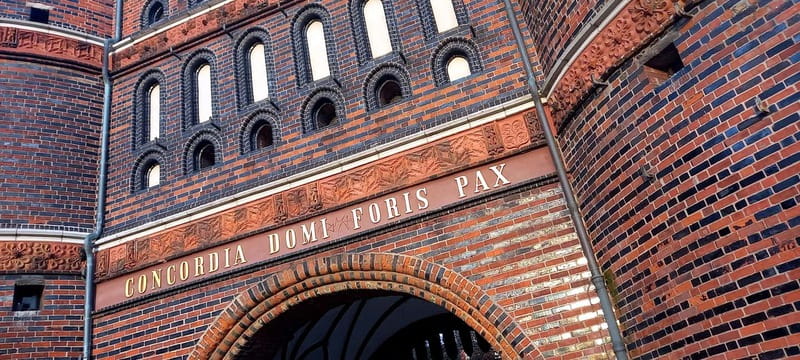
The meeting point is the tourist information office at Holstentorplatz 1. This detail matters because the office and the Holsten Gate are close together, but they are not the same place. Give yourself enough time to find the office before the tour begins.
Starting here gives the route a natural introduction. The Holsten Gate is one of Lübeck’s best-known landmarks, and it helps set the tone for the city’s past as a major Hanseatic center. From the square, you head toward the old town on foot, leaving the broad approach behind for streets that grow tighter and more atmospheric.
I like this beginning because you get your bearings before the food stops begin. You are not dropped into a random café or asked to meet deep inside the old town. The guide can frame the city first, then show how its food traditions fit into its trade, wealth, and daily life.
The tour is led by a BVGD-certified guide who loves Lübeck. No individual guide name is provided, so the quality will depend on who is assigned that day. The guide’s role is important here, since the experience relies on spoken explanation as much as on the samples.
A few more food tours around Germany worth comparing
- Heidelberg: Culinary city tour with delicious samples
★ 4.6 · 52 reviews - Ho Chi Minh City Street Food Tour & Sightseeing By Motorbike
★ 5.0 · 9,413 reviews - Private Street Food Evening Walking Tour in Ho Chi Minh City
★ 5.0 · 3,175 reviews
Walking into Lübeck’s Hanseatic past
Lübeck’s connection to the Hanseatic League gives the tour its main historical thread. You will hear how the city’s trading past shaped its buildings, streets, and food culture. The tour also covers the city’s seven churches, a useful way to understand Lübeck’s skyline and its place in northern German history.
This is not a museum lecture with long stops inside a single building. Instead, you learn while moving through the city. That keeps the pace varied, though it also means you should expect to stand for much of the tour.
The guide points out details that are easy to miss during an independent walk. Narrow entrances, small passages, and tucked-away alleys can look like private corners if you do not know where they lead. Here, the point is not only to see the major landmarks but also to notice how the old town is arranged behind its main streets.
The tour’s historical information is one of its strongest features. A visitor who simply walks from the Holsten Gate to the central square might see attractive buildings but miss the connections between trade, religion, craft, and food. The guide supplies that missing thread.
Hidden corridors and narrow alleys
The route includes Lübeck’s hidden corridors and idyllic alleys. These passages are a good reason to choose a guided walk instead of relying only on a map. Their appeal is not just visual. They show how the old town developed in layers, with small routes leading away from the main streets and into quieter spaces.
You will need to watch your footing. Parts of the route run over cobblestones, and some passages are narrow. Comfortable shoes are essential, especially if you are not used to walking for three hours on old paving.
The narrow spaces also affect the pace. This is not a fast sightseeing loop. The group may pause while the guide explains a detail, waits for the route to clear, or organizes the next tasting. That slower rhythm suits the subject, but it may frustrate you if you want to cover a lot of ground quickly.
The tour is listed as wheelchair accessible, but the cobblestones and narrow passages deserve attention. If you use a wheelchair or have specific mobility needs, contact the organizer before booking. Accessibility can depend on the exact route and the conditions on the day.
Marzipan, Rotspon, and the sweet side of Lübeck
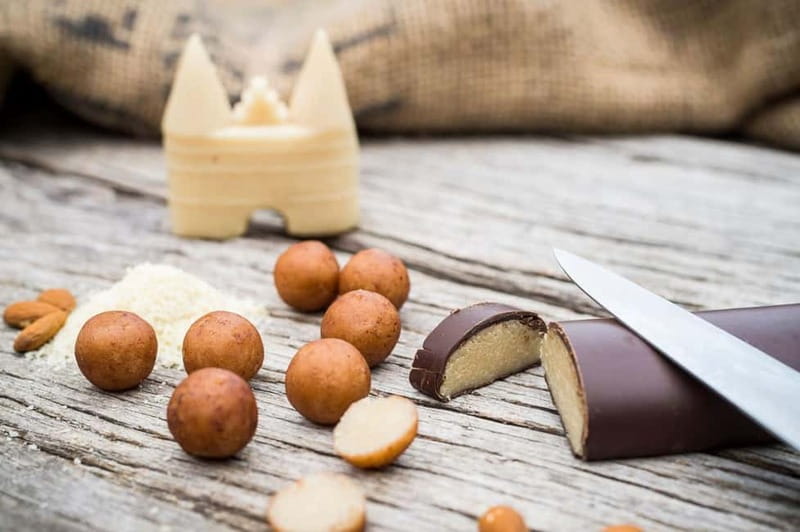
Marzipan is one of the foods most closely linked with Lübeck, so it makes sense that it features prominently. The tasting gives the city’s famous sweet tradition a place within the wider tour rather than treating it as a stand-alone souvenir stop.
You should expect more than one kind of bite overall, with the food moving between sweet and savory. The selection can include samples from small manufactories, giving you a closer connection to local production than a standard snack break would provide.
Rotspon adds another local touch. It is included among the tour’s headline tastes, alongside marzipan and other specialties. Since drinks are not included, check what is being served as part of the tasting and plan to buy any additional drinks yourself.
The food is not presented as a formal lunch. It is better to think of it as a series of tasting stops woven into a walking tour. One person may find the portions nicely varied, while another may want more food. If you have a large appetite, eat something light beforehand.
That point is worth stressing because the culinary element is central to the appeal, but the tour still has a strong sightseeing schedule. You are paying for the combination of guided history, access to small food producers, and several tastings, not for a three-course meal.
Same city, a completely different plate:
- Hamburg: Schanzenviertel Culinary Tour
★ 4.6 · 2,051 reviews - Hamburg: Elbphilharmonie Plaza and HafenCity Food Tour
★ 4.7 · 1,711 reviews - Bavarian Beer and Food Evening Tour in Munich
★ 4.5 · 1,575 reviews - Berlin Center Food Tour with 8+ Authentic Local Tastings
★ 5.0 · 1,227 reviews
Sweet and savory stops from small manufactories
The best part of the tasting format is its range. The tour promises both sweet and savory food, so you are not spending three hours on desserts alone. That balance helps the experience feel like a portrait of Lübeck rather than a single-product tasting.
The precise stops and products can vary, so I would not book this expecting a fixed menu. The information provided names marzipan and Rotspon, along with various regional specialties, but it does not promise a complete list of samples.
The quantity also deserves a realistic note. The food selection can be plentiful, and the overall mix is designed to move from sweet to salty flavors. Still, some tastings may be small. The tour works best when you value variety and context more than large portions.
The serving arrangements may be informal. At one café stop, the tasting may be paired with cake, but coffee and seats are not included. You will mostly be standing, so this is not the right choice if you want every food stop to become a relaxed café break.
I see that as a fair trade for keeping the tour moving through the old town. You get several short food encounters instead of losing a large part of the afternoon at one table. Still, anyone who needs regular seating should ask about the exact arrangements before booking.
Why the German-language format matters
The guide speaks German, and some content is shown in its original language. That makes the tour a good fit if you are comfortable following spoken German and want the explanations to come directly from a local guide.
If you do not understand German, the food alone is unlikely to justify the price. The tastings are only half of the experience. The other half is the explanation of Lübeck’s Hanseatic past, churches, traditions, and overlooked corners.
For German speakers, the format should feel direct and natural. The guide can explain small details as you walk, answer questions, and connect a food sample to the place around you. The small-group setup also makes it easier to keep the walk conversational than a large coach excursion.
A helpful tip is to tell the guide early if you have food restrictions or accessibility questions. The supplied information does not list specific allergy or dietary arrangements, so do not assume that substitutions will be available.
Three hours on foot, with limited sitting
The duration is three hours, long enough to cover several parts of the old town without turning the experience into a rushed checklist. You will walk, stop for explanations, and pause for samples. Most of the food is eaten standing up.
That format keeps you close to the city. You are not being moved between restaurants by vehicle, and there is no transport segment to interrupt the route. The cost of that close-up experience is physical effort, especially on cobblestones and in poor weather.
Wear shoes with good support and dress for the forecast. The tour runs in all weather, so a rain jacket or suitable warm layers can make a real difference. An umbrella may be awkward in narrow passages, so practical clothing is more useful than trying to dress for a polished restaurant meal.
The tour is not suitable for pets. That restriction is easy to overlook when planning a walking activity, especially if you are traveling with a dog.
Is $51 a fair price for the experience?
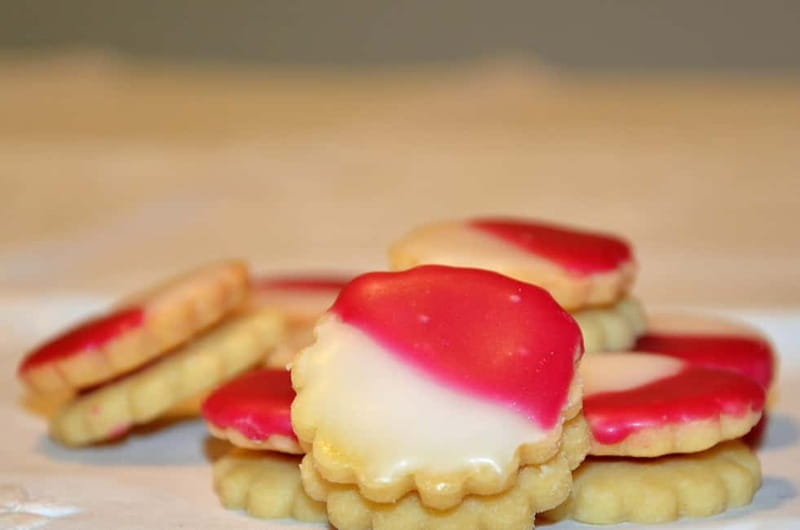
At $51 per person, this is not the cheapest way to see Lübeck. It can still be a reasonable buy if you would otherwise pay for a separate city tour and several food tastings.
You are paying for three hours with a certified guide, a small-group format, and a route that combines major history with less obvious corners. The various samples add value, especially if you enjoy trying local specialties without committing to a full meal at each stop.
The value drops if you are mainly looking for lunch. Drinks are not included, the tastings are not described as a full meal, and some portions may be modest. In that case, a restaurant meal plus a self-guided walk could cost less and give you more time to sit.
I think the price makes the most sense for a first visit to Lübeck, particularly if you like learning the story of a place through its food. It is also a useful choice for people who might otherwise walk past the city’s small passages and local producers without noticing them.
Free cancellation up to 24 hours before the tour and the option to reserve now and pay later add flexibility. Those terms are useful if your northern Germany plans are still shifting.
Who should book the Lübeck culinary city tour?
I would recommend this tour to you if you want a gentle but active introduction to Lübeck, speak German, and enjoy tasting small portions while walking. It suits couples, solo visitors, and small groups who prefer local context over a simple list of sights.
It is especially useful for a first visit. The route gives you a working map of the old town, then points out details you can return to later. The food adds a clear sense of place, with marzipan and Rotspon providing recognizable starting points.
You may want to skip it if you dislike standing, have difficulty with cobblestones, or expect a substantial meal. It may also disappoint you if you need an English-language tour or want a fixed menu with exact portion sizes.
The strongest reasons to book are the German-speaking guide, the mix of sweet and savory samples, and the chance to see Lübeck beyond its most photographed monuments. The main cautions are the language, weather, walking surface, and informal tasting setup.
FAQ
Where does the Lübeck Culinary City Tour begin?
The meeting point is the tourist information office at Holstentorplatz 1. It is not the Holsten Gate itself, so make sure you go to the office.
How long does the tour last?
The tour lasts three hours and is conducted on foot through Lübeck’s old town.
What language is the tour in?
The live guide speaks German. Some content is presented in its original language.
What food and drink are included?
The tour includes various culinary tastings, including sweet and savory specialties such as marzipan and Rotspon. Drinks are not included.
Is the tour wheelchair accessible?
The activity is listed as wheelchair accessible. Since the route includes cobblestones and narrow passages, contact the organizer in advance with specific accessibility questions.
What should I bring?
Bring comfortable shoes and weather-appropriate clothing. The tour runs in all weather, and you will mostly stand during the tastings. Pets are not allowed.
Should you book it?
Book this experience if you want Lübeck’s food traditions and old-town history in one well-paced walk. The combination of marzipan, Rotspon, small-manufactory samples, Hanseatic stories, and lesser-seen passages gives you more than a standard city stroll.
Skip it if you need English commentary, a seated meal, or an easy route without cobblestones. For everyone else, the $51 price is defensible because it covers both a guided introduction to Lübeck and a series of tastings you might not find on your own.
Just added around Germany
- Leipzig: 3-Hour Sightseeing and Food Tour★ 4.9 · 113 reviews
- Bamberg: Guided Historical Culinary Tour★ 4.6 · 461 reviews
- Heidelberg: Culinary city tour with delicious samples★ 4.6 · 52 reviews
- Hannover: Culinary walking tour district List/Oststadt★ 4.6 · 28 reviews
- Hannover: Culinary Walking Tour Downtown + Old Town★ 4.6 · 46 reviews
- Hamburg: Schanzenviertel Food and Beer Tour★ 4.5 · 44 reviews
- Hamburg: Elbphilharmonie Plaza and HafenCity Food Tour★ 4.6 · 168 reviews
- Hannover: Guided Bike Tour for Foodies with Tastings★ 4.8 · 64 reviews
Food Tours in Germany, compared.

Elbphilharmonie Plaza and HafenCity Food Tour
Read our review →
Bavarian Beer and Food Evening Tour in Munich
Read our review →
Berlin Center Food Tour with 8+ Authentic Local Tastings
Read our review →

Beer and Food Tour with Dinner & Oktoberfest Museum
Read our review →
Browse the lists this tour appears in