
REVIEW · CHICAGO
Chicago in a Day: Food, History & Architecture Walking Tour
Chicago makes a strong first impression with food in one hand and architecture overhead. This small-group tour ties those two pleasures together as you walk from the Chicago Theatre through the Loop, along the river, past famous towers, and toward River North. Along the way, you taste deep-dish pizza, a Chicago hot dog, Italian beef, and other local favorites.
I like the maximum group size of 12, which gives guides such as Dave, Rich, Dash, and John room to answer questions and watch the pace. I also like the mix of major sights and useful local advice, including restaurant, museum, and transit suggestions for the rest of your stay.
The main thing to consider is the walking. You cover about 3 to 4 miles over roughly four and a half hours, and the food arrives mostly in the second half. If you book a morning departure, eat a light breakfast and bring water.
Key points to know before you book
- A full Chicago meal in small bites: Deep-dish pizza, popcorn, hot dog, Italian beef, and other samples are included, with portions designed to equal lunch.
- A smart first-day route: The tour connects the Loop, Chicago River, Magnificent Mile, Millennium Park, and River North.
- Small groups matter downtown: A cap of 12 makes it easier to hear the guide and keep the group together near traffic, trains, and busy sidewalks.
- The food is not spread evenly: You may wait more than two hours for the largest savory tastings, so do not skip breakfast.
- Expect real walking in all weather: The tour runs in rain, snow, or shine and covers about 3 to 4 miles at a relaxed pace.
- Best for first-time visitors: You get orientation, city stories, classic foods, and practical suggestions in one half-day outing.
Starting beneath the Chicago Theatre marquee
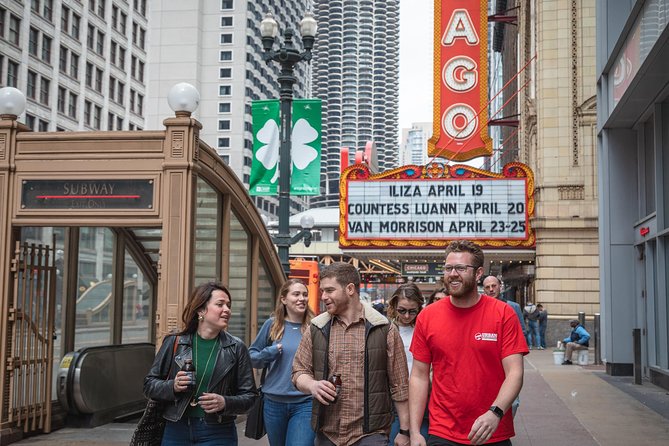
The tour begins at 175 North State Street, beneath the bright Chicago Theatre marquee. It is an easy downtown meeting point and a fitting introduction to a city where movie-palace glamour, office towers, elevated trains, and busy sidewalks all share the same few blocks.
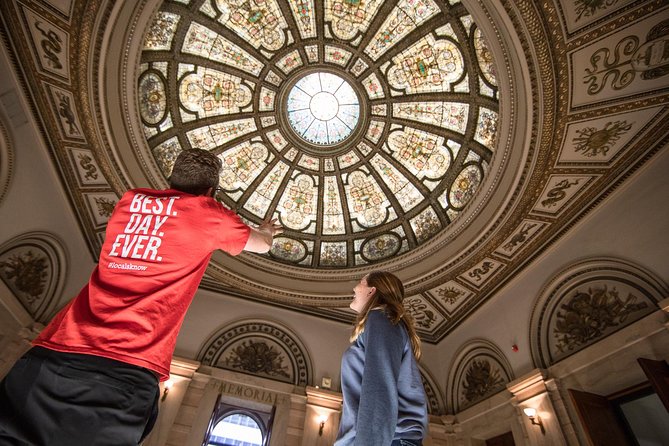
You get a brief look at the theater before heading into the Loop. The stop lasts about 10 minutes, so do not expect a theater visit or an extended interior tour. Its value is orientation: you know exactly where you are, and the guide can begin placing Chicago’s streets and buildings into context.
This is also a good moment to tell the guide about any mobility concern or vegetarian food requirement. Dave, in particular, has been praised for spotting when someone needed a slower pace, a lift route, or a break. The guide can make the outing easier, but you should still arrive ready for several miles on foot.
More Food Tours in Chicago
- Chicago Favorites Ultimate Food and Walking Tour
★ 5.0 · 1,962 reviews - Chicago Loop District Food Tour with Deep Dish & Beef Sandwich
★ 5.0 · 870 reviews - Chicago’s Chinatown Food and Walking Tour
★ 5.0 · 600 reviews
The Pedway and the practical side of Chicago
The Chicago Pedway offers a different view of downtown. This network of underground passages is used by office workers and commuters, especially when winter wind or summer heat makes street-level walking less pleasant.
The route explores the Pedway when conditions allow. That wording matters: access and timing can depend on the day. The tunnels are not a grand sightseeing attraction in the usual sense, but they show how Chicago works for people who live and work downtown.
You also pass the City Hall and County Building. The guide uses these buildings, streets, and civic spaces to explain how Chicago grew, how government operates, and how immigration, industry, Prohibition, and the Great Fire shaped the city. The stories are often the heart of the tour, though the amount of information can feel heavy at times. If you prefer a quick photo stop and a few facts, you may find the narration dense.
The Chicago River brings the skyline into focus
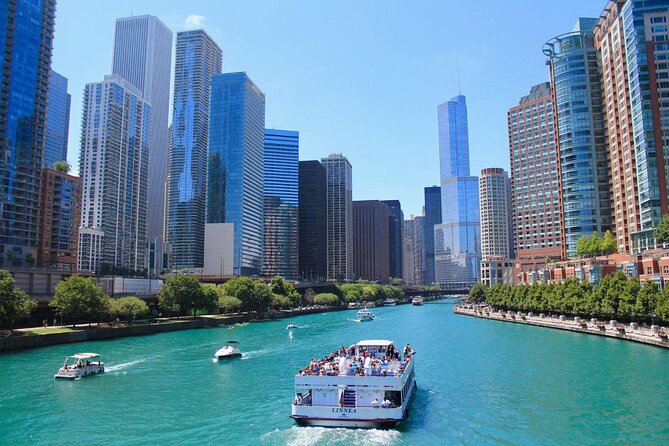
The Chicago River is one of the route’s strongest sections. Walk near the water and look back at the walls of buildings rising from the riverfront. This is where Chicago’s architecture feels less like a collection of separate landmarks and more like one continuous city scene.
The guide points out the role of the river in Chicago’s growth and helps you read the streets around it. You also share the route with commuters, so this is not a quiet promenade from beginning to end. Watch your footing, keep close to the group, and stay alert at crossings.
The pace is generally relaxed, with regular stops. Several guides have made a point of walking backward while speaking, checking that everyone stays together. That kind of care matters on crowded downtown streets, though a group of 11 or 12 can still be hard to hear near traffic and trains.
One useful detail deserves more attention: the tour may include a ride on the elevated train, known locally as the L. This is a practical Chicago experience, not just transport between stops. The ride is not always highlighted in the basic description, so ask your guide about it at the start if it is important to you.
Wrigley Building and Tribune Tower on Michigan Avenue
The route then reaches the Magnificent Mile, where the Wrigley Building and Tribune Tower provide two very different lessons in Chicago design.
The Wrigley Building was built between 1920 and 1924 for the Wrigley Company. Its bright exterior and prominent clock tower make it one of the easiest buildings to recognize from Michigan Avenue. The tour gives you time to appreciate it as more than a shopping-street backdrop.
Nearby, the 463-foot Tribune Tower rises in neo-Gothic style. Its 36 stories make a sharp contrast with the Wrigley Building, and the pair helps show how Chicago’s builders used competing styles to give the avenue its identity.
You will not spend hours inside either building. This is a street-level architecture tour, with the guide doing much of the interpretation. Rich and Dave have been praised for explaining not only what a building looks like, but also the people, companies, and city changes behind it. That personal narration keeps the route from becoming a march past façades.
More food and history walks in the USA:
- Historic Ybor City Food Walking Tour
★ 5.0 · 2,210 reviews - Boston Food & History: Pizza, North End & Freedom Trail
★ 5.0 · 1,772 reviews - Southern Flavors Food, Pub Crawl, and History Walking Tour
★ 4.5 · 1,623 reviews - New Orleans Food and History Walking Tour
★ 5.0 · 1,544 reviews
Millennium Park, Cloud Gate, and a useful pause
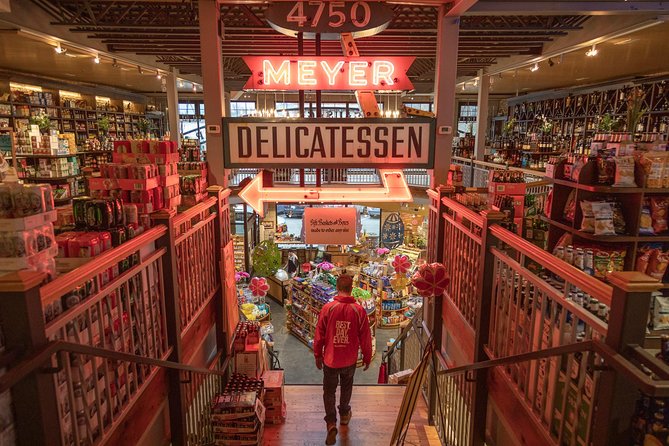
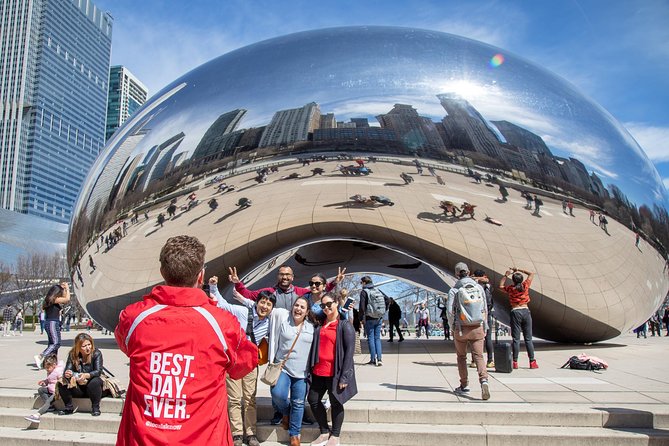
Millennium Park is the tour’s best-known photo stop. You walk through the park and see Cloud Gate, the polished sculpture better known as The Bean. It is the place for the classic reflected skyline photograph, though crowds can make a private moment with the sculpture difficult.
This section gives you a change of pace after the river and Michigan Avenue. Your guide can also point you toward more sights, lunch spots, museums, and bars for later. That advice may be one of the tour’s most useful benefits because Chicago can overwhelm first-time visitors with choices.
One guide directed an art-loving participant toward the Art Institute of Chicago, even though it was not part of the route. That is the kind of practical follow-up help you can expect from a good guide, but remember that suggestions are not admissions or included activities.
The food stops: what lunch really means here
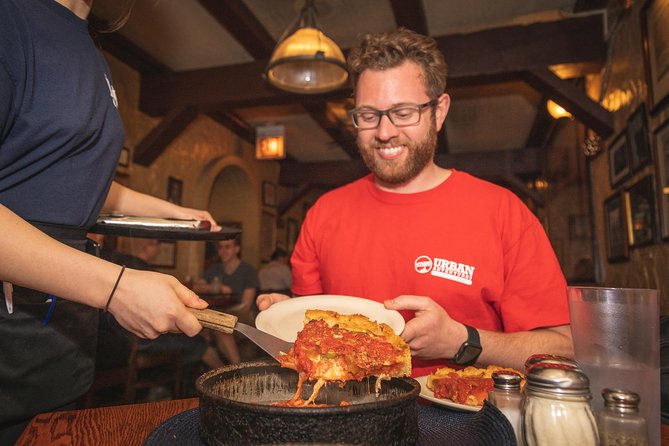
The food is meant to add up to a full meal, but it arrives as samples rather than one large restaurant lunch. Offerings and portion sizes can change with the season and the stops used that day.
The lineup includes Chicago staples such as:
- Deep-dish pizza
- A Chicago-style hot dog
- Italian beef
- Popcorn and other local bites
A useful point of precision: one food stop may serve half a hot dog and half an Italian beef sandwich rather than full portions. The amount is still designed to equal lunch when combined with the other tastings, but do not arrive expecting three complete entrées.
The order can also affect your enjoyment. The tour may begin with popcorn or a small bite, then spend the first half focused on streets, buildings, and city stories. The hot dog and beef sandwich can arrive around the three-hour mark. If you take a 10 a.m. tour, have breakfast first and carry water. Water is provided with the meals, but not necessarily throughout the walking portions.
I like this food plan because it lets you compare several Chicago classics without giving up half a day to restaurant stops. You get a first taste of the city’s food identity, then you can decide which dish deserves a full meal later. The drawback is that anyone expecting a food tasting every 30 minutes may find the timing uneven.
Vegetarian options are available, but you must request one in advance. Other allergies and dietary preferences cannot be accommodated, so this tour is not a safe choice if you need strict allergy control or a highly customized menu.
The final walk into River North
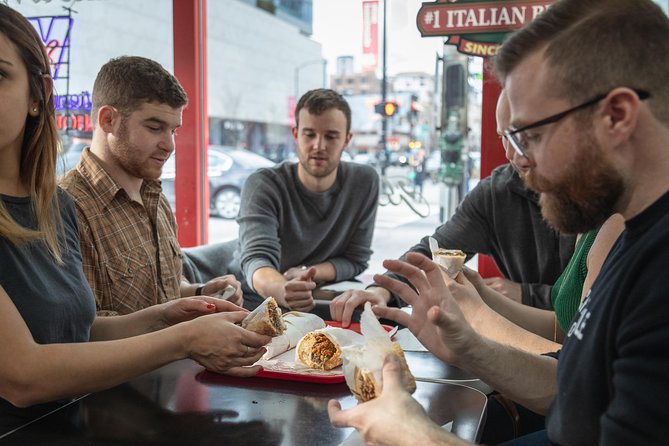
The tour finishes near North Clark Street and West Ontario Street in River North. This is a useful ending point, not an isolated drop-off. You are close to restaurants, bars, museums, historic buildings, and newer architecture, with plenty of options for continuing your day.
The final stretch gives you a broader sense of downtown. Instead of ending at one landmark and sending you back to your hotel, the route leaves you in a neighborhood where you can eat, explore, or catch public transport.
Do not treat the stated four and a half hours as a tightly timed transfer. Some groups move faster, while others pause for questions, photographs, restrooms, shade, or food service. One estimate from the route puts the actual walking at about three and a half hours, with the rest spent stopping and listening. A 4.5-hour block on your schedule is the safe assumption.
Guide quality and the small-group advantage
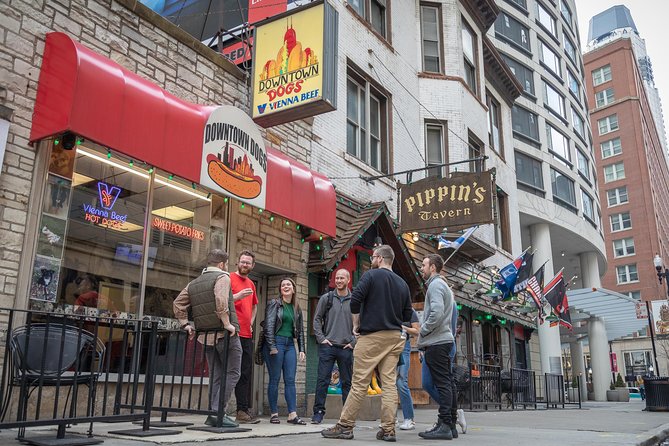
The guides are a major part of the experience. Dave is known for balancing facts, humor, personal stories, and attention to the group. Rich brings strong architecture coverage and practical restaurant ideas. Dash has a particularly enthusiastic approach and often adds lesser-known places to a list for later exploration. John has also been praised for helping people reach the next stop and adjusting when someone struggled with stairs or hills.
The strongest pattern is personal care. Guides have helped people find elevators, slowed the pace for a sore knee, planned sitting and shade breaks, and made sure someone reached the right train afterward. That is valuable in a city where the route includes stairs, crossings, crowds, and long stretches of pavement.
A small group does not solve every problem. Outdoor narration can be difficult beside traffic or trains, especially when 11 or 12 people spread out. Stay near the guide if hearing every detail matters to you. The company’s ethical tourism credentials, including its certified B Corp status, may also appeal if you prefer operators that make responsible business part of their model.
Price, timing, and who gets good value
At $100.95 per person, this is not the cheapest way to walk downtown Chicago. It becomes better value if you use it as a first-day orientation, count the included food as lunch, and follow the guide’s advice for the rest of your trip.
You are paying for a local guide, several tastings, a planned route, a small group, and four and a half hours of structure. Buying the same food separately and visiting the landmarks on your own could cost less, but you would need to research the route, manage timing, and supply the background stories yourself.
The tour is a good fit for:
- First-time Chicago visitors with limited time
- Families wanting food and sightseeing in one outing
- Solo visitors who prefer a small group
- Architecture fans who want context, not just photographs
- People who want ideas for restaurants and sights after the tour
It is less suitable for anyone who dislikes long walks, needs a quiet indoor experience, has serious food allergies, or wants a dedicated architecture tour with extensive interior access. Children are welcome. Children under four can join free, and reduced pricing applies from ages four through 11.
Dress for the forecast because the tour runs in rain, snow, or sunshine. The pace is relaxed and most people can participate, but three to four miles is still a real walk. Free cancellation is available up to 24 hours before the start time; cancellations inside that window are not refunded.
Should you book the Chicago in a Day tour?
I would book this as one of my first Chicago activities, especially for a first visit or a short stay. You get the city’s signature foods, major downtown architecture, the river, Millennium Park, and a useful introduction to neighborhoods that you can explore later.
The best reason to choose it is the combination of careful local guiding and broad coverage. The main caution is the structure: the food may be delayed, the history can come quickly, and the walking is longer than the phrase half-day tour might suggest.
Eat breakfast, bring water, wear good shoes, and ask about the L ride. If those conditions suit you, this tour offers a practical and flavorful way to get your Chicago bearings fast.
FAQ
How long does the Chicago in a Day tour last?
The tour lasts approximately four hours and 30 minutes.
How far do you walk?
You walk approximately 4.8 to 6.4 kilometers, or about 3 to 4 miles, at a relaxed pace with regular stops.
Where does the tour begin?
It begins beneath the Chicago Theatre marquee at 175 N State St, Chicago, Illinois 60601.
Where does the tour finish?
It finishes in River North near North Clark Street and West Ontario Street.
What food is included?
Included tastings can include deep-dish pizza, a Chicago hot dog, Italian beef, popcorn, and other Chicago specialties. The exact food and portion sizes can vary by season and daily stops.
Does the food equal a full meal?
Yes. The total amount of food is designed to equal a full meal, although it is served as several tastings rather than one large meal.
Can vegetarian food be provided?
Yes. Vegetarian options are available if you notify the operator in advance.
Can the tour accommodate food allergies?
No. Other food allergies and dietary preferences cannot be accommodated according to the tour information.
Is the tour suitable for children?
Yes. The tour is family-friendly. Children under four can join free, and reduced child pricing applies to children aged four through 11.
What happens if the weather is poor?
The tour operates in rain, snow, or sunshine, so you should dress for the forecast. If the experience is canceled because of poor weather, you are offered another date or a full refund.
More Walking Tours in the USA
- Little Havana Food and Walking Tour in Miami
★ 5.0 · 8,882 reviews - New Orleans Food Walking Tour of the French Quarter with Small-Group Option
★ 5.0 · 6,118 reviews - Savannah First Squares Culinary & Cultural Walking Food Tour
★ 5.0 · 3,229 reviews - Southernmost Food & Cultural Walking Tour by Key West Food Tours
★ 5.0 · 1,730 reviews
Just added around the USA
- Miami: Intimate Sailing in Biscayne Bay w/ Food and Drinks★ 4.7 · 34 reviews
- Miami: Little Havana Cuban Food and Culture Walking Tour★ 4.8 · 223 reviews
- Los Angeles: Downtown Food Tour★ 4.6 · 43 reviews
- Las Vegas: Foodie Walking Tour on The Strip with Tastings★ 5.0 · 24 reviews
- Key West: Schooner Sunset Sail with Food & Drinks★ 4.9 · 318 reviews
- Key West Signature Sunset Cruise with Open Bar, Food & Music★ 4.5 · 418 reviews
- Key West: Cuban and Caribbean Food and Cultural Walking Tour★ 4.9 · 128 reviews
- Kauai: Local Tastes Small Group Food Tour★ 4.4 · 125 reviews
Food Tours in Chicago, compared.
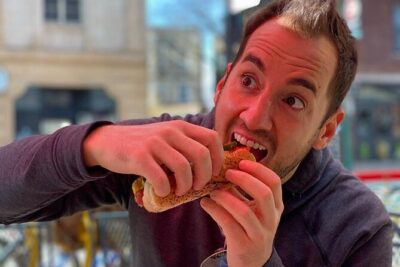
Chicago Favorites Ultimate Food and Walking Tour
Read our review →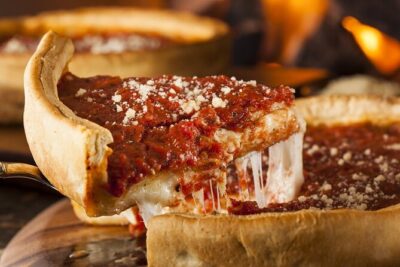
Chicago Loop District Food Tour with Deep Dish & Beef Sandwich
Read our review →
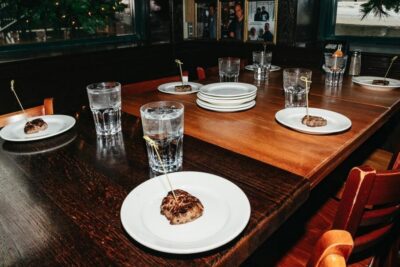

Classic Food & Walking Tour with Free Bike or Kayak
Read our review →
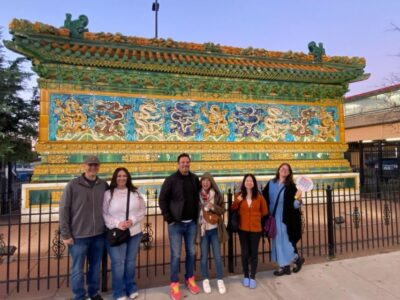
Taste of Chinatown Food and Cultural Walking Tour
Read our review →
The Ultimate Foodie Walking Tour with Tasty Stops
Read our review →Browse the lists this tour appears in