
REVIEW · CHICAGO
Chicago: Food, History and Architecture Tour
Chicago’s best introduction may be found in the space between its buildings and its lunch counters. This 4.5-hour walk takes you from the Chicago Theater and Willis Tower to the Pedway, Riverwalk, and Bean, while folding in three classic foods and a quick look at the city’s Prohibition past. I like the way architecture and food share the same route, so you learn how Chicago looks and tastes in one outing.
I also like the small size, with no more than 12 people, and the chance to step inside buildings rather than simply point at them from the sidewalk. Guides such as Chicago-born Dave, Dash, Rich, and Daniel have brought plenty of local color to the walk. The main drawback is simple: you cover 3 to 4 miles on foot, and the food may come later in the tour, so wear good shoes and plan your timing.
Key points at a glance
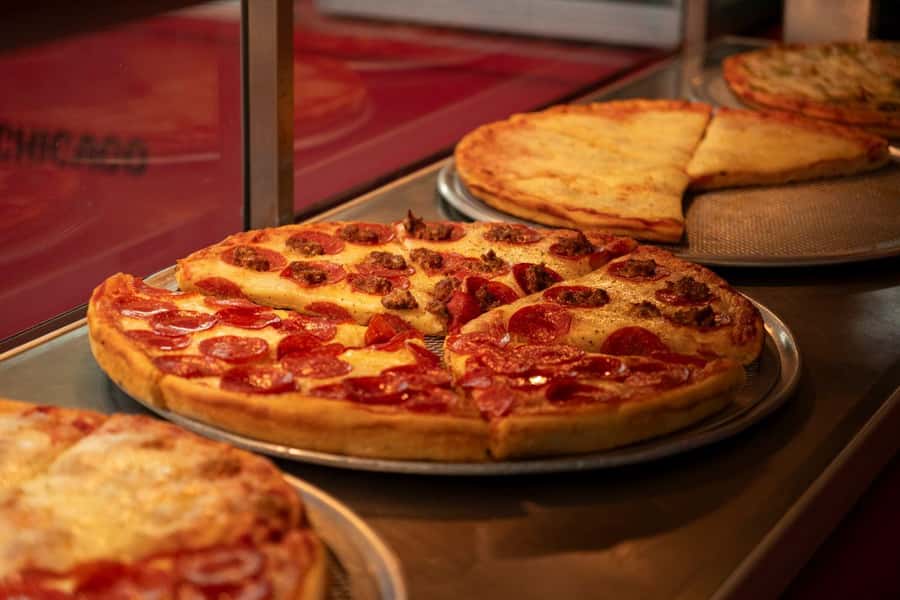
- Chicago classics in one meal: Try a Chicago-style hot dog, deep-dish pizza, Italian beef, and local popcorn.
- A look below street level: Walk through the Pedway, Chicago’s network of underground passages used by locals.
- Architecture you can enter: See the Chicago Cultural Center and other landmark interiors, not only their outside façades.
- A strong downtown route: Pass the Chicago Theater, Willis Tower, Wrigley Building, Marina Towers, London House, and the Riverwalk.
- Small-group attention: The tour is limited to 12 people, with private group bookings also available.
- A useful first-day plan: Finish at Millennium Park with local suggestions for what to do next.
Why this Chicago food and architecture tour works
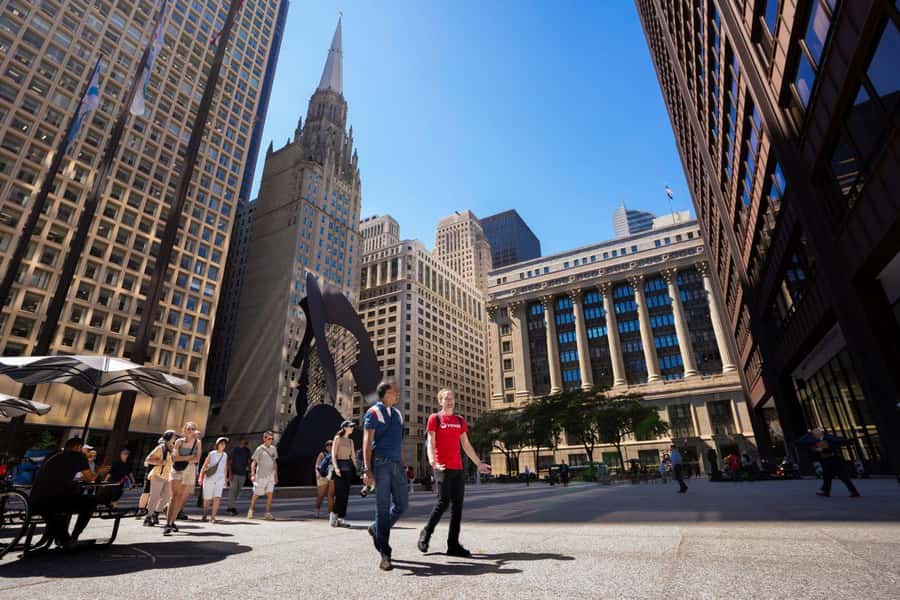
Chicago can feel like several cities piled into one downtown grid. There is the grand civic center, the old commercial core, the river corridor, the modern office district, and the underground Pedway. Add a hot dog, a slab of deep dish, and an Italian beef sandwich, and you have a very practical introduction to the city.
The strength of this tour is its mix. A dedicated architecture walk may explain more technical details about individual buildings. A food tour may spend more time at restaurants. This experience gives you a working overview of both, with Prohibition stories and local history connecting the stops.
I especially like the way the route alternates between outdoor views and indoor spaces. That matters in Chicago, where weather can change quickly and where some of the best details are found under a ceiling, in a lobby, or below street level. It also gives you occasional chances to sit, eat, and catch your breath during a long half-day.
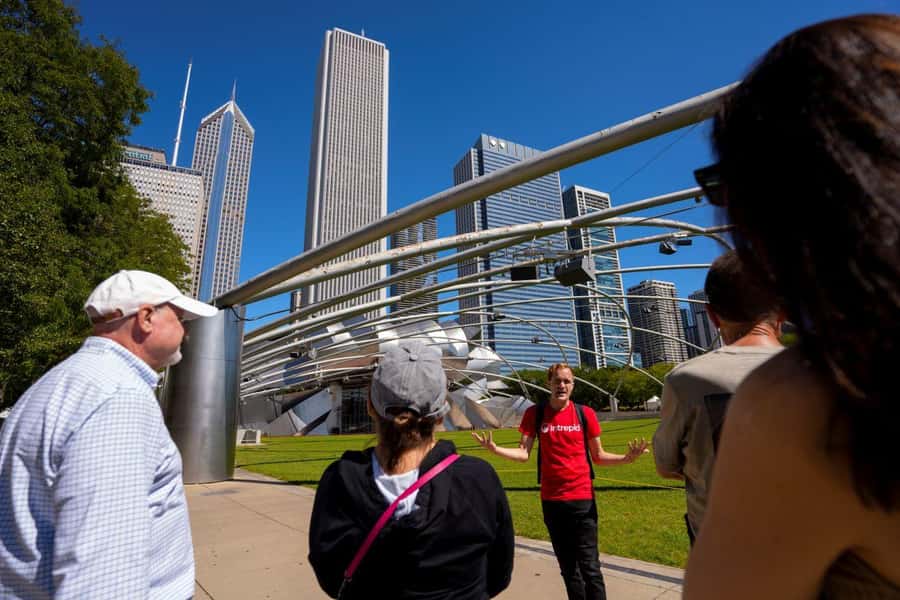
The group limit helps. With 12 or fewer people, you are more likely to hear the guide without a microphone or headset, and you can ask questions as the route unfolds. One guide kept the pace gentle enough that no one had to run to catch up. That is a small detail, but it makes a difference over several hours.
More Food Tours in Chicago
- Chicago Favorites Ultimate Food and Walking Tour
★ 5.0 · 1,962 reviews - Chicago in a Day: Food, History & Architecture Walking Tour
★ 5.0 · 1,153 reviews - Chicago Loop District Food Tour with Deep Dish & Beef Sandwich
★ 5.0 · 870 reviews
From the Chicago Theater to the city’s Prohibition past
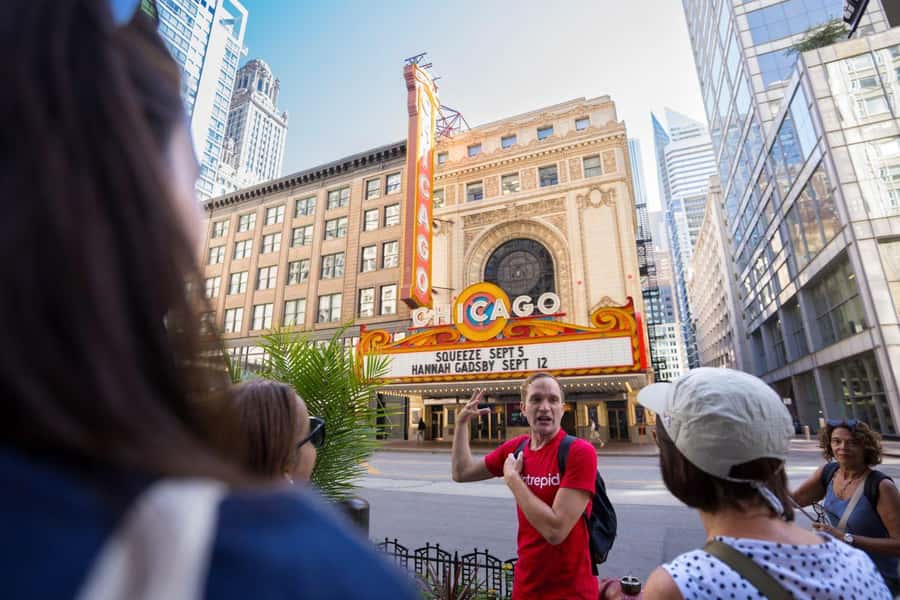
The downtown section begins with landmarks that help set the scene. The Chicago Theater is one of the city’s familiar symbols, and the route uses it as a starting point for talking about Chicago’s entertainment districts, old commercial life, and the years when Prohibition shaped nightlife and organized crime.
The Prohibition material is not presented as a separate museum visit. Instead, it is woven into the walk through the central city. That approach works well if you want context without spending hours on one narrow topic. You get a sense of how the city’s public buildings, theaters, hotels, and restaurants fit into its past.
The guide is a big part of this section. Dave, who was born and raised in Chicago, has been praised for using personal local knowledge and a lively storytelling style. Dash and Rich have also led the route with an emphasis on stories, questions, and small details. Your guide will shape the exact feel of the outing, but the small group allows for a more personal exchange than a large bus tour.
You should expect some changes in emphasis. Construction, access, weather, and the day’s timing can affect which interiors you enter. That is not a flaw in the concept, but it is worth knowing if you expect every stop to follow a fixed script.
Going below street level in the Chicago Pedway
The Pedway is one of the more unusual parts of the route. Chicago’s downtown is famous for its tall buildings and broad streets, but locals also move through a less visible network of underground corridors. Walking there gives you a practical look at how people get around the Loop in bad weather and how the city functions beneath the main streets.
The Pedway is not a grand attraction in the way the Chicago Cultural Center is. Its value is local and practical. You see a side of downtown that is easy to miss if you stay above ground, and you get a better feel for the city as a place where people work, commute, shop, and eat.
This part can also help break up the walk. A route that stays outdoors for four hours would be harder in rain, snow, or winter wind. The tour operates in all weather, so the underground passages are a welcome change, though you still need to dress for the day as a whole.
Chicago Cultural Center, Macy’s, and details above your head
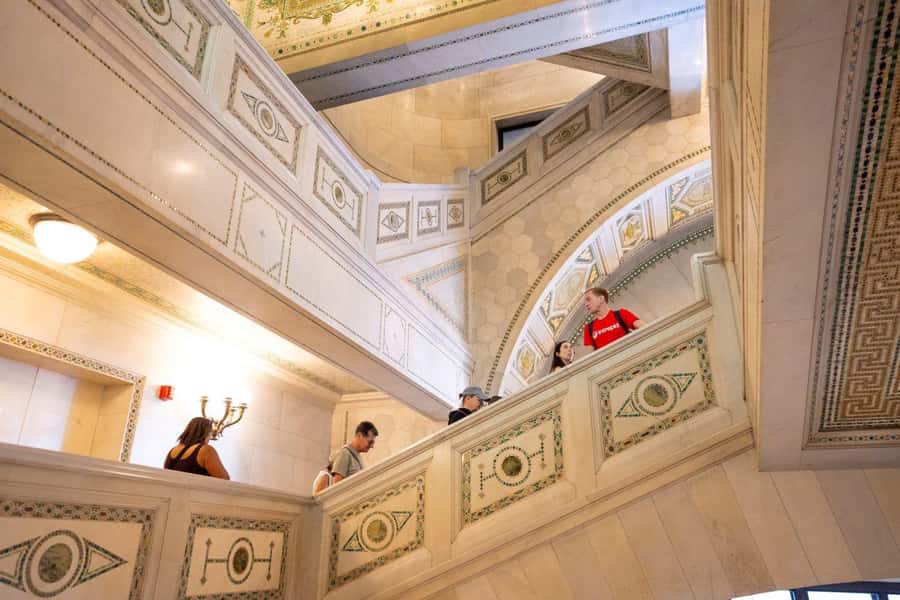
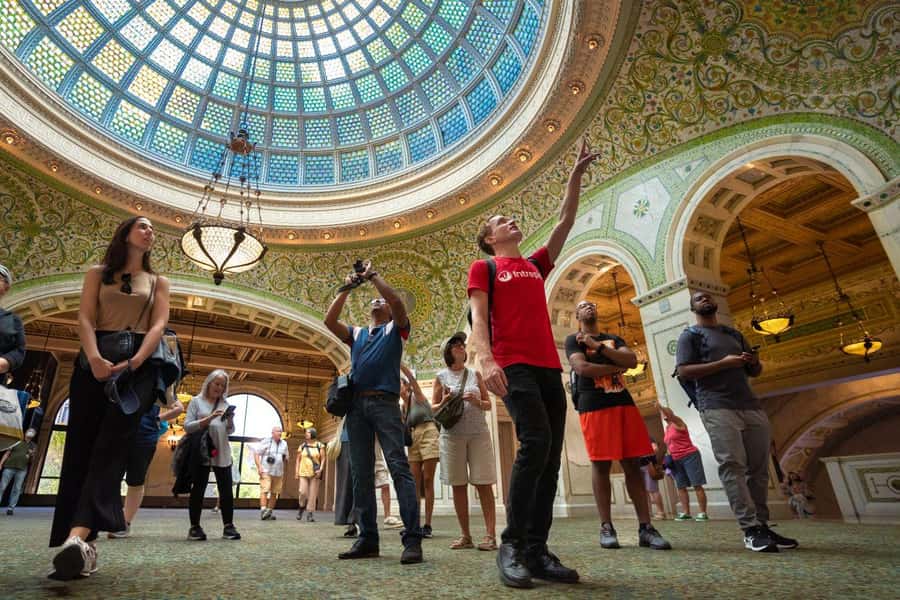
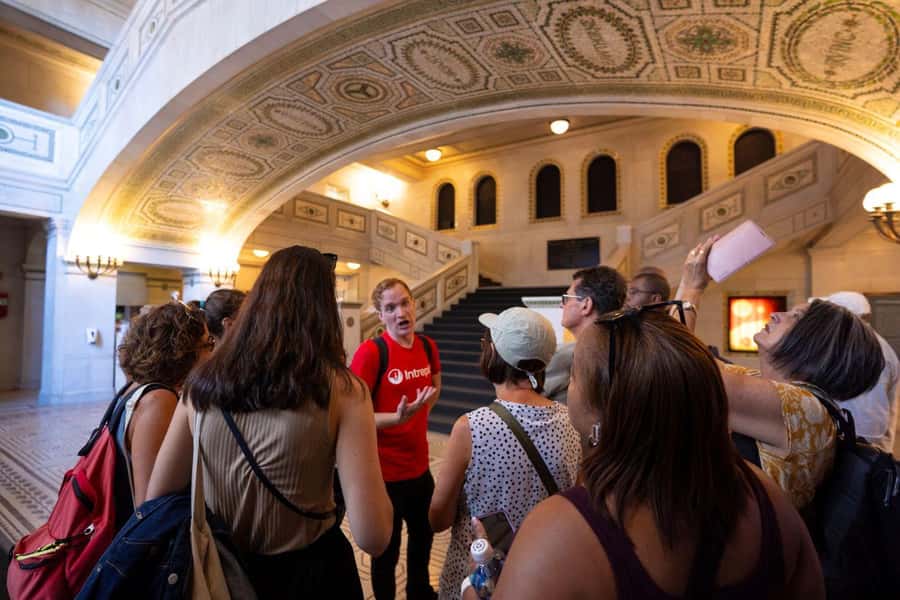
The Chicago Cultural Center is one of the route’s most rewarding architectural stops. Its interior gives you a chance to look closely at decorative details that can disappear when you are hurrying through downtown. The building is also a good reminder that Chicago’s architectural interest is not limited to skyscrapers.
One guide included the library and Macy’s in the walk, giving the group time to look at ceilings and interior design. You may find that these are the places you remember most clearly because they are easy to overlook when exploring on your own. A department store can seem like a shopping stop, but its historic interior may reward a slower look.
This is where a good guide earns the fee. From the sidewalk, you can photograph a façade. Inside, you need someone to point out what deserves your attention and explain why it matters. Daniel was praised for bringing participants into several buildings and showing details that would have been missed outside.
The tour does not promise entry to every landmark every time. Buildings may have changing access rules, and the route can shift. Still, the indoor visits are an important part of the experience, especially if you enjoy decorative design as much as skyline views.
More food and history walks in the USA:
- Historic Ybor City Food Walking Tour
★ 5.0 · 2,210 reviews - Boston Food & History: Pizza, North End & Freedom Trail
★ 5.0 · 1,772 reviews - Southern Flavors Food, Pub Crawl, and History Walking Tour
★ 4.5 · 1,623 reviews - New Orleans Food and History Walking Tour
★ 5.0 · 1,544 reviews
Riverwalk views, the Wrigley Building, and Marina Towers
The Chicago Riverwalk brings the city’s architecture into a more open setting. Along the water, you can look up at the buildings from a different angle and see how the river helped shape the downtown core. The route passes the Wrigley Building and Marina Towers, two landmarks with very different forms.
The Wrigley Building is known for its bright exterior and prominent place beside the river. Marina Towers, with their rounded residential forms, give you a useful contrast to the straight lines of office towers. Seeing both from the riverfront helps you understand why Chicago works so well as an architecture city: the buildings are close together, but they do not all speak the same visual language.
The route also includes the Art Deco London House and views toward Willis Tower. These stops give you a broad range of styles rather than one repeated lesson. You will not get the same depth as a specialist architecture cruise, but you will see more of the city’s central landmarks while also learning about food and local customs.
The Riverwalk portion is also one of the better photo opportunities. Allow yourself time to look up, not only ahead. Guides may pause for photographs, and one of the practical strengths of a small group is that those stops do not have to feel like a traffic jam.
Popcorn, hot dogs, deep dish, and Italian beef
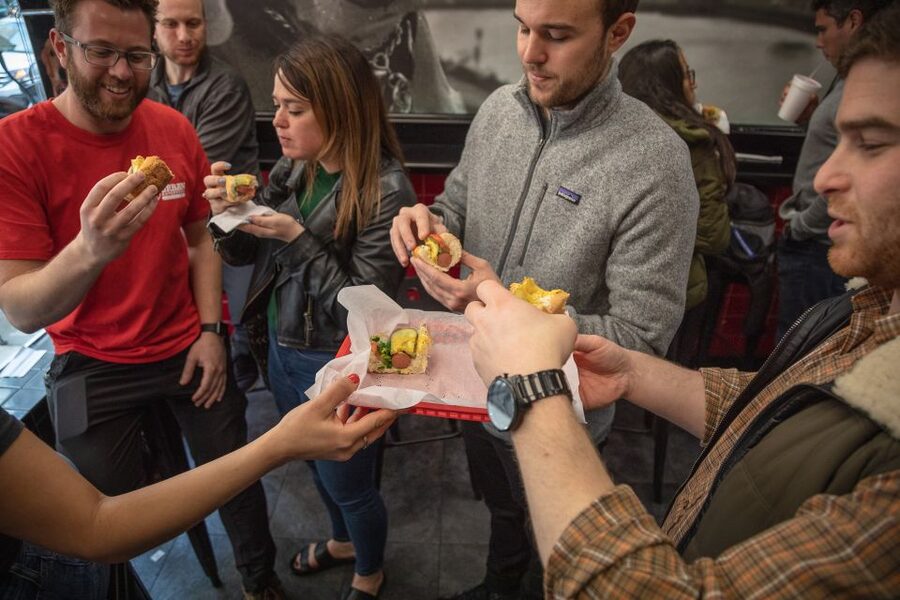
The food is not a token snack added at the end. The three main samples together are meant to equal a full meal, although portions and exact locations can vary with the season and the day’s stops. You also get a popcorn tasting, a fitting nod to Chicago’s snack culture.
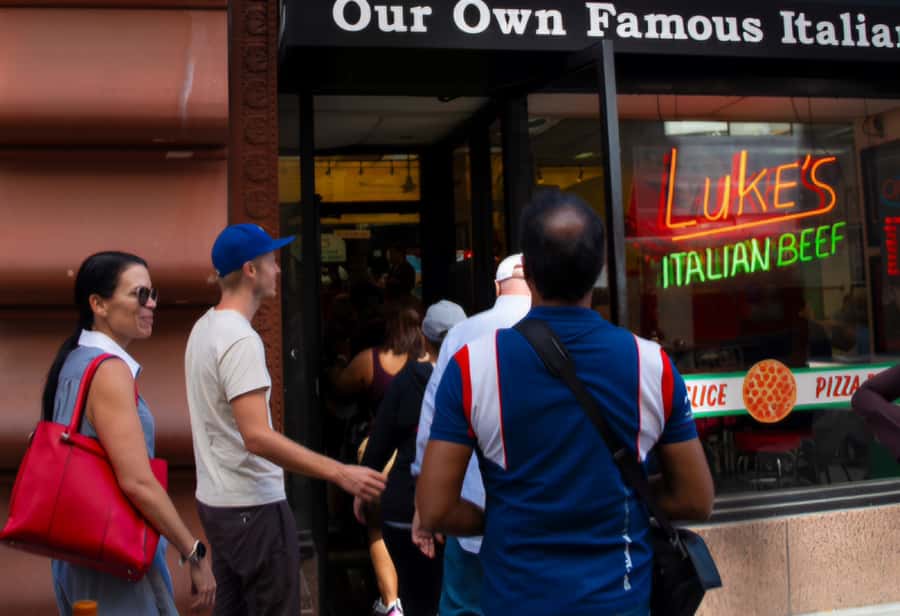
The classic hot dog is usually the first food that surprises people. Chicago-style means more than simply putting a sausage in a bun. The toppings and serving style are part of the local tradition, and this is a quick, easy way to start comparing Chicago food with the versions you may know at home.
Deep-dish pizza is the heavier stop. Do not approach it like a fast slice. It is filling, and the pace of a proper deep-dish meal is different from grabbing a thin piece at a counter. Several people singled out the pizza as a highlight, but the hot dog and Italian beef earned equal attention.
Italian beef gives you a different taste and texture again. It is a Chicago sandwich with a strong local identity, and it rounds out the food portion better than sampling three similar dishes would. The combination shows you three sides of the city’s casual eating culture: the quick bite, the substantial pizza meal, and the messy sandwich.
Food timing is worth planning around. One participant noted that a 1 p.m. start may leave you waiting for the main food stops, since the first part of the tour focuses on architecture and small snacks. If you book an afternoon departure, have a light meal first. If you want the food to serve as lunch, a morning start may fit better.
Vegetarian options can be arranged, but other allergies and dietary preferences cannot be accommodated. Tell the operator about vegetarian needs in advance. Since the stops and portions vary, do not assume that a particular restaurant or exact serving will be guaranteed.
Finishing at the Bean in Millennium Park
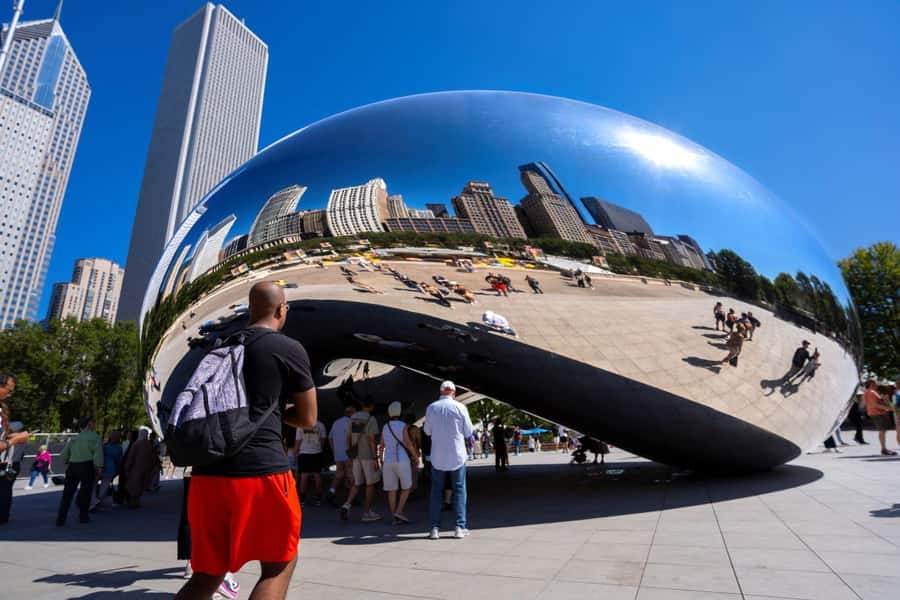
The walk ends in Millennium Park at Cloud Gate, better known as the Bean. This is a sensible finish because it places you near one of Chicago’s most recognizable sights and leaves you in a central area for the rest of your day.
By this point, the Bean means more than a photo stop. You have seen the city from the street, below the street, along the river, and from inside landmark buildings. Ending here gives you a simple visual marker for the route and a chance to take photographs without rushing to the next food stop.
The guide’s final suggestions are useful. You can ask what to see next, where to eat, and how to shape the rest of your visit. Several guides have given directions and tailored advice at the end, which is especially helpful if this is your first day in Chicago or you have only a short stay.
How the $99 price measures up
At $99 per person, this is not the cheapest way to see downtown. You are paying for a 4.5-hour guided walk, a local guide, four food experiences in total if popcorn is counted, and access to a route that combines several kinds of sightseeing.
The value is strongest if you would otherwise book separate food and architecture tours. You get a full meal’s worth of samples, a downtown orientation, local history, and practical advice in one booking. The small group also gives you more contact with the guide than a large city walk.
The value is weaker if you mainly want technical architecture detail or a long meal at each stop. A dedicated river cruise will show the skyline from the water with less walking, while a specialist food tour may spend longer at restaurants. This tour asks you to accept a little less depth in exchange for range.
I think the price is fair for a first visit, especially if you want a single activity that gets you moving and fed. It is also useful for repeat visitors. One person who had been to Chicago many times still picked up new details, which suggests the route is not limited to basic sightseeing.
Walking, weather, and who will enjoy it most
Plan on 3 to 4 miles, or roughly 4.8 to 6.4 kilometers, over the full outing. The route is described as suitable for all ages and fitness levels, but that does not mean it is effortless. Comfortable shoes matter, and you should be ready to walk in rain, snow, heat, or cold.
Children under six can join free of charge. The walk is child-friendly, but young children may find the length and food timing tiring. Older children and teenagers who like buildings, city stories, and familiar foods should have plenty to keep them interested.
The tour suits you best if you:
- Want a first look at central Chicago without spending the day on a bus
- Like food tastings but also want history and architecture
- Prefer a small group and direct contact with the guide
- Enjoy entering buildings and noticing design details
- Need local suggestions for the rest of your visit
You may want another experience if you dislike long walks, have food allergies beyond the available vegetarian accommodation, or want a single subject covered in great depth. The tour is also not a replacement for a full architecture cruise, observation deck visit, or dedicated Prohibition walk.
Morning and afternoon departures are usually available. A morning start may make the food feel more like lunch. An afternoon start may work better if you want to sleep in, but eat something light first so you are comfortable during the architecture portion.
Practical booking details
The tour is conducted in English with a live guide. Private group bookings are available, while the standard format has a maximum of 12 participants. The meeting point can vary by the option you choose, so check that detail before setting out.
The experience is carbon neutral and operated by a B Corp certified company. That will not change the route itself, but it may matter if you prefer to book with a company that tracks its wider effect on the places it visits.
You can cancel up to 24 hours before the start for a full refund, and the reserve-now, pay-later option gives you some flexibility. These policies are useful if your Chicago plans depend on weather or a changing schedule.
Should you book the Chicago Food, History and Architecture Tour?
I would book this tour if you want a lively first chapter to your Chicago visit, especially if you are choosing between a food tour and an architecture walk. The mix is the point: you see the Pedway, riverfront, historic interiors, skyline landmarks, and Millennium Park, then taste the city through a hot dog, deep dish, Italian beef, and popcorn.
Go in with realistic expectations. You will walk several miles, food portions and stops can change, and the architecture discussion will be broad rather than highly technical. But with a strong guide such as Dave, Dash, Rich, Daniel, or another local leader, the route can give you useful bearings, good stories, and a full meal in one half-day.
For a first visit, it is a very sensible choice. For a repeat visit, book it if you want to see familiar Chicago from a new angle and still have room for a few local surprises.
FAQ
How long does the Chicago Food, History and Architecture Tour last?
The tour lasts 4.5 hours and is usually offered in the morning and afternoon.
How much walking is involved?
You will walk about 3 to 4 miles, or 4.8 to 6.4 kilometers. Comfortable shoes are important.
What food is included?
The tour includes three food samples, such as a Chicago-style hot dog, deep-dish pizza, and an Italian beef sandwich. It also includes a popcorn tasting.
Does the food equal a full meal?
The total amount of included food is intended to equal a full meal. Portions and exact food choices can vary by season and by the stops used that day.
Can vegetarian diets be accommodated?
Vegetarian options can be provided if you notify the operator in advance. Other food allergies and dietary preferences cannot be accommodated.
Is the tour suitable for children?
Yes. It is described as child-friendly, and children under six can join free of charge. The full walking distance is still worth considering for younger children.
What happens in bad weather?
The tour operates in rain, snow, and other weather conditions. Bring weather-appropriate clothing and comfortable shoes.
How large is the group?
The tour has a maximum of 12 participants. A private group option is also available.
What language is the tour in?
The live tour is conducted in English.
Where does the tour meet?
The meeting point varies depending on the option booked. Check your selected option for the exact location.
Just added around the USA
- Miami: Intimate Sailing in Biscayne Bay w/ Food and Drinks★ 4.7 · 34 reviews
- Miami: Little Havana Cuban Food and Culture Walking Tour★ 4.8 · 223 reviews
- Los Angeles: Downtown Food Tour★ 4.6 · 43 reviews
- Las Vegas: Foodie Walking Tour on The Strip with Tastings★ 5.0 · 24 reviews
- Key West: Schooner Sunset Sail with Food & Drinks★ 4.9 · 318 reviews
- Key West: Cuban and Caribbean Food and Cultural Walking Tour★ 4.9 · 128 reviews
- Key West Signature Sunset Cruise with Open Bar, Food & Music★ 4.5 · 418 reviews
- Kauai: Local Tastes Small Group Food Tour★ 4.4 · 125 reviews
Food Tours in Chicago, compared.
Chicago Favorites Ultimate Food and Walking Tour
Read our review →
Chicago in a Day: Food, History & Architecture Walking Tour
Read our review →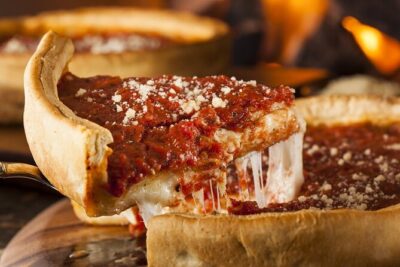
Chicago Loop District Food Tour with Deep Dish & Beef Sandwich
Read our review →

Classic Food & Walking Tour with Free Bike or Kayak
Read our review →
Taste of Chinatown Food and Cultural Walking Tour
Read our review →
The Ultimate Foodie Walking Tour with Tasty Stops
Read our review →Browse the lists this tour appears in