
REVIEW · ITALY
Alberobello: Winery Tour with Wine and Food Tasting
This experience puts the food on the same footing as the wine. After a guided look at the vineyard and winery, you sit down to four estate wines paired with products such as Primosale, mozzarella, Caciocavallo, salami, and sun-dried zucchini. The tasting feels rooted in Apulia rather than built around generic snacks.
I like the small group of up to 10 because it should leave room for questions and a calmer tasting. I also like the thoughtful pairings, especially the Primitivo with DOP Caciocavallo, cherry honey, and Capocollo. The main drawback is practical: transportation is not included, and the winery is outside the city, so you need to plan your way there carefully.
Key points at a glance
- Four different wines: Taste Minutolo, Aurora Primitivo rosé, Cabernet Sauvignon, and Primitivo.
- Pairings with local character: Expect cheese, salami, mozzarella, sun-dried zucchini, quince jam, honey, and tomato bruschetta.
- A guided winery visit: Learn about the vineyard, cellar, winemaking process, grape varieties, and the winery’s story.
- A compact 2.5-hour outing: This fits neatly into a day based in Alberobello without taking over your schedule.
- Small-group format: The group is limited to 10 people, with instruction in Italian and English.
- Plan your ride: Transportation to and from the winery is not provided, and the full address arrives only after booking.
What the 2.5-hour visit actually includes
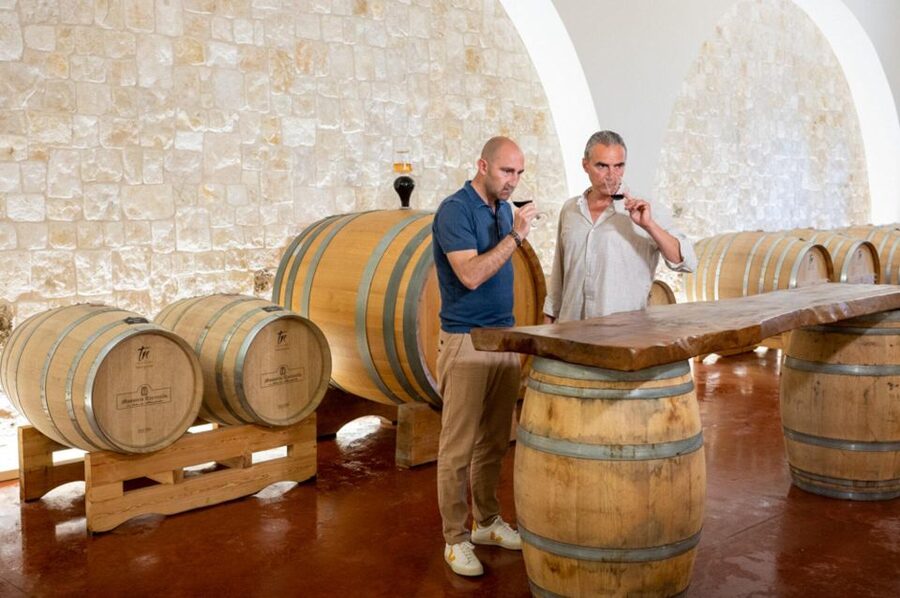
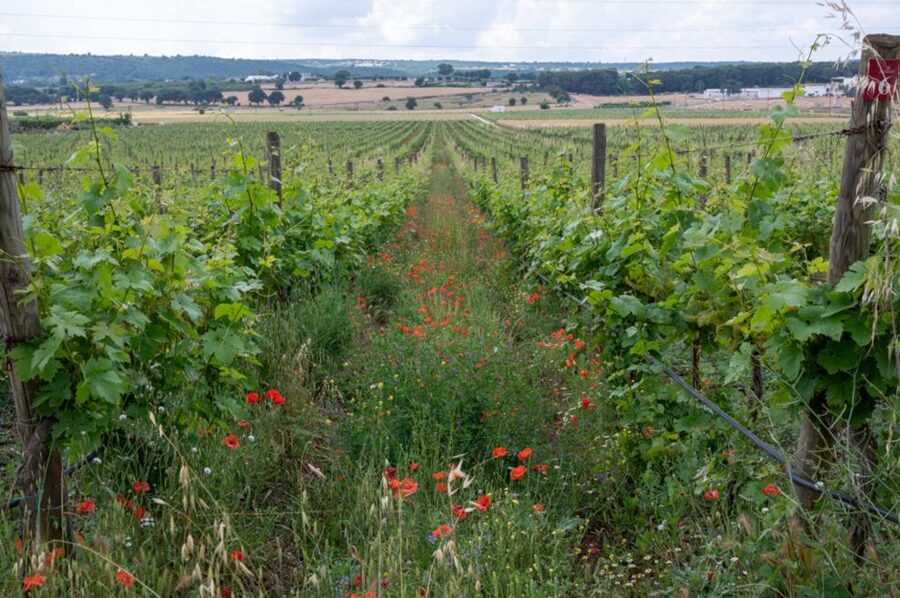
The experience follows a sensible rhythm. You begin with a guided walk through the vineyard and winery, then move into the tasting portion with four wines and a series of local food pairings.
That order matters. You get a basic understanding of where the wine comes from before tasting it, so the glasses are not simply poured without context. The guide explains the winemaking process, the grape varieties, and the history of the winery. You can also ask about how the wines fit into Apulia’s food traditions.
The tour is not a full-day agricultural visit. At two and a half hours, it is short enough for a morning or afternoon plan, but long enough to include a proper food service rather than a rushed sample at a counter.
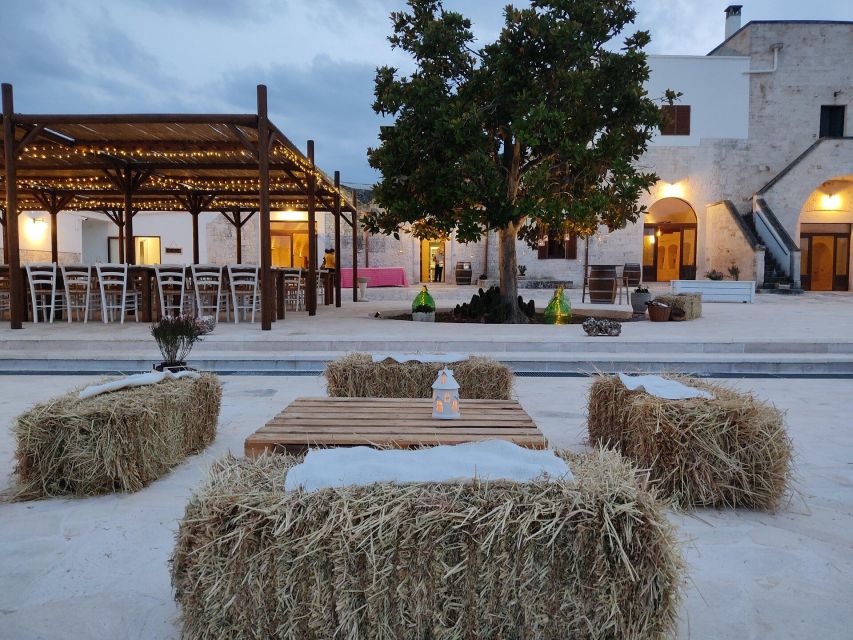
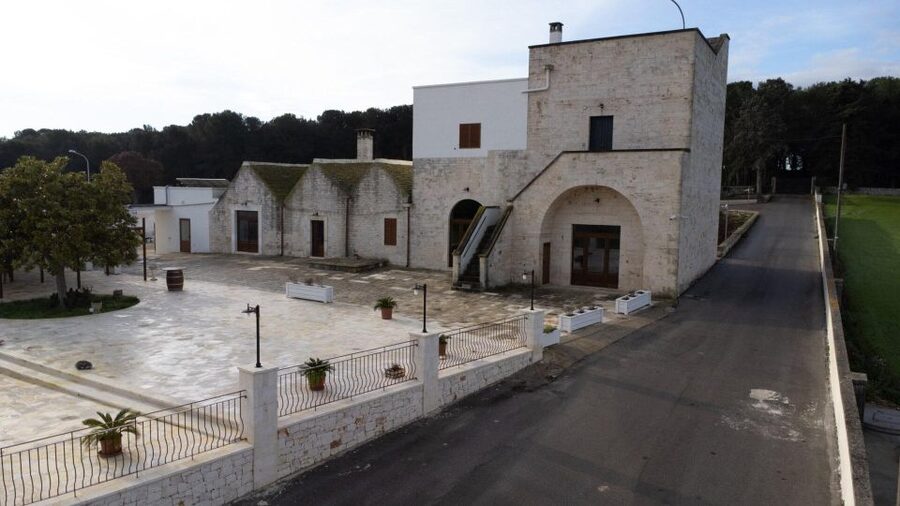
The setting is a local’s location, and for privacy, the complete address is sent after booking. That means you should not assume the winery is directly in Alberobello’s old town. Check the meeting details as soon as you reserve and allow time for the journey.
More food and wine tours in Italy:
- Winner 2025 Florence Sunset Food & Wine Tour by Eating Europe
★ 5.0 · 5,015 reviews - Rome Food Tour: Unlimited Tastings with Fine Wine & Barolo
★ 5.0 · 3,365 reviews - Rome: Guided Food Walking Tour with Wine in Trastevere
★ 4.9 · 3,105 reviews
Starting with Minutolo, tomatoes, and Primosale
The first wine is Minutolo, a white grape associated with Apulia. It is served with semolina bread bruschetta topped with garden tomatoes and extra virgin olive oil, plus Primosale cheese and Minutolo jelly.
This opening course gives you several familiar Apulian flavors in one sitting: wheat, tomatoes, olive oil, and fresh cheese. The jelly is the unusual touch. It links the wine and the food rather than treating the cheese as a plain side dish.
I like this first pairing because it eases you into the tasting. You begin with a white wine and light, fresh foods before moving toward fuller reds and stronger cheeses. If you are new to wine tasting, this progression is easier to follow than starting with a heavy red.
The use of semolina bread also gives the course a local feel. It is a small detail, but these details matter in a food-focused visit. You are tasting products that make sense together, not just ticking off four different glasses.
The rosé course with mozzarella and Poverella zucchini
Next comes Aurora Primitivo rosé with fresh mozzarella and Poverella zucchini. The zucchini is sun-dried, then prepared with mint and extra virgin olive oil.
This is one of the more distinctive food items on the menu. Sun-drying concentrates the vegetable’s flavor, while mint and olive oil keep it from becoming too heavy. Paired with mozzarella and rosé, it gives you a taste of how simple ingredients can be preserved and served in a different season.
The dish also shows why a winery visit can be more useful than a wine tasting alone. You learn about local drinking habits through the food. Cheese, vegetables, herbs, and oil are not filler here. They help explain the balance of the wine.
The rosé is made from Primitivo, the same grape that appears in the final red. That gives you a chance to notice how the grape can work in two different styles. The tasting does not promise a formal lesson in wine technique, but the sequence gives you a practical comparison.
Cabernet Sauvignon with salami and Canestrato
The third glass is Cabernet Sauvignon, served with salami and fresh Canestrato cheese with quince jam.
This is the point where the tasting becomes more savory. Salami brings salt and spice, while Canestrato gives you a firmer, more pronounced cheese. The quince jam adds sweetness to the plate and helps soften the sharper edges of the pairing.
Canestrato is worth paying attention to. It is a traditional sheep’s milk cheese, and its character can vary depending on how it is made and aged. Here, it is served fresh, so the texture should provide a different contrast from the Primosale and mozzarella earlier in the tasting.
The pairing also makes the Cabernet easier to understand. Instead of tasting it in isolation, you can see how a red wine responds to cured meat and cheese. If you prefer dry reds and salty foods, this may be one of your favorite courses.
A few more food tours around Italy worth comparing
- Winner 2025 Rome Twilight Trastevere Food Tour by Eating Europe
★ 5.0 · 5,157 reviews - Naples: Street Food Walking Tour with Local Guide
★ 4.9 · 4,976 reviews - Rome: Street Food Tour with Local Guide
★ 4.8 · 4,077 reviews - Florence: Cinque Terre Park Day Trip with Optional Street Food
★ 4.5 · 3,593 reviews
Finishing with Primitivo, DOP cheese, honey, and Capocollo
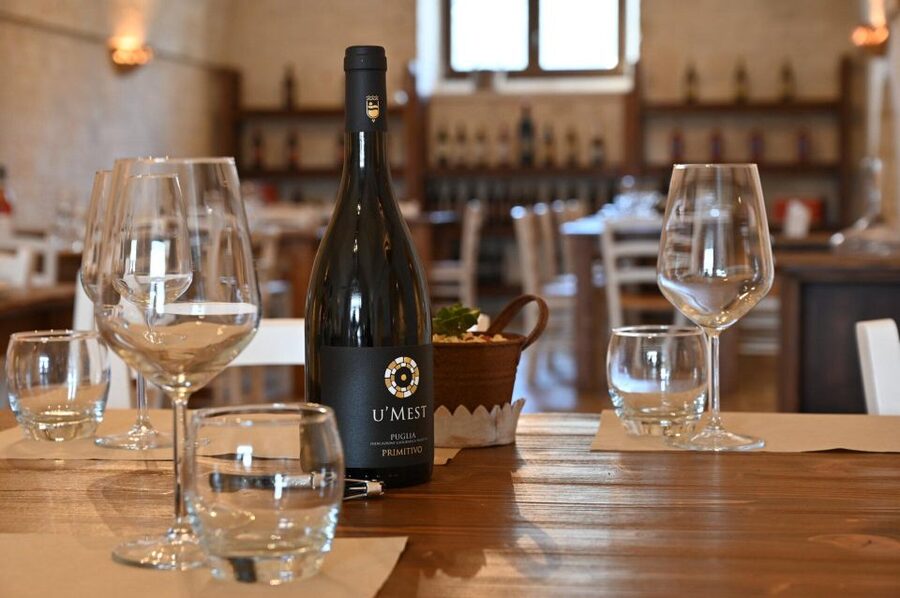
The final wine is Primitivo, matched with Caciocavallo, cherry honey, and Capocollo. Both the Caciocavallo and Capocollo carry DOP protection, which identifies foods made according to recognized regional standards.
This is the richest course of the four. Caciocavallo is a firm, stretched-curd cheese with enough character to hold up to a full-bodied red. Cherry honey supplies a sweet counterpoint, while Capocollo adds the cured-meat element.
The course works as a finale because the flavors become more intense as the tasting progresses. You start with white wine, tomatoes, and fresh cheese, then move through rosé and vegetables, Cabernet and salami, and finally a hearty red with strong regional products.
The Primitivo received specific praise from one attendee, who found it especially delicious. That is not a guarantee of your own taste, of course, but it is a useful clue if you already enjoy southern Italian reds. You may also be able to buy wine for shipment to your home country, though you should confirm the current arrangements at the winery.
Meeting the guides and learning the local story
The instruction is offered in Italian and English. A guide named Gabriele has been specifically noted for explaining the region, grape varieties, and wine production while also handling the tasting. That combination is useful because the same person can connect the tour portion with what is in your glass.
Another staff member, Joseph, was able to speak some Korean and Japanese in addition to helping with communication. Language support can vary by date and staff schedule, so English and Italian are the dependable options listed for the activity. Still, the presence of staff with additional language skills may be helpful for some groups.
The winery story is part of the visit, not just a short introduction before pouring begins. You learn about the cellar and how the wine is made, along with the local grape varieties. For a first visit to Apulia, this is a good way to place the tasting in context.
Do not expect an advanced wine certification class. The value lies in connecting the basic process to regional food and in having a guide explain what you are tasting in plain terms.
Why the small group matters
The group limit is 10 people. That is small enough to make the visit feel more personal than a large coach excursion, while still giving the winery a practical way to host several bookings.
A small group is especially helpful during the food service. You can see the plates, hear the explanations, and ask about ingredients without competing with a crowd. It also gives the guide a better chance to keep the four courses moving at a comfortable pace.
There is one caution. A small-group promise does not mean every group will have the same rhythm or service on every date. One poor experience described uneven attention and different drinks and food being served to different people. That account conflicts with the well-organized tasting described by other bookings, so I would treat it as a warning to speak up if a course or wine appears to have been missed.
Is $65 a fair price?
At $65 per person, the price is reasonable if you value both the tour and the food. You are paying for two and a half hours, a guided visit to the vineyard and winery, four wines, and a substantial spread of regional products.
This is not merely four tiny pours with a few crackers. The planned pairings include multiple cheeses, salami, Capocollo, mozzarella, bruschetta, zucchini, quince jam, honey, and olive oil. For many people, that amount of food can function as a light meal, though the experience is still best viewed as a tasting rather than a guaranteed lunch or dinner.
The price becomes less attractive if you must pay a high taxi fare to reach the winery. Since transportation is excluded and the exact address is provided only after booking, check the route before committing. A good wine experience can lose some of its value if getting there and back becomes difficult or expensive.
The reserve-now, pay-later option also gives you some flexibility, and cancellation is free up to 24 hours before the start time. Keep those terms in mind if your Alberobello plans are still shifting.
Getting there and what to bring
Transportation to and from the vineyard is not included. The location is outside the city, according to one account, and the exact address is kept private until the booking is complete. You should arrange your route before the day of the visit rather than treating the winery as an easy walk from the Trulli district.
The activity information advises comfortable shoes and a camera. Comfortable footwear makes sense for the vineyard and winery walk, where the ground may not be as smooth as a town pavement. A camera is useful for the setting and cellar, but bring it as a supplement to the tasting, not as the main event.
Because wine is served, think carefully about how you will return. The information does not provide a shuttle or chauffeur service, so you are responsible for arranging transportation. If you plan to drive, be especially cautious about tasting four wines.
Who will enjoy this experience most
I would recommend this outing to you if you want more than a quick glass of local wine. The food pairings are the main reason to choose it over a basic cellar tasting.
It also suits people who like a guided introduction to Apulian ingredients. You will encounter local cheese, cured meat, preserved zucchini, cherry honey, tomato, olive oil, and regional bread in a single sitting. That makes the experience useful for building a sense of place through taste.
Couples and small groups should find the 10-person limit appealing. It can also work well for solo visitors who prefer a structured activity with a guide and a chance to share a table with a small number of other people.
You may want to skip it if you are looking for a grand estate, a long vineyard walk, or a highly technical wine seminar. The visit is focused, social, and food-centered. It is also a poor fit if you do not have a clear plan for reaching the winery and getting back to Alberobello.
Final verdict: book it if the food matters as much as the wine
I would book this tour if you have a free two and a half hours in Alberobello, enjoy regional food, and can arrange transportation without trouble. The four-course progression is the strongest feature: Minutolo with tomato bruschetta and Primosale, rosé with mozzarella and sun-dried zucchini, Cabernet with salami and Canestrato, then Primitivo with DOP Caciocavallo and Capocollo.
The guides add useful context, particularly when Gabriele is leading the explanation of the grapes, winery, and production. The 4.5 rating from 55 bookings supports the view that the experience is usually well received, while the isolated service complaint is a reminder to confirm what is being poured and served.
Choose it for a close look at Apulian wine and food, not as a simple stop for a drink. Plan the ride first, wear comfortable shoes, and arrive ready to eat as well as taste.
FAQ
How long does the Alberobello winery tour last?
The experience lasts 2.5 hours, including the guided vineyard and winery visit and the four-wine tasting with local products.
How many wines are included?
Four estate wines are included: Minutolo, Aurora Primitivo rosé, Cabernet Sauvignon, and Primitivo.
What food is served with the wine?
The pairings include tomato bruschetta with extra virgin olive oil, Primosale, Minutolo jelly, fresh mozzarella, sun-dried zucchini with mint, salami, Canestrato with quince jam, Caciocavallo with cherry honey, and DOP Capocollo.
Is transportation to the winery included?
No. Transportation to and from the vineyard is not included, so you must arrange your own route.
What languages are available?
The activity is offered in Italian and English. Additional language support may be available from individual staff members, but it is not listed as a standard language option.
How large is the group?
The group is limited to 10 participants.
What happens after booking?
The full address of the host’s location is provided after booking because the activity takes place at a local’s private location. You can cancel up to 24 hours in advance for a full refund, and reserve now while paying later.
Just added around Italy
- Milan: Street Food Walking Tour★ 4.7 · 180 reviews
- Milan’s Full-Meal Gourmet Food Tour – More Than Tastings★ 4.8 · 81 reviews
- Milan: Delicious Food Tour and City Center Sightseeing★ 4.8 · 111 reviews
- Lucca: 3-Hour Bikes & Bites Foodie Adventure like a Local★ 5.0 · 111 reviews
- Lucca: Guided Food Walking Tour with Tastings★ 4.8 · 112 reviews
- Lucca: Morning Food Tour with Snacks and Coffee★ 4.9 · 72 reviews
- Lecce: Street Food Tasting and Sightseeing Tour★ 4.8 · 197 reviews
- Lazise: Winery Tour with Garda Wines and Food Tasting★ 4.8 · 278 reviews
Food Tours in Italy, compared.
Rome Twilight Trastevere Food Tour by Eating Europe
Read our review →
Florence Sunset Food & Wine Tour by Eating Europe
Read our review →
Rome Food Tour: Unlimited Tastings with Fine Wine & Barolo
Read our review →
Rome Food Tour: Campo de’ Fiori, Ghetto, Trastevere Winner 2024
Read our review →
Eat Like a Local: Venice 3-Hour Small-Group Food Tasting Tour
Read our review →
Guided Food Walking Tour with Wine in Trastevere
Read our review →Browse the lists this tour appears in