
REVIEW · ITALY
Genoa: Food and Wine Tasting Walking Tour
Genoa’s best introduction may be edible. This two-hour walk pairs five traditional Genovese foods with two local wines, while guide Lorenzo explains the city’s churches, palaces, trading past, and narrow old streets. You get more than a meal, but the food remains the star.
I like the balance here. You taste familiar Ligurian favorites such as pesto and focaccia, then move on to farinata, seafood, regional specialties, and dessert. I also like that the menu can be adjusted for vegetarian, vegan, and food-intolerance needs.
The main consideration is pace. Two hours is short for food, wine, and sightseeing, so some stops are brief. You will walk between several places, and one participant found the tour could have used more water. Wear good shoes and arrive ready to eat.
Key points
- Five food tastings: Expect a broad sample of Genoese cooking, from focaccia and farinata to seafood, pesto, and a local dessert.
- Two Ligurian wines: The tour finishes with a 30-minute wine tasting at a local bar.
- Lorenzo as your guide: He brings together food, churches, architecture, local stories, and practical suggestions for the rest of your stay.
- Historic center route: Start near Casa di Cristoforo Colombo and pass the Doge’s Palace, Genoa Cathedral, and Palazzo San Giorgio.
- Flexible menu: Vegetarian and vegan choices are available, and the food can be adjusted for stated intolerances.
- Good first-day activity: The walk gives you restaurant ideas, food vocabulary, and a useful sense of central Genoa.
Genoa on a plate, from pesto to fried seafood
This experience works because Ligurian food is not treated as a single dish or a quick pesto lesson. You move through several kinds of local eating: bakery food, street food, restaurant dishes, wine, and dessert.
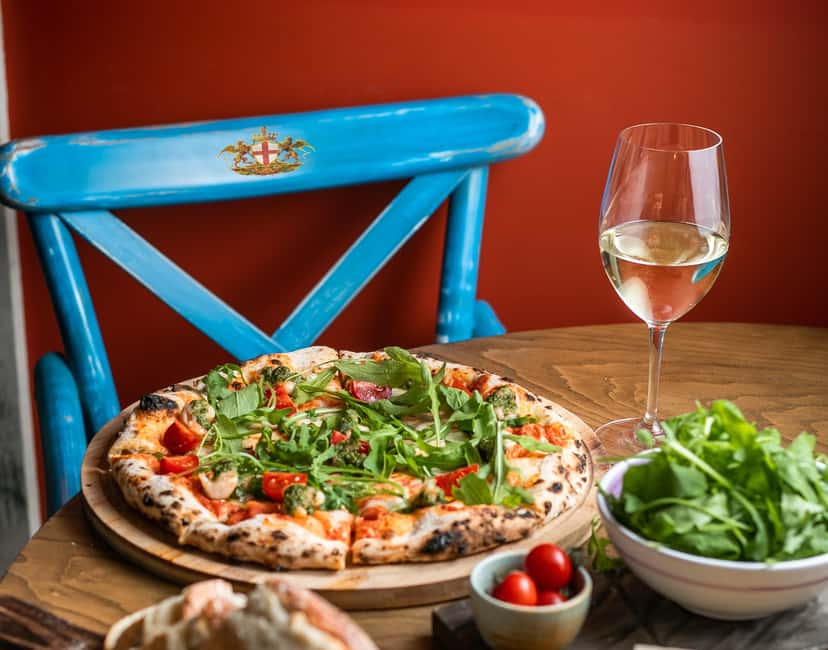
Pesto alla genovese is the obvious starting point. Genoa is closely linked with the basil, pine nut, garlic, cheese, and olive oil sauce, but tasting it in the city gives you a better sense of how central it is to local cooking. You may also sample walnut paste, a less famous but very Ligurian preparation.
Focaccia is another essential stop. Genoese focaccia is simple in appearance, but its appeal comes from the soft crumb, olive oil, and salty surface. Focaccia al formaggio adds cheese to the picture, while farinata offers a different texture altogether. Made from chickpea flour, water, olive oil, and seasoning, farinata is one of those inexpensive regional foods that tells you a great deal about local habits.
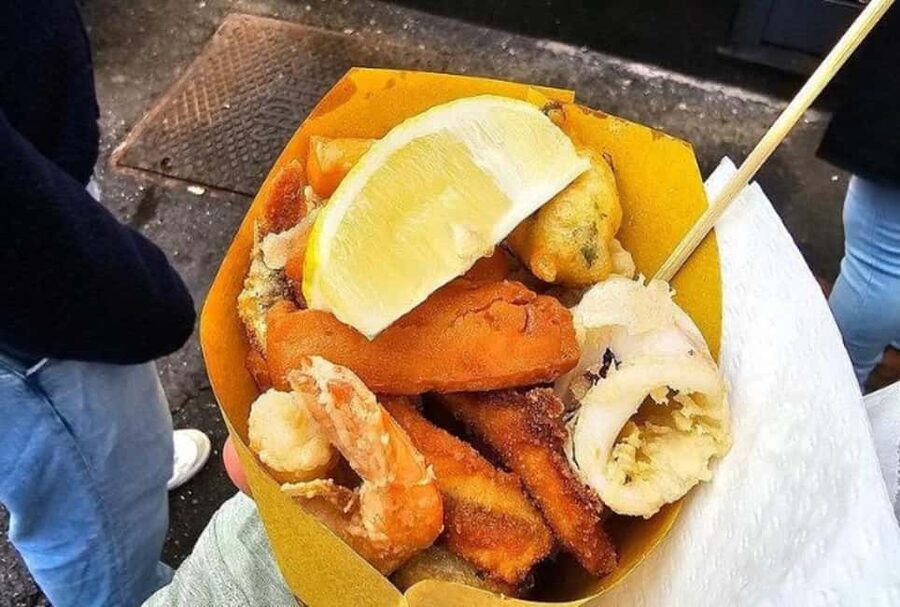
The exact selection can change with the menu and dietary needs. Food mentioned in the experience includes focaccia, farinata, pesto, walnut paste, focaccia al formaggio, mixed fried seafood, panissa, and gelato or a similar creamy dessert. That range is generous for a two-hour walk, and you should not expect to leave hungry.
More food and wine tours in Italy:
- Winner 2025 Florence Sunset Food & Wine Tour by Eating Europe
★ 5.0 · 5,015 reviews - Rome Food Tour: Unlimited Tastings with Fine Wine & Barolo
★ 5.0 · 3,365 reviews - Rome: Guided Food Walking Tour with Wine in Trastevere
★ 4.9 · 3,105 reviews
Starting at Christopher Columbus’s house
The meeting point is Casa di Cristoforo Colombo, a small historic site near the beginning of Genoa’s old center. The guide usually gathers the group outside and carries a small GenovaTourMyLand flag.
This is a practical meeting place, but one useful detail matters: look for the guide at the bottom of the steps outside the house. One participant found that spot easier to identify than a more general meeting-point description.
From here, Lorenzo leads you into the center. He is repeatedly praised for his warmth, humor, local pride, and care with practical matters. He also helps with questions after the tour, and some people receive restaurant, market, and sightseeing suggestions for the rest of their stay.
The group may be small, which helps at food counters and inside churches. Smaller numbers also give you more time to ask about Genoa’s past, food traditions, or places to eat later.
Doge’s Palace and Genoa Cathedral
The first sightseeing stops are Doge’s Palace and Genoa Cathedral. Each receives about five minutes of guided attention, so think of these as focused introductions rather than full interior visits.
Doge’s Palace helps explain the city’s political power. Genoa was a maritime republic shaped by trade, banking, shipping, and competition with other Italian ports. The palace gives Lorenzo a natural place to explain the families and institutions that controlled the city.
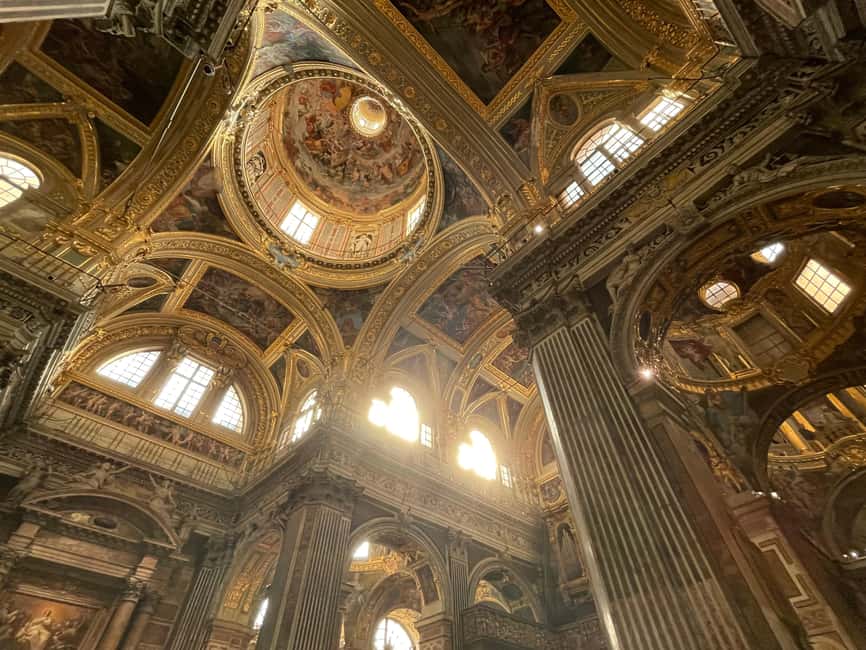
Genoa Cathedral brings the focus to religion, art, and architecture. The exterior is striking, while the interior provides a welcome change of pace from the tight streets. The route may include access to churches and historic spaces that you might otherwise pass without entering.
Do not book this tour expecting a detailed museum lecture. The history is delivered in short sections between food stops. I find that format useful because you keep moving, and the stories connect directly to the streets around you.
Bakeries, farinata, and the everyday Genoese table
The first bakery stop lasts about 15 minutes and introduces the kind of food Genoa does especially well: quick, filling, local, and easy to eat while walking.
Focaccia is likely to be one of the first tastes. It may be served plain or with cheese, depending on the menu. Farinata gives you a chickpea-based specialty with a more savory, dense character. These are not grand restaurant dishes, and that is exactly why they belong on the route. They show how Genoese food developed as practical food for workers, sailors, and city residents.
A second bakery or regional food stop adds variety. This might include a further focaccia tasting, pesto, walnut paste, or another local preparation. The point is not just to check off famous names. Lorenzo explains what makes each item local and how the foods fit into Ligurian cooking.
You should tell the guide about dietary needs before the tour begins. The menu is designed to work for omnivores, vegetarians, and vegans, and it can be adjusted for food intolerances. Still, food allergies require clear communication, especially when a tasting involves shared bakeries or prepared dishes.
A few more food tours around Italy worth comparing
- Naples: Street Food Walking Tour with Local Guide
★ 4.9 · 4,976 reviews - Rome: Trastevere & Campo de Fiori Street Food Walking Tour
★ 4.9 · 2,768 reviews - Palermo Original Street Food Walking Tour by Streaty
★ 5.0 · 2,105 reviews - Rome: Trastevere Street Food Walking Tour with Local Expert
★ 4.8 · 1,784 reviews
Palazzo San Giorgio and Genoa’s trading past
Palazzo San Giorgio is a short historical stop, listed at about five minutes. The building is closely tied to Genoa’s commercial and maritime story, making it a useful bridge between the city’s architecture and its food.
This is where the tour’s wider theme makes sense. Genoa’s cuisine was shaped by a port that connected people, goods, and ideas. Ingredients and cooking methods moved through the city, while local cooks turned simple staples into dishes with a strong regional identity.
Lorenzo’s approach is strongest when he links a place to something you have just eaten. A plate of seafood becomes part of the port’s story. Pesto and focaccia stop being generic Italian foods and become signs of Liguria. That connection gives the walking portion more purpose than a standard sightseeing loop.
Restaurant stops and the seafood highlight
Two restaurant stops are scheduled for around 15 minutes each. These are not long sit-down meals. Instead, you receive selected regional dishes while the group keeps its route moving.
Mixed fried seafood is one of the most memorable possibilities. It gives you a taste of Genoa’s connection with the sea without requiring a full restaurant dinner. Panissa is another regional specialty that may appear, and it offers a heartier contrast to bakery foods.
The food portions are described as generous, with enough for what feels like a good lunch for many people. If you book in the evening, treat the experience as a substantial meal rather than a light aperitif. You may want only a small dinner afterward.
The tradeoff is that short stops can limit lingering. You are tasting several foods at different places, not settling into one restaurant for a relaxed meal. If you prefer long conversations over multiple courses, book a dedicated dinner instead. If you want variety and local context, this format works well.
Dessert at a local bakery
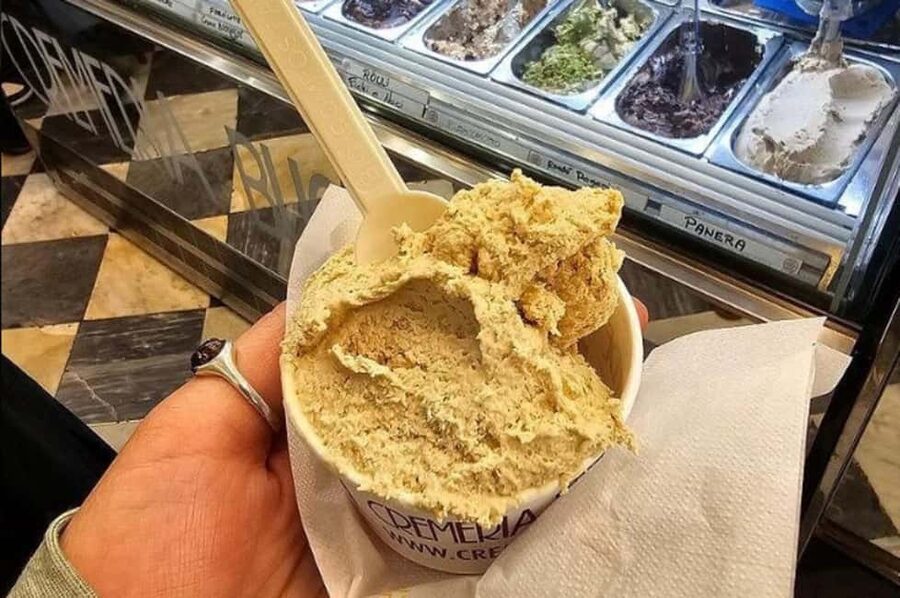
The dessert stop lasts about 15 minutes. Gelato or a similar creamy local sweet may appear, and the gelato is a real strength of the route.
A particularly good version mentioned on the tour is a creamy coffee gelato. Other tastings may vary, but the dessert gives the walk a pleasant finish before the wine. It also keeps the experience from feeling like a parade of savory foods.
The dessert stop is useful for another reason: you get a chance to compare Genoese food culture beyond pesto and seafood. Regional cooking includes pastries, chilled sweets, and small bakery treats, and these final bites round out the picture.
Two wines at a local bar
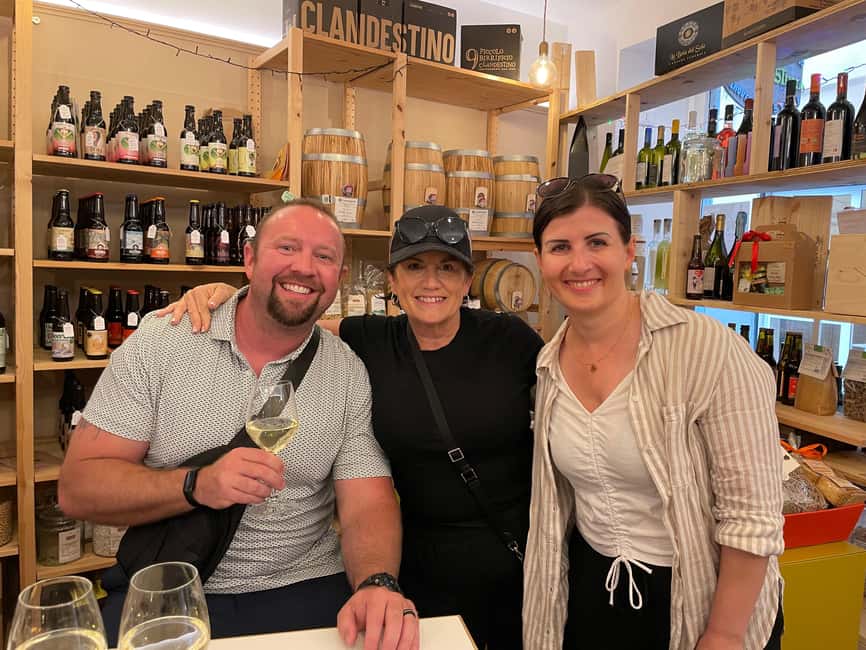
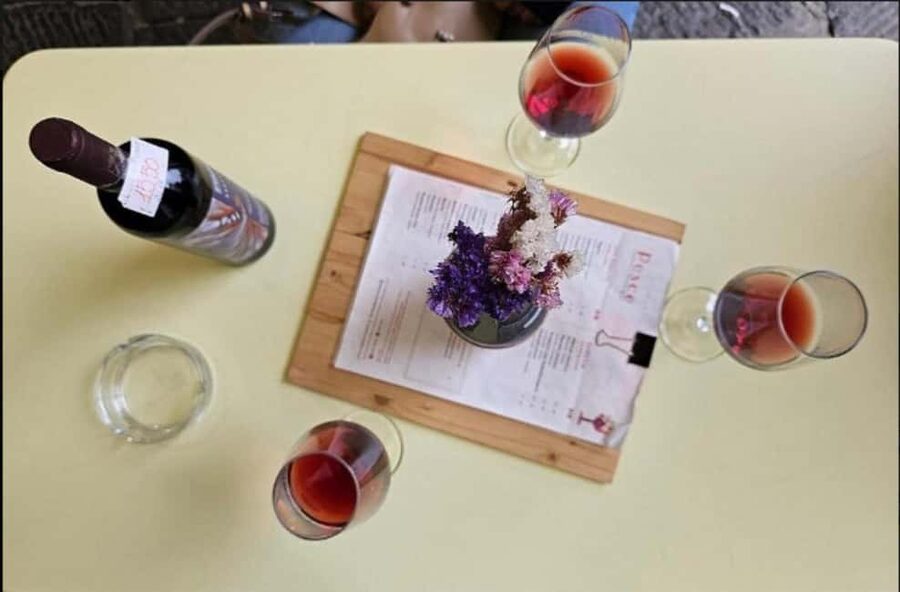
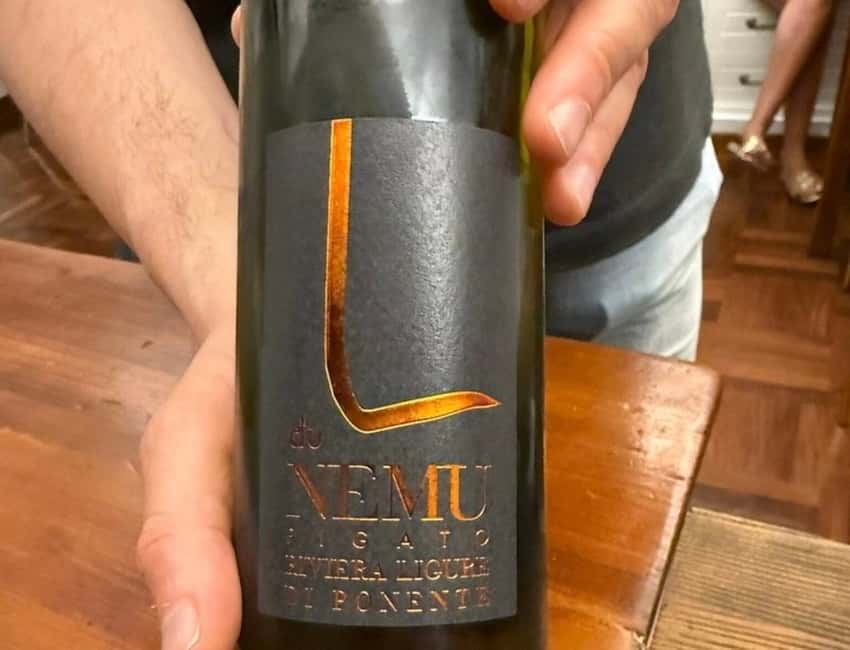
The final stop is a local bar, where you taste two Ligurian wines over roughly 30 minutes. This is the longest single stop, and it gives the group time to sit or pause, compare the wines, and ask questions.
The wines are served as part of the tasting rather than as a full wine course. One useful point to remember is that the wine may be tasted on its own instead of paired directly with food. If food and wine pairing is important to you, ask Lorenzo how the tasting will be handled on your date.
Ending with wine is a smart choice. After several quick food stops and historical explanations, you have time to slow down. It also gives you a better sense of Ligurian wine culture, which can be less familiar to visitors than Tuscany or Piedmont.
The experience includes two glasses per person. Drink responsibly, particularly if you are continuing on foot or returning to a cruise ship afterward.
How much walking and food should you expect?
The listed duration is two hours, with the route returning to Casa di Cristoforo Colombo. You will walk through the historic center and stop several times, so comfortable shoes matter more than stylish ones.
The route includes short visits at major sights and longer tasting stops. It does not sound physically demanding, but Genoa’s old center can include uneven paving, stairs, and crowded lanes. The experience is wheelchair accessible, though you should confirm any specific mobility needs when booking.
Water is worth carrying. The tour includes food and wine, but water is not listed as an included item. Genoa can feel warm in the summer, and one participant specifically wished for more water during the walk.
Weather can change the feel of the experience. A cold or wet day will make an outdoor walking tour less comfortable, so check the forecast and dress accordingly. The guide may be able to help with small practical issues, but you should arrive prepared.
Is $70 a fair price?
At $70 per person, the cost is reasonable if you value both food and sightseeing. You receive five food tastings, two local wines, a guided walk through central Genoa, and a menu adjusted to your needs.
The value depends on how you would otherwise explore. Buying each snack separately could cost less, but you would lose the explanations, route planning, and access to local places that are easy to miss. A private guide would usually cost more, while a large group food walk might offer less personal attention.
The biggest value is on your first day in Genoa. Lorenzo can point you toward restaurants, markets, shops, and dishes to try later. One person even received help finding a place to buy olive oil, while another returned to purchase pesto after the tour.
The tour does not include hotel pickup or drop-off. You must reach Casa di Cristoforo Colombo yourself, and the experience ends there. If you are visiting from a cruise ship, allow enough time to return to the port. Lorenzo has helped people arrange a taxi when timing was tight, but you should not rely on that as part of the included service.
Free cancellation is available up to 24 hours before the start time, and you can reserve now and pay later. Children under seven are free. The live tour is offered in English, Italian, and Spanish.
Who will enjoy this Genoa food walk?
I would choose this for a first visit, especially if you have only a day or two in Genoa. It gives you a quick orientation to the old center and teaches you what to order afterward.
It is also a good match for:
- Couples who want food and sightseeing in one compact activity
- Families looking for a flexible, pet-friendly experience
- Vegetarians and vegans who want local food adapted to their needs
- Cruise passengers with enough time away from the ship
- Food lovers who prefer several small tastings to one formal meal
- Repeat visitors who want local stories and lesser-known places
I would be more cautious if you dislike walking, need a long seated meal, or want a formal wine-pairing class. The route is active, the stops are short, and the wine is only part of the experience.
Should you book the GenovaTourMyLand walk?
Book it if you want a friendly introduction to Genoa that combines food, wine, architecture, and local advice. Lorenzo receives the strongest praise for his passion for the city, his care with individual needs, and his ability to answer questions without making the walk feel like a lecture.
The route is especially useful at the start of a stay. You will leave with a working list of foods to seek out, places to revisit, and a better sense of how Genoa’s port shaped its cooking.
Skip it only if you want a slow restaurant meal or a serious wine seminar. For everyone else, the combination of pesto, focaccia, farinata, seafood, dessert, two wines, and central Genoa sightseeing makes $70 a fair buy.
FAQ
How long does the Genoa food and wine tour last?
The tour lasts two hours and returns to Casa di Cristoforo Colombo.
Where does the tour meet?
The meeting point is Casa di Cristoforo Colombo. The guide usually waits in front with a small GenovaTourMyLand flag. The bottom of the steps outside the house is the easiest place to look.
Which foods are included?
The experience includes five traditional Genoese food tastings. Possible dishes include pesto, focaccia, farinata, focaccia al formaggio, walnut paste, mixed fried seafood, panissa, and a local dessert.
How much wine is included?
You receive tastings of two local Ligurian wines, with two glasses per person.
Can the menu accommodate vegetarian, vegan, or allergy needs?
Yes. The menu can be adjusted for vegetarian and vegan diets, as well as possible food intolerances. Tell the guide about your needs before the tasting begins.
Is the tour available in English?
Yes. Live guiding is available in English, Italian, and Spanish.
Just added around Italy
- Milan: Street Food Walking Tour★ 4.7 · 180 reviews
- Milan’s Full-Meal Gourmet Food Tour – More Than Tastings★ 4.8 · 81 reviews
- Milan: Delicious Food Tour and City Center Sightseeing★ 4.8 · 111 reviews
- Lucca: 3-Hour Bikes & Bites Foodie Adventure like a Local★ 5.0 · 111 reviews
- Lucca: Guided Food Walking Tour with Tastings★ 4.8 · 112 reviews
- Lucca: Morning Food Tour with Snacks and Coffee★ 4.9 · 72 reviews
- Lecce: Street Food Tasting and Sightseeing Tour★ 4.8 · 197 reviews
- Lazise: Winery Tour with Garda Wines and Food Tasting★ 4.8 · 278 reviews
Food Tours in Italy, compared.
Rome Twilight Trastevere Food Tour by Eating Europe
Read our review →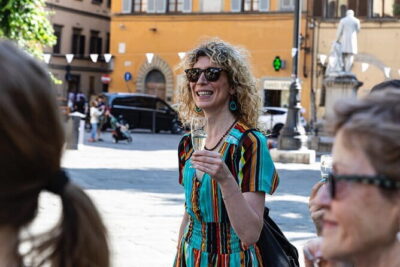
Florence Sunset Food & Wine Tour by Eating Europe
Read our review →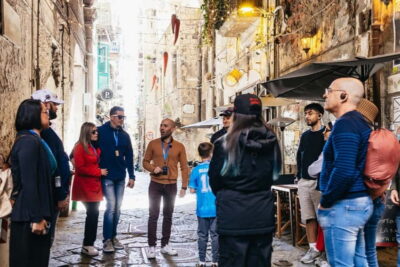
Rome Food Tour: Unlimited Tastings with Fine Wine & Barolo
Read our review →
Rome Food Tour: Campo de’ Fiori, Ghetto, Trastevere Winner 2024
Read our review →
Eat Like a Local: Venice 3-Hour Small-Group Food Tasting Tour
Read our review →
Guided Food Walking Tour with Wine in Trastevere
Read our review →Browse the lists this tour appears in