
REVIEW · SWEDEN
Stockholm Food Tour
Stockholm’s food story comes alive through seven tasting stops, from the grand Östermalms Food Hall to specialty counters, fish stalls, bars, and a final pastry stop in Old Town. You may try Swedish meatballs, fish soup, cured salmon, reindeer, bear, cheese, chocolate, and the famously forceful salty licorice.
I like the way this tour shows you more than Gamla Stan, beginning in Östermalm and using food to explain Swedish customs and daily life. I also like that the tastings add up to a real meal, not just a few nibbles. The catch is the pace: the route covers about 2 miles, sometimes feels closer to 3, and several tastings take place standing up.
Key points to know before booking
- Seven stops, one full meal: Expect enough food to replace lunch for most people.
- A useful route: You start at Östermalms Food Hall and finish in Stockholm’s Old Town.
- A wide Swedish sampler: Meatballs, fish soup, cheeses, cured meats, game, licorice, chocolate, pastries, and coffee may all appear.
- Guides make a big difference: Cotton, Teresa, and Fritz receive especially warm praise for clear explanations and friendly group care.
- Plan for a brisk walk: The stated distance is 3.5 kilometers, though some outings feel longer.
- Good value for serious eaters: At $126.21, the tour costs more than a casual lunch, but it combines food, city orientation, and cultural background.
From Östermalm’s food hall to Stockholm’s table
The meeting point is Östermalms Food Hall on Östermalmsgatan, a sensible place to begin a food tour. This handsome indoor market gives you an early look at the ingredients and eating habits that shape Swedish cooking. It also places you in Östermalm, an area beyond the usual Old Town circuit.
Your guide gathers the group and sets the pace. The tour is offered in English, though a multilingual guide may lead it. Groups can reach 20 people, so staying close matters, especially on crowded sidewalks and while crossing busy streets.
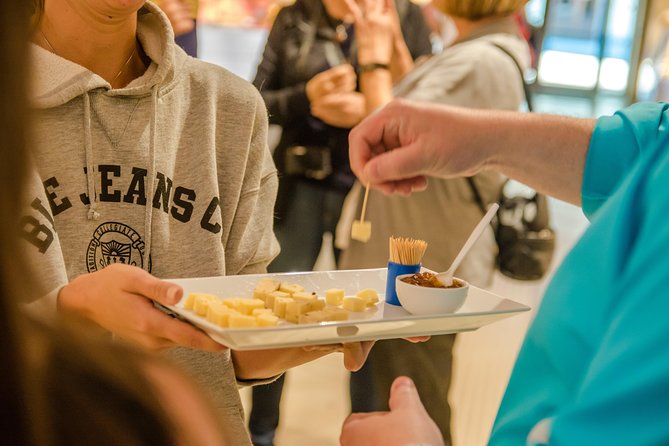
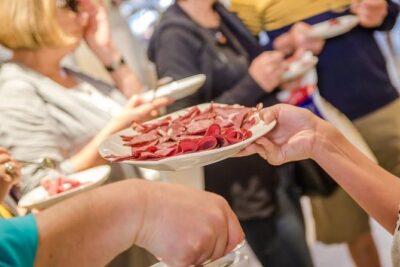
The first stop is often the strongest introduction because it gives you both food and setting. Tastings may include several cheeses, cured meats, crackers, jam, and a portion of Swedish meatballs. Some outings have included bear and reindeer, along with beer. These are not foods you are likely to order by accident, so the guide’s explanation matters. You learn how traditional Swedish fare can include preserved meats, game, fish, dairy, and sweet accompaniments.
The food hall also helps explain why Swedish cuisine is not limited to the familiar meatball plate. Sweden’s long winters encouraged curing, smoking, salting, and storing food. That practical tradition still shows up in modern markets, where old ingredients are presented in polished, appealing ways.
A few more food tours around the world worth comparing
- Reykjavik Food Walk – Local Foodie Adventure in Iceland
★ 5.0 · 18,952 reviews - Hanoi Jeep Tour: Food, Culture and Fun by Vietnam Army Jeep
★ 5.0 · 15,222 reviews - From Marrakech: Merzouga 3-Day Desert Safari with Food
★ 4.7 · 12,232 reviews
Swedish meatballs, game meats, and the value of context
Swedish meatballs are a familiar dish, but eating them during a food walk gives you a better sense of their place in Swedish cooking. You may receive them alongside sauces, jam, or other small samples rather than as a stand-alone restaurant entrée.
The cured meat tasting is where this tour becomes more adventurous. Reindeer and bear have appeared on the route, along with more common meats and smoked products. You do not need to love every sample. The point is to learn what local producers sell and to test your own limits.
I consider these tastings worthwhile because they add a clear sense of place. Chocolate and pastries could belong almost anywhere, but reindeer, bear, salty fish, and Swedish meatballs tell you something specific about the country.
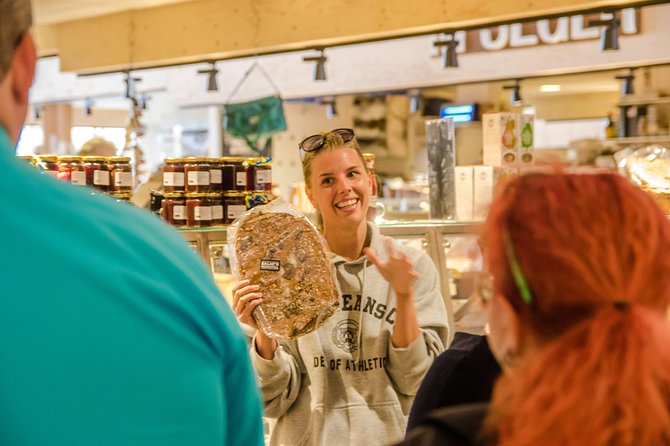
The quality of the explanation can vary with the guide. Cotton is frequently praised for his humor, Swedish culture knowledge, and restaurant suggestions. Teresa is described as patient and attentive to the group’s walking speed. Fritz has been praised for answering questions and keeping the mood light. Those details matter because the tour relies heavily on conversation between stops.
One practical concern is food allergies. Tell the guide clearly at the start and confirm that the information has reached each stop. An allergy was reportedly missed at the first tasting on one outing, leaving one person without something suitable to eat. The guide later corrected the issue, but this is a good reason to be direct and persistent.
Fish soup and the character of Stockholm’s food halls
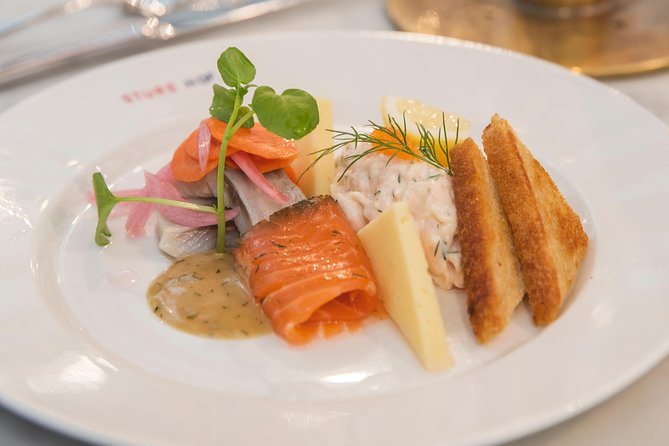
The route continues to another food hall or market setting, where fish takes the lead. A typical spread may include fish soup, cured salmon, and other small fish dishes. You might also taste additional sides, seafood preparations, or a drink.
This section works best if you enjoy trying several small portions rather than sitting down to one carefully plated meal. Fish soup offers warmth and comfort, while cured salmon shows the importance of preservation in Nordic cooking. The combination gives you a better sense of Swedish food than a single restaurant dish would.
The market setting is part of the experience. You are not just eating in a dining room, you are seeing where food is sold and how it is presented. One limitation is that this is an indoor fish market rather than an outdoor market, which may disappoint anyone expecting an open-air food bazaar.
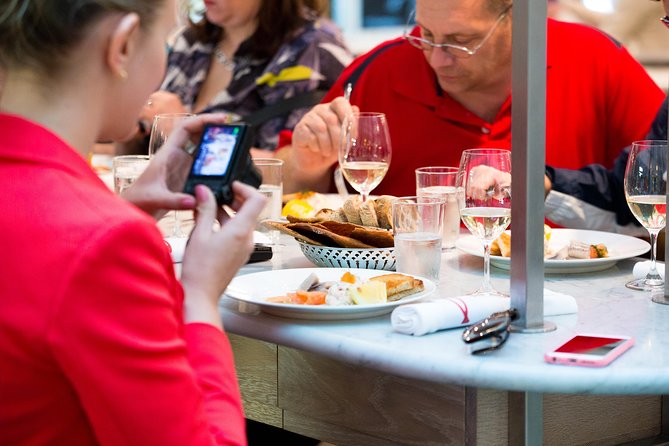
Seating varies. Some groups have had reserved seats and neatly arranged plates, while other tastings require standing. You should think of this as a walking market tour with food stops, not a four-hour restaurant meal.
The distance between food halls lets you see a broader slice of Stockholm. You leave Östermalm and gradually work toward the center and Old Town. This is useful early in a visit because you gain restaurant ideas and a basic sense of how the central districts connect.
The salty licorice test
At a candy or specialty shop, the tour turns to one of Sweden’s most divisive treats: salty licorice. You may taste several types, including very salty or smoked varieties. Some are gentle and sweet, while others can taste startlingly intense if you are used to American candy.
The guide explains the cultural importance of licorice and gives you a chance to compare products. I like this stop because it encourages curiosity rather than pretending every Swedish specialty will suit every palate.
Still, this is the one tasting where you may want to take a small bite first. One especially strong sample has been described as nearly impossible for the whole group to finish. That is part of the fun for adventurous eaters, but it is not a reason to force yourself through a sample you dislike.
The chocolate stop can be a welcome change. Swedish gourmet chocolate has been served at royal weddings, and the tour uses that detail to connect an everyday treat with national ceremony and craftsmanship. Together, the licorice and chocolate tastings show the range of Swedish sweets, from bold and savory to polished and delicate.
Same city, a completely different plate:
- Dubai: Old Town, Creek, Museums, Souks, & Street Food Tour
★ 4.8 · 10,816 reviews - Madrid: Live Flamenco Show with Food and Drinks Options
★ 4.5 · 9,901 reviews - Ho Chi Minh City Street Food Tour & Sightseeing By Motorbike
★ 5.0 · 9,413 reviews - From Split: Krka Waterfalls, Food & Wine Tasting Tour
★ 5.0 · 9,326 reviews
Walking through Stockholm toward Old Town
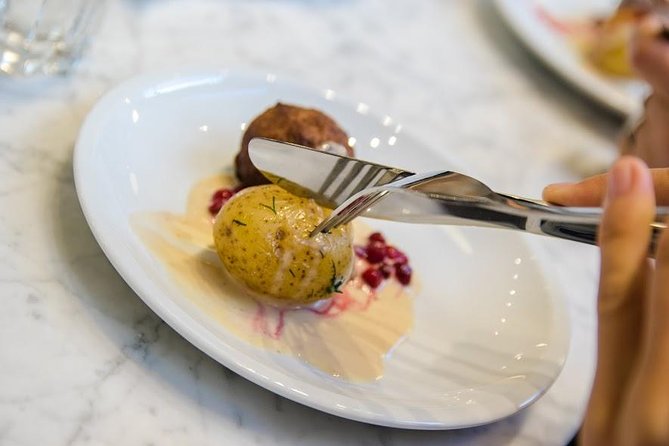
The walking is not filler. Your guide talks about Stockholm, Swedish customs, and the food traditions behind each tasting while you move between stops. The route covers about 3.5 kilometers, though some outings have felt more like 3 miles once extra movement inside food halls and the final approach to Old Town are counted.
The pace has been described as relaxed by some people and fast by others. That difference may come from the group, the guide, weather, crowds, or the need to arrive at reserved tastings on time. You should be comfortable walking briskly and keeping up on city streets.
A guide who looks back often makes a major difference. One poor outing involved the leader walking ahead while using a phone, and two people were briefly left behind during a restroom break. That is not acceptable group management, so stay alert and speak up if the group begins to spread out.
The route ends near Kindstugatan 1 in Gamla Stan, Stockholm’s Old Town. The final walk through Old Town is a useful transition from markets and modern food shops to the city’s older streets. It can also feel long near the end, especially after several hours of eating and walking.
Fika, coffee, and the final sweet stop
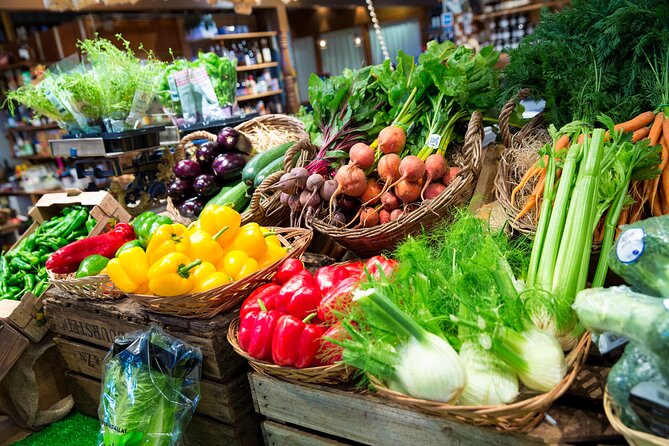
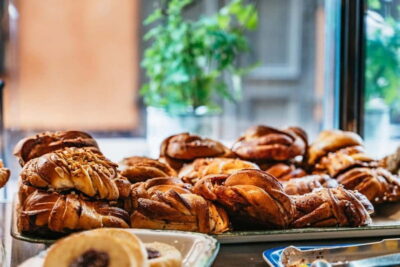
The last tasting usually offers a pastry and coffee, providing a Swedish fika moment. Fika is more than a snack. It is a social pause built around coffee and something sweet, and it remains one of the easiest Swedish customs for visitors to understand and enjoy.
Cinnamon rolls and other pastries have appeared at the final stop. On one occasion, the expected pastry had sold out and a substitute was served. That sort of change is possible when a tour depends on working food businesses, so keep your expectations flexible.
The final stop is a sensible ending. After meat, fish, cheese, and strong licorice, coffee and pastry bring the meal to a comfortable close. By then, you should have a short list of foods and places to revisit during the rest of your stay.
What $126.21 buys you
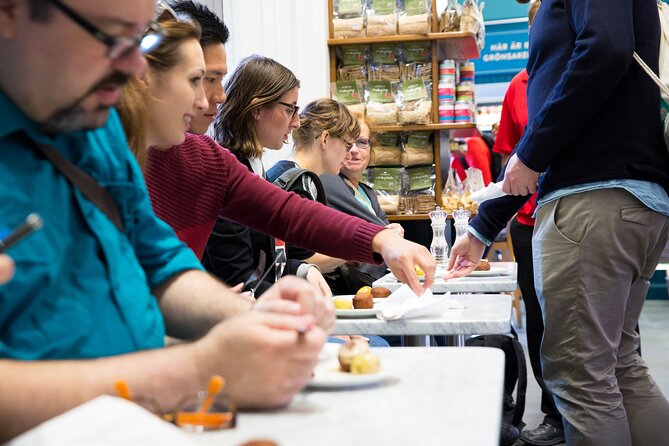
At $126.21 per person, this is not a bargain lunch. It makes the most sense if you value the guide’s explanations and want a broad introduction to Swedish food without planning seven separate stops yourself.
The tastings are substantial. Several groups have received enough food to feel full by the end, including meatballs, cheeses, cured meats, fish, soup, sweets, and coffee. If you had to buy comparable portions and drinks on your own, the price would be easier to justify, though exact servings can vary.
You are also paying for organization. The route links Östermalm, food halls, specialty shops, and Old Town, while the guide handles the sequence and explains what you are eating. Some groups have had plates prepared in advance and reserved seating, which makes the experience run smoothly.
The value drops if you mainly want a sit-down meal or already know Swedish cuisine well. Several stops may involve standing, and the walking is a central part of the tour rather than a minor side feature.
Who will enjoy this Stockholm food tour
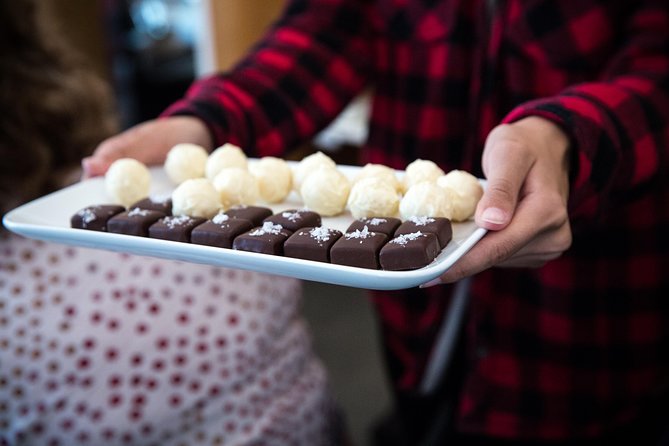
I would recommend it to first-time visitors who want a food-based introduction to Stockholm. It is also a good match for people who like trying unusual ingredients, asking questions, and learning the story behind a dish.
The tour suits couples, friends, and small family groups with older children who can manage the distance. Group discounts are available, and the maximum group size is 20, so you may be sharing the experience with a sizable crowd.
I would think twice if you have limited mobility, dislike brisk walking, or need a seat at every tasting. You should also be cautious if you have serious food allergies unless you can confirm suitable alternatives directly with the guide.
The tour is offered in English and runs for about four hours. It requires good weather, and poor conditions can lead to a new date or a refund. Free cancellation is available until 24 hours before the start time, which gives you useful flexibility when planning a Stockholm stay.
Should you book it?
Book this tour if you want to sample a broad range of Swedish food and learn how it fits into local life. The strongest parts are the food halls, the game meats, the fish tastings, the licorice lesson, and the final fika stop. Guides such as Cotton, Teresa, and Fritz can add real warmth and detail to the walk.
Skip it if you want a slow, seated meal or a route focused only on famous sights. The 3.5-kilometer walk can feel longer, the group may be large, and not every tasting will suit your palate. For an adventurous eater with four hours to spare, though, it offers a useful first taste of Stockholm and plenty of ideas for what to eat next.
FAQ
Where does the Stockholm Food Tour begin?
The tour begins at Östermalms Food Hall, on Östermalmsgatan in Stockholm.
Where does the tour finish?
It finishes at Kindstugatan 1 in Stockholm’s Old Town.
How long does the tour last?
The experience lasts approximately four hours.
How far do you walk?
The stated walking distance is about 2 miles, or 3.5 kilometers. Some outings have felt longer, with at least 3 miles reported.
How many food stops are included?
The tour includes seven stops at places such as restaurants, specialty shops, food halls, farmers markets, and bars.
Does the food add up to a full meal?
Yes. The tastings are intended to add up to a full meal, and portions may include meatballs, fish, soup, cheeses, meats, sweets, and coffee.
What foods might I taste?
Possible tastings include Swedish meatballs, fish soup, cured salmon, cheeses, cured meats, reindeer, bear, chocolate, salty licorice, pastries, and coffee.
Is the tour offered in English?
Yes. The tour is offered in English, though it may be led by a multilingual guide.
How large can the group be?
The maximum group size is 20 people.
Can I cancel for a full refund?
You can cancel at least 24 hours before the start time for a full refund. Changes or cancellations made less than 24 hours before the start are not accepted for a refund.
Just added around the world
- Milan: Street Food Walking Tour★ 4.7 · 180 reviews
- Milan’s Full-Meal Gourmet Food Tour – More Than Tastings★ 4.8 · 81 reviews
- Kolkata Midtown Madness- A Street Food & Nightlife Tour★ 4.9 · 49 reviews
- Milan: Delicious Food Tour and City Center Sightseeing★ 4.8 · 111 reviews
- Mexico City: Authentic Downtown Food Tour★ 4.9 · 260 reviews
- Miami: Intimate Sailing in Biscayne Bay w/ Food and Drinks★ 4.7 · 34 reviews
- Mexico City: Vegan and Vegetarian Street Food Adventure★ 4.8 · 65 reviews
- Mexico City: Mystic Markets La Merced & Sonora Culinary Tour★ 4.9 · 301 reviews
Food Tours in Sweden, compared.
Skip the Line: Disgusting Food Museum Entrance Ticket
Read our review →
Browse the lists this tour appears in