
REVIEW · CROATIA
Dubrovnik Gastronomy: 3-Hour Food and Wine Tour
Dubrovnik’s best food experience may be hiding behind the city’s famous walls. This three-hour walking tour links four Old Town food stops with stories about Croatian cooking, local wine, architecture, and the city’s past. You eat as you walk, instead of treating food as an afterthought to sightseeing.
I like the way the tour connects each dish to Dubrovnik’s culture, and I like that the food arrives in generous portions rather than token bites. Guides such as Ana, Marija, Drazen, and Iva are praised for making the history lively and giving useful restaurant advice. The main drawback is the $170 price, especially if you expected several full glasses of wine with every course rather than smaller pairings.
Key points to know before booking
- Four Old Town food stops: Usually three restaurants for savory dishes, followed by a patisserie or ice cream stop for dessert.
- A useful first-day activity: The walking route introduces major sights and gives you restaurant ideas for the rest of your stay.
- Plenty of food: Eat lightly beforehand. The tastings can add up to a full dinner.
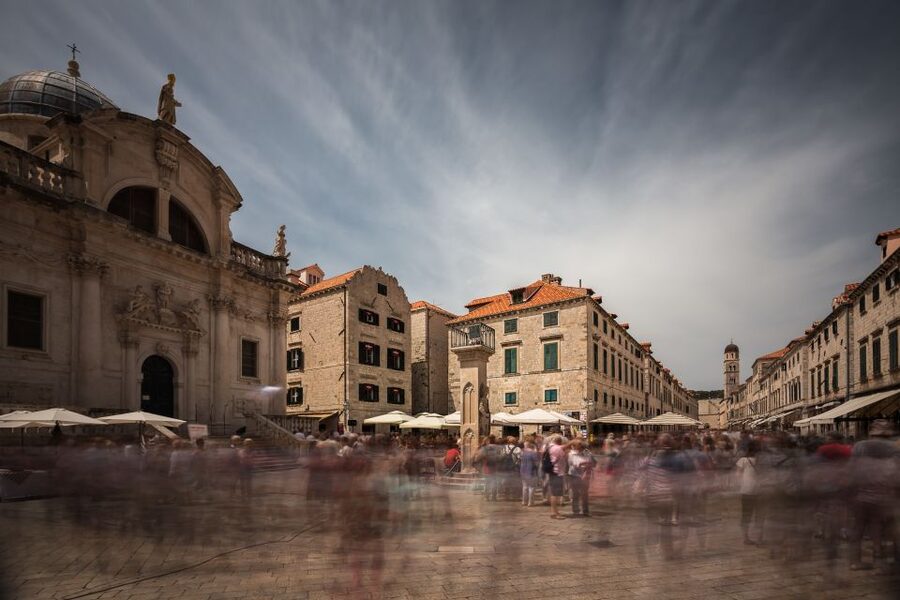
- History between courses: The route passes the Franciscan and Dominican monasteries, Sponza Palace, Rector’s Palace, and the Baroque cathedral.
- Small-group feel: The experience is designed around conversation, questions, and a personal guide rather than a large procession.
- Not for everyone: High heels, mobility impairments, and a vegan diet are poor matches for this tour.
Why combine food with Dubrovnik’s Old Town?
Dubrovnik is easy to experience as a parade of stone streets, churches, palaces, and famous filming locations. That can leave you admiring the city from the outside without learning how people eat, celebrate, and preserve local traditions.
This tour fills in that missing piece. You move through the UNESCO-listed Old Town while your guide explains the food at hand and the city around you. The result is part walking tour, part dinner, and part introduction to Dalmatian cooking.
I especially like the balance. You are not sitting in one restaurant for three hours, and you are not rushing from one photo stop to another. The schedule gives you time to eat, then walk off a little of the meal before the next stop.
The history is not limited to medieval walls. Guides have also discussed Dubrovnik’s more recent past, including the Croatian War of Independence in the early 1990s. That adds useful context to a city often reduced to postcard views and Game of Thrones references.
More food and wine tours in Croatia:
- From Split: Krka Waterfalls, Food & Wine Tasting Tour
★ 5.0 · 9,326 reviews - From Split: Krka Waterfalls, Food & Wine Tasting Tour
★ 4.9 · 6,598 reviews - Zadar: Guided Speedboat Tour with Food, Oil & Wine Tasting
★ 4.8 · 602 reviews
Starting at Big Onofrio’s Fountain
The meeting point is the large Onofrio Fountain, a practical landmark just inside the Old Town. It is one of the easiest places to find when entering through the Pile Gate area, though you should allow a little time to reach it in a crowded street.
From here, the guide sets the tone for the afternoon or evening. English is the tour language, and the guides are expected to explain both the route and the food clearly. Past guides have included Ana, Marija, Drazen, Iva, and other local hosts, with several having backgrounds in food or tourism.
The first portion is a walking introduction to the Old Town. You may pass the Franciscan monastery, Dominican monastery, Sponza Palace, Rector’s Palace, and the Baroque cathedral. These are not isolated sightseeing stops with long lectures. They form the setting for the food story.
Wear comfortable shoes. The Old Town’s stone streets can be hard underfoot, and the tour takes place rain or shine. High heels are specifically not allowed, which is sensible on polished cobbles and steps.
The first tasting: a gentle start to Croatian food
The first food stop comes after about 30 minutes of sightseeing. This is where the city begins to make more sense through its table.
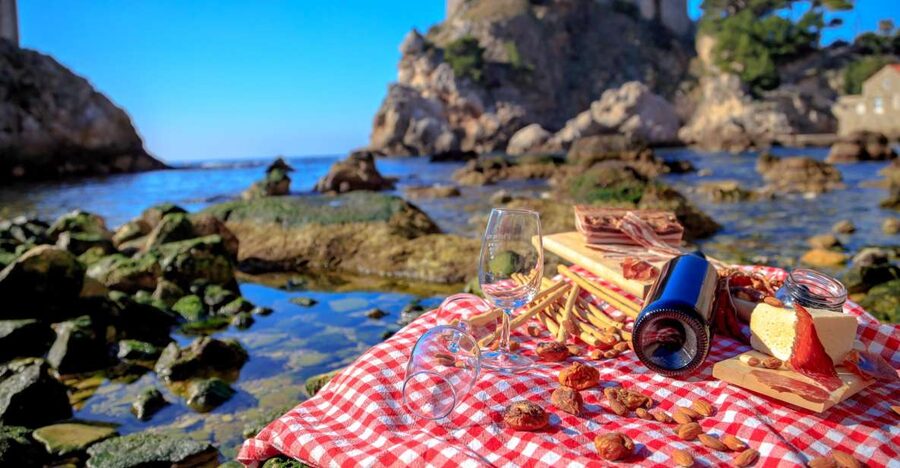
The exact dishes can vary, so you should not book this expecting a fixed menu. The purpose is to sample traditional Croatian and Dalmatian food in small portions, with the guide explaining what you are eating and how it relates to local cooking.
The food is not treated as a collection of random restaurant snacks. Guides explain preparation, ingredients, and the role of the dish in Croatian culture. That is useful if you are unfamiliar with Dalmatian cuisine or unsure what to order on your own.
Wine accompanies the tastings. The tour includes the food and drinks described as part of the experience, and the wine selections are regional. You may also order another drink if wine is not your preference, though the included pairing is a central part of the tour.
One practical point matters here: tell the provider about dietary needs in advance. Fish and seafood appear to be part of the local food focus, but several people who do not eat seafood received alternatives. The tour is not suitable for vegans, so plant-based diners should choose another activity.
Walking through the city between meals
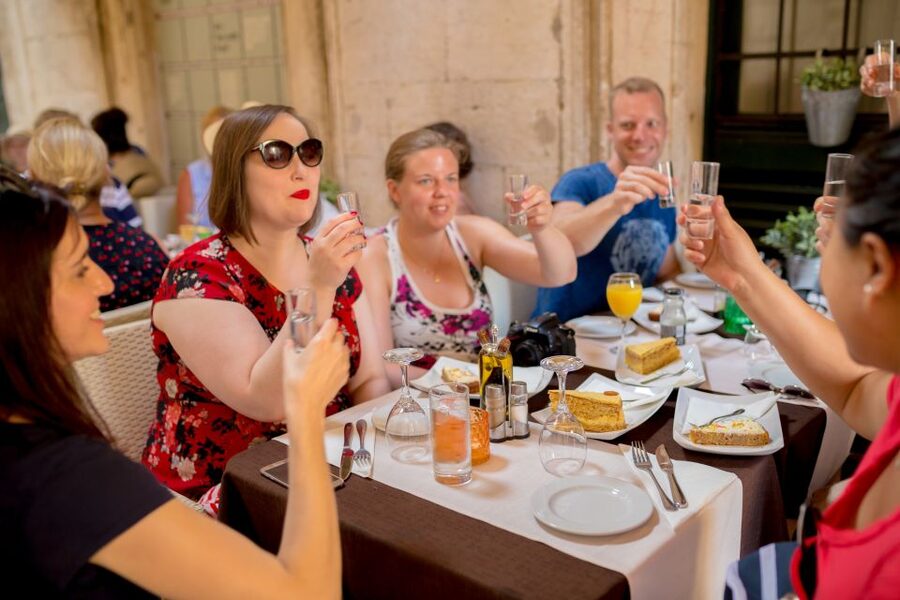
After the first tasting, you continue through the Old Town for another sightseeing stretch. This rhythm is one of the tour’s strengths.
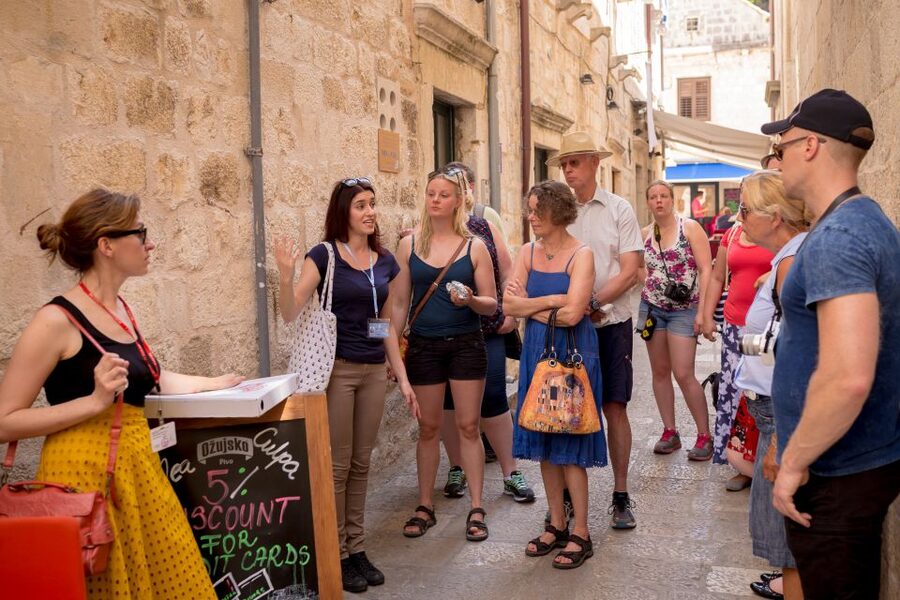
You get time to talk with the guide and ask questions without trying to speak while eating. You also have a chance to notice details that are easy to miss when exploring alone, including the relationship between the narrow lanes, public squares, religious buildings, and grand palaces.
The guide’s role matters more here than the number of sights checked off. Strong hosts such as Drazen and Ana have been praised for explaining history in a friendly, easy-to-follow way. Some guides also offer restaurant suggestions for later meals and ideas for other places to visit in Croatia.
That advice is most useful if you take the tour early in your stay. You can return to a restaurant you liked, use the guide’s recommendations for another dinner, or make better choices when reading menus later.
The group format also helps. The experience is described as small enough for conversation, and past groups have included families, couples, and solo visitors. It is a social activity, but the food gives everyone something to discuss, even if the group members arrive as strangers.
A few more food tours around Croatia worth comparing
- Eat Like a Local: Venice 3-Hour Small-Group Food Tasting Tour
★ 5.0 · 3,137 reviews - Porto: 3-Hour Food Tour
★ 4.9 · 807 reviews - Shanghai: 3-Hour Local Food Tasting Tour
★ 4.9 · 806 reviews - Melbourne: 3-Hour Foodie Discovery Walking Tour
★ 4.9 · 313 reviews
The second tasting: more variety, more context
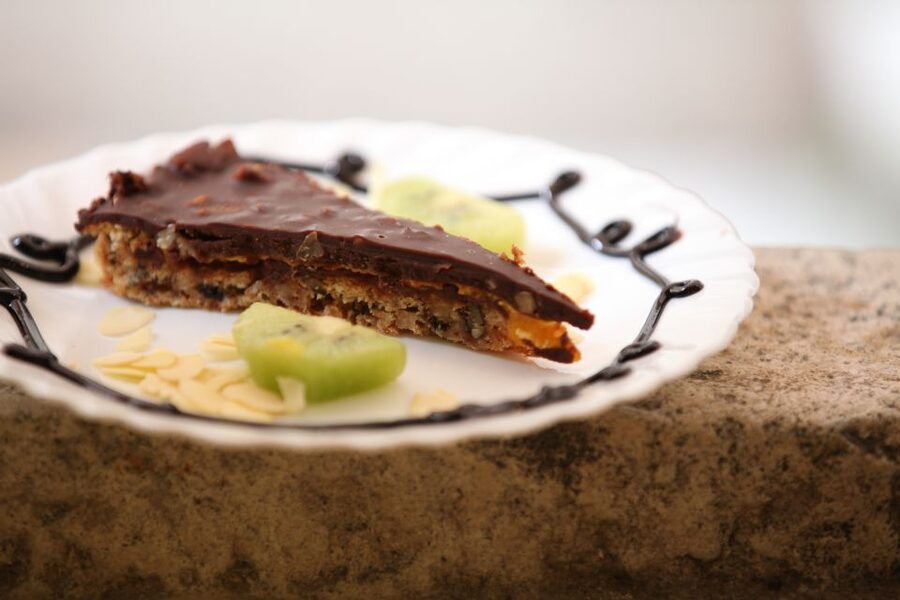
The second tasting lasts about 30 minutes. By this point, you have already learned the basic rhythm: walk, listen, sit down, taste, and ask questions.
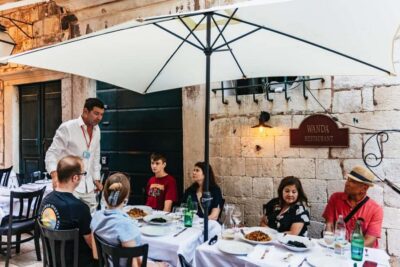
The restaurant choices are intended to show different sides of local cooking. Several guides have taken groups to family-run places, and the stops may be less obvious than the restaurants you see on the main tourist streets. That does not mean every dish will suit every palate, but it gives you a better chance to try something you would not have ordered without help.
The food is served in a sharing style. This works well for curious eaters because you can discuss the dish with the people at your table and compare reactions. It also means you should not assume each person receives a separate full entrée.
Still, do not underestimate the amount of food. The tastings have been described as enough for dinner, and one past schedule included what amounted to three substantial meal stops before dessert. I would eat a very light lunch if you book an afternoon tour, or skip a large meal beforehand if your tour begins in the evening.
The wine portions are the main value question. The pairings help you understand how regional wines work with Croatian dishes, but you may receive a small glass rather than two glasses per course. If you are mainly booking for wine, $170 per person may feel high. If you value a guided city walk, several restaurant visits, food, drinks, and local explanation in one package, the cost is easier to justify.
The third tasting and the story behind local dishes
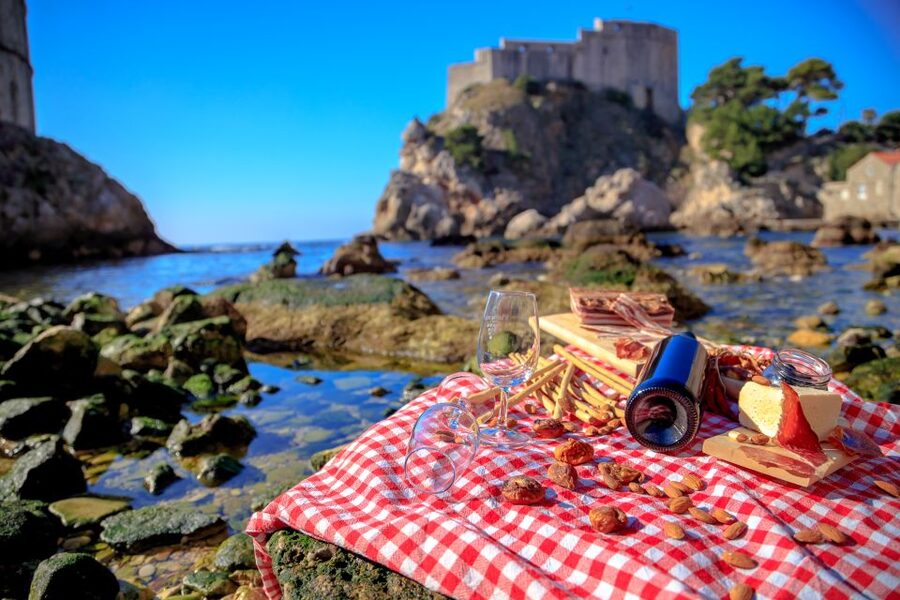
A later sightseeing section leads into the third food tasting, with about 30 minutes set aside for walking and another 20 minutes for food.
This part of the tour often feels less like an orientation and more like a relaxed meal. You have settled into the group, learned how the guide tells stories, and become more willing to try an unfamiliar dish.
The strongest guides connect food to place. They may explain how a recipe developed, why a particular ingredient matters, or how local habits changed over time. The point is not to memorize culinary facts. It is to understand why Dubrovnik’s food is shaped by the Adriatic, Croatian traditions, and the city’s long contact with other cultures.
I also like that the guides are open to questions. People have asked about food, wine, architecture, local life, and the city’s recent past. A good host can shift between those subjects without turning the tour into a formal classroom.
The food pairings are another reason to pay attention. The wine is not simply poured as a generic beverage. Your guide discusses the match between the dish and the regional wine, which gives you a better basis for ordering later.
Dessert inside the ancient walls
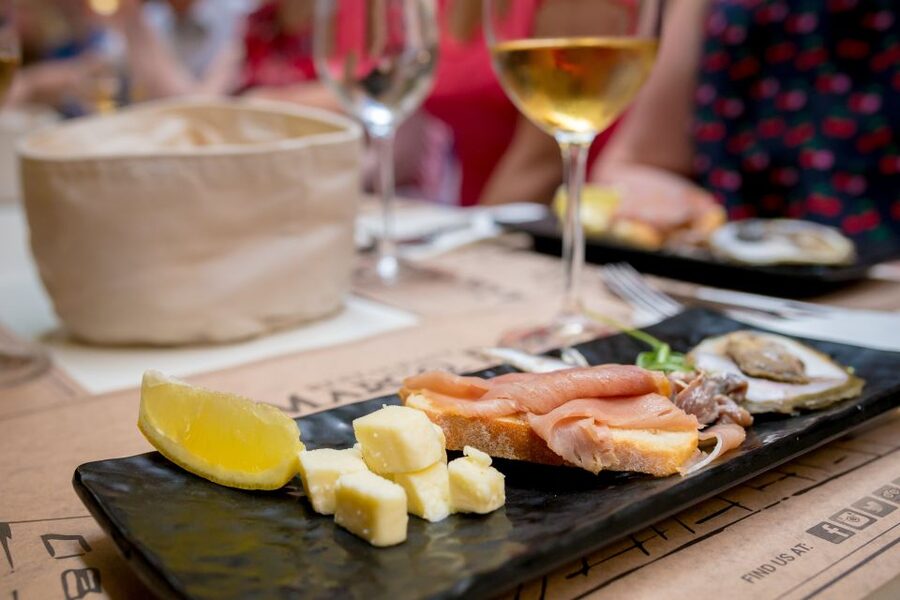
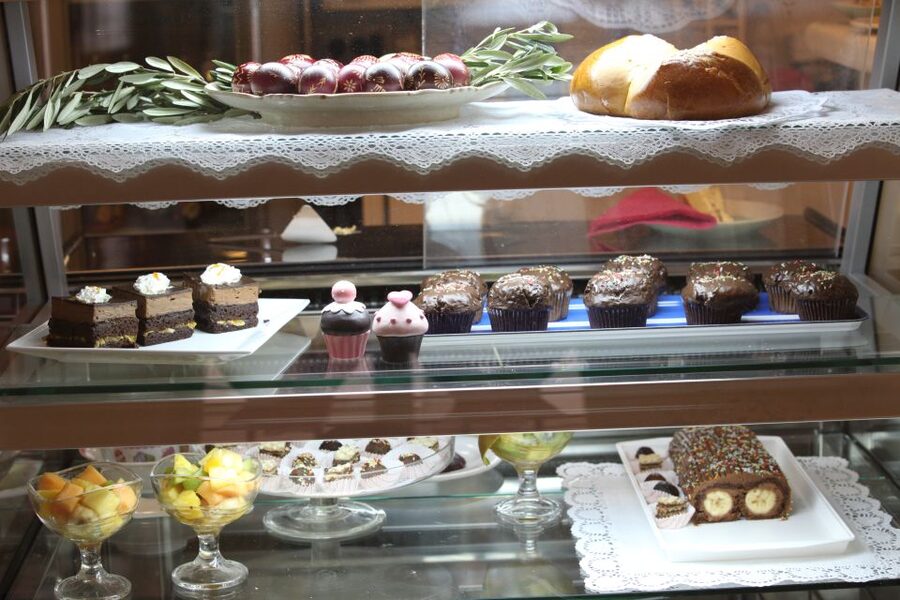
The final stop is a small patisserie or similar dessert venue within the Old Town. The stated plan calls for traditional Croatian cake, while some schedules have ended with ice cream.
That difference is worth noting. The dessert stop is part of the experience, but the precise sweet may change. You should expect a Croatian-style finish rather than a guaranteed named pastry.
It is a good ending because the tour does not finish with another heavy savory course. After several tastings and glasses of wine, a sweet stop gives you a clear finish and leaves you in the heart of the Old Town, where you can continue walking or return to your accommodation.
The whole schedule adds up to three hours, but it does not feel like three hours of continuous eating. Sightseeing blocks of about 15 to 30 minutes break up the food stops. That pacing is helpful in summer heat, though you should still bring water and dress for the weather.
How much food and wine do you really get?
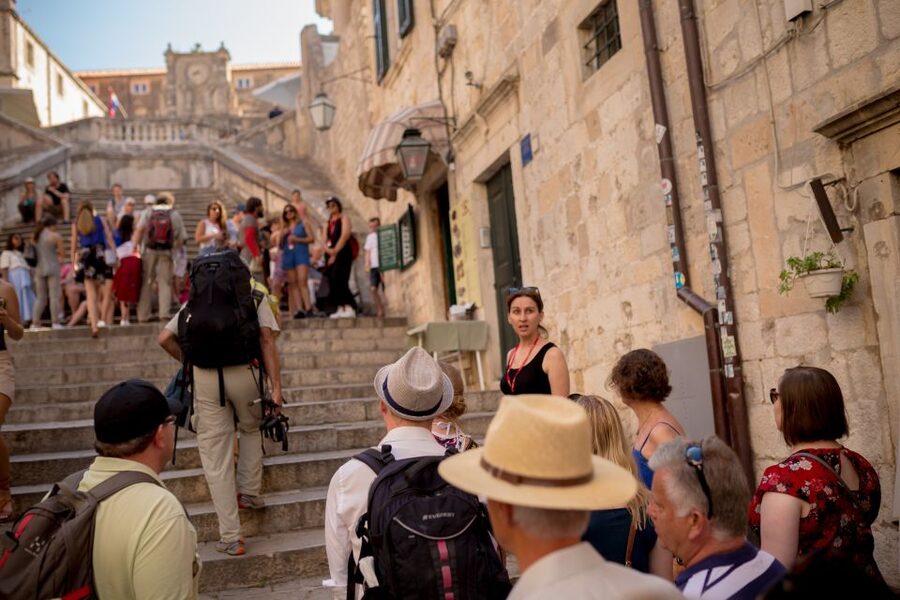
This is closer to a progressive dinner than a nibble-only tasting. You may visit three restaurants for savory sharing plates and then stop for dessert, with wine or another drink available along the way.
The portions are often enough to leave you full. I would not book a separate dinner immediately afterward unless you normally eat very large meals.
Wine is included with the planned tastings, but do not picture a full wine flight at every stop. Portions can be modest. You may order other drinks, but personal purchases are not included, so extra beverages add to the final cost.
For many people, the value comes from combining several expenses: a guided Old Town walk, restaurant tastings, food explanations, wine pairings, and dinner. You also avoid spending your first night guessing which tourist restaurant is worth your money.
For a strict food-and-drink comparison, the price is less compelling. At $170 per person, this is a premium activity. Couples and families should decide if the guide’s local context and the convenience of multiple stops are worth paying for.
Who will enjoy this Dubrovnik food tour?
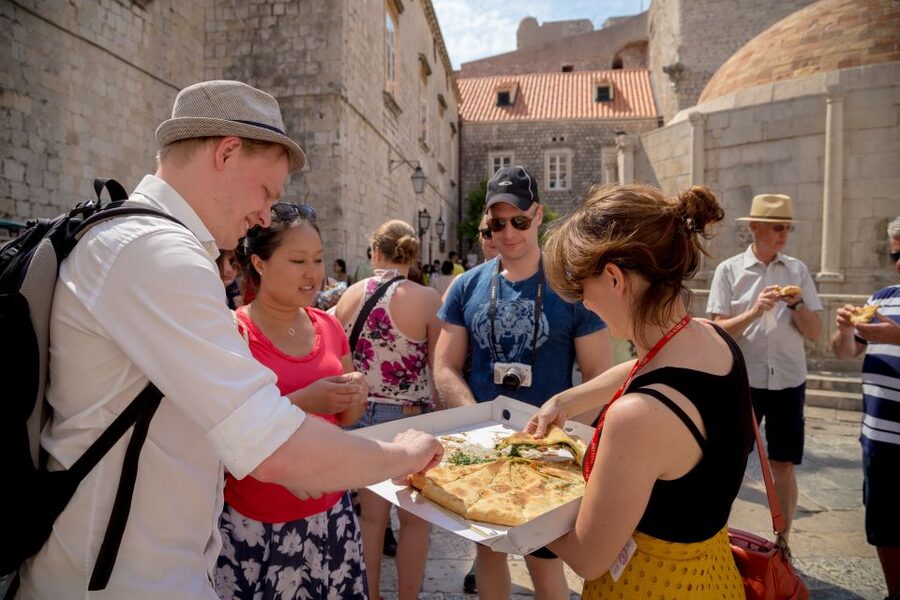
This experience suits you best if you want a practical introduction to Dubrovnik rather than a formal cooking class. It works especially well for:
- First-time visitors who want food recommendations early in the trip
- Couples who prefer a guided evening to choosing a restaurant at random
- Families with older teenagers
- People who enjoy history but do not want a long museum tour
- Curious eaters who want to try Croatian dishes with an explanation
- Wine drinkers interested in regional pairings
Families have enjoyed the tour with teenagers, and the relaxed group style can work well for older children who like trying new foods. The alcohol element means parents should decide if the format suits their group.
This is less suitable if you need step-free access, dislike walking on stone streets, follow a vegan diet, or want a quiet private meal. It is also not the right pick if you expect a fixed tasting menu with large wine pours and named dishes guaranteed in advance.
Practical details that affect your decision
The meeting point is Big Onofrio’s Fountain in Dubrovnik’s Old Town. The tour is conducted in English with a live guide, and starting times depend on availability.
Bring comfortable shoes and prepare for changing weather. The tour runs in rain or shine, so a light rain layer can be sensible, especially outside the dry summer period.
You can cancel up to 24 hours before the start for a full refund, and you can reserve now and pay later. Those policies help if your Croatian itinerary is still shifting, though you should confirm the available start time before booking.
The tour is not described as suitable for people with mobility impairments. The route includes Old Town streets and may involve uneven stone surfaces, so ask the provider directly if you have a specific mobility concern.
Should you book it?
I would book this tour early in a Dubrovnik stay if you want one activity that combines dinner, local wine, history, and useful restaurant advice. The strongest part is the guide-led connection between what you eat and what you see, especially with hosts such as Ana, Marija, Drazen, or Iva.
I would hesitate if your main goal is generous wine service or the lowest possible food cost. At $170, you are paying for the structure, access to several stops, and the guide’s local knowledge as much as for the dishes themselves.
For most first-time visitors who eat seafood or can accept alternatives, the tour is a smart introduction to Dubrovnik’s food scene. Arrive hungry, wear sensible shoes, and treat it as both a walking tour and your evening meal.
FAQ
Where does the Dubrovnik food and wine tour begin?
It begins at Big Onofrio’s Fountain in Dubrovnik’s Old Town.
How long does the tour last?
The experience lasts three hours.
How many food stops are included?
The tour visits four food venues within the Old Town. The format generally includes three restaurants for savory tastings and a patisserie or similar stop for dessert.
Is wine included?
Yes. Wine is included with the planned tastings. You may also order other drinks, but personal purchases are not included.
Is the tour suitable for vegans?
No. The activity is listed as unsuitable for vegans. People who do not eat fish or seafood may receive alternative dishes if they notify the provider in advance.
What should I wear or bring?
Wear comfortable shoes. High heels are not allowed, and the tour takes place rain or shine.
Just added around Croatia
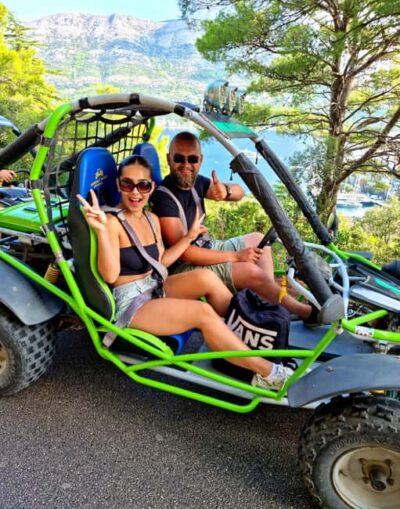
- Korcula: Buggy Safari with Local Food and Wine Tasting★ 5.0 · 97 reviews
- Istria: Guided Tour of Inner Istria with Food Tasting★ 5.0 · 67 reviews
- Pelješac Full-Day Wine and Food Tour from Dubrovnik★ 5.0 · 72 reviews
- Zagreb: Food Tour with Tastings★ 4.9 · 153 reviews
- Dubrovnik: Old Town Food Tour★ 4.8 · 119 reviews
- Zadar: Guided Speedboat Tour with Food, Oil & Wine Tasting★ 4.8 · 602 reviews
- Dubrovnik Food and Drink Walking Tour with a Local Guide★ 5.0 · 654 reviews
- Full-Day Catamaran Cruise to Hvar & Pakleni Islands with Food and free Drinks★ 5.0 · 670 reviews
Food Tours in Croatia, compared.
Blue Lagoon and 3 Island Cruise with Food and Drinks
Read our review →
Blue Lagoon, Borkko Beach & Šolta with Food & Drinks
Read our review →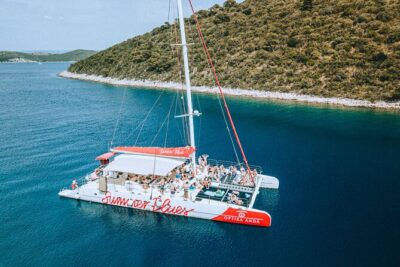
Full-Day Catamaran Cruise to Hvar & Pakleni Islands with Food and free Drinks
Read our review →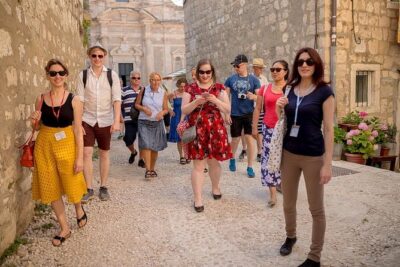
Dubrovnik Food and Drink Walking Tour with a Local Guide
Read our review →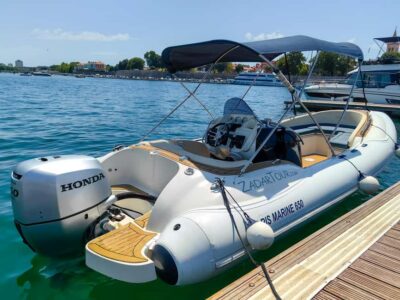
Zadar: Guided Speedboat Tour with Food, Oil & Wine Tasting
Read our review →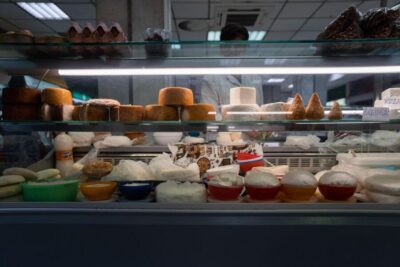
Korcula: Buggy Safari with Local Food and Wine Tasting
Read our review →Browse the lists this tour appears in