
REVIEW · CROATIA
Zagreb: Food Tour with Tastings
Zagreb’s best food stories begin at the market, not in a polished restaurant. This 3.5-hour walking tour starts at Ban Jelačić Square, moves through Dolac Market, and builds a generous tasting menu from Croatian comfort food, regional specialties, local drinks, and warm štrukli.
I like the way the tour connects food with Zagreb’s customs and history, rather than treating each dish as an isolated sample. I also like the personal touch: guides such as Ivana, Ena, Darko, Tonka, and Diana have adjusted tastings for allergies, preferences, birthdays, and curious questions.
The main caution is portion size. This is closer to a long brunch than a parade of tiny bites, so eat lightly beforehand. The early start may also feel too soon if you want a full breakfast first.
Key points at a glance
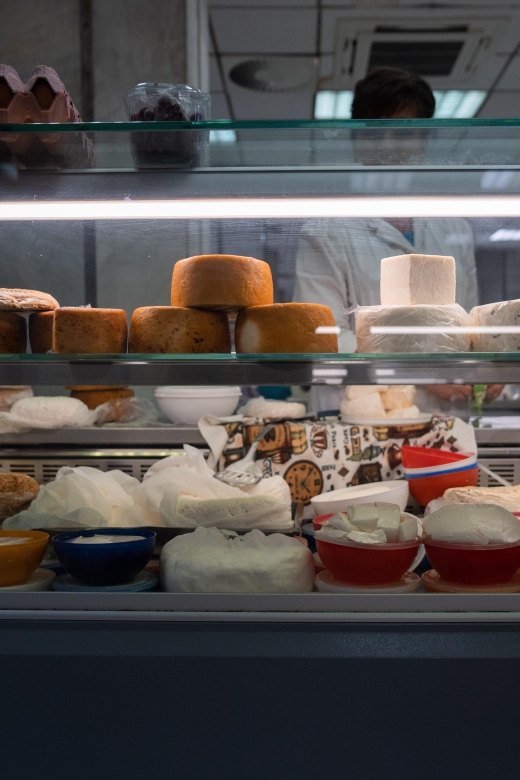
- Dolac Market first: See Zagreb’s central green market and taste fresh local ingredients where residents shop.
- A full meal, not just samples: Burek, kobasice, ćevapi, regional cured ham, olives, dessert, and drinks can add up quickly.
- Warm štrukli is a highlight: This traditional baked or cooked pastry-style dish is served warm and gives the tour a distinctly Zagreb finish.
- Food from across Croatia: Dalmatian pršut and Istrian olives broaden the tour beyond the capital.
- Guides shape the experience: Ivana, Ena, Darko, Tonka, Diana, Kristina, and others are praised for adapting the route and explaining local life.
- Come prepared: Wear comfortable shoes, leave large bags behind, and contact the operator in advance about dietary needs.
Starting at Ban Jelačić Square
You meet in front of the horse statue at the center of Ban Josip Jelačić Square. Look for the guide carrying an orange umbrella. This is a sensible meeting point because the square is the natural center of Zagreb, and the opening explanations help you understand the city before the eating begins.
The square also gives your guide room to set the scene. You may hear about Zagreb’s past, the buildings around the square, local customs, and how the city’s food reflects influences from different parts of Croatia. Guides are not limited to food facts. Ena, Darko, Ivana, Tonka, and Diana have all been praised for bringing in architecture, politics, recent events, language, and everyday life.
That wider approach matters. You are not simply told that a dish is traditional. You learn where it fits into Croatian life, how people eat it, and how regional cooking differs across the country.
The tour is in English, led by a certified local guide. Group size can vary. Some outings have been intimate, with only two people, while others have included small groups of four or family parties. A smaller group gives your guide more room to adjust the tasting list and answer questions, but the exact size is not guaranteed.
A few more food tours around Croatia worth comparing
- From Split: Krka Waterfalls, Food & Wine Tasting Tour
★ 5.0 · 9,326 reviews - From Split: Krka Waterfalls, Food & Wine Tasting Tour
★ 4.9 · 6,598 reviews - Split: Blue Lagoon and 3 Island Cruise with Food and Drinks
★ 4.8 · 1,969 reviews
Dolac Market: Zagreb’s food center
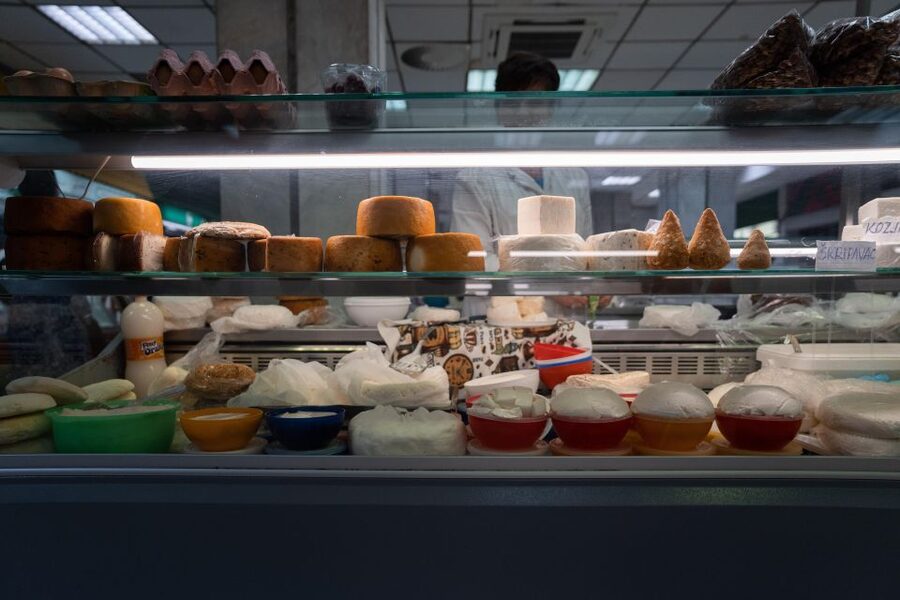
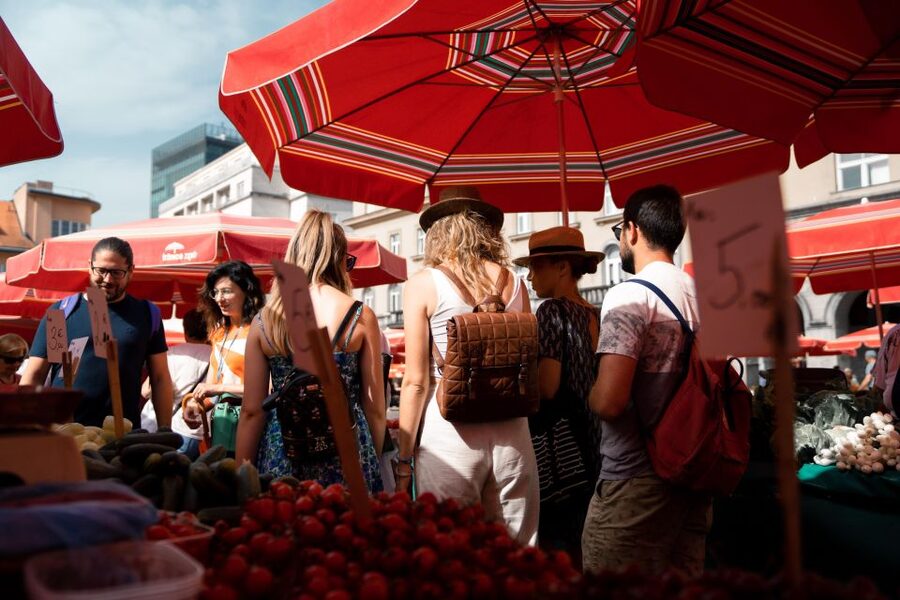
From the main square, you head to Dolac Market, Zagreb’s biggest and oldest green market. This is the tour’s most useful stop for getting a feel for daily food culture.
The market is more than a photo stop. You see the fresh ingredients that supply kitchens around the city, and your guide explains how local produce and prepared foods fit into Croatian meals. The tour includes tastings at the market and nearby food businesses, so you can try products in the setting where they make sense.
One early taste is sir i vrhnje, a simple combination of cottage cheese and sour cream. It is plain, creamy, and closely tied to the food of northern Croatia. You may also try a homemade peasant-style dish, which gives the meal a more direct connection to traditional home cooking.
Dolac is also a good place to ask questions about ingredients you may see later in shops or restaurants. If you spot something you want to buy, bring a small tote bag. One past participant wished they had extra carrying space for market purchases, and large bags or luggage are not allowed on the tour itself.
The market portion is listed as about two and a half hours, although the full advertised activity lasts 210 minutes. That tells you how central this section is. The outing is not a quick walk past stalls. It gives you time to eat, talk, and move between several food spots.
Burek, kobasice, and ćevapi
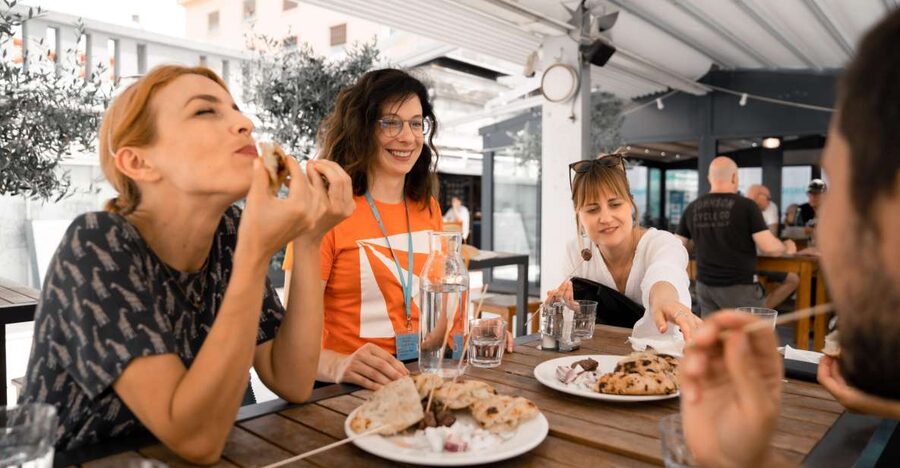
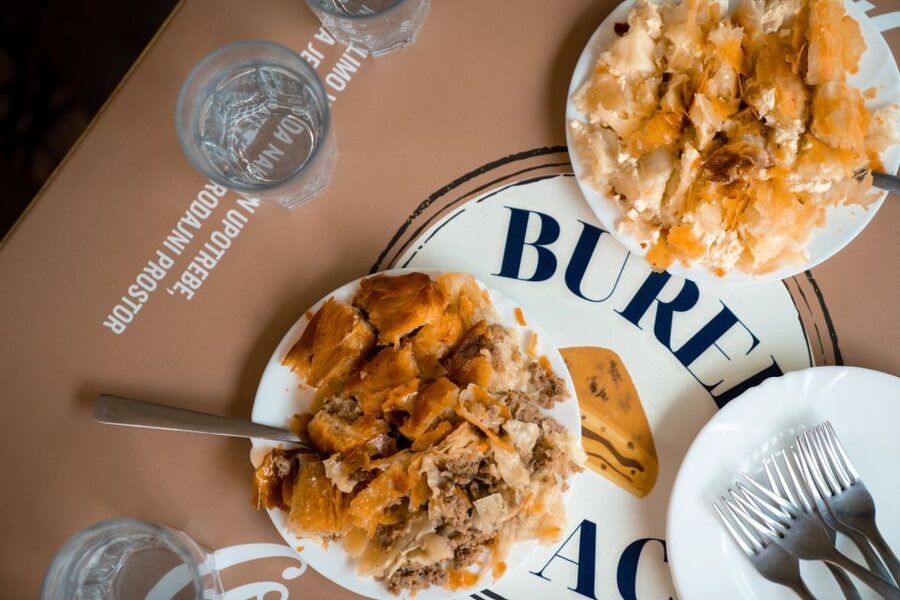
Burek is one of the most memorable stops for many people. This crusty, puffed pastry is filled and baked, with savory versions commonly built around meat or cheese. It is filling, rich, and easy to understand as everyday comfort food rather than fine dining.
If you like it, take note of where it comes from and ask your guide about other places to try it later. One participant enjoyed it enough to return for more. That is a useful sign of the tour’s practical value: you are introduced not only to dishes, but also to foods you can seek out again during your stay.
The meat tasting may include kobasice and ćevapi. Kobasice are local sausages, while ćevapi are small grilled meat portions served in a style found across the Balkans. These dishes add a savory, substantial middle to the meal.
Portions are the point to watch here. The tour description calls them tastings, but several accounts describe full servings or large portions. I would treat the experience as lunch or brunch. Do not arrive after a large breakfast and expect to enjoy every stop comfortably.
Regional Croatia on one table
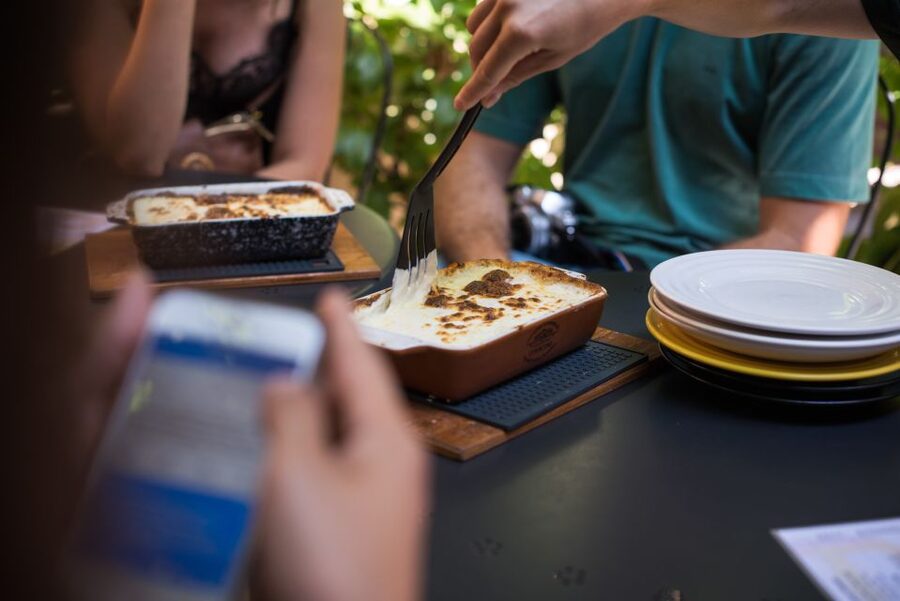
Zagreb’s food is not the whole story. The tour also brings in specialties from other Croatian regions, including Dalmatian pršut and Istrian olives.
Pršut is air-dried cured ham from Dalmatia. It gives you a taste of the country’s coastal food traditions, even though the tour takes place inland. Istrian olives offer another regional contrast, with a flavor that helps show how Croatia’s food changes from one part of the country to another.
This regional mix is one of the tour’s strongest features. If your Croatia trip includes Zagreb but not much time on the coast or in Istria, you get a small edible introduction to those areas. It does not replace visiting them, but it gives you useful context for menus you may see later.
The food choices also make the tour work for first-time visitors who are unsure what to order. Rather than scanning a menu and guessing, you can sample several traditional foods with explanations in plain English.
Same city, a completely different plate:
- Split: Blue Lagoon, Borkko Beach & Šolta with Food & Drinks
★ 4.5 · 759 reviews - Full-Day Catamaran Cruise to Hvar & Pakleni Islands with Food and free Drinks
★ 5.0 · 670 reviews - Dubrovnik Food and Drink Walking Tour with a Local Guide
★ 5.0 · 654 reviews - Zadar: Guided Speedboat Tour with Food, Oil & Wine Tasting
★ 4.8 · 602 reviews
Warm štrukli and Zagreb’s sweet side
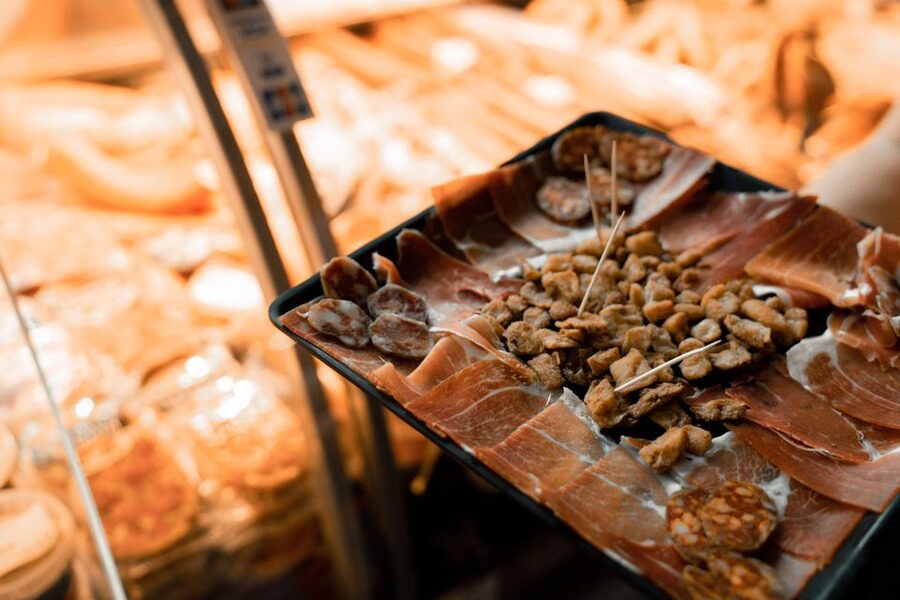
Štrukli is the dish to save room for. This unusual Croatian specialty is best served warm and may be prepared with a soft pastry exterior and a filling built around cheese. It is associated especially with northern Croatia and Zagreb’s wider region.
The warm serving matters. Štrukli is not just a pastry grabbed cold from a display case. The temperature and texture are part of the appeal, so this stop gives the tour a proper local finish.
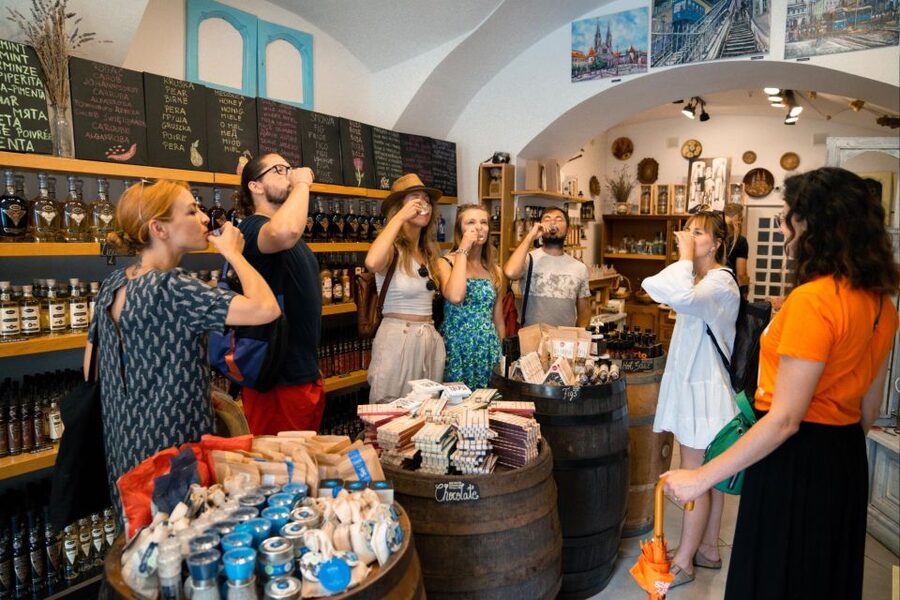
You also get a taste of Zagreb’s chocolate tradition. The experience includes a look at how chocolate tastes in Zagreb and introduces the city’s chocolate factory tradition. This is a lighter, sweeter counterpoint to the market food and grilled meats.
The final dessert portion returns you to Ban Jelačić Square. That makes the route easy to follow and leaves you in the center of town, ready to continue sightseeing or return to your hotel.
What the guide adds to the meal
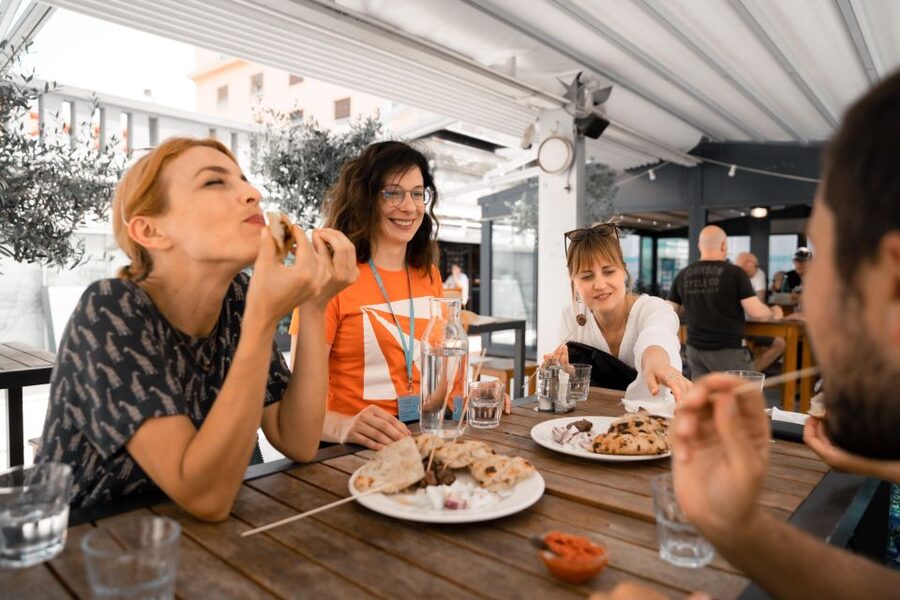
The food is the reason to book, but the guide determines how much you get from it. The strongest part of this experience is the connection between the tastings and local life.
Ivana has been praised for asking about preferences and shaping the outing around the people in her group. She has also handled personal questions with patience and warmth. Ena has adjusted food choices for family allergies and added explanations about architecture and local history.
Darko is often described as friendly, funny, and comfortable discussing subjects well beyond food. With him, you may hear about Croatian history, current costs, politics, sport, language, and the changes connected with the country’s move to the euro. Tonka has been praised for her energy and her ability to explain cultural food traditions. Diana is known for humor and a strong grasp of both food and the country’s past.
Other named guides include Eva, Katarina, Kristina, Ana, and Vid. The exact guide depends on the date, so you cannot book a particular person based on the information available. You can expect an English-speaking local guide, but personalities and pacing will naturally vary.
Dietary communication is important. Vegetarian options have been provided at most stops for at least one past participant, and gluten-free arrangements have also been made when the guide was told ahead of time. The operator specifically asks you to contact them in advance about vegetarian needs, allergies, or other restrictions. Do not wait until the meeting point.
How much food do you get?
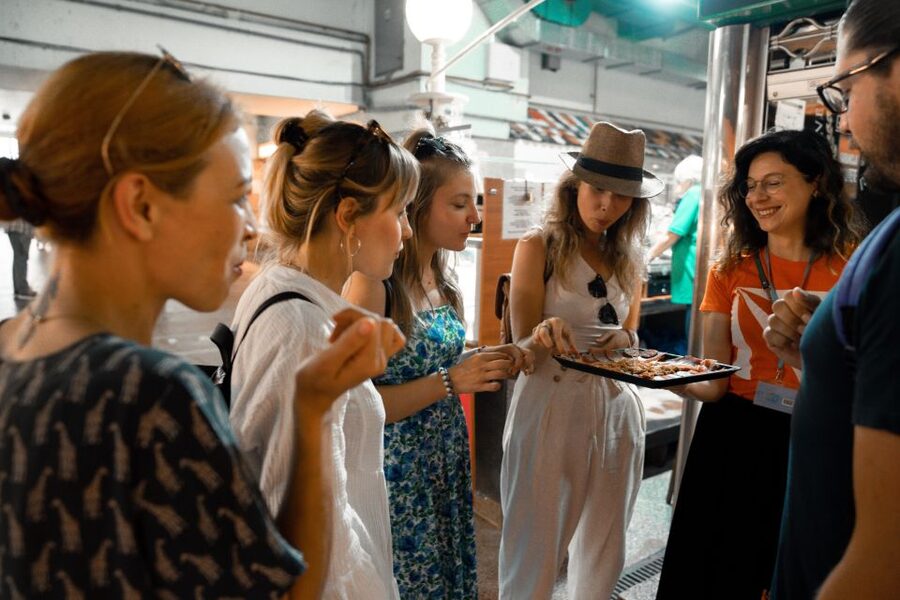
This is the practical question that matters most. You will visit five different food spots with traditional Croatian dishes, plus regional food, drinks, and dessert. The mix can include a breakfast-style first course, pastry, cheese, cured meat, olives, sausages, ćevapi, štrukli, chocolate, and local shots or aperitif-style drinks.
That is a lot for $104 per person. The price is not a bargain if you are comparing it with the cost of one inexpensive Croatian meal. It becomes more reasonable when you count the guide, five stops, the market visit, the regional tastings, and the amount of food that can replace breakfast and lunch.
I would compare it with booking a walking tour and several meals separately. You are paying for access, planning, explanations, and the chance to try dishes without ordering full portions on your own. You also avoid spending your first day guessing which restaurants are worth your time.
The value is strongest if you are new to Croatian food or have only one full day in Zagreb. It is less compelling if you already know the city well, dislike large meals, or prefer to choose every dish yourself.
Timing, walking, and what to bring
The listed duration is 210 minutes, or three and a half hours. The route covers central Zagreb, with the longest stretch devoted to Dolac Market and the food stops around it. One past account described a longer four-and-a-half-hour experience, so allow some flexibility if conversation and tastings run over.
You should wear comfortable shoes. This is a walking and standing activity, even though it is not described as a strenuous hike. The central route makes it manageable, but eating several times while moving through the city takes energy.
Leave luggage and large bags behind. Pets are not allowed. A small tote can be useful for anything you buy at the market, but it should not become a bulky carryall.
The tour offers free cancellation up to 24 hours before the start time, and you can reserve now and pay later. Starting times depend on availability, so check the schedule before planning a tightly timed museum visit afterward.
Who should book this Zagreb food tour?
I would recommend it to first-time visitors who want a fast introduction to Zagreb’s food, customs, and central sights. It is especially useful early in a trip because the guide can point you toward pastries, restaurants, shops, and places to visit later.
It also suits curious eaters who want more than familiar European dishes. Sir i vrhnje, štrukli, regional pršut, Istrian olives, burek, and ćevapi give you a broad sample of Croatian cooking in one outing.
Families can benefit from the flexible approach, provided children are willing to try unfamiliar foods and the group shares dietary information in advance. Couples and small groups may enjoy the relaxed conversation, particularly when the guide has time to personalize the route.
I would think twice if you need a strictly vegetarian, vegan, gluten-free, or allergy-safe meal without advance planning. Some dietary adjustments are possible, but the tour is built around a broad mix of Croatian foods and may not offer equal choices at every stop.
Should you book it?
Yes, if you want Zagreb explained through what people eat. The tour gives you a proper meal, a market visit, regional Croatian specialties, warm štrukli, and a local guide who can connect food with architecture, customs, and history.
Book it near the start of your stay if you can. Come hungry, wear good shoes, contact the operator about food restrictions, and leave room for a generous brunch rather than eating beforehand.
Skip it if you prefer a short tasting session with tiny samples or want a quiet restaurant meal. For everyone else, the $104 price is defensible because it combines food, orientation, and local insight in one well-filled afternoon.
FAQ
Where does the Zagreb food tour start?
Meet your guide in front of the horse statue at the center of Ban Josip Jelačić Square. The guide will have an orange umbrella.
How long does the tour last?
The advertised duration is 210 minutes, or three and a half hours. Starting times depend on availability.
Which foods are included?
Possible tastings include sir i vrhnje, burek, kobasice, ćevapi, warm štrukli, Dalmatian pršut, Istrian olives, chocolate, and other traditional Croatian dishes.
Does the tour visit Dolac Market?
Yes. The route includes a visit to Dolac Market, Zagreb’s biggest and oldest green market, with food tastings connected to the market and nearby food stops.
Is the tour conducted in English?
Yes. The tour includes a live English-speaking local guide.
Can dietary requirements be accommodated?
You should contact the local supplier in advance about vegetarian needs, allergies, or other special requirements. Adjustments have been made for some dietary needs, but arrangements should be confirmed before the tour.
Should I eat breakfast before the tour?
No large breakfast is advisable. The portions can be generous, and the experience is closer to a full brunch than a few small samples.
Just added around Croatia
- Korcula: Buggy Safari with Local Food and Wine Tasting★ 5.0 · 97 reviews
- Istria: Guided Tour of Inner Istria with Food Tasting★ 5.0 · 67 reviews
- Pelješac Full-Day Wine and Food Tour from Dubrovnik★ 5.0 · 72 reviews
- Dubrovnik: Old Town Food Tour★ 4.8 · 119 reviews
- Dubrovnik Gastronomy: 3-Hour Food and Wine Tour★ 4.9 · 249 reviews
- Zadar: Guided Speedboat Tour with Food, Oil & Wine Tasting★ 4.8 · 602 reviews
- Dubrovnik Food and Drink Walking Tour with a Local Guide★ 5.0 · 654 reviews
- Full-Day Catamaran Cruise to Hvar & Pakleni Islands with Food and free Drinks★ 5.0 · 670 reviews
Food Tours in Croatia, compared.

Blue Lagoon and 3 Island Cruise with Food and Drinks
Read our review →
Blue Lagoon, Borkko Beach & Šolta with Food & Drinks
Read our review →
Full-Day Catamaran Cruise to Hvar & Pakleni Islands with Food and free Drinks
Read our review →
Dubrovnik Food and Drink Walking Tour with a Local Guide
Read our review →
Zadar: Guided Speedboat Tour with Food, Oil & Wine Tasting
Read our review →
Dubrovnik Gastronomy: 3-Hour Food and Wine Tour
Read our review →

Korcula: Buggy Safari with Local Food and Wine Tasting
Read our review →Browse the lists this tour appears in