
REVIEW · GERMANY
Dresden: Taste of Dresden Food Walk
Dresden’s food story comes alive one bite and sip at a time on this 2.5-hour Old Town walk. You’ll try six local specialties, including Saxon wine, regional beer, eierschecke cheesecake, chocolate, and coffee from Dresdner Kaffeerösterei. I like the clear link between each tasting and Dresden’s past, and I like the price: $22 is fair for a guided city walk with this much included. The main drawback is that the tour is conducted in German, so you’ll need a good grasp of the language to catch the stories.
I also like the focus on everyday food rather than fancy dining. The guide connects medieval inns, Baroque coffee habits, and the small pleasures of life under communism. If Jörg Richter leads your walk, expect a lively and informative style. The tastings are generous enough for the price, but this is a sampling tour, not a full meal.
Key points to know before booking
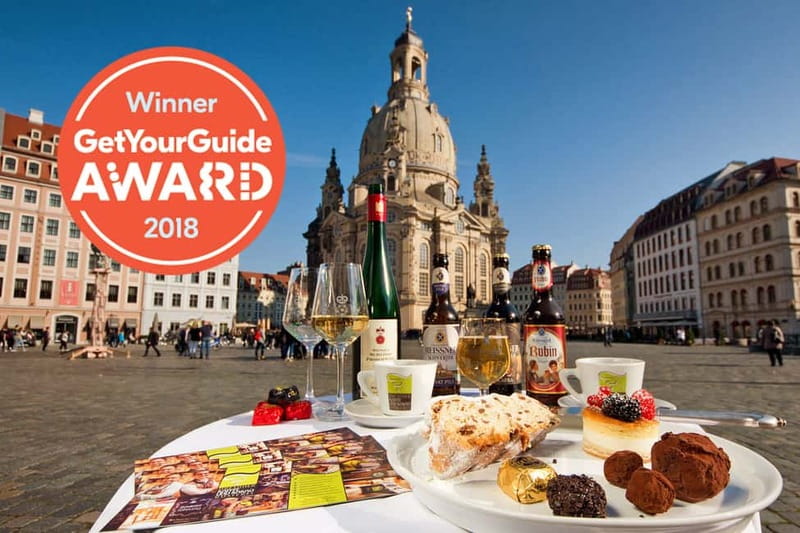
- Six tastings included: Try Saxon wine, local beer, eierschecke, chocolate, and coffee, along with another regional specialty.
- Old Town setting: The walk takes place through Dresden’s Altstadt, with food stops tied to the city’s past.
- German-speaking guide: The tour is offered in German, including the historical stories and explanations.
- Jörg Richter may lead: He is praised for making the walk entertaining, clear, and full of useful detail.
- Strong value at $22: You receive a guided tour and six food or drink samples for a modest price.
- Easy meeting point: Meet in the lower level of the QF Passage, in the seating area of Dresden Information.
Why this food walk works well in Dresden
Dresden can look like a city built for grand buildings, palace rooms, and monumental views. This tour gives you another way in. Food brings the city down to street level, where coffee, beer, cake, and wine reveal how people spent their free time and welcomed one another.
The idea of hospitality is central here. You’ll hear about the old inns of Dresden, including the excesses that made them legendary. These stories give the city’s food traditions some character. Medieval dining was not a quiet affair, and the tour uses those tales to show how eating and drinking were tied to social life.
I appreciate that the walk does not treat local food as a list of products. The guide explains why certain drinks and sweets matter. You learn how Dresden’s traditions changed from the Middle Ages through the Baroque era and into the communist period.
The tour is also a good choice if you want a gentle introduction to Dresden at the start of your visit. It gives you a route through the Altstadt and a set of local names to look for later. Afterward, you’ll know more about what eierschecke is, why Saxon wine deserves attention, and where coffee fits into Dresden’s story.
More food walks around Germany:
- Cologne: Südstadt Guided Foodie Walking Tour
★ 4.6 · 624 reviews - Hannover: Culinary Walking Tour Downtown + Old Town
★ 4.6 · 46 reviews - Hannover: Culinary walking tour district List/Oststadt
★ 4.6 · 28 reviews
Six tastings, from Saxon wine to Dresden coffee
The heart of the experience is the six-stop tasting sequence. The exact order can vary, but the listed samples cover several sides of Saxon food culture.
Saxon wine
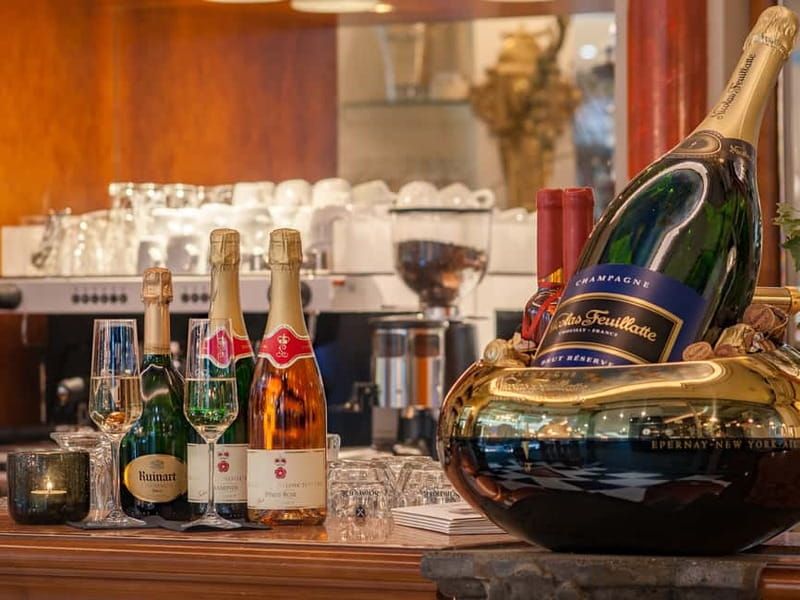
Wine from Saxony is a special part of the walk because it is less familiar to many people than German wine from better-known regions. You’ll taste an exclusive Saxon wine rather than simply hearing about it.
This makes the stop useful for comparison. You can place a regional wine alongside the beer and coffee served later. The point is not to turn the tour into a formal wine lesson. It is to give you a taste of something tied to the area and a reason to notice Saxon wine on a menu.
Regional beer
Beer gives the tour a more everyday feel. You’ll sample a typical beer from the region and hear how it fits into local hospitality.
This is a small serving, not a pub session, so do not book the walk expecting a full round of drinks. Still, the beer stop adds variety and makes the tour feel grounded in ordinary local habits rather than only in historic anecdotes.
A few more food tours around Germany worth comparing
- Braunschweig: Guided Walking Tour with Food Tastings
★ 4.8 · 68 reviews - Reykjavik Food Walk – Local Foodie Adventure in Iceland
★ 5.0 · 18,952 reviews - Little Havana Food and Walking Tour in Miami
★ 5.0 · 8,882 reviews - New Orleans Food Walking Tour of the French Quarter with Small-Group Option
★ 5.0 · 6,118 reviews
Eierschecke
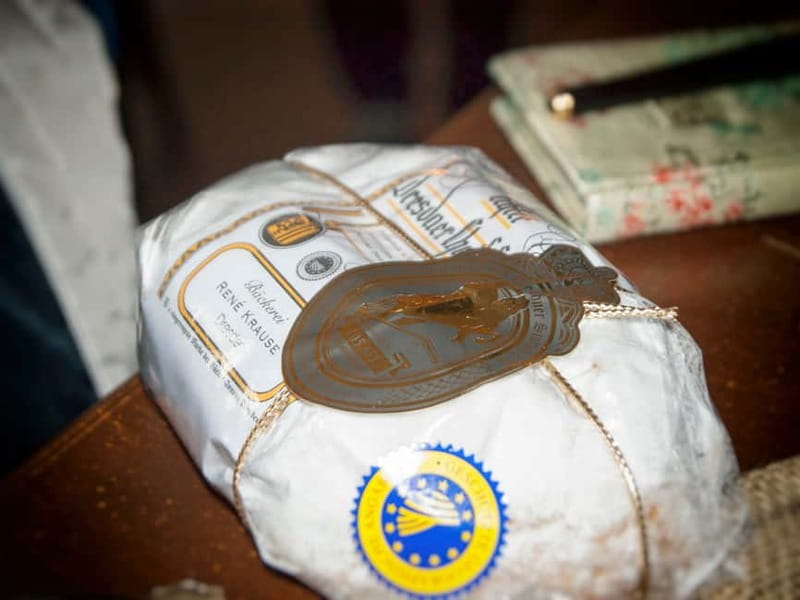
The eierschecke is likely to be the most memorable food stop for many people. This traditional Saxon cake is often described as a cheesecake, though it has its own local character and structure.
The tour includes what is presented as the best eierschecke in town. That is a bold claim, but it points you toward one of Dresden’s signature sweets. If you have a sweet tooth, this is one of the tastings that makes the $22 price easier to justify.
It also gives you something practical to seek out after the tour. If you like the sample, you can look for eierschecke in Dresden bakeries and cafés during the rest of your stay.
Chocolate
The chocolate stop adds a simple pleasure to the route. It is not presented as a long confectionery workshop, and you should not expect a technical lesson in chocolate making. Instead, it is one of the small tastes that keeps the walk varied.
I like this kind of balance. Six stops can become tiring if every sample is heavy or sweet. The chocolate works best as a short, focused tasting between drinks and coffee.
Coffee from Dresdner Kaffeerösterei
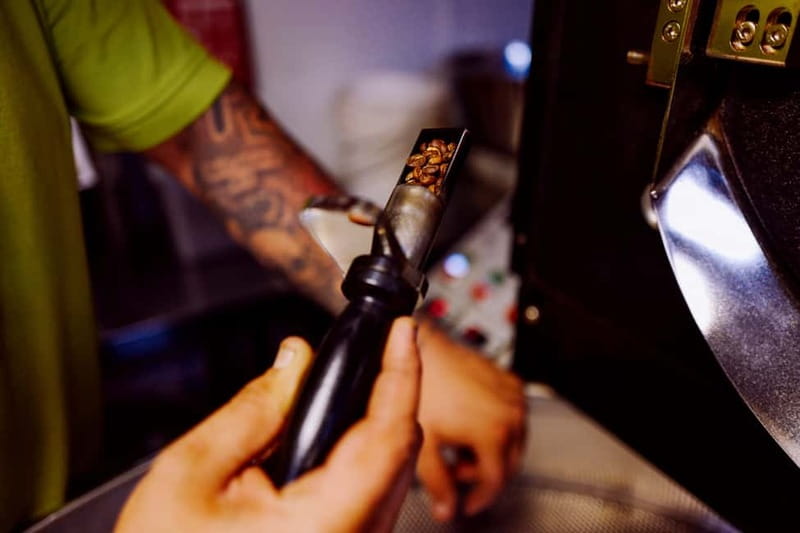
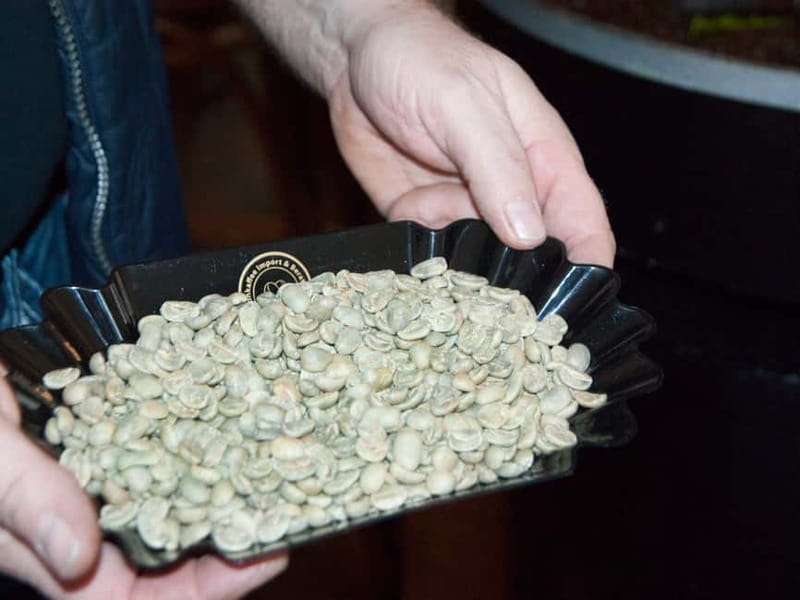
Coffee has a special place in the story. The tour explains Dresden’s coffee culture during the Baroque era, then gives you coffee from Dresdner Kaffeerösterei to taste.
That connection between history and a present-day cup is one of the strongest parts of the experience. You are not only told that coffee mattered in Dresden. You get to try a local roast while learning how coffee became part of the city’s social life.
The coffee stop may be especially appealing if you prefer nonalcoholic tastings. Since the walk includes both wine and beer, the coffee and cake help keep the lineup friendly to different tastes.
The sixth sample
The activity promises six different food and drink products, while the named examples include Saxon wine, regional beer, eierschecke, chocolate, and coffee. One additional tasting completes the set.
Because the supplied details do not identify that final sample, I would not book this expecting a particular sixth item. Treat it as an extra local taste that may depend on the current route or partner businesses.
The Old Town route connects food with history
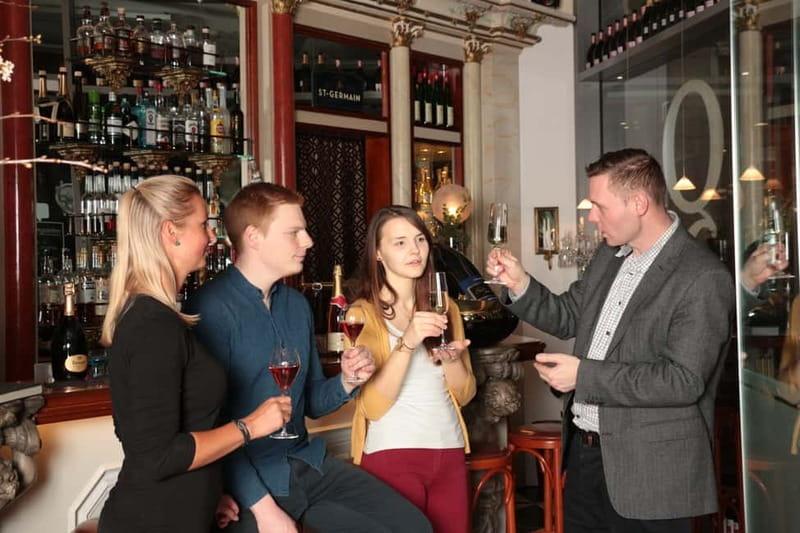
The setting matters here. You walk through Dresden’s Altstadt rather than sitting in one restaurant for the entire experience. That keeps the pace moving and lets the guide place each story in the city around you.
The historical themes cover a wide span. You’ll hear about medieval inns and their unruly reputation, the rise of coffee culture during the Baroque period, and the improvised pleasures of everyday life under communism.
That last subject is especially useful. Food history can become too polished when it only focuses on famous dishes and elegant cafés. Stories about making do, finding pleasure, and sharing what was available under communism add a more ordinary human side to Dresden.
The tour also presents hospitality as a long-running local habit. You’ll hear how inns served as social centers and how eating and drinking helped people gather across different periods. The result is a city walk with a clear theme rather than six unrelated snack stops.
Do not expect a complete architectural tour of every major Dresden sight. The activity is built around culinary stories, and the Old Town serves as the setting. If your priority is detailed information about churches, palaces, or museums, choose a dedicated sightseeing tour instead.
What the guide adds to the experience
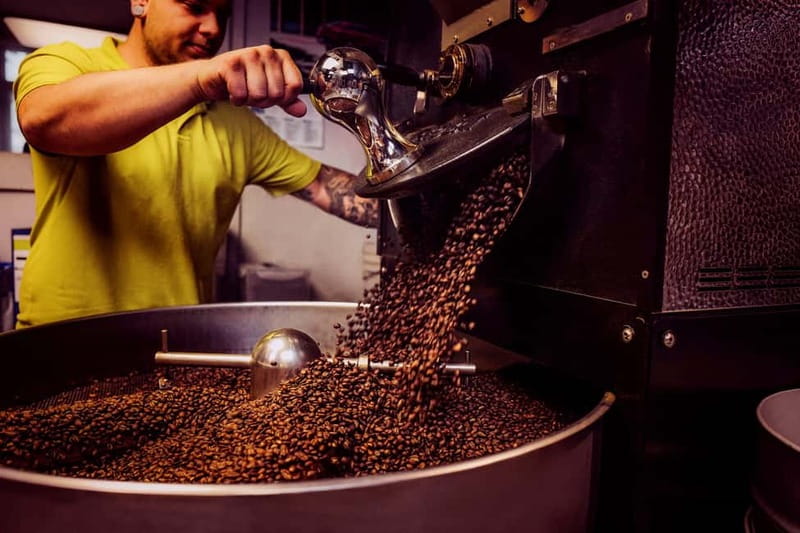
The guide makes a large difference on a food walk. The tastings are fixed, but the stories can either feel like a lecture or turn the route into a lively conversation.
Jörg Richter receives particular praise for his engaging manner and the amount of information he brings to the walk. His approach is described as entertaining, easy to follow, and full of useful detail. That is important because the tour covers several periods and subjects in only two and a half hours.
The guide also helps explain unfamiliar words and foods. If you have never encountered eierschecke or Saxon wine, a good explanation gives the tasting some context. You are less likely to treat each item as a random sample.
The language is the key consideration. The listed tour language is German. If you understand only basic German, you may still enjoy the food, but you will miss much of the value, especially the stories about medieval inns and communist-era life. This is not a multilingual walk with English interpretation noted in the details.
Is $22 a good price for the experience?
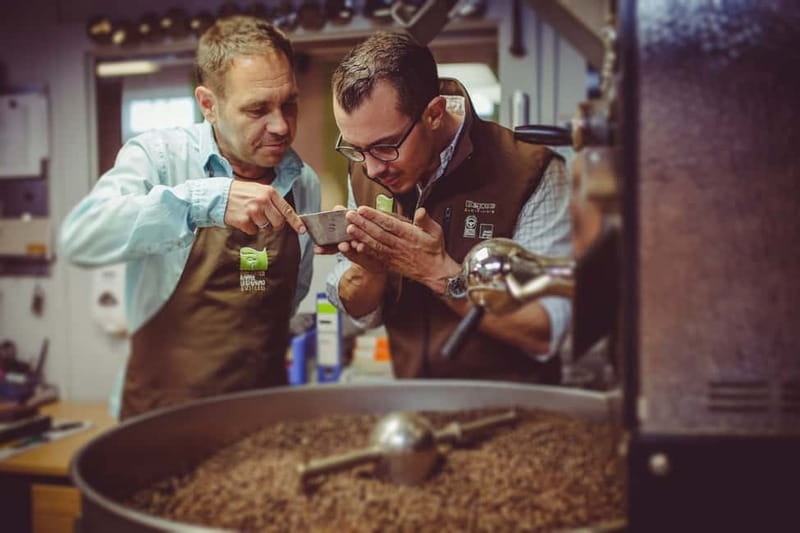
At $22 per person, the tour offers solid value. You receive a guided Old Town walk lasting two and a half hours, plus six food and drink samples. That is a reasonable amount for a city activity, especially if the tastings replace a snack or light lunch.
The value improves if you enjoy small portions and local products. You can try several things without committing to a full meal or buying separate drinks and desserts throughout the day. The tour also saves you the trouble of researching which regional specialties to seek out.
Still, keep your expectations in check. Six tastings do not equal dinner. Portions are intended to introduce you to products, not fill you completely. If you are hungry, plan another meal before or after the walk.
The tour is also a good use of money for a first day in Dresden. You get an overview of local flavors, learn useful food names, and receive a walking orientation through the Altstadt. It offers more substance than a simple snack stop and costs less than many longer food tours.
Who should book this Dresden food walk?
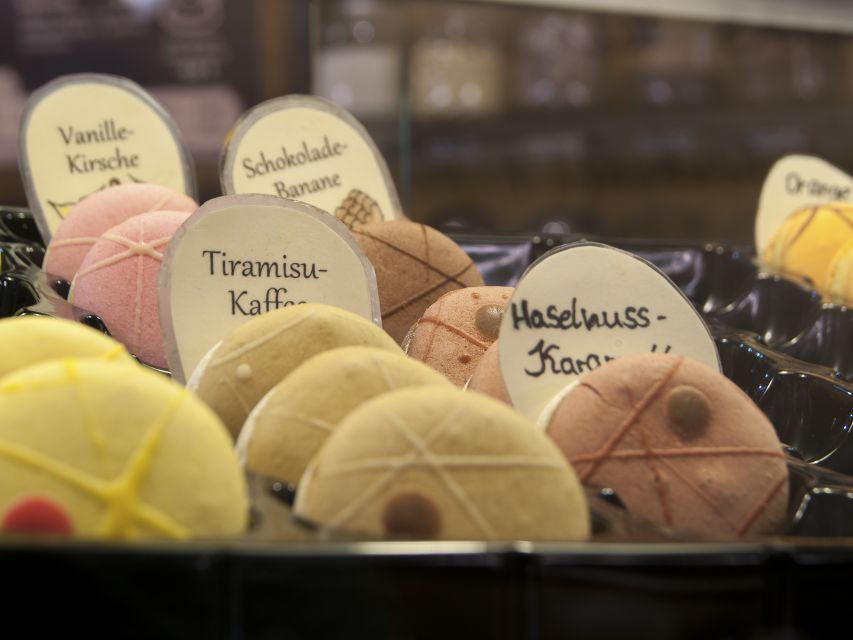
I would recommend it most strongly to people who:
- Understand German well enough to follow a live historical talk
- Want local specialties without booking a formal restaurant meal
- Enjoy cake, coffee, beer, and wine
- Prefer a walking tour with several short stops
- Want food connected to social and political history
- Like meeting a city through everyday habits rather than only major sights
Families can also consider it, though the booking rules limit the number of children tickets to four per adult. The mix of sweet and savory samples may work well for older children, but the historical content and German-language format will matter.
The walk is less suitable if you need an English-language guide, want a large meal, or prefer a focused wine tasting. It also may not suit anyone looking for a quiet café experience, since the format involves walking through the Old Town and stopping along the way.
Meeting point and timing details
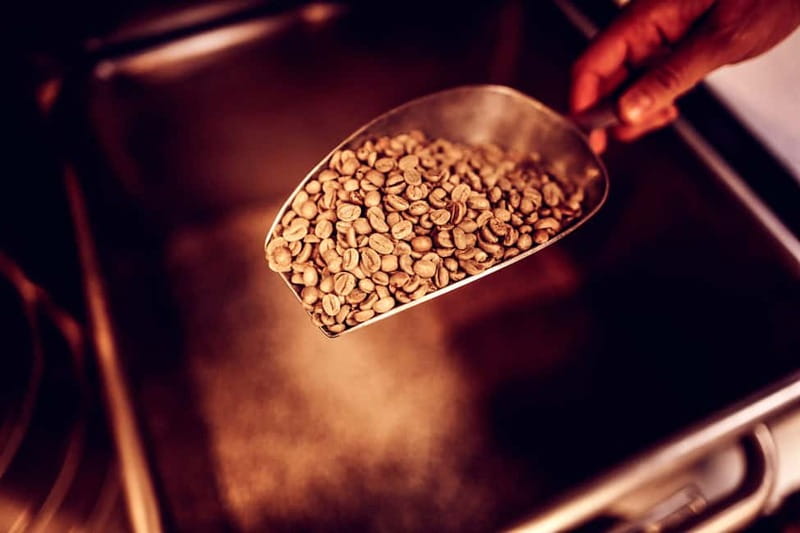
The meeting point is in the lower level of the QF Passage, in the seating area of Dresden Information. Go downstairs rather than waiting at a street-level entrance.
The tour lasts 2.5 hours, and you should check the available starting times when booking. The activity is described as offering skip-the-ticket-line access, though the main value here is the guided route and included tastings rather than entry to a major paid attraction.
You can cancel up to 24 hours before the start for a full refund. A reserve-now, pay-later option is also available, which helps if your Dresden schedule is still changing.
Final decision: book it if German is comfortable for you
This is a good-value food walk with a clear local focus. The six tastings give you a useful sample of Saxon wine, beer, cake, chocolate, and coffee, while the guide ties them to Dresden’s long tradition of hospitality.
I would book it if you want an approachable introduction to Dresden’s food culture and can follow German comfortably. The strongest element is the combination of tasting and storytelling, especially the movement from medieval inns to Baroque coffee culture and everyday life under communism.
I would skip it if you need English commentary or expect a substantial meal. For German-speaking visitors, couples, families with older children, and anyone who likes learning through food, the $22 price is easy to defend.
FAQ
How long does the Dresden food walk last?
The tour lasts 2.5 hours.
How many tastings are included?
Six different food and drink tastings are included.
What food and drinks are sampled?
The tastings include an exclusive Saxon wine, a typical regional beer, eierschecke cheesecake, chocolate, and coffee from Dresdner Kaffeerösterei. One additional tasting completes the six-item selection.
What language is the tour conducted in?
The tour is conducted in German, with a live German-speaking guide.
Where is the meeting point?
Meet in the lower level of the QF Passage, in the seating area of Dresden Information.
Can I cancel the booking?
Yes. You can cancel up to 24 hours in advance for a full refund. A reserve-now, pay-later option is also available.
Just added around Germany
- Lübeck: The Culinary City Tour – Lübeck Lukullisch★ 4.7 · 26 reviews
- Leipzig: 3-Hour Sightseeing and Food Tour★ 4.9 · 113 reviews
- Bamberg: Guided Historical Culinary Tour★ 4.6 · 461 reviews
- Heidelberg: Culinary city tour with delicious samples★ 4.6 · 52 reviews
- Hannover: Culinary walking tour district List/Oststadt★ 4.6 · 28 reviews
- Hannover: Culinary Walking Tour Downtown + Old Town★ 4.6 · 46 reviews
- Hamburg: Schanzenviertel Food and Beer Tour★ 4.5 · 44 reviews
- Hamburg: Elbphilharmonie Plaza and HafenCity Food Tour★ 4.6 · 168 reviews
Food Tours in Germany, compared.

Elbphilharmonie Plaza and HafenCity Food Tour
Read our review →
Bavarian Beer and Food Evening Tour in Munich
Read our review →
Berlin Center Food Tour with 8+ Authentic Local Tastings
Read our review →

Beer and Food Tour with Dinner & Oktoberfest Museum
Read our review →
Browse the lists this tour appears in