
REVIEW · GREECE
Crete: Olive, Wine, & Raki on a Flavorful Culinary Journey
Crete’s food culture makes the most sense when you see it being made. This six-and-a-half-hour outing links an olive mill in Skalani with a small winery and raki distillery near Stironas, then adds village roads, tastings, and a generous Cretan lunch. You are not just sitting at a restaurant eating local food. You are following it from grove and vineyard to table.
I like the small-producer focus, especially the olive farm and family-run winery. I also like the comfortable SUV transport, pickup and return from your accommodation, and the way guides such as Angela, Yanni, Alex, and Maria have made the day feel personal and relaxed. The main consideration is pace: with several drives and a six-and-a-half-hour schedule, this is a full food-and-drink outing rather than a slow village day.
Key points to know before booking
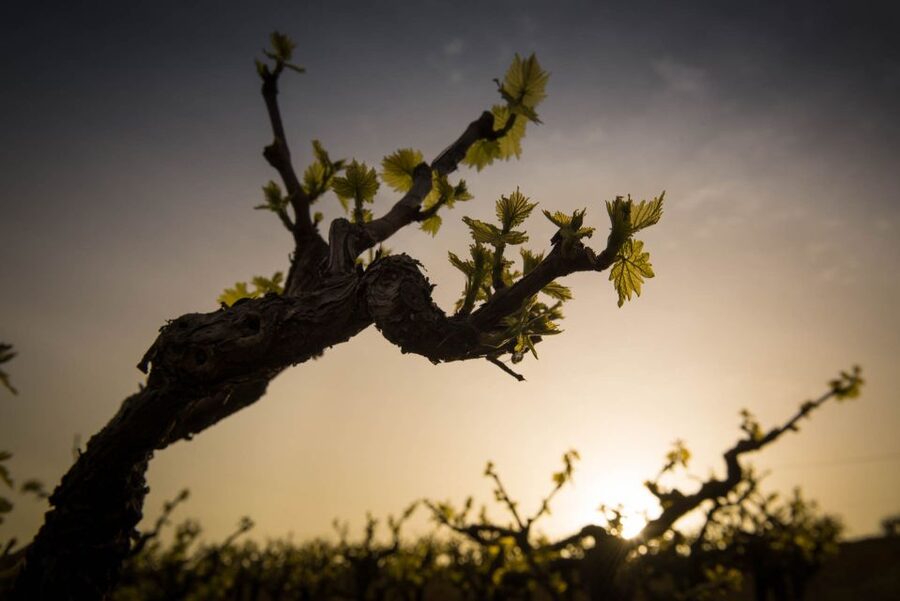
- Taste three indigenous Cretan wine varieties: The winery visit puts local grapes at the center, not just familiar international labels.
- See olive oil made at the source: The Skalani stop includes an olive grove, mill tour, and tasting.
- Try two styles of raki: The distillery visit explains the spirit before you taste it in the rakokazano.
- Expect a proper light lunch: Fresh, homemade Cretan dishes are served at the winery distillery.
- Ride in a premium SUV or minivan: Pickup and return are included, with roughly 20 to 40 minutes between stops.
- Plan for an English-speaking guide: The day works best for people who enjoy explanations, questions, and relaxed conversation.
Starting in Heraklion and heading into the countryside
Pickup and return to your accommodation are included, which is a major help in Crete. You do not need to arrange a taxi to a distant meeting point or worry about driving after wine and raki tastings. The pickup reference supplied for the experience is 8G77869H+W98, so check your exact pickup details before the day begins.
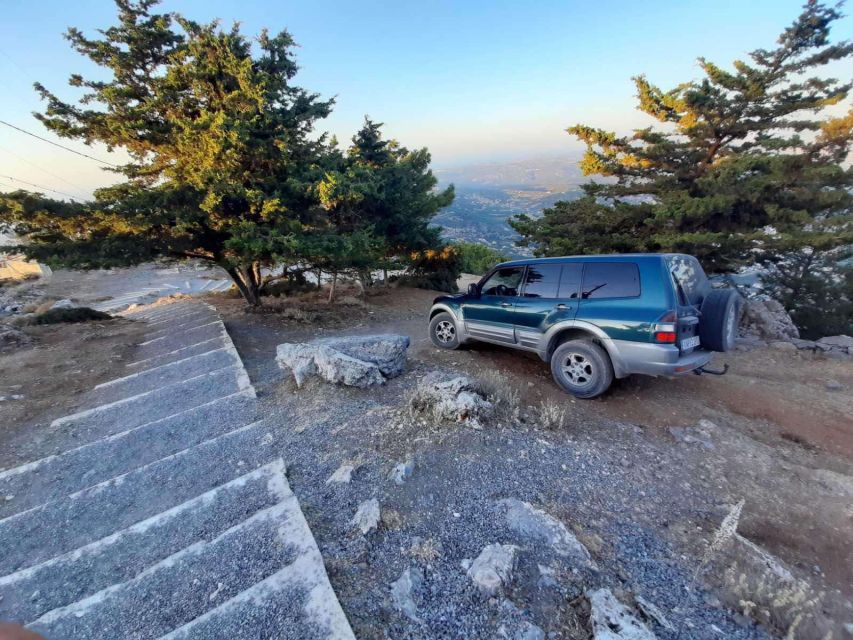
Transport is by premium SUV or minivan. That matters here because the itinerary uses several country roads between Skalani, Stironas, and Archanes. The drives are not the main event, but they give you a look at villages and farmland that you would miss on a standard city tour.
The schedule is listed as 6.5 hours. The planned route includes a 20-minute drive to Skalani, a 20-minute transfer to Stironas, a 40-minute drive to Archanes, and a final 30-minute return. Allow the full morning or afternoon without adding another fixed appointment immediately afterward. Tastings can also make the day feel pleasantly unhurried, even when the schedule is fairly packed.
More food and wine tours in Greece:
- Athens: Food Market Visit and Cooking Class with Wine
★ 4.9 · 1,087 reviews - Crete: Full-Day Cretan Wines, Olive Oil, Raki and Food Tour
★ 5.0 · 264 reviews - Athens: Premium Food and Wine Tasting Tour in the evening
★ 4.9 · 212 reviews
Skalani olive grove and mill, where the day begins
The first major stop is in Skalani, with about two hours for the olive grove and mill. This is the most useful part of the experience if you want to understand why olive oil is so central to Cretan cooking.
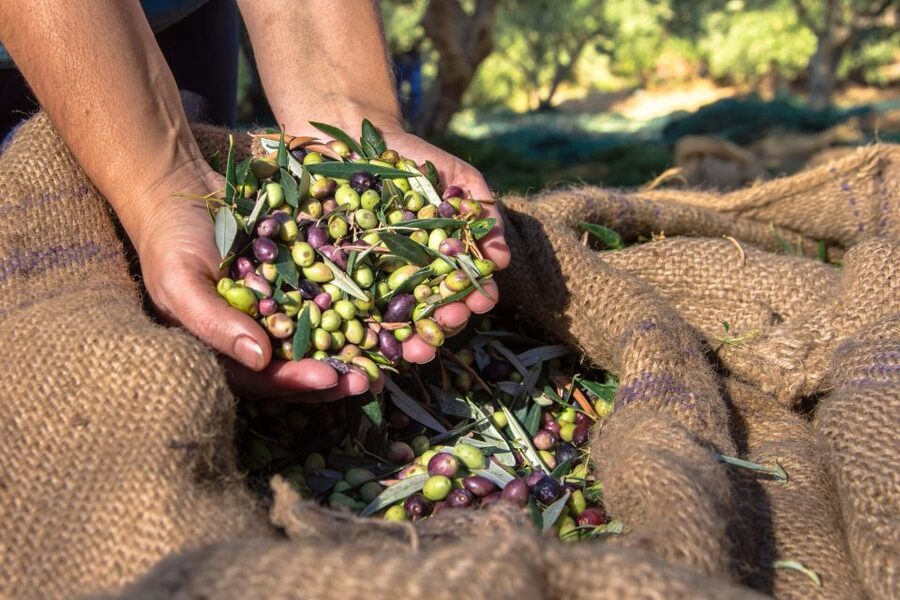
You walk through a traditional olive grove and learn how olives are grown, collected, and taken through the extraction process. At the mill, the guide explains the craft and the customs around olive oil production. The tasting then gives you a direct way to notice the qualities being discussed.
I like this stop because it connects the finished product to the trees. Olive oil can seem like a simple table condiment when it arrives in a bottle. Seeing the grove and mill helps you understand why freshness, local production, and handling matter.
The visit can also include unusual local products. One host, Alex, has explained the connection between olive oil and dragon fruit, giving the farm a slightly different angle from a standard olive grove tour. That detail is not guaranteed on every departure, but it shows the sort of small-scale, personal presentation you may encounter.
This is also a good place to ask questions. Previous guide teams have included Alex at the olive farm and drivers such as Angela, Tony, and Michael. The exact staff can change, but the format encourages conversation rather than a one-way lecture.
Stironas raki distillery and the rakokazano
The second stop takes you to Stironas for about 90 minutes. Here, you visit a raki distillery, hear about distillation, and taste two different rakis. Raki is woven into Cretan social life, so this is more than a quick shot added to a wine tour.
The distillery is called a rakokazano, a place associated with the making and shared enjoyment of raki. You learn how the spirit is produced and how it fits local customs. The explanations are especially helpful if you have never tried raki before, since the drink can be unfamiliar and quite strong.
The visit includes local snacks, which help keep the stop from becoming a series of tastings on an empty stomach. Still, you should pace yourself. The day combines olive oil, wine, two rakis, and lunch, so this is not the right outing for someone who wants to avoid alcohol completely.
The stop is also a chance to see the social side of Cretan food culture. Meals and spirits here are tied to conversation, hospitality, and time together. You are likely to get more from the visit if you ask about how raki is served and when it is traditionally enjoyed, rather than treating it as a simple spirits sample.
Wine tasting among the vineyards
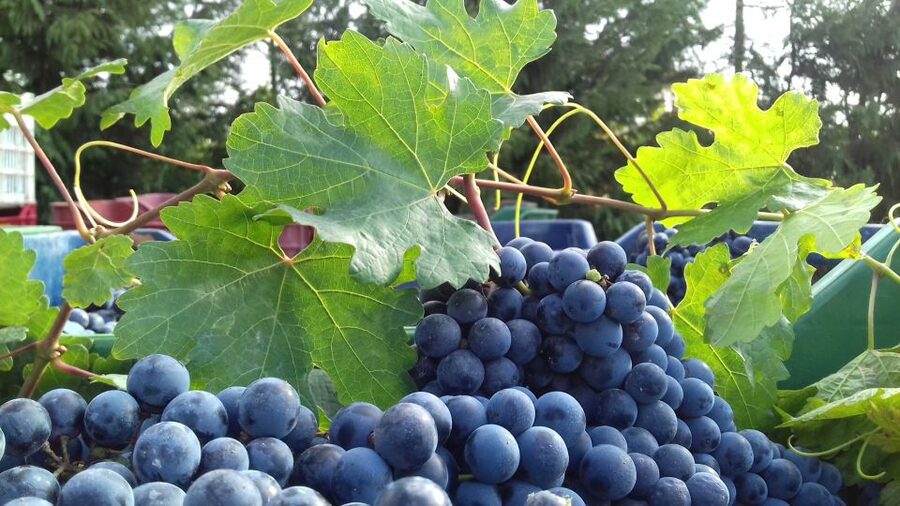
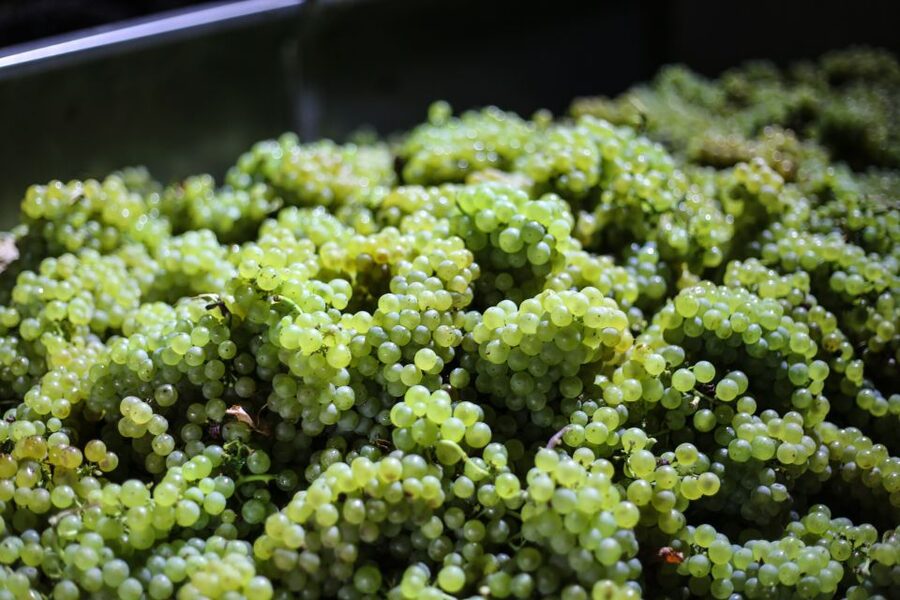
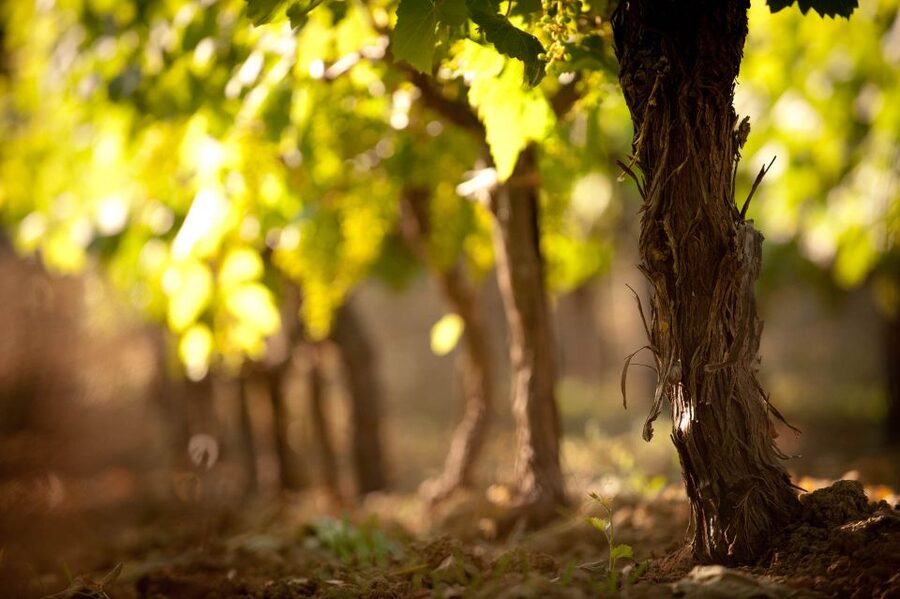
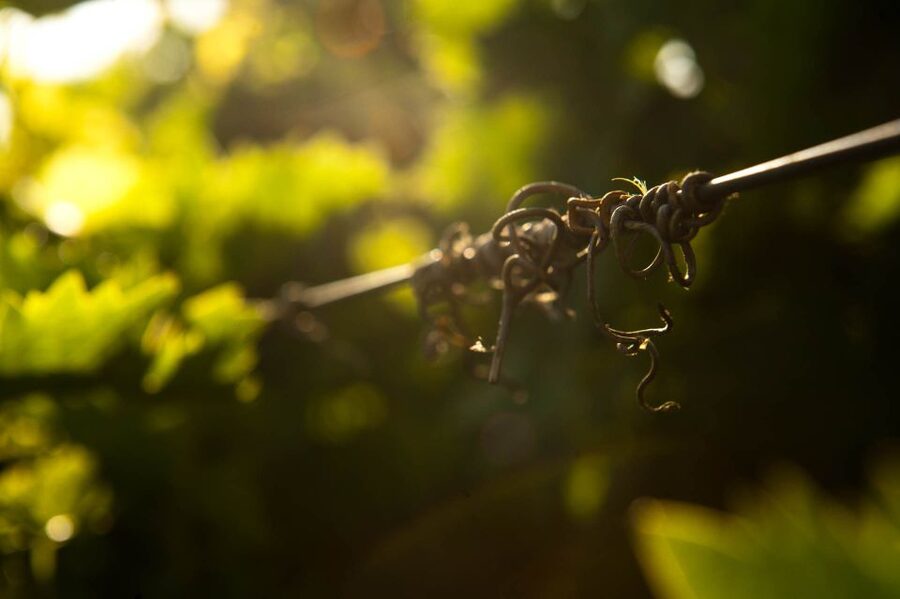
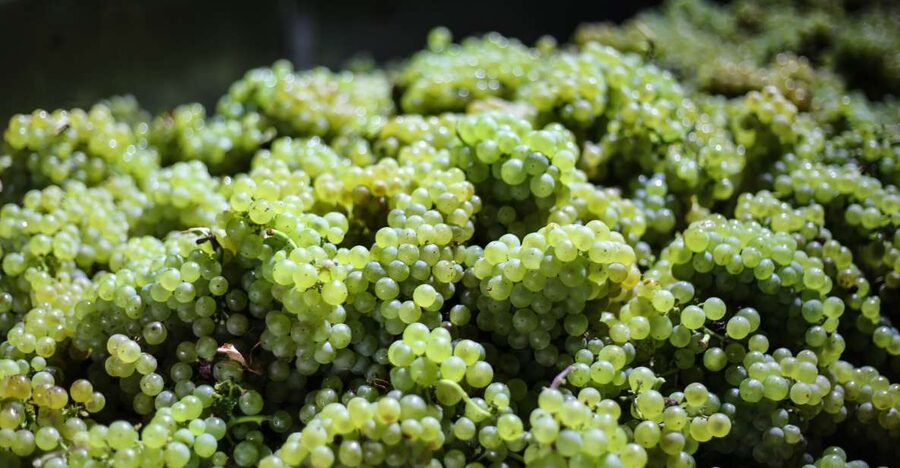
The winery portion is one of the strongest reasons to choose this tour. The winery and raki distillery sit among vineyards, and the tasting focuses on indigenous Cretan grapes. That gives you a useful introduction to the island’s wine rather than another generic tasting of widely known varieties.
The included details describe a guided tasting of three indigenous varieties, while the experience description refers to four distinct wines. The number may depend on the day’s selection, so ask your guide what will be poured. Either way, you should expect several wines and an explanation of how to look, smell, and taste them.
Maria, described as the winery’s owner and oenologist, has hosted some departures. Eleni has also led the winery portion. A host with direct ties to the production makes a difference: you can ask about the grapes, the winery’s work, and the choices behind the bottles instead of hearing only a prepared script.
I particularly like that the tasting is presented as an interactive lesson. You may be shown how to swirl the glass, assess the aroma, and taste with more attention. You do not need wine expertise. The point is to give you a vocabulary and a little confidence, so you can make sense of Cretan wine at a taverna later in your trip.
You can also buy local products at some stops. Personal purchases are not included, so bring a payment method if you expect to take home bottles, olive oil, or other food items. Shopping is optional, but the chance to buy directly from small producers adds value for people who want a useful souvenir rather than a mass-produced keepsake.
A few more food tours around Greece worth comparing
- Greek Food Walking Tour in Athens
★ 5.0 · 4,740 reviews - Athens: Street Food Tasting Tour
★ 4.9 · 3,343 reviews - Athens: Guided Greek Food Walking Tour with Tastings
★ 4.9 · 2,859 reviews - Small Group Greek Traditional Food Tour in Athens 20+ Tastings
★ 5.0 · 1,759 reviews
The Cretan lunch is more than a snack
The meal is described as a light lunch, but you should not read that as a token plate. The food includes Cretan delicacies and fresh local ingredients, and past departures have included a generous vegetarian Greek feast. Several visitors have considered the meal one of the best parts of the day.
Expect food suited to sharing and tasting. The exact dishes are not specified, so do not book this expecting a particular menu. What is clear is that lunch takes place at the winery distillery and is part of the experience, not an extra restaurant stop that you pay for separately.
This is where the tour’s separate pieces come together. You have seen the olive grove, tasted the oil, visited the vineyard, learned about wine, and sampled raki. At lunch, those ingredients and traditions make sense as part of everyday Cretan eating.
If you have dietary requirements, tell the provider before booking or as early as possible. The available information confirms a light lunch and mentions vegetarian food, but it does not promise a full range of special menus.
Archanes adds village views and a slower final stop
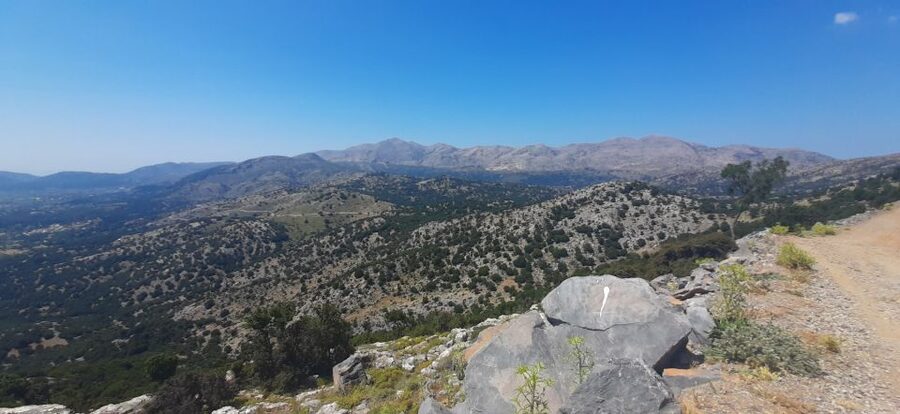
After Stironas, the route continues to Archanes, with about 90 minutes for a visit, guided walk, and photo stop. This gives the day a change of rhythm. Instead of focusing only on production and tasting, you get time in one of the local villages connected by the route.
The stop is not presented as a long archaeological tour or a dedicated historical excursion. Think of it as a village visit with a guide, a chance to take photographs, and a final look at Cretan daily life before returning to your accommodation.
That balance matters. A food tour made up only of indoor tastings could feel repetitive. Archanes gives you room to stretch your legs and see the setting around the food producers. On the other hand, if your priority is a long winery session, the 90-minute village stop means less time available for wine.
The final drive takes about 30 minutes. Since the route includes several stops, your return time can vary slightly with questions, purchases, and the pace of the group.
Guides, group feel, and the practical comfort of the ride

The experience includes an English-speaking live guide and an experienced driver or guide. Names associated with past departures include Angela, Yanni, Helen, Tony, Michael, Arula, Alex, Maria, and Eleni. You should not assume a particular person will lead your date, but the range of names reflects a team that combines driving, local knowledge, and hosting at the producer visits.
Small-group departures have felt especially personal. One group was described as only four people plus the driver, though the maximum group size is not stated, so you should confirm that point if it matters to you. A smaller vehicle also makes it easier to ask questions and talk with the guide during the road sections.
The premium SUV or minivan is a practical advantage. Crete’s rural roads can be tiring if you are doing the driving yourself, and you can enjoy the tastings without needing to get behind the wheel afterward. The drawback is that you are in a vehicle for several transfers, including one drive of about 40 minutes. If you dislike road time, a single-location winery visit may suit you better.
The language offered is English. The guides are expected to explain the production methods, answer questions, and interpret local customs. If your group includes people with limited English, confirm language needs before booking because no other language is listed.
Is $126 a fair price?
At $126 per person, the price is reasonable for a six-and-a-half-hour private-style food outing that includes pickup and return, a premium vehicle, an olive mill, olive oil tasting, winery tour, wine tasting, raki distillery visit, raki tasting, lunch, and village stops.
The value is strongest if you would otherwise need to book separate taxis or rent a car. Add the cost of transport, several tastings, and lunch on your own, and the bundled price becomes easier to justify. You are also paying for the coordination between small producers, not just for the food on the table.
The price is less appealing if you mainly want a large meal or a short wine tasting. You spend part of the day on the road, and personal purchases are extra. People who avoid alcohol will also miss two central elements of the outing.
Free cancellation is available up to 24 hours before the start for a full refund, and you can reserve now and pay later. Those terms help if your Crete plans are still shifting, but confirm the start time when you check availability.
Who should book this Cretan food tour?
I would choose this for you if you want a broad introduction to Cretan food culture in one day. It suits couples, families with adults, and small groups who enjoy tastings, local stories, and a comfortable ride between rural stops.
It is also a good first or second day activity. You get practical context for olive oil, wine, raki, village food, and local customs, plus recommendations from guides who know the area. The route can help you decide which products and villages deserve more of your time later.
I would think twice if you want a demanding vineyard hike, a formal wine course, or a long, leisurely lunch with no scheduled transfers. This is a guided sampler with several distinct stops. Its strength is variety, not depth at one single producer.
Should you book it?
Book it if you want to taste your way through Crete without driving, and if meeting small producers sounds better than spending another day on a standard sightseeing bus. The best reasons are the olive mill, indigenous wine tasting, two rakis, and the homemade lunch, all joined by a guide and included transport.
Skip it if alcohol is not part of your holiday plans or if you prefer to set your own pace. For everyone else, $126 buys a well-filled day with real local products, useful explanations, and enough village time to keep the itinerary from feeling like one long tasting room.
FAQ
How long is the tour?
The advertised duration is 6.5 hours, including transport between the stops.
Where does pickup take place?
Pickup and return to your accommodation are included. The supplied pickup reference is 8G77869H+W98, and you should check the exact arrangements before departure.
What vehicle is used?
Transport is provided in a premium SUV or minivan.
Is lunch included?
Yes. A light lunch at the winery distillery is included, with Cretan delicacies and local ingredients.
How many wines will I taste?
The included details describe a guided tasting of three indigenous Cretan varieties. The experience description also refers to four distinct wines, so the exact number may vary.
Is raki tasting included?
Yes. The tour includes a guided raki distillery visit and tastings of two different rakis.
Will I visit an olive grove?
Yes. The Skalani stop includes a walk through a traditional Cretan olive grove, a tour of the olive mill, and olive oil tasting.
Which language is offered?
The live tour guide language is English.
Are personal purchases included?
No. Personal expenses, including any products you choose to buy, are not included.
Can I cancel for a refund?
You can cancel up to 24 hours in advance for a full refund. The tour also offers reserve now and pay later.
Just added around Greece
- Rethymno: Cretan Wine Tasting Guided Tour with Local Food★ 4.8 · 133 reviews
- Heraklion: Ecobike Tour with Food tasting★ 5.0 · 30 reviews
- Heraklion: Food Tastings Walking Tour★ 5.0 · 136 reviews
- Milos: Full-Day Catamaran Cruise with Food and Open Bar★ 4.8 · 102 reviews
- Mykonos Town: Food Walking Tour with Famous Tastings★ 4.6 · 49 reviews
- Athens: The Classic Food Tasting Tour★ 4.9 · 374 reviews
- Fira: Guided Foodie Walking Tour with Tastings★ 4.9 · 474 reviews
- Explore the Hidden Food Gems of Athens★ 5.0 · 57 reviews
Food Tours in Greece, compared.



Small Group Greek Traditional Food Tour in Athens 20+ Tastings
Read our review →
Food Market Visit and Cooking Class with Wine
Read our review →
Athens Authentic Greek Food Walking Tour (Small Group)
Read our review →

Browse the lists this tour appears in