
REVIEW · MALTA
The Valletta Street Food and Culture Walking Tour
Valletta is compact, but its food tells a much bigger story. This three-hour morning walk links the city’s landmarks with Maltese bites, beginning with flaky pastizzi and ending over a local platter, Cisk lager, and a traditional dish such as rabbit or ravioli. Guides including Ernest, Marisa, Nadine, and Charlotte bring their own style, from family stories to strong views on the Knights.
I like the generous amount of food, which can easily replace lunch, and the way the walk connects each bite to Malta’s history and outside influences. I also like the small maximum group of 16, the relaxed pace, and the use of headphones on some departures so you can hear the guide without crowding around.
The main caution is that this is not a neutral history lecture every time. One guide was criticized for expressing very negative opinions about the Knights, and the route includes plenty of walking and steps. It is also a poor fit for vegans and people with gluten intolerance.
Key points to know before booking
- Four food stages plus a final restaurant stop: Expect pastizzi, ftira, Kinnie, coffee, sweets, a snack platter, beer, and a traditional main dish.
- A useful first morning in Valletta: The 9:30 am start leaves most of your day free for museums, churches, and harbor views.
- Local guides shape the experience: Ernest, Marisa, Nadine, Mariella, John, and Charlotte have all led departures, with different personalities and storytelling styles.
- Come very hungry: The portions are described as more than a normal lunch, not just tiny samples.
- Small-group value: The tour costs $66.51 per person and caps the group at 16, a fair trade if you want food, orientation, and local context in one outing.
- Dietary limits matter: Vegan and gluten-free visitors should choose another experience, while all other dietary needs should be shared before arrival.
Why this food walk makes sense on your first morning
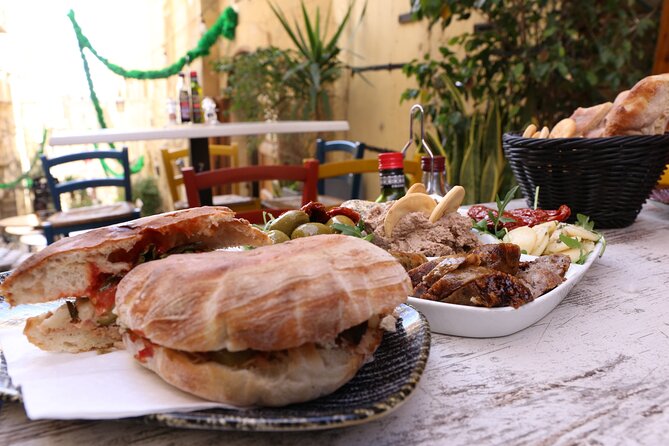
I like food walks because they give you a reason to enter places you might otherwise pass. In Valletta, that matters. The city’s grand squares and formal buildings can tell only part of the story. A pastizz, a slice of ftira, or a glass of Kinnie brings daily Maltese life into the picture.
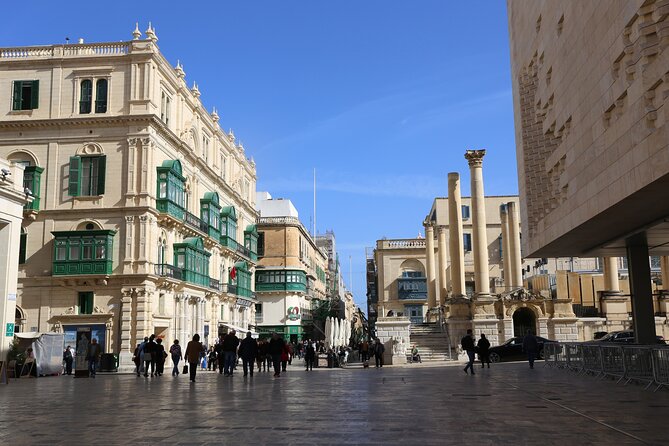
The route begins at the entrance to Valletta, in front of the New Parliament Building on Republic Street. That is a practical meeting point, and the tour provider describes it as easy to find. You begin with a short introduction before setting off through the city center.
The walk is offered in English and lasts about three hours. I consider that a useful length. You get enough time to sample several foods and hear the main historical themes, but you still have the afternoon for St. John’s Co-Cathedral, the National Museum of Archaeology, Fort St. Elmo, or a second look at your favorite street.
The group can include up to 16 people. That is not private-tour intimacy, but it is small enough to keep the group moving through narrow streets. Some departures use headphones, which is a smart touch. You can listen while walking instead of pressing close to the guide at every stop.
More street food nights in the world:
- Dubai: Old Town, Creek, Museums, Souks, & Street Food Tour
★ 4.8 · 10,816 reviews - Ho Chi Minh City Street Food Tour & Sightseeing By Motorbike
★ 5.0 · 9,413 reviews - Medellin: Comuna 13 Graffiti Tour, Cable Car & Street Food
★ 4.8 · 9,046 reviews
Pastizzi begins the Maltese food lesson
The first food is pastizzi, one of Malta’s best-known street snacks. It is savory, inexpensive, and built for eating on the move. The filling may be peas or ricotta, and one tasting specifically included the mushy-pea version.
This is a good opening bite because it is simple, familiar, and very Maltese in its everyday appeal. You are not beginning with a formal restaurant dish. You are starting with something people pick up as a quick snack, which gives the food walk a grounded feel.
The first stop also introduces the city’s past. Your guide begins explaining how Valletta developed and how different peoples and powers shaped Malta. Guides such as John and Marisa have been praised for making these links clear, while Nadine has added personal help beyond the formal tour, including assistance with taxi arrangements.
You should pace yourself from the first stop. The pastizz is only the beginning, and the food keeps coming. If you eat a large breakfast, you may find yourself wishing you had saved more room.
Castille Square and the city’s grand center
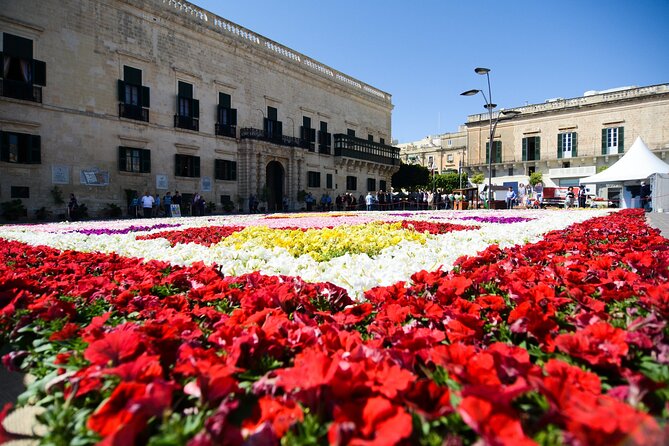
From the opening snack, the walk continues through central Valletta, including Castille Square and the Auberge d’Italie. These are not just places to pass on the way to lunch. They help explain the city’s planned layout, its public institutions, and the role of the Knights of St. John.
Here the guide blends architecture, politics, and food customs. That combination is the chief reason to choose this activity over a standard sightseeing walk. You are learning what a building was used for, then hearing how Malta’s culture and cooking developed around centuries of outside contact.
The tone can vary by guide. Charlotte received praise for her detailed local stories, but one person felt her strong criticism of the Knights distracted from the facts. I would not treat this as a deal breaker, but it is worth knowing. If you prefer a strictly even-handed presentation, you may find a guide’s personal opinions more noticeable here.
The walking pace is generally easy, with time to stop and listen. Still, Valletta is not flat in every direction, and one account specifically warns about plenty of steps. Wear shoes that are comfortable on city streets, and do not expect to sit through much of the morning.
Merchant Street, ftira, and a glass of Kinnie
Merchant Street brings the food and sightseeing together especially well. The street is part of Valletta’s historic center, and the guide continues pointing out major landmarks while leading you toward another local specialty.
This time the food is ftira, a flatbread filled with Mediterranean ingredients. The exact filling is not fixed in advance, but it is meant to show how Maltese cooking draws on bread, seafood, vegetables, olive oil, and nearby culinary traditions.
You also receive Kinnie, Malta’s distinctive local soft drink. It has a bitter citrus and herb character that can surprise you if you expect ordinary soda. I like that it is included because it gives you a taste that is difficult to recreate with a familiar international drink.
This stop can be more substantial than the word tasting suggests. One person wanted to return to the place serving ftira, while another described a memorable tuna sandwich from a small street-side restaurant. Exact food choices can change, so treat that as a possibility rather than a promise.
If you are not accustomed to bitter drinks, take a small sip first. Kinnie is part of the experience, but it may not be your favorite item of the morning.
A few more food tours around the world worth comparing
- Reykjavik Food Walk – Local Foodie Adventure in Iceland
★ 5.0 · 18,952 reviews - Little Havana Food and Walking Tour in Miami
★ 5.0 · 8,882 reviews - New Orleans Food Walking Tour of the French Quarter with Small-Group Option
★ 5.0 · 6,118 reviews - Naples: Street Food Walking Tour with Local Guide
★ 4.9 · 4,976 reviews
Spiced coffee and Maltese sweets
The next stop turns to drinks and dessert. You learn about the local style of spiced coffee and sample mqaret, a sweet made with dates, cinnamon, and orange blossom water. Seasonal sweets may appear instead.
This part is useful because it shows how food traditions carry flavor combinations across generations. Dates, citrus flower, and spice create a dessert quite different from the standard pastry choices found elsewhere in Europe.
There is a small question of order here. One person thought dessert would make more sense at the end, after the savory foods. That is fair advice if you prefer a traditional meal sequence. The tour later finishes with beer and a local dish, so the sweet stop may feel early.
Still, the coffee and mqaret provide a pause in the walk. You are not simply marching from landmark to landmark. The group stops, eats, and talks. That slower rhythm helps the morning feel like a visit to Malta rather than a checklist of sights.
The final restaurant stop is closer to lunch
The last stage is held in a local restaurant near St. George’s Square, in the center of Valletta. Here you receive a local platter or tapas-style selection, a glass of Cisk lager, and one traditional dish.
The menu changes from day to day. It may include ravioli or rabbit, and other dishes can appear as part of the platter. Rabbit is one of Malta’s best-known traditional foods, so this is the point to try it if you want a more substantial taste of local cooking.
The amount of food is one of the tour’s strongest features. Several accounts describe leaving full, and one says no lunch was needed afterward. I would book this with breakfast in mind: eat something light beforehand, then plan a late dinner or a modest afternoon meal.
The final stop also gives you a proper place to ask questions and compare favorites with the rest of the group. Beer is included, but you should not assume every item will appeal to you. The changing menu keeps the experience local, though it means you cannot select every dish in advance.
How much value do you get for $66.51?
At $66.51 per person, this is not the cheapest way to walk around Valletta. But it includes a licensed guide, several food tastings, Kinnie, beer, and enough food to function as lunch. You are also paying for the planning needed to arrange multiple stops in a busy historic center.
The value is strongest if you want three things at once:
- A basic orientation to Valletta
- An introduction to Maltese food
- A filling meal spread across several stops
It is less useful if you already know the city, dislike group activities, or mainly want a long list of restaurant recommendations. The tour is designed as a shared experience, with a maximum of 16 people, not a private food crawl.
I also like the timing. Starting at 9:30 am means you can use the afternoon for independent sightseeing. Since the end point is in central Valletta, close to St. George’s Square and other amenities, you are well placed to continue on foot.
What kind of guide should you expect?
The guide can make a noticeable difference. Ernest has been praised for explaining how food reflects Maltese history and for keeping a relaxed, professional pace. Marisa is described as enthusiastic and highly informed, with a talent for making the morning enjoyable. John received praise for attentive guiding, family stories, and a calm pace that still covered a great deal.
Mariella and Nadine have also led departures, while Charlotte has been credited with adding many local details. These names matter because the experience is not delivered by a single fixed personality. You may get a warm personal story, a strong historical angle, or a more direct focus on food.
The tour is offered in English. Some guides use audio equipment so you can hear without standing shoulder to shoulder. That is especially helpful in a group moving through Valletta’s narrow streets.
The best approach is to arrive ready for both facts and interpretation. You will hear about Malta’s buildings, customs, food, and past. The presentation may include a guide’s own view of the Knights and other figures. That can add character, but it is not the same as a formal museum lecture.
Practical details that affect your morning
Meet at 9:30 am in front of the New Parliament Building on Republic Street, at the entrance to Valletta. The tour ends at St. George’s Square, also on Republic Street, so you do not need to arrange a return transfer.
The experience is near public transportation, and most people can take part. Service animals are allowed. Children aged five and under can join free, but they do not receive the included food items unless they have a paid place.
Tell the operator about dietary needs before the tour. Vegan and gluten-intolerant diets are specifically not recommended, so do not count on substitutions. If you eat meat, dairy, bread, and sweets, the range of samples should suit you better.
The tour includes no museum or church entrance fees. That keeps the price focused on the guide and food, but plan separately if you want to enter Valletta’s major sights afterward.
Free cancellation is available up to 24 hours before the start time for a full refund. Changes or cancellations inside that window are not accepted, and the tour needs a minimum number of participants to run.
Who should book it?
Book this if you want an easy first look at Valletta and prefer to learn through eating. It suits couples, families with older children, and solo visitors who like the social ease of a small group. It is also a practical choice for anyone who wants a full lunch and a city introduction before spending the afternoon alone.
You should think twice if you need vegan or gluten-free food, dislike steps, or want complete control over the menu. The group format also means you will follow the guide’s rhythm rather than linger wherever you choose.
For most food-minded visitors, I would book it near the start of a Malta stay. The pastizzi, ftira, Kinnie, spiced coffee, mqaret, Cisk, and traditional main dish give you a useful vocabulary for the rest of your trip. You can return to the foods you liked, skip the ones you did not, and spend the afternoon exploring with your bearings already in place.
FAQ
Where does the Valletta Street Food and Culture Walking Tour start?
It starts at 9:30 am in front of the New Parliament Building on Republic Street, at the entrance to Valletta.
Where does the tour end?
It ends at St. George’s Square on Republic Street, in central Valletta and close to local amenities.
How long does the tour last?
The tour lasts approximately three hours.
What food and drinks are included?
Included tastings can feature pastizzi, ftira, Kinnie, spiced Maltese coffee, mqaret or another seasonal sweet, a local platter, Cisk lager, and a traditional dish such as ravioli or rabbit.
Is lunch included?
The amount of food is intended to be substantial, and the final restaurant stop includes a local dish. The exact menu varies by day.
Is the tour suitable for vegans or people with gluten intolerance?
It is not recommended for people on a vegan diet or with gluten intolerance. Share other dietary needs before the tour.
Can children join the tour?
Children aged five and under can join for free, but food is not provided for non-paying children.
How large is the group?
The maximum group size is 16 people.
What is the cancellation policy?
You can cancel up to 24 hours before the start time for a full refund. Cancellations or changes made less than 24 hours before the start time are not accepted.
Just added around the world
- Milan: Street Food Walking Tour★ 4.7 · 180 reviews
- Milan’s Full-Meal Gourmet Food Tour – More Than Tastings★ 4.8 · 81 reviews
- Milan: Delicious Food Tour and City Center Sightseeing★ 4.8 · 111 reviews
- Kolkata Midtown Madness- A Street Food & Nightlife Tour★ 4.9 · 49 reviews
- Mexico City: Authentic Downtown Food Tour★ 4.9 · 260 reviews
- Miami: Intimate Sailing in Biscayne Bay w/ Food and Drinks★ 4.7 · 34 reviews
- Mexico City: Vegan and Vegetarian Street Food Adventure★ 4.8 · 65 reviews
- Mexico City: Mystic Markets La Merced & Sonora Culinary Tour★ 4.9 · 301 reviews
Food Tours in Malta, compared.
Valletta: Street Food and Culture Walking Tour
Read our review →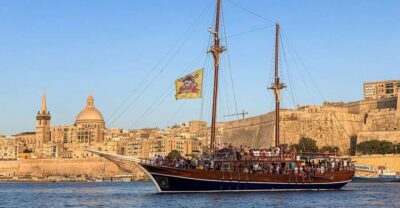
Malta: Lazy Pirate Boat Party with Drinks & Food
Read our review →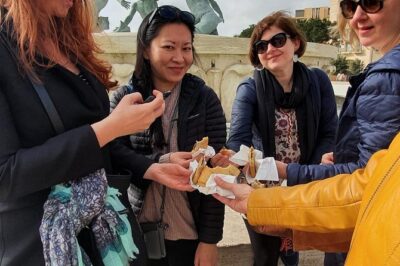
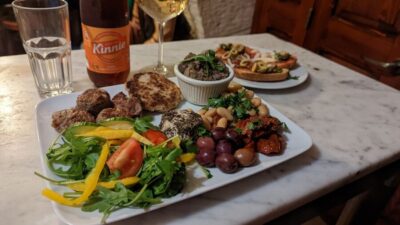
Valletta: Maltese Food and Drink Guided Walking Tour
Read our review →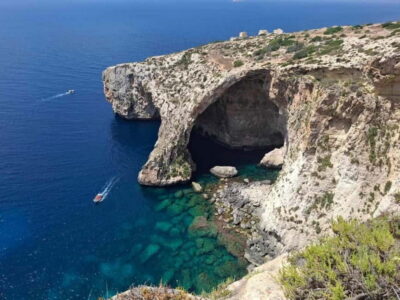
Malta: 5 hr Vintage Bus Tour – Mdina & Blue Grotto inc. food
Read our review →Browse the lists this tour appears in