
REVIEW · GREECE
Chania: Old Town Highlights Guided Tour with Street Food
Chania’s Old Town is best understood with two things in hand: a good local story and something delicious to eat. This four-hour walk combines both, moving from the market and narrow old streets to food shops, taverns, craft workshops, and the harbor.
I especially like the generous food portions and the way the tastings connect to Cretan life, rather than treating food as a few token bites. I also like the relaxed pace and the chance to start your trip with practical advice from guides such as Manos, Aria, Elene, Adonis, and Goldy. The main caution is simple: this is a walking tour over cobbled streets, and it is not suitable for wheelchair users, people with mobility impairments, or people with gluten intolerance.
Key points at a glance
- Food comes in real portions: Expect much more than a single bite at each stop, with tastings that may include bougatsa, pies, cheeses, olives, honey, olive oil, dips, sweets, and local drinks.
- History comes with context: Your guide explains Chania’s Venetian, Renaissance, and Ottoman influences as you walk through the Old Town.
- A useful first-day tour: Guides can point you toward restaurants, shops, and places worth returning to during the rest of your stay.
- Local shopping is part of the walk: You may visit food shops selling olive oil, wine, cheese, herbs, spices, honey, and other Cretan products.
- The guide shapes the experience: Manos, Aria, Elene, Adonis, Antonis, and Goldy are among the guides praised for warmth, humor, local insight, and flexibility.
- Come hungry and pack light: Four hours of walking and generous food tastings call for comfortable shoes, sunglasses, and no large bags.
Why this Chania food walk works so well
At $106 per person, this is not the cheapest way to see Chania. It is also not just a standard sightseeing walk with a pastry added on. You are paying for four hours with a local guide, a guided introduction to the Old Town, a string of food stops, and the chance to sample products you might not confidently order on your own.
The strongest part is the combination. Chania’s story can feel scattered when you see only the harbor, the lighthouse, or a few pretty lanes. Food gives the walk a thread. Olive oil, honey, cheese, herbs, pastries, and preserved products open a door into daily life, while the buildings explain the city’s long periods of Venetian and Ottoman rule.
I would consider this good value if you want a broad introduction on your first day. It is less appealing if you prefer to explore independently, dislike group tastings, or want a formal meal in one restaurant rather than food spread across several stops.
The activity is offered privately or in small groups. A small group should make it easier to ask questions and keep the walk personal, while a private departure gives you more room to shape the pace and conversation. The guide may vary, but names that appear repeatedly in the experience include Manos, Aria, Elene or Eleni, Adonis or Antonis, and Goldy.
More street food nights in Greece:
- Athens: Street Food Tasting Tour
★ 4.9 · 3,343 reviews - Athens: Greek Street Food Tour
★ 4.8 · 246 reviews - Dubai: Old Town, Creek, Museums, Souks, & Street Food Tour
★ 4.8 · 10,816 reviews
Starting at Bougatsa Chania
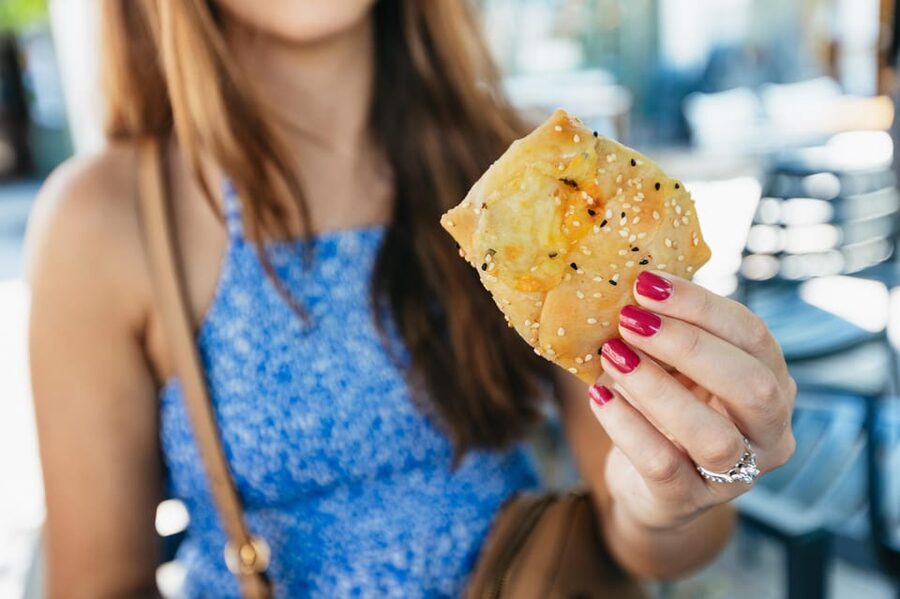
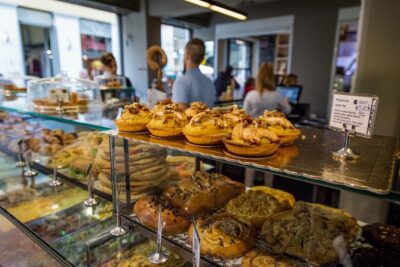
The meeting point is Bougatsa Chania, a useful place to begin because bougatsa is one of the local specialties you may taste early in the walk. This flaky pastry can be sweet or savory, and starting here gives the tour an immediate sense of place rather than a generic coffee-shop opening.
From there, the route moves toward the market and Old Town. One practical note: the meeting location can be slightly tricky to spot because of the Greek name on the building. Keep the exact meeting details handy, arrive with time to spare, and look for the guide near the shop if you are waiting across the street.
There is no hotel pickup or drop-off, so you need to make your own way to central Chania. That is not a major problem for most people staying in or near town, but it matters if you are arriving by bus or visiting from a cruise ship. One person who worried about a late bus was helped by the office team, but I would still avoid cutting the timing close.
Walking through Venetian and Ottoman Chania
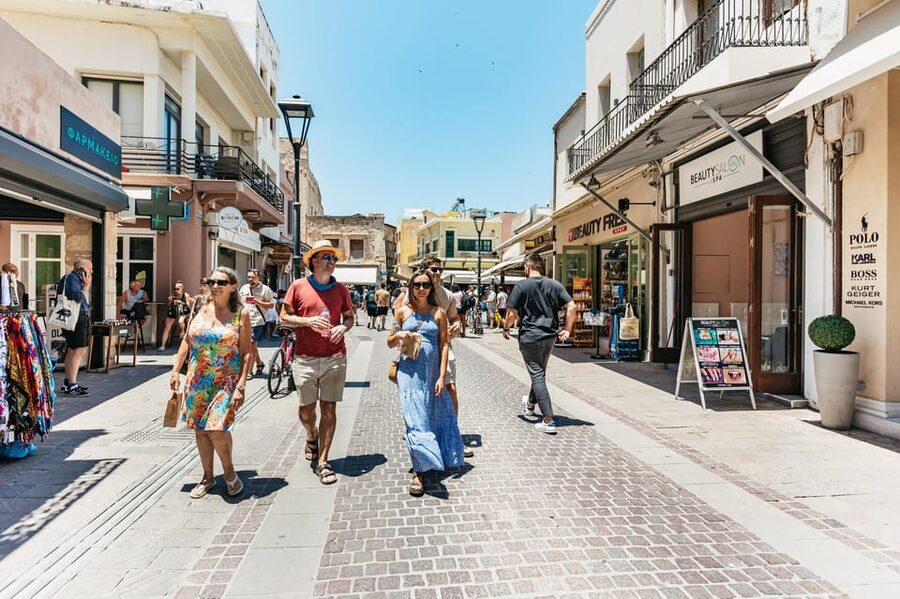
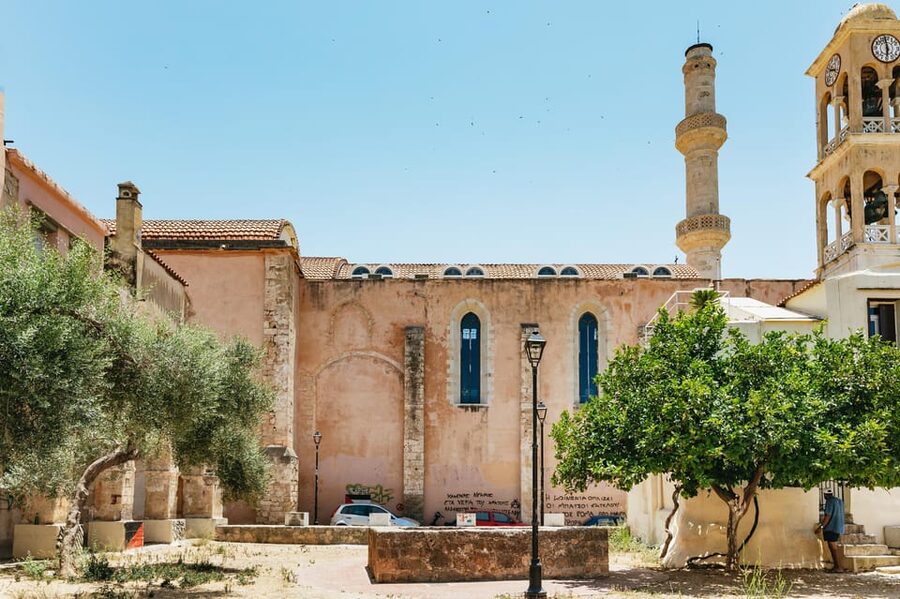
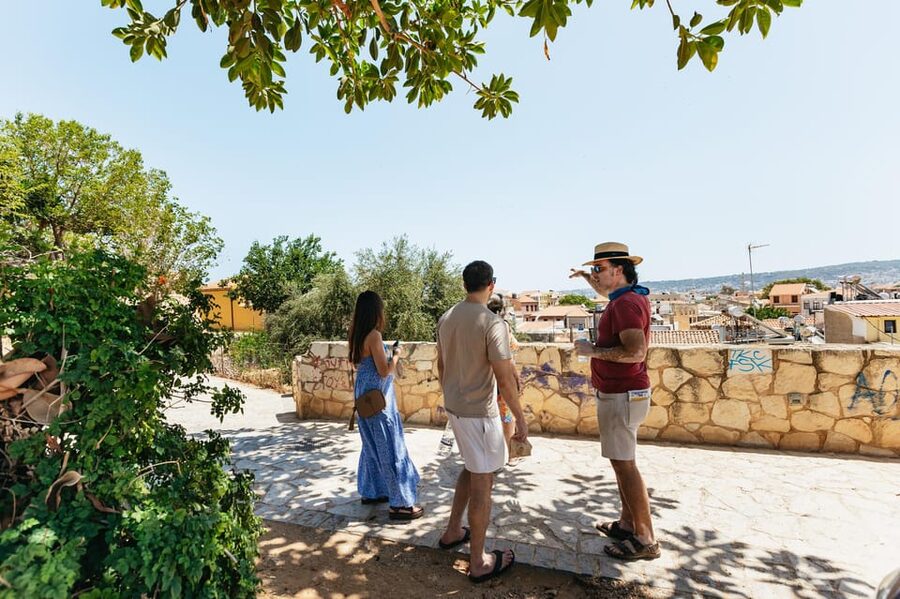
The sightseeing portion takes you through narrow cobbled lanes and the historic center, with stops at notable buildings and landmarks. Your guide explains the city’s Venetian past, Renaissance-era influences, and Ottoman period, helping you read the details around you instead of simply photographing them.
Chania works particularly well for this kind of tour because the architectural layers sit close together. A doorway, street plan, market building, or former religious site can point to a different period of the city’s past. The walk does not ask you to memorize dates. It gives you a working outline of how foreign powers, trade, religion, and local habits shaped the town.
The route can also include the harbor area, where the atmosphere changes from narrow lanes to open water and grander views. You may see the city’s historic waterfront, then return to smaller streets where locals shop and work. The contrast helps you understand that Chania is more than a picturesque harbor for photographs.
The cobbles are part of the charm and part of the physical demand. Wear shoes with a firm sole, and bring sunglasses. There is no indication that the route is suitable for wheelchairs, and the activity is specifically not recommended for people with mobility impairments.
The food stops, from bougatsa to local olive oil
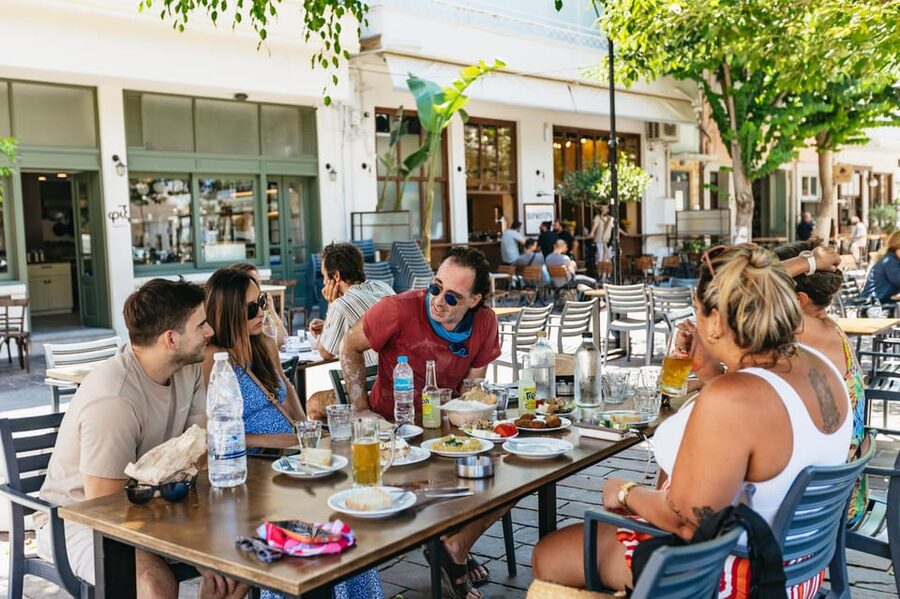
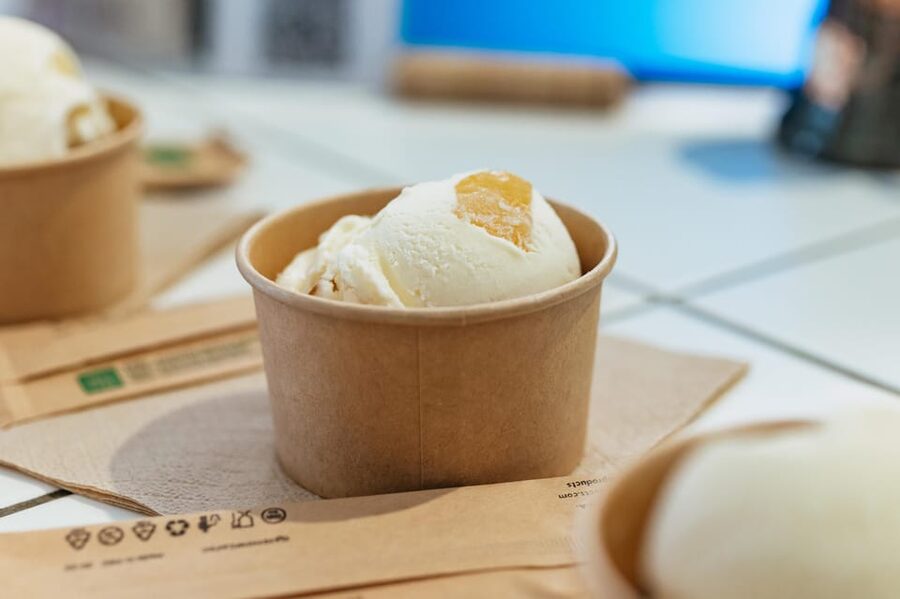
Food is the main reason to choose this walk over a standard city tour. The tastings can include a surprisingly wide range of Cretan products, with examples such as bougatsa, meat pies, cheeses, olives, breads, dips, meatballs, baklava, ice cream, honey, olive oils, liqueurs, and traditional cake served with Greek coffee or herbal tea.
The exact sequence and selection can change, so do not treat the list as a fixed menu. Still, the pattern is clear: this is designed as a substantial introduction to Cretan eating, not a few crumbs handed out between monuments.
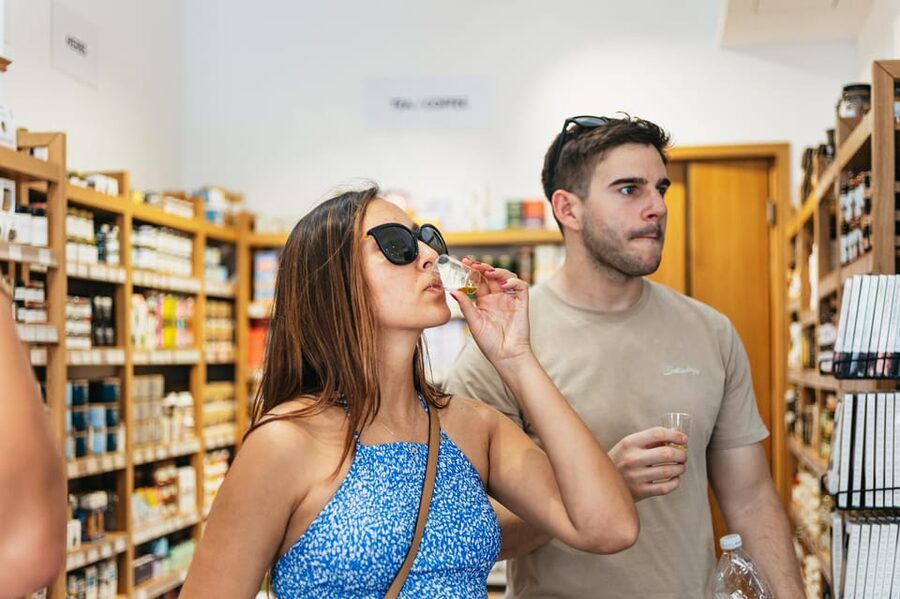
One stop may focus on olive oil, honey, spreads, or specialty products in a fine grocery shop. That gives you time to compare flavors and ask questions about how the products are used. Blue honey, pistachio butter, balsamic glaze, and several olive oils have been singled out as memorable tastes, but your own selection may differ.
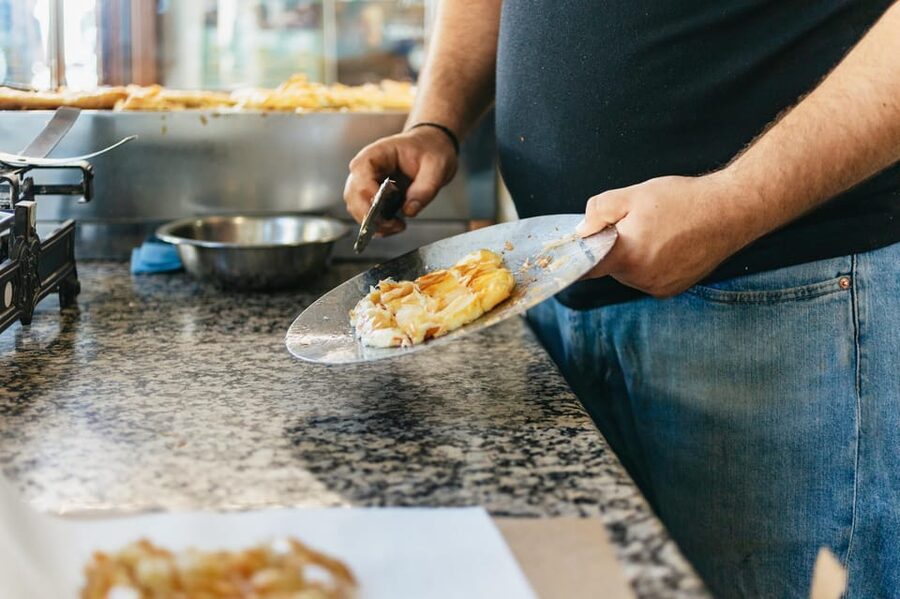
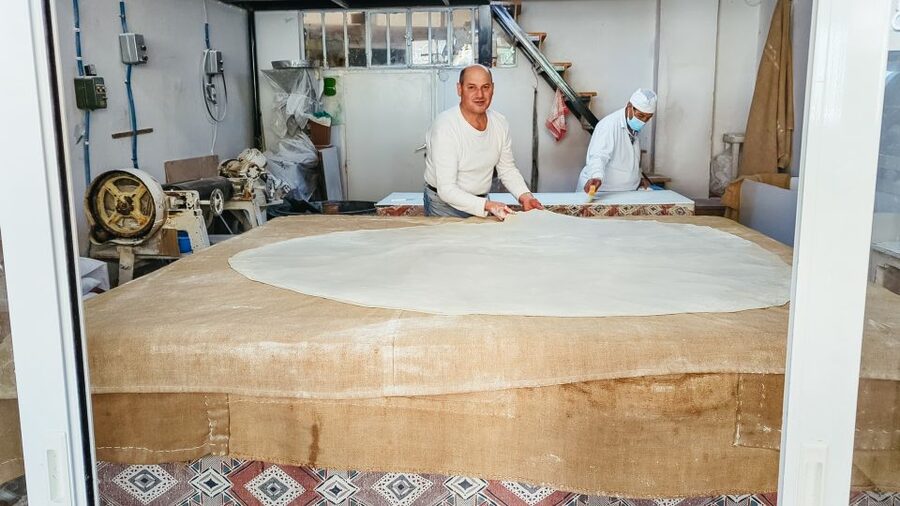
Other stops may involve local bakeries, pastry makers, taverns, or small food shops. You might watch the skill involved in making a local pastry, taste several olives, or try regional pies. These visits are useful because they show how food is bought and made in Chania, not just how it appears on a restaurant plate.
The portions are generous enough that you should skip breakfast or eat very lightly beforehand. That advice comes up again and again for a reason. Some stops feel like a meal, and the tour may finish with a substantial spread of local foods under the trees or in another pleasant setting.
A few more food tours around Greece worth comparing
- Athens: Guided Greek Food Walking Tour with Tastings
★ 4.9 · 2,859 reviews - Fira: Guided Foodie Walking Tour with Tastings
★ 4.9 · 474 reviews - Rethymno: Cretan Wine Tasting Guided Tour with Local Food
★ 4.8 · 133 reviews - Athens: Evening Food Tasting Tour with Guide
★ 4.5 · 44 reviews
Meeting local makers and seeing everyday Chania
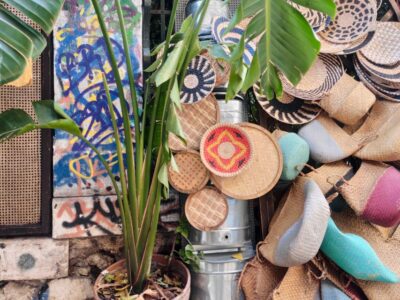
A nice feature of the experience is that it can reach beyond food. Depending on the route and the day, your guide may point out or visit workshops connected with knife making, rug making, filo pastry, leather goods, or other local crafts.
These encounters give the Old Town more depth. You are not just moving from one photogenic lane to another. You get a glimpse of working traditions and small businesses that help keep the center active.
One account described buying leather sandals from a shop that had been operating for 84 years. That kind of stop can be more useful than a general shopping recommendation because your guide can explain what is local, what is practical, and what is simply aimed at passing shoppers.
Do not expect every departure to include the same craft visits. They appear to depend on the guide, shop hours, and route. Still, the possibility is worth noting if you enjoy meeting makers and seeing how local goods are produced.
The guides make the biggest difference
The food is a strong draw, but the guide is what turns a tasting route into a city experience. The best guides on this activity are described as warm, funny, relaxed, attentive, and proud of Crete. That mix matters. A guide who can explain the history of a street and then tell you how locals use an ingredient makes the four hours feel connected.
Manos is praised for storytelling, humor, local-life explanations, and careful handling of food restrictions. Aria is described as energetic, friendly, and especially passionate about Chania and its food. Elene or Eleni is often noted for warmth, useful recommendations, and an easy conversational style.
Adonis and Antonis are associated with relaxed pacing, strong knowledge of Chania, and generous food stops. Goldy is praised for being calm, attentive, and good at offering local insight. These names are useful to know, but you cannot assume that a particular guide will be assigned unless the booking allows you to request one.
The guides also seem willing to adapt the pace and conversation to the group. That is valuable on a food walk, since one person may want more history while another wants help choosing olive oil or finding a restaurant for dinner.
Food allergies should be discussed before the tour. One guide adjusted the tastings for allergies, but the activity is not suitable for people with gluten intolerance. Do not rely on last-minute substitutions without confirming your needs ahead of time.
Why the four-hour length matters
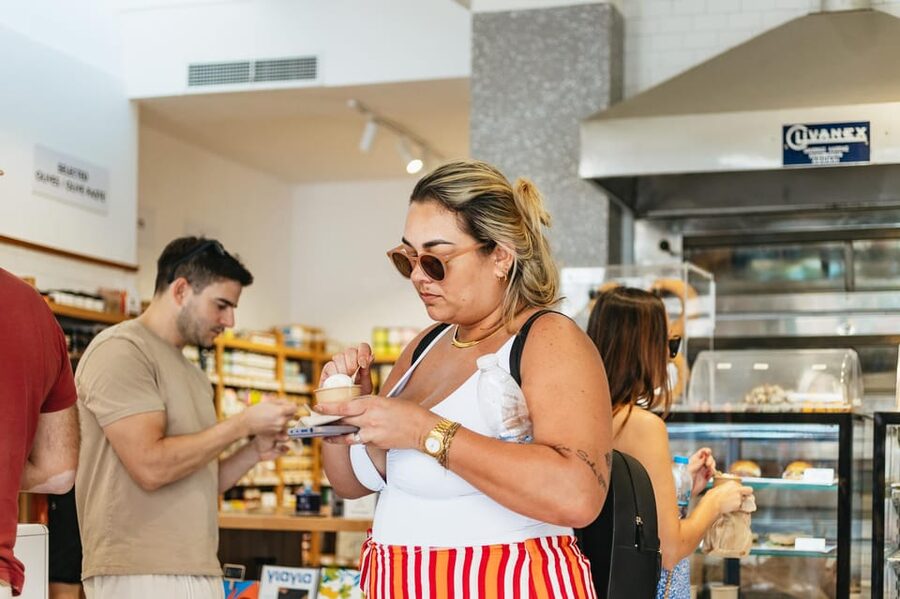
Four hours gives the tour enough room to combine food and sightseeing without rushing every stop. You can walk, taste, ask questions, and pause to look around rather than racing from one sample to the next.
The tradeoff is stamina. Four hours on foot, especially over uneven streets and in warm weather, can feel long if you are not comfortable walking. The tour does not suit everyone with limited mobility, and you should bring only what you need because large bags and luggage are not allowed.
The length also affects your daily schedule. It works especially well on your first full day in Chania, when you can use the guide’s restaurant and sightseeing suggestions afterward. It can also suit a cruise ship visit if your time in port lines up with the departure, but you will need to manage transport to and from the meeting point yourself.
Is $106 a fair price?
The price makes sense if you count the experience as three activities in one: a guided Old Town walk, a local food tour, and a source of practical orientation for the rest of your trip. The food quantity appears to be above average for a tasting tour, with several people finishing full rather than merely satisfied.
You also avoid the guesswork of ordering unfamiliar Cretan foods in several different places. Your guide can explain what you are tasting, where it comes from, and how it fits into local life. That context is part of the value.
I would not book it only to save money on lunch. If your priority is the lowest-cost meal, you can eat more cheaply on your own. Book this when you want a guided introduction, a wide selection of regional foods, and advice from someone who knows Chania beyond the main waterfront.
The free cancellation policy allows you to cancel up to 24 hours ahead for a full refund, and reserve-now-pay-later booking is available. Those options help if your plans are still shifting, though you should still check the available departure time before committing.
Who should book this Chania tour?
I recommend it for first-time visitors who want to get their bearings quickly. It is also a good match for food-focused couples, small groups, solo visitors who enjoy meeting other people, and cruise passengers with only a day in Chania.
Families can enjoy it too, but consider the four-hour duration and the amount of walking. A child who likes trying new foods and listening to stories may have a great time. A child who needs frequent breaks may find the pace tiring.
This is not the right choice for someone with gluten intolerance, significant mobility limitations, or a preference for carrying luggage. It may also disappoint you if you want a precise, fixed menu or a quiet museum-style tour. The route is social, active, and built around changing food stops.
Should you book it?
Book this tour if you want to understand Chania through both its streets and its table. The strongest reasons are the generous tastings, the local shops, the layered Venetian and Ottoman story, and guides who can turn a walk into useful advice for the rest of your visit.
I would schedule it early in your stay, arrive hungry, and wear proper walking shoes. If you want a simple sightseeing circuit or a budget lunch, choose something else. If you want a friendly introduction to Cretan food and Old Town life, $106 is a reasonable price for four full hours.
FAQ
How long does the Chania Old Town food tour last?
The tour lasts four hours. You should expect a walking route through Chania’s Old Town combined with several food tastings.
Where does the tour meet?
The meeting point is Bougatsa Chania. Hotel pickup and drop-off are not included.
What food might I taste?
Possible tastings include bougatsa, local pies, cheeses, olives, breads, dips, meatballs, baklava, ice cream, honey, olive oil, liqueurs, and traditional cake with Greek coffee or herbal tea. The exact selection can vary.
Is a meal included?
The tour includes savory Cretan street food tastings, and the portions can be substantial. Some departures may finish with a larger local food serving, but the activity is described as tastings rather than a guaranteed restaurant meal.
Which languages are available?
The live guide languages are English, Greek, and Spanish.
Can I book a private tour?
Yes. Private and small-group options are available.
Is the tour suitable for wheelchair users?
No. The activity is not suitable for wheelchair users or people with mobility impairments.
Can I join if I have gluten intolerance?
No. The activity is listed as unsuitable for people with gluten intolerance.
What should I bring?
Bring comfortable shoes and sunglasses. Large bags and luggage are not allowed.
Can I cancel for a refund?
You can cancel up to 24 hours in advance for a full refund. Reserve-now-pay-later booking is also available.
Just added around Greece
- Rethymno: Cretan Wine Tasting Guided Tour with Local Food★ 4.8 · 133 reviews
- Heraklion: Ecobike Tour with Food tasting★ 5.0 · 30 reviews
- Heraklion: Food Tastings Walking Tour★ 5.0 · 136 reviews
- Milos: Full-Day Catamaran Cruise with Food and Open Bar★ 4.8 · 102 reviews
- Mykonos Town: Food Walking Tour with Famous Tastings★ 4.6 · 49 reviews
- Athens: The Classic Food Tasting Tour★ 4.9 · 374 reviews
- Fira: Guided Foodie Walking Tour with Tastings★ 4.9 · 474 reviews
- Explore the Hidden Food Gems of Athens★ 5.0 · 57 reviews
Food Tours in Greece, compared.
Small Group Greek Traditional Food Tour in Athens 20+ Tastings
Read our review →
Food Market Visit and Cooking Class with Wine
Read our review →
Athens Authentic Greek Food Walking Tour (Small Group)
Read our review →
Browse the lists this tour appears in