
REVIEW · BERLIN
Berlin: Disgusting Food Museum Entry Ticket and Tasting
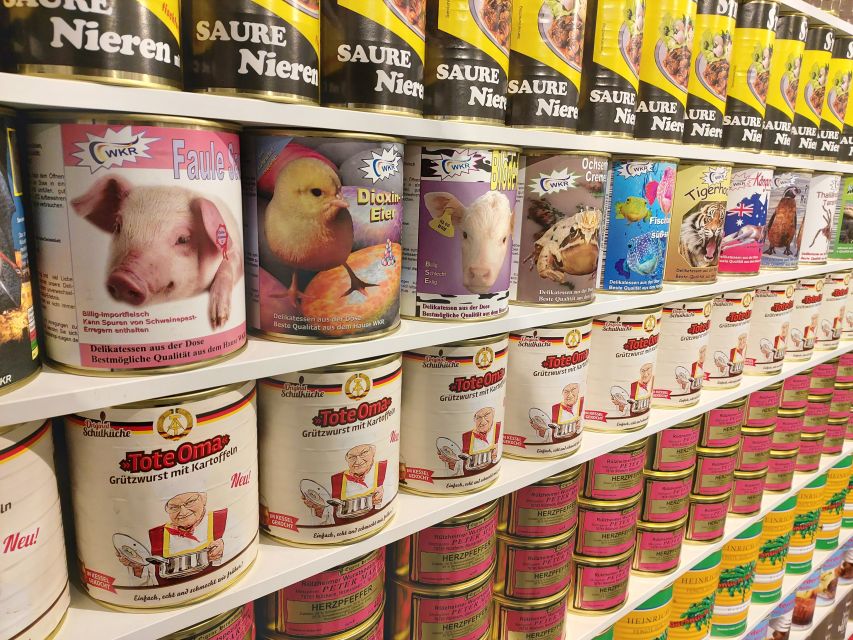
Berlin’s Disgusting Food Museum puts 90 unusual foods from around the world in front of you, then asks a harder question: is the food truly disgusting, or simply unfamiliar? Mouse wine, mite cheese, stinky fish, and worms make this a museum visit with a strong stomach test built in.
I like the mix of strange displays and small tastings, since you can learn about a food before deciding how far you want to go. I also like that the museum connects food choices to production, culture, and the future of nutrition. The drawback is clear: some exhibition content may be uncomfortable, and the Tasting Bar is not for anyone who dislikes intense smells or unusual textures.
Key points
- More than 90 food exhibits cover unusual eating habits from many parts of the world.
- The Tasting Bar offers small disgusting samples included with admission.
- Mouse wine, mite cheese, stinky fish, and worms are among the memorable examples.
- Food and ethics are part of the visit, including production methods and future diets.
- The Hall of Fame can be a serious challenge, so take it at your own pace.
- The museum is compact, wheelchair accessible, and valid for one booked day.
What you actually do inside Berlin’s Disgusting Food Museum
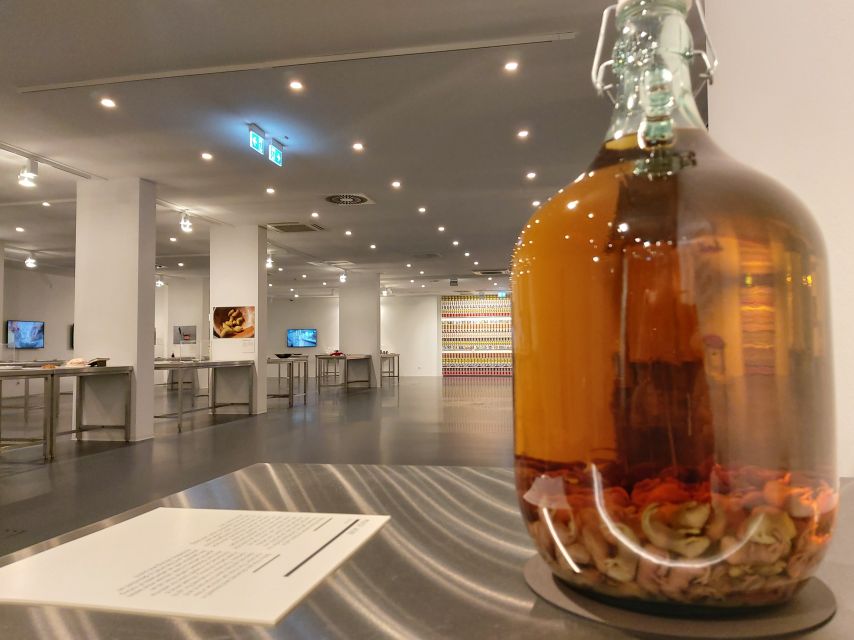
This is a self-guided museum visit with a tasting element, not a long guided tour. You enter at the booked date and time, then work through an exhibition devoted to food that one person may reject while another considers it perfectly good.
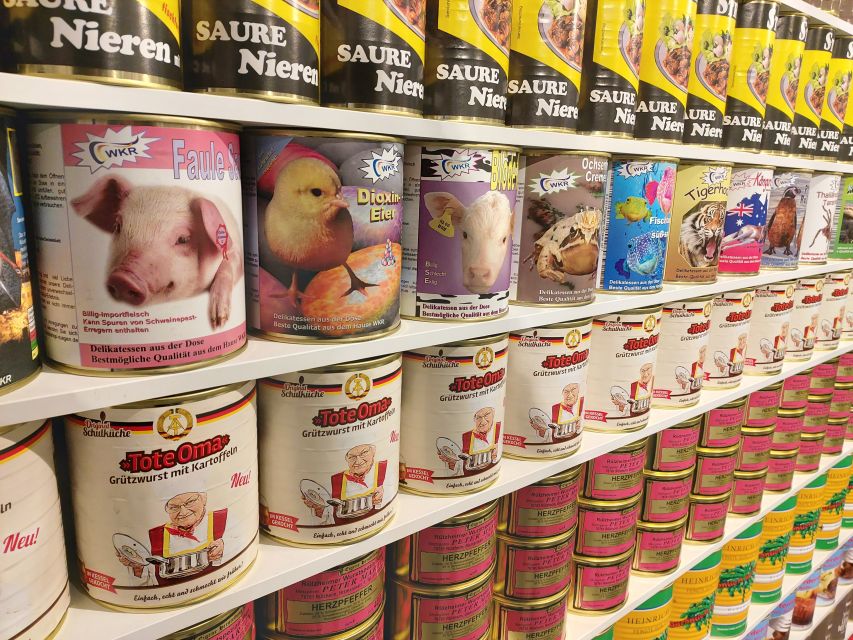
The subject is broad. The displays cover more than 90 foods from different parts of the world, so the visit is not limited to one kind of shock. You may encounter unusual ingredients, strong smells, animal-based products, and foods that seem strange mainly because they are outside your own eating habits.
I like that the museum does not stop at the simple joke of look how gross this is. Its central idea is more useful: disgust is often shaped by culture, memory, habit, and availability. A food may seem impossible to eat in Berlin but familiar or prized somewhere else.
The exhibition also raises questions about how food is made and why people choose certain products. You are encouraged to think about the results of those choices and what food might look like in the future.
More Food Tours in Berlin
- Berlin Center Food Tour with 8+ Authentic Local Tastings
★ 5.0 · 1,227 reviews - Kreuzberg: Culinary Food Tour
★ 4.5 · 770 reviews - Berlin: Mitte Culinary Food Tour
★ 4.5 · 447 reviews
The first exhibits: food as culture and reaction
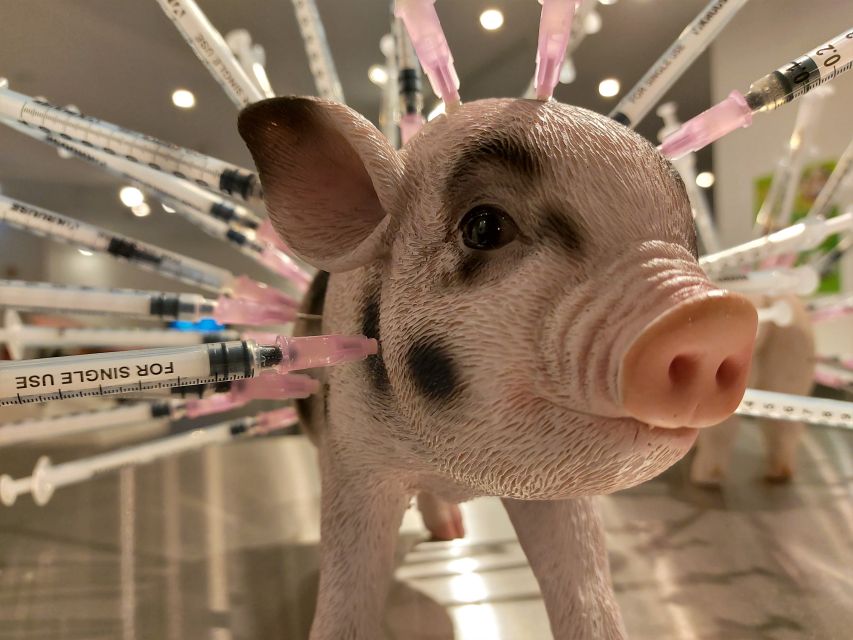
The opening part of the visit sets up the museum’s main theme. You see food examples and learn why they may be accepted in one place and rejected in another. The museum uses unusual foods to make a familiar point: taste is personal, but it is also learned.
This makes the exhibits more interesting than a simple collection of oddities. I find the strongest part of the experience is the contrast between the object on display and your first reaction to it. You may feel certain that a food is disgusting until you learn how it is produced, where it is eaten, or why it has value.
The displays are also useful for families and mixed-age groups because people can react at different levels. One person can focus on the information, another can enjoy the visual shock, and someone else can head straight for the tasting area. The museum is designed to spark discussion rather than require everyone to agree.
The presentation is not huge, so you should not expect a full-day museum with room after room of material. A German visitor described the size as modest but found the amount of content and the way the objects were presented appealing. That is a fair expectation: the strength is the focused subject, not the scale.
Mouse wine, mite cheese, and the strongest displays
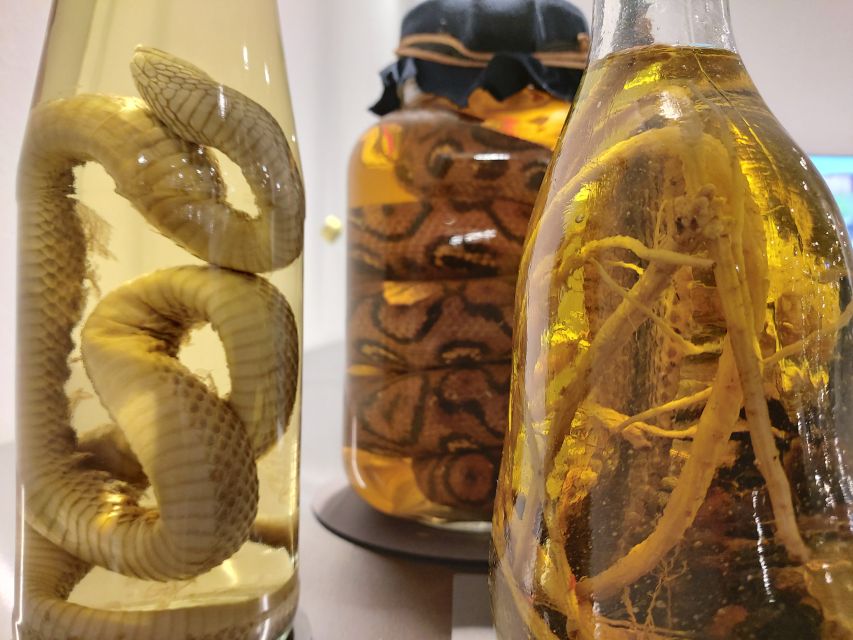
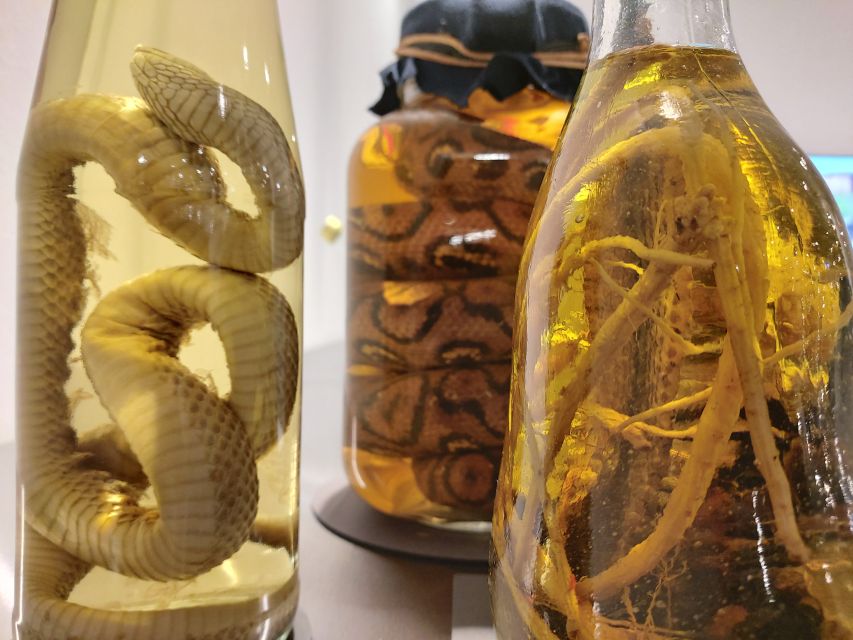
Some of the named examples give you a good idea of the museum’s tone. Mouse wine, mite cheese, stinky fish, and worms are not hidden behind vague labels. They are presented as direct challenges to your assumptions about food.
Mouse wine is likely to be one of the exhibit names you remember, simply because it sounds so far outside ordinary European eating habits. Mite cheese raises a different question. It asks you to consider how much of what you already eat depends on processes or ingredients you prefer not to picture.
Stinky fish tests your response to smell as much as taste. Worms bring the future of food into the conversation, since insects are often discussed in relation to food supply and changing diets. The museum uses these examples to connect revulsion with practical issues.
I would give yourself time to read the explanations instead of rushing from one shock item to the next. The useful part is not only identifying what looks or smells unpleasant. It is understanding why the food exists, how people respond to it, and what your own reaction tells you.
The Tasting Bar: small portions, real reactions
The tasting bar is included with admission, and it gives the visit a physical element that a normal food exhibition cannot provide. You can see the displays first, then decide how you feel about some unusual samples in your own mouth.
The portions are small, which matters. You are not committing to a meal of strange food, and you can approach the experience as a short experiment. Still, small does not mean mild. The museum specifically includes disgusting samples, and the strong smells or textures may be more memorable than the flavor itself.
I like this part because it turns the museum’s main question back on you. It is easy to judge an unfamiliar food from a photograph. It is different when you have to decide if you will taste it.
You should bring a credit card, and you should arrive ready for a tasting rather than expecting a standard café stop. The included samples are part of the museum experience, not a separate meal. If you have a very limited diet, strong food aversions, or simply do not enjoy sensory challenges, you can still visit the exhibits, but the tasting may not be your main reason to book.
A few more food tours around Germany worth comparing
- Munich: Beer and Food Tour with Dinner & Oktoberfest Museum
★ 4.7 · 1,086 reviews - Dubai: Old Town, Creek, Museums, Souks, & Street Food Tour
★ 4.8 · 10,816 reviews - Picasso Museum and Walking Tour Plus Optional Wine & Food Tasting
★ 5.0 · 596 reviews - Skip the Line: Disgusting Food Museum Entrance Ticket
★ 5.0 · 359 reviews
The Hall of Fame and knowing your limit
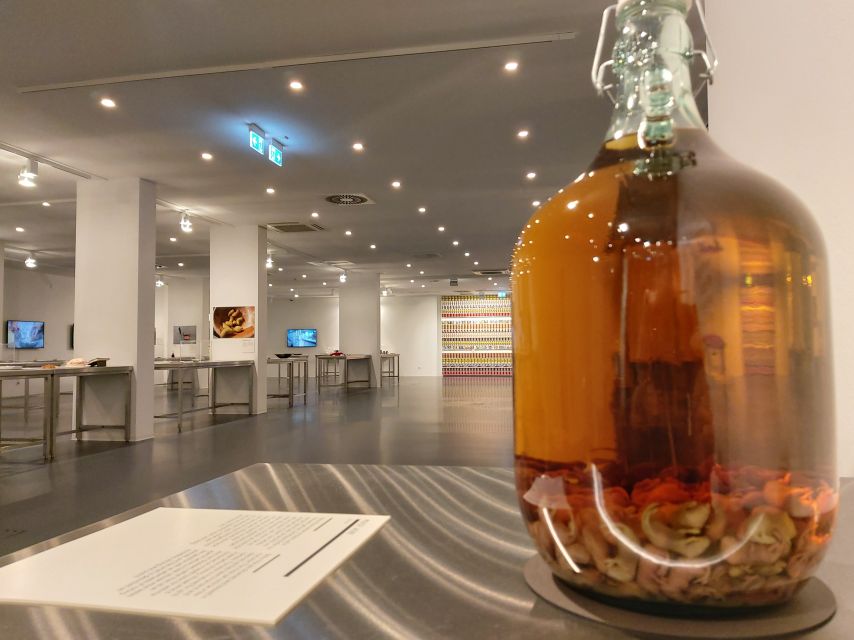
The Hall of Fame appears to be one of the tougher parts of the visit. A German visitor described completing it as hard but considered it a must. That tells you something useful: the museum offers a challenge for people who want to test their limits, but you do not need to treat every sample as a personal endurance contest.
I would approach the Hall of Fame with a simple rule: taste only what you are comfortable tasting. The point is curiosity, not proving anything. Food that is disgusting to you may be normal elsewhere, and the museum works best when that tension stays playful rather than competitive.
For children and adults, this can become the most memorable part of the outing. It can also be the part that requires the most care. Some people will laugh, some will recoil, and some will want to inspect every item without tasting any of it.
Food production, personal choice, and the future
The museum becomes more thoughtful when it moves beyond unusual ingredients. It asks you to consider how food is produced and what follows from a particular food preference.
That gives the exhibits a wider purpose. You are not only comparing foods by smell or appearance. You are thinking about why some foods are common, why others are rejected, and how future conditions could change what people eat.
The future-food angle also keeps the visit from feeling stuck in novelty. Worms, fermentation, strong-smelling products, and other unfamiliar foods can seem like curiosities, but they also raise practical questions about supply, habit, and acceptance.
I appreciate that the museum invites questions instead of handing you one simple answer. You can leave amused by the stranger exhibits, but you can also leave thinking about the foods you eat every day and the assumptions behind them.
Is the $20 admission good value?
At about $20 per person, the ticket is not the cheapest short museum stop in Berlin. The value depends on what you want from the visit.
You receive museum entry and small samples at the Tasting Bar. That makes the price easier to justify than a ticket for displays alone, especially if you enjoy interactive attractions and unusual subjects. The museum also gives you a focused experience that can fit into a day of sightseeing without taking over the entire schedule.
The weaker point is the modest size. You are paying for a specialized exhibition, not hours of galleries. If you want a large art museum or a broad cultural collection, this will feel limited.
For the right audience, though, the ticket offers more than a novelty photo stop. You get unusual food displays, sensory testing, and a discussion about culture and food production. I consider that fair value if you enjoy odd museums, want an activity that sparks conversation, or are visiting Berlin with people who have different levels of curiosity.
How long to allow and how to plan your visit
The ticket is valid for one day and tied to the date and time you book. Starting times vary, so check availability before planning the rest of your day.
No transportation is included. You make your own way to the Disgusting Food Museum Berlin, which is worth remembering when comparing this with a guided excursion. The simplicity is also an advantage: there is no transfer, coach, or meeting group to manage.
The museum is wheelchair accessible. That makes it practical for visitors who need step-free access, though the supplied information does not give further details about the layout or facilities.
I would avoid scheduling this immediately before an important meal if strong smells tend to linger in your mind. The visit may make ordinary food seem reassuring, or it may make you question your lunch choices. Either response is part of the point.
Who will enjoy this museum most?
I would recommend it to curious eaters, families with older children, couples looking for an unusual Berlin stop, and anyone who enjoys museums that ask for a reaction. It also suits people interested in food culture, sustainability questions, and the way habits differ from place to place.
It may not suit you if you dislike graphic or uncomfortable material, intense smells, or the idea of tasting foods that are deliberately presented as disgusting. The museum warns that some content can be uncomfortable, so take that seriously.
You do not need to taste every sample to get value from the visit. The displays, explanations, and discussions about food are enough for a worthwhile stop. The Tasting Bar simply gives you an extra way to test the ideas.
Booking flexibility and practical details
You can cancel up to 24 hours before the booked time for a full refund. You can also reserve now and pay later, which helps if your Berlin schedule is still changing.
Bring a credit card. Your entry and tastings are valid on the date and time selected, so check the booking details before setting out.
The overall rating is 4.4 from 204 ratings, and the strongest themes in the available comments are the interesting presentation, intense smells, and the unusual tasting option. The most useful warning is also the obvious one: this museum is designed to challenge your comfort zone.
Should you book Berlin’s Disgusting Food Museum?
Book it if you want a compact, unusual museum with more substance than its title suggests. The 90-plus exhibits, tasting bar, Hall of Fame challenge, and questions about future food give the visit several layers.
Skip it if you want a calm museum visit or have a strong aversion to unusual food content. At $20, the ticket makes sense for curious eaters who will read the displays and try at least some of the samples, but it is less convincing if you only want a quick photo stop.
For most open-minded visitors, I would treat it as a memorable side trip rather than a major Berlin attraction. Go in with curiosity, keep your expectations realistic about the museum’s size, and let your own reaction be part of the exhibit.
FAQ
What is included in the Berlin Disgusting Food Museum ticket?
The ticket includes entry to the museum and small disgusting samples at the Tasting Bar.
How many food exhibits are in the museum?
The museum has more than 90 food exhibits from around the world.
What kinds of foods can I see?
Examples include mouse wine, mite cheese, stinky fish, and worms. The museum presents foods that may be rejected by one person but enjoyed by another.
Do I have to taste the samples?
The ticket includes small tastings, but the provided information does not say that tasting every sample is required. You can choose your own comfort level.
Is the tasting bar included in the admission price?
Yes. Small samples at the Tasting Bar are included with museum entry.
Is the museum suitable for children?
The experience is described as offering tastings for all ages. Some exhibition content may be uncomfortable, so use your judgment for your children.
Is the museum wheelchair accessible?
Yes, the museum is wheelchair accessible.
Is transportation included?
No. Transportation is not included, so you must make your own way to the Disgusting Food Museum Berlin.
How long is the ticket valid?
The ticket is valid for one day, on the date and time you book.
Can I cancel my booking?
Yes. You can cancel up to 24 hours in advance for a full refund. You can also reserve now and pay later.
Just added around Germany
- Lübeck: The Culinary City Tour – Lübeck Lukullisch★ 4.7 · 26 reviews
- Leipzig: 3-Hour Sightseeing and Food Tour★ 4.9 · 113 reviews
- Bamberg: Guided Historical Culinary Tour★ 4.6 · 461 reviews
- Heidelberg: Culinary city tour with delicious samples★ 4.6 · 52 reviews
- Hannover: Culinary walking tour district List/Oststadt★ 4.6 · 28 reviews
- Hannover: Culinary Walking Tour Downtown + Old Town★ 4.6 · 46 reviews
- Hamburg: Schanzenviertel Food and Beer Tour★ 4.5 · 44 reviews
- Hamburg: Elbphilharmonie Plaza and HafenCity Food Tour★ 4.6 · 168 reviews
Food Tours in Berlin, compared.
Berlin Center Food Tour with 8+ Authentic Local Tastings
Read our review →
Downtown Food Tour with 8 Authentic Local Tastings
Read our review →
Browse the lists this tour appears in